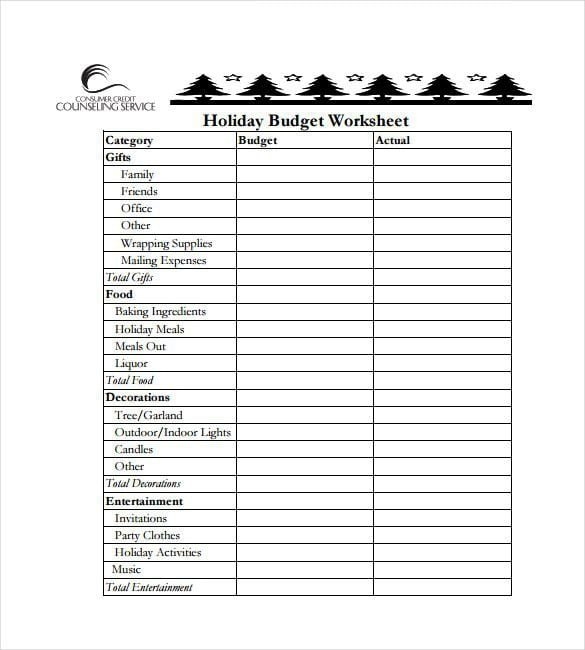
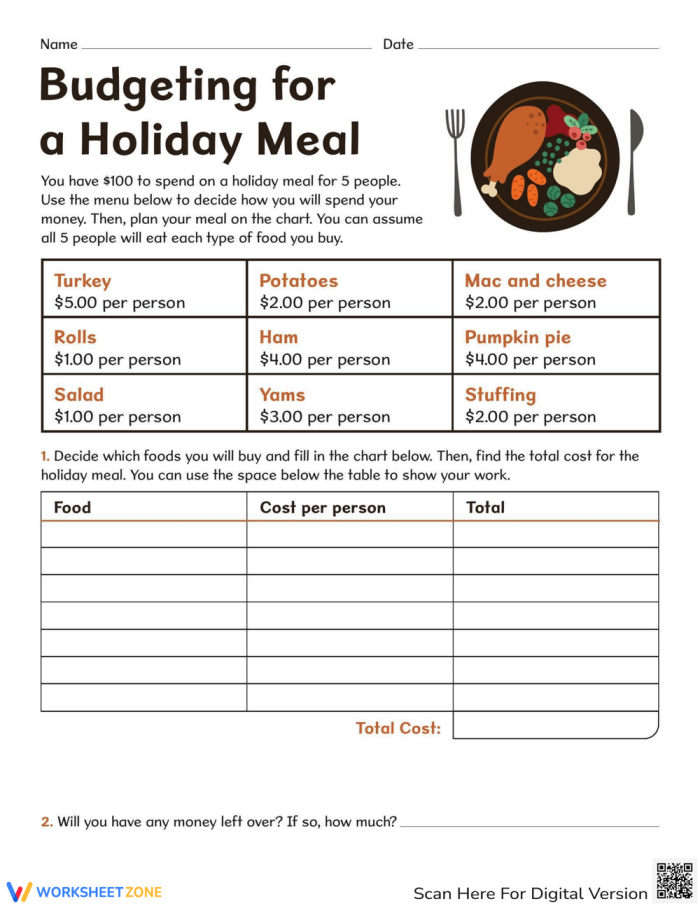
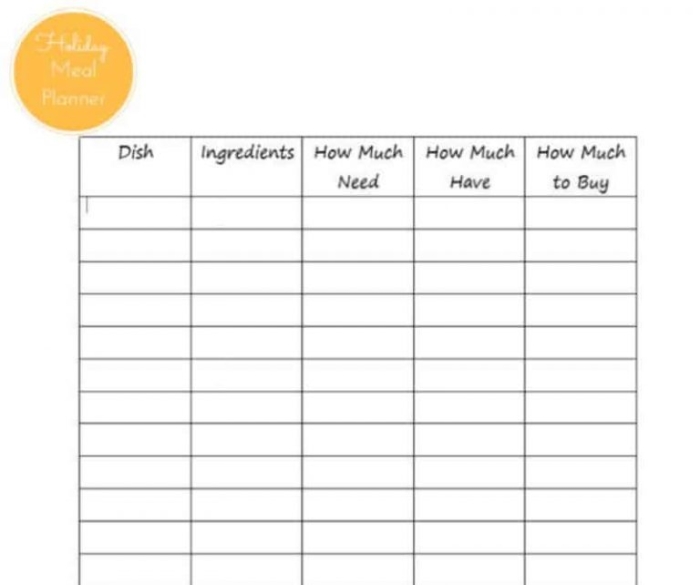
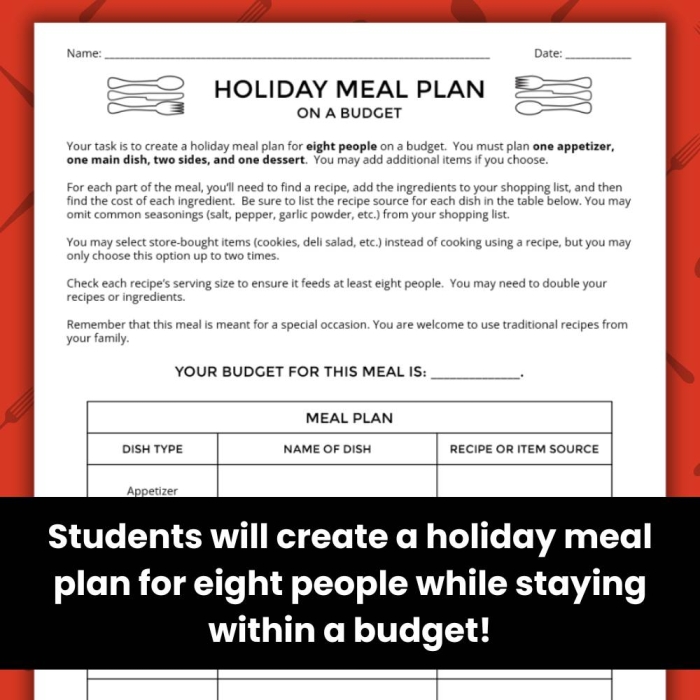
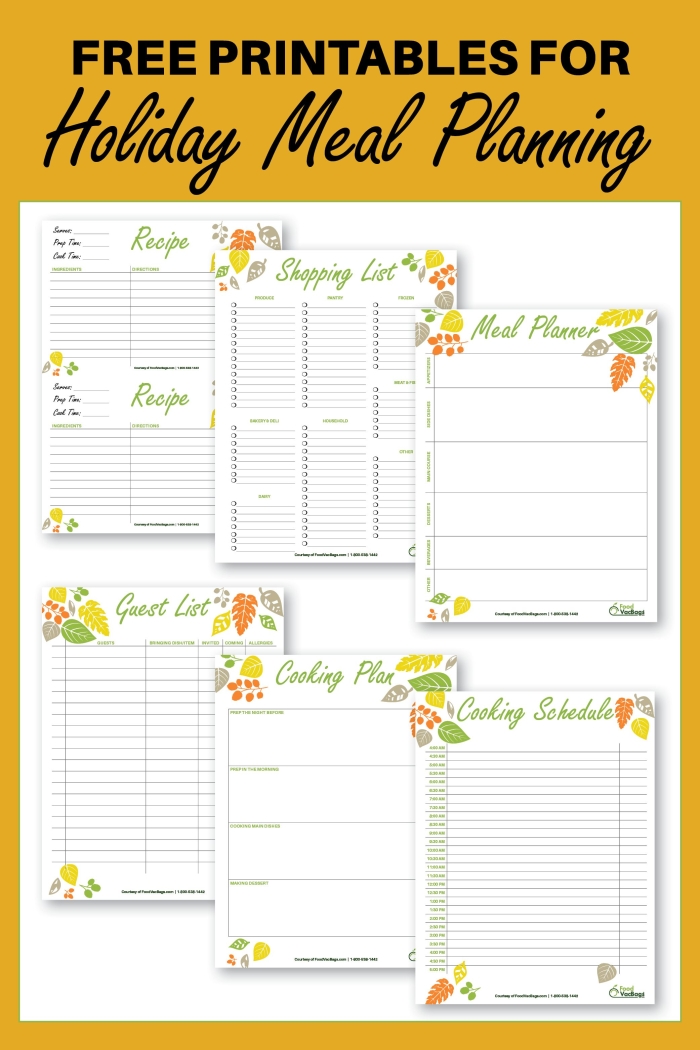
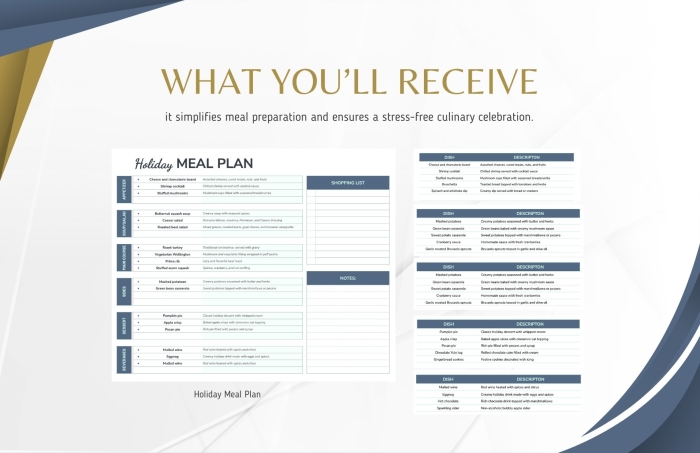
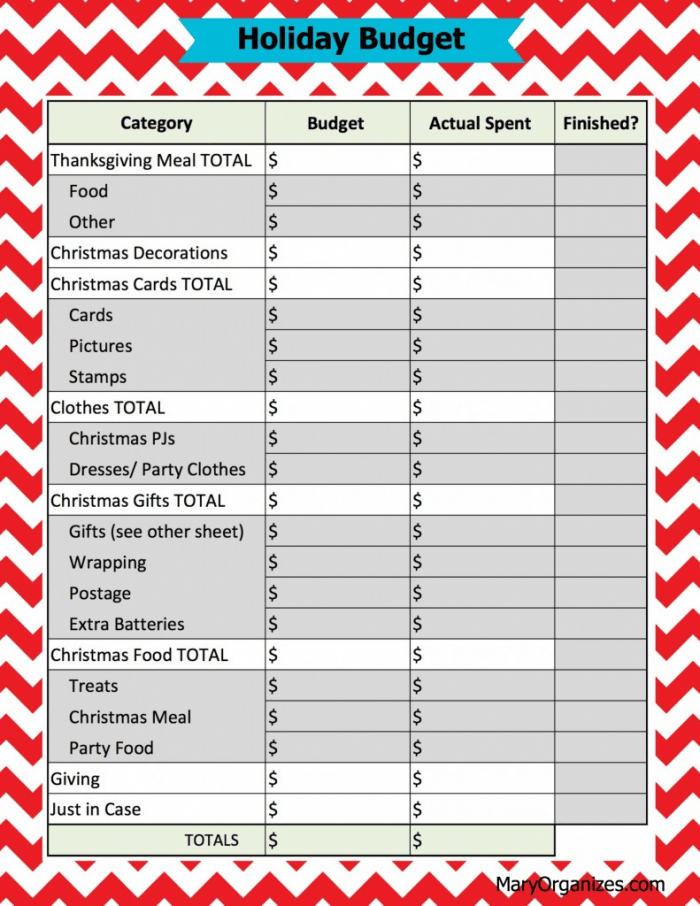
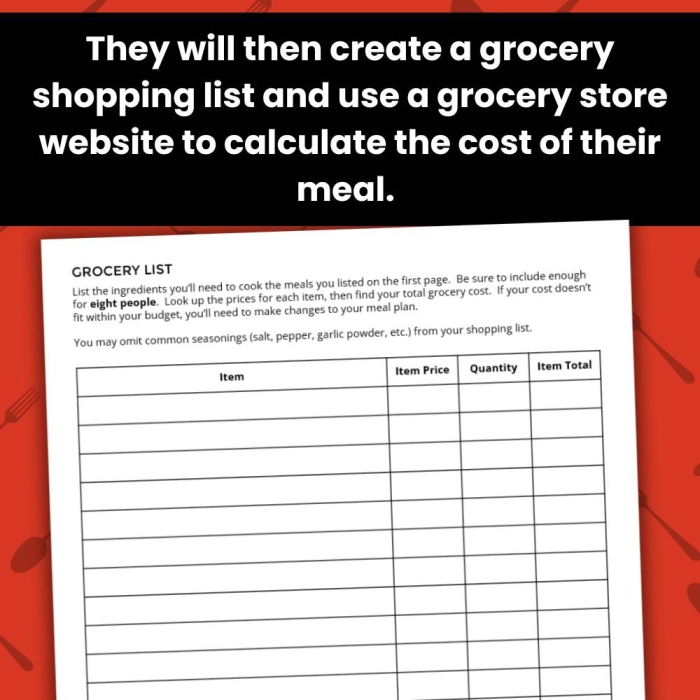
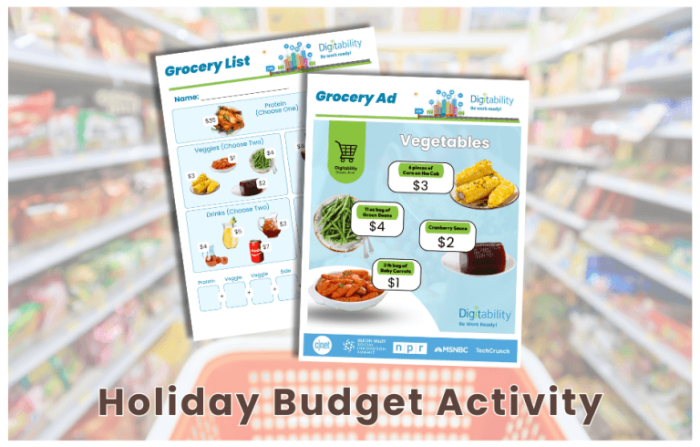
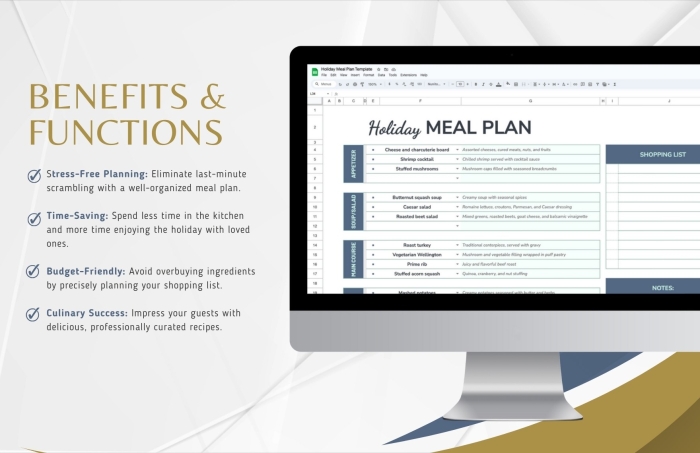
When third graders tackle a holiday meal planning worksheet, they’re not just filling in blanks on a page. They’re making real decisions about what to buy, how much to spend, and whether their choices fit within a budget. This type of activity bridges the gap between abstract math concepts and the concrete world kids actually navigate.
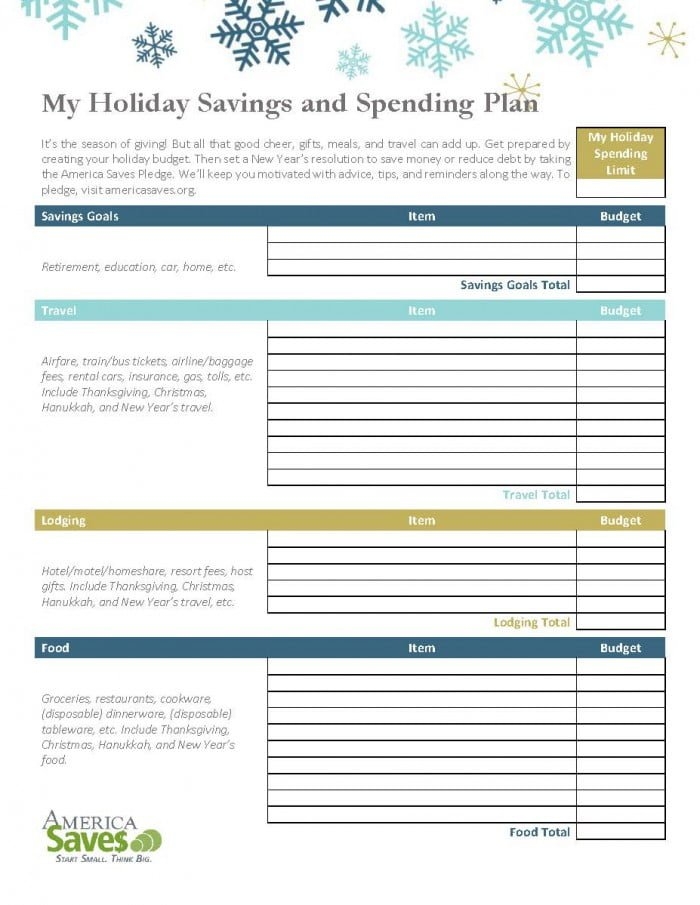
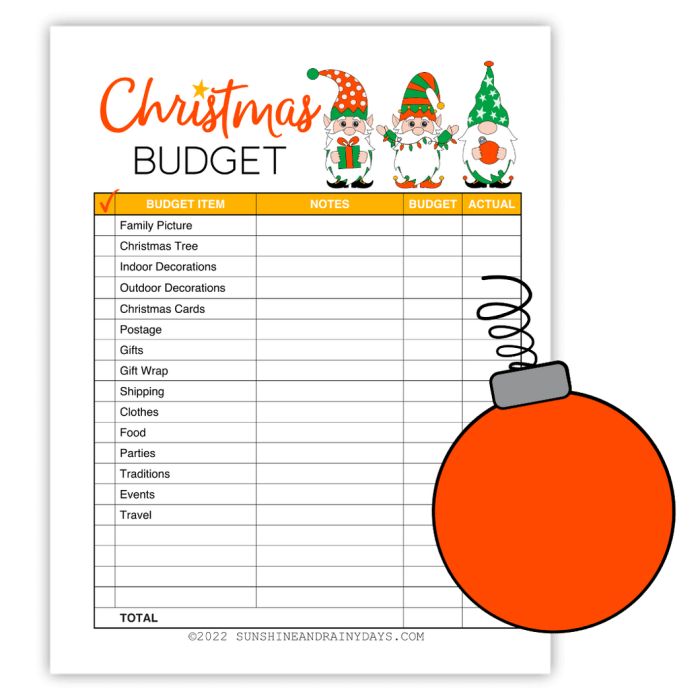
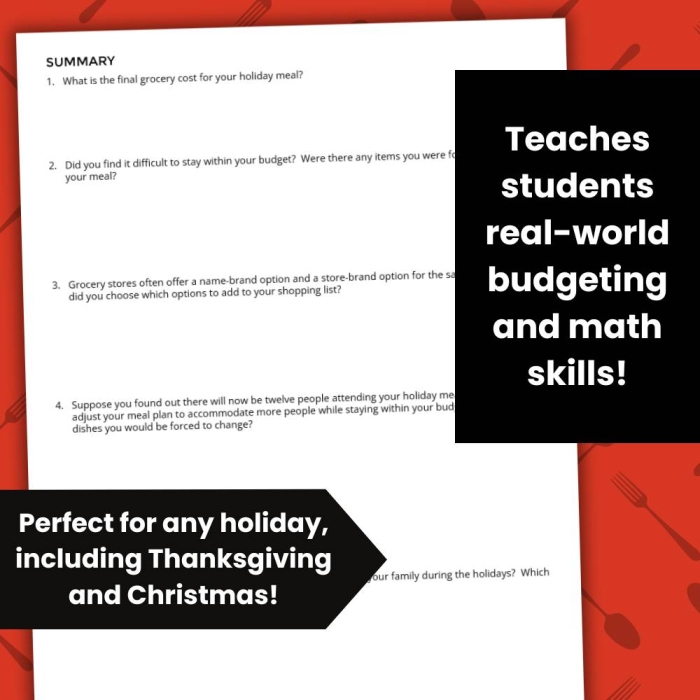
The worksheet typically presents a restaurant or catering menu with prices listed for each dish. Children receive a set budget, say $50 or $75, and must select items for a festive meal while staying within that limit. The challenge feels less like homework and more like a puzzle they want to solve. They might choose between a $12 appetizer and a $15 one, then calculate whether they can still afford dessert.
What makes this exercise particularly valuable for third graders is how it introduces fractions naturally. When a child decides to split a $20 entree cost between two guests, they’re working with halves. If three people share a $9 dessert, they’re dealing with thirds. These aren’t abstract fraction problems on a worksheet, but practical divisions that make sense because they’re solving a real scenario.
The playful nature of meal planning keeps engagement high. Kids enjoy the autonomy of choosing which dishes appeal to them, whether that’s pizza or pasta, cake or cookies. Teachers often find that students who struggle with traditional math drills become focused problem-solvers when the context involves food and celebration.
Beyond basic arithmetic, this activity teaches planning and decision-making. Students learn that choices have consequences. Ordering the most expensive items first might leave no money for sides or drinks. This mirrors actual budgeting adults do every day. For third graders working on measurement and practical math skills, a festive meal planning worksheet offers both skill practice and real-world relevance that makes learning stick.
Use These Worksheets Today