Engaging students in the process of reading nonfiction text can be a rewarding challenge. One effective way to do this is by using exercises that encourage learners to extract information from both the text and its features. This approach not only enhances reading comprehension but also builds critical thinking skills necessary for academic success.
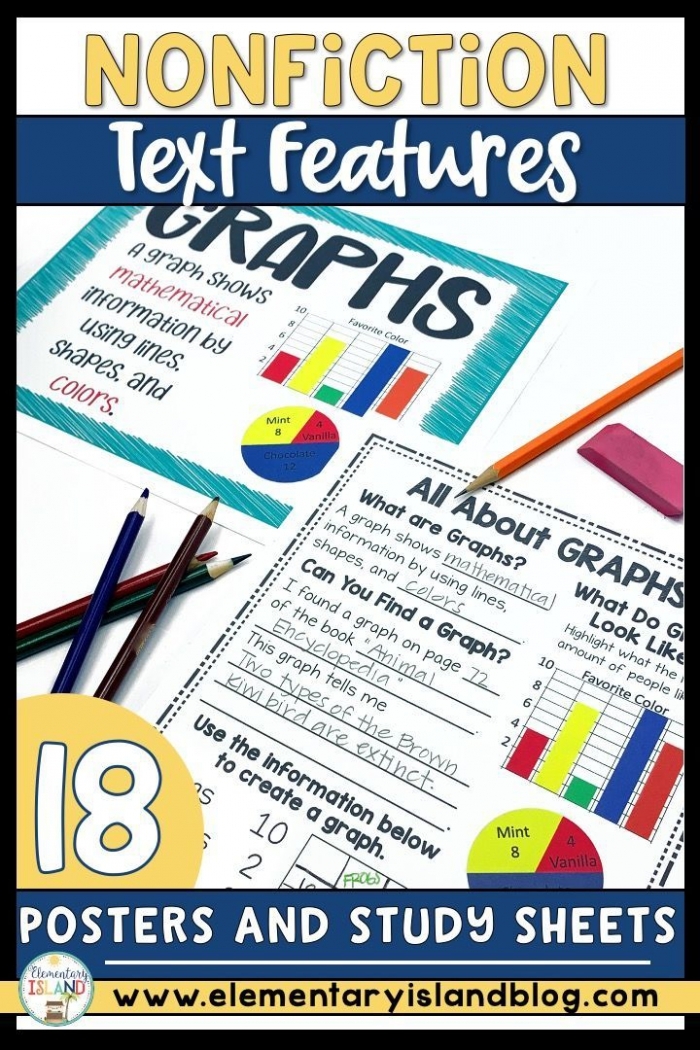
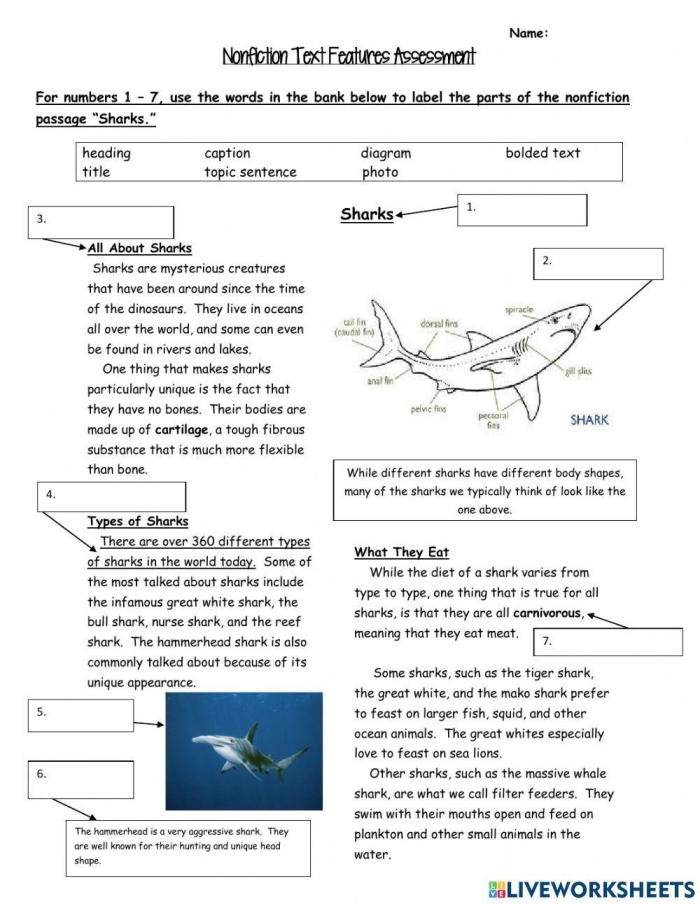
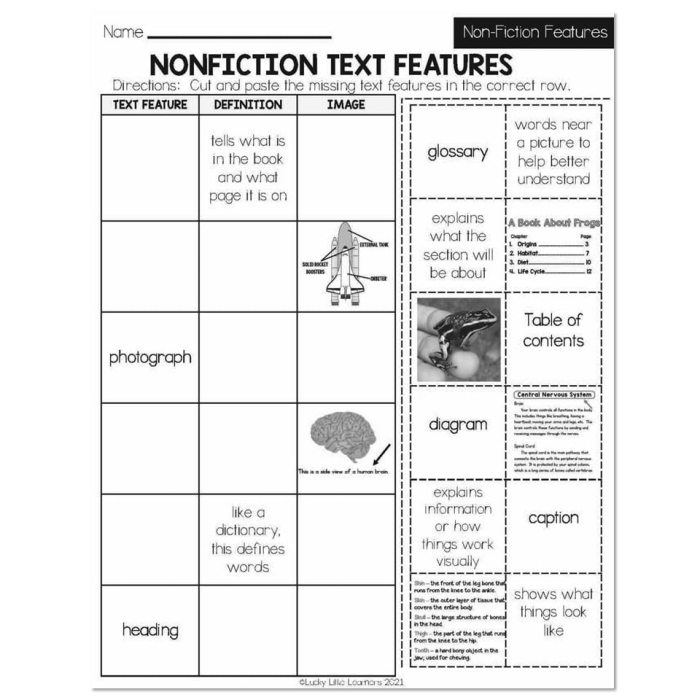
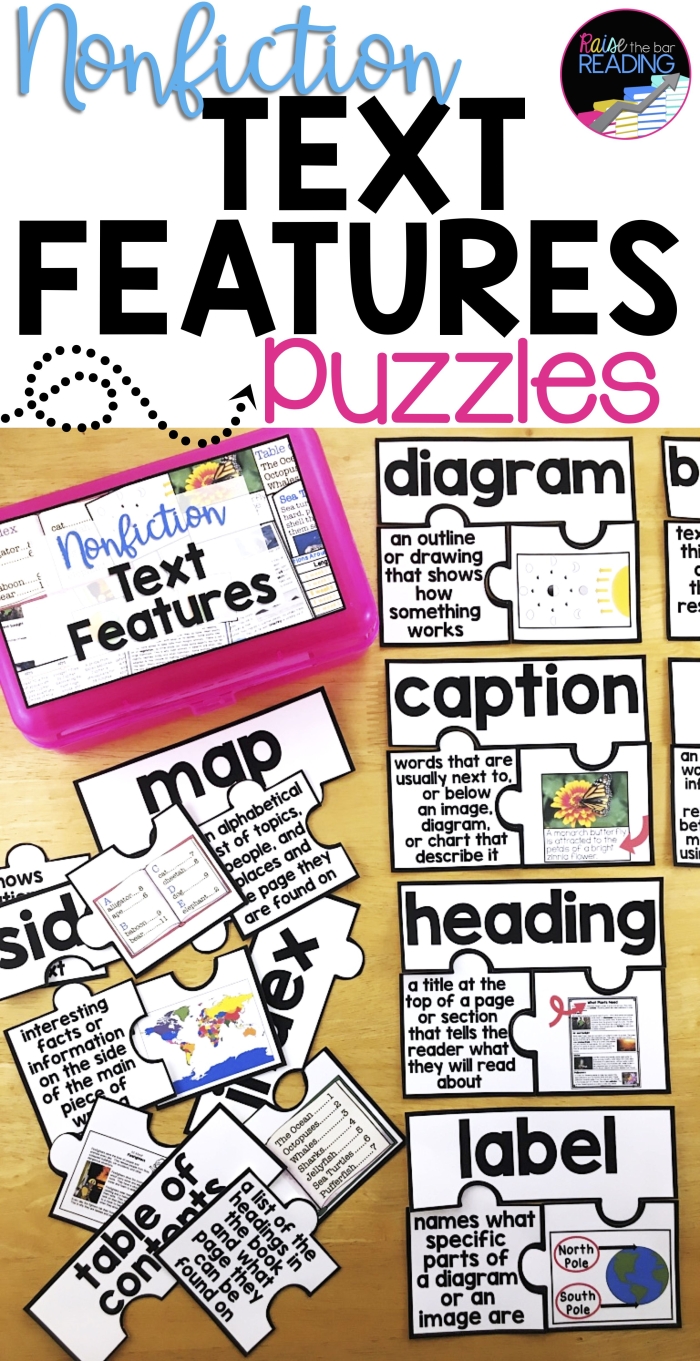
When students interact with nonfiction texts, they encounter various features such as headings, subheadings, graphs, and charts. These elements are designed to support the reader’s understanding of the material. By guiding third graders to recognize and utilize these features, you help them develop a stronger foundation in comprehension. For example, if students are reading about endangered species, they can refer to a graphic that illustrates population numbers. This visual information complements the text and provides a clearer picture of the issue at hand.
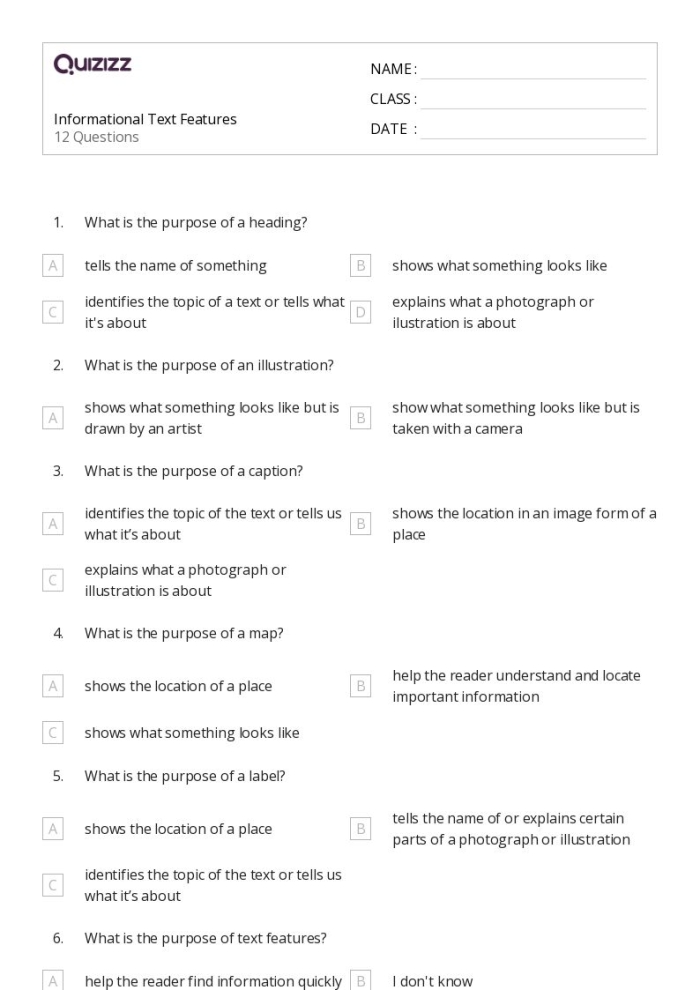
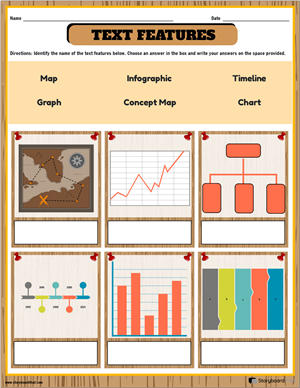
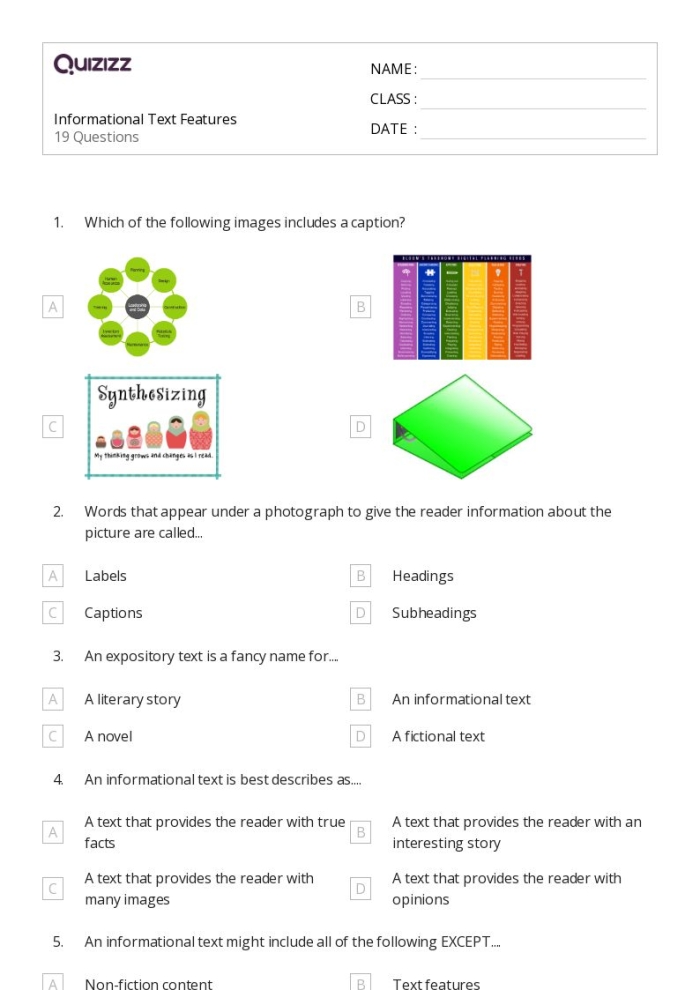
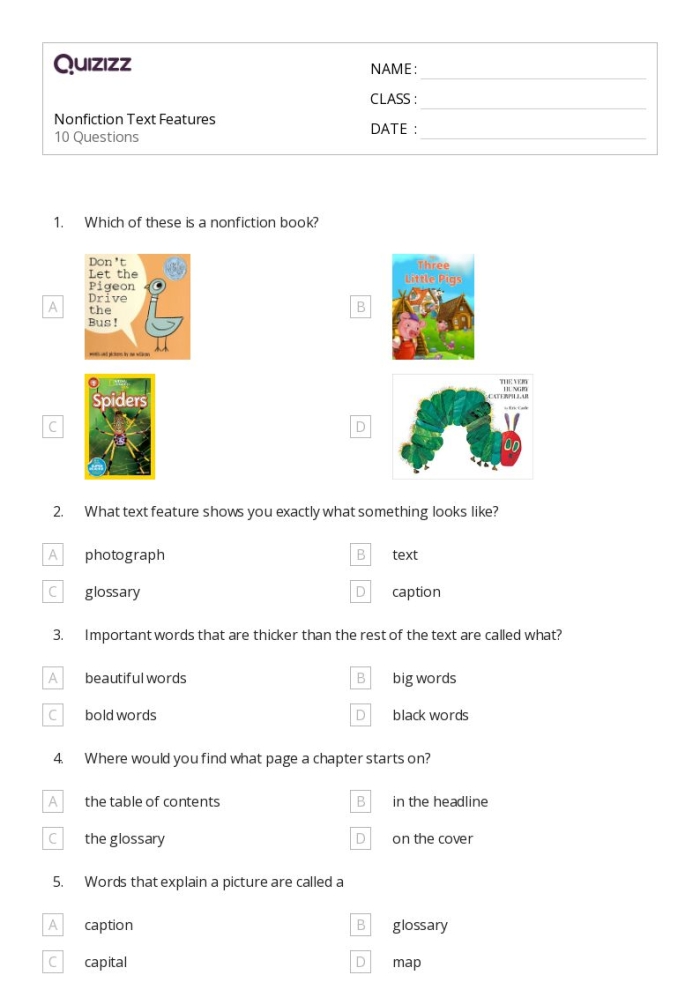
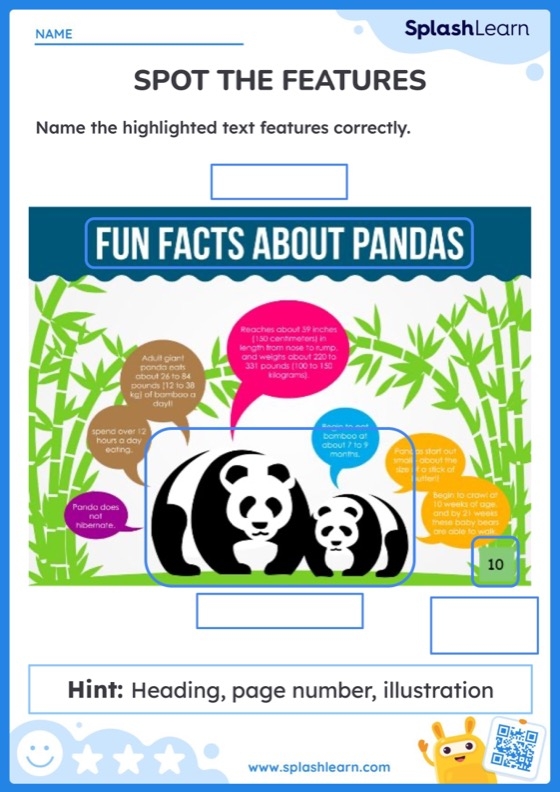
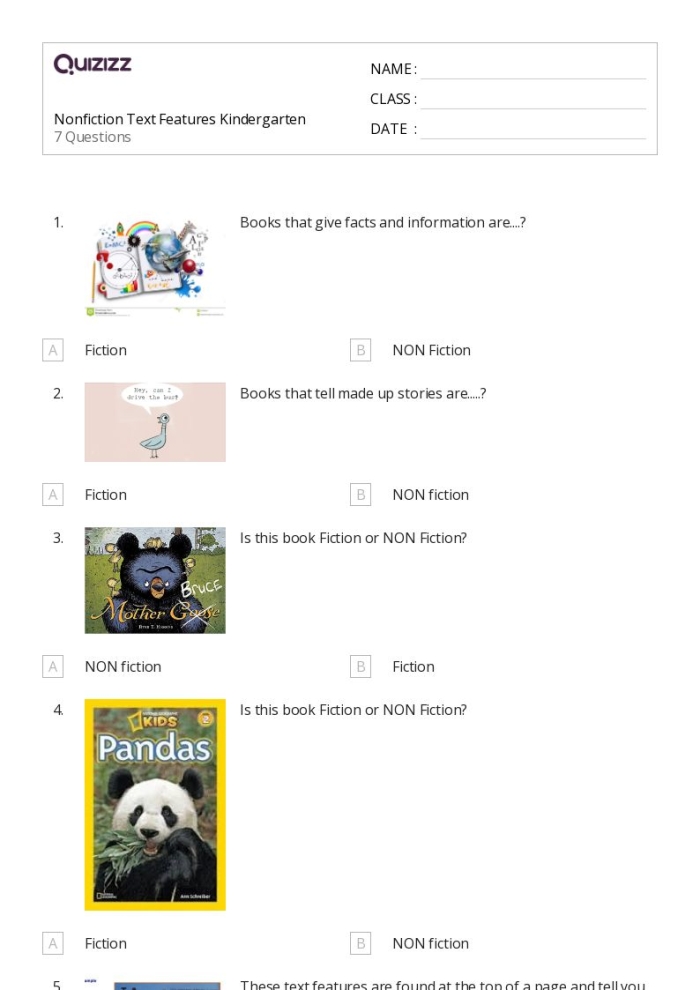
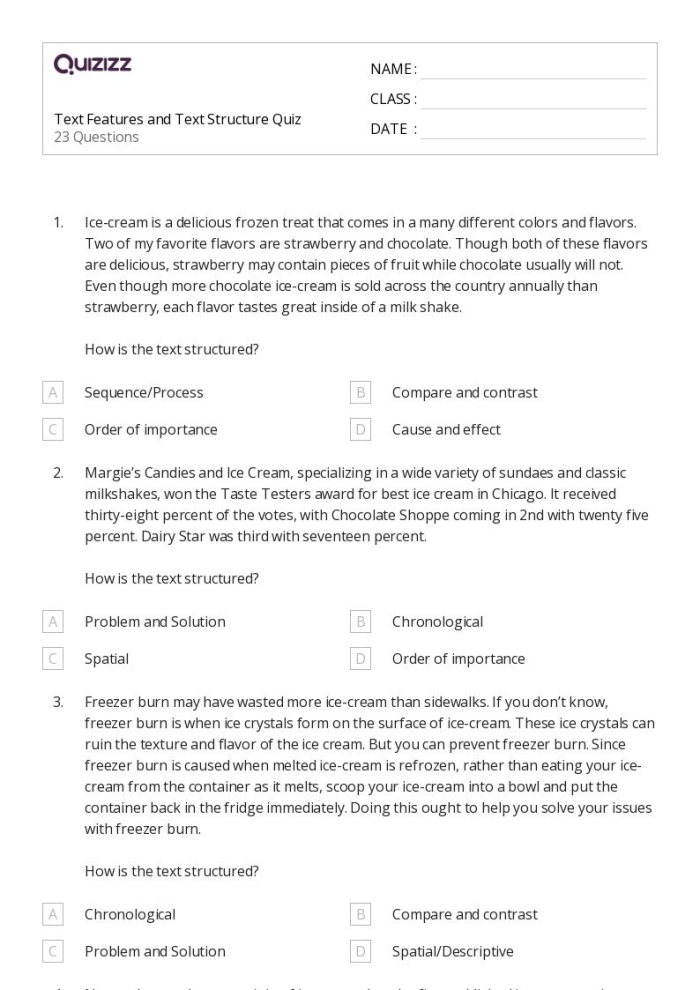
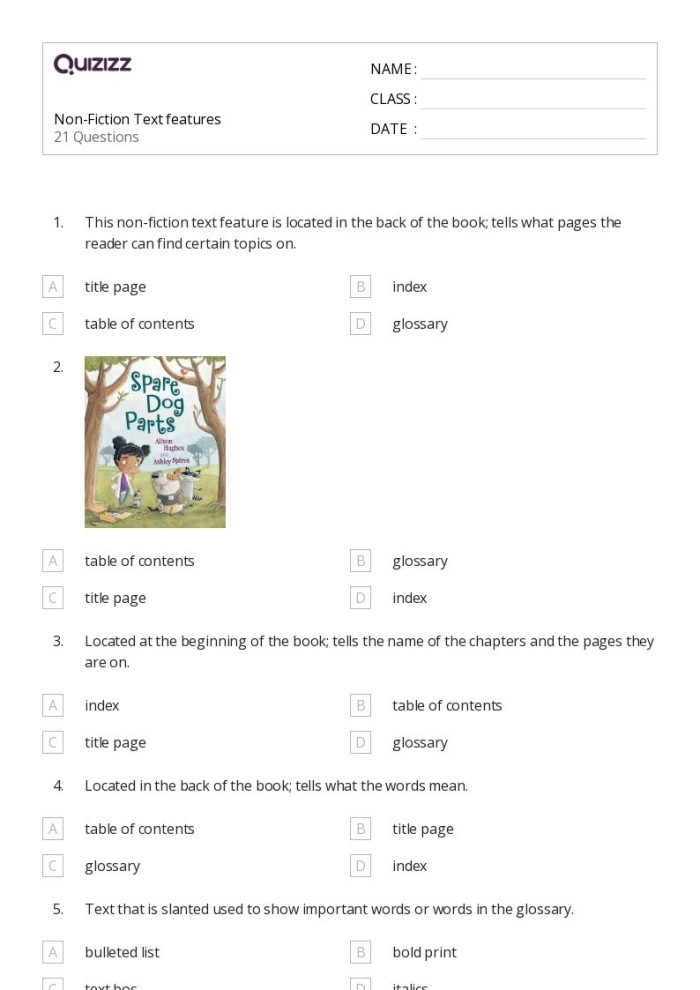
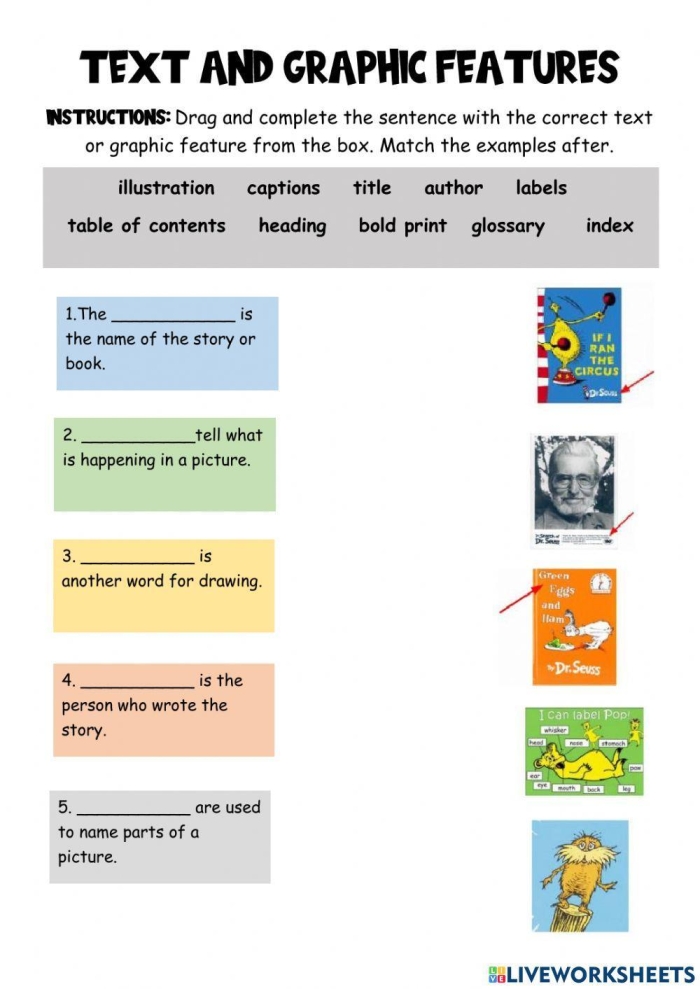
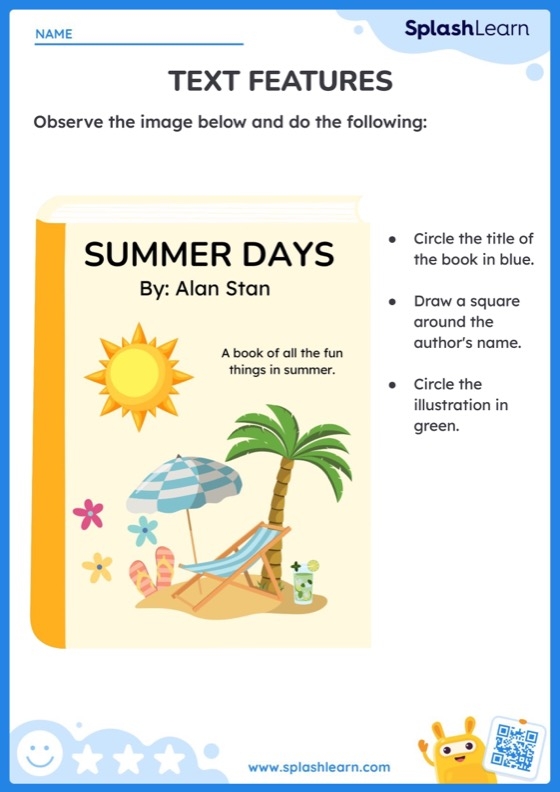
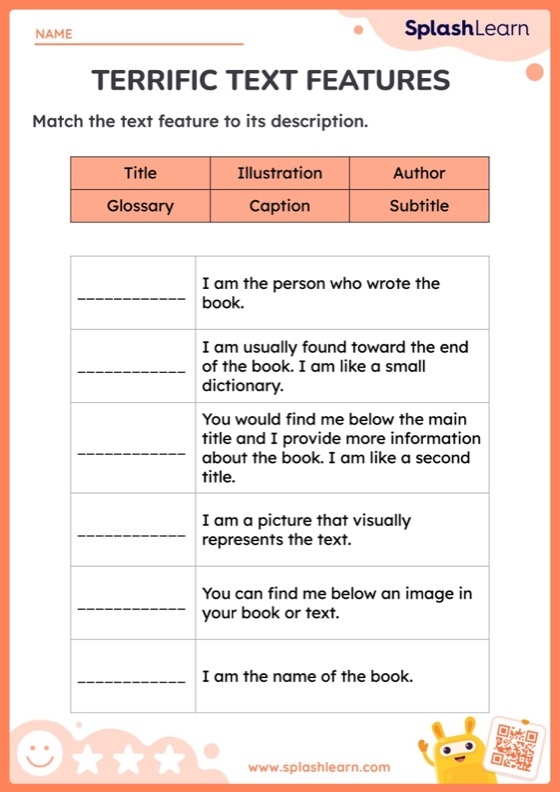
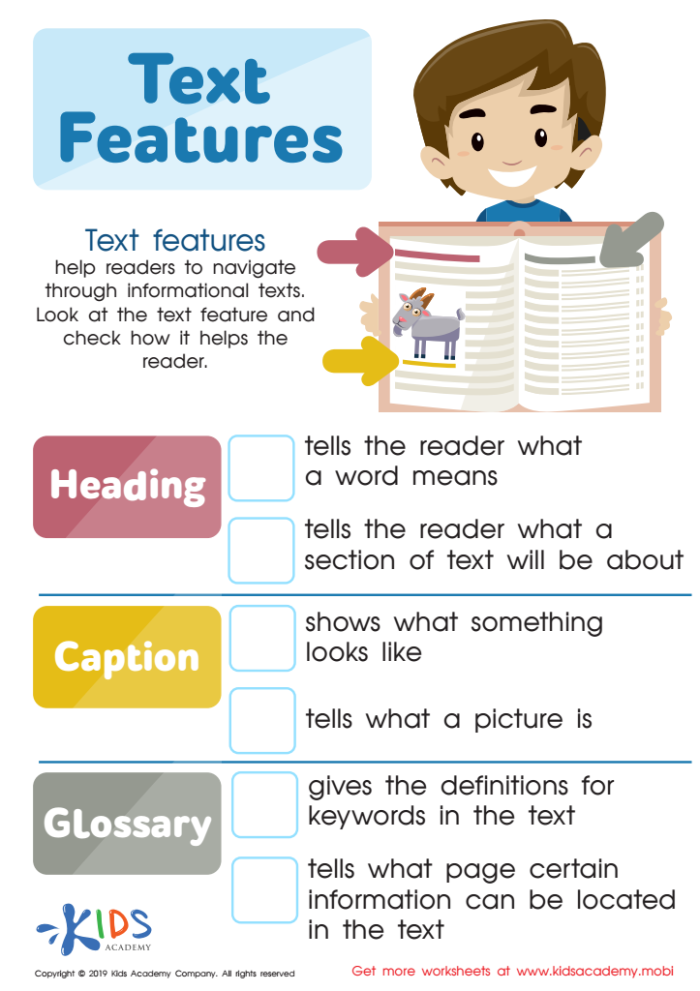
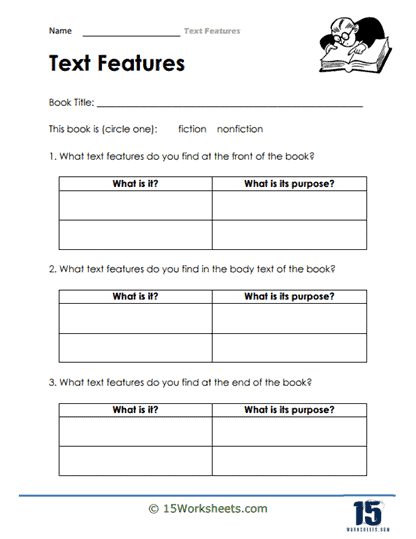
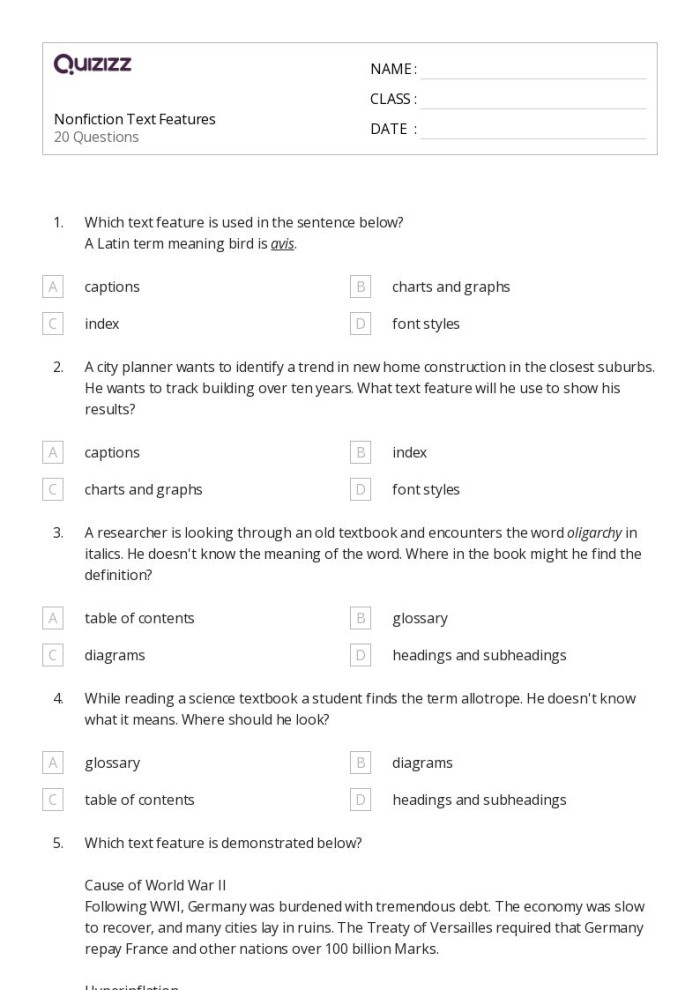
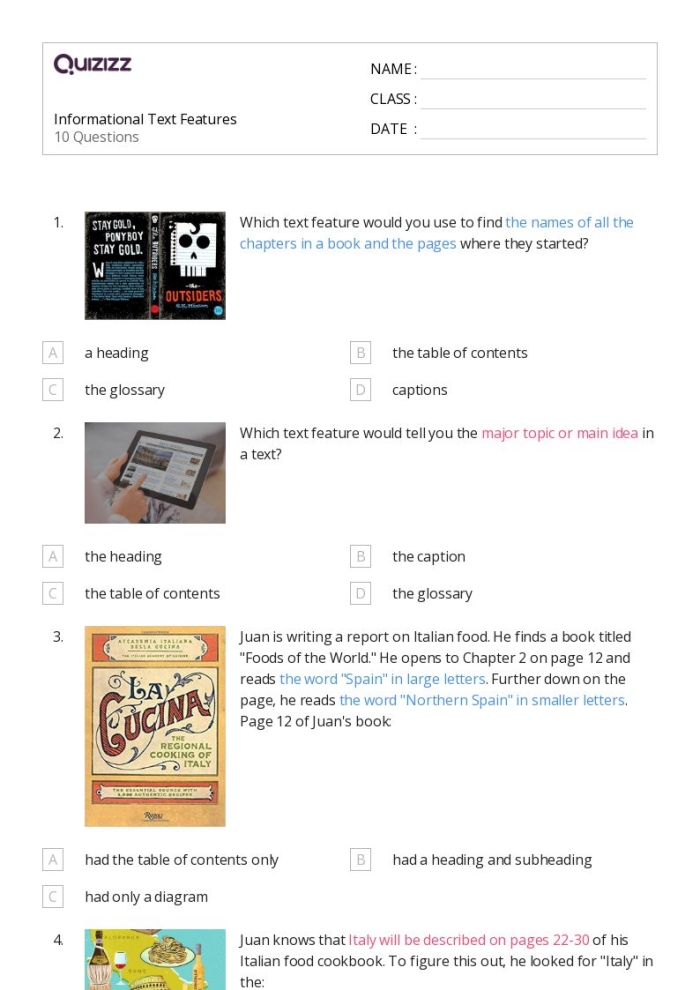
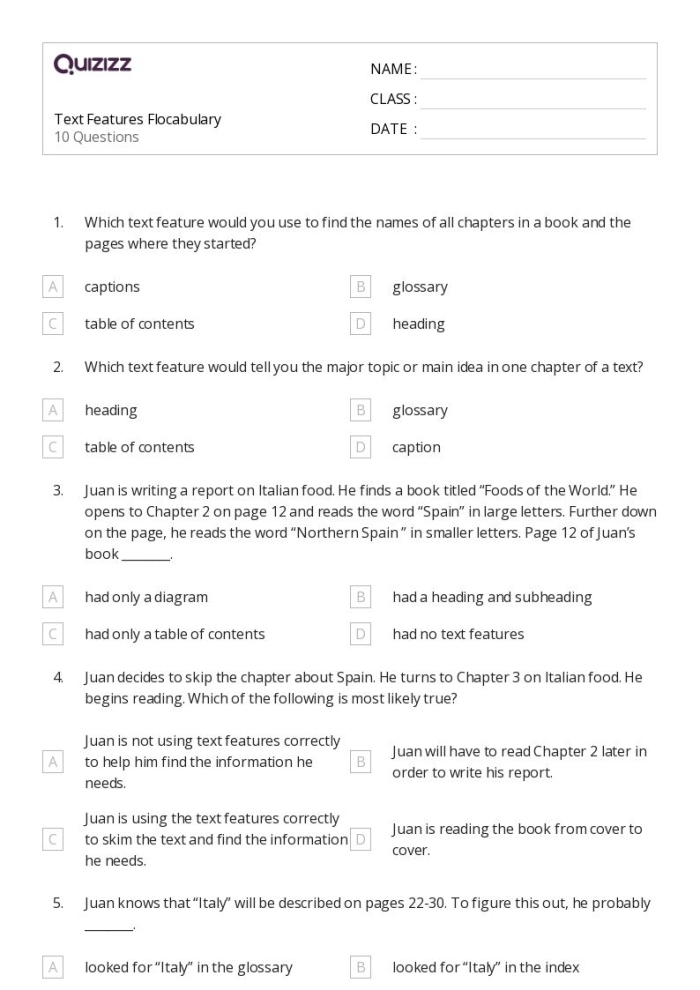
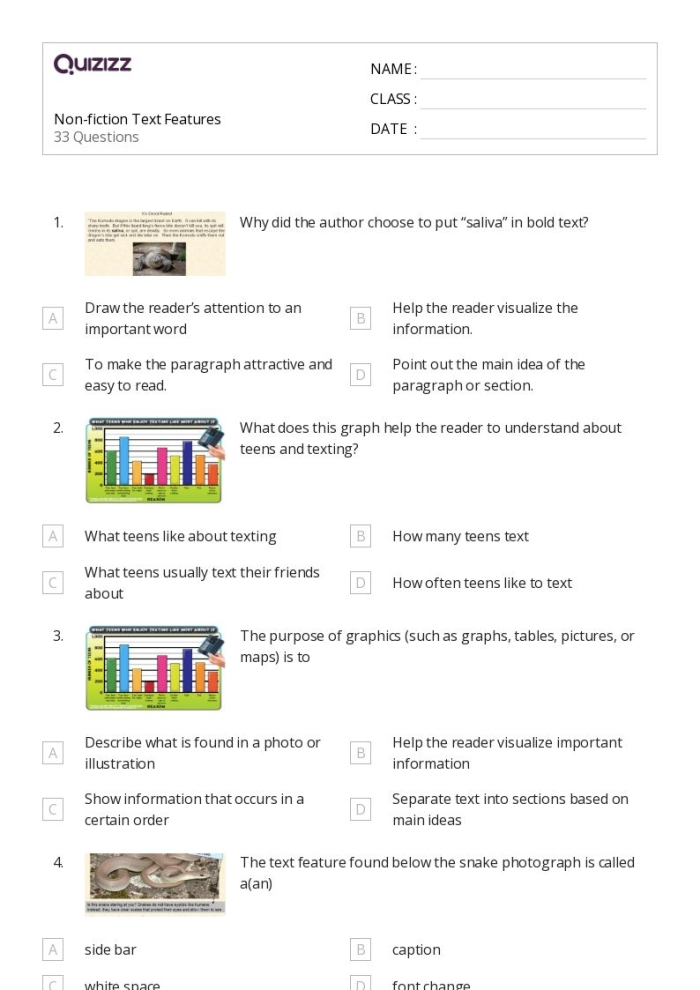
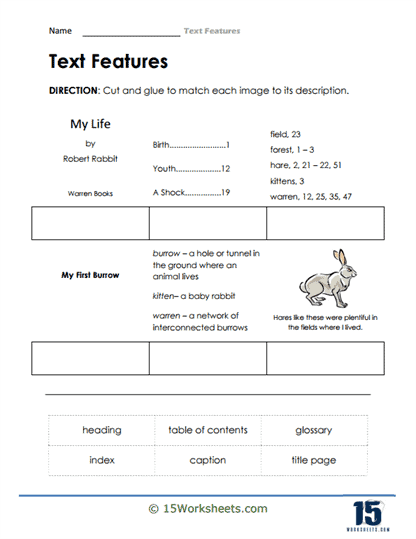
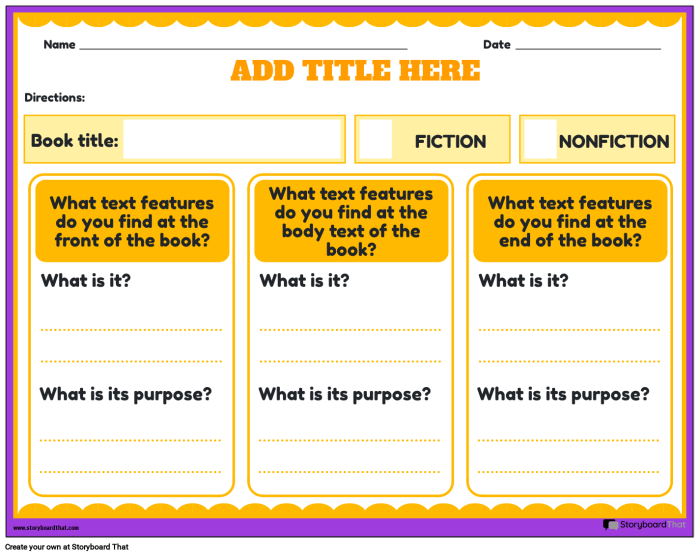
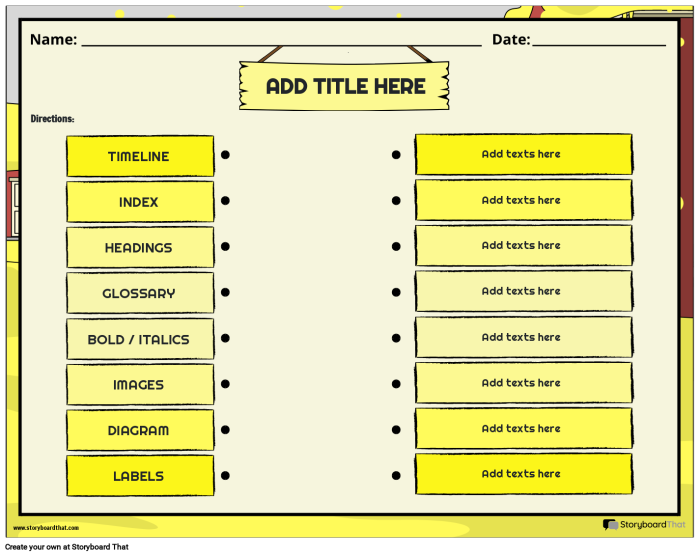
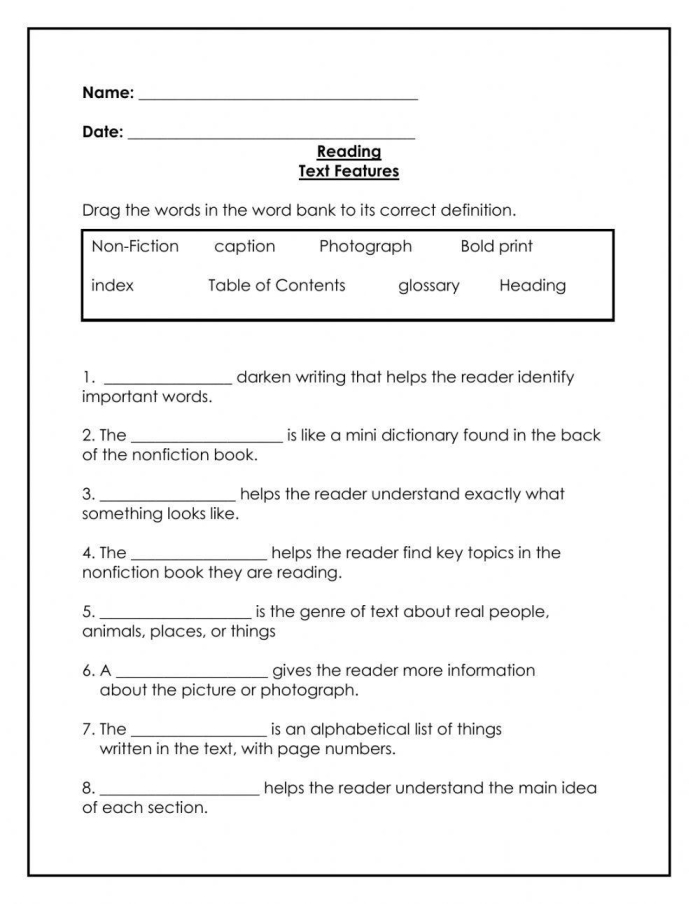
To implement this exercise, provide your students with Printable Working Together: Text and Text Features Worksheets. These worksheets can include various nonfiction passages paired with questions that prompt students to locate specific text features. As they answer questions, such as “What does the graph tell you about the population of a certain animal?” they practice synthesizing information from different sources.
Encourage students to be curious about the material. Ask them to explore how different text features can change their understanding or perspective on a topic. This not only fosters a love for reading but also enhances their ability to analyze and interpret information. By focusing on the combination of text and its features, students will be better prepared to tackle complex texts in the future, making it an essential skill in their educational journey.
Incorporating these strategies into your lessons can make a significant difference in how third graders approach nonfiction reading. By building their comprehension skills in a structured way, you set them up for success in measurement activities and beyond. For further practice, consider additional resources like the homophones worksheets or the endangered species word search.
Start Practicing with These Worksheets