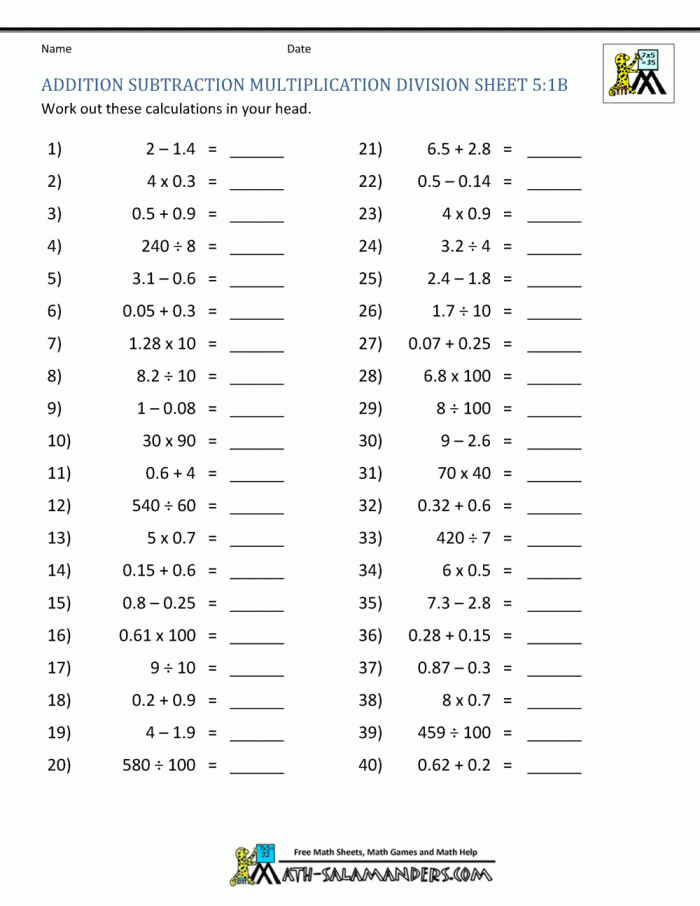
Allowing students to choose their own division strategies can transform a routine math exercise into an engaging learning experience. In this scenario, fourth graders not only tackle division problems but also take charge of their learning by selecting methods that resonate with them. This empowerment is crucial; when students feel they have a say in how they approach tasks, their motivation and confidence often increase.
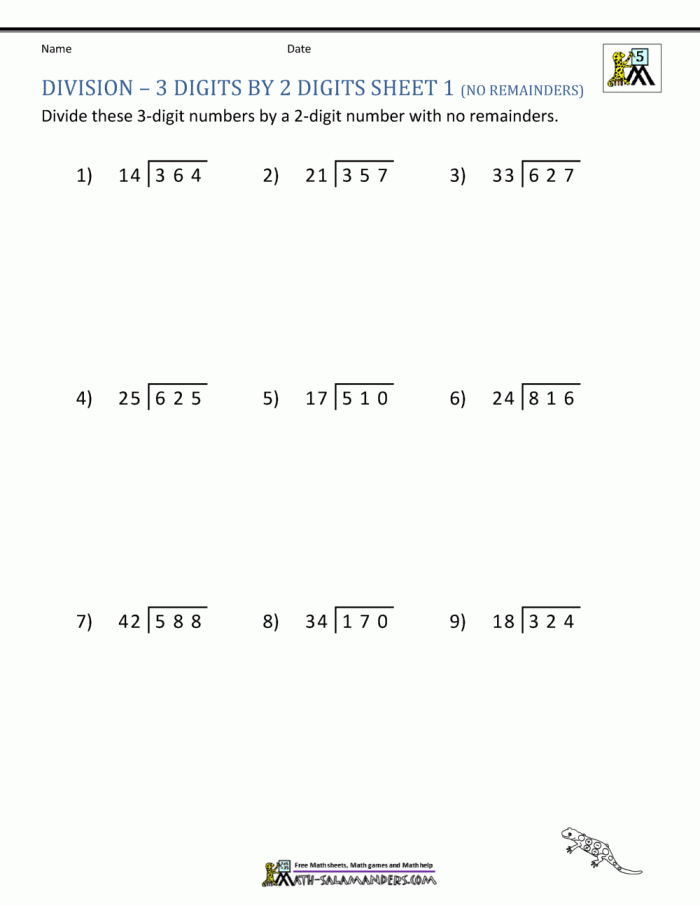
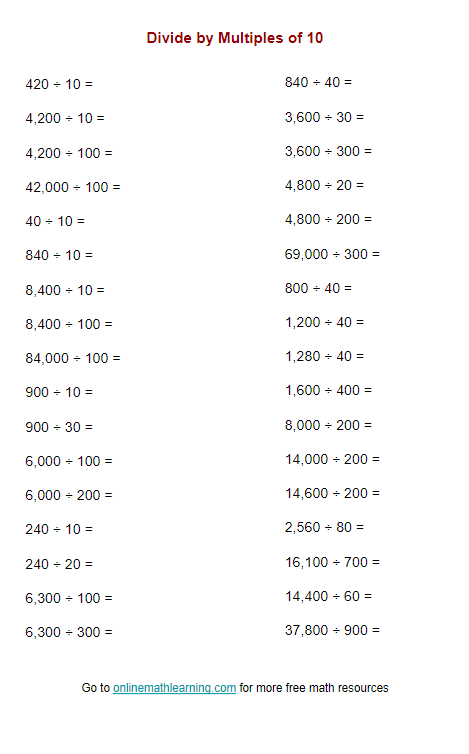
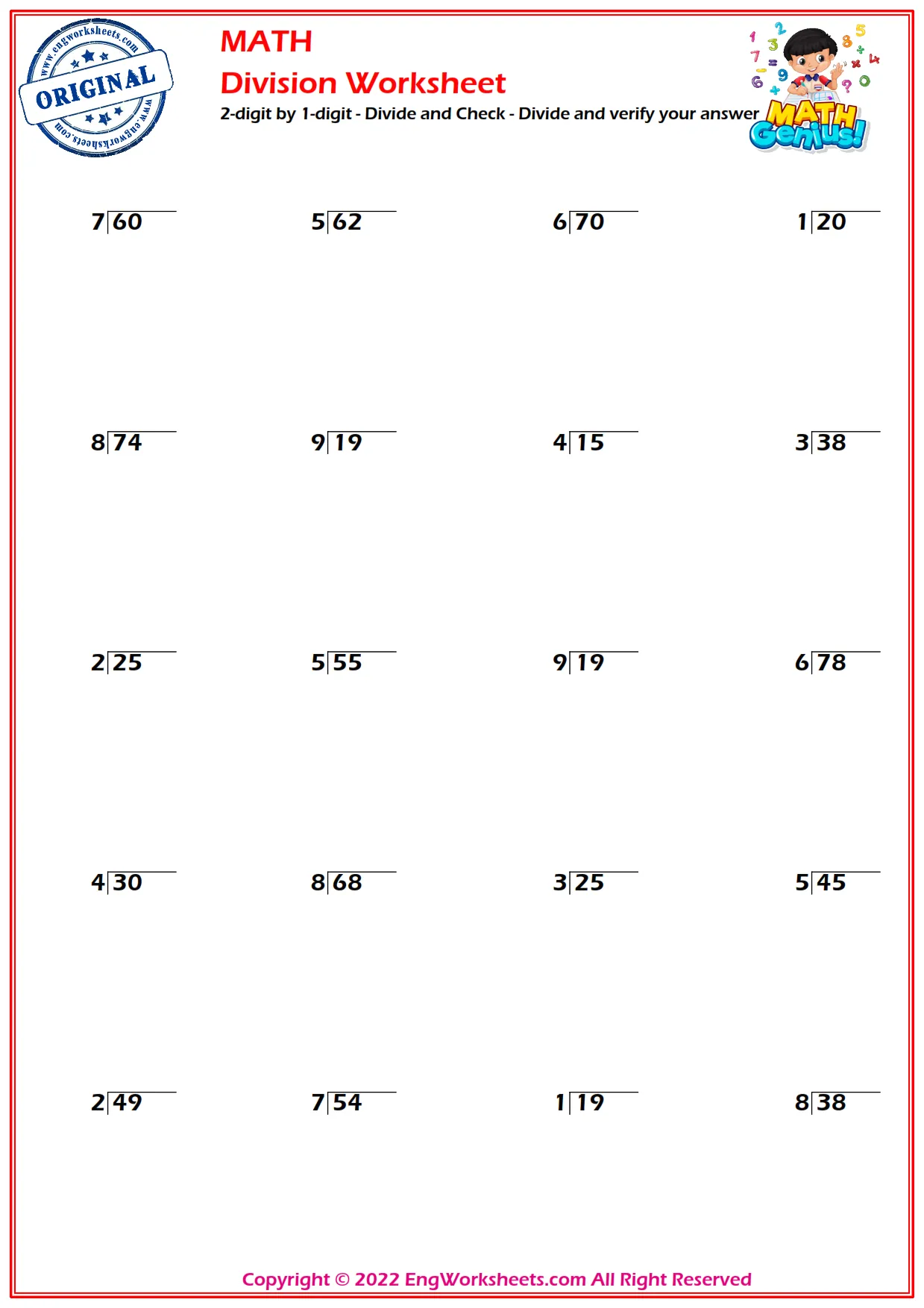
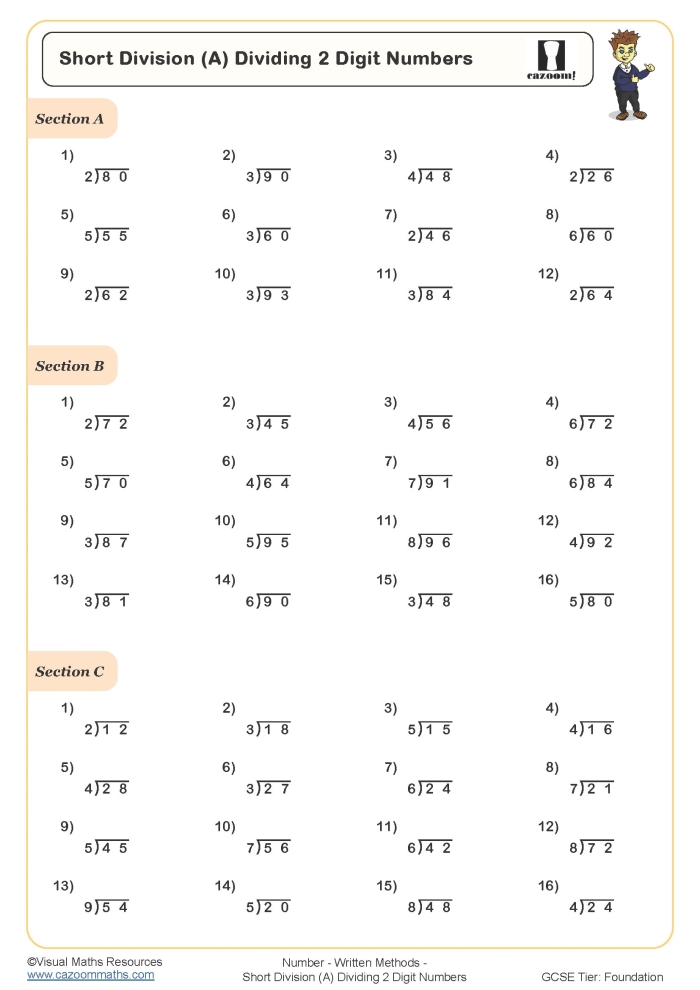
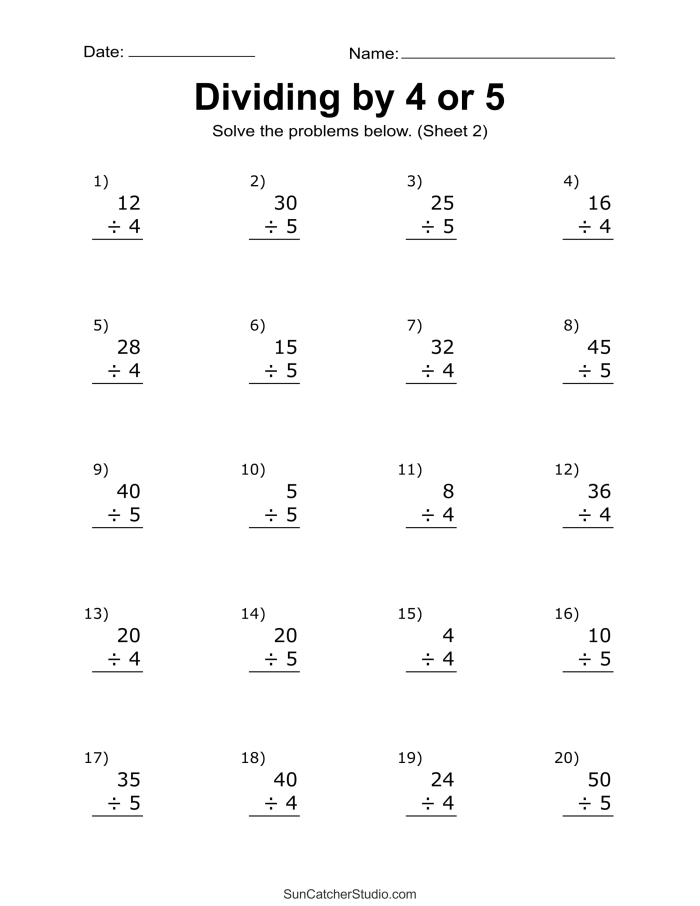
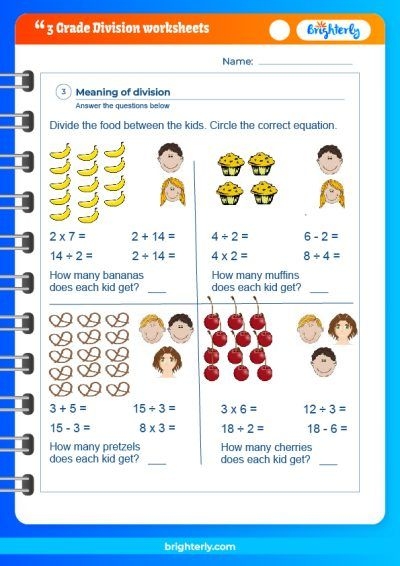
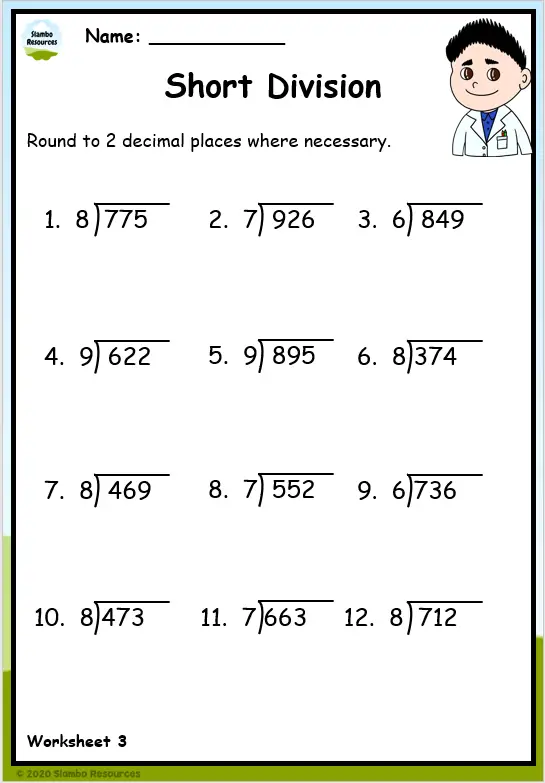
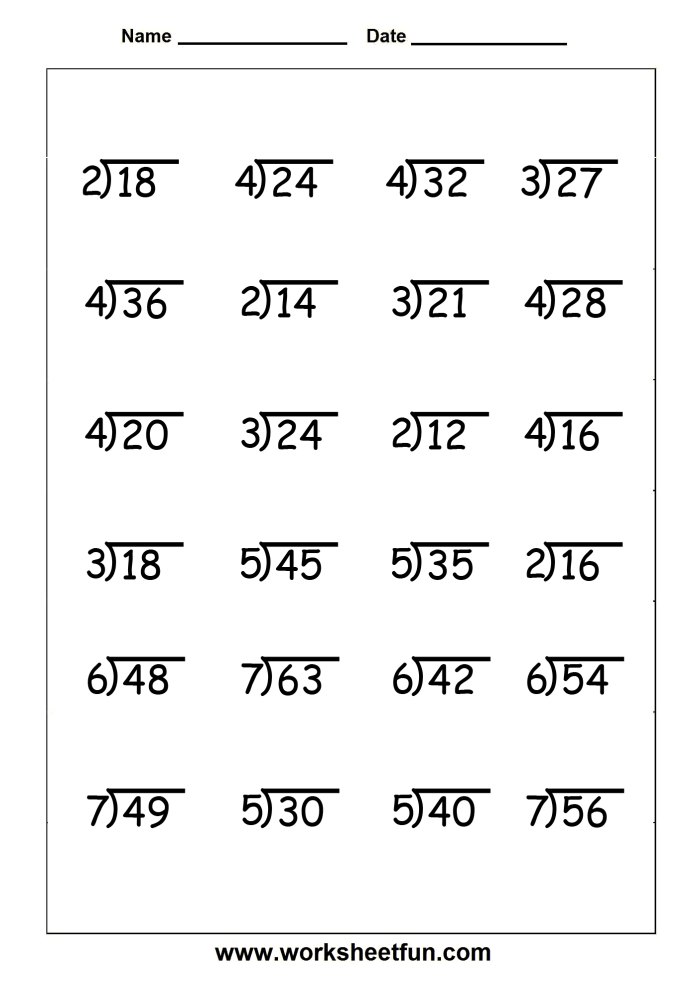
Let’s consider a practical application. Imagine a worksheet filled with various division problems tailored for fourth graders. Instead of a one-size-fits-all approach, students might choose between using visual models, such as arrays or number lines, or opting for traditional algorithms. For example, when presented with the problem of dividing 24 by 6, one student might draw an array of 24 dots grouped into 6 rows, while another might employ long division. By allowing this choice, educators can cater to different learning styles and preferences, promoting a deeper understanding of the concept of quotients.
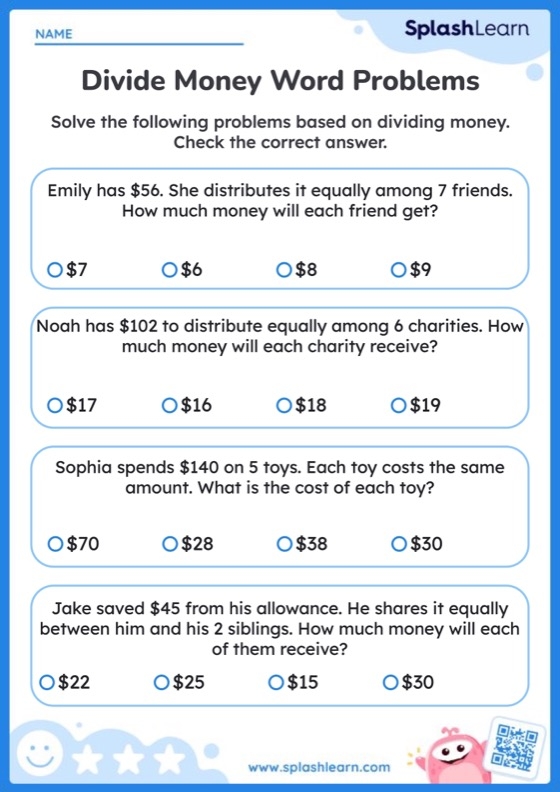
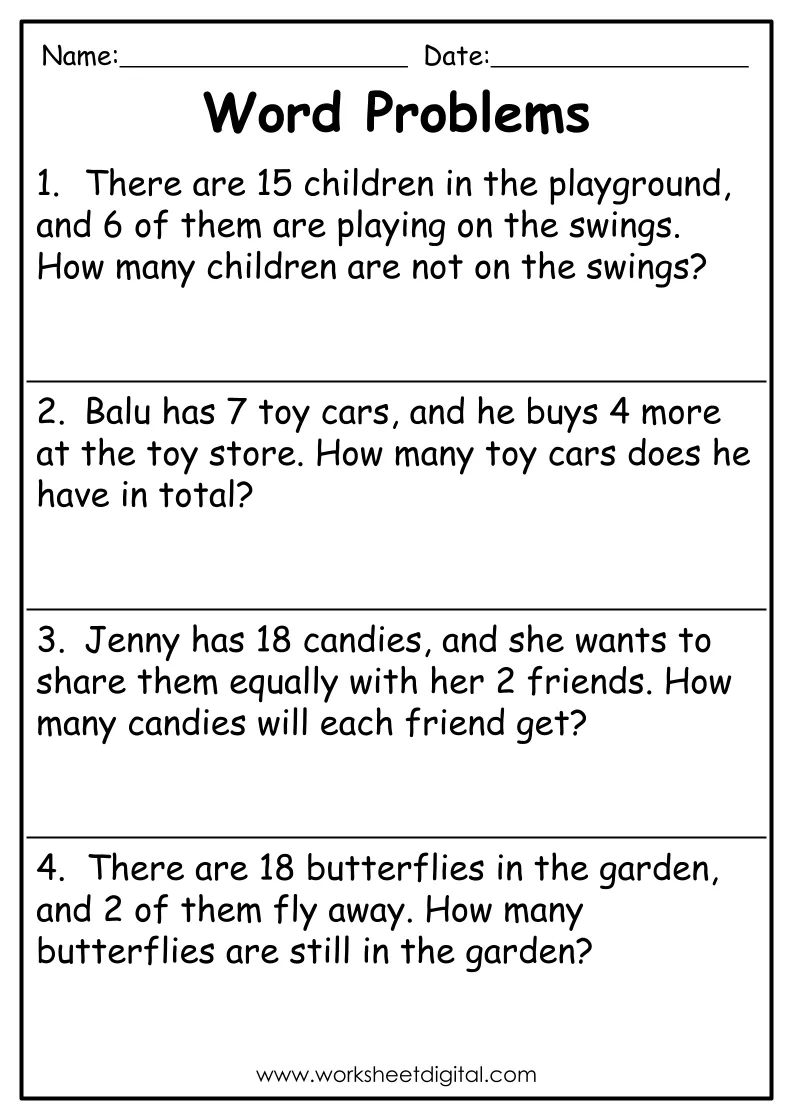
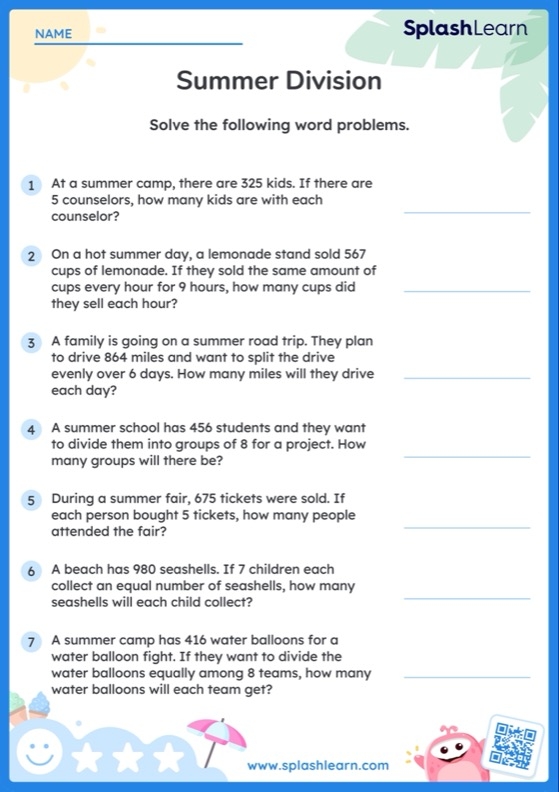
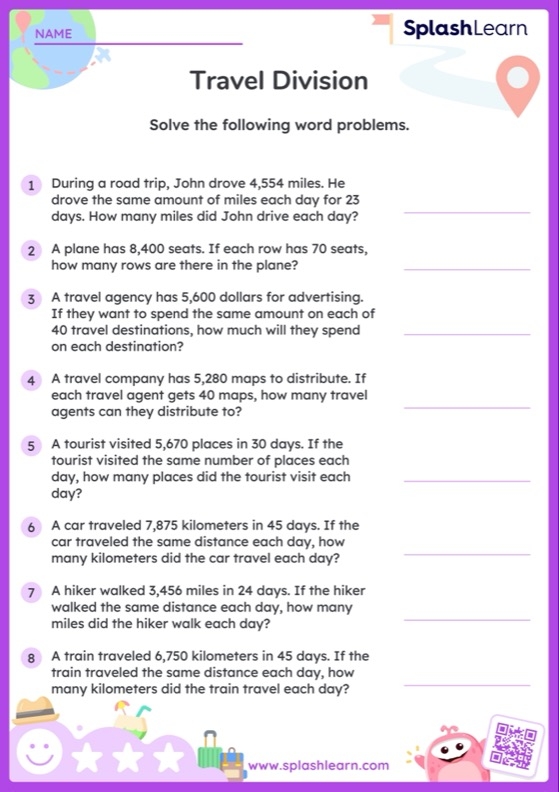
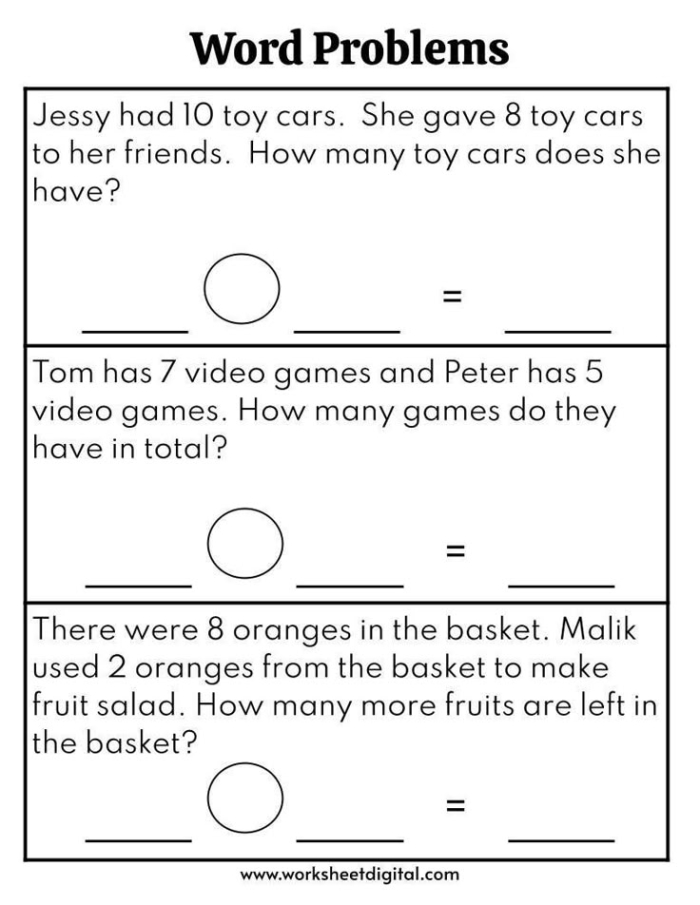
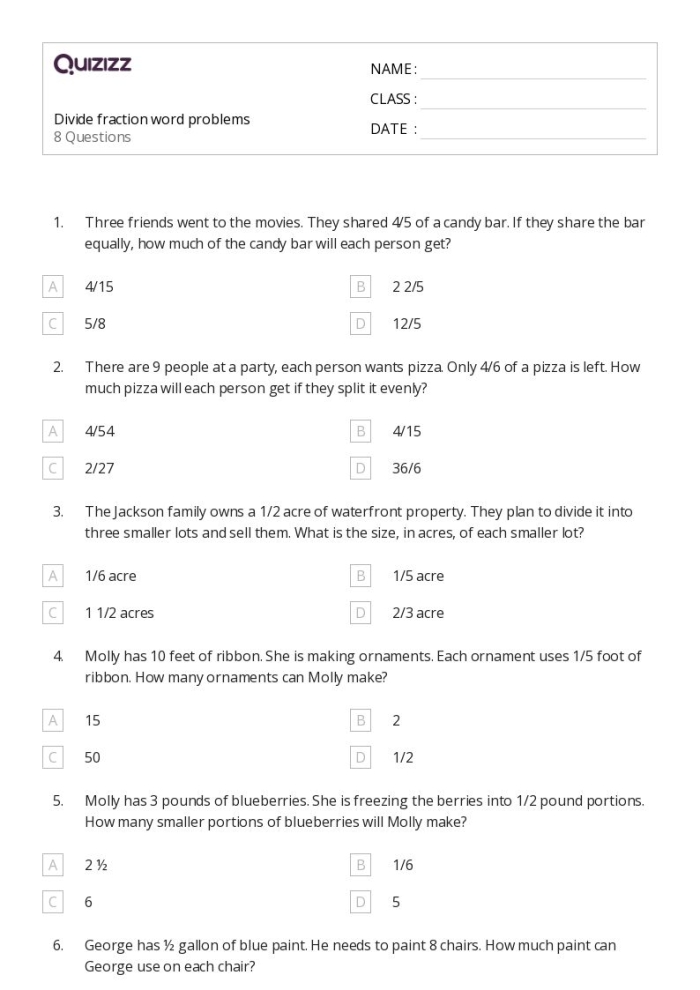
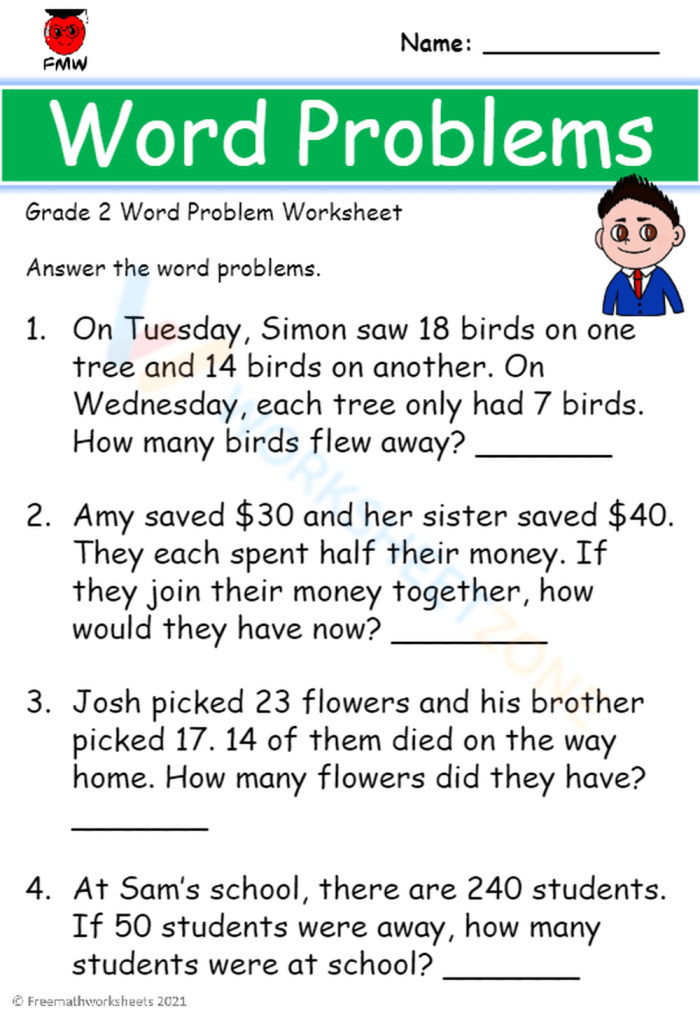
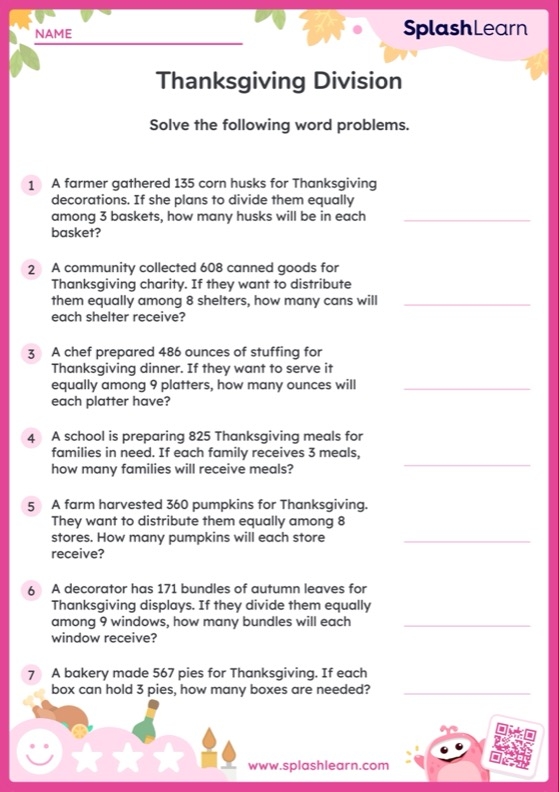
Furthermore, this exercise can be tied to real-world scenarios. When students encounter word problems that require dividing quantities, they can apply their chosen strategies in context. For instance, a problem might involve sharing 24 cookies among 6 friends, prompting discussion about fair distribution and practical applications of division. Such connections not only enhance engagement but also demonstrate the relevance of math in daily life.
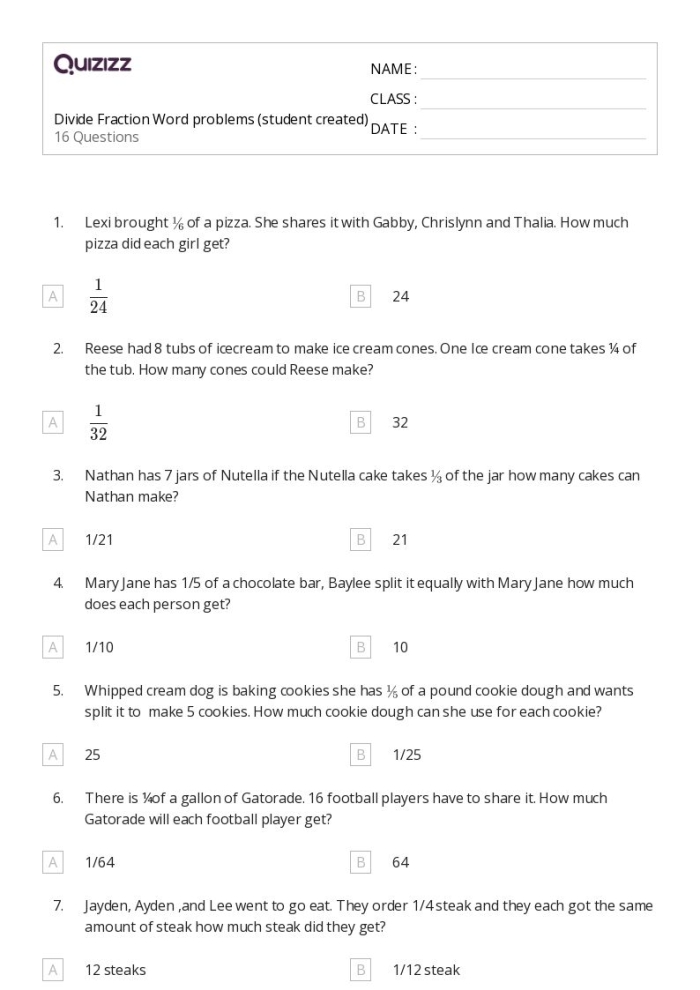
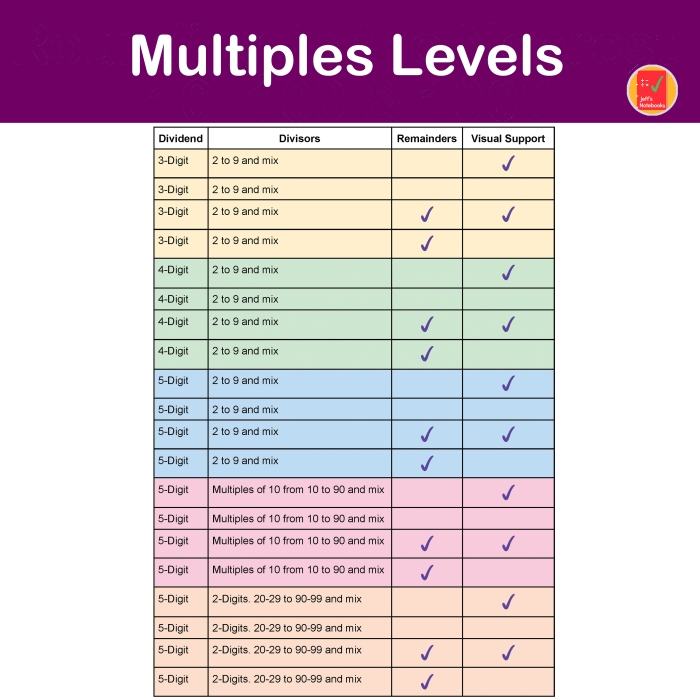
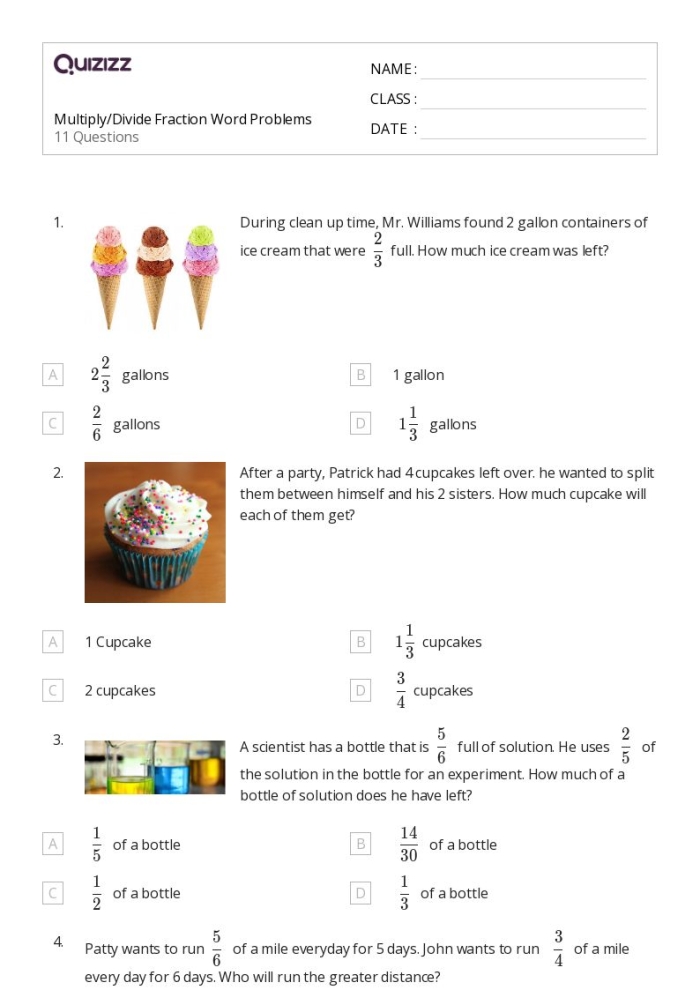
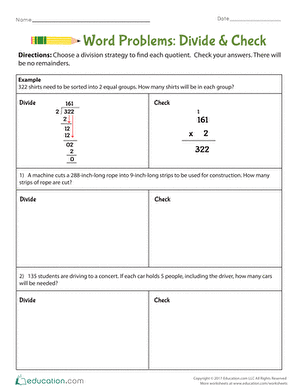
To support this approach, resources like the Printable Word Problems: Divide & Check Worksheets can be invaluable. These worksheets offer a variety of problems that encourage students to explore different division methods while honing their grammar and mechanics skills. By integrating division strategies with grammar exercises, teachers can create a holistic learning environment that fosters both mathematical and linguistic proficiency.
Ultimately, giving students the freedom to choose their division strategies not only aids in understanding quotients but also builds a classroom atmosphere that values student voice and choice. This approach is a win-win for educators and learners alike.
Boost Skills with These Worksheets