Fun Printable Worksheets: Why is There a Leap Year?

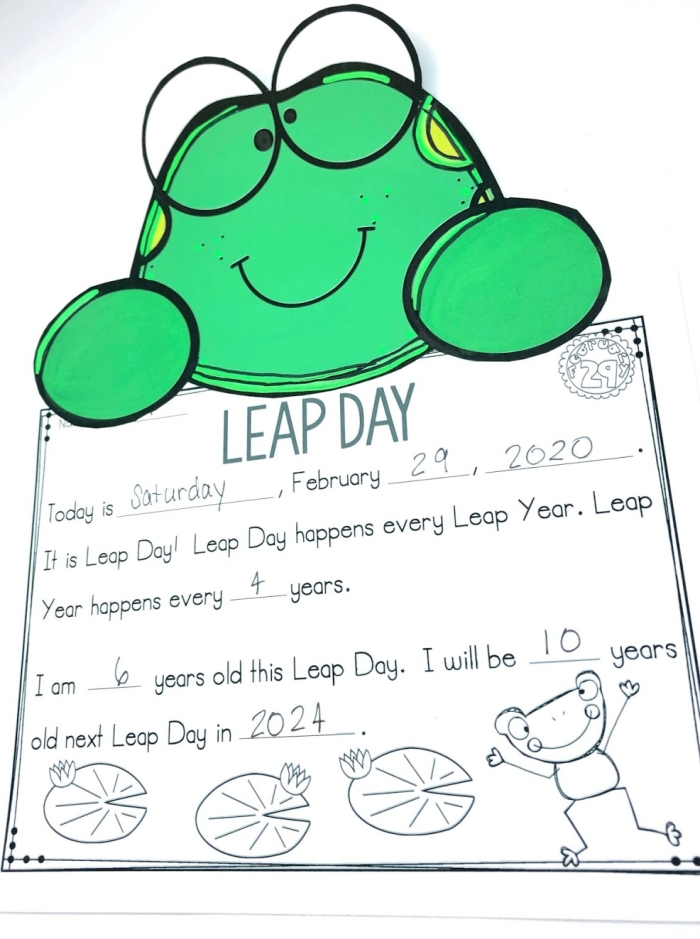
A colorful calendar illustration showing February 29th highlighted to explain why leap years happen every four years
Leap Year Calendar Worksheet for Second Grade Students Learning About Extra Days
Category: Grammar and Mechanics | Grade: Second Grade

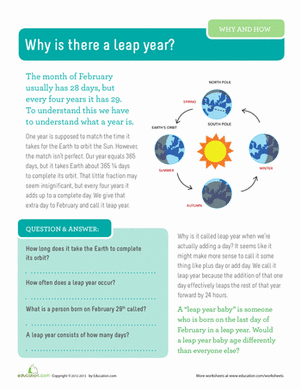
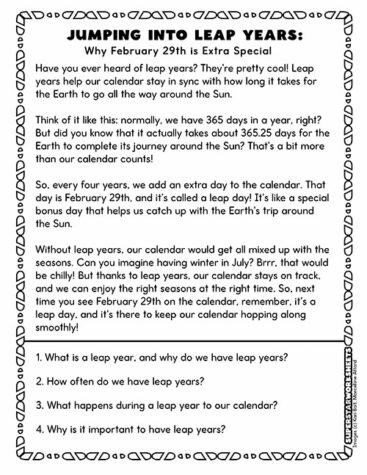
Every four years, something amusing occurs with our calendars: we add an extra day! This quirky adjustment, known as a leap year, has a fascinating scientific basis that helps keep our timekeeping systems in sync with the Earth’s orbit around the sun.

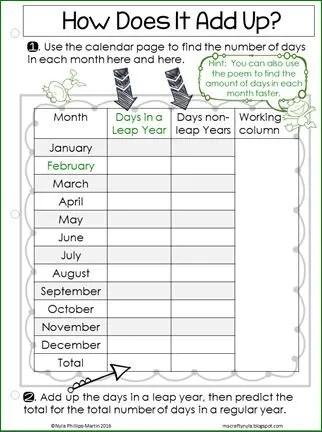
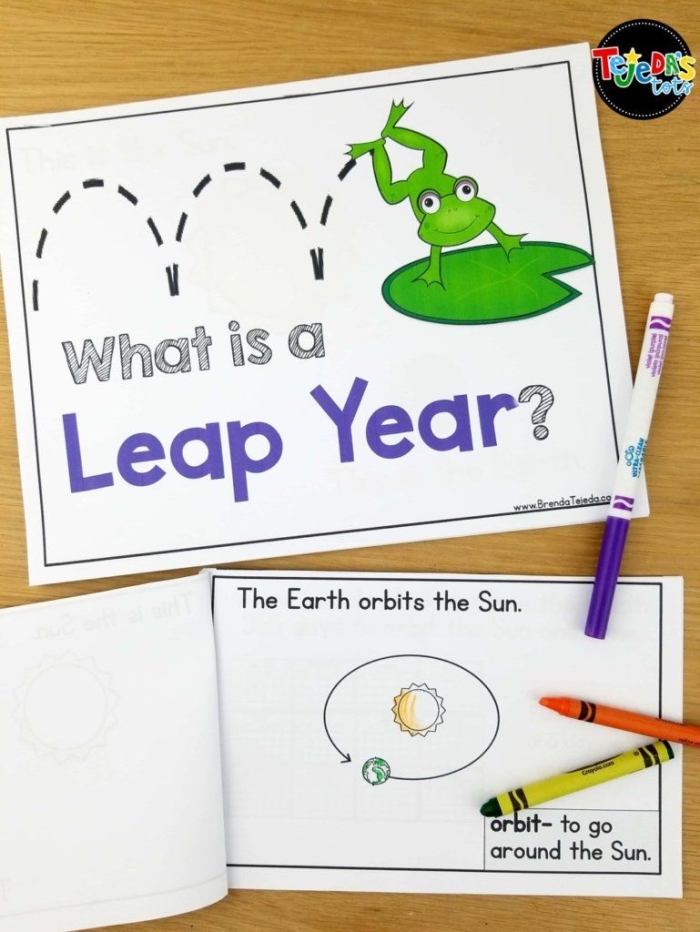
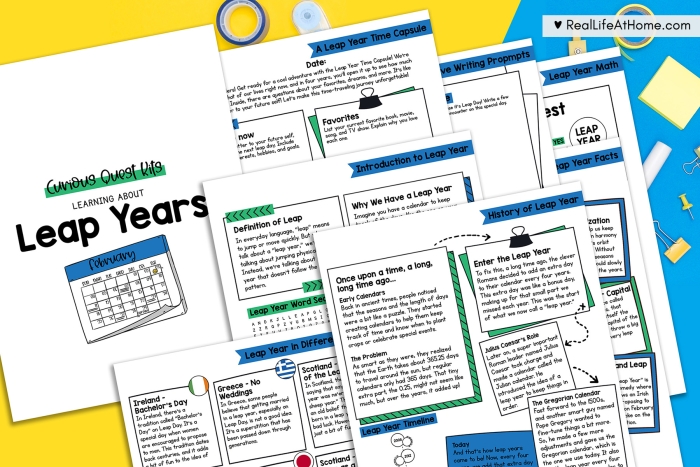
The reason for leap years stems from the fact that a complete revolution of the Earth around the sun takes approximately 365.25 days. If we only counted whole days, our calendars would gradually drift out of alignment with the seasons. To correct this drift, we add an additional day—February 29—every four years. This adjustment ensures that our calendars stay accurate over time.

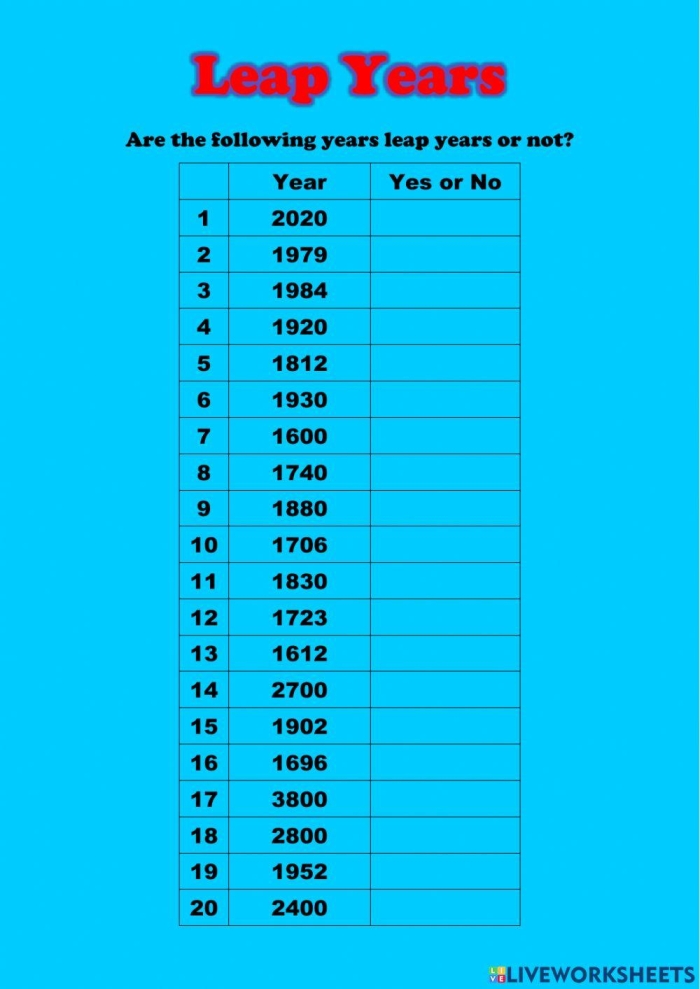
But why add a day every four years instead of a different method? The choice is rooted in a simple calculation. By adding one day every four years, we account for the extra quarter of a day it takes for the Earth to complete its orbit. However, this method isn’t perfect. After a century, our calendars would still be off by about 24 days! To fine-tune this, we skip a leap year every 100 years, unless the year is divisible by 400. This means that while 1900 was not a leap year, 2000 was. This rule helps maintain the balance over long periods.

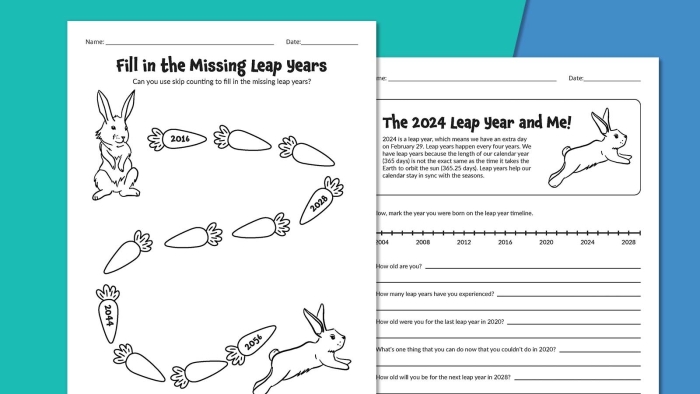
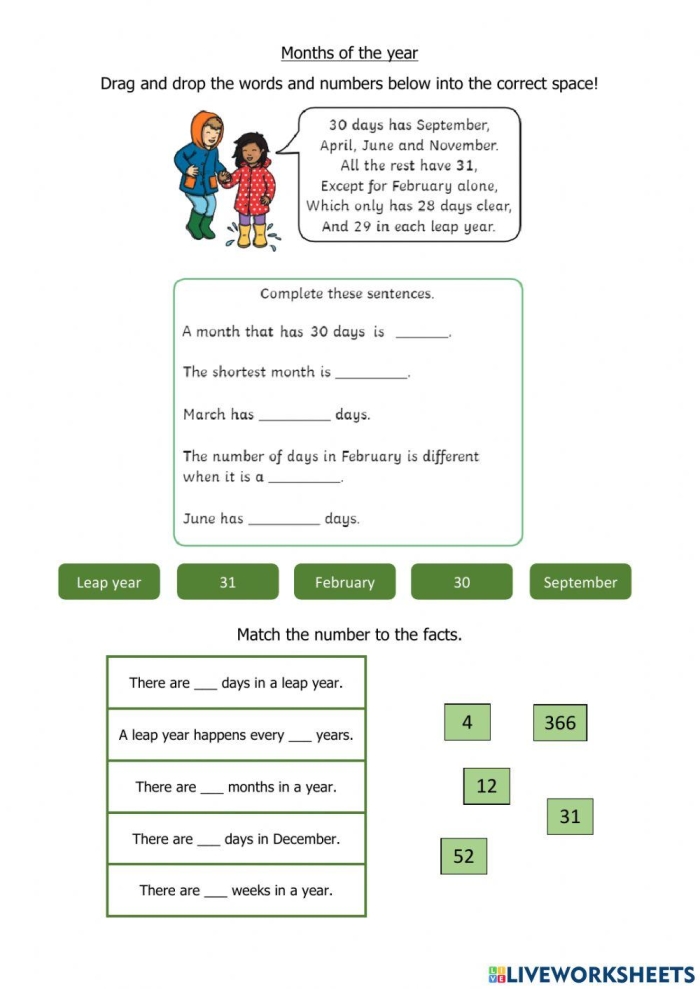
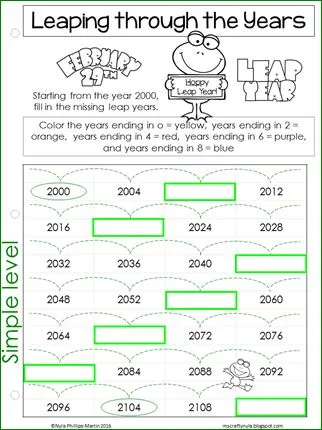
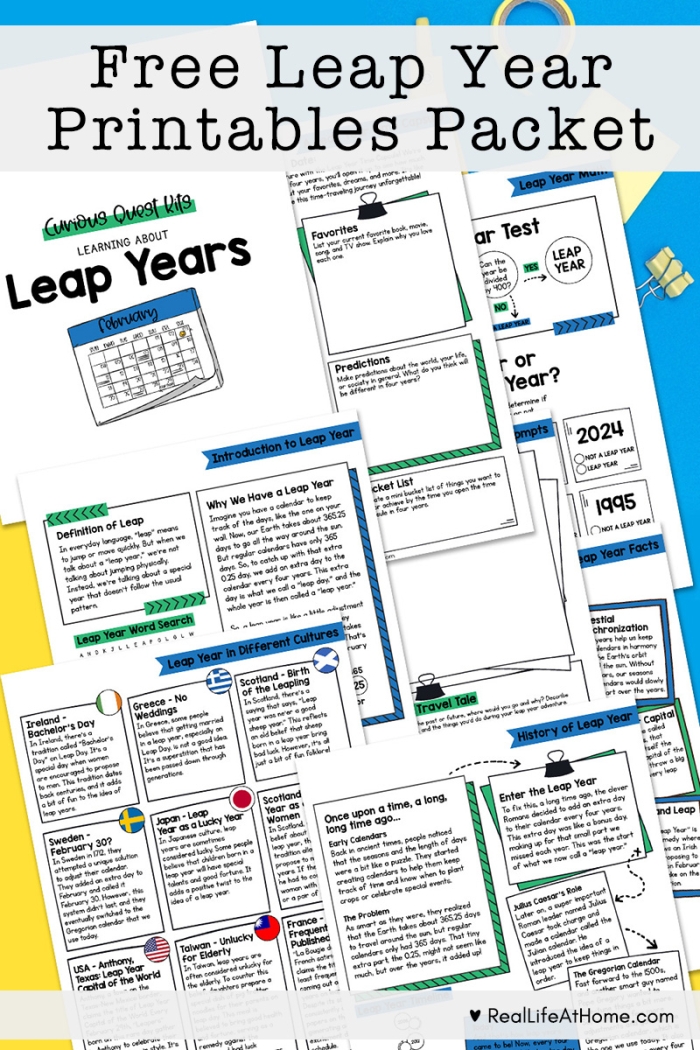
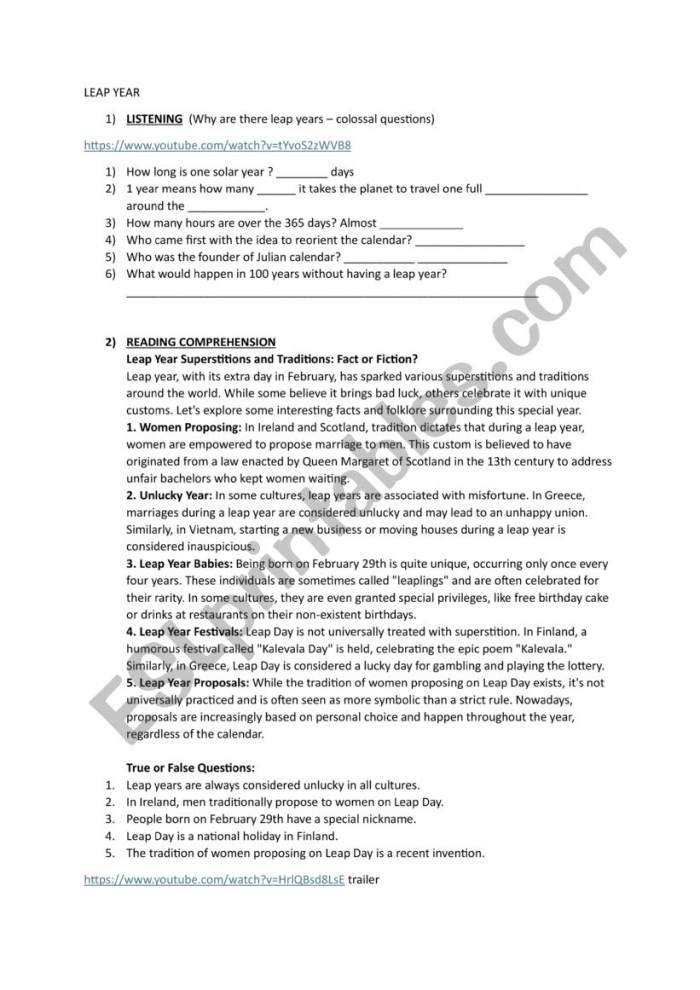
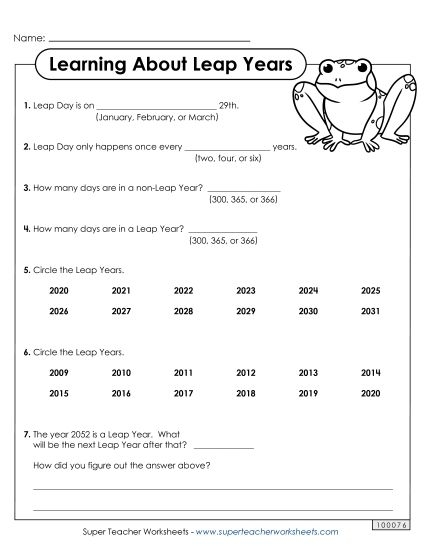
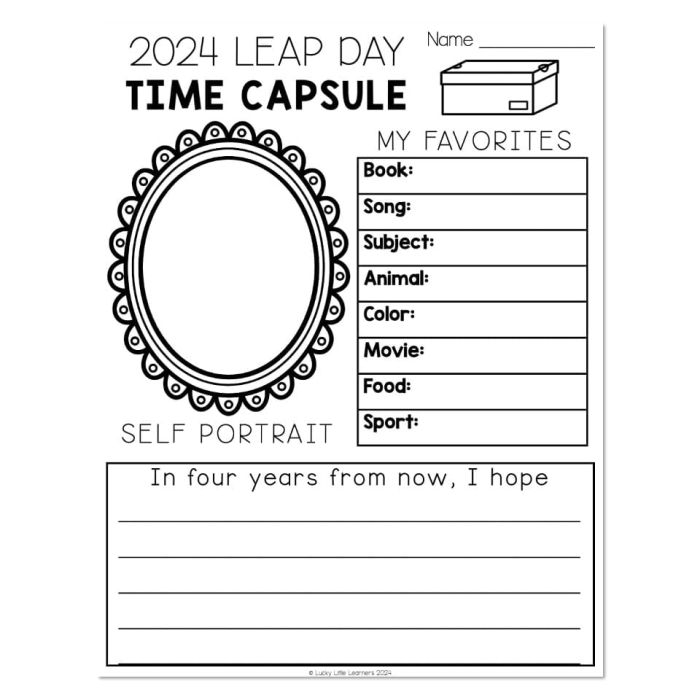
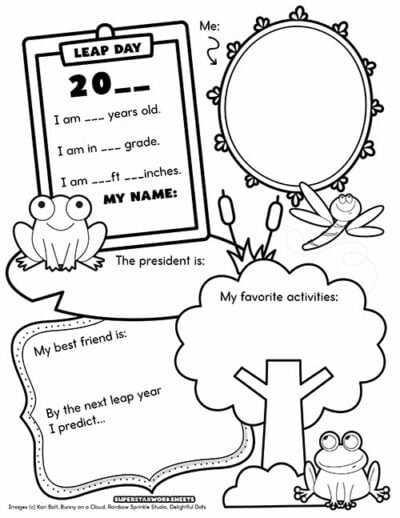
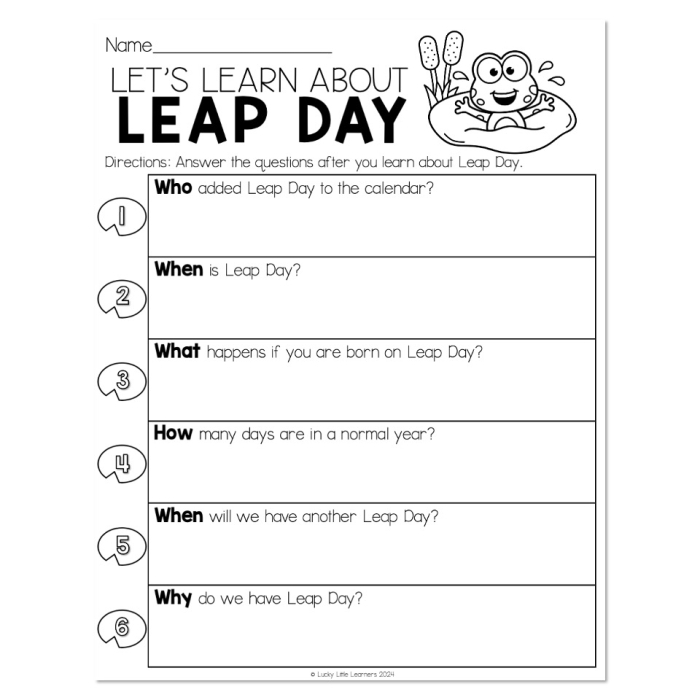
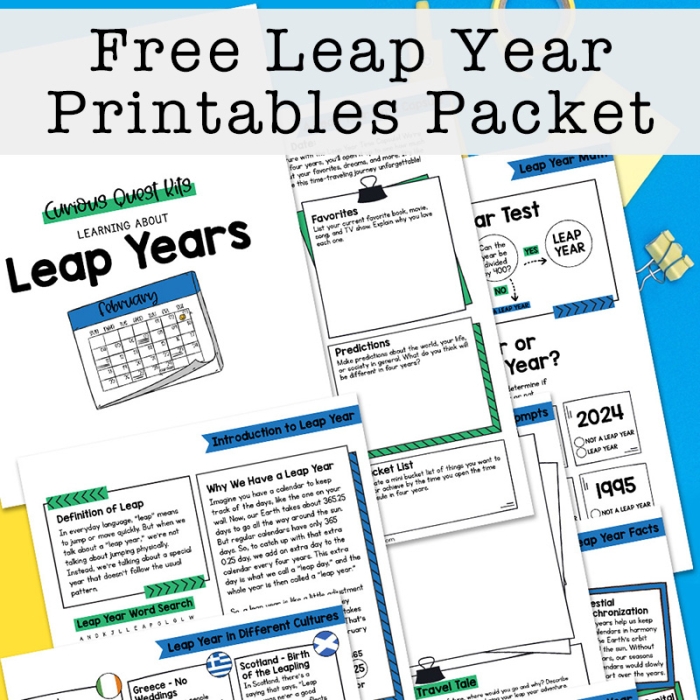
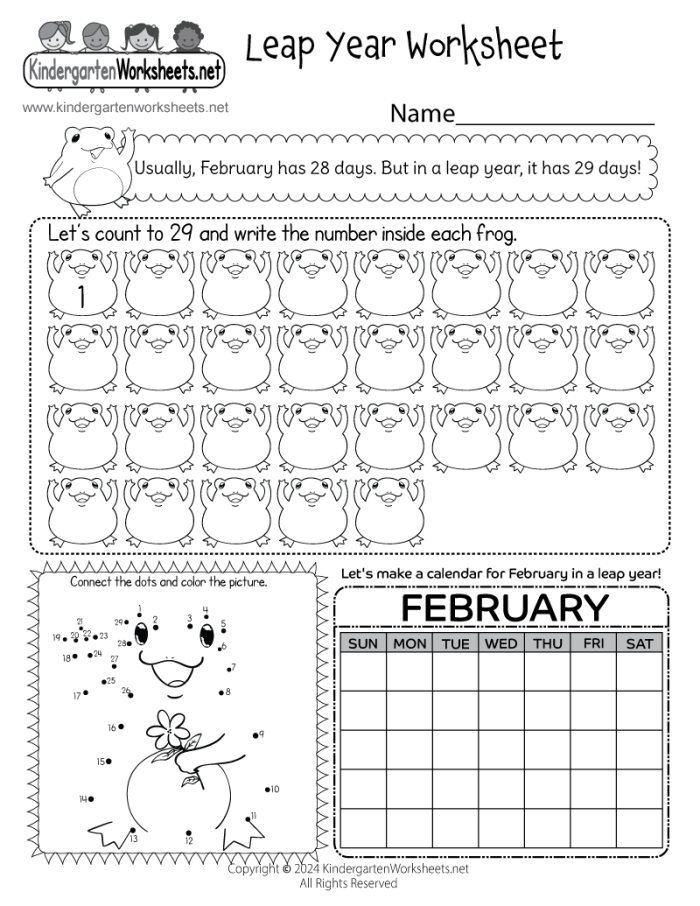
For students in second grade learning about time, the concept of leap years can be an exciting topic. They can explore practical applications, such as understanding how many leap years have occurred since their birth year. Engaging activities, like printable worksheets on why there is a leap year, can make learning about calendars and time enjoyable. Resources like place value check-ins or connect-the-dots activities can reinforce grammar and mechanics while covering this fun topic.

Understanding leap years not only enriches our knowledge of the calendar but also enhances our appreciation for the precision of timekeeping. So, the next time February 29 rolls around, you can share this fun fact with your friends and keep the tradition alive!


Download These Worksheets for Practice
A colorful calendar illustration showing February 29th highlighted to explain why leap years happen every four years
A colorful calendar illustration showing February 29th highlighted to represent leap year occurring every four years
A colorful calendar showing February 29th and children learning about leap year concepts
A colorful calendar showing February 29th highlighted to explain why leap years happen every four years
A second grade student learning about why leap year happens every four years with a calendar worksheet activity
A calendar illustration showing February 29th highlighted with a special leap year symbol for second grade students learning about why leap years happen every four years
A colorful calendar showing February 29th highlighted in blue with a leap year symbol
Second grade student filling out a leap year science worksheet about the calendar
A colorful calendar illustration showing February 29th highlighted to explain why leap years occur every four years
A colorful illustration showing a calendar with an extra day being added and children celebrating leap year
Second grade worksheet explaining the science of why we add a leap day every four years
Second grade worksheet explaining the science behind why we have a leap year every four years
A colorful calendar illustration showing February 29th highlighted to explain why leap years occur every four years
A colorful illustration showing a calendar with February 29 highlighted and children celebrating an extra day in the year
A colorful calendar illustration showing February 29th highlighted with a special leap year symbol for second grade learners
A second grade worksheet explaining the science behind leap years and the extra day added every four years
A colorful calendar illustration showing February 29th highlighted to explain why leap years occur every four years
Second grade science worksheet about why we have a leap year every four years
Second grade students learning about leap year science with a calendar worksheet
Why is There a Leap Year? worksheet for Second Grade
A colorful calendar illustration showing February 29th highlighted to explain why leap years occur every four years
Second grade students learning about leap year science with a calendar worksheet
Second grade students exploring the science of an extra calendar day on a Why is There a Leap Year worksheet
Second grade students learning about the science of leap years on a printable worksheet

Leave a Reply

Your email address will not be published. Required fields are marked *