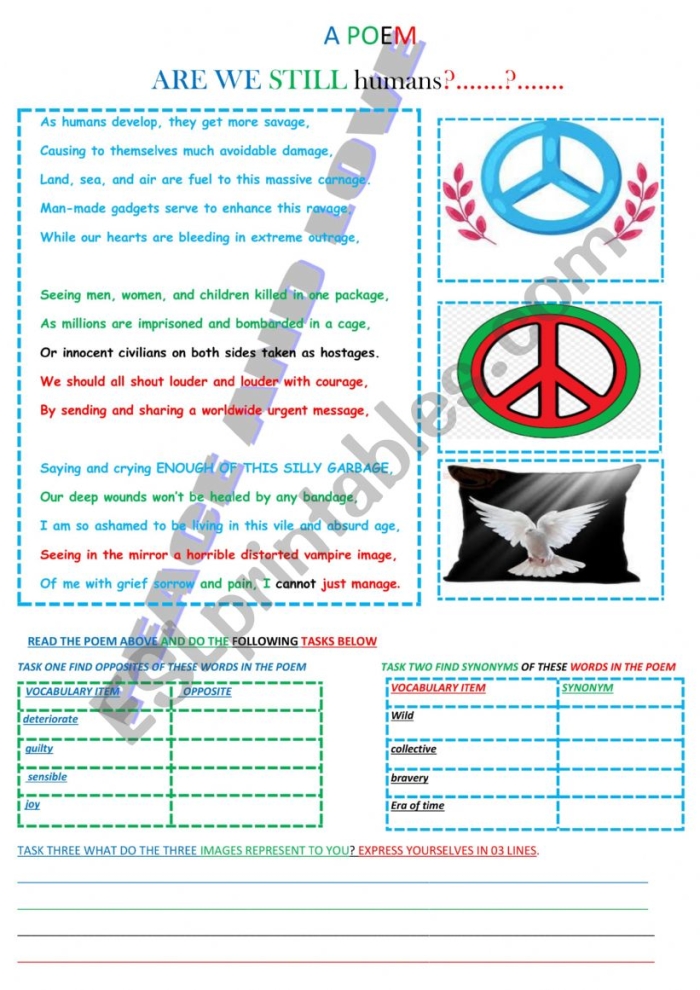
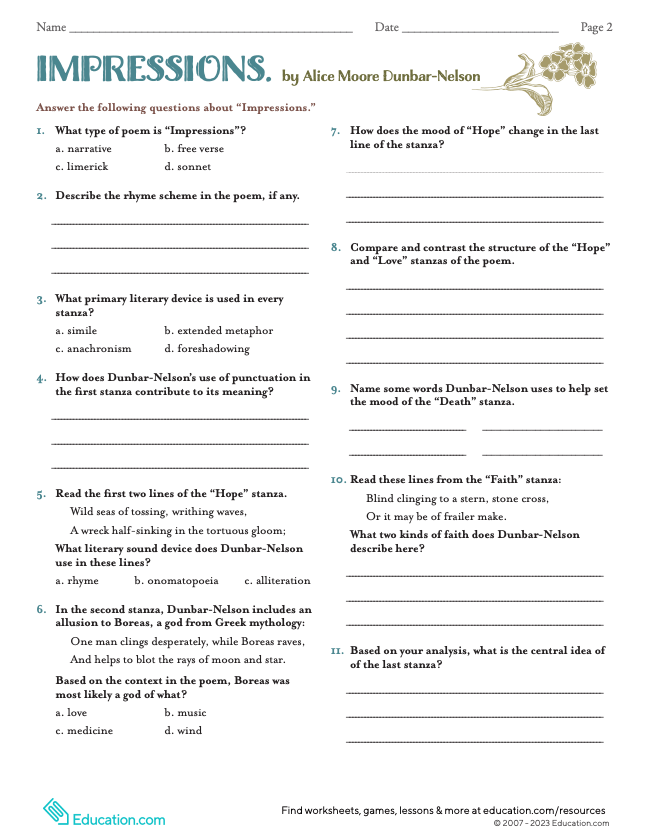
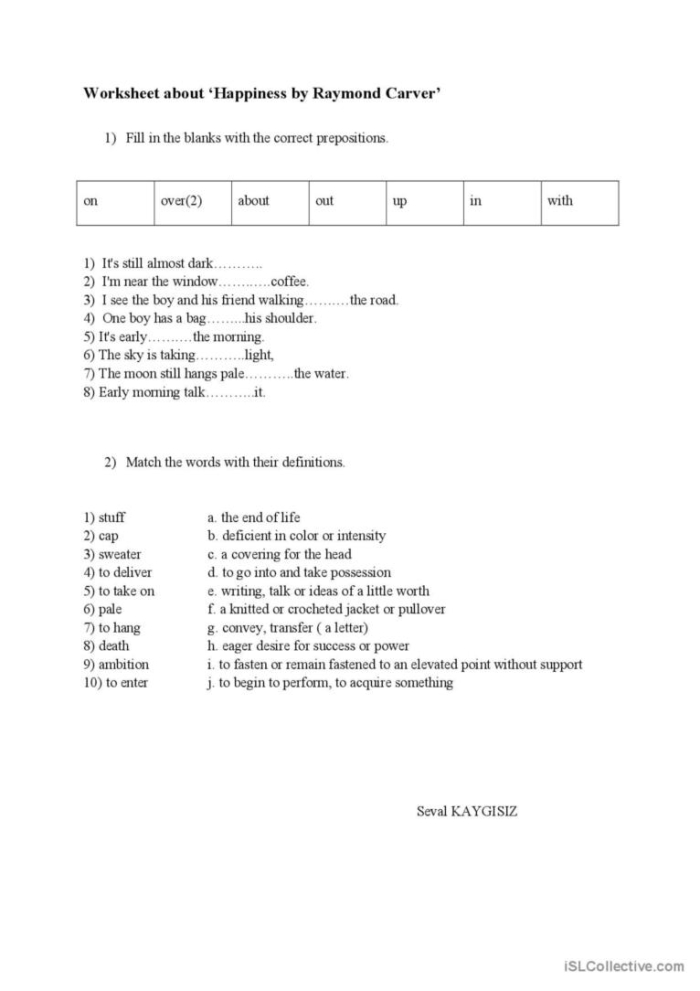
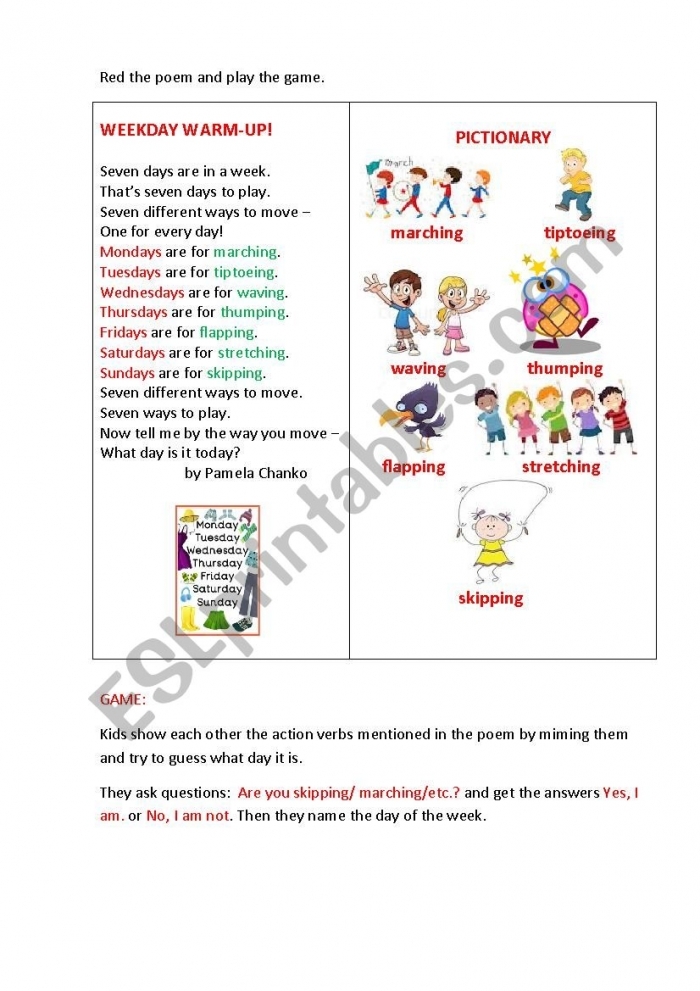
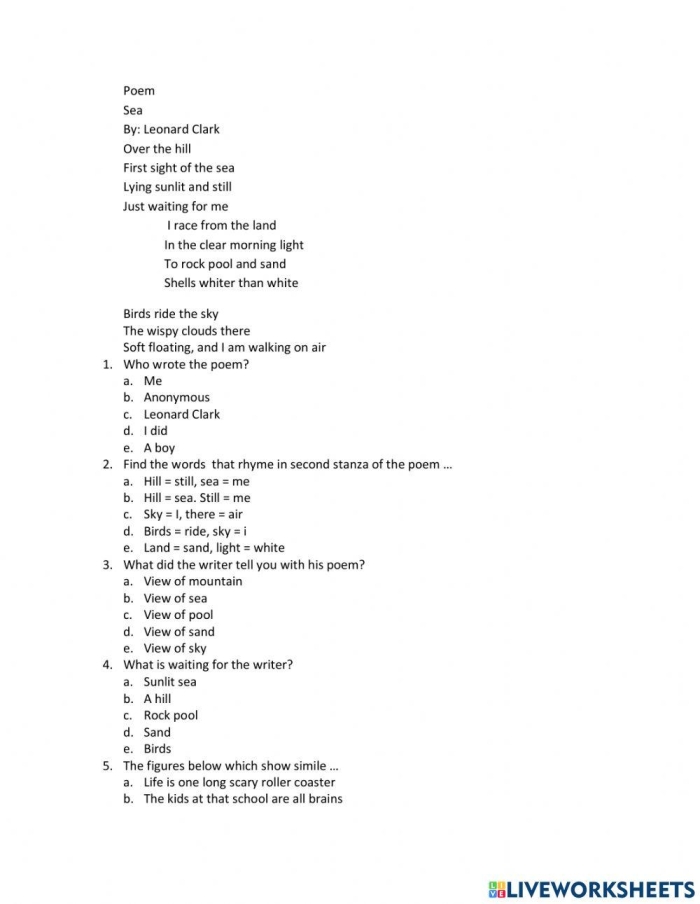
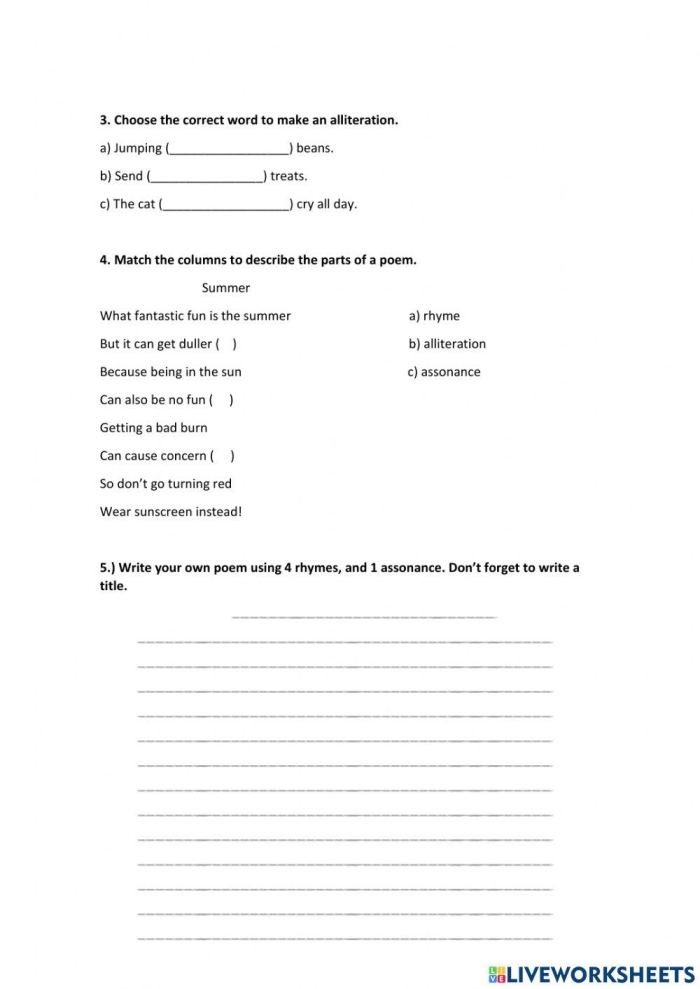
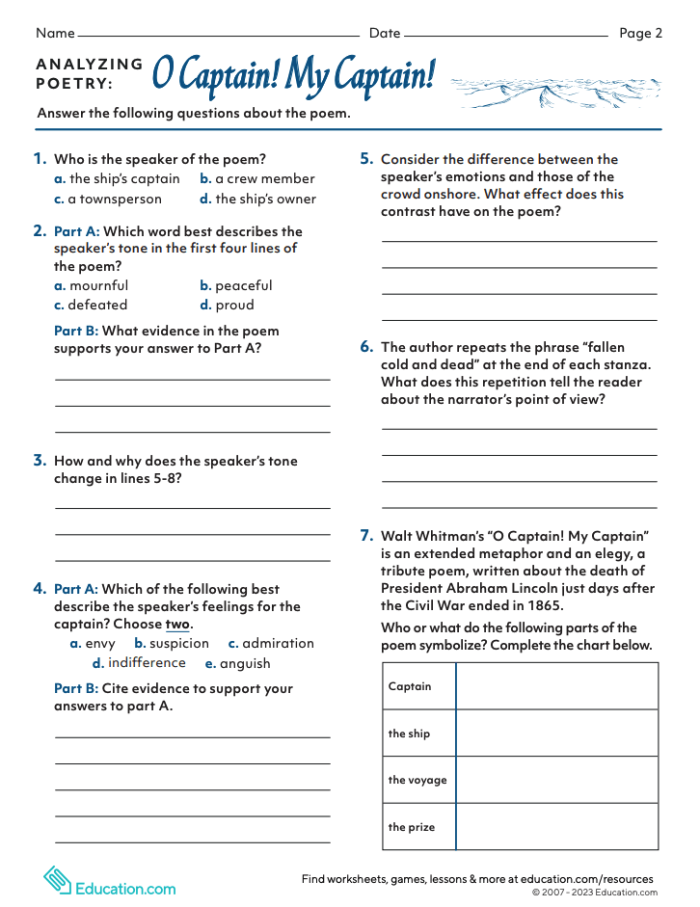
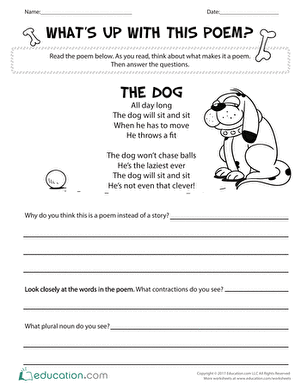
Poetry can feel intimidating to young readers, but breaking it down into manageable pieces makes it accessible and fun. A worksheet focused on analyzing words and form helps first grade students see poetry as something they can actually understand and enjoy. Rather than just reading a poem once and moving on, structured analysis gives kids tools to notice what makes poems special.
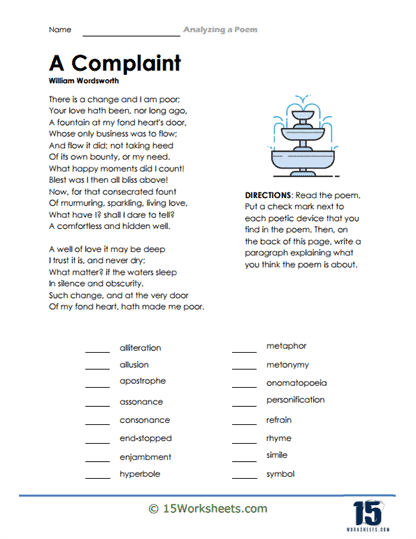
When students examine individual words in a poem, they start recognizing patterns and sounds that prose doesn’t emphasize. They notice rhyming words, repeated letters, and how certain words create feelings or images. This attention to detail strengthens their reading skills in ways that transfer to other subjects. For instance, the same focus you’d use when working through past and present tense mixed operations applies here, teaching students to slow down and examine what’s in front of them.
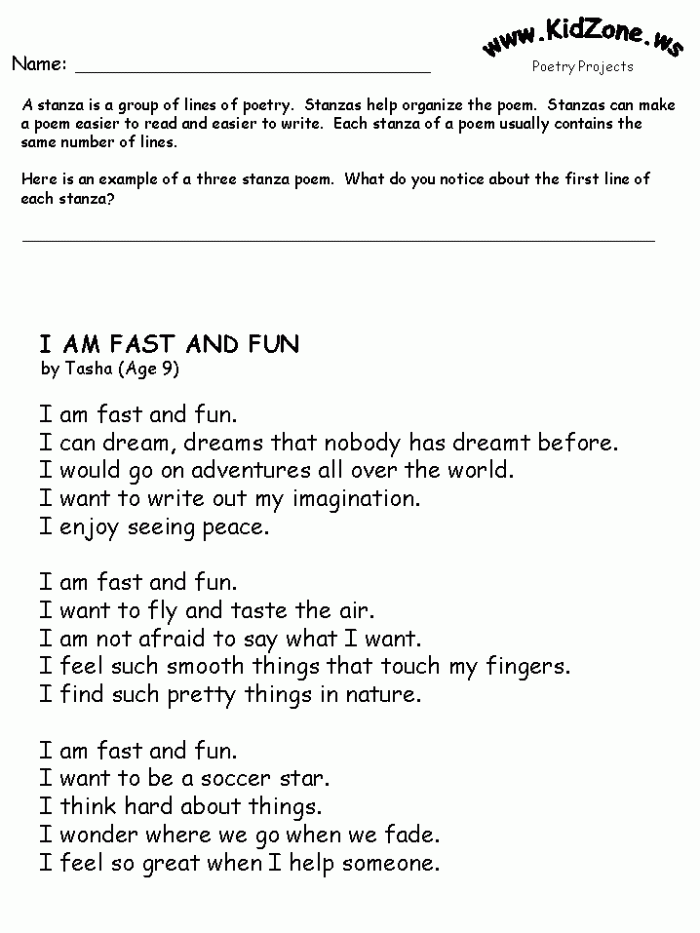
Looking at a poem’s form, or structure, teaches kids that poems aren’t just random sentences broken into lines. They see how line breaks affect meaning, how stanzas group ideas together, and why a poet might choose short lines instead of long ones. First grade reading instruction benefits from this visual and structural awareness because it shows students that writing choices matter.
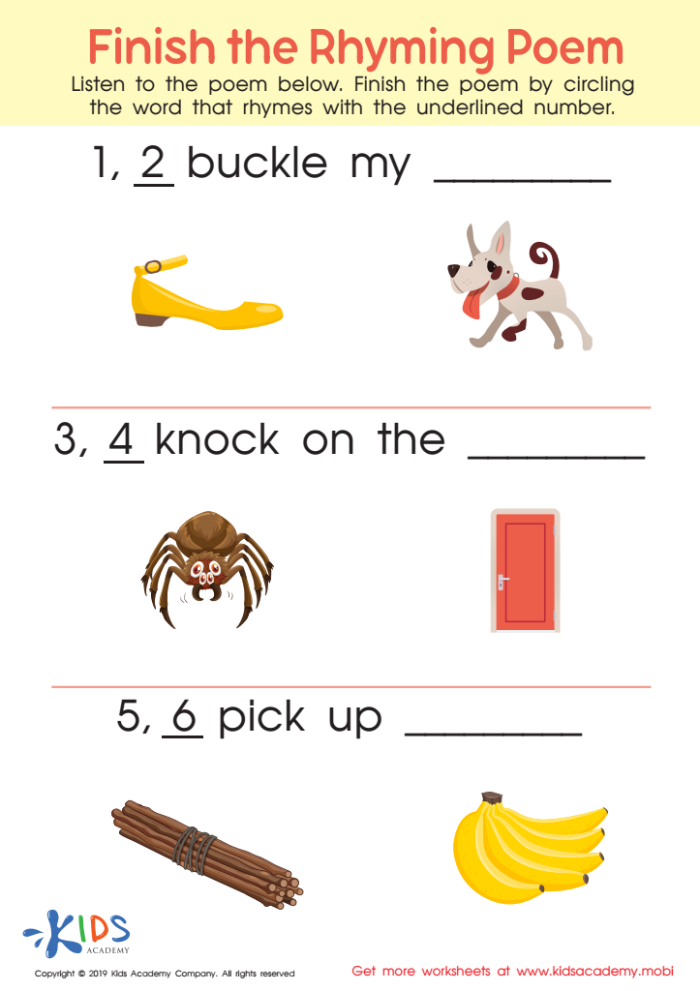
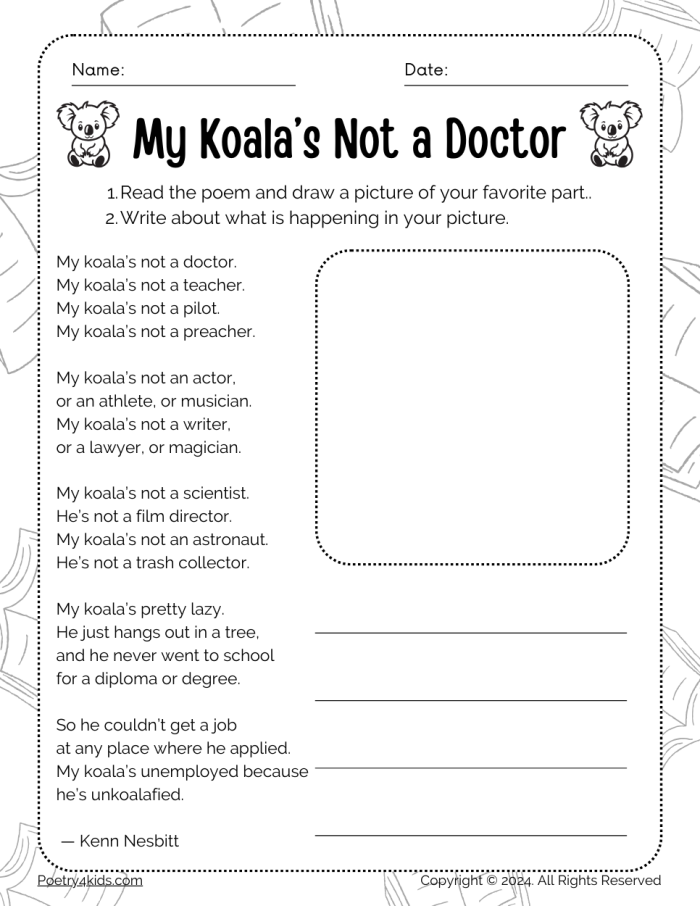
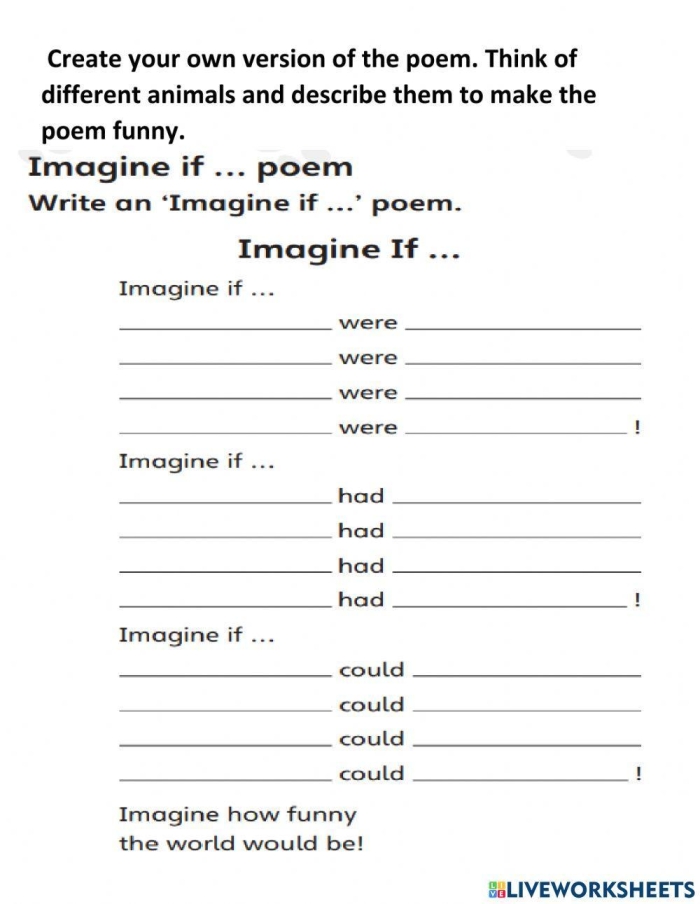
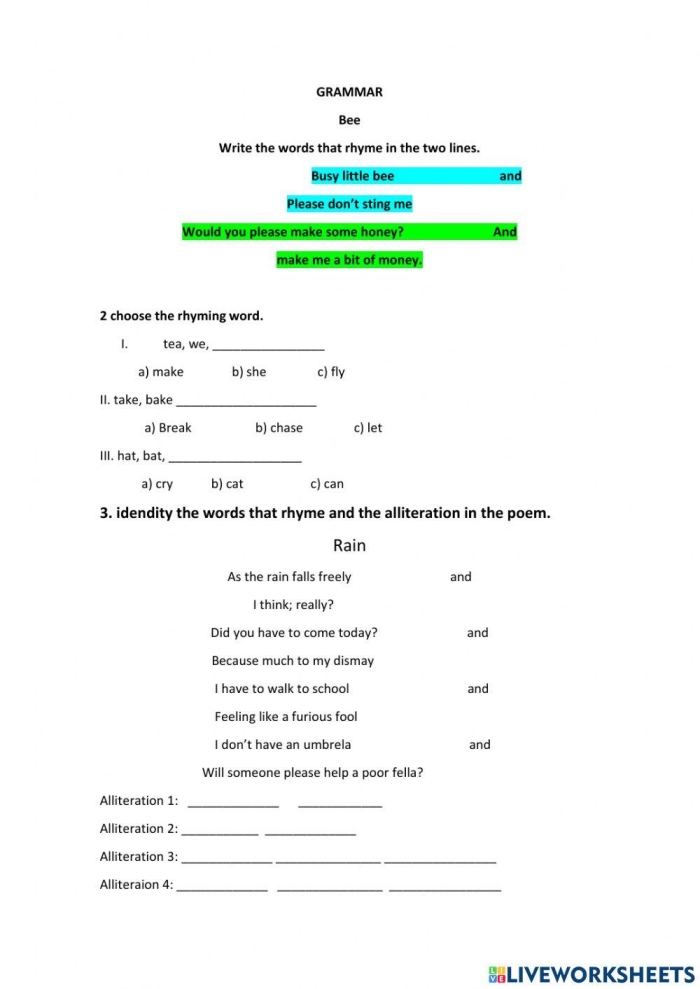
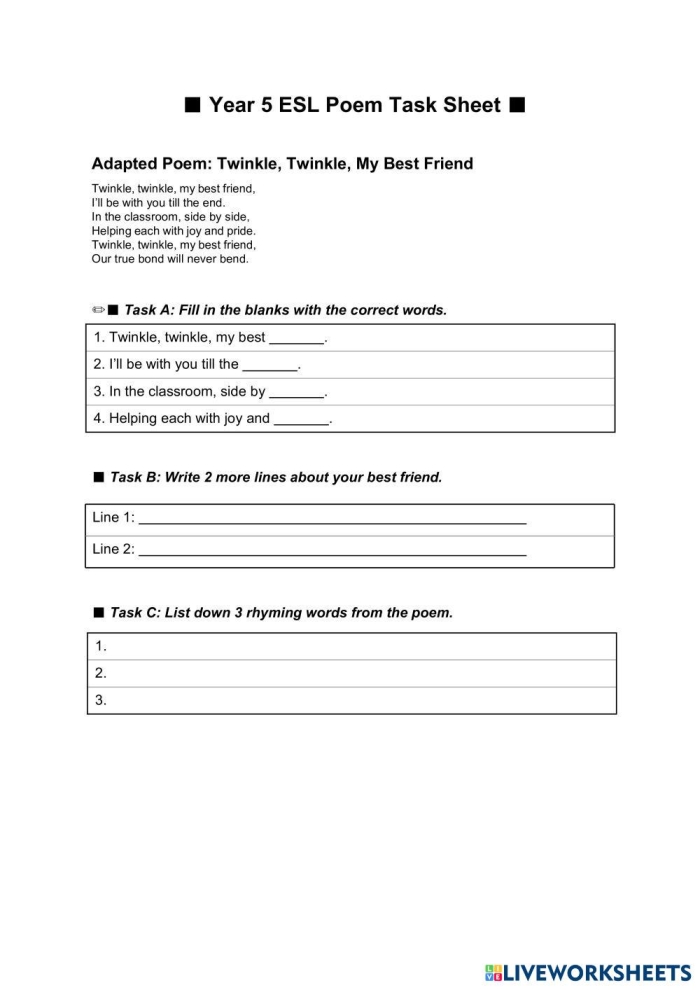
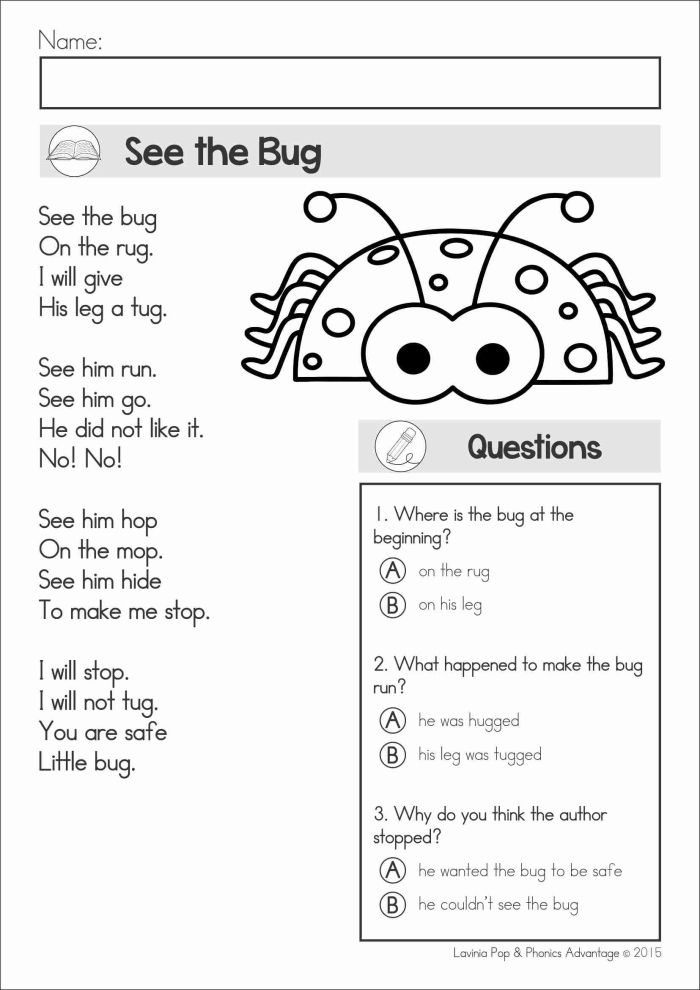
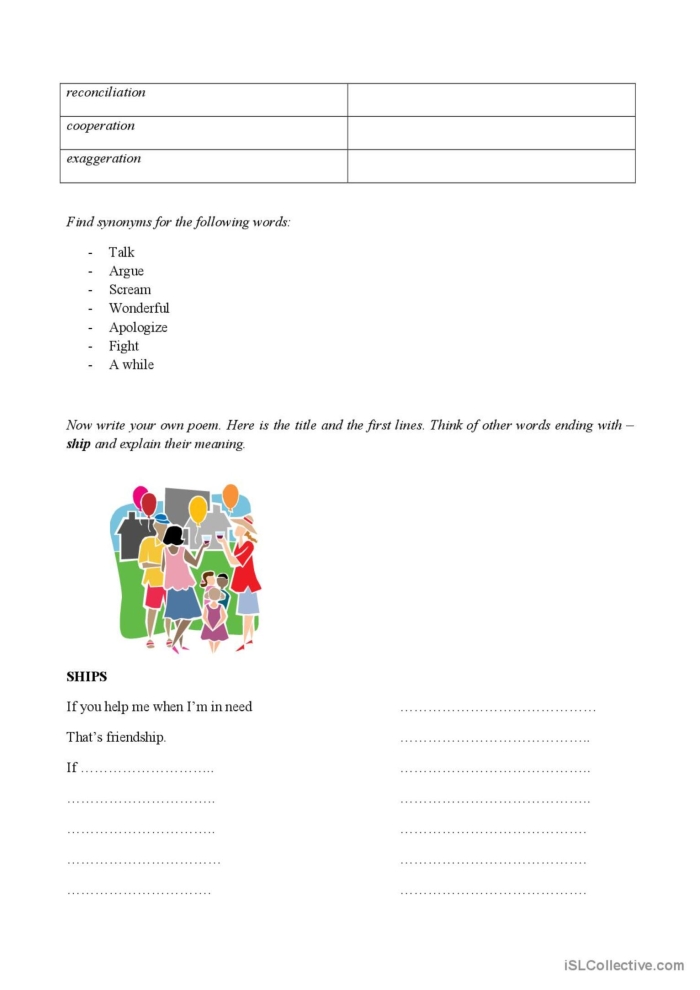
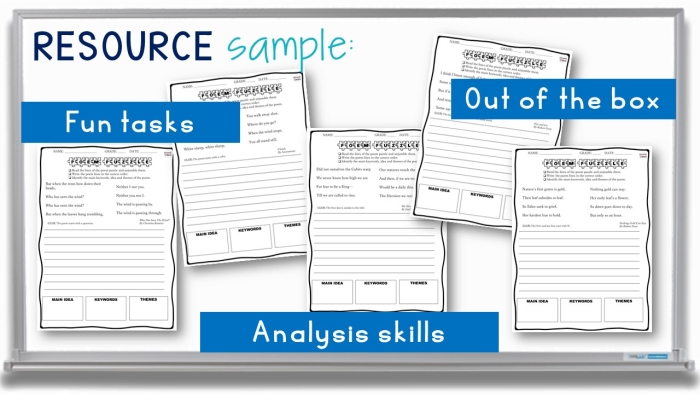
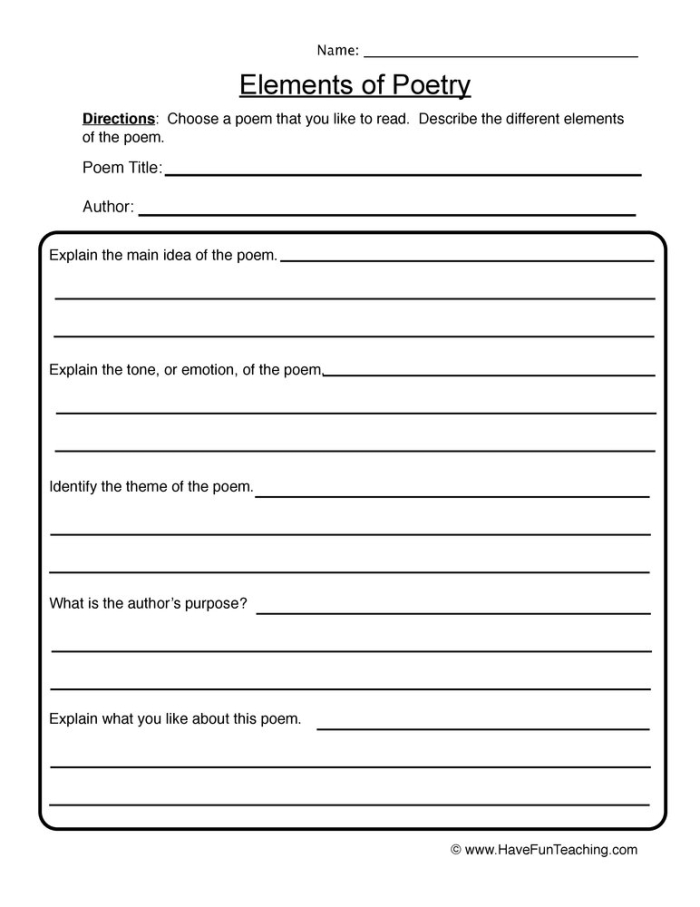
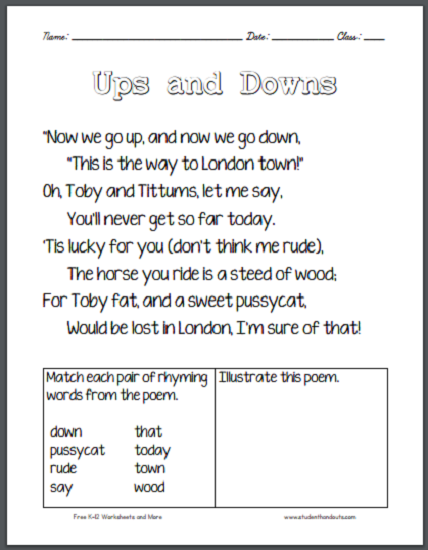
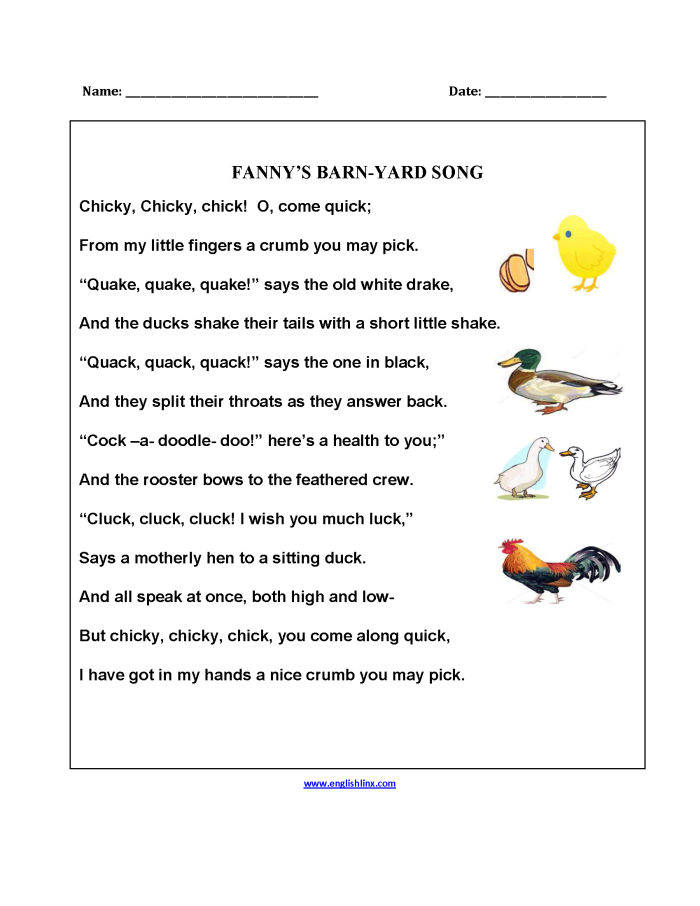
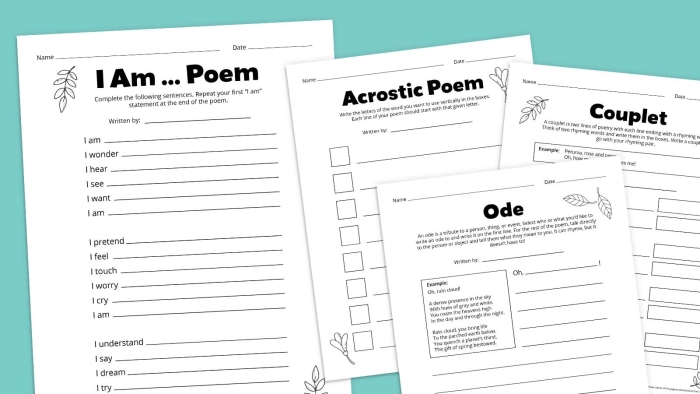
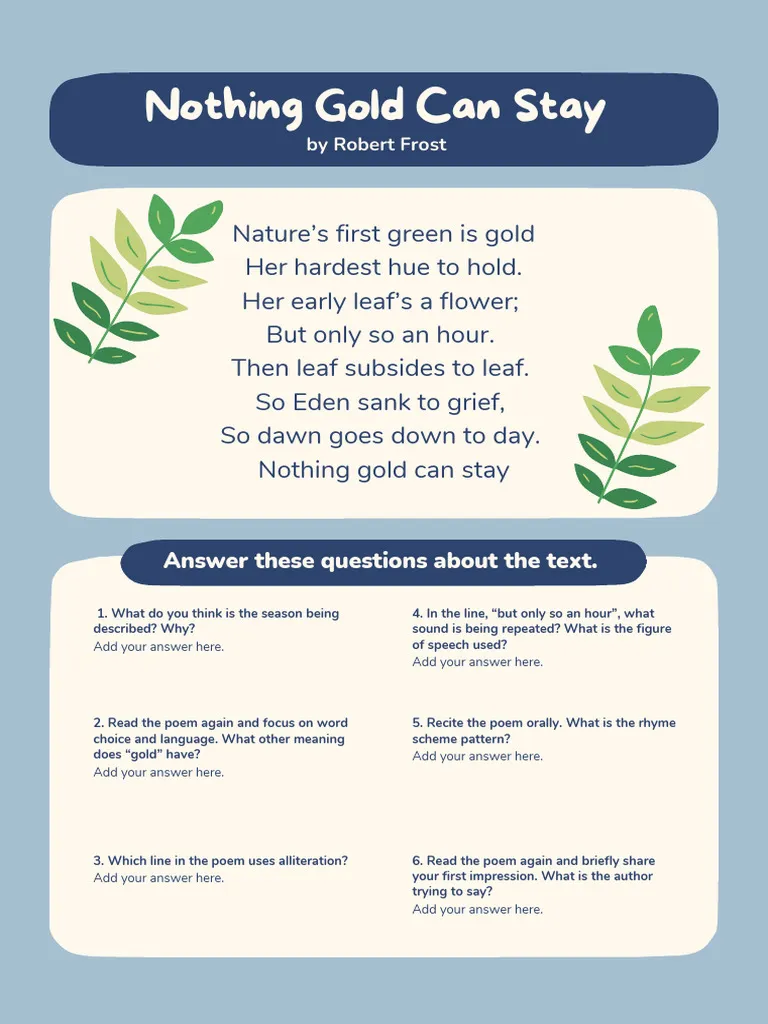
A well-designed worksheet guides this exploration without overwhelming young learners. It might ask them to circle rhyming words, count syllables, or draw pictures that match the poem’s mood. These activities keep students engaged while building genuine comprehension skills. The hands-on nature of worksheet activities also complements other learning experiences, whether students are working on counting tens and ones in math or exploring new concepts across the curriculum.
Poetry analysis doesn’t require complicated vocabulary or abstract thinking. First graders can genuinely appreciate how poems work when given the right tools and encouragement to look closely.
Hands-On Worksheet Activities