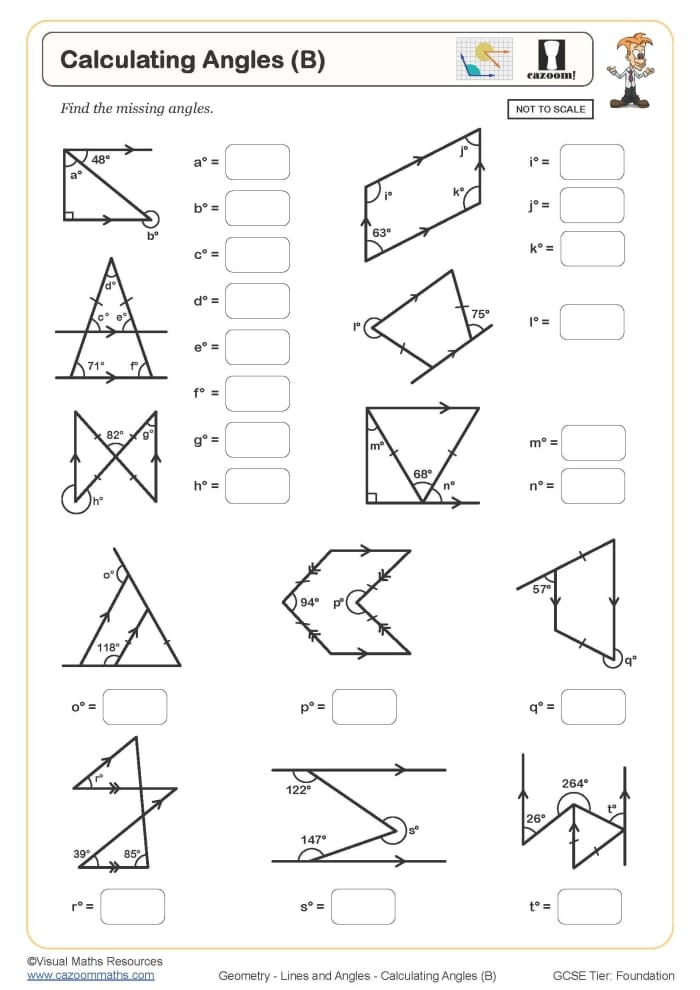
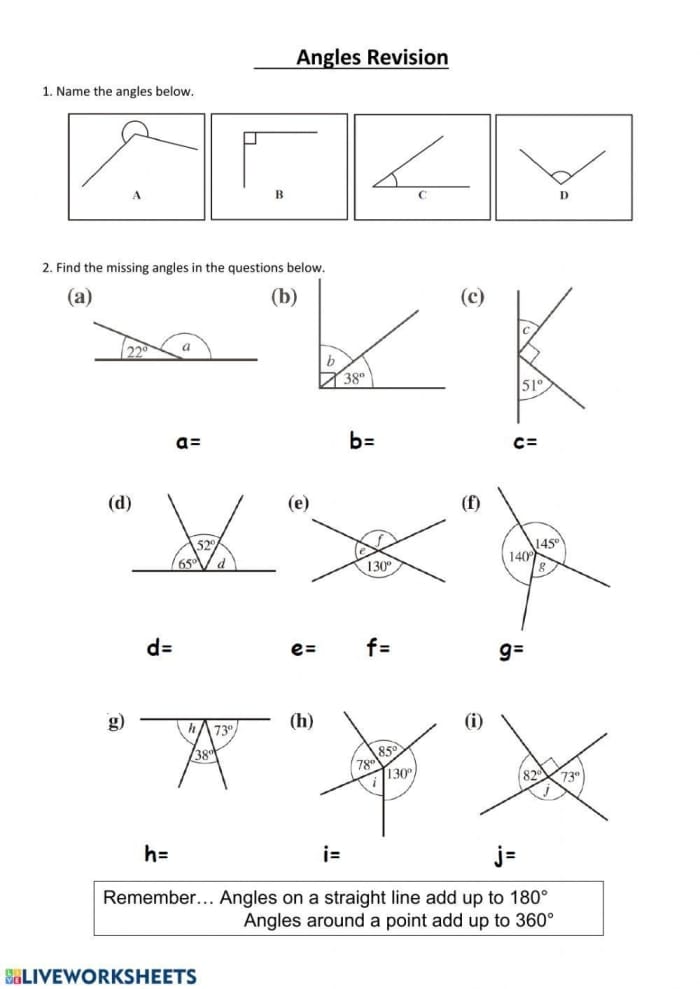
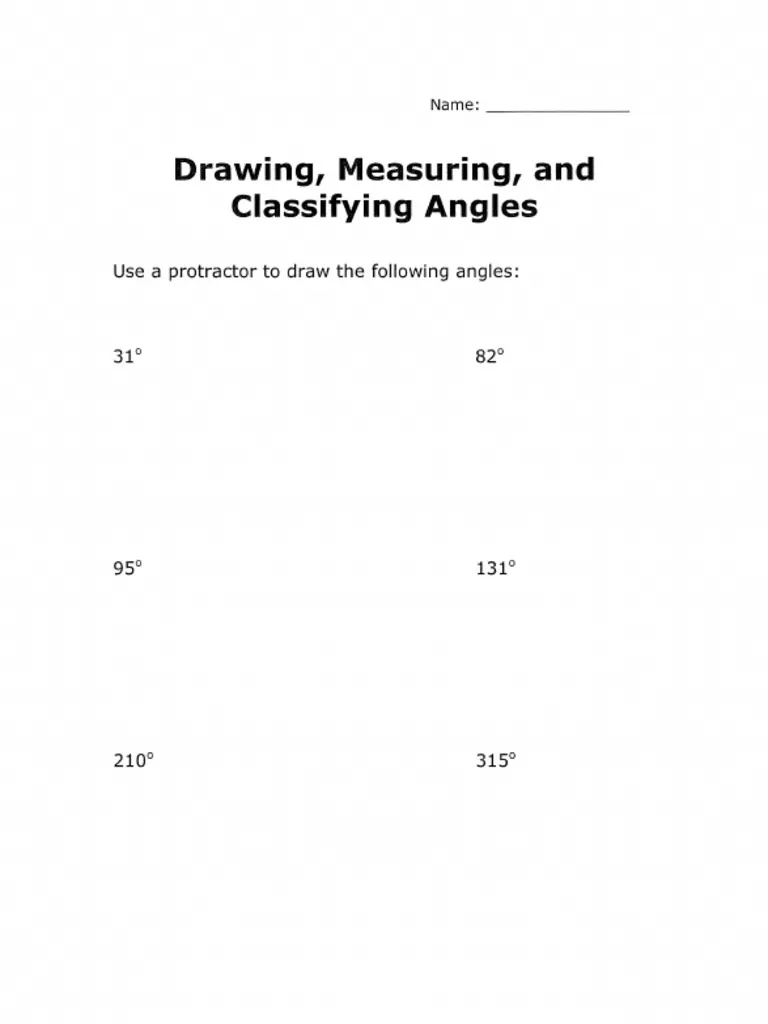
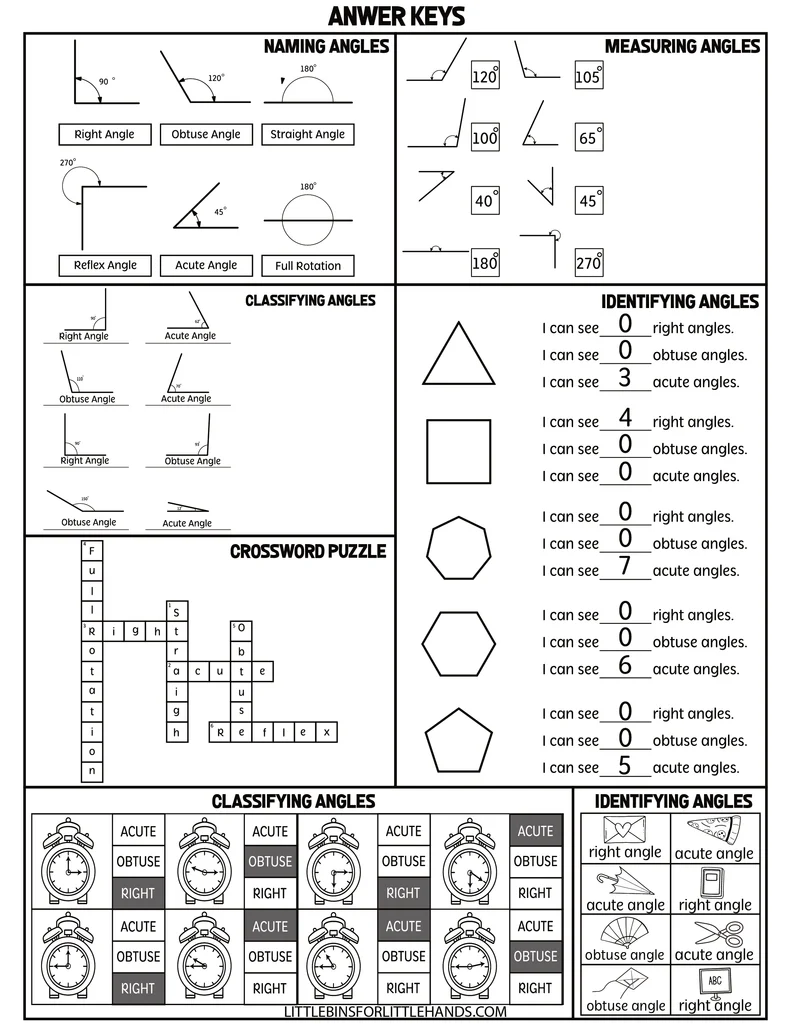
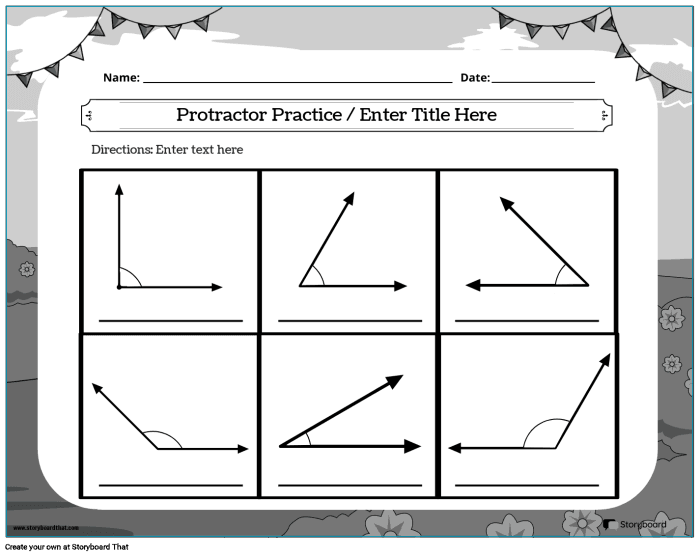
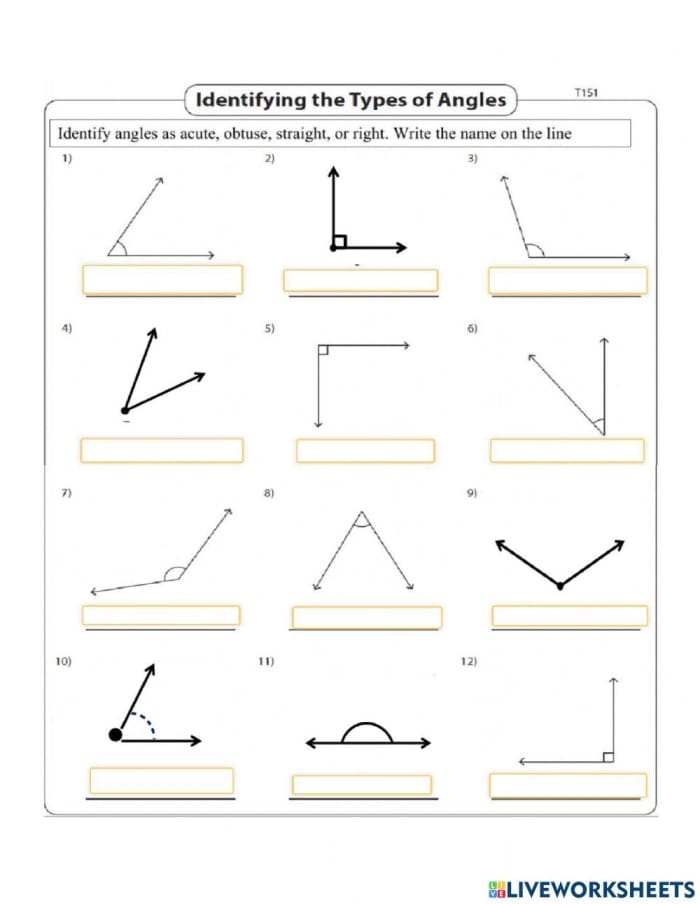
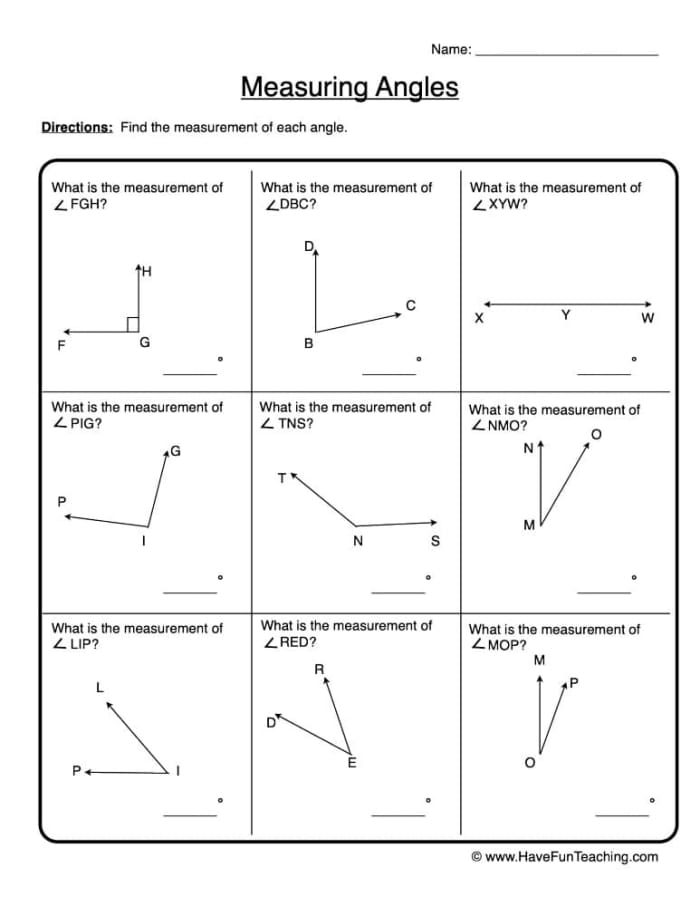
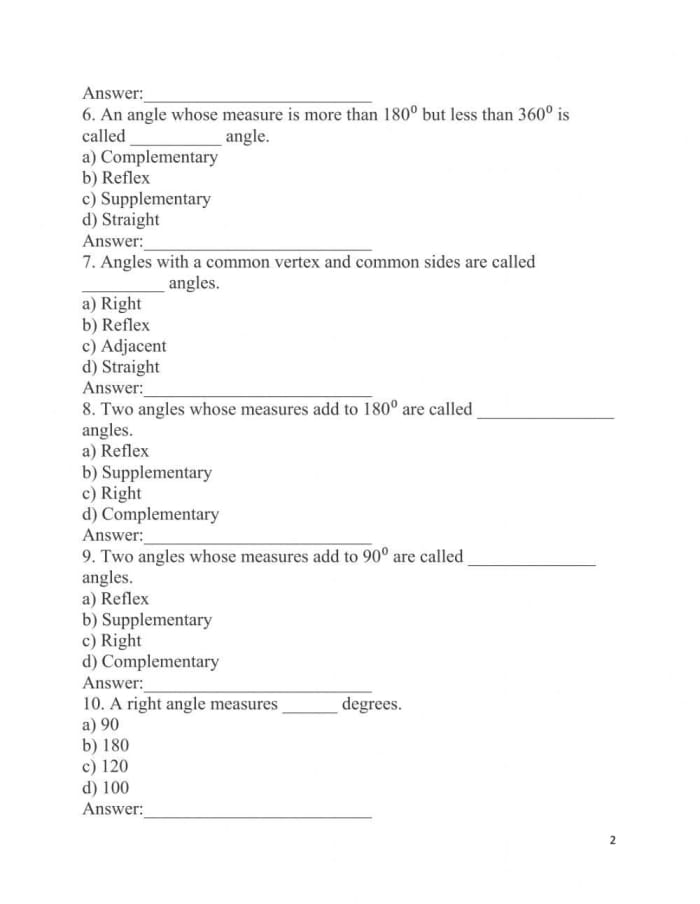
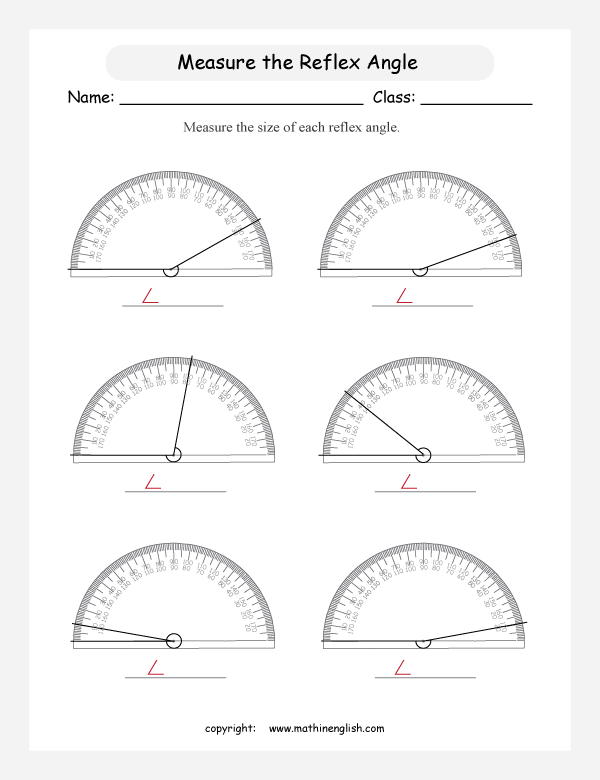
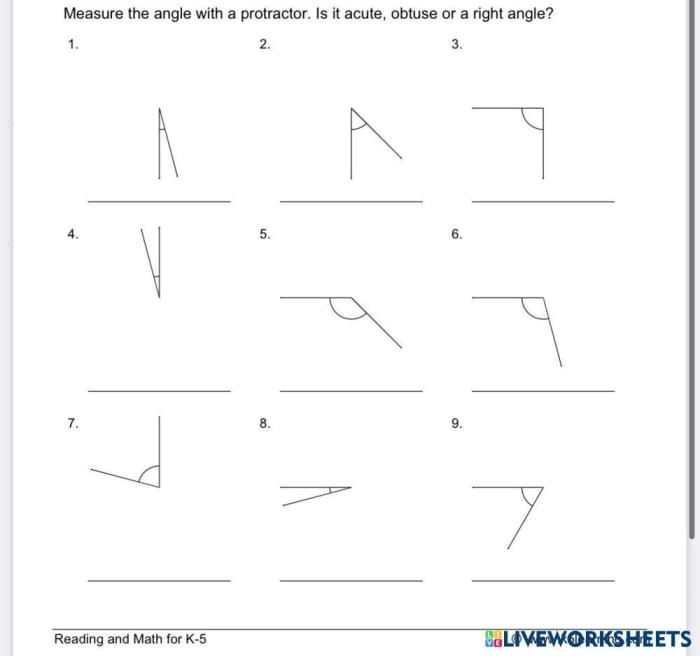
Once your fourth grade students can identify what an angle is and measure it with a protractor, the real learning begins. Finding missing angles pushes them beyond recognition and into actual geometric reasoning. This is where angles stop being abstract lines on a page and become puzzles to solve.
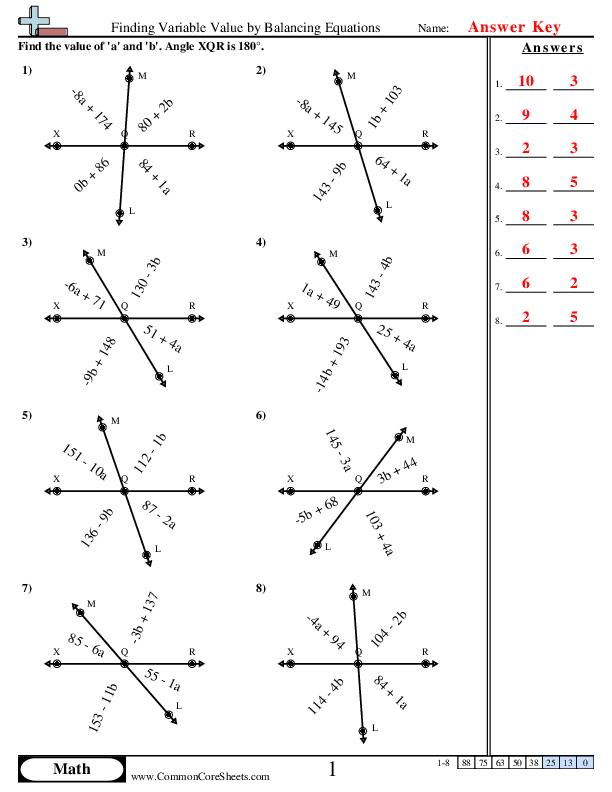
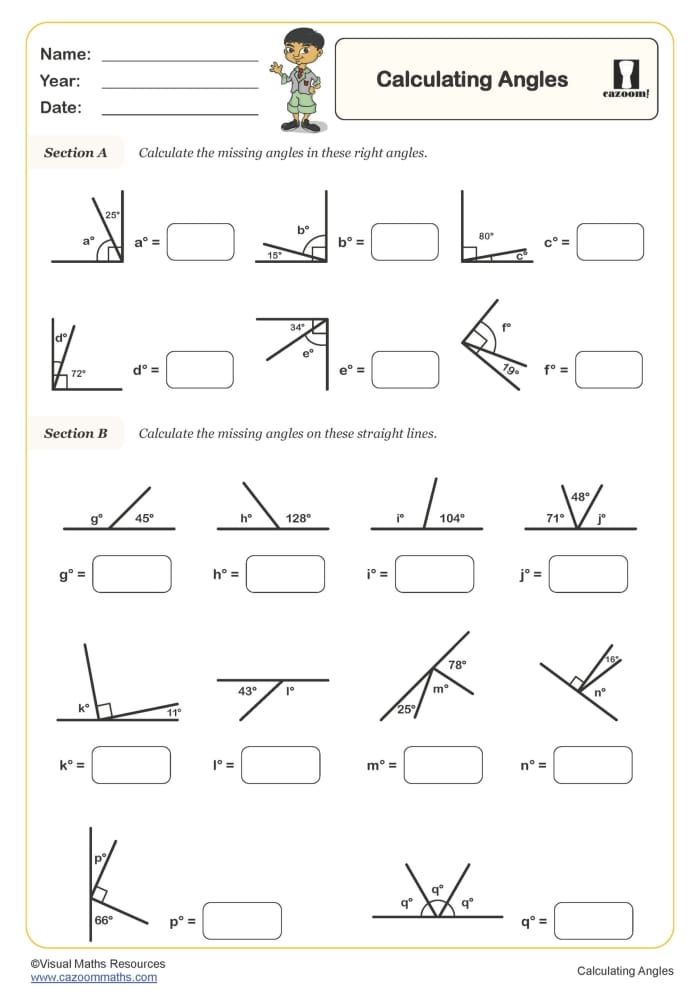
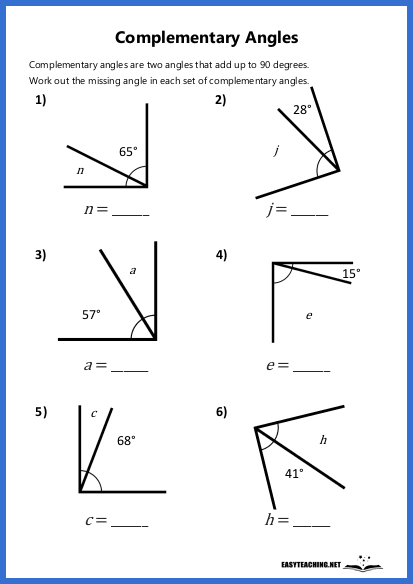
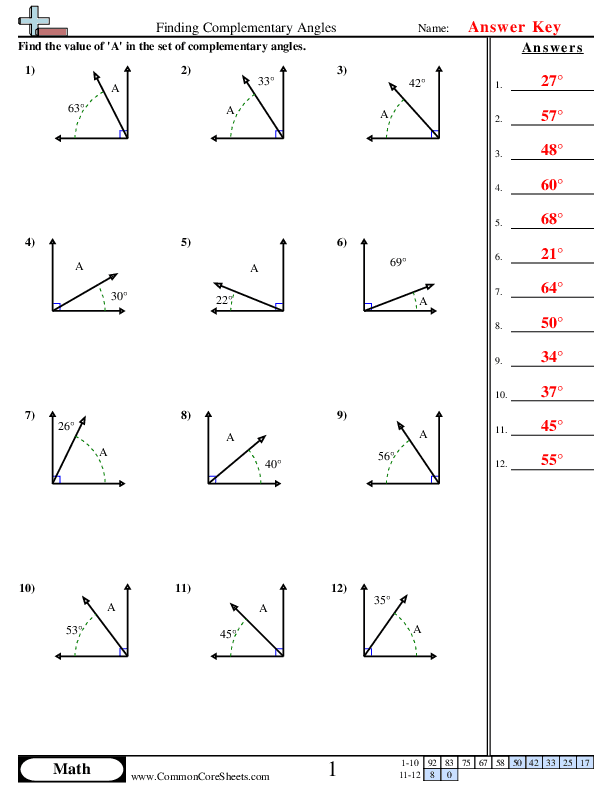
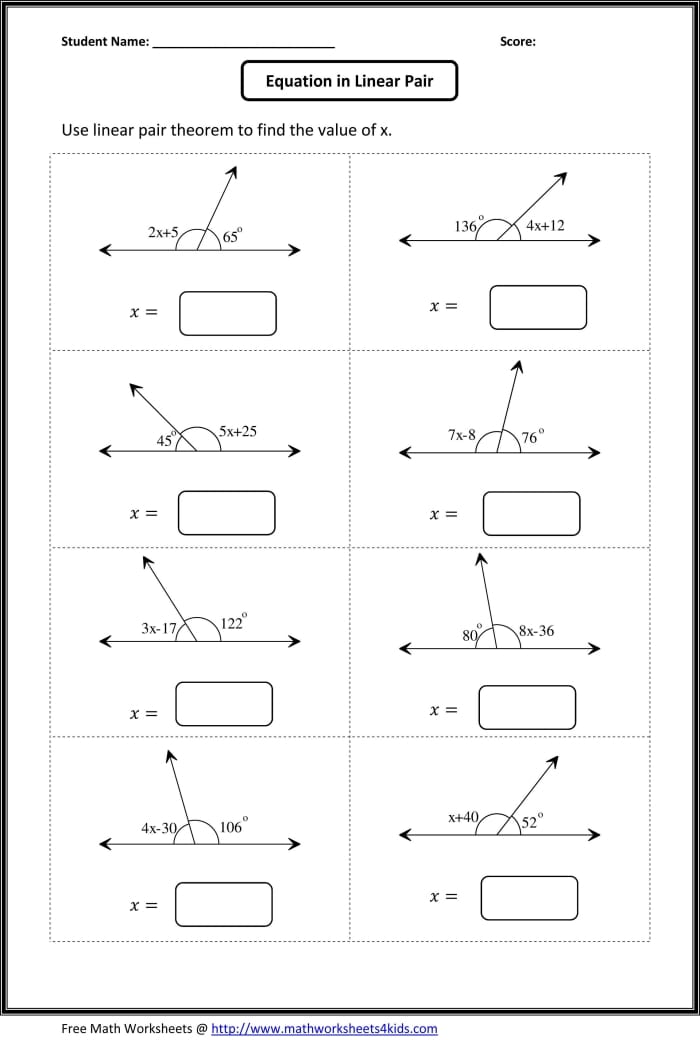
The beauty of missing angle exercises lies in their simplicity. Students work with angle relationships they’ve already encountered: angles on a straight line always add up to 180 degrees, and angles around a point total 360 degrees. When you present them with a diagram showing some angles labeled and others blank, students must use these relationships to figure out what the missing values are. It requires them to think backward from what they know to find what they don’t.
In fourth grade geometry, this type of problem-solving builds confidence. A student who can calculate that if one angle measures 65 degrees and sits on a straight line with an unknown angle, then that unknown must be 115 degrees, has grasped something fundamental about how angles work together. They’re not just applying a formula; they’re understanding spatial relationships.
Start with simple configurations where only one or two angles are missing. As students grow comfortable, gradually introduce more complex diagrams. You might combine this work with other geometry practice, like when students find the rectangle’s perimeter or work through mixed review geometry problems.
The missing angle challenge transforms passive learning into active problem-solving. Your students discover they can reason their way to answers using what they already know, and that discovery makes geometry stick.
Use These Worksheets Today