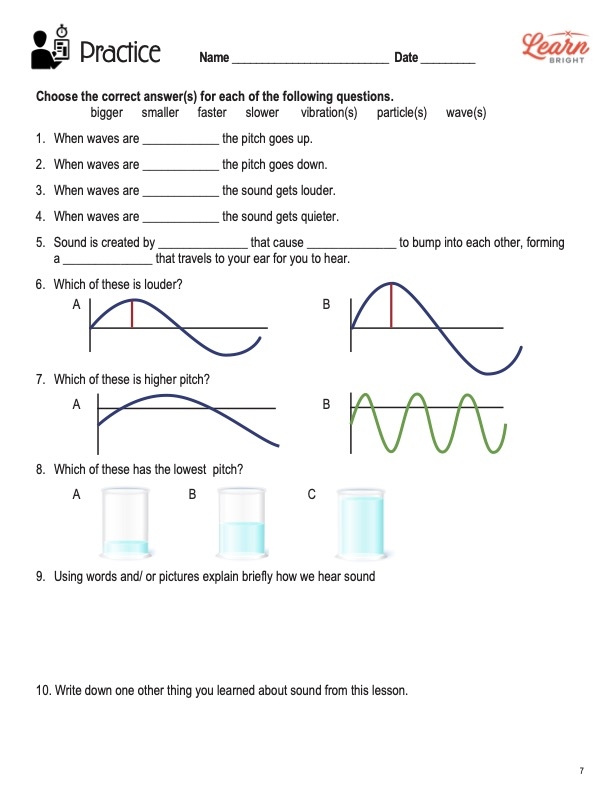
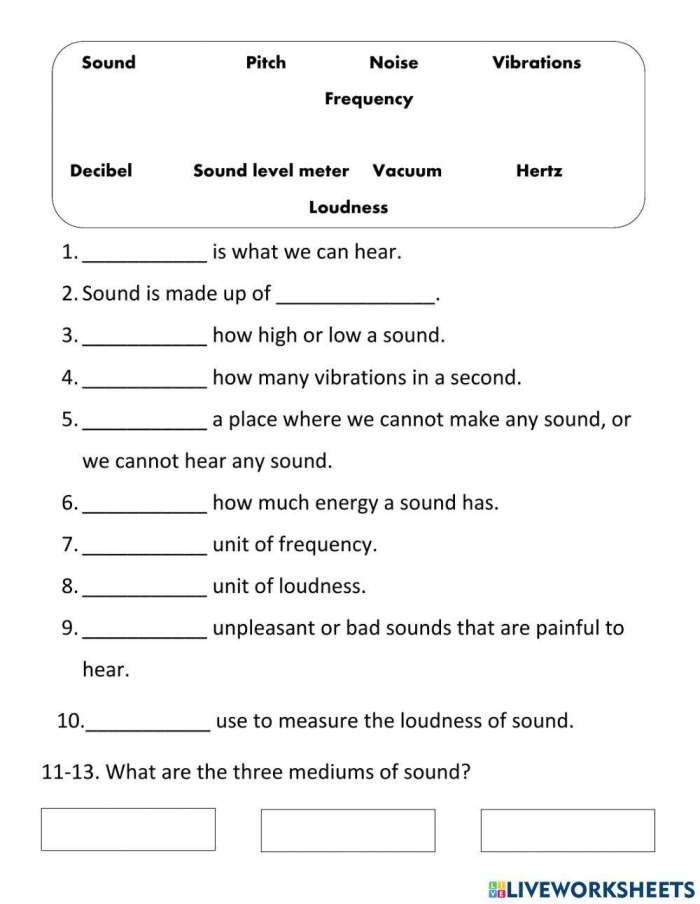
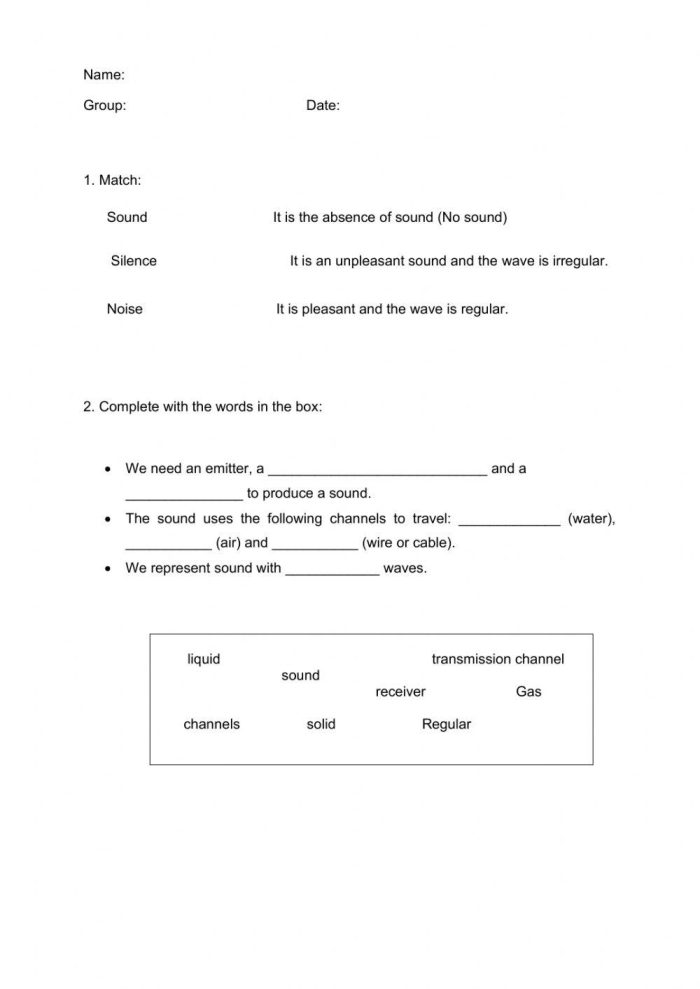
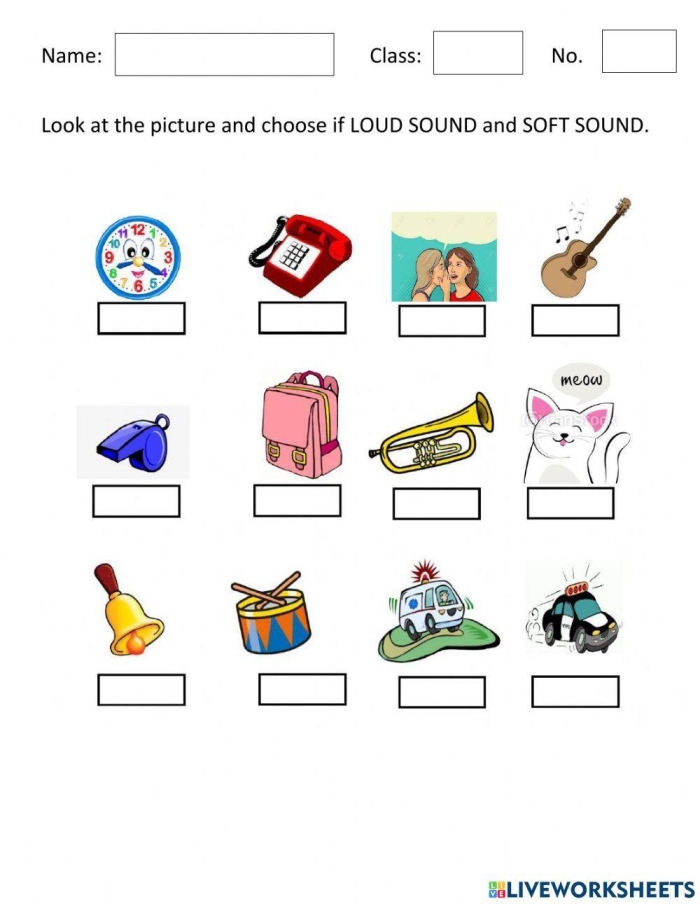
Did you know that sound is actually caused by movement? This might sound simple, but understanding how vibrations create the sounds we hear can be quite fascinating, especially for fifth graders exploring the basics of physics and geometry. Sound originates when particles in a medium, like air or water, start to vibrate. These vibrations travel in waves, moving from one particle to the next, until they reach our ears and are interpreted as sound by our brains.
Imagine plucking a guitar string. The string moves back and forth rapidly, pushing and pulling on the air particles around it. These particles bump into their neighbors, passing the vibration along like a chain reaction. This chain of vibrating particles forms sound waves, which can be described using geometric concepts such as wavelength and frequency—topics that tie directly into fifth grade geometry lessons.
One interesting detail is that the speed of sound depends on the medium it travels through. For example, sound travels faster in water than in air because water particles are closer together, making it easier for vibrations to pass along. This fact connects nicely to physical and chemical changes, which students might explore through related worksheets focusing on how different materials affect sound.
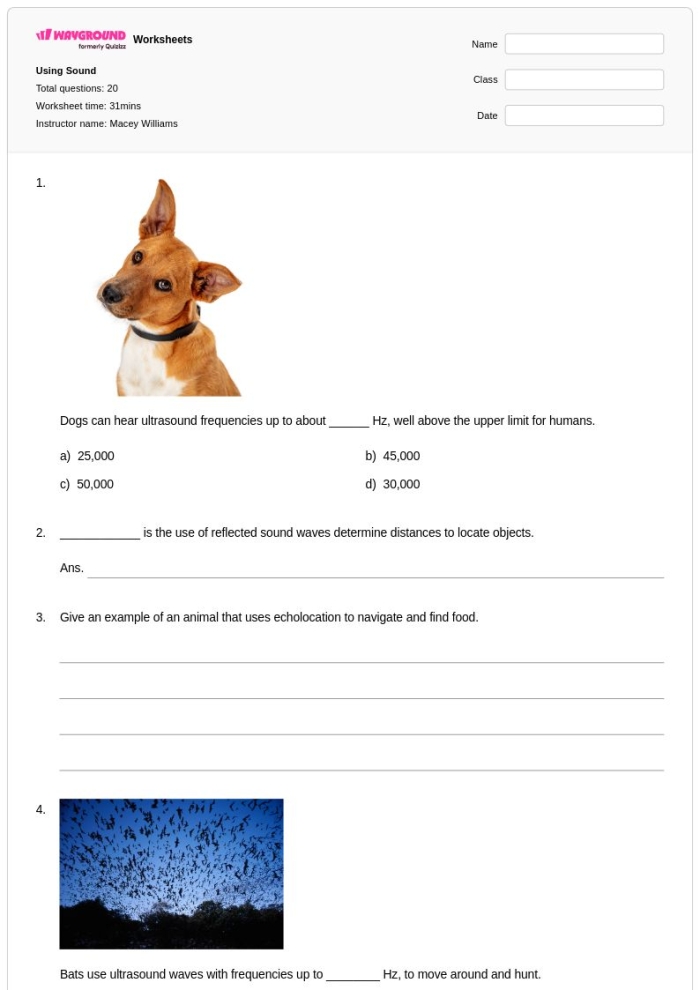
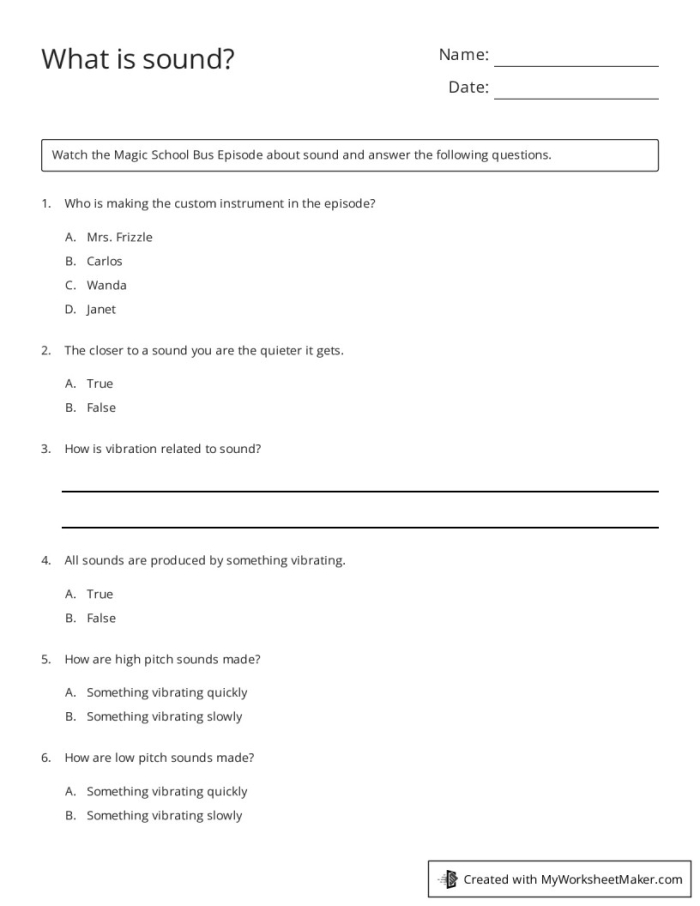
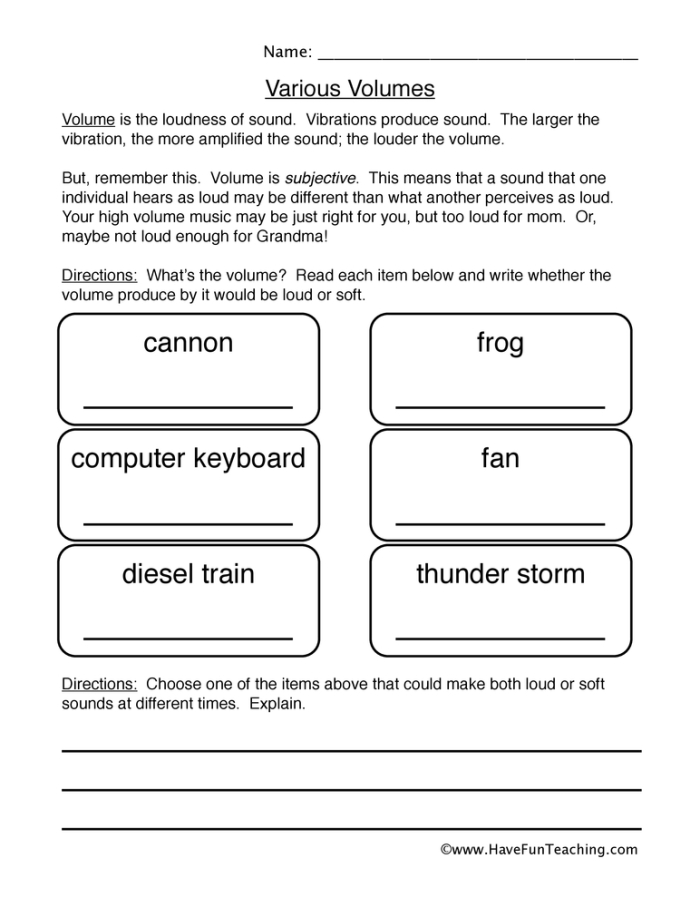
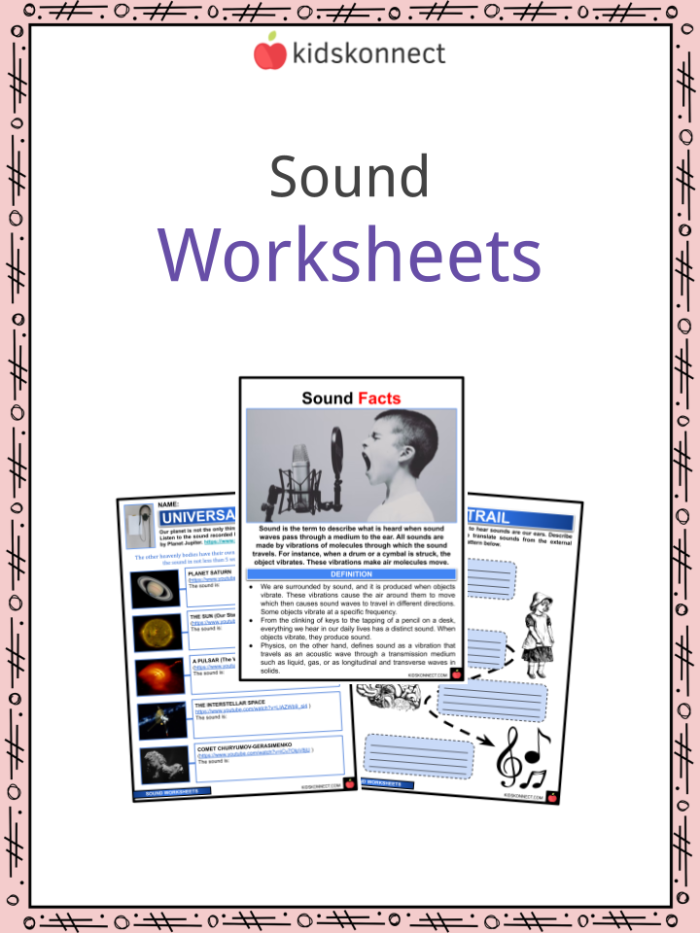
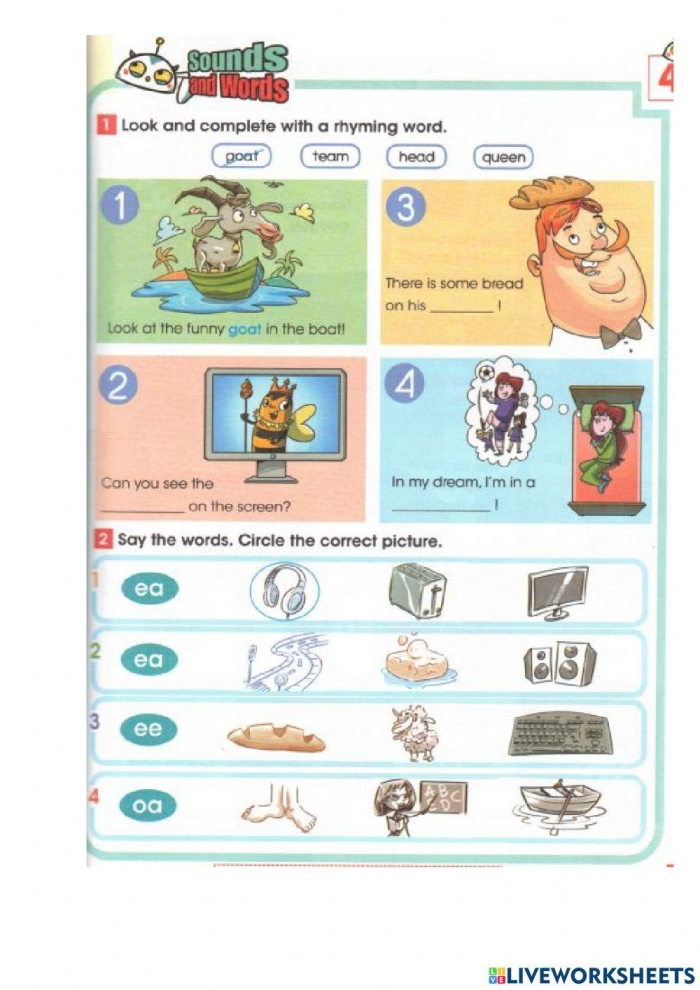
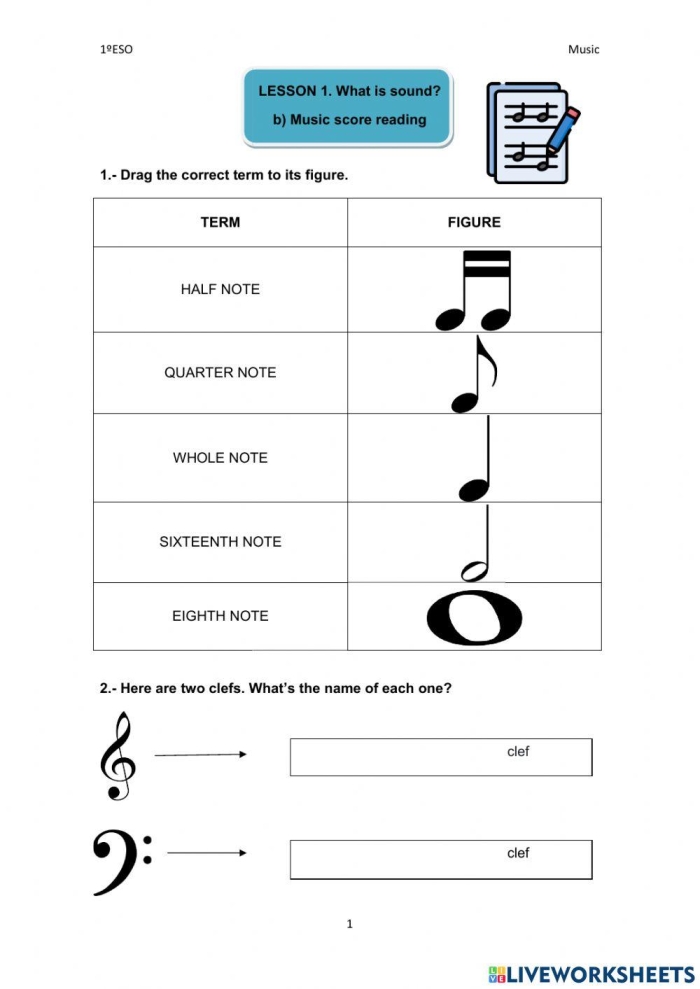
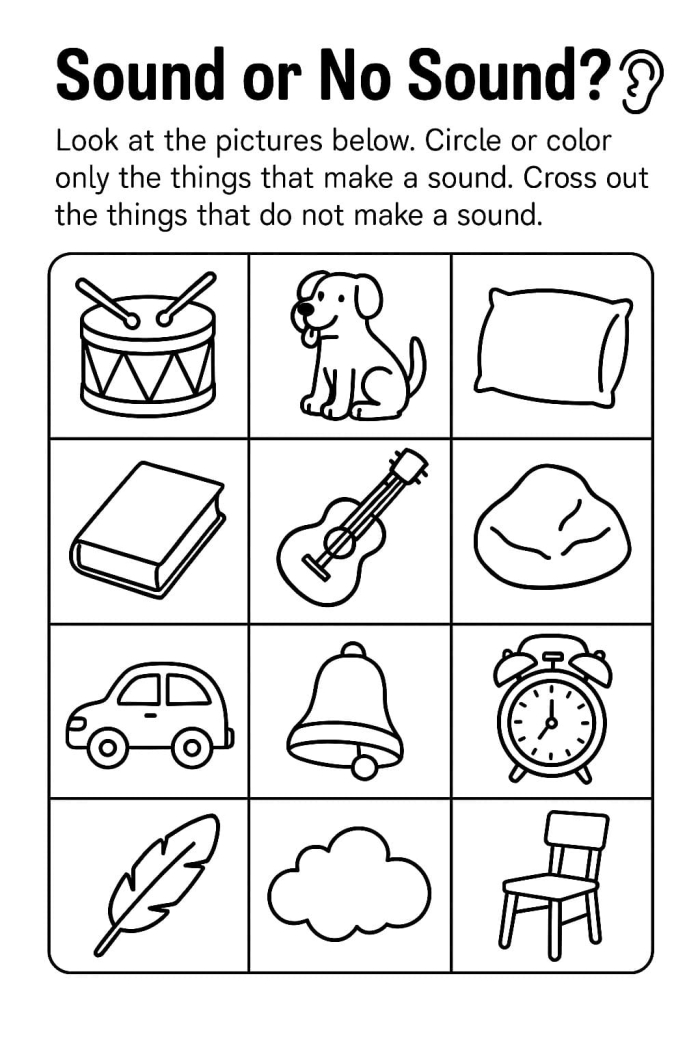
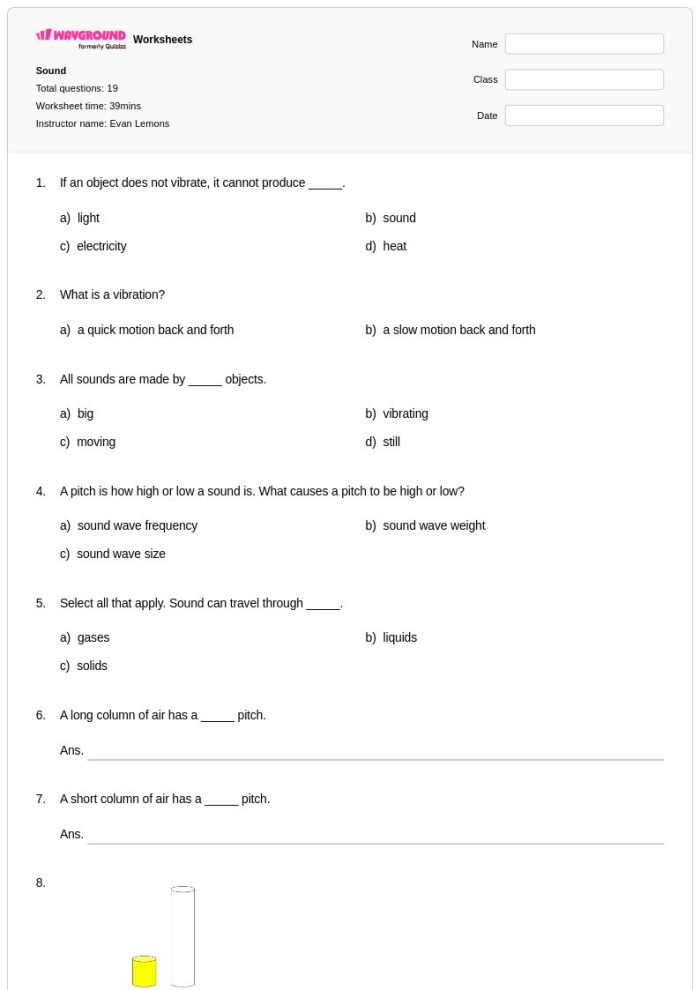
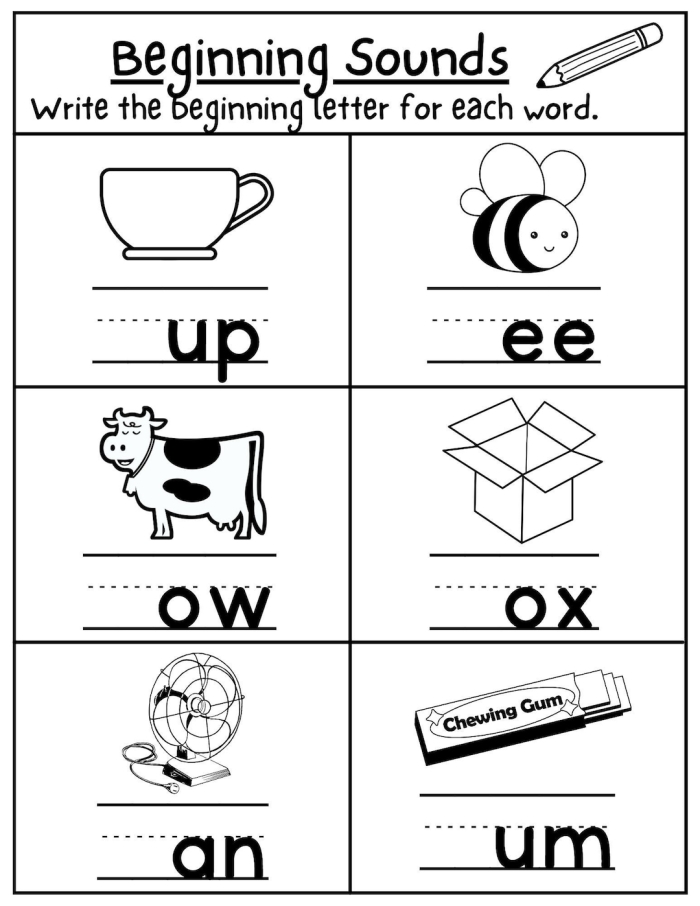
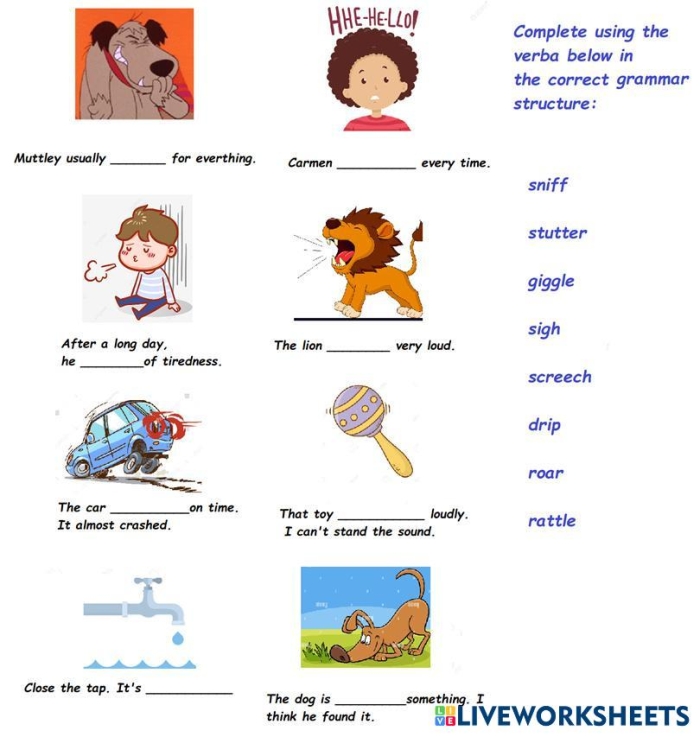
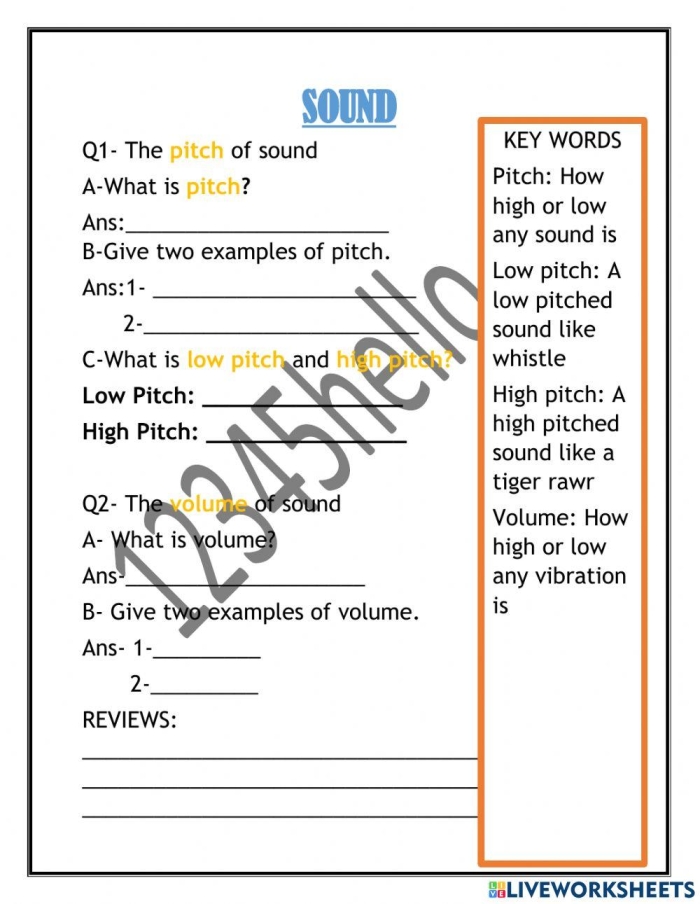
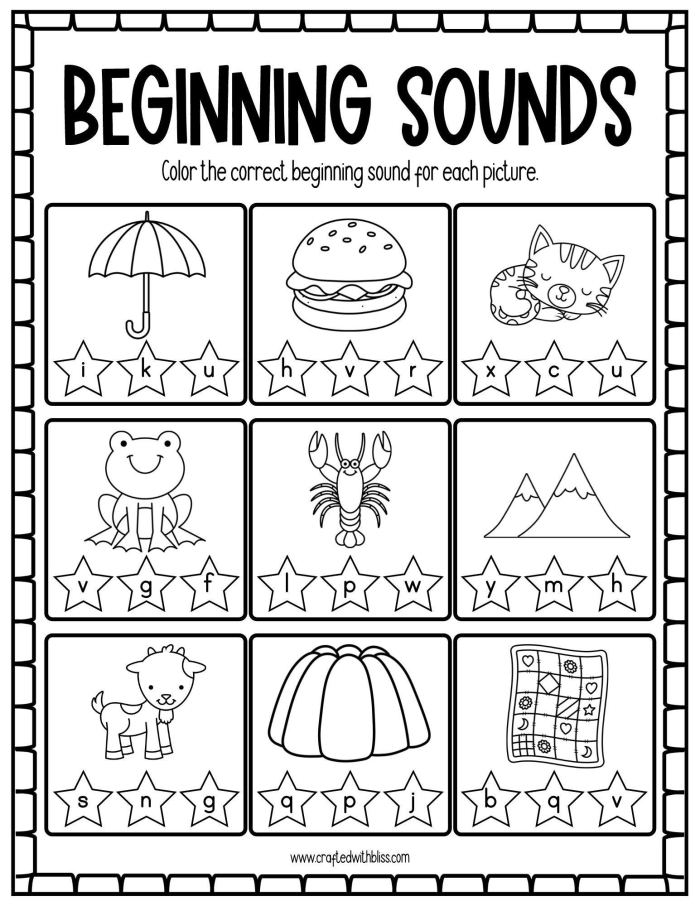
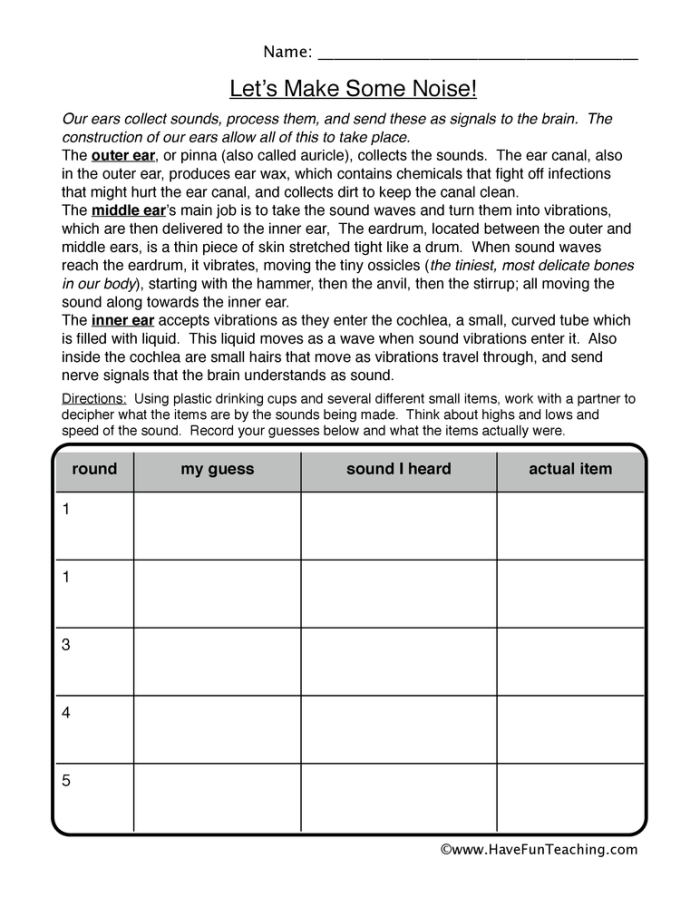
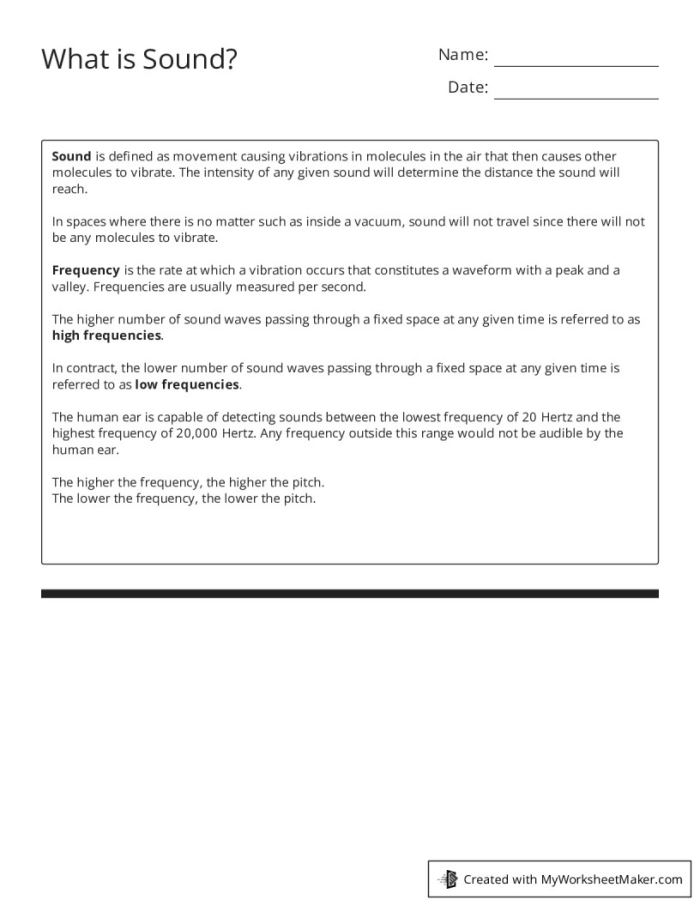
For teachers and parents, Printable What is Sound? Worksheets designed for fifth grade students can make these concepts more tangible. These worksheets often include exercises that combine reading comprehension with geometry, helping students see how shapes and measurements relate to sound waves. Activities might involve calculating the wavelength or exploring how the pitch of a sound changes with frequency, integrating both science and math skills.
Understanding sound through the lens of movement and geometry offers a clear picture of a phenomenon that might otherwise seem abstract. If you’re interested in resources that connect these ideas, you might find engaging examples in materials covering related topics, such as physical and chemical changes or puzzles involving spatial reasoning like those in rectangle algebra. These connections enrich a child’s learning experience, showing how different subjects fit together in everyday life.
Practice with These Worksheets