Ever wondered what happens to your food after you swallow it? Understanding the journey of food through our digestive system can be fascinating and insightful. The process of digestion is not just about breaking down food; it’s a complex system that involves various organs working together to extract nutrients and eliminate waste.
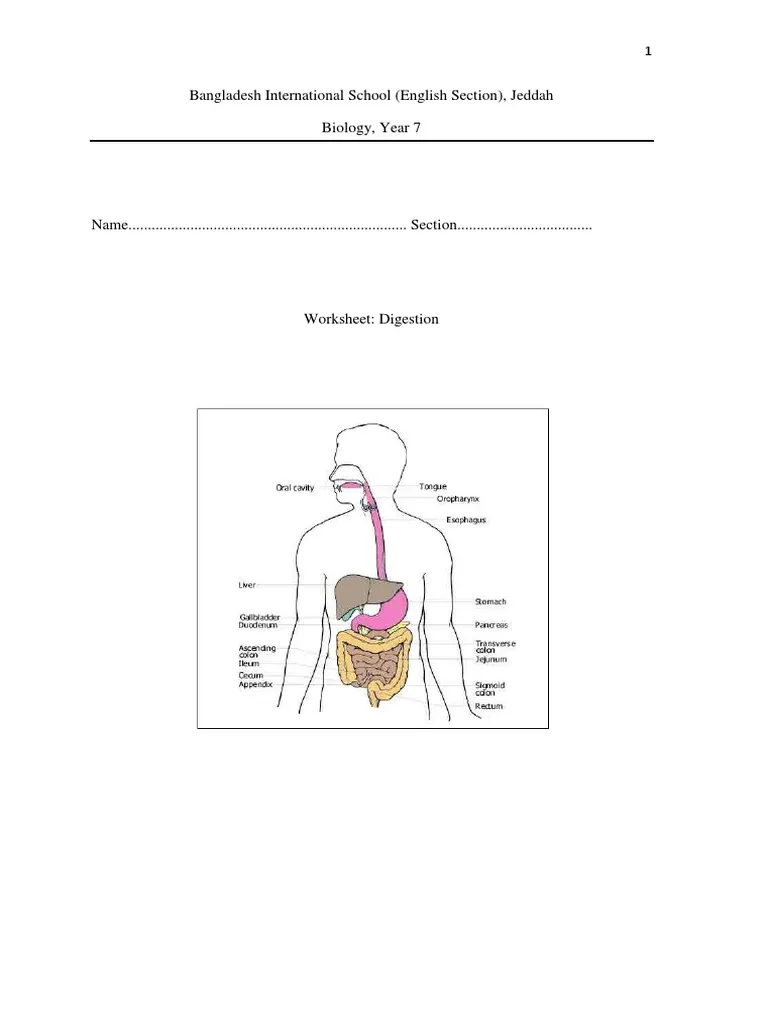
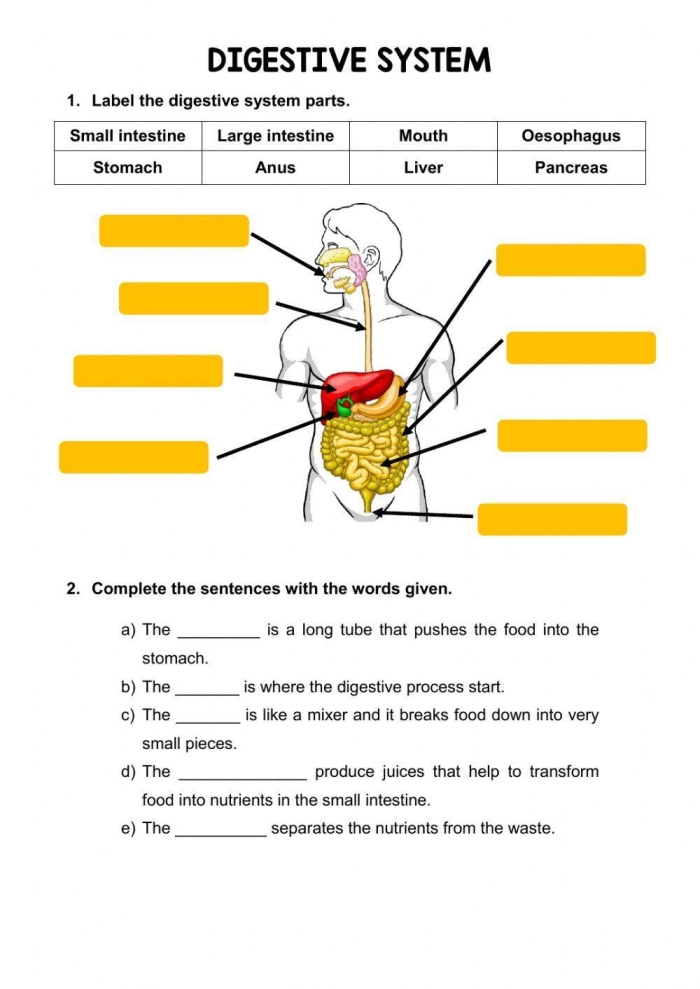
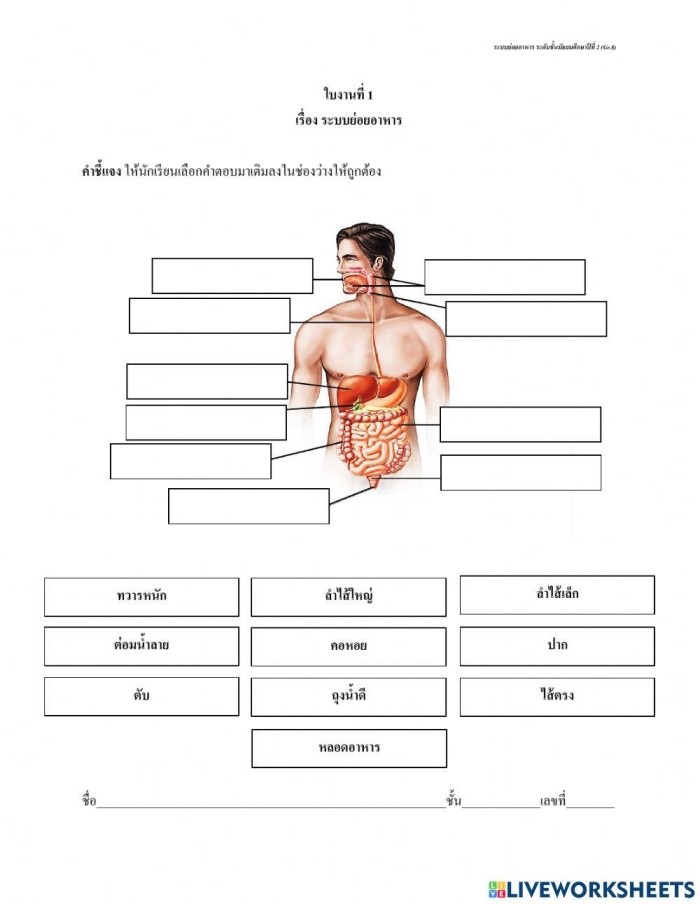
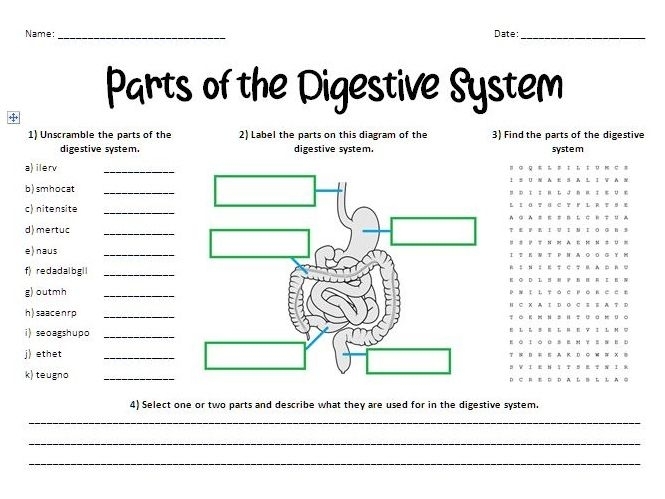
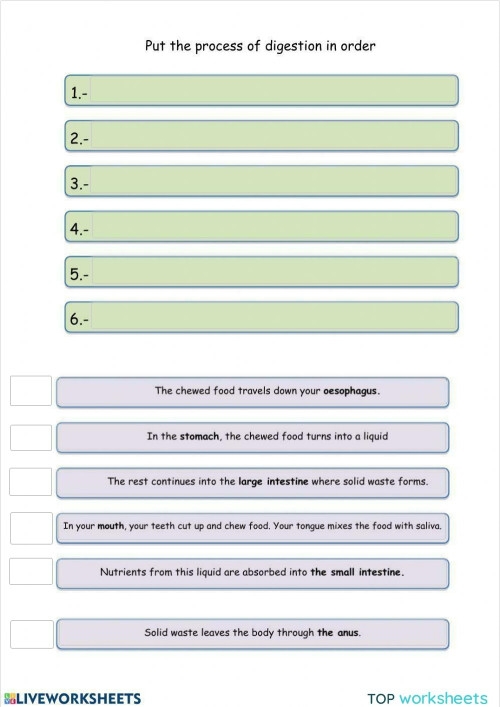
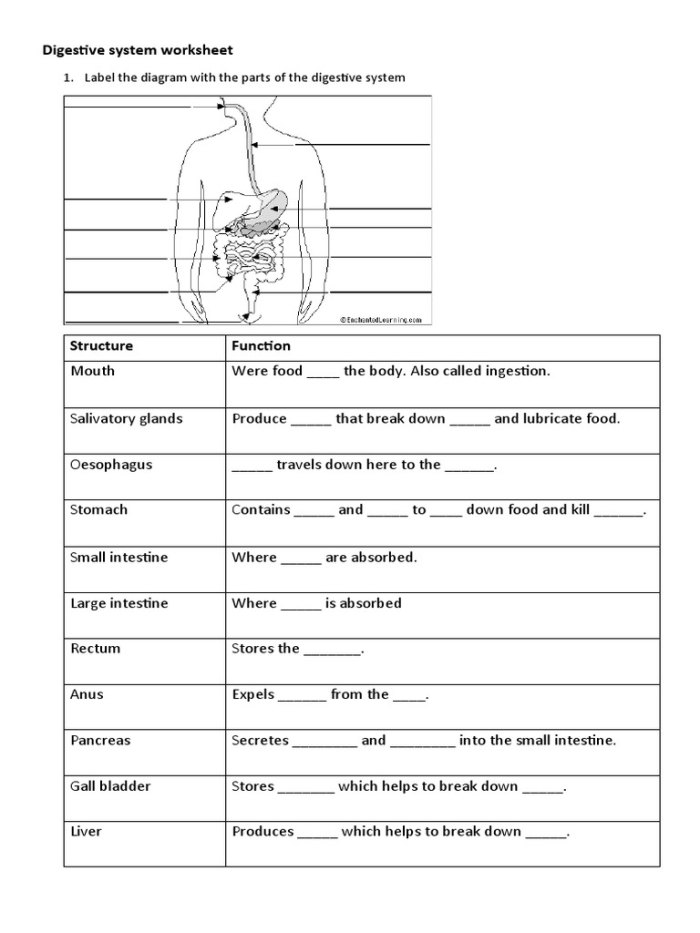
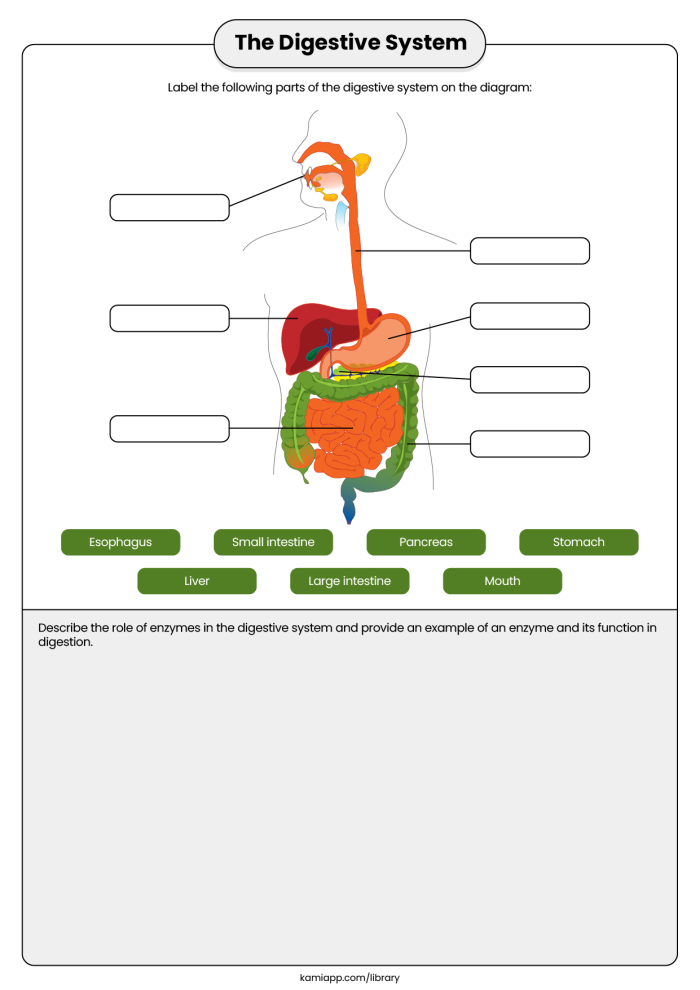
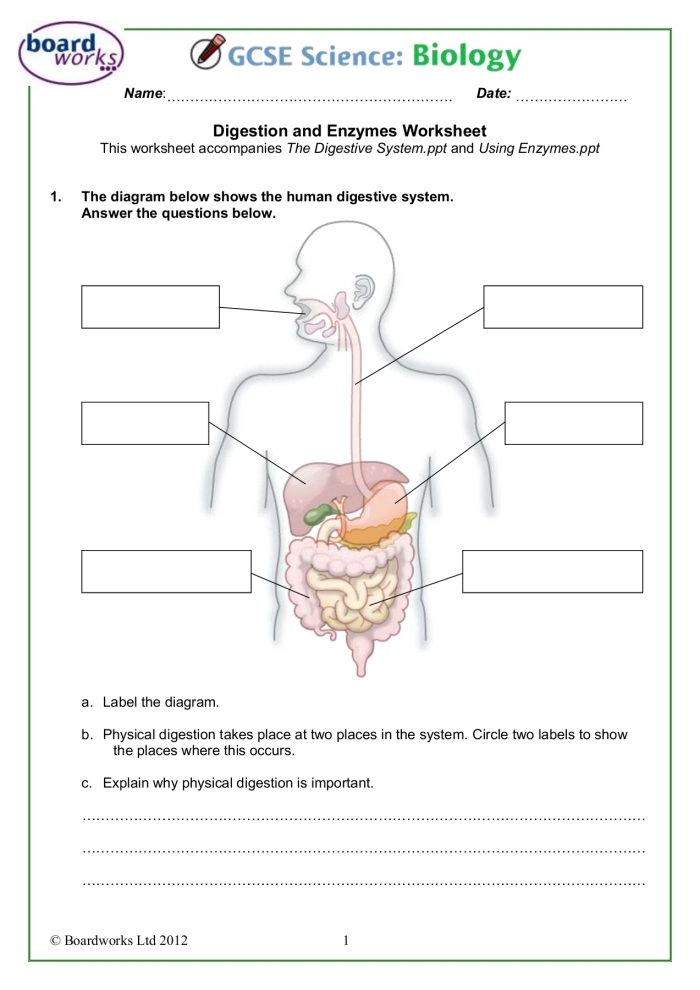
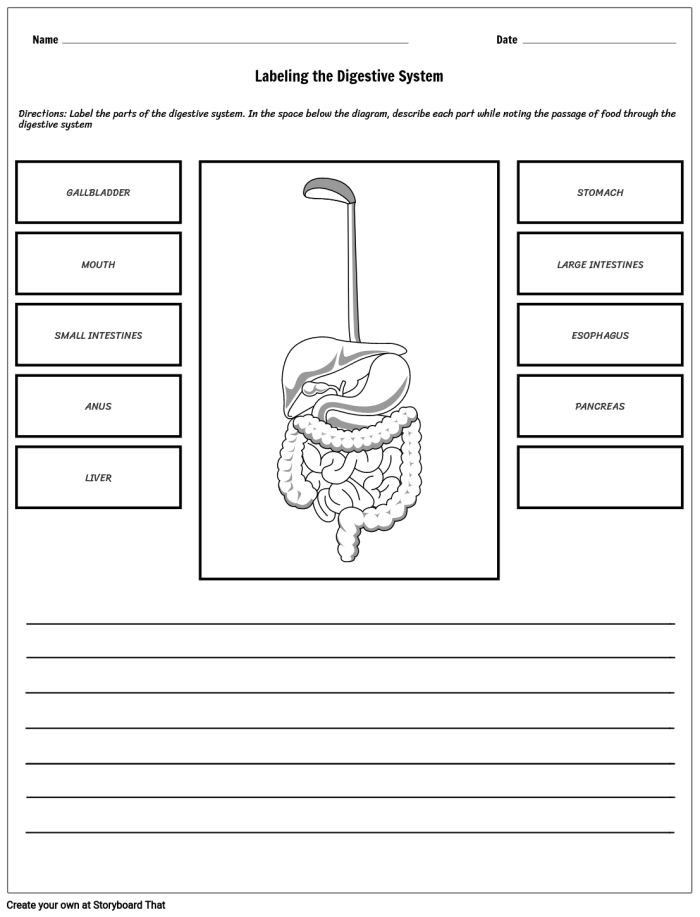
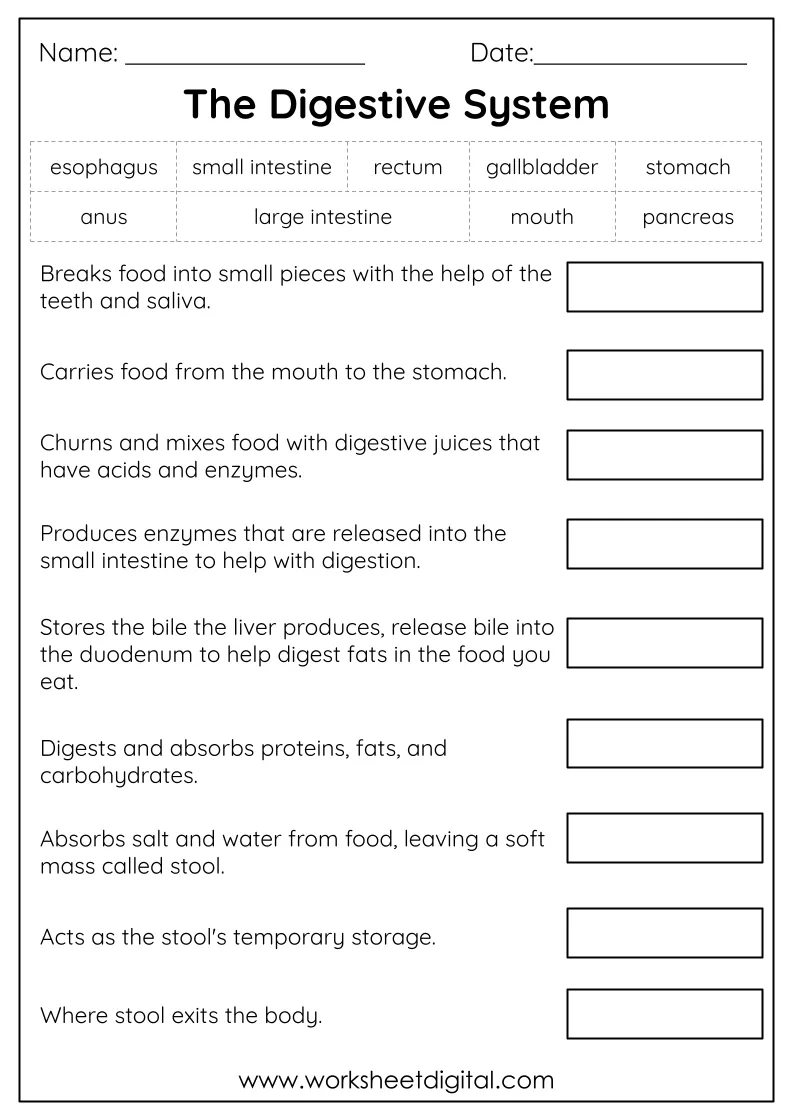
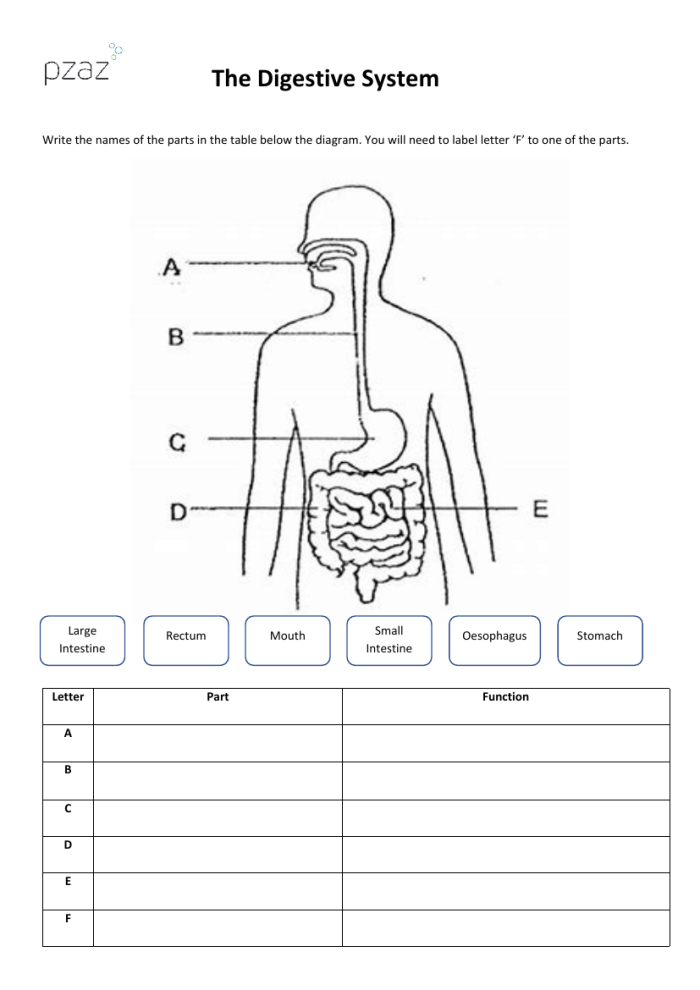
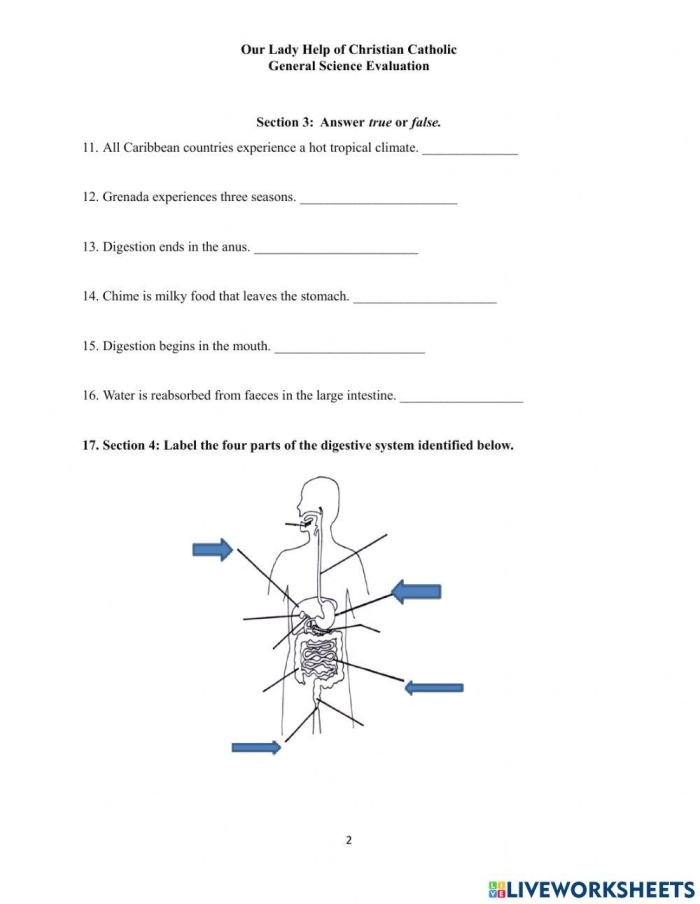
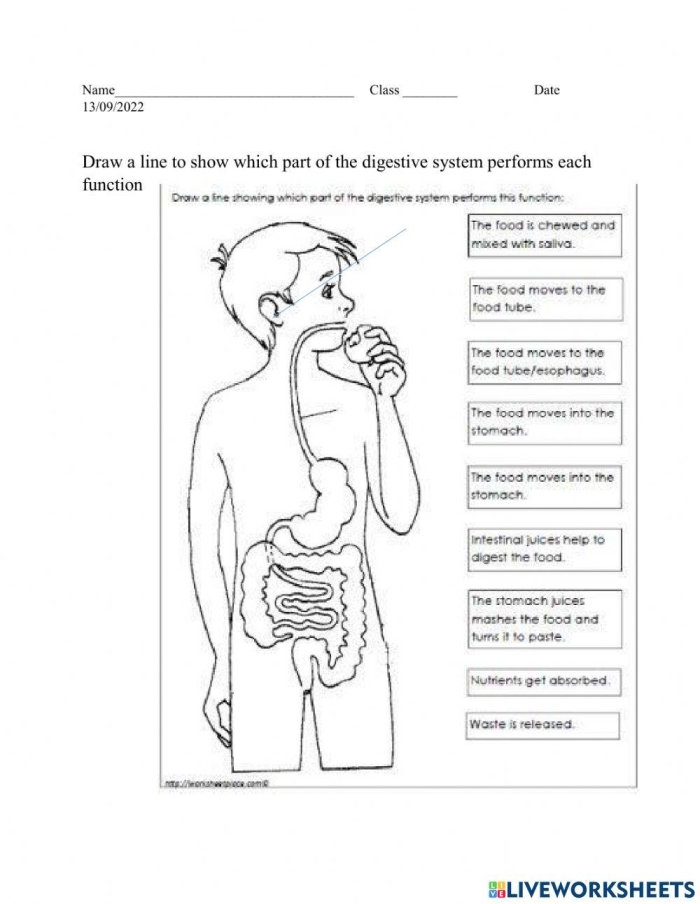
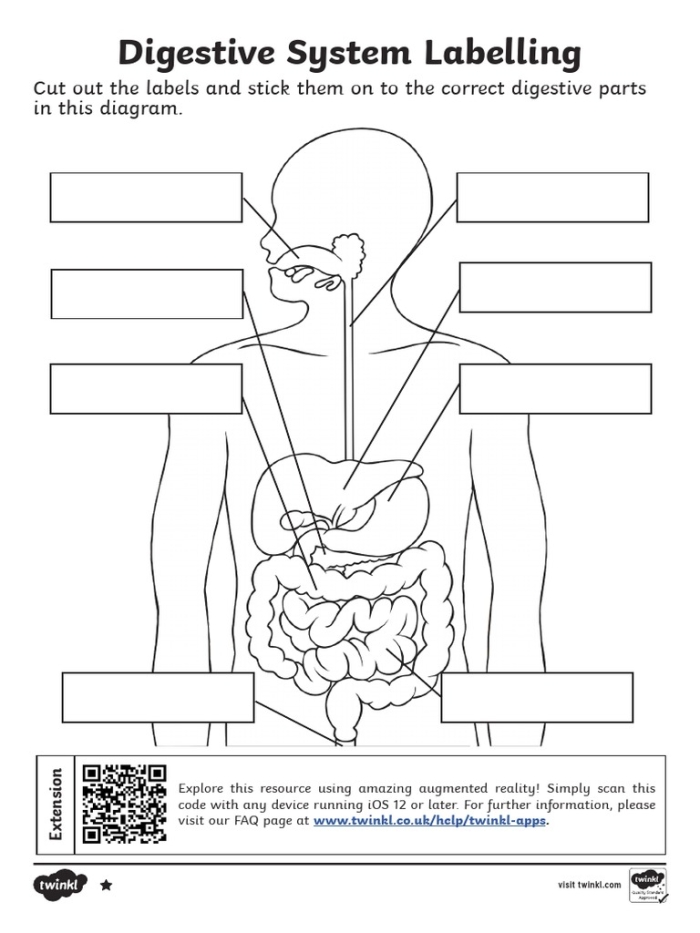
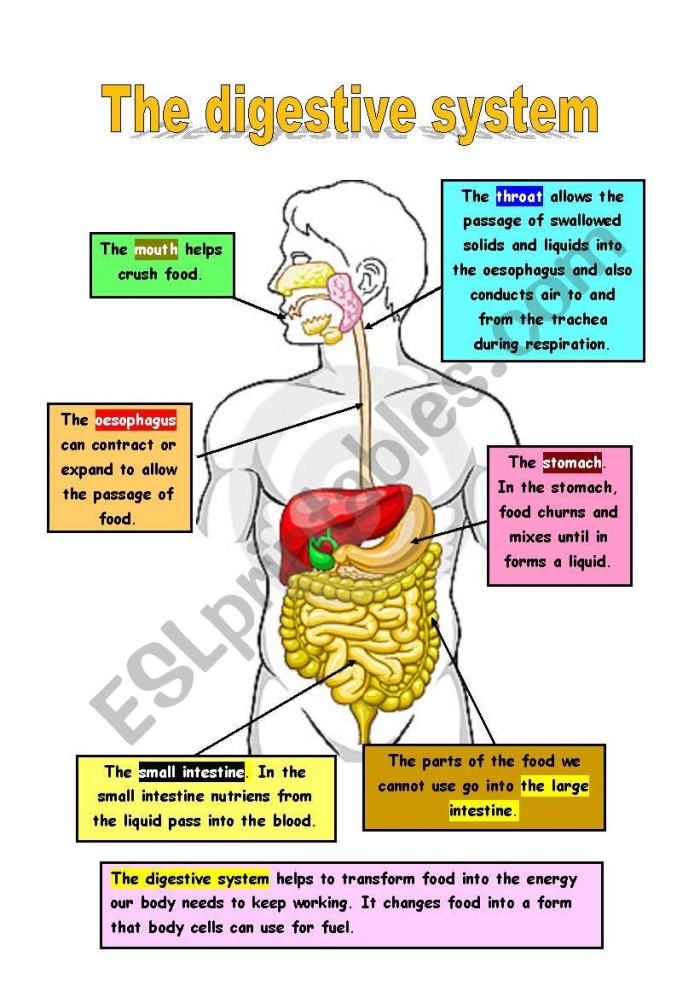
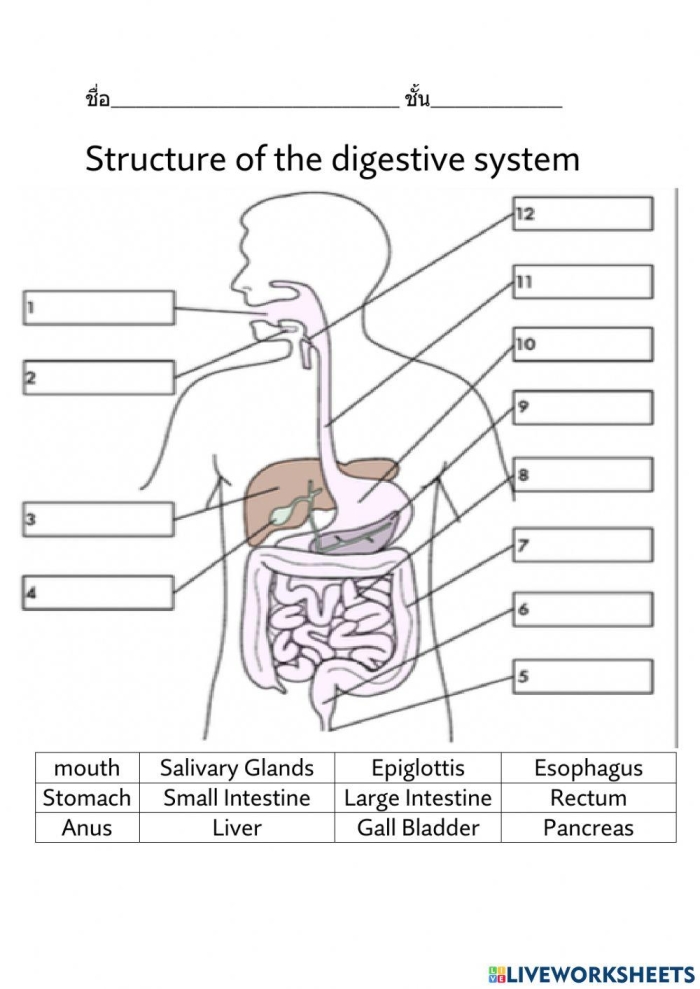
Once you take a bite and chew your food, it mixes with saliva, which contains enzymes that begin breaking down carbohydrates. This mixture is then swallowed and travels down the esophagus. The esophagus is a muscular tube that connects the throat to the stomach. When food reaches the stomach, it is met with gastric juices, including acids and more enzymes, which continue the breakdown process. This acidic environment is crucial for digesting proteins and killing harmful bacteria.
After a few hours in the stomach, the semi-liquid food mixture, known as chyme, enters the small intestine. Here, most of the nutrients are absorbed. The pancreas and liver play vital roles at this stage. The pancreas secretes enzymes that further digest fats, proteins, and carbohydrates, while the liver produces bile, which helps in fat digestion. This intricate process ensures that your body gets the vitamins and nutrients needed for energy and growth.
The remaining waste then moves into the large intestine, where water is reabsorbed, and the leftover material is compacted into stool. Finally, the body expels this waste through the rectum. Understanding digestion can help us appreciate the food we eat and the incredible processes our bodies perform daily.
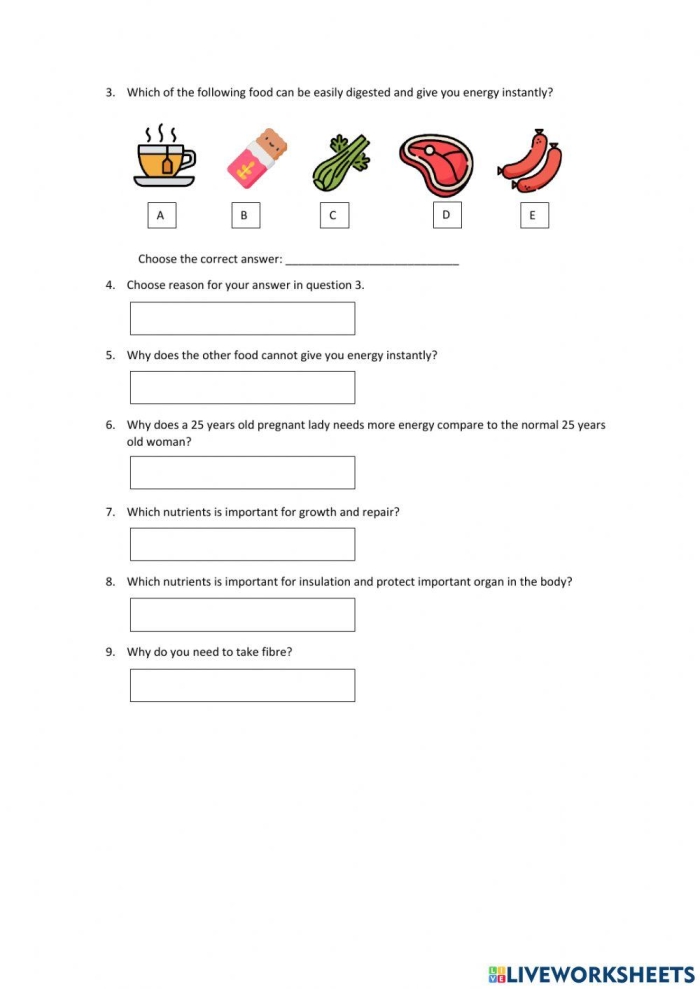
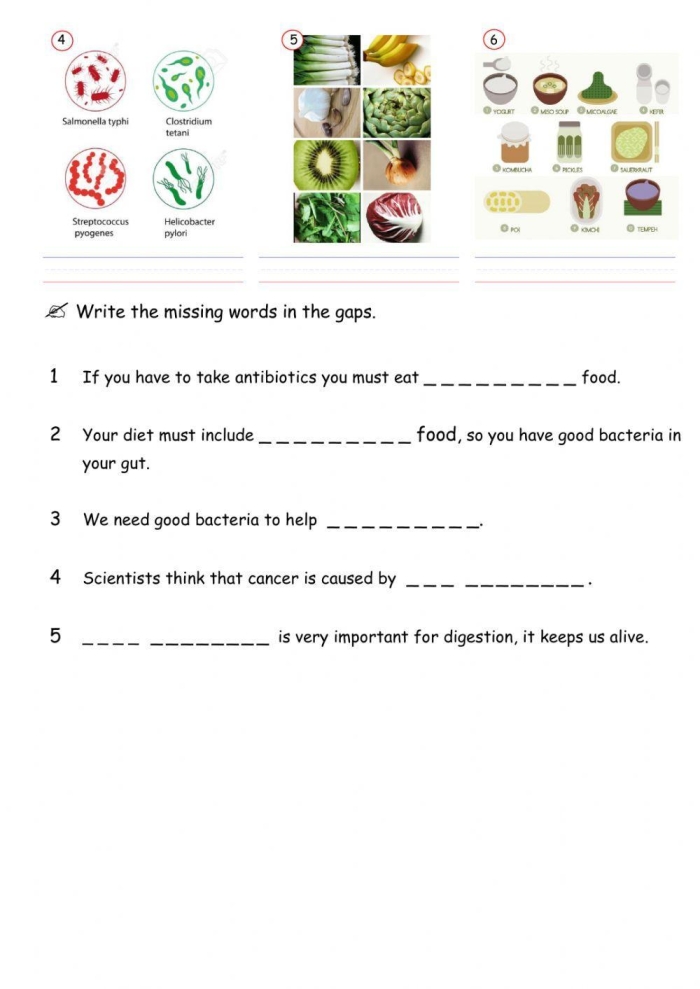
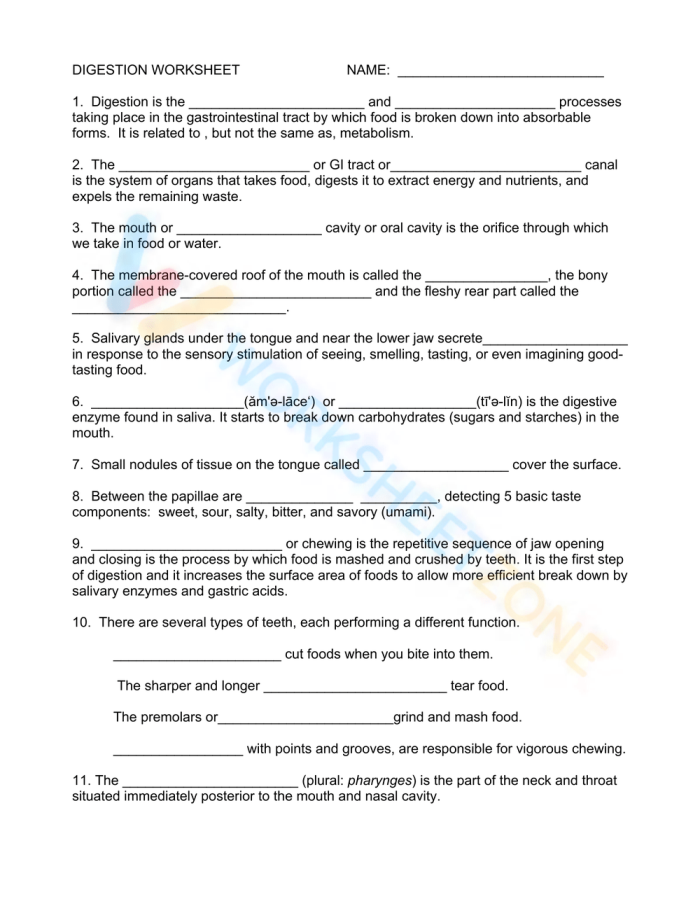
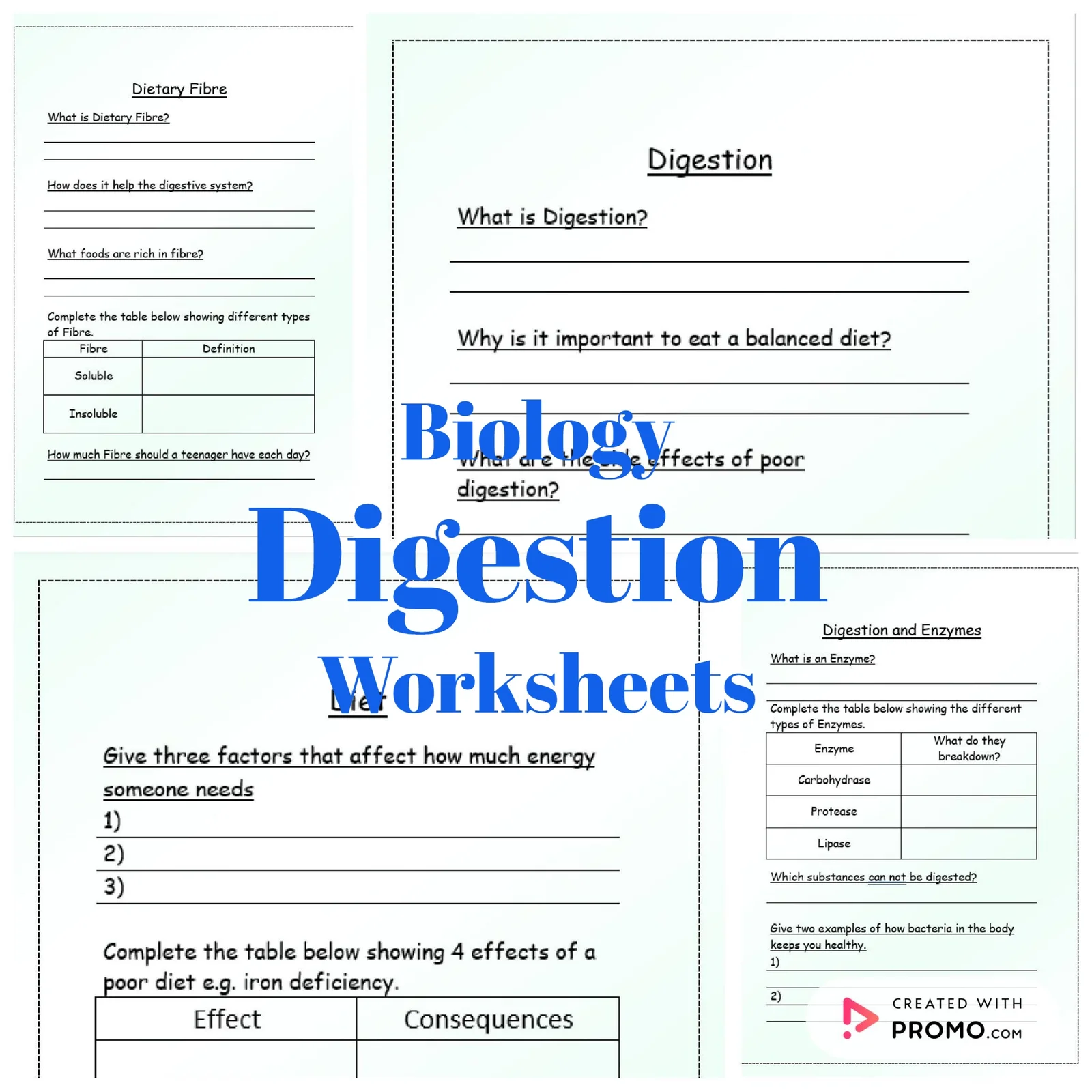
For those interested in further exploring this topic, there are printable worksheets that explain digestion in a fun and engaging way, designed specifically for Fourth Grade students. These resources can enhance writing skills while learning about essential body functions.
Printable Worksheets for Practice