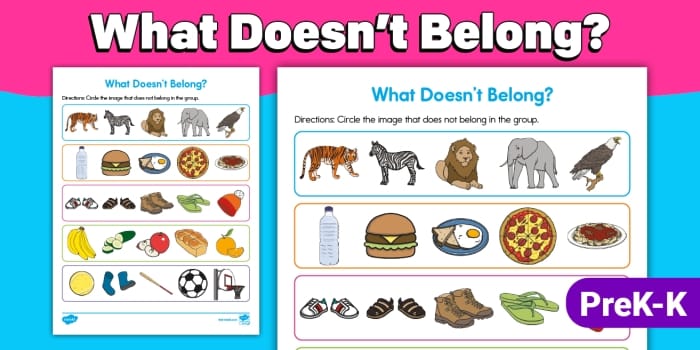
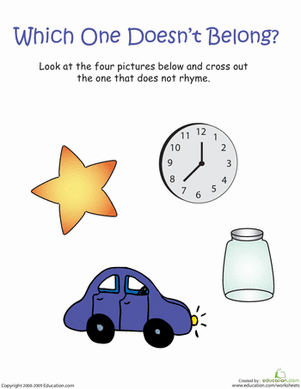
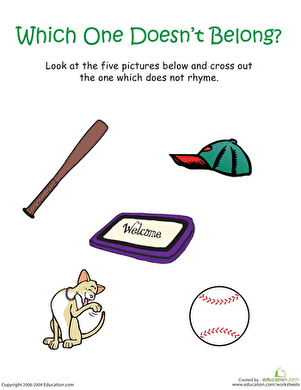
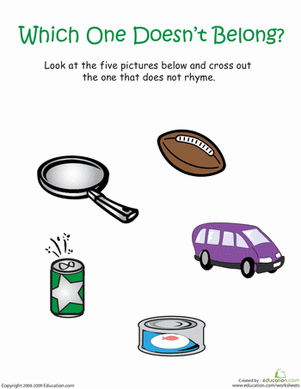
Your kindergartener’s brain is wired to spot patterns and notice when things look out of place. That’s exactly why “what doesn’t belong” activities work so well for early learners. A lawnmower sitting in the middle of a girl’s bedroom is the kind of obvious mismatch that makes kids giggle while their brains work hard to categorize objects by location and purpose.
This type of visual puzzle teaches children to think about where things actually belong in the real world. When your child examines a bedroom scene and identifies that a lawnmower doesn’t fit, they’re doing more than finding a funny picture. They’re learning about spaces, their functions, and the logic behind organizing our environments. A bedroom is for sleeping, playing, and keeping personal belongings, not for storing yard equipment.
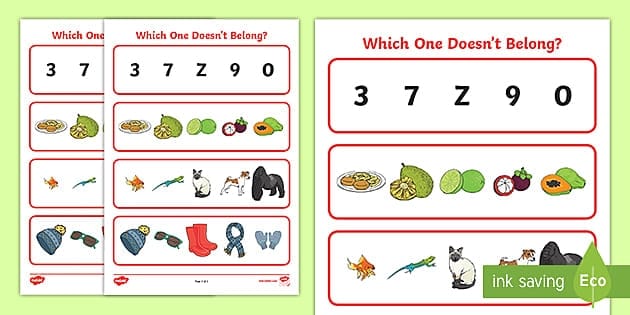
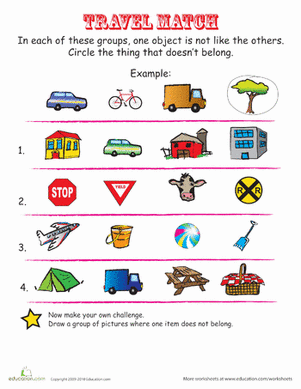
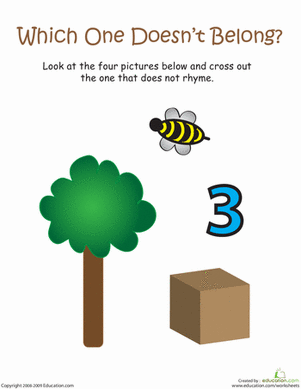
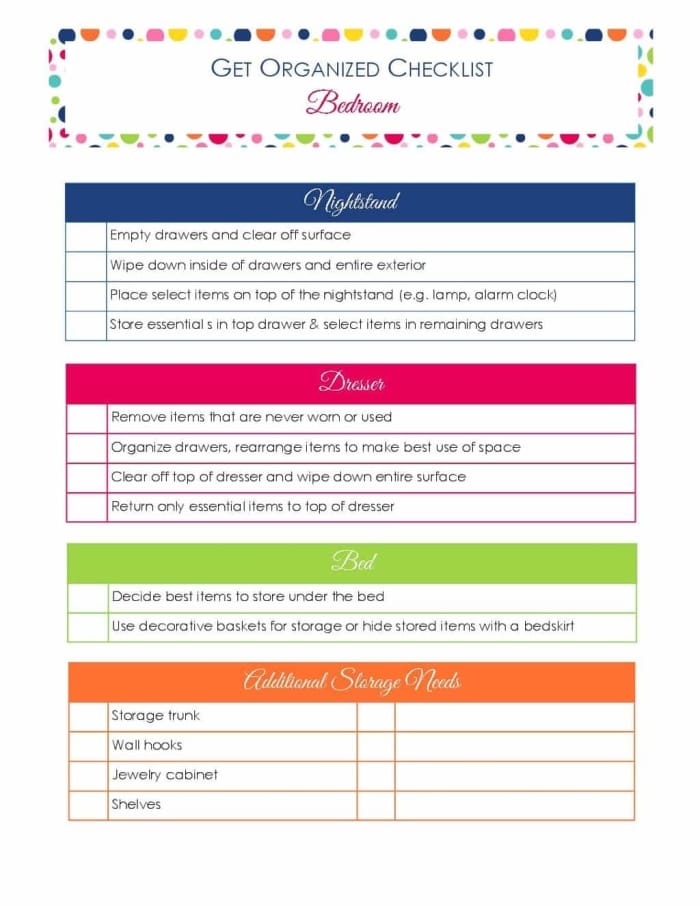
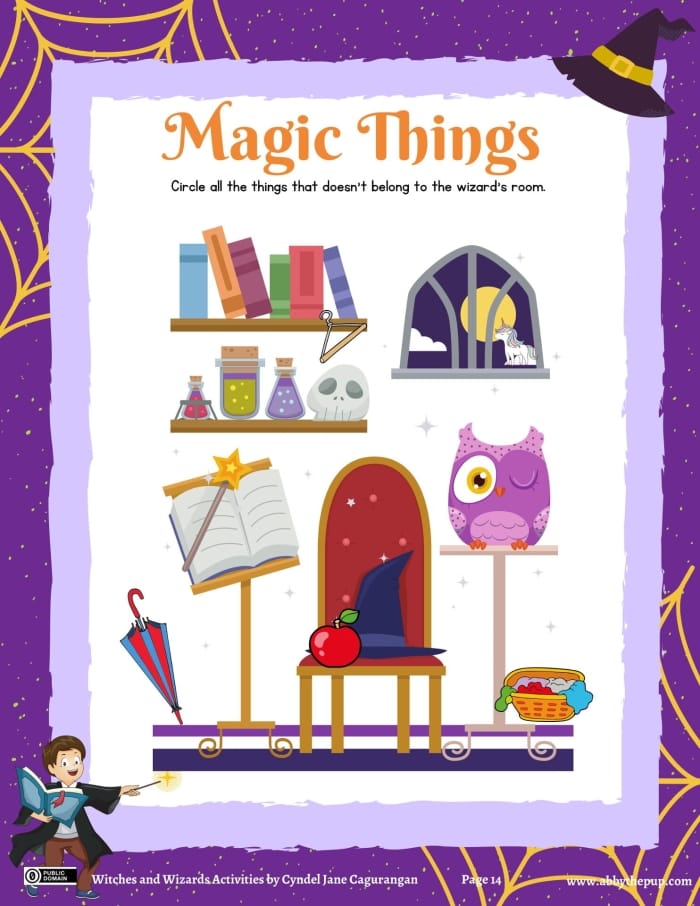
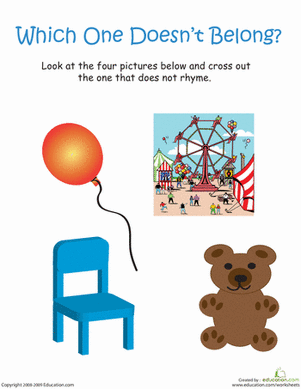
The beauty of these activities is that they work on multiple levels. Young learners develop observation skills as they scan each detail in the image. They practice reasoning by asking themselves: “Does this make sense here?” They also build vocabulary by naming the objects they see. When you work through printable what doesn’t belong bedroom worksheets together, you’re naturally introducing concepts about community spaces and how different places serve different purposes, which connects to early civics understanding.
The lawnmower example works particularly well because it’s so clearly out of context. Unless your child’s friend is genuinely obsessed with lawn care and keeps her mower indoors, that piece of equipment belongs outside in the garage or shed. Kids find humor in the absurdity, and that engagement makes learning stick. Try asking your child not just to find the wrong items, but to explain where each misplaced object should actually go. That extra step deepens their understanding of how we organize our homes and communities.
Boost Skills with These Worksheets