Understanding volume is a fundamental concept in fifth-grade Earth and Space Science. One effective way to grasp this idea is through hands-on activities that involve comparing the volume of a container with the volume of its contents. This practical approach not only reinforces the definition of volume but also encourages critical thinking and observation skills.
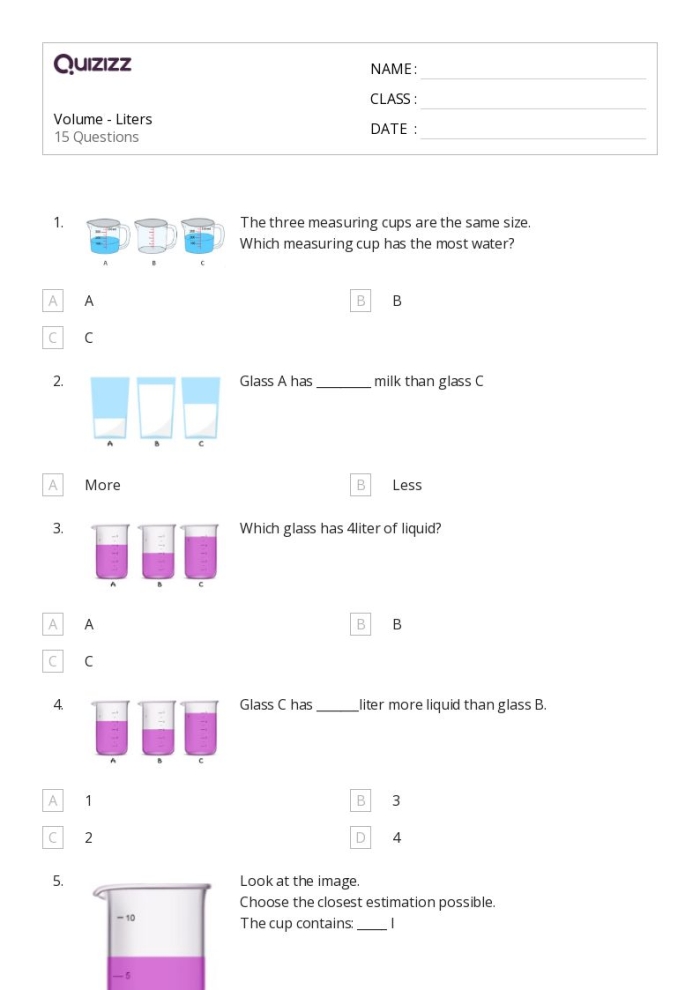
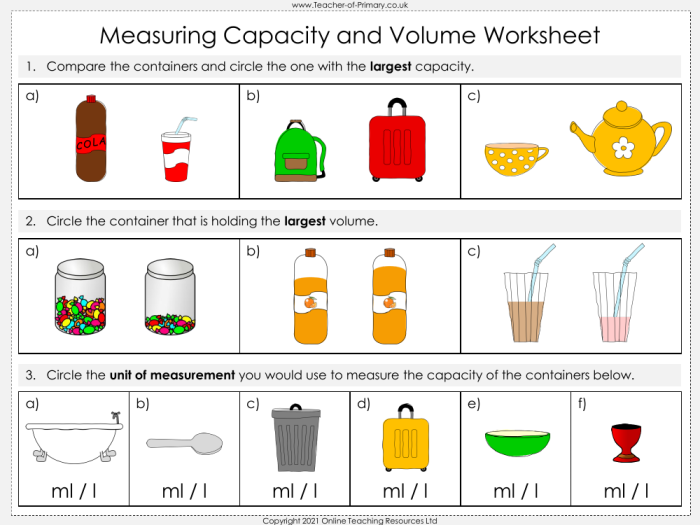
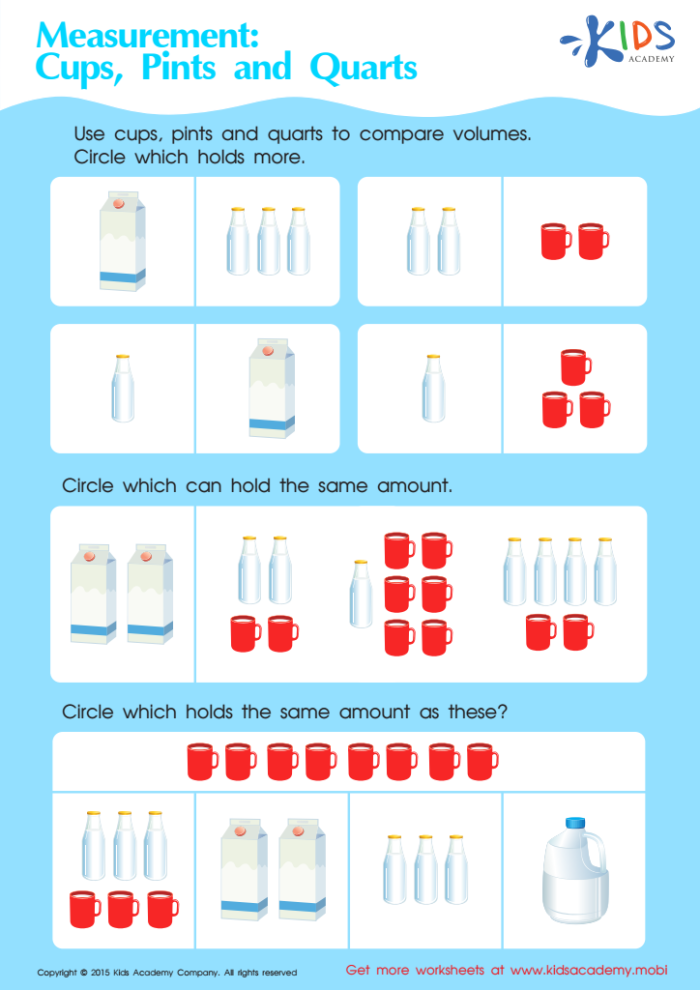
Start by selecting a variety of containers—these could be anything from a simple cup to a larger bucket. Fill each container with a different material, such as water, sand, or rice. The goal is to measure how much each container can hold compared to the volume of its contents. Using measuring cups or graduated cylinders can add precision to your measurements, allowing you to see the relationship between the container’s capacity and its fill level.
As you go through this activity, it becomes clear how volume is not just an abstract idea but something tangible. For example, a 1-liter bottle can hold exactly 1 liter of water, demonstrating a direct correlation between the container’s design and its capacity. This kind of hands-on experience is essential for fifth graders, helping them connect theoretical knowledge with real-world applications.
In addition to measuring, students can engage in discussions about how different shapes affect volume. For instance, a tall, narrow container may hold the same volume as a short, wide one, but their shapes and dimensions differ significantly. This exploration leads to questions about why certain shapes are more efficient for specific purposes, which is particularly relevant in Earth and Space Science.
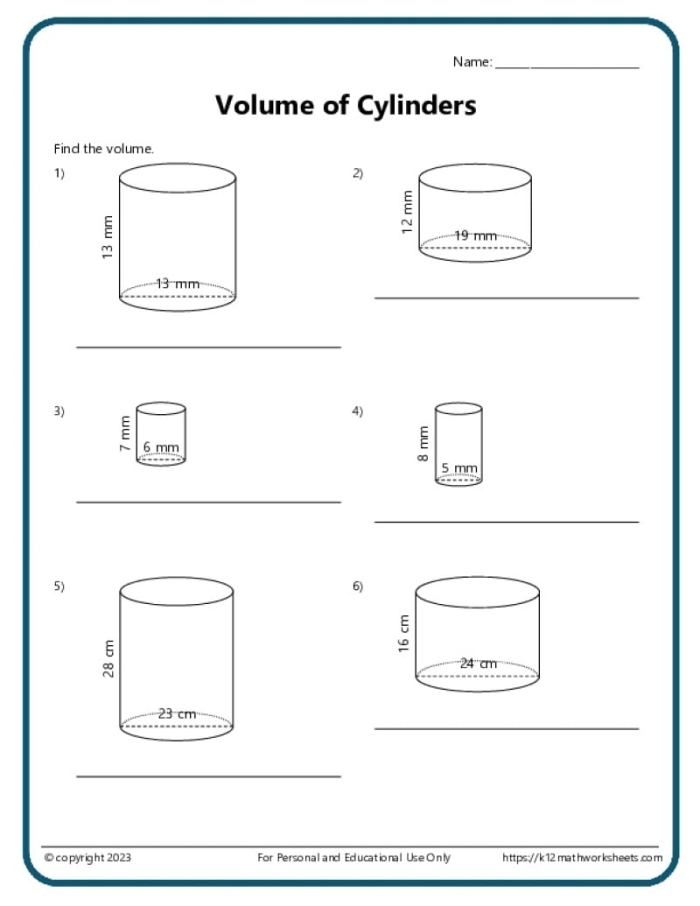
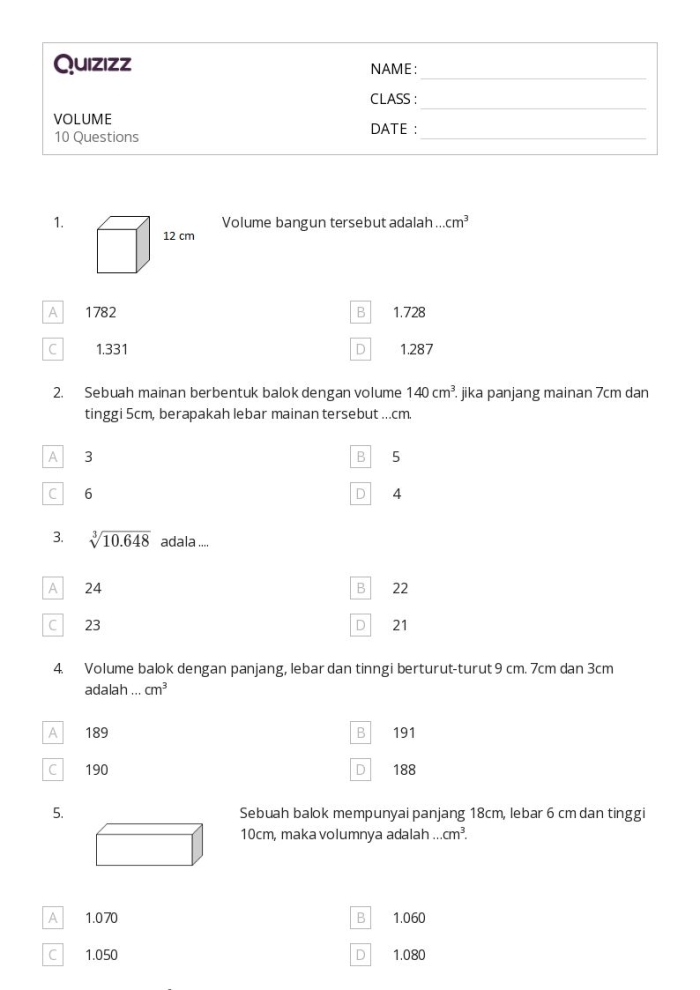
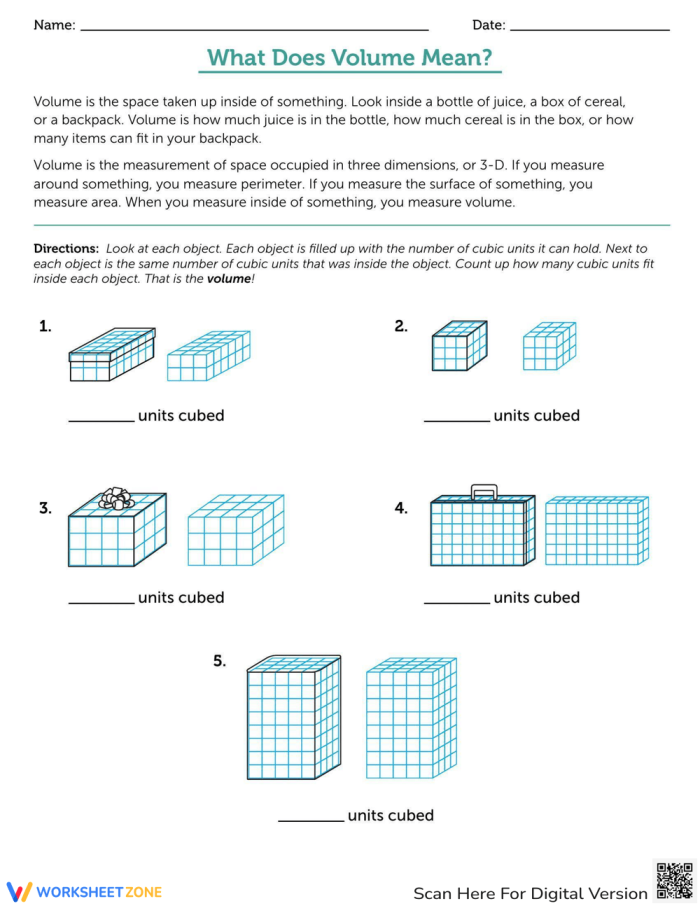
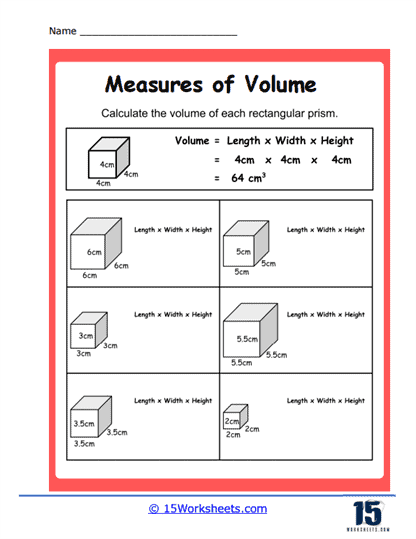
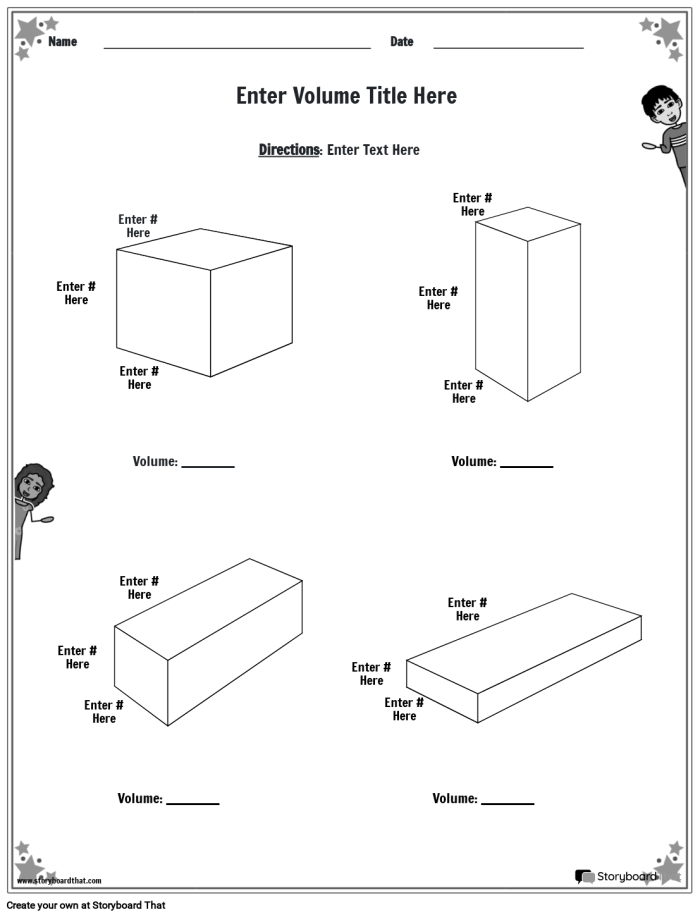
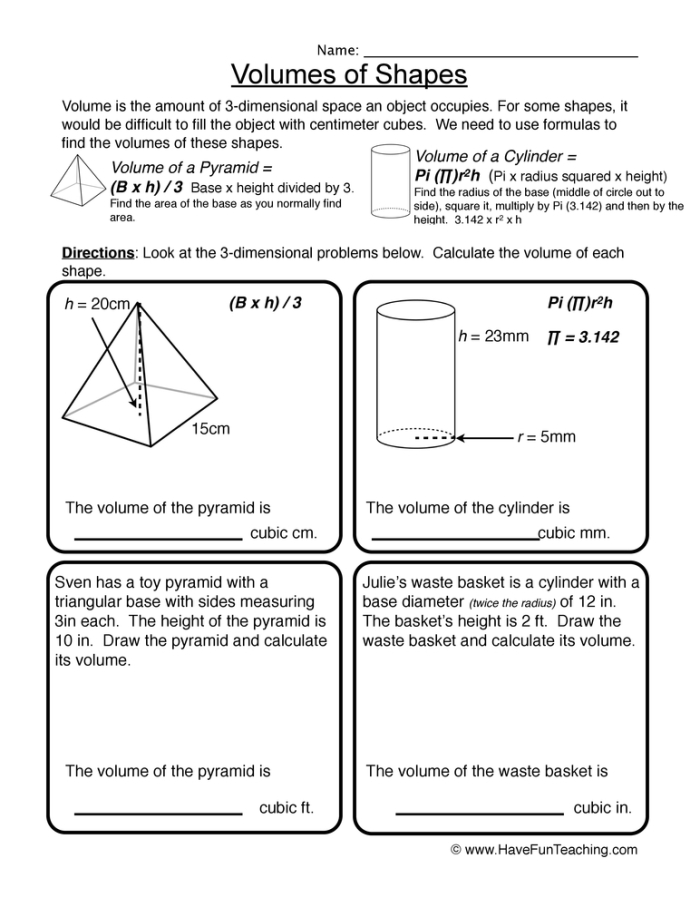
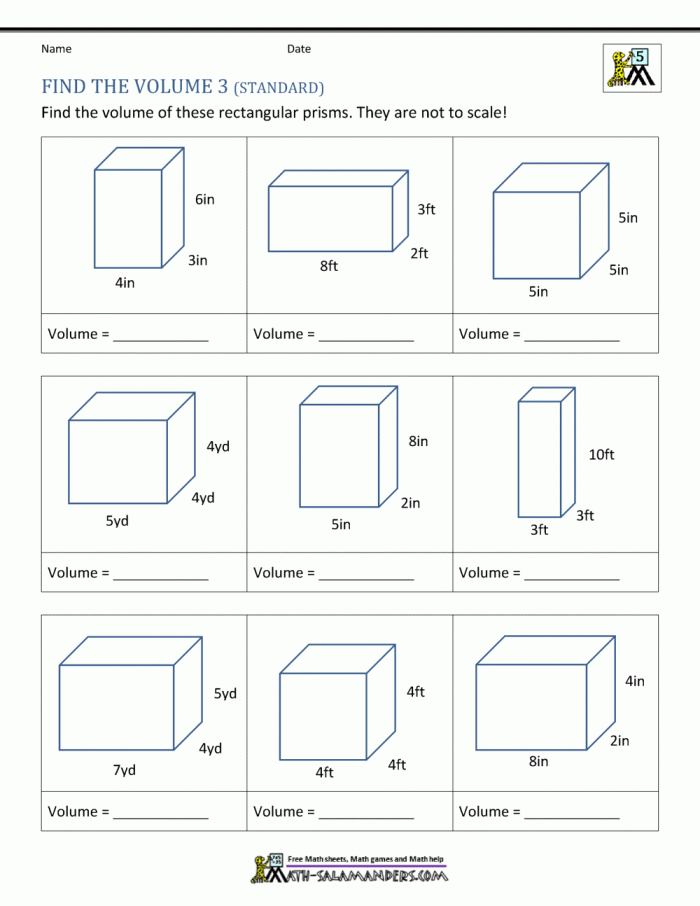
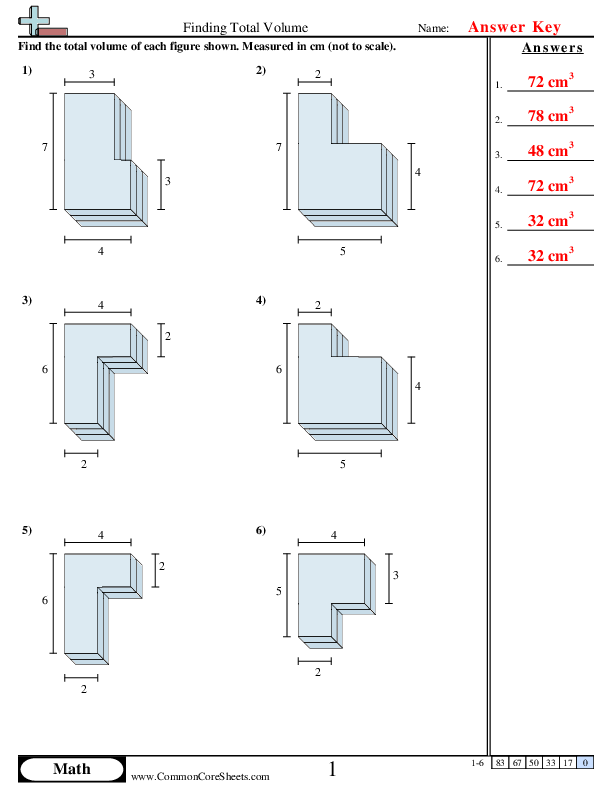
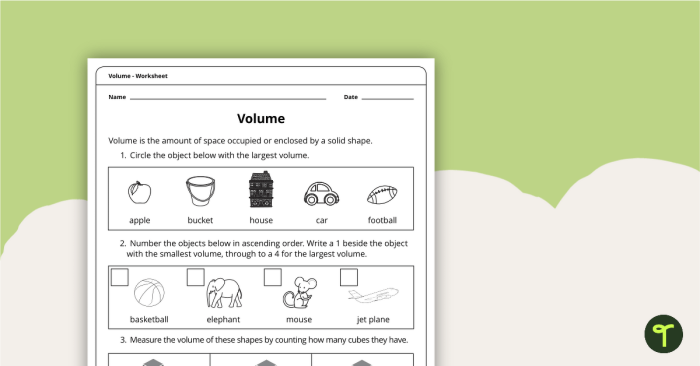
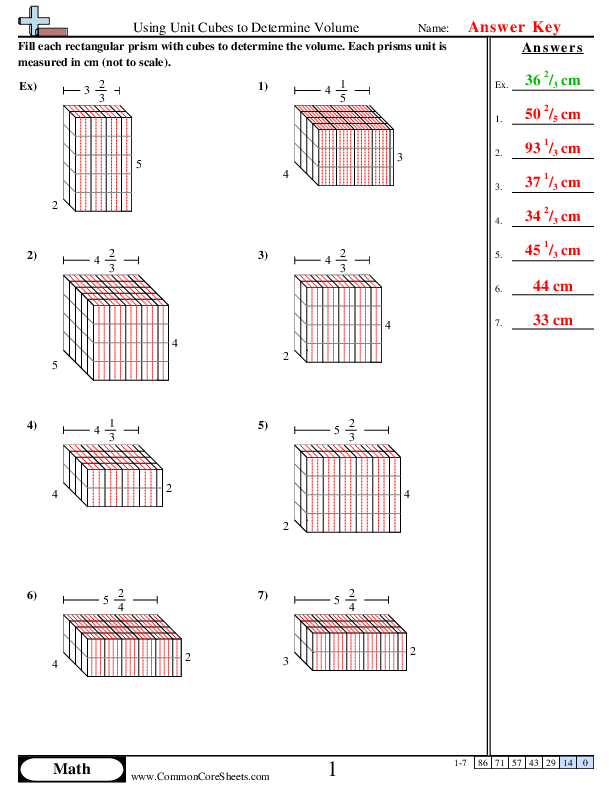
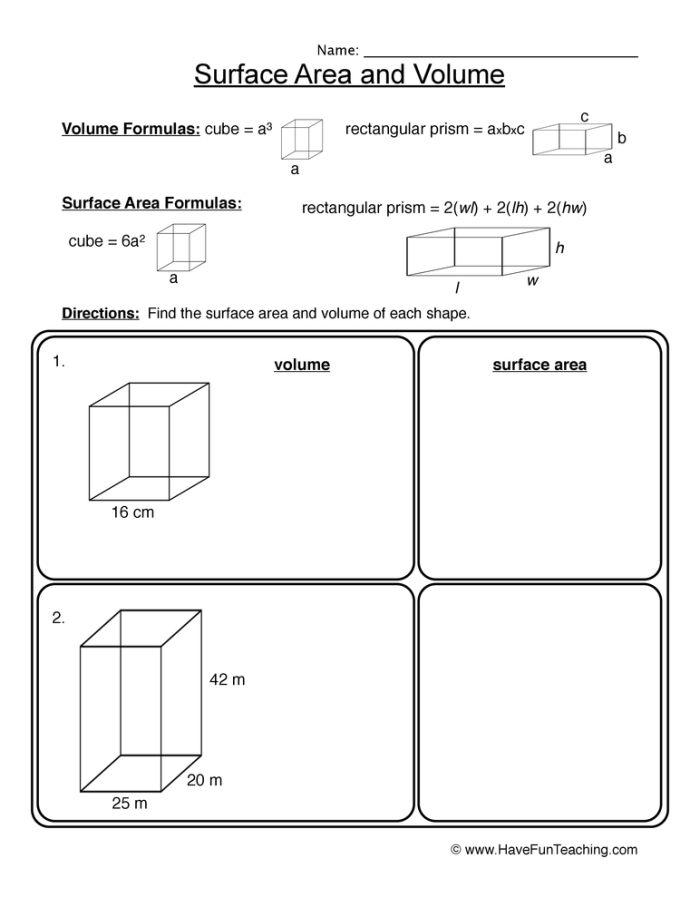
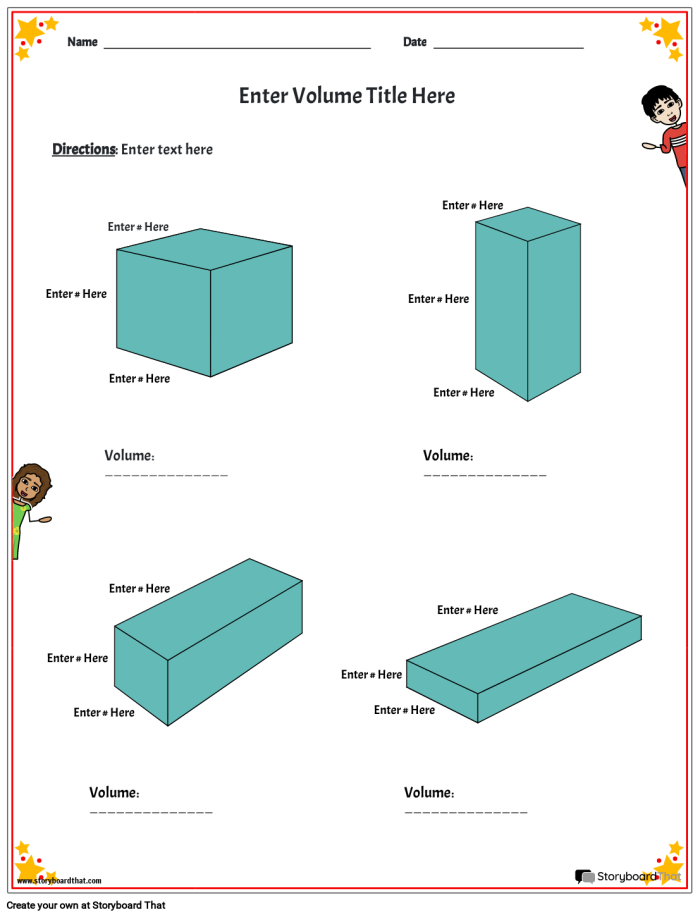
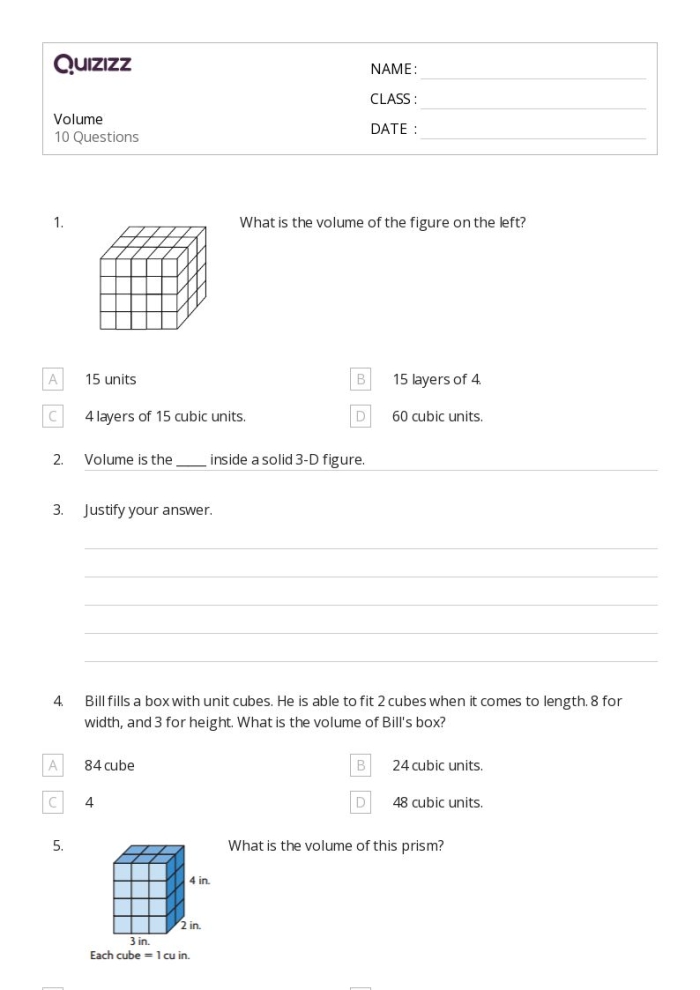
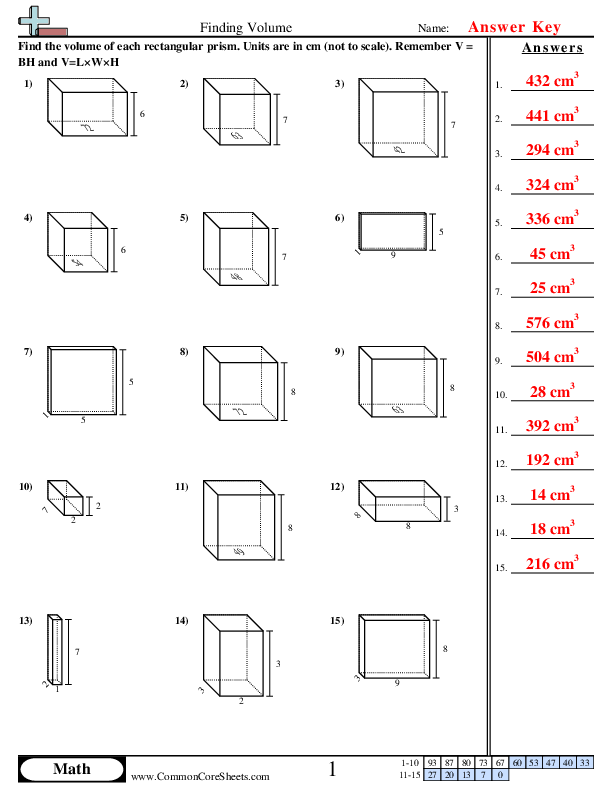
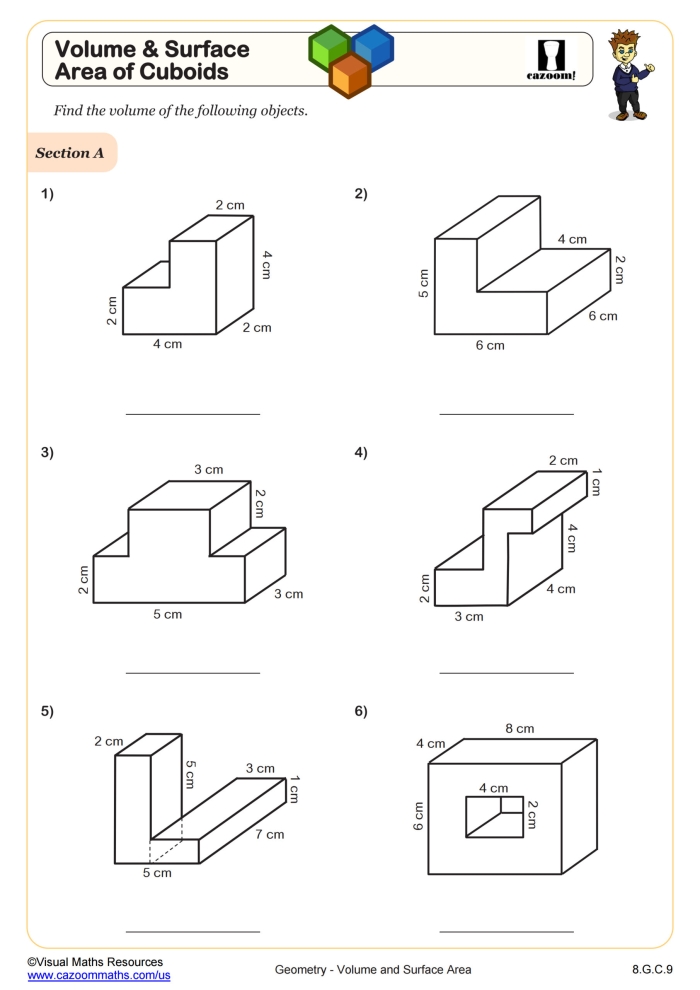
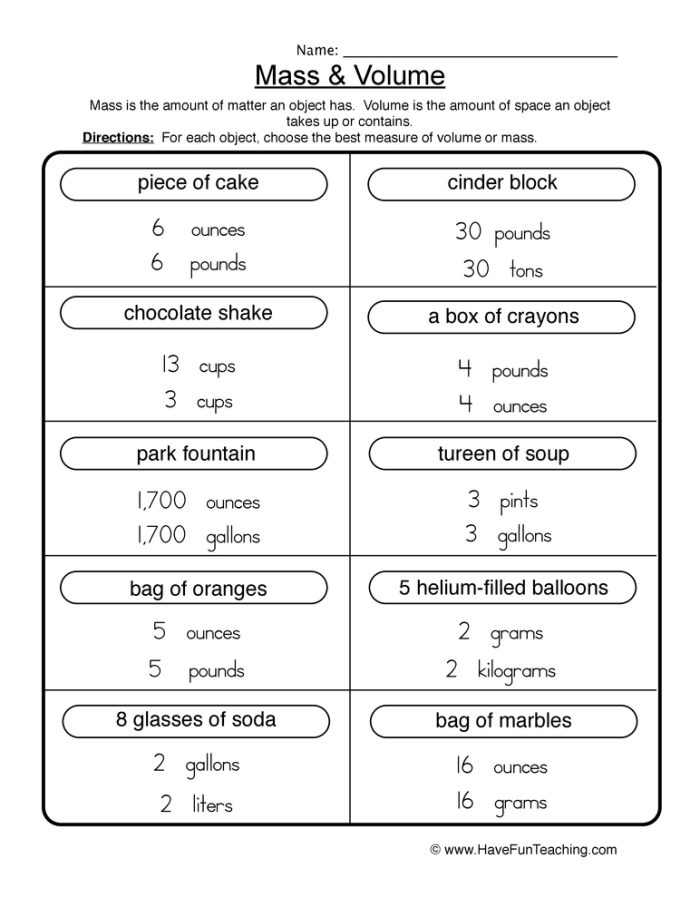
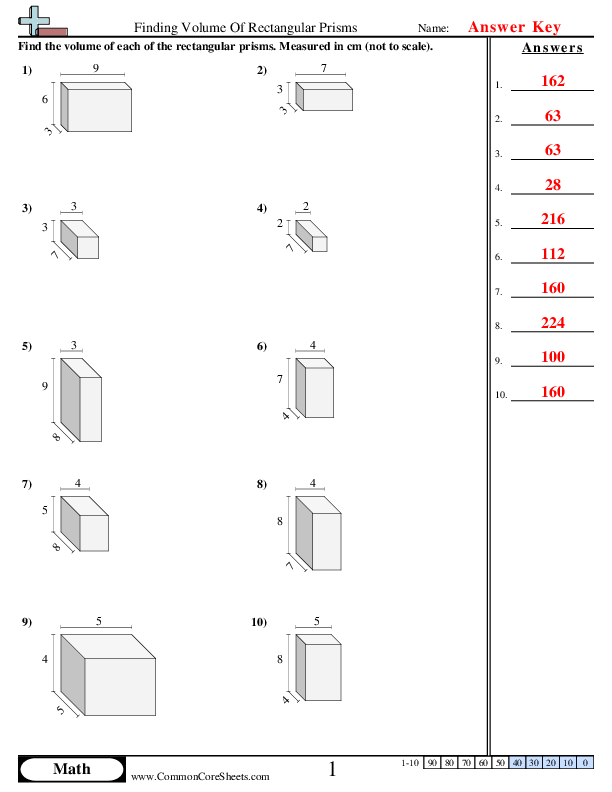
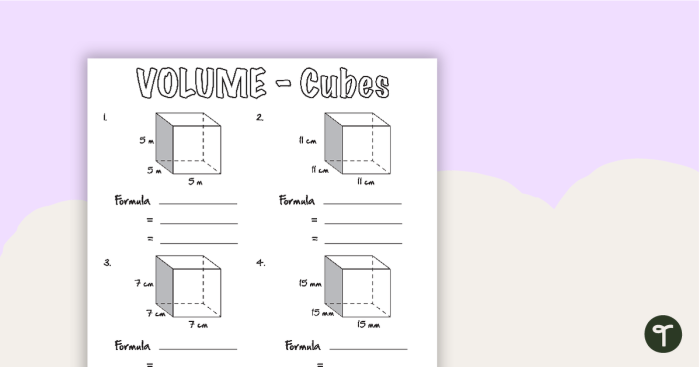
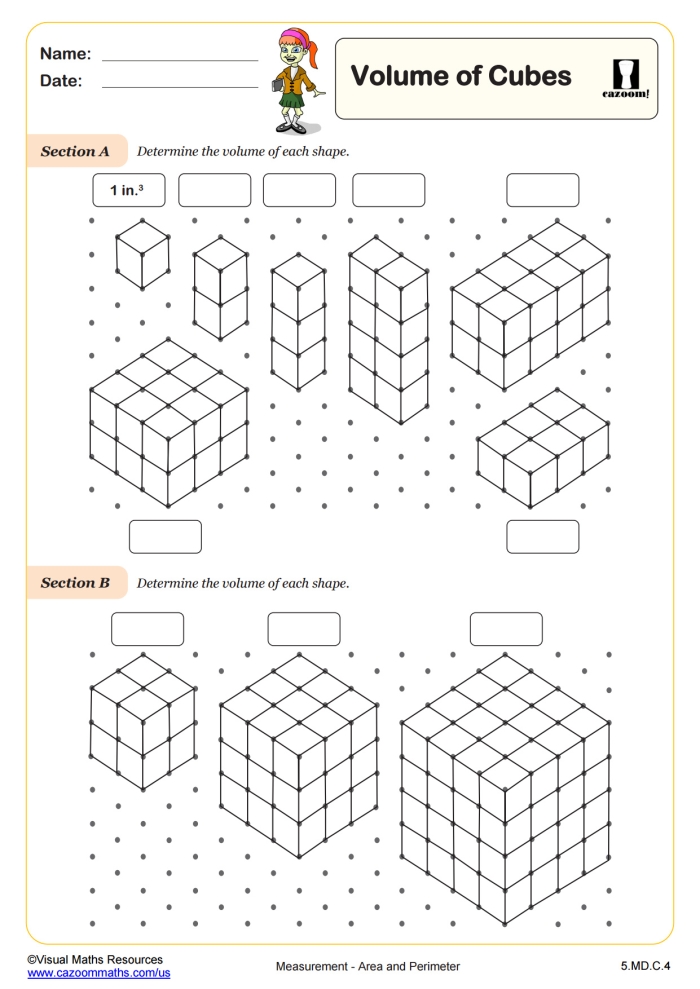
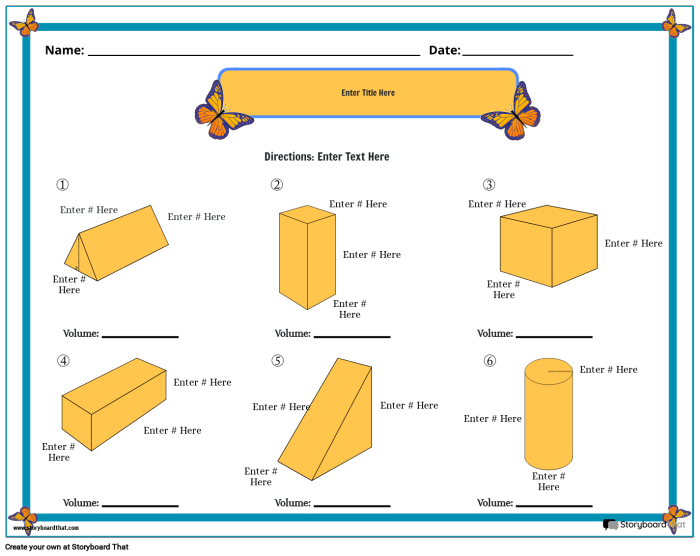
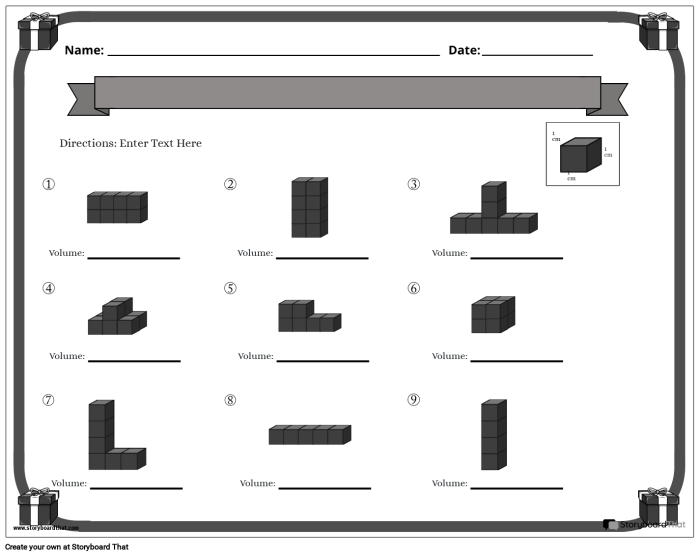
After completing the activity, consider extending the learning with printable worksheets that reinforce these concepts. For example, worksheets that challenge students to solve problems involving volume can deepen their understanding, such as those found in the base volume and word problems section.
This hands-on activity not only engages students but also sets a foundation for more complex scientific concepts in the future. By actively measuring and comparing volumes, fifth graders will develop a clearer understanding of how volume plays a critical role in both science and everyday life.
Start Practicing with These Worksheets