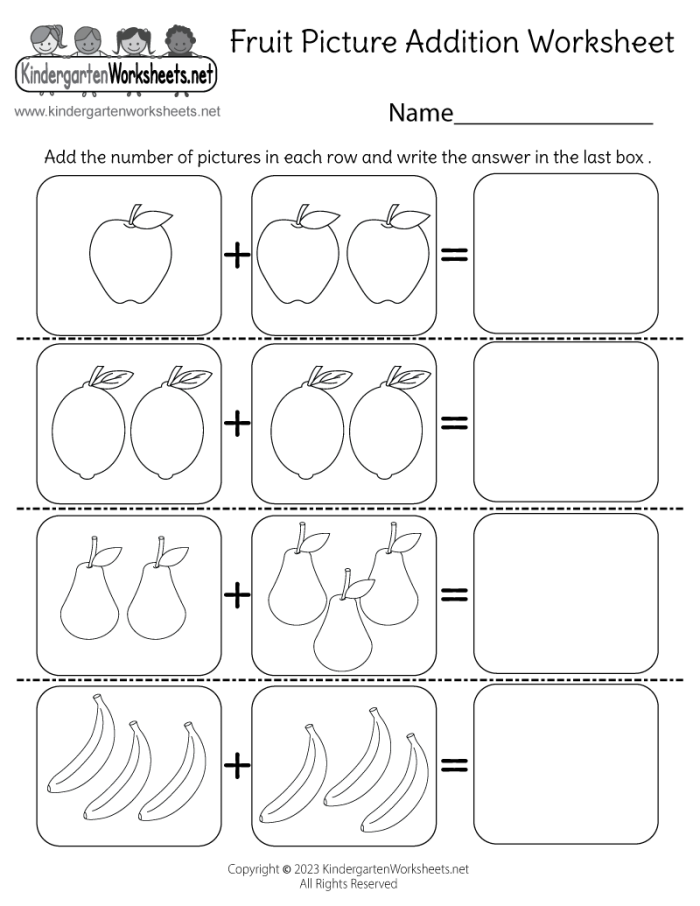
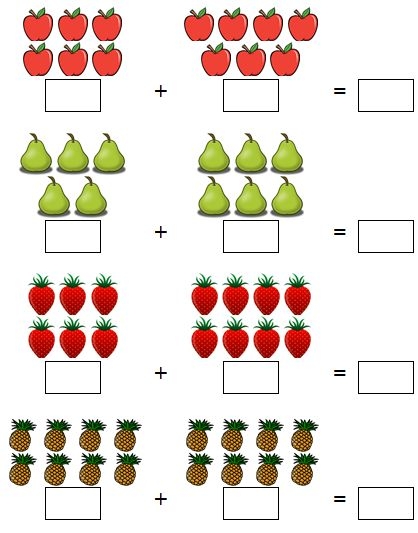
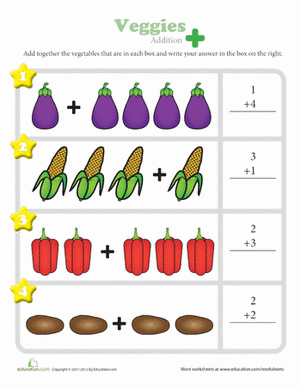
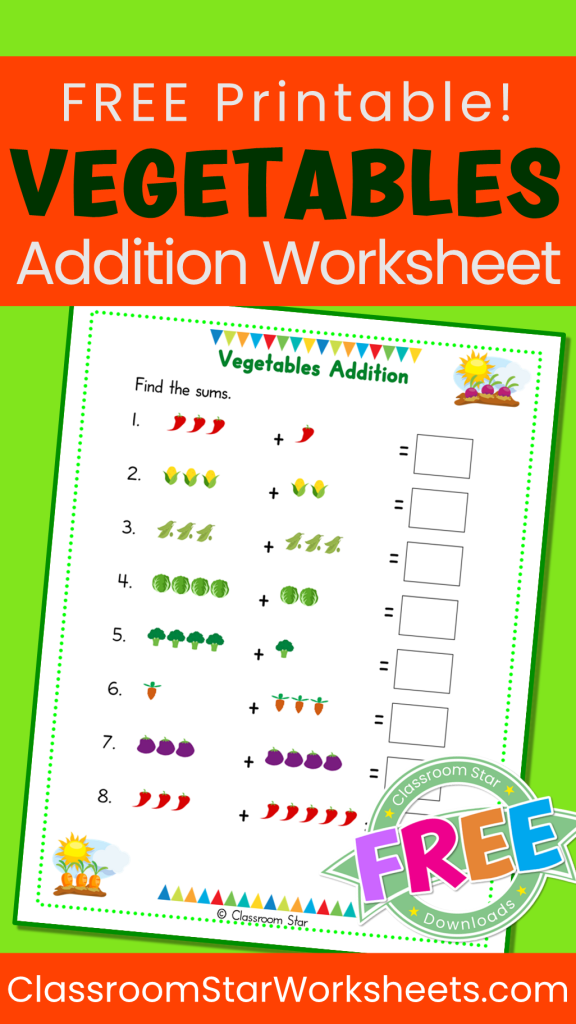
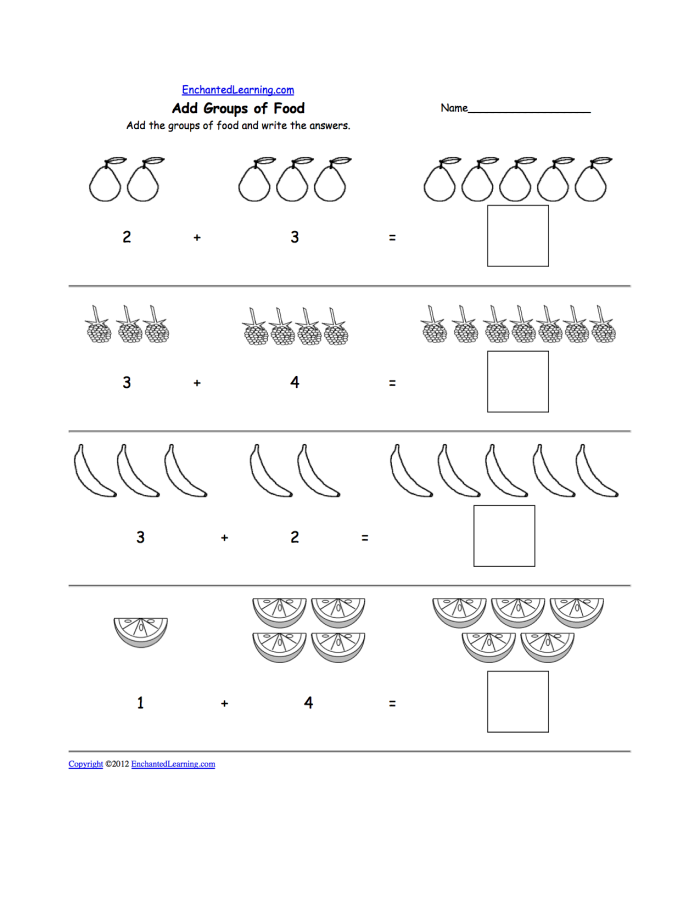
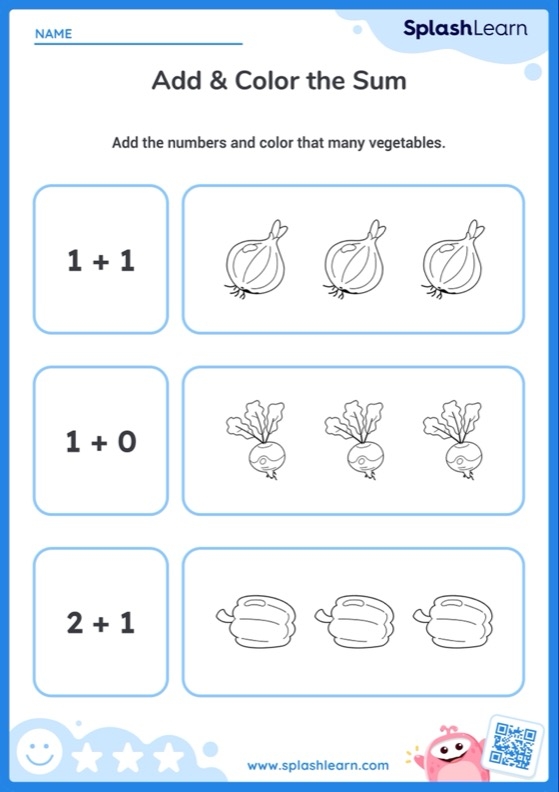
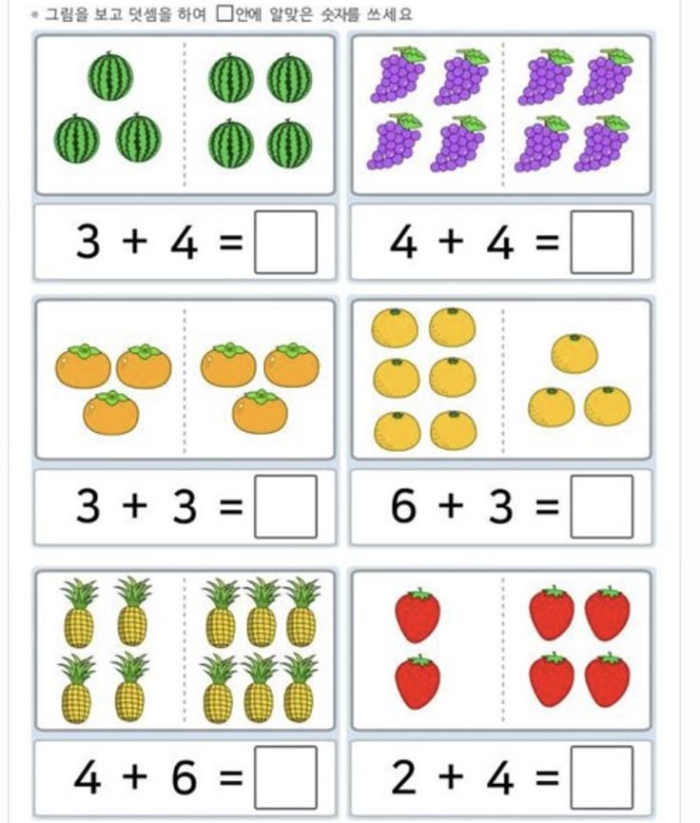
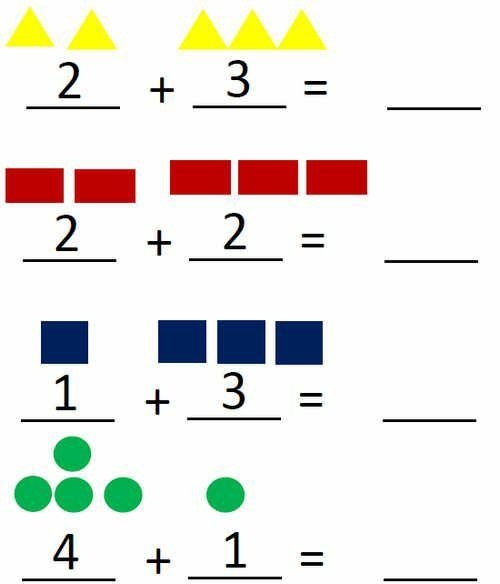
Counting vegetables can be a fun and engaging way for young learners to practice addition. By using simple visuals of colorful veggies, children can not only enhance their counting skills but also develop a deeper understanding of basic math concepts. This approach is especially beneficial for Pre-K students, who are just beginning to explore the world of numbers and operations.
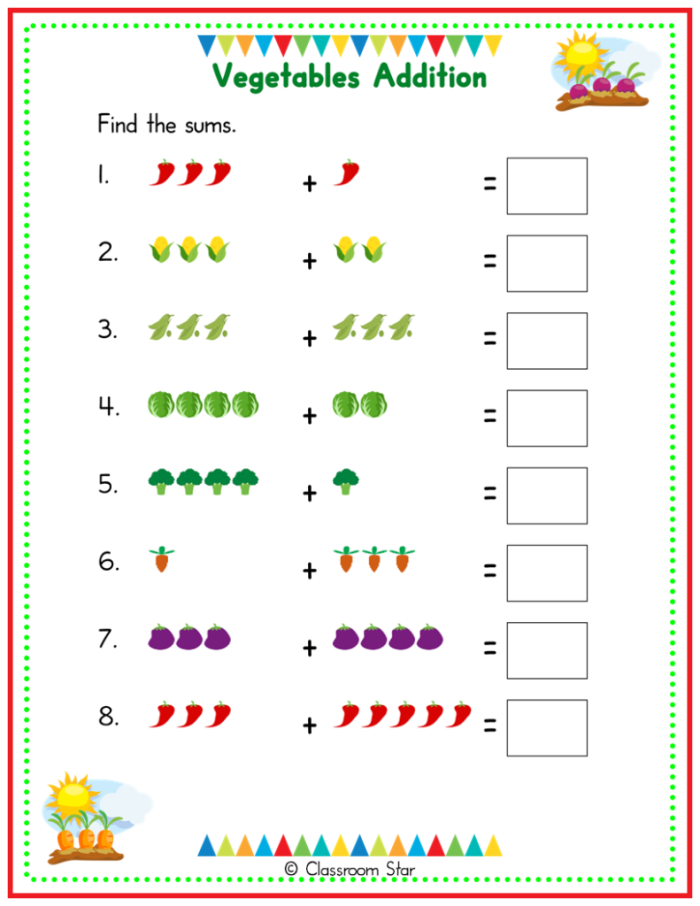
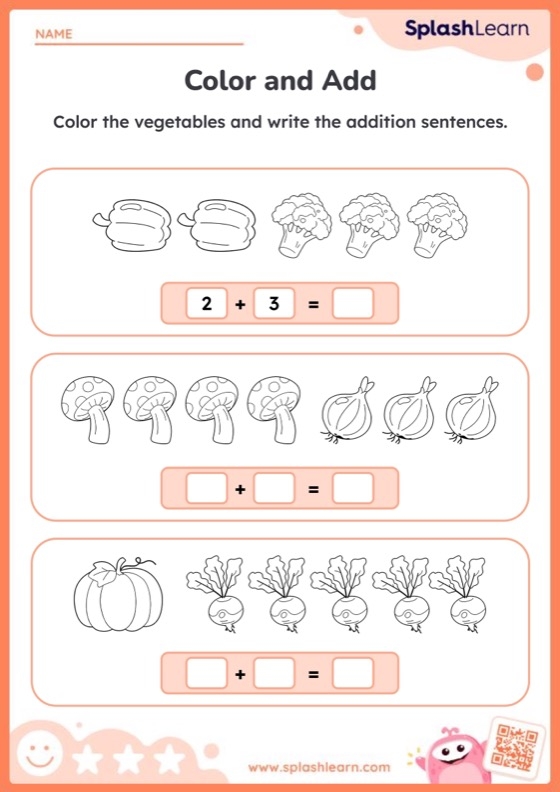
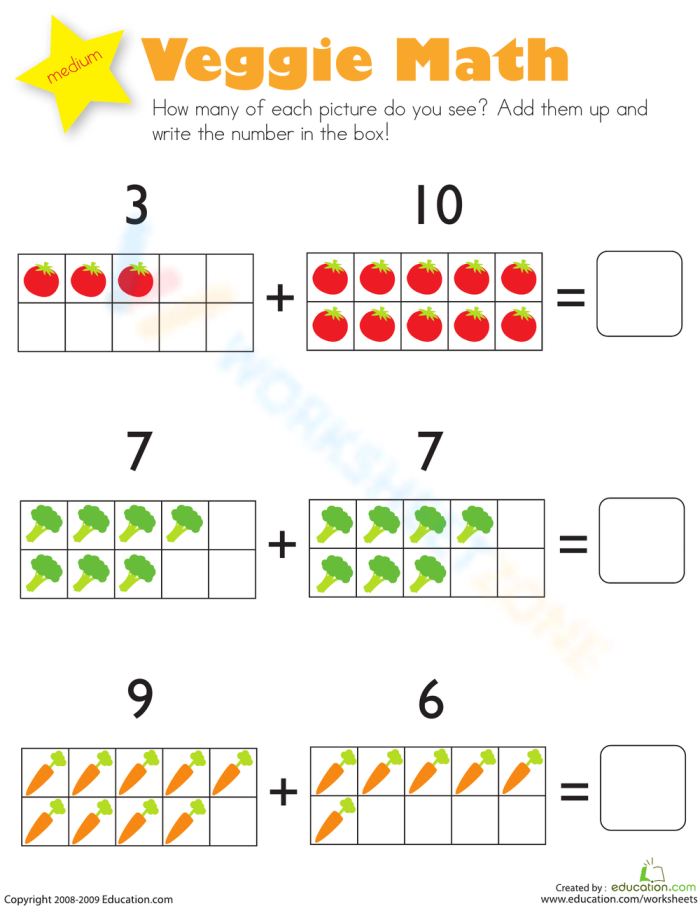
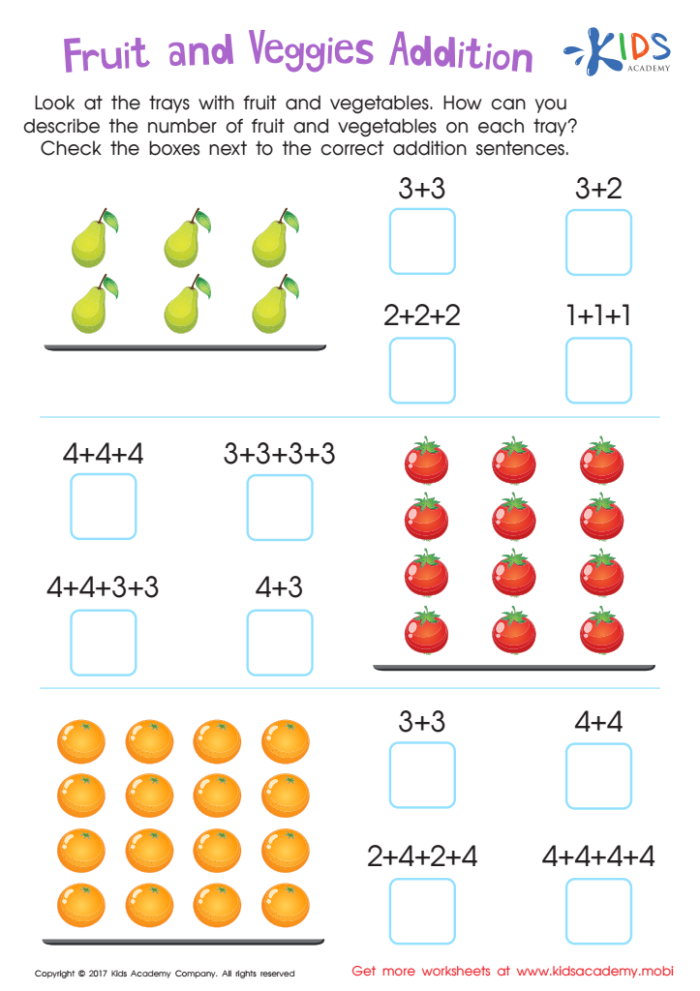
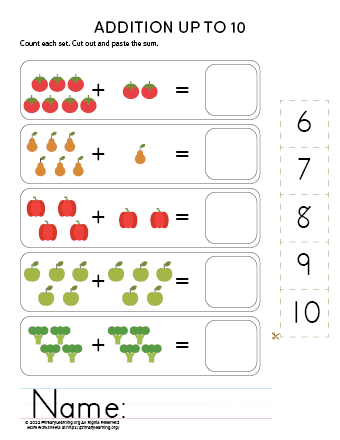
When faced with a worksheet that instructs, “Count the number of vegetables in each box to find the answer to each of the addition problems,” children are encouraged to interact with the material. They can visually assess each box filled with vegetables, whether it’s carrots, bell peppers, or tomatoes, and then add them up. This method turns abstract numbers into tangible items, making math both relatable and enjoyable.
For instance, if a box contains three carrots and another has two tomatoes, the task becomes straightforward: how many vegetables are there in total? By counting the items, children practice their addition skills in a hands-on manner. This not only reinforces their grasp of numbers but also helps them understand the concept of grouping and combining quantities.
Printable veggies addition worksheets, like those available at Luminaworksheets, offer an excellent resource for this kind of learning. They provide varied scenarios where kids can practice counting and adding in a fun context. Engaging activities, such as counting dinosaurs or completing dot-to-dot worksheets, can further complement their learning experience, enhancing their grasp of both grammar and mechanics while having fun.
Encouraging children to count vegetables not only aids in developing math skills but also promotes healthy eating habits. As they identify and count different veggies, they learn about nutrition and the variety of foods available. This holistic approach to learning ensures that children are not just crunching numbers; they are also gaining valuable life lessons.
Hands-On Worksheet Activities