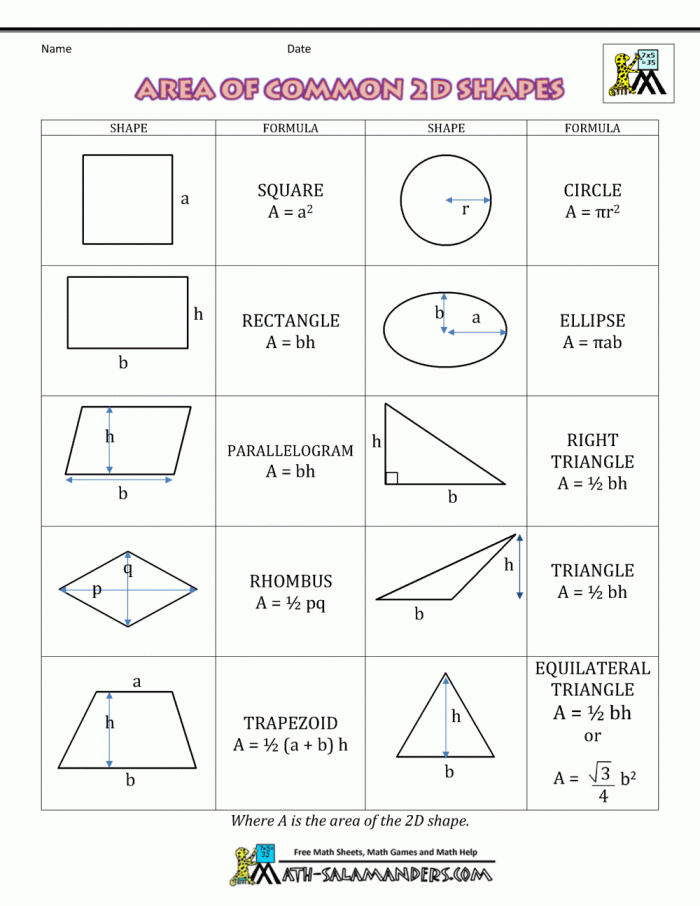
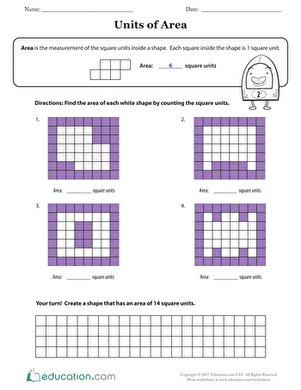
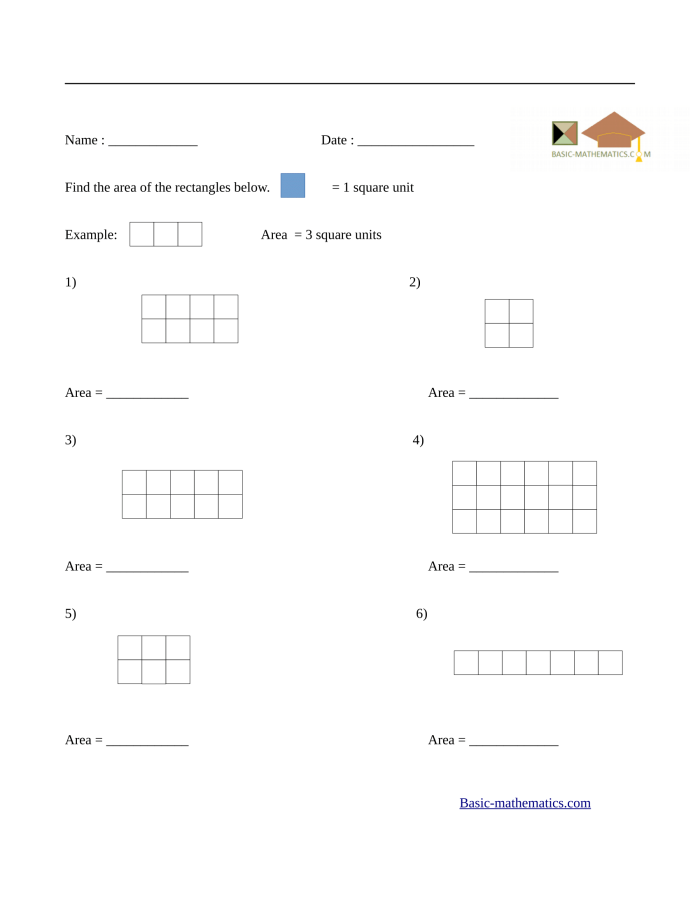
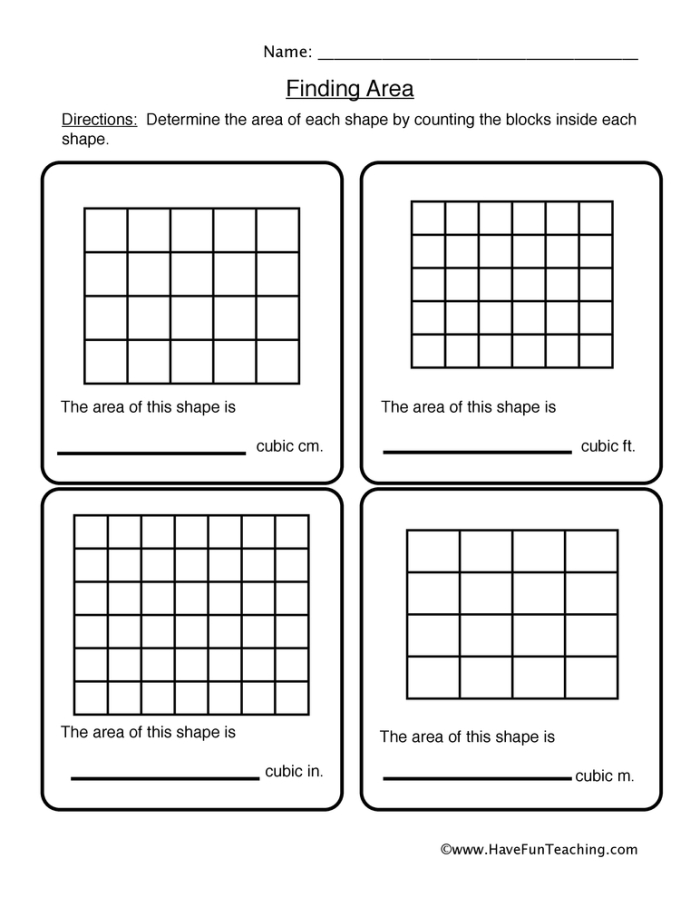
Understanding the concept of area is a fundamental part of geometry that can open doors for third-grade students in their mathematical journey. One of the most effective ways to build this foundational understanding is by having them determine the area of shapes through counting unit squares. This hands-on approach not only makes learning engaging but also helps students grasp the importance of measurement in real-world contexts.
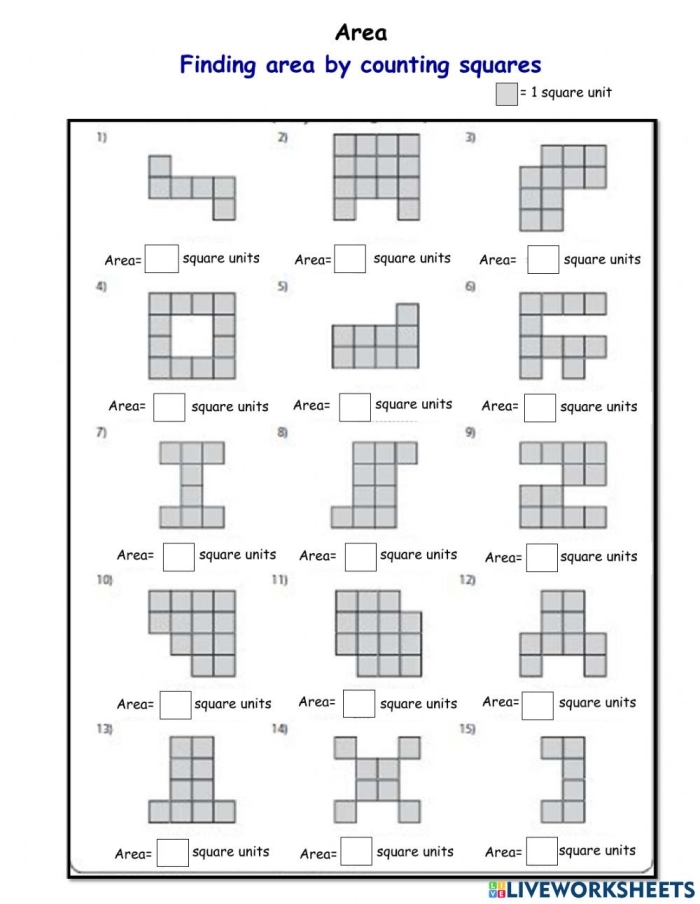
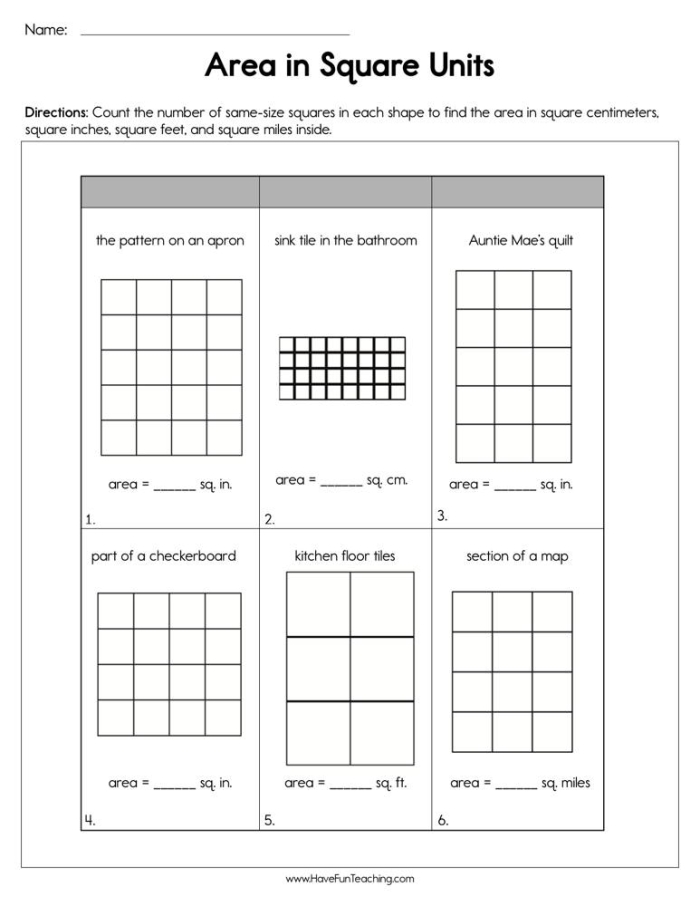
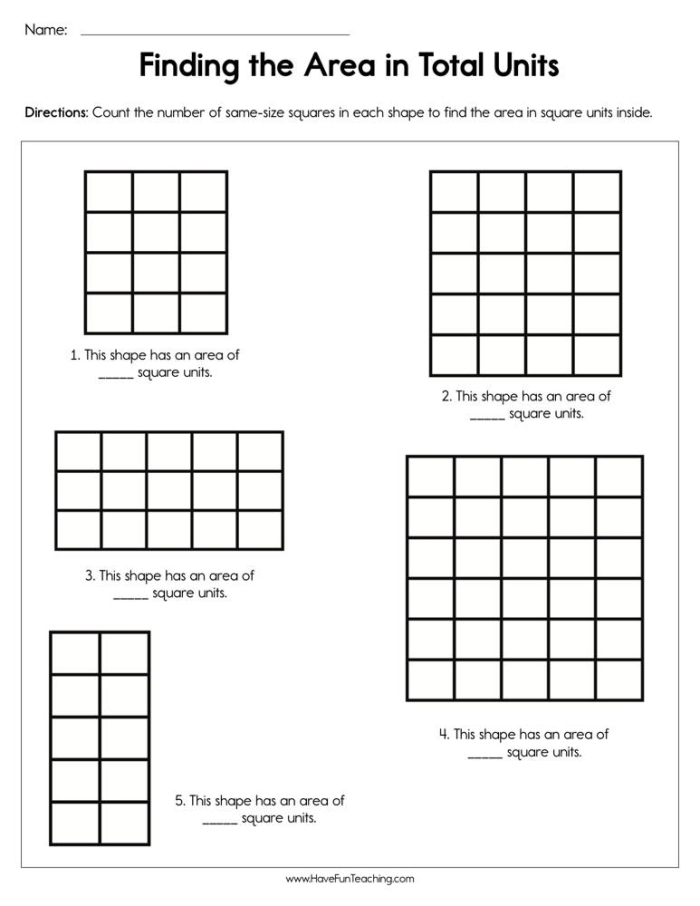
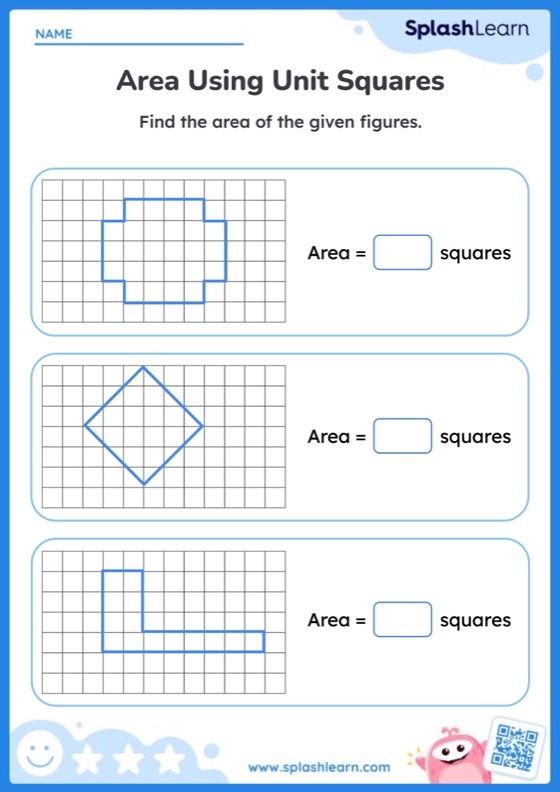
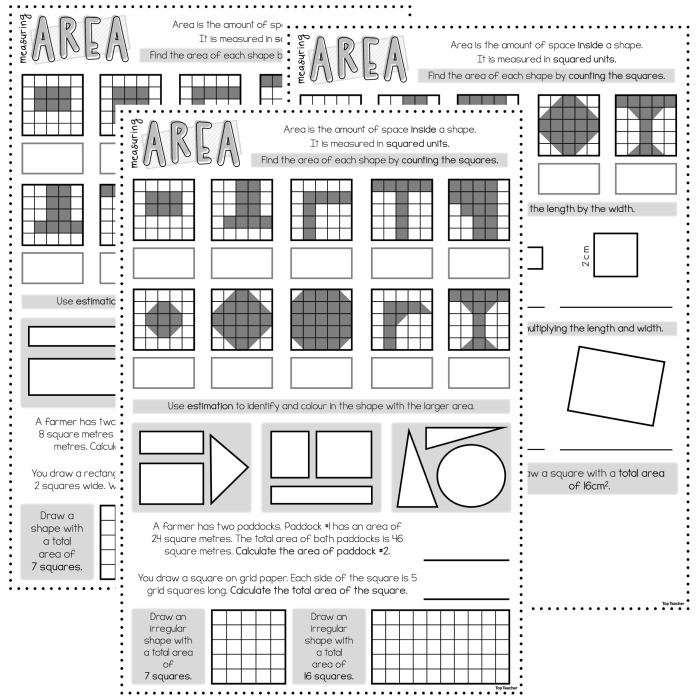
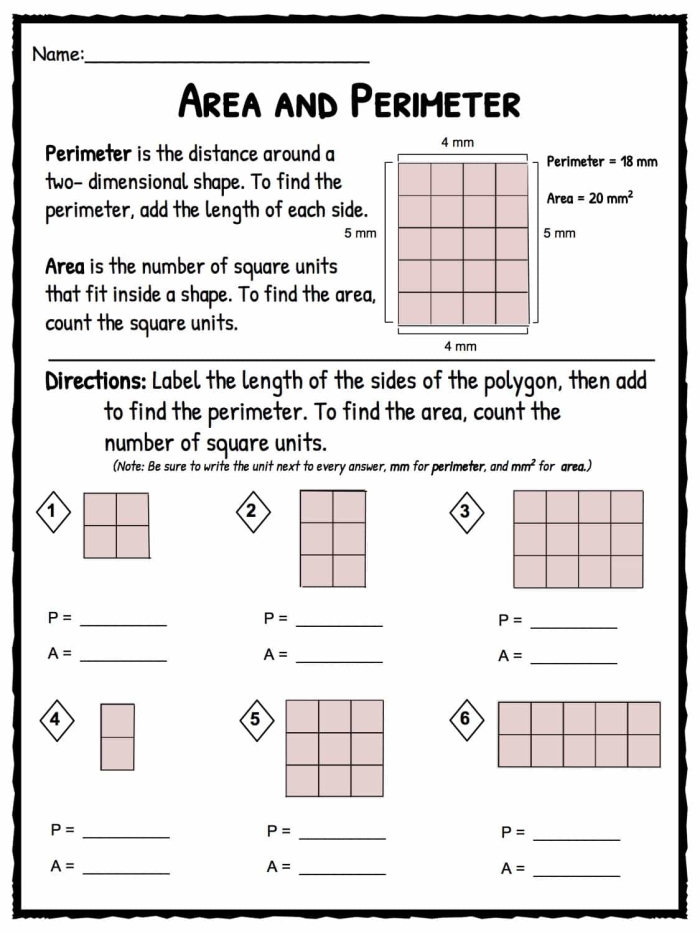
When students count unit squares to find the area, they can visualize the process in a tangible way. For instance, if they are asked to find the area of a rectangle that measures 4 units by 3 units, they can draw the shape on grid paper and fill it in with squares. By counting how many squares fit inside, they develop a clear understanding that area is not just a number, but a representation of space. This method reinforces their spatial reasoning and lays the groundwork for more complex geometric concepts later on.
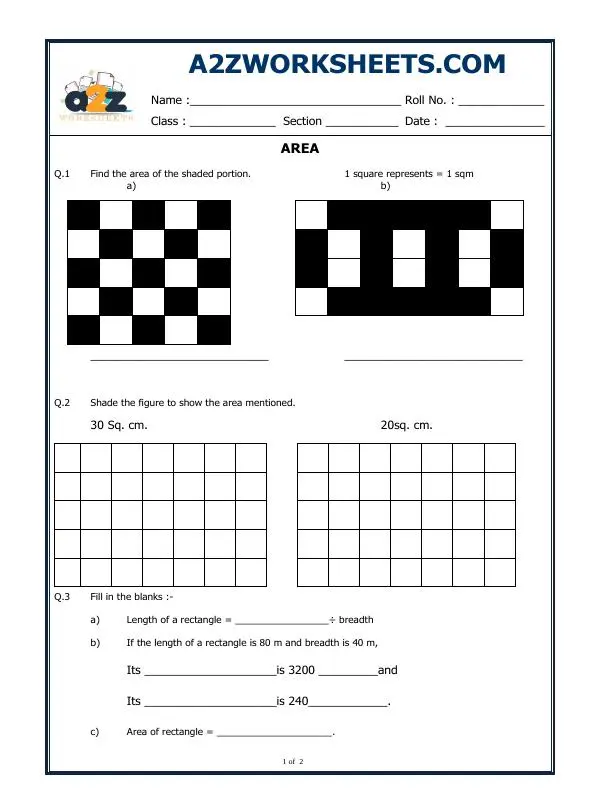
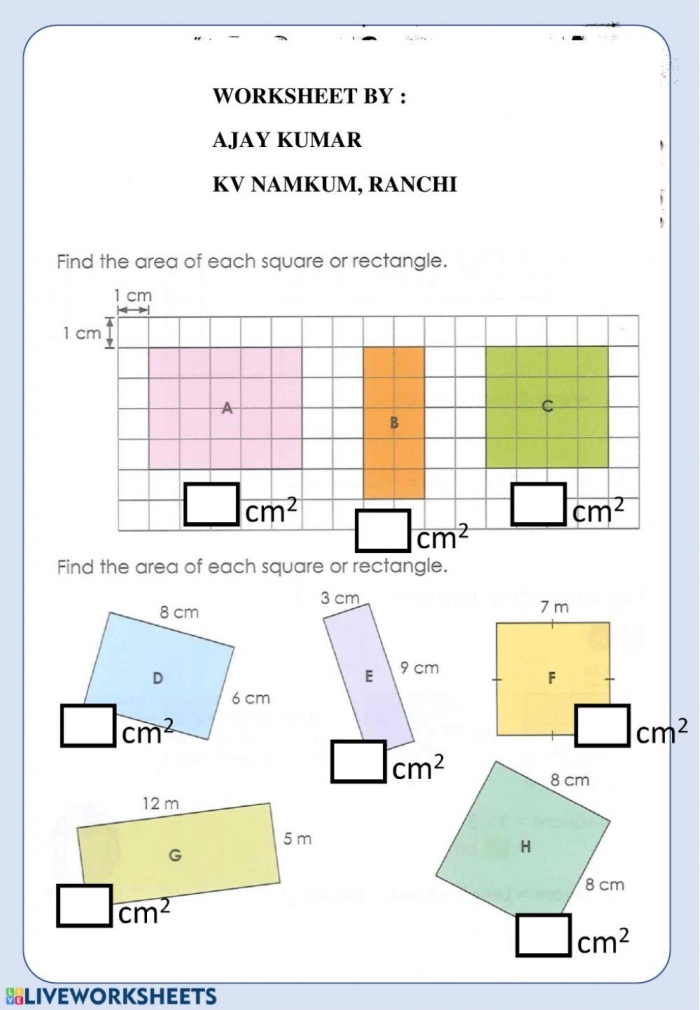
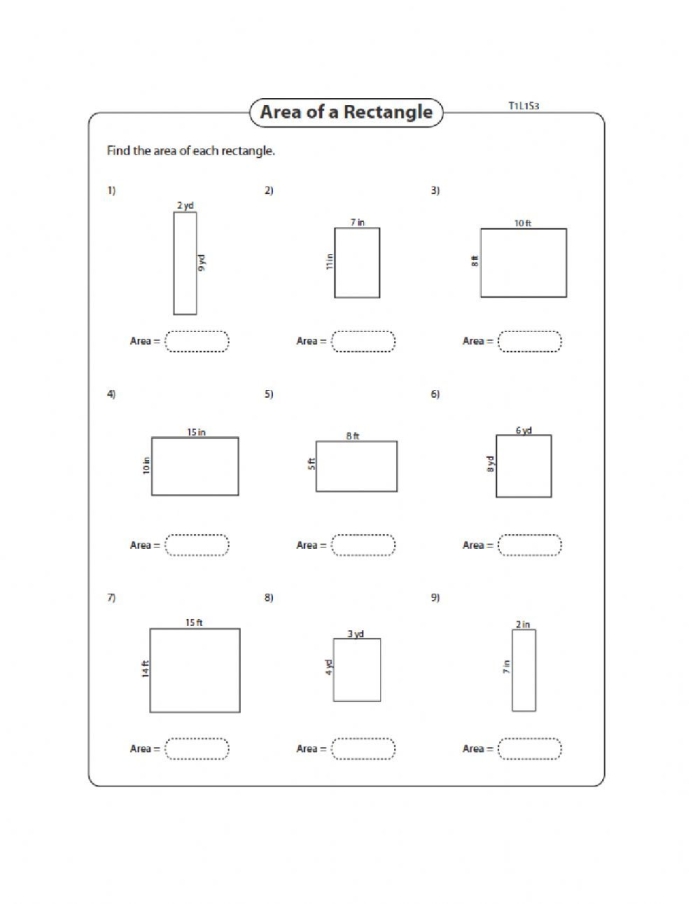
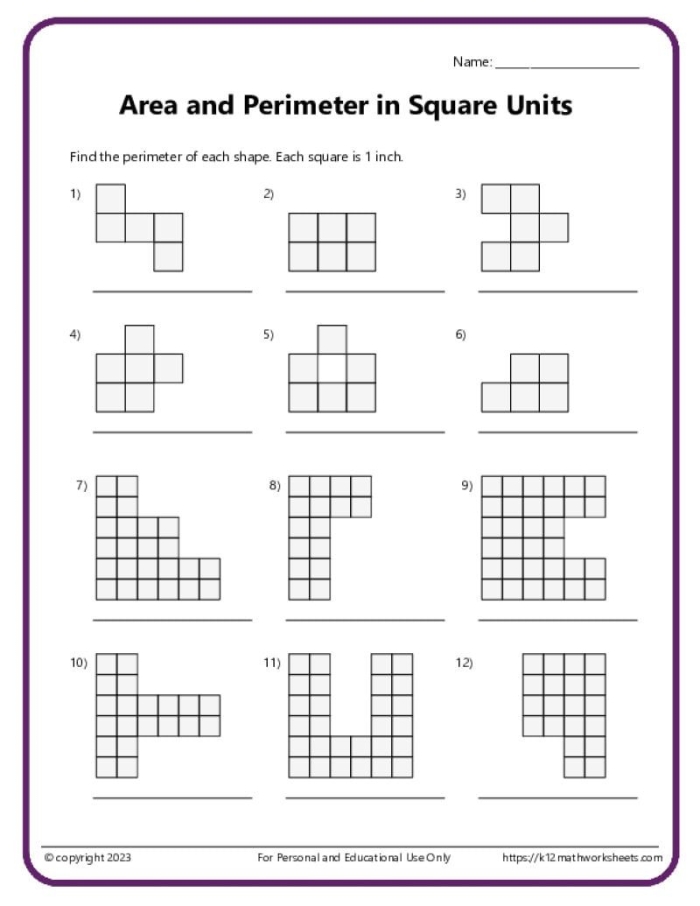
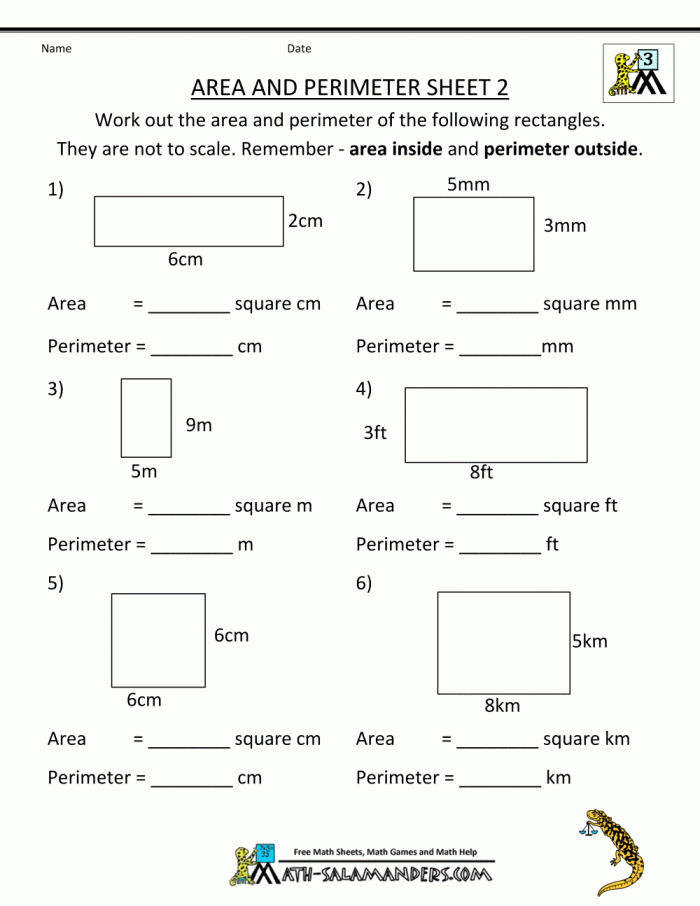
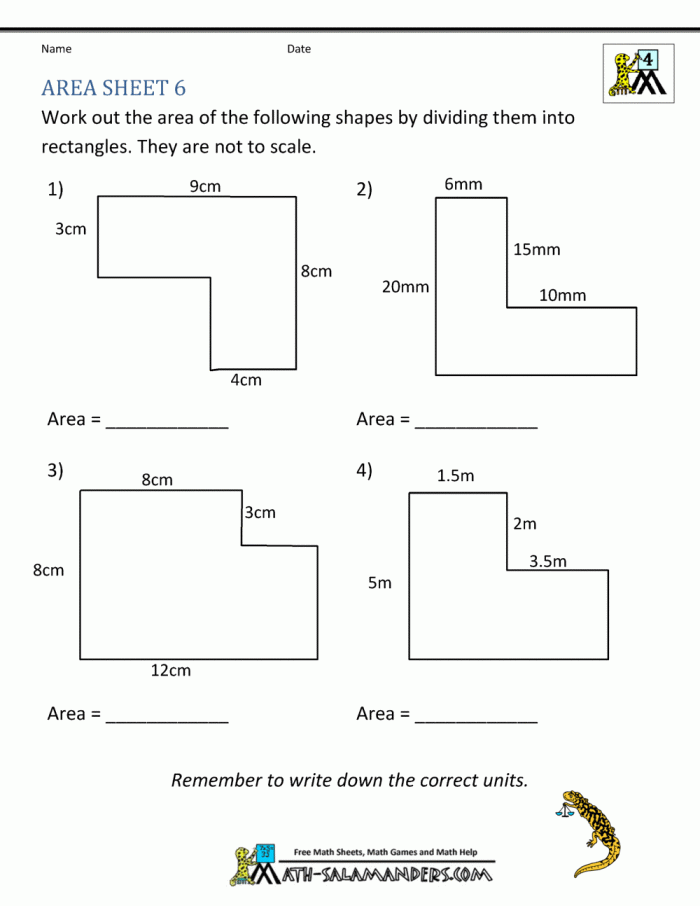
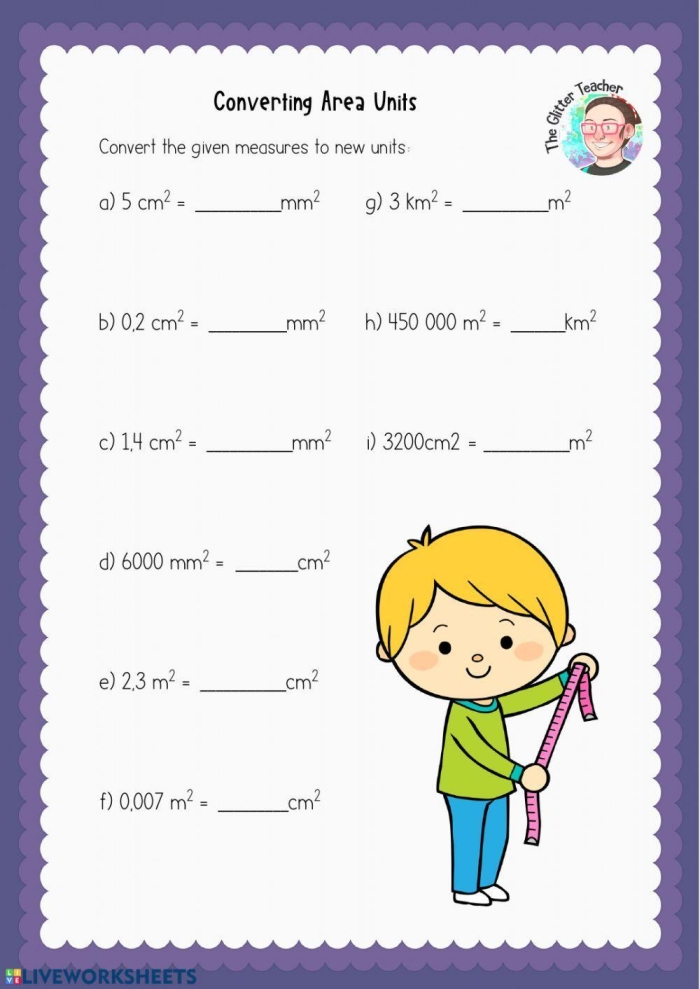
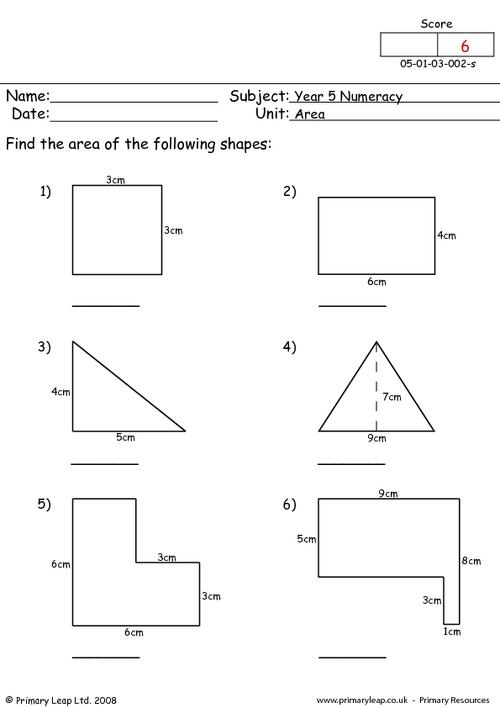
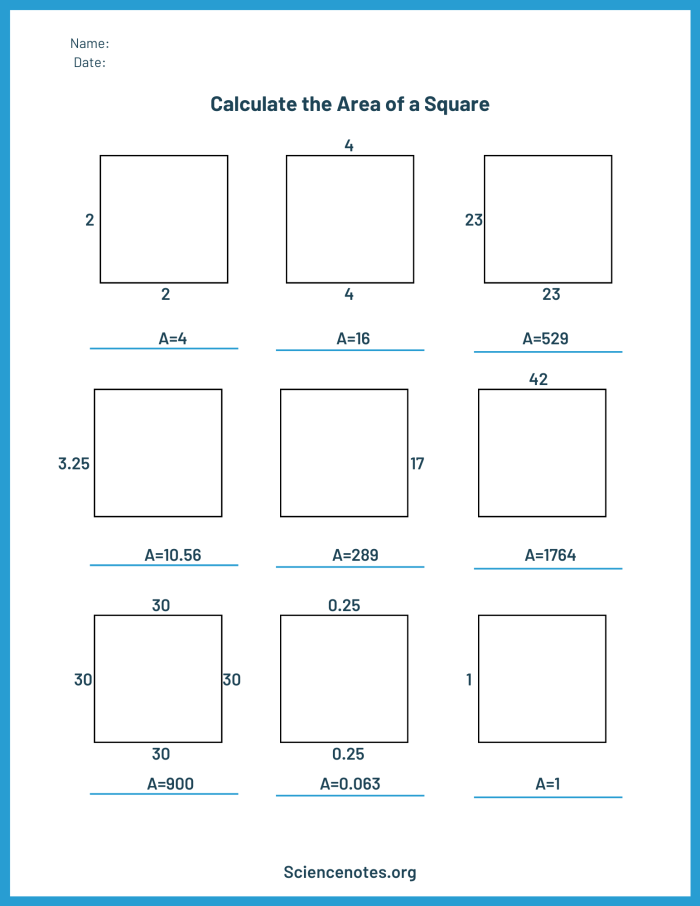
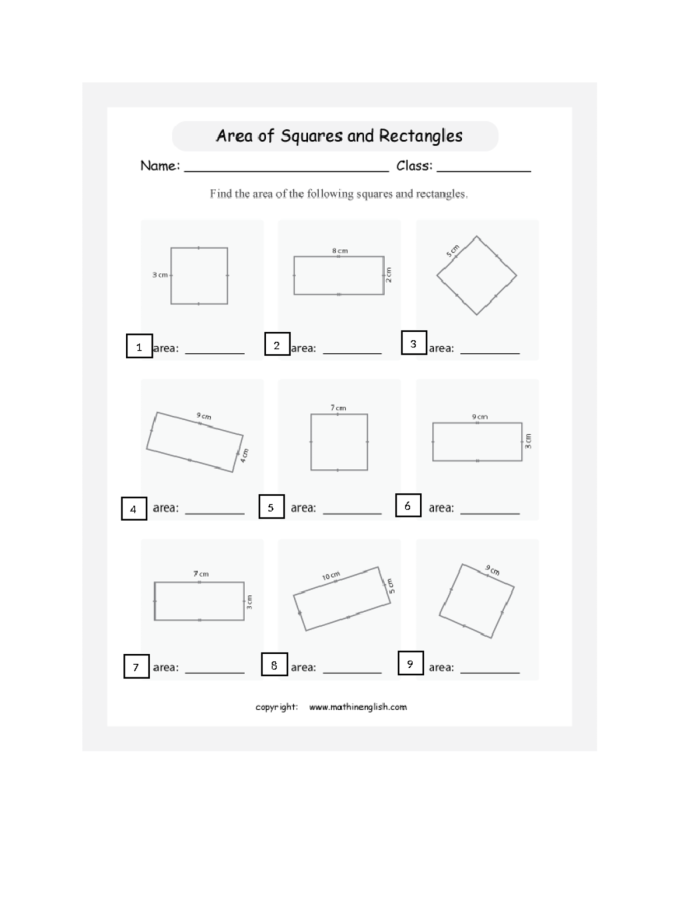
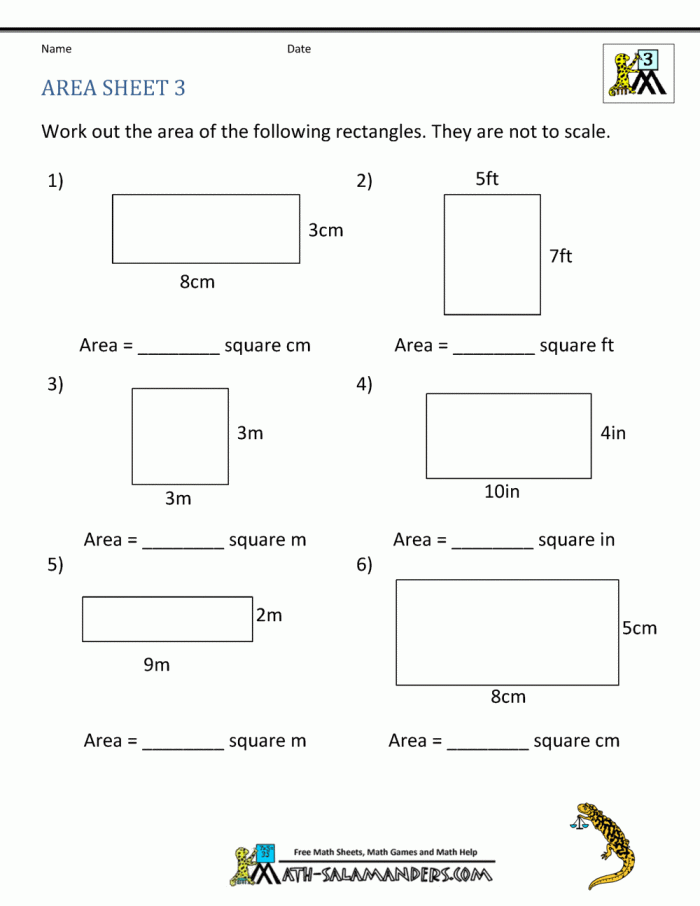
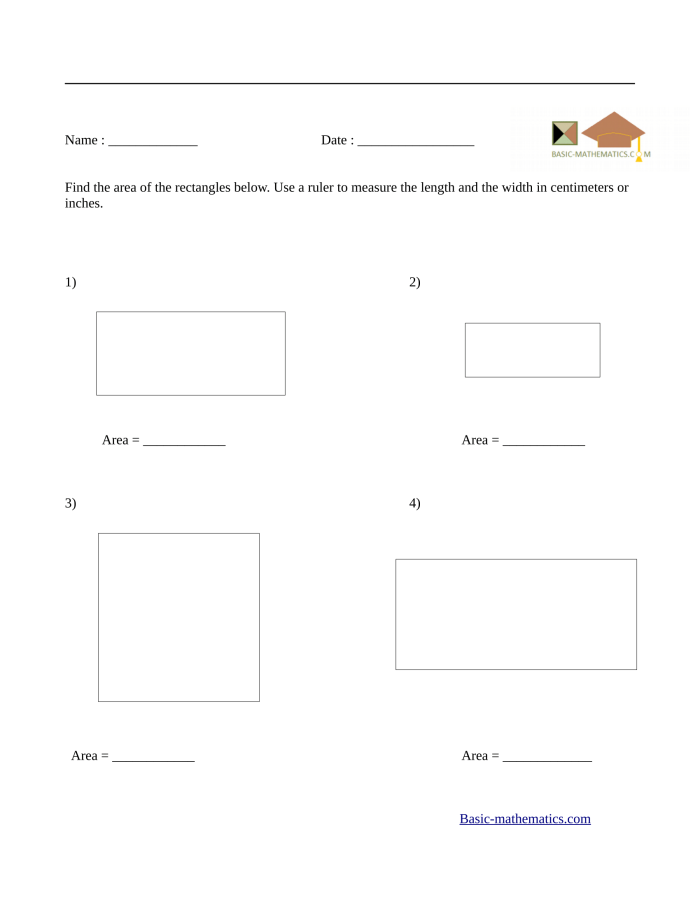
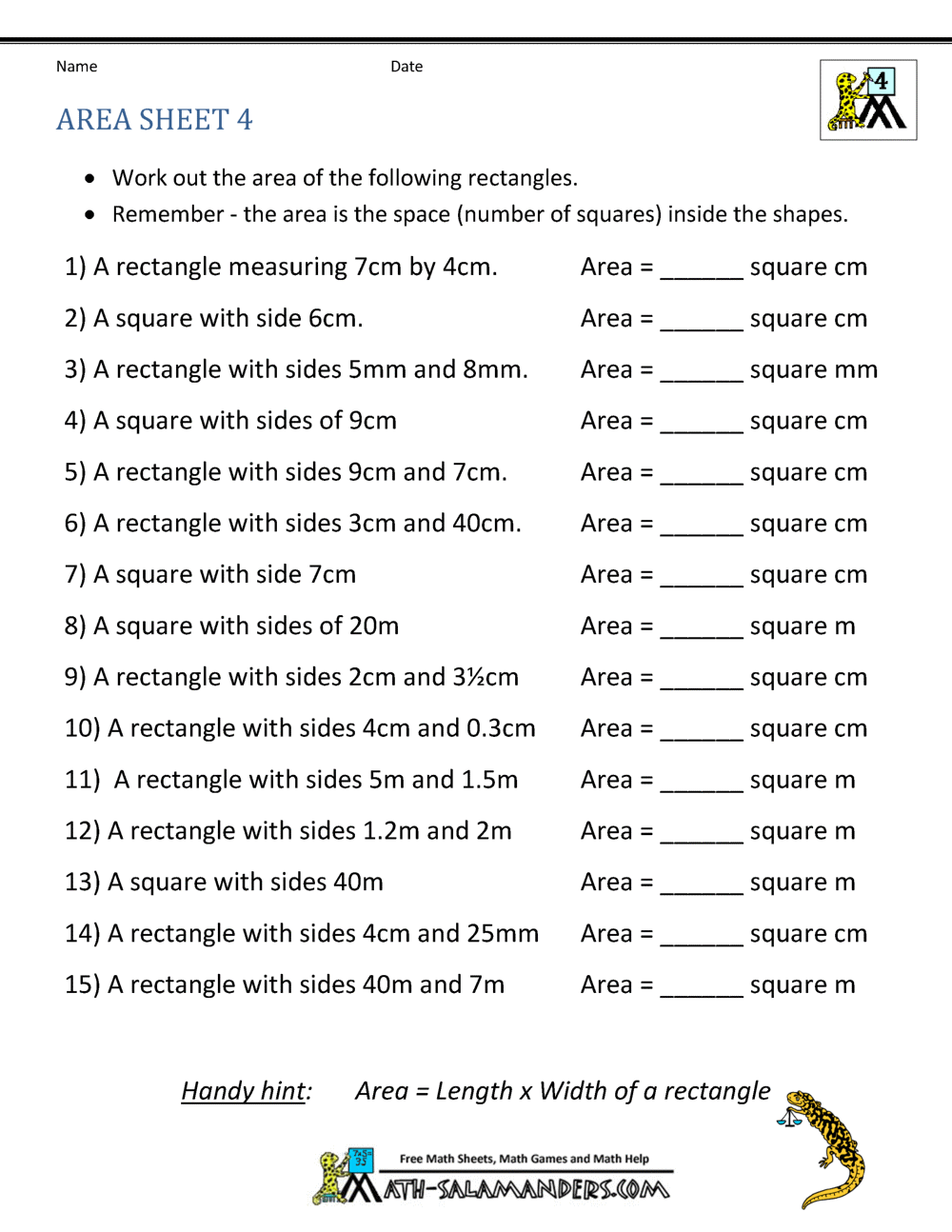
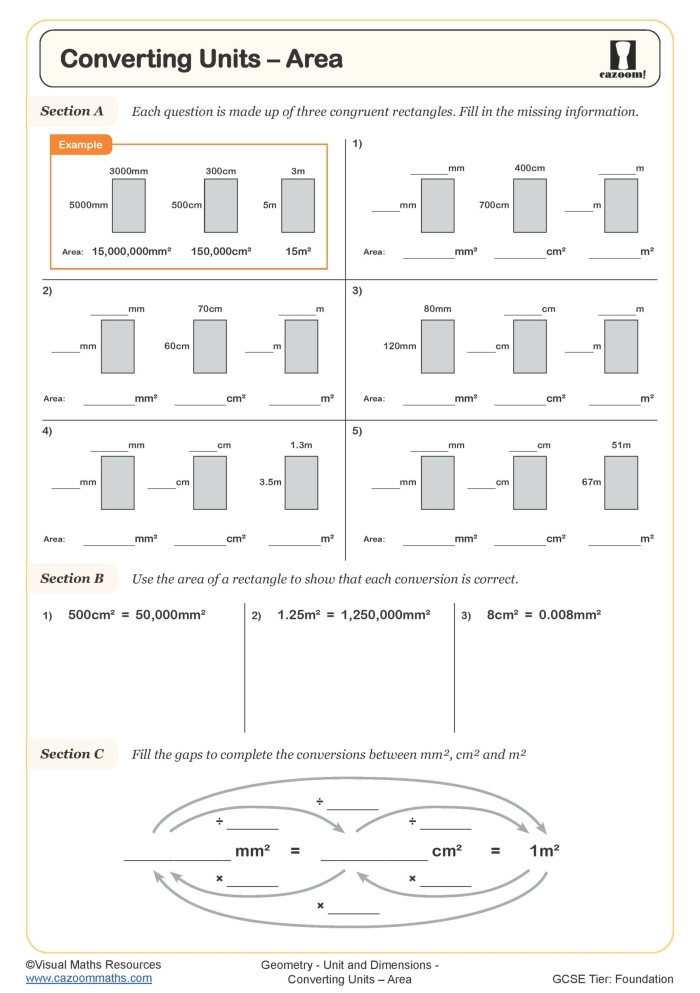
Incorporating units of area worksheets can enhance this learning experience. These worksheets often provide various shapes and grids that encourage students to practice their counting skills. By working with these printable resources, children can gain confidence in their abilities while also enjoying the process of learning about area.
Additionally, it’s important to connect these lessons to everyday life. Discussing how we use area in tasks such as gardening, flooring, or even painting can make the subject more relatable. When students see the practical application of what they are learning, it fosters a deeper interest in mathematics.
As they progress through their third-grade curriculum, students can explore more complex problems involving time and money alongside geometry. This integrated approach allows for a richer understanding of both subjects. Engaging students with activities that combine these concepts can lead to a more comprehensive educational experience. Through practice and real-life applications, students will not only learn to count unit squares but also appreciate the significance of area in their daily lives.
Hands-On Worksheet Activities