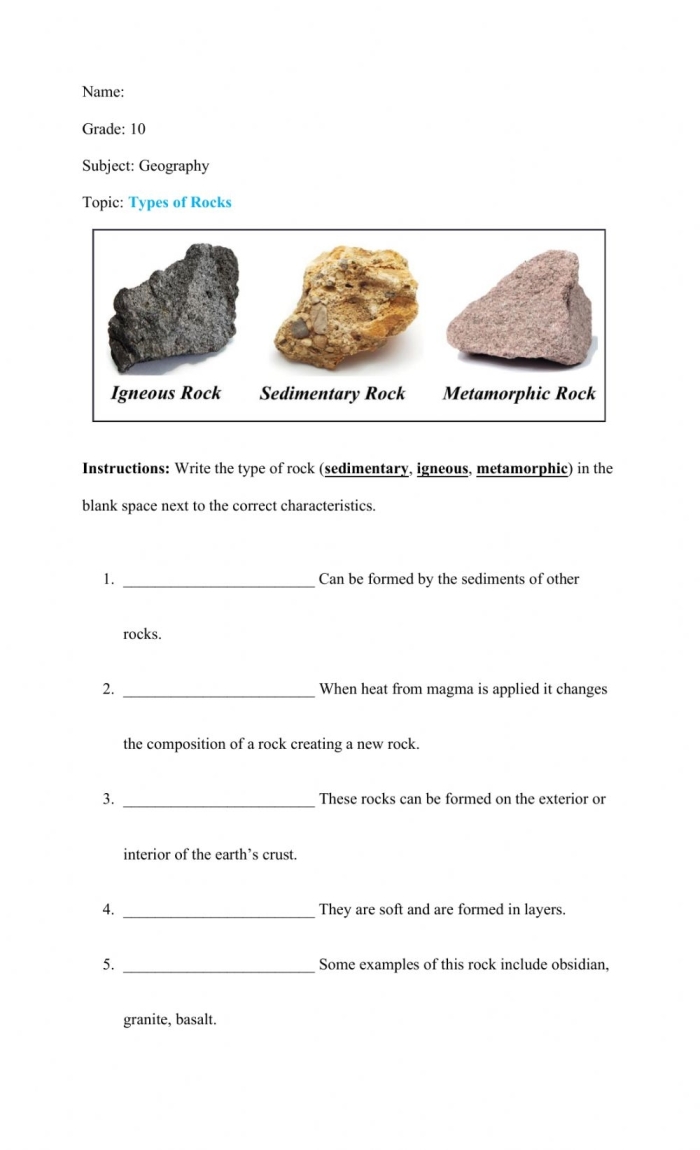
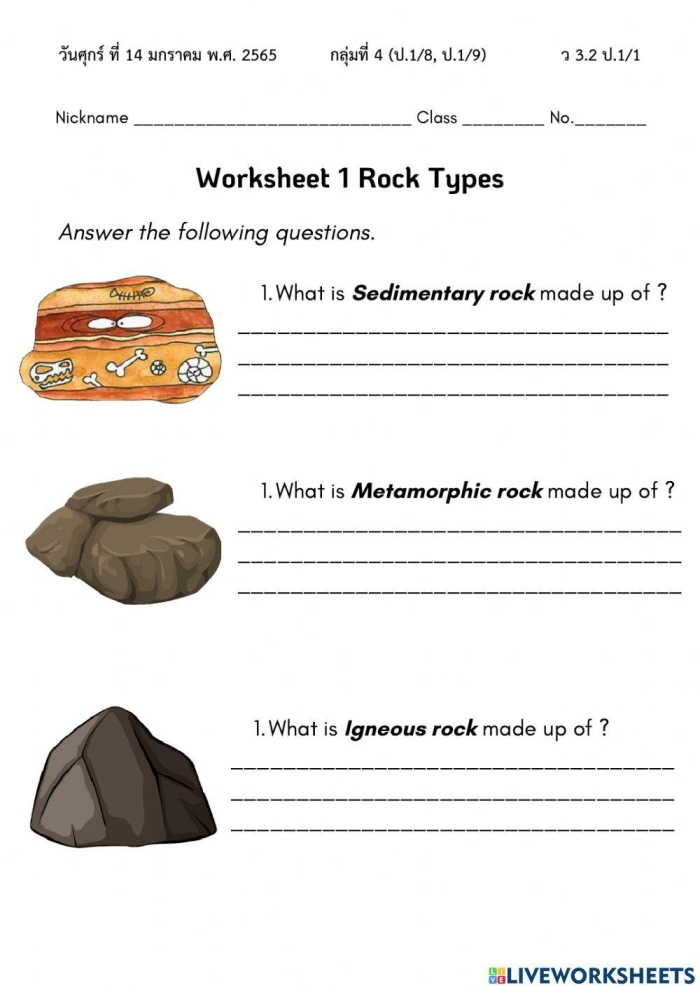
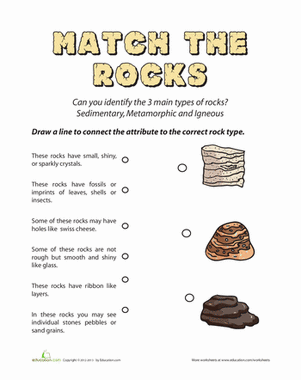
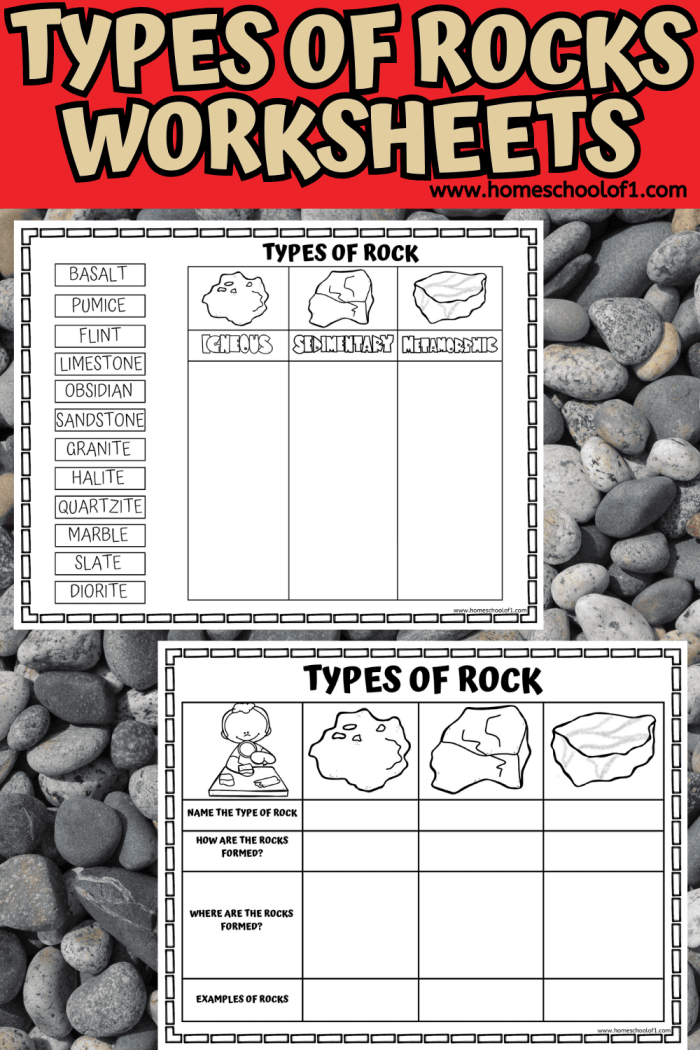
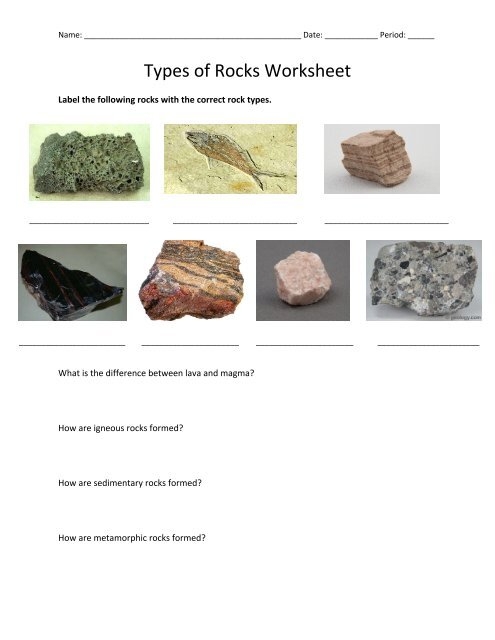
Can your little geologist identify the three main types of rock? With a bit of guidance, even young learners can grasp the basics of geology. The three primary classifications—igneous, sedimentary, and metamorphic—each have unique characteristics that can spark curiosity and foster a love for earth science.
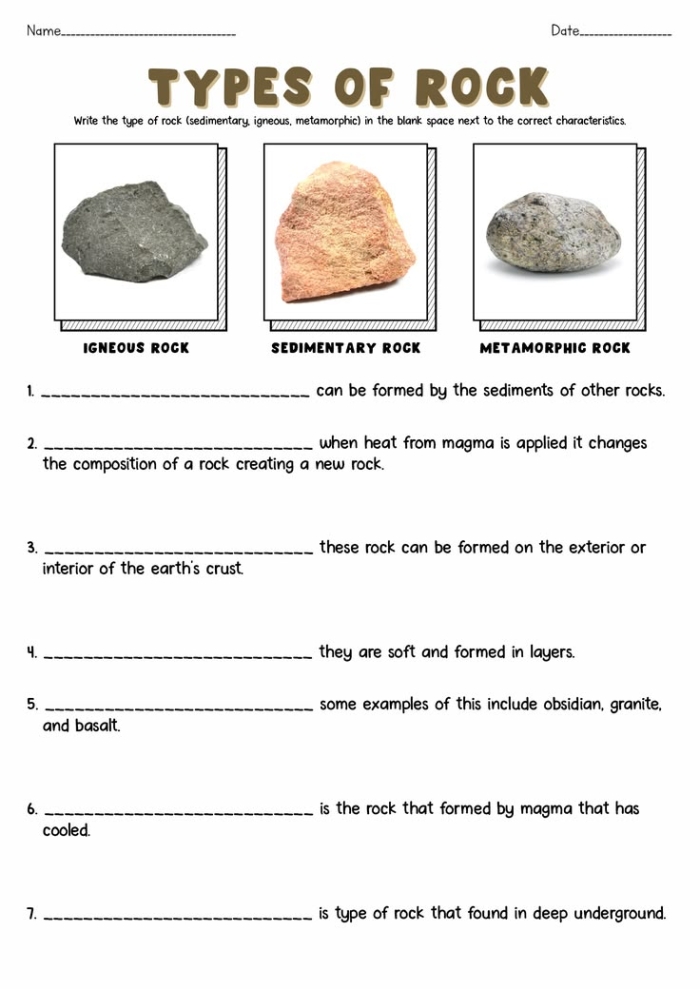
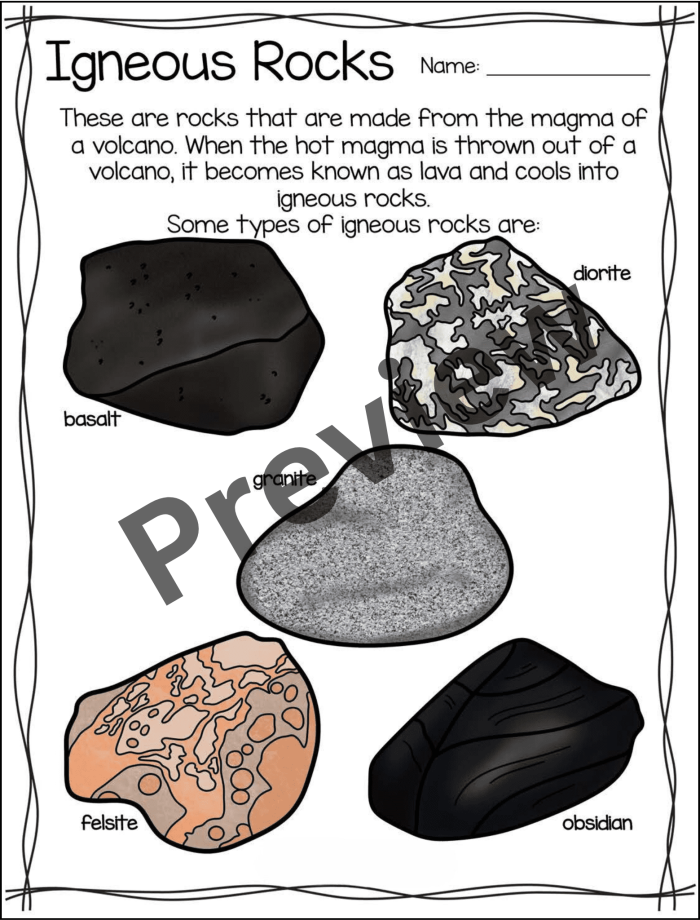
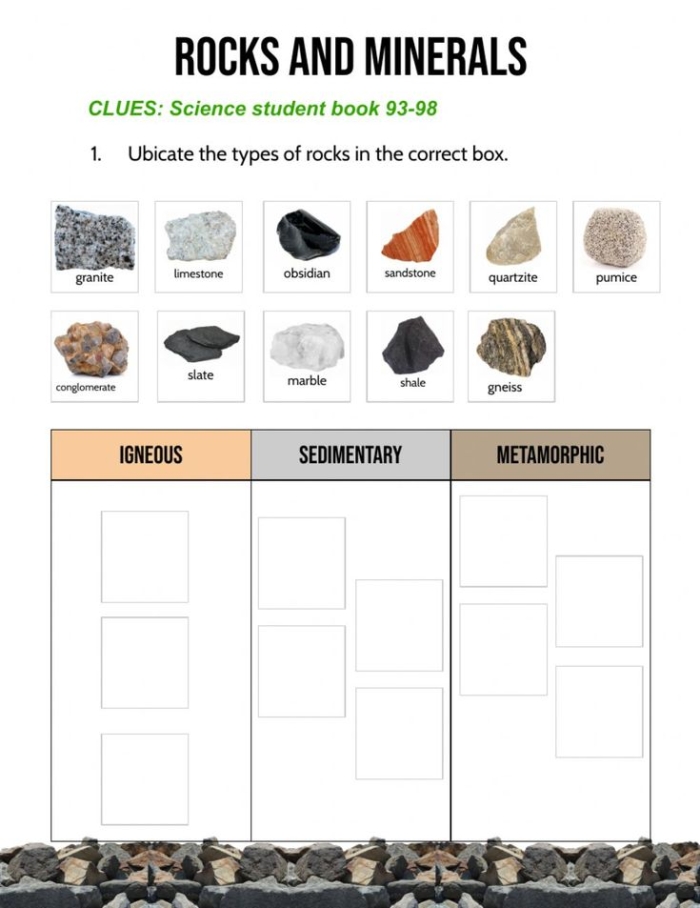
Igneous rocks form from cooled molten rock, either above or below the Earth’s surface. Common examples include granite and basalt. These rocks often display a variety of textures and colors, making them fascinating to explore. Sedimentary rocks, on the other hand, are created from particles that have settled and compacted over time, often found in layers. Sandstone and limestone are popular examples of this type. Lastly, metamorphic rocks arise from the transformation of existing rock types under heat and pressure. Notable examples include marble and schist, which can be intriguing for those interested in the dynamic processes of the Earth.
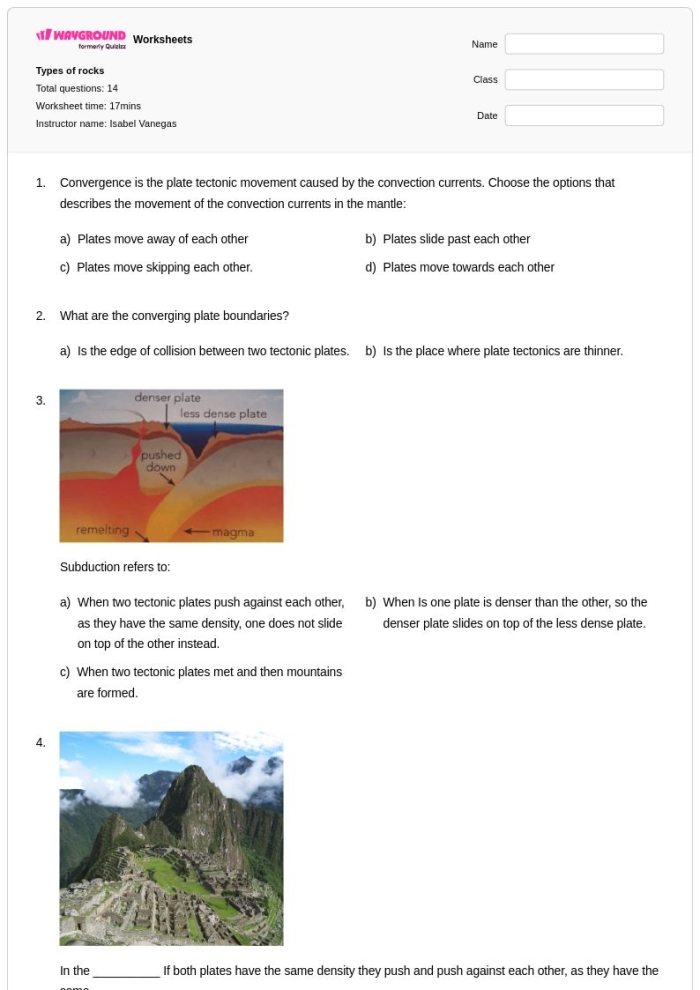
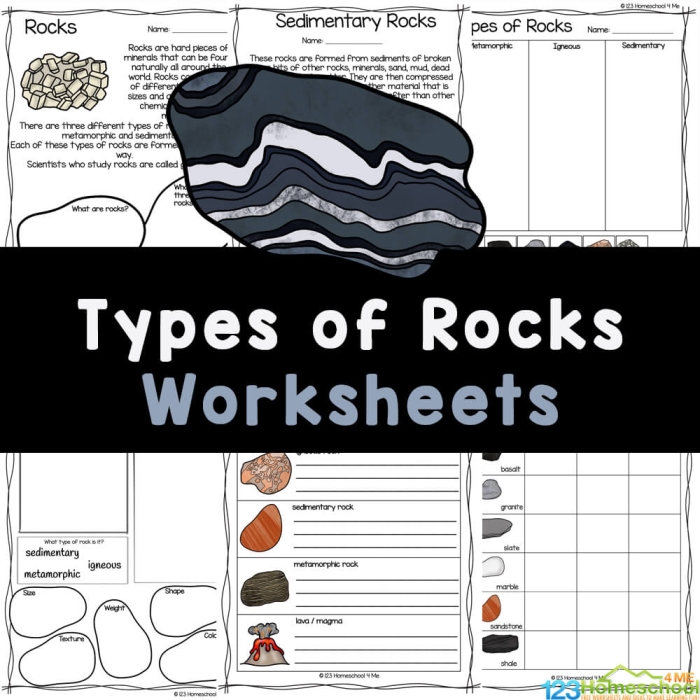
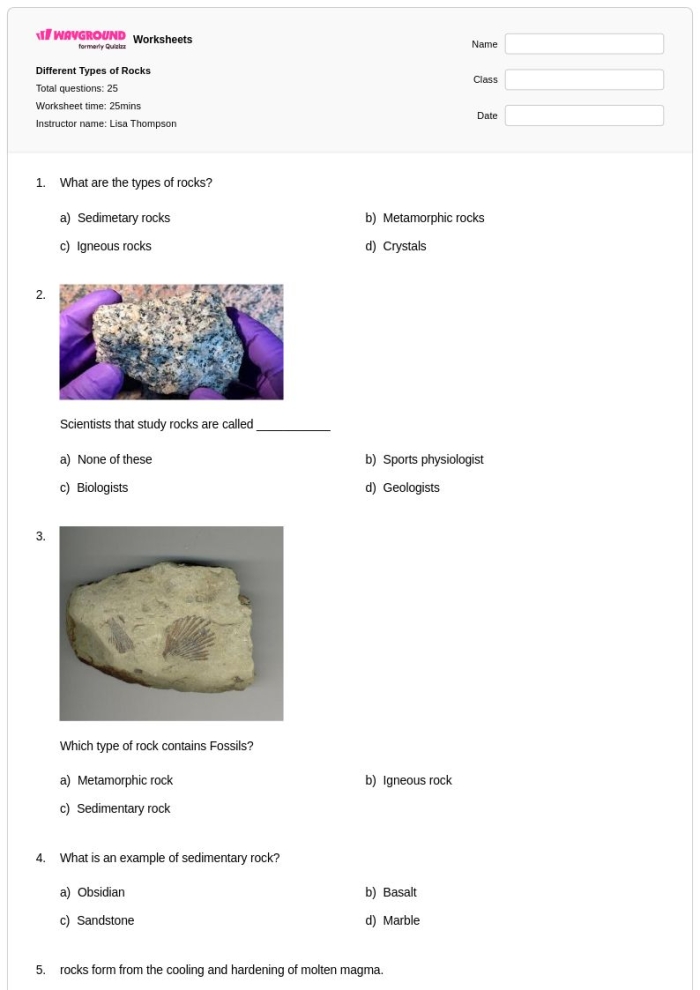
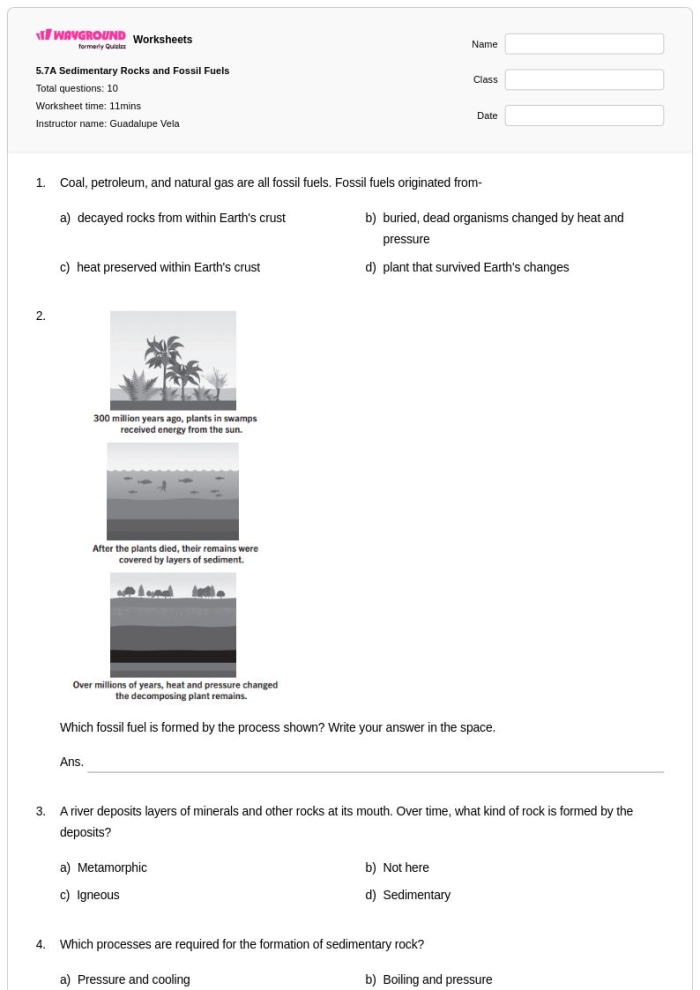
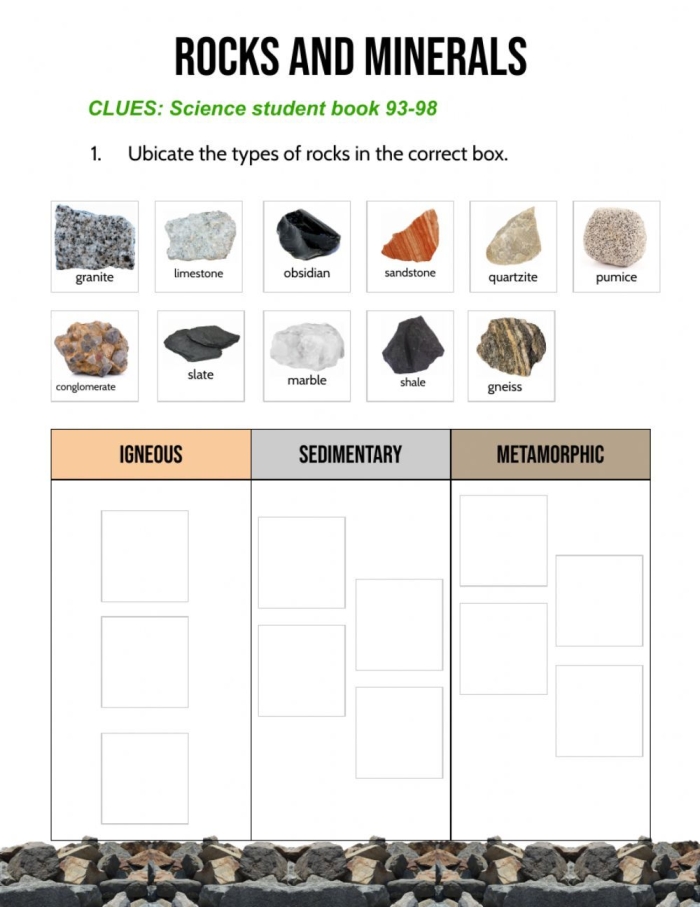
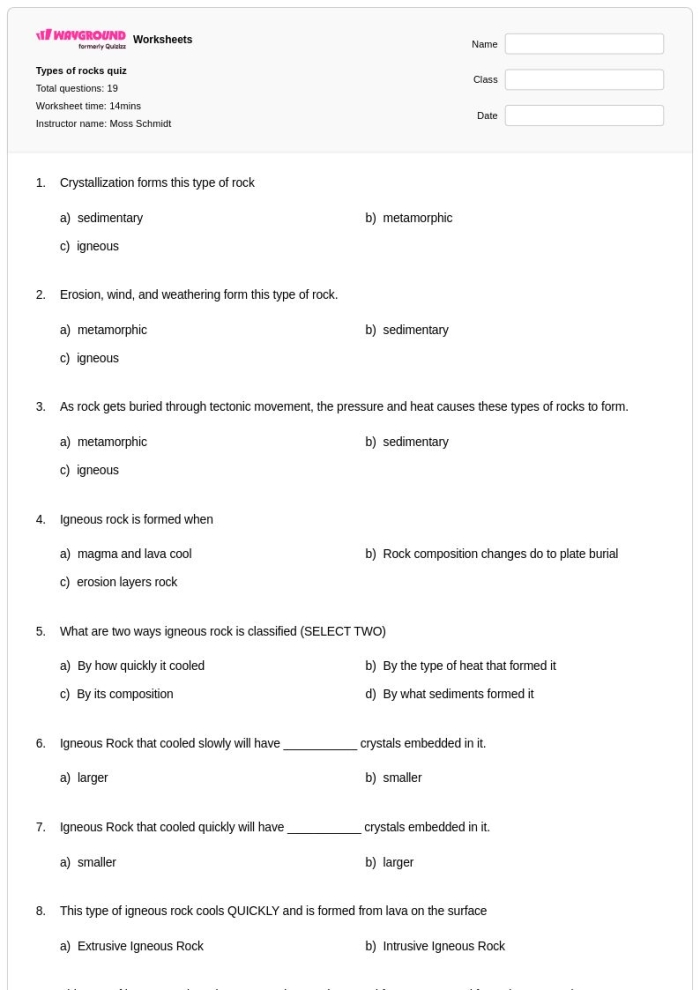
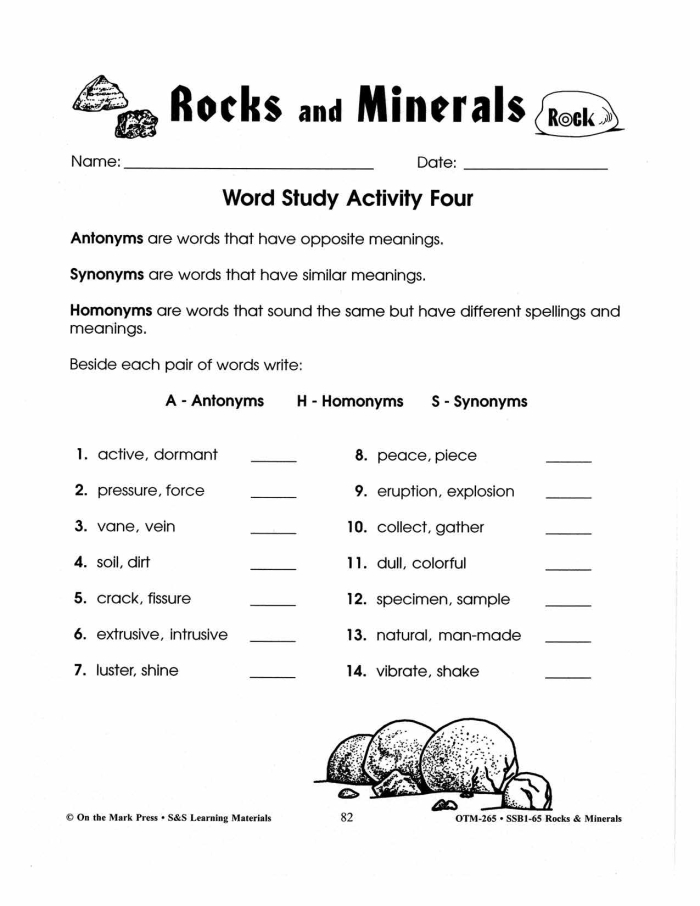
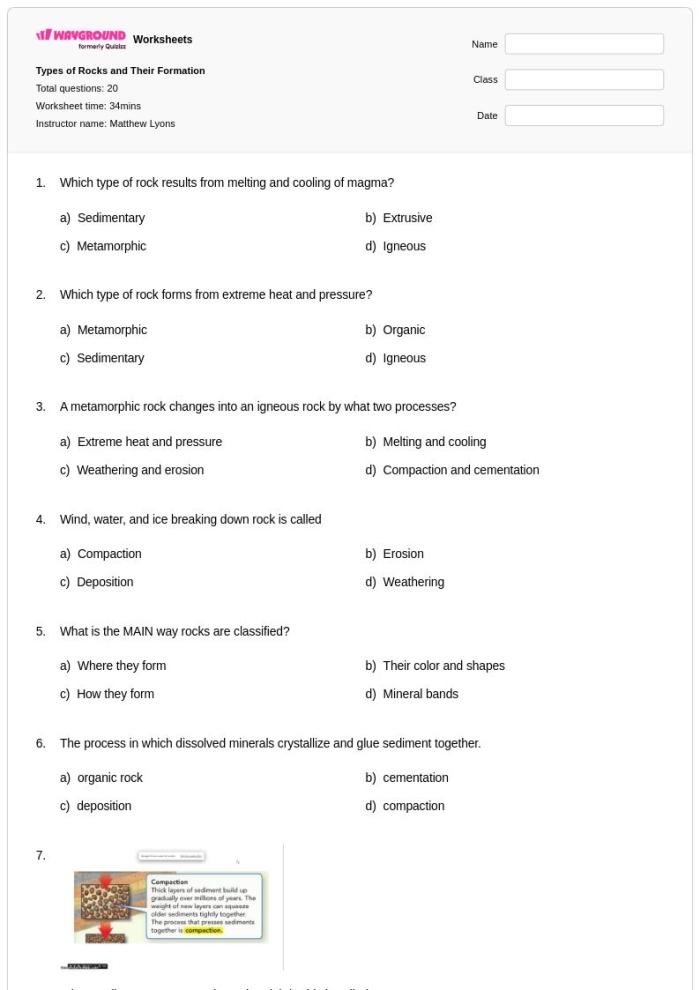
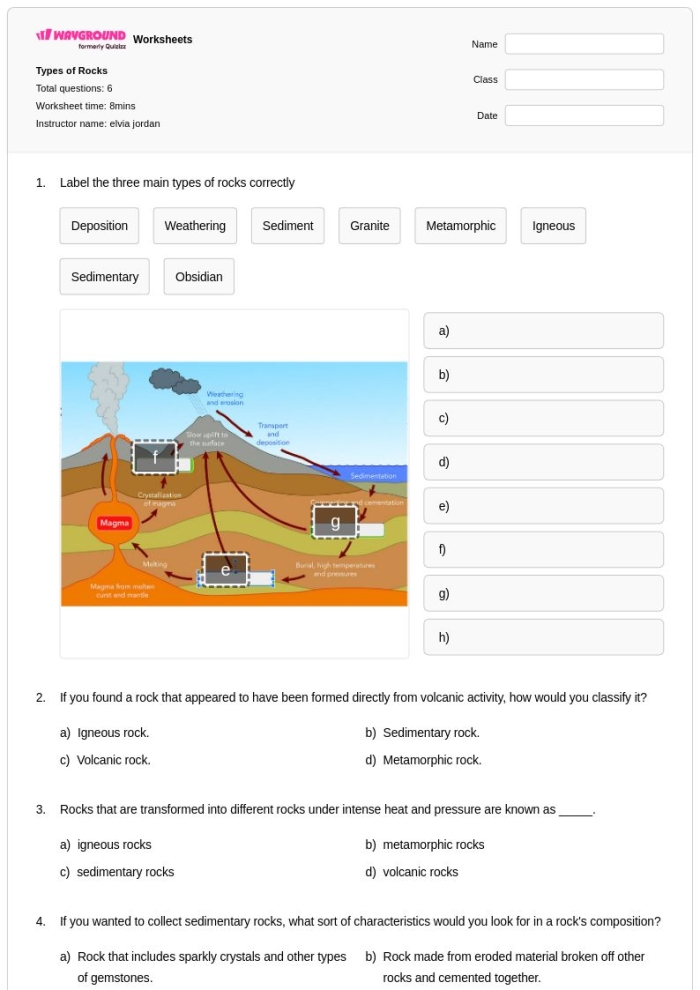
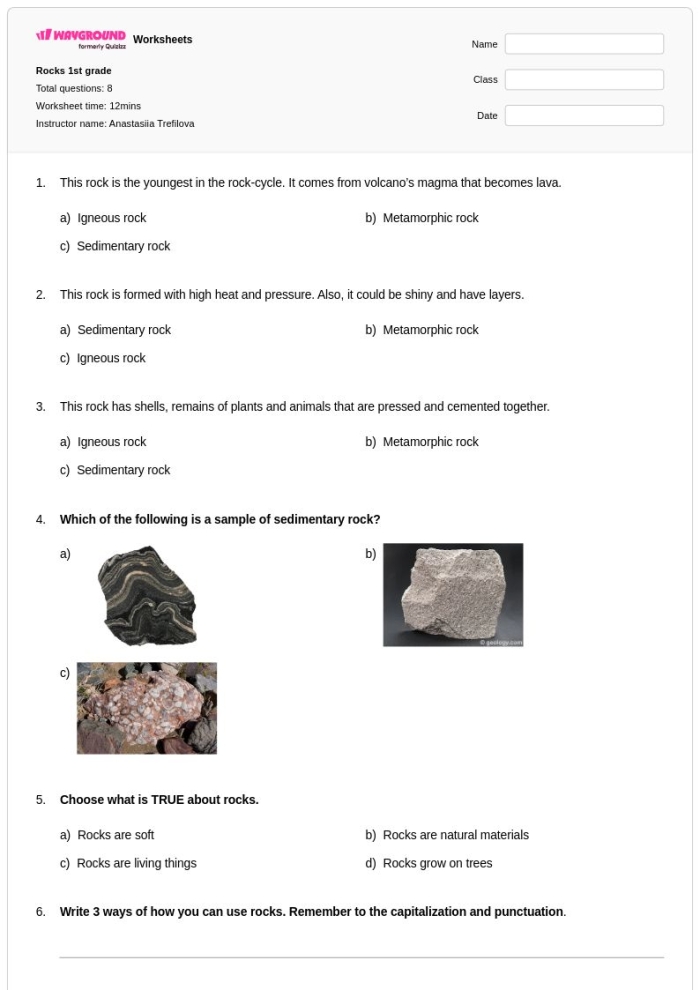
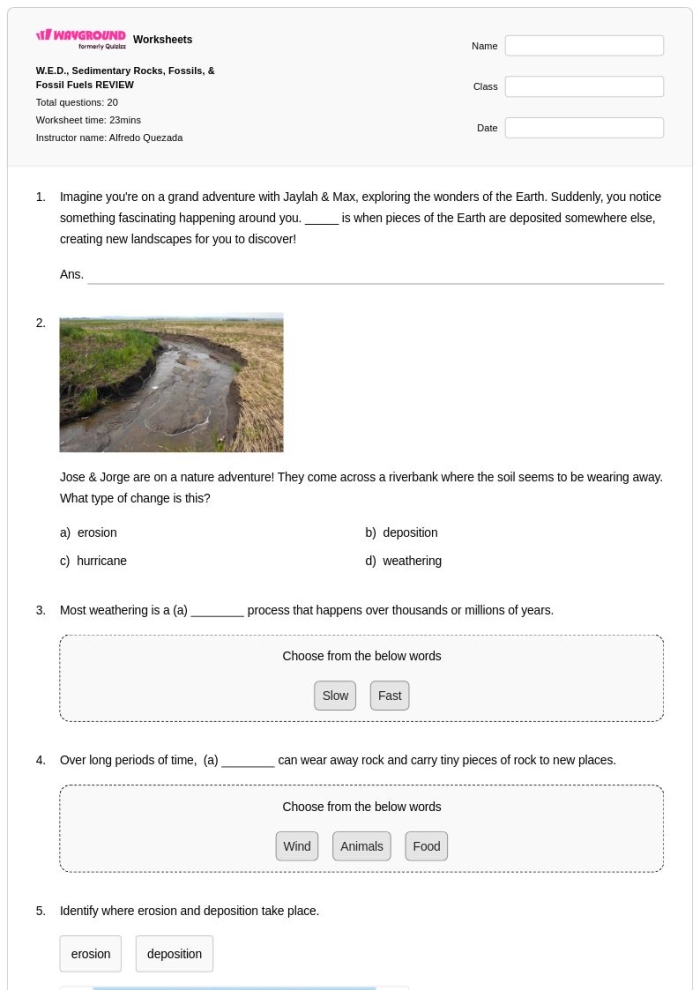
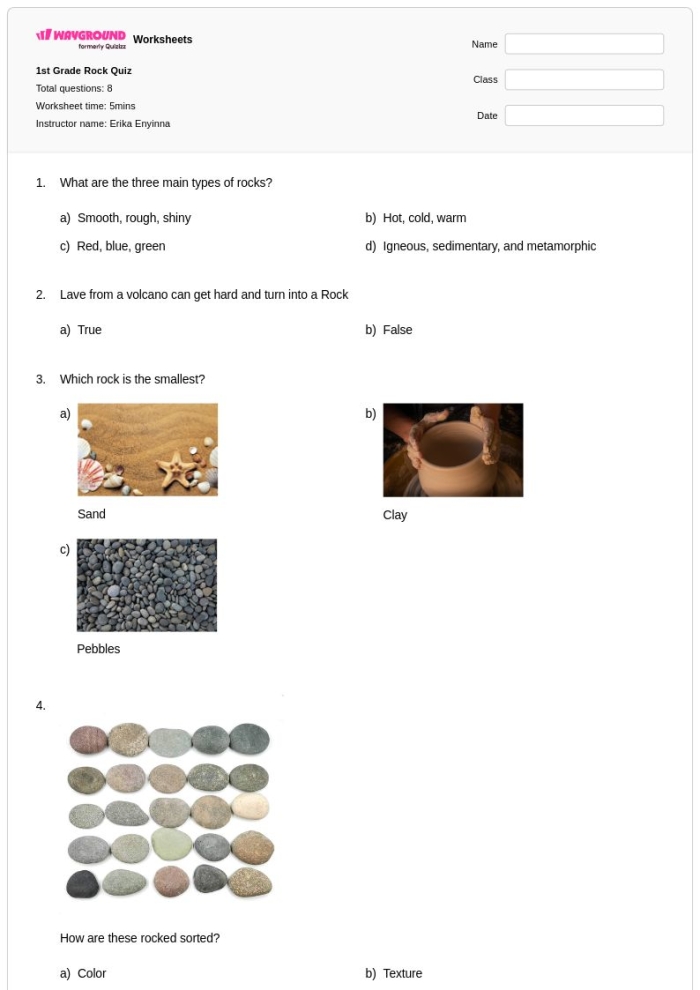
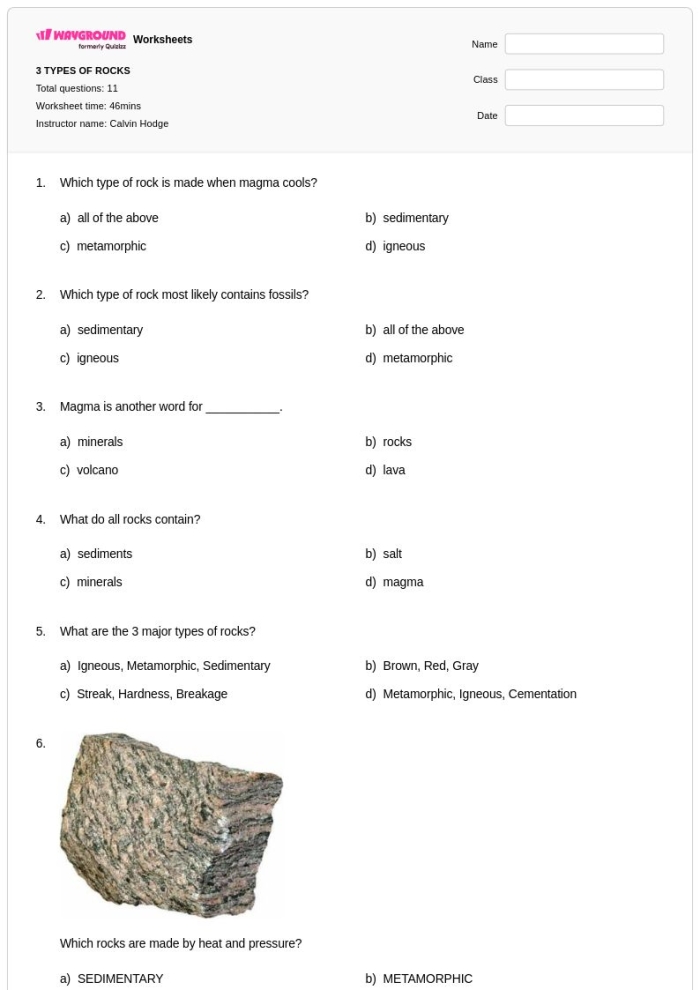
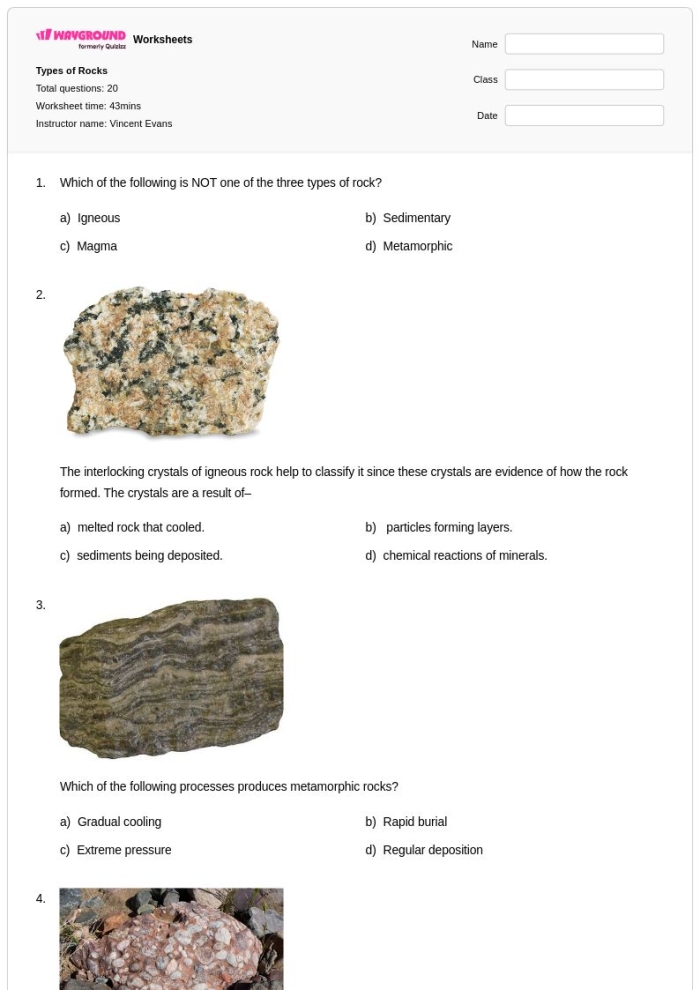
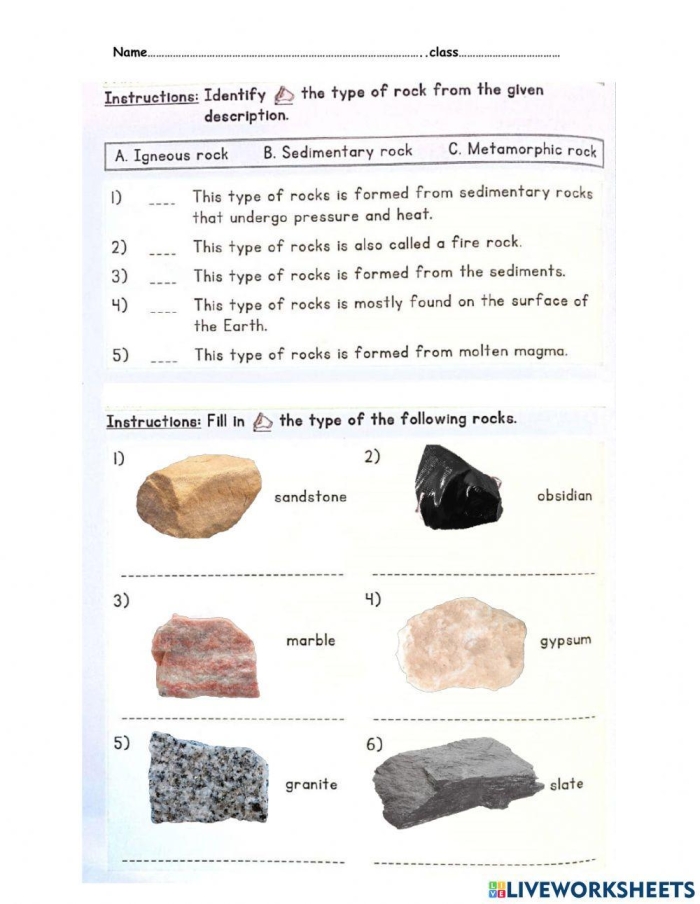
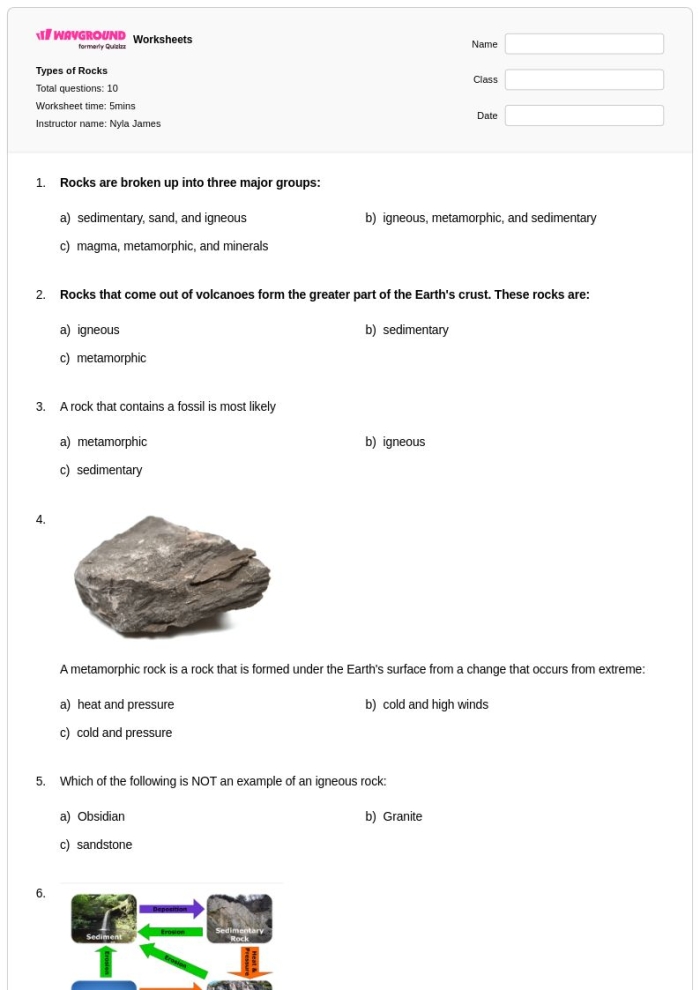
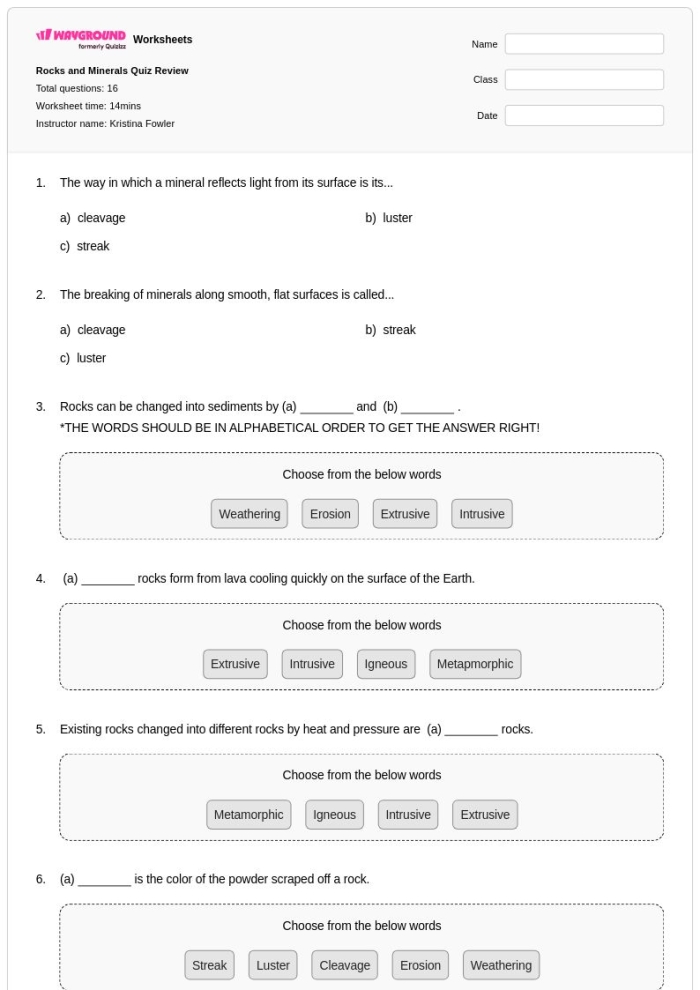
A matching activity can be a fun and effective way to test a child’s understanding of these rock types. For instance, you can present images of each rock type alongside their definitions or examples. This hands-on learning can help reinforce their knowledge while keeping them engaged. Resources like the Printable Types of Rocks: Quiz Worksheets offer structured activities that can guide your child through this exploration.
Encouraging children to identify and classify rocks not only enhances their scientific knowledge but also sharpens their observational skills. As they match pictures to categories, they practice critical thinking and develop a deeper appreciation for the Earth’s materials. This approach can easily fit into a broader curriculum that includes other subjects, like geography or environmental science, making learning both fun and interdisciplinary.
So, gather some rocks, print out those worksheets, and let your little geologist shine. With these activities, you can nurture a lifelong interest in the natural world while providing them with foundational knowledge in earth science.
Boost Skills with These Worksheets