Understanding the different ways organisms reproduce is a fundamental aspect of biology. Two primary types of reproduction, asexual and sexual, present distinct strategies for survival and propagation in the natural world. Each method has its own advantages and disadvantages, making it crucial for students, especially those in sixth grade, to grasp these concepts clearly.
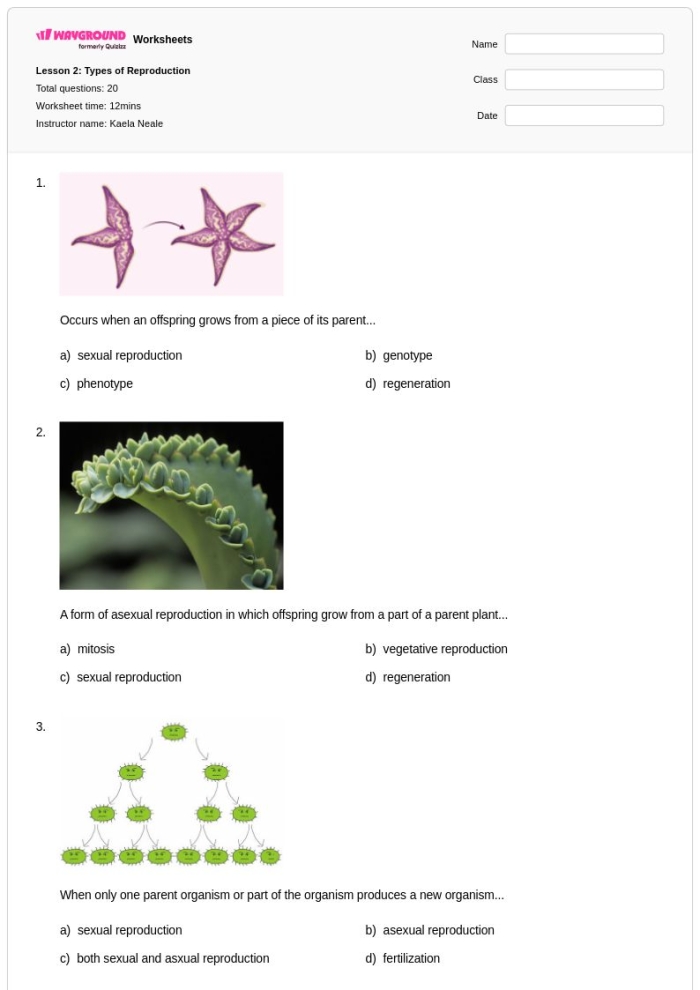
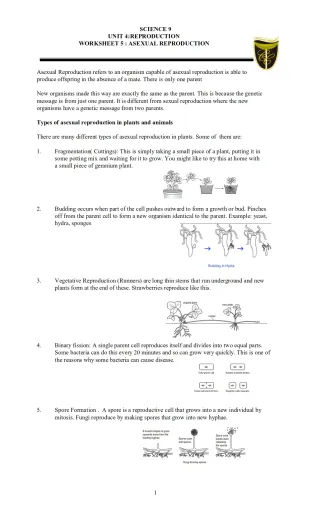
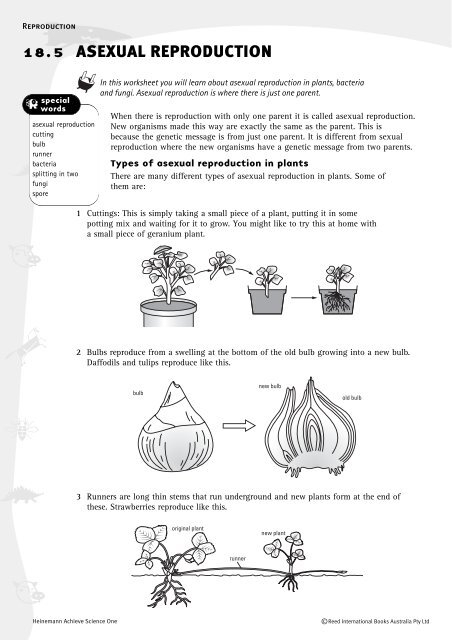
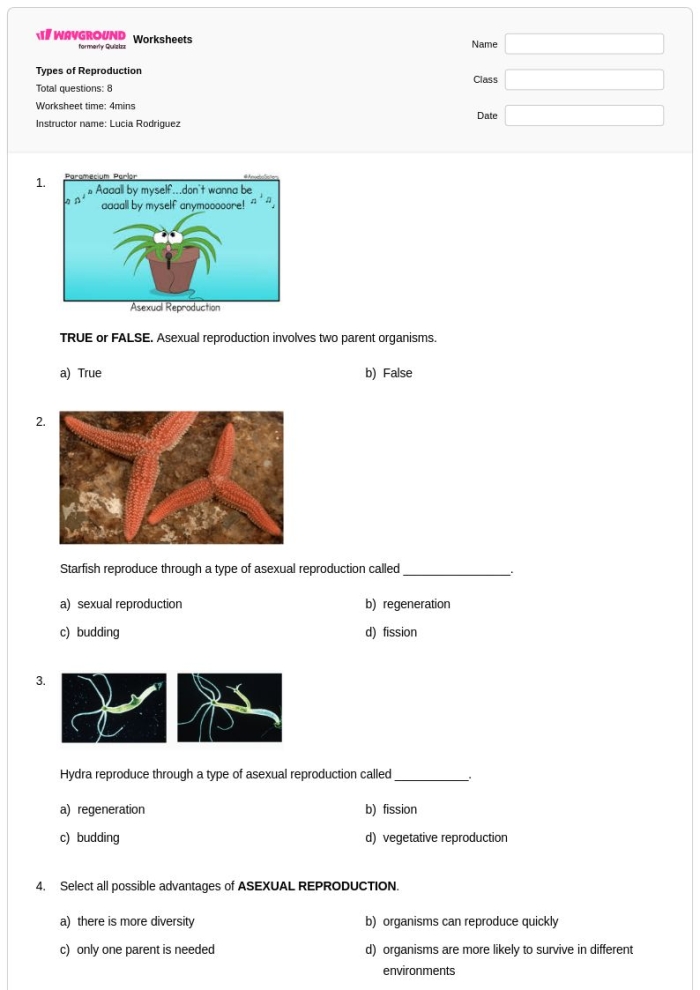
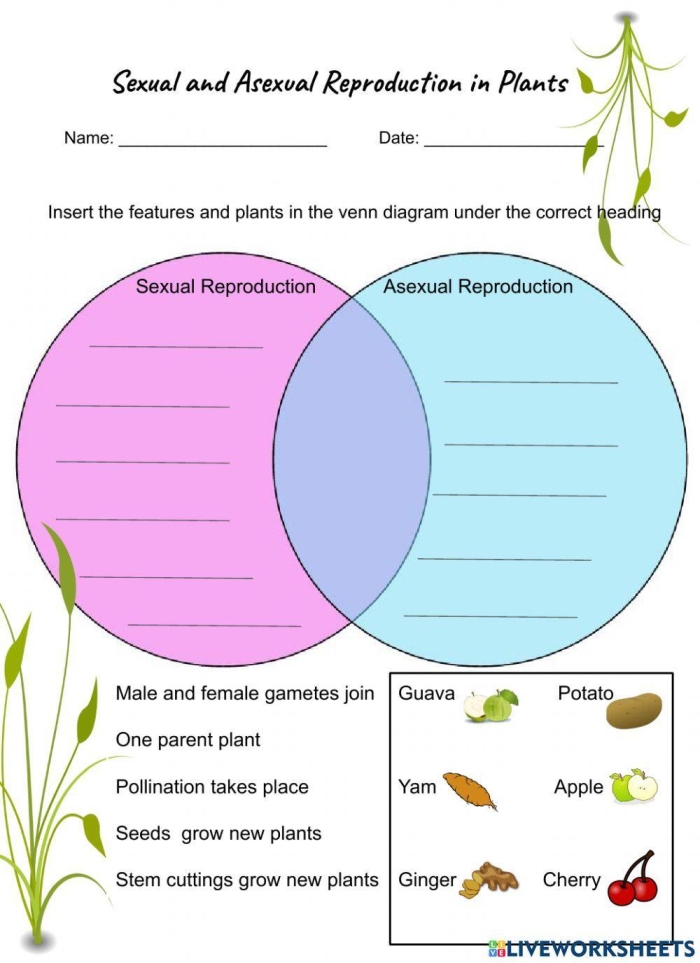
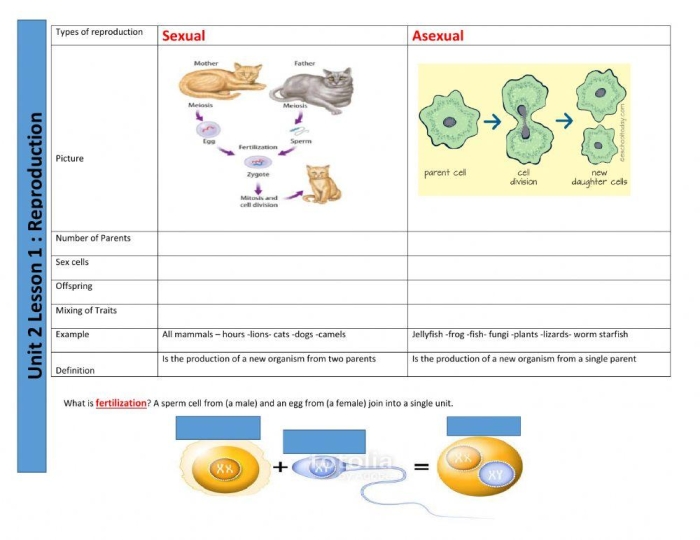
Asexual reproduction is a process where a single organism produces offspring that are genetically identical to itself. This method is common among simpler organisms, such as bacteria and some plants. In asexual reproduction, mechanisms such as budding, fission, or regeneration allow organisms to reproduce quickly and efficiently. For example, a starfish can regrow a lost arm, and from that arm, a new starfish can eventually develop. This type of reproduction is advantageous in stable environments where rapid population growth is beneficial.
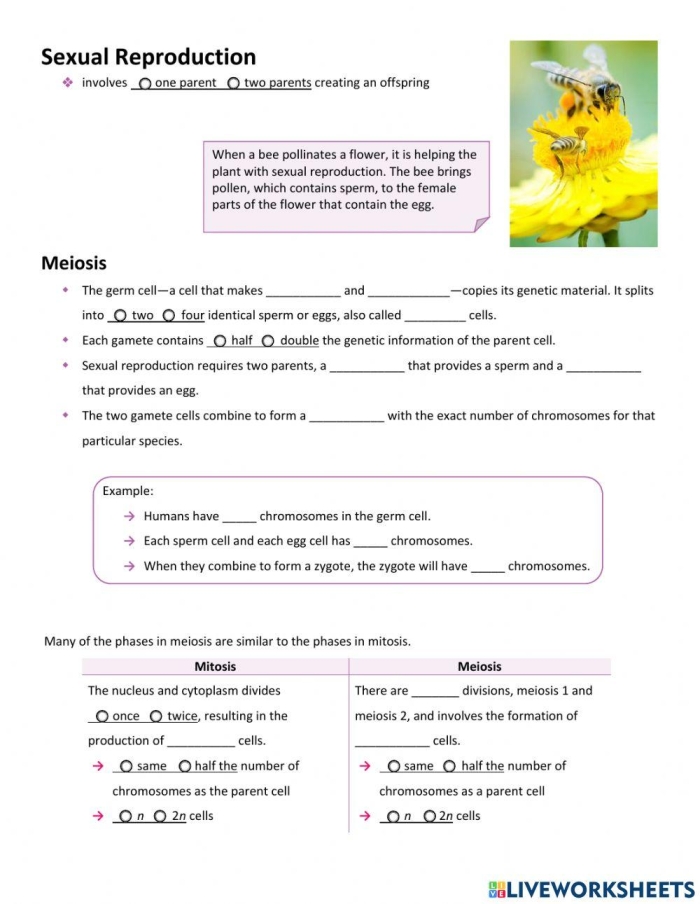
On the other hand, sexual reproduction involves the combination of genetic materials from two parents, leading to offspring with diverse genetic traits. This process is seen in many animals, including humans, and plants. The merging of different genetic materials creates variation, which can enhance a population’s adaptability to changing environments. For instance, the presence of genetic diversity can help a species survive diseases that could wipe out clones produced by asexual reproduction.
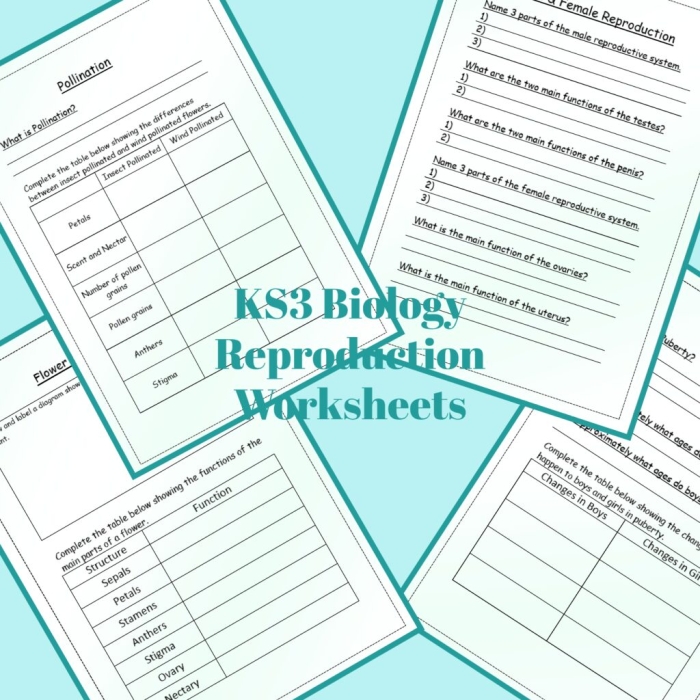
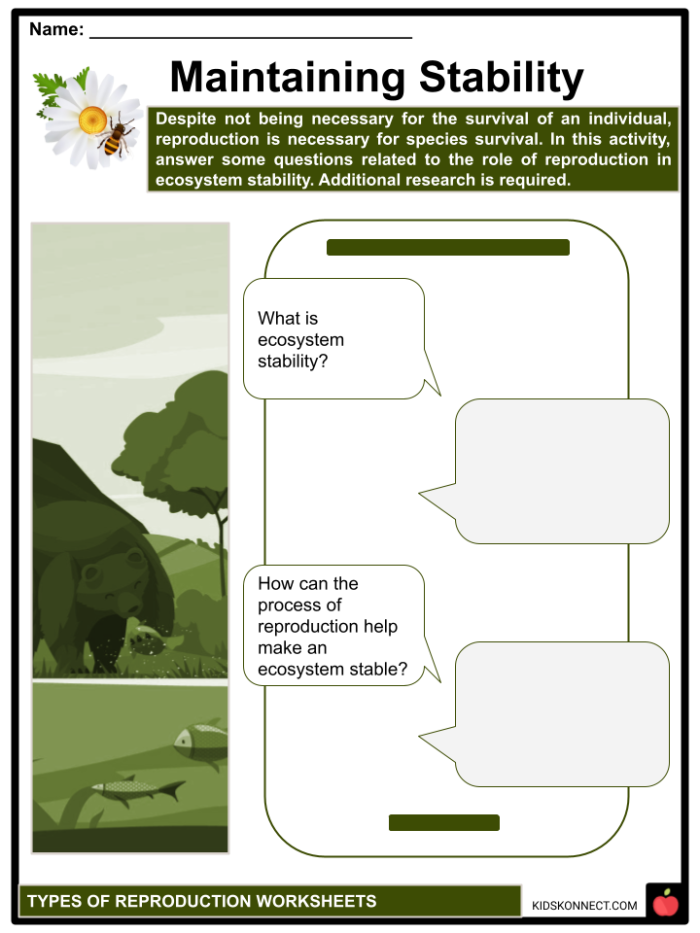
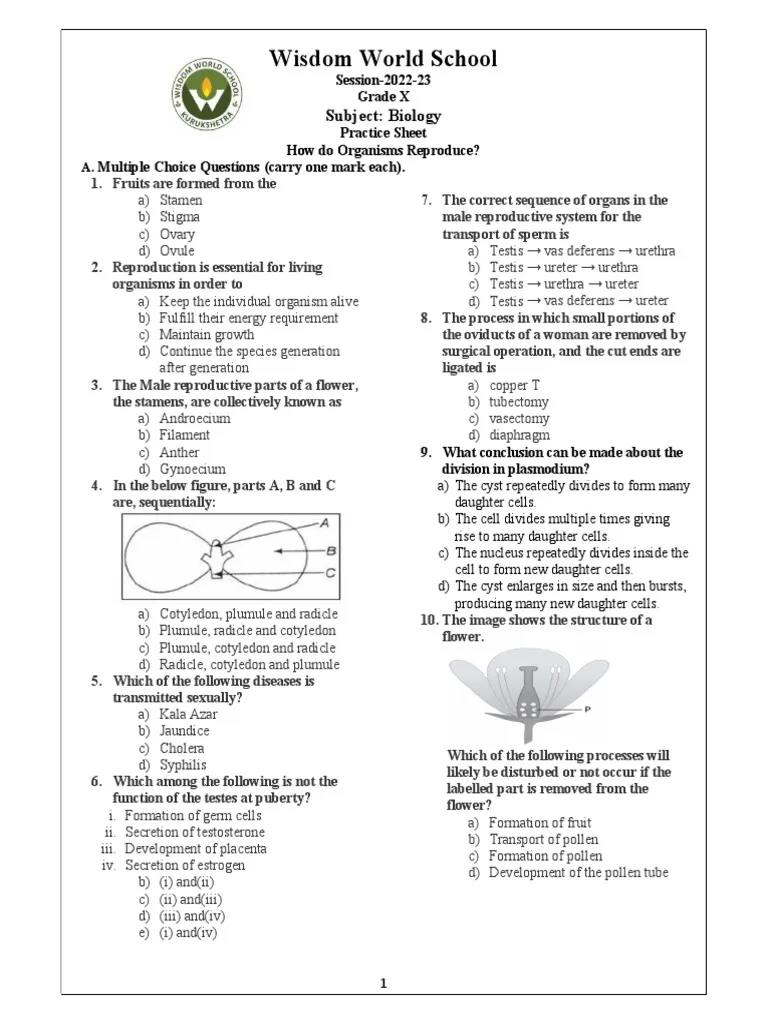
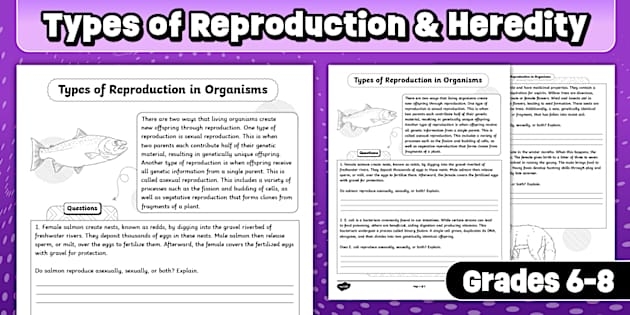
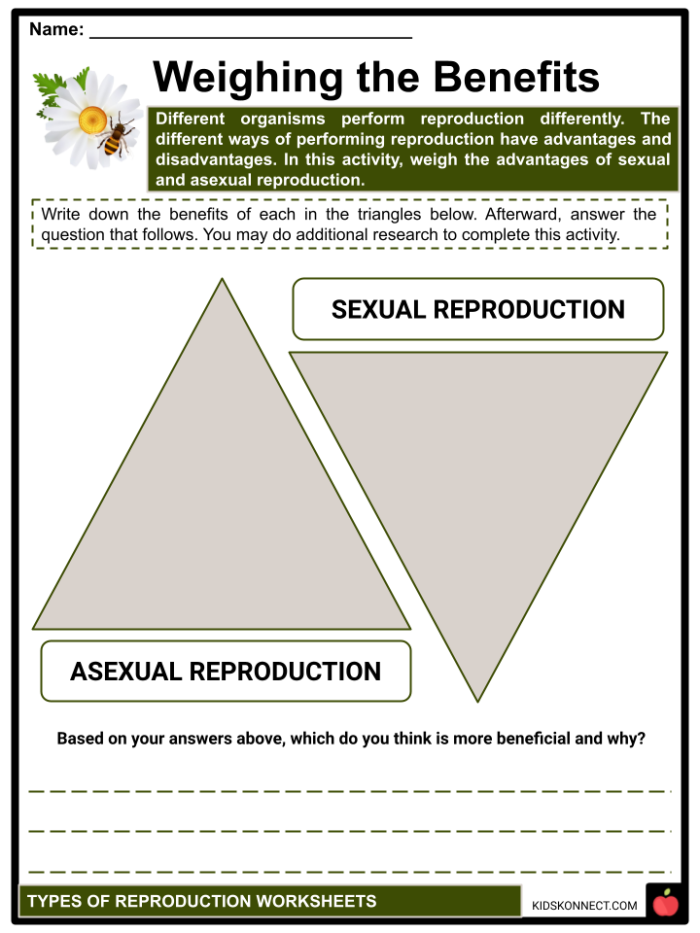
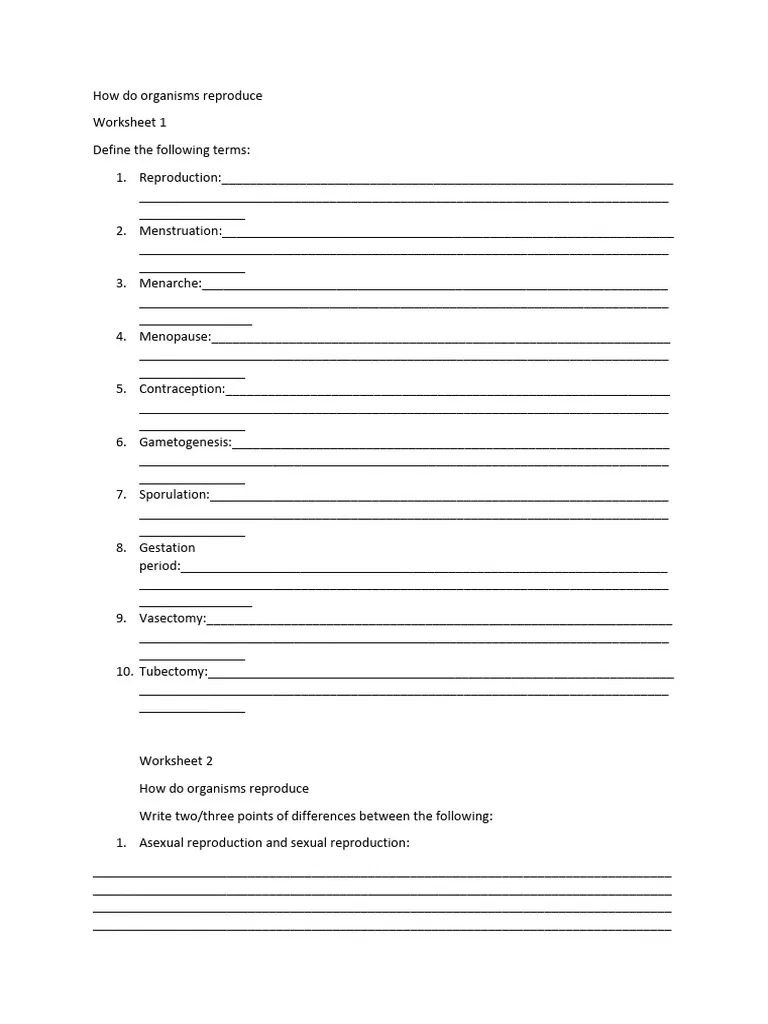
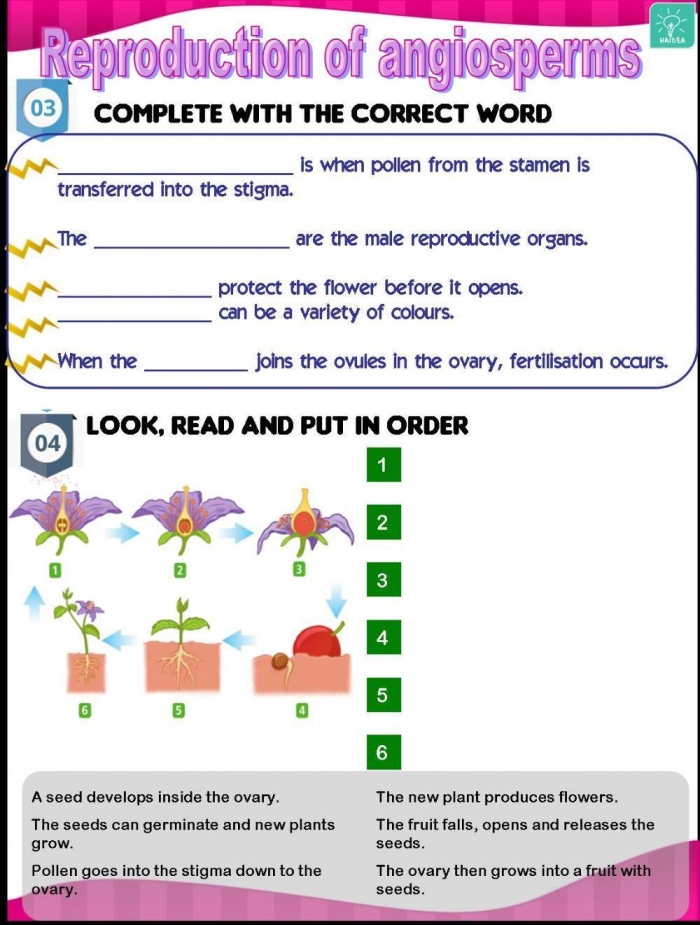
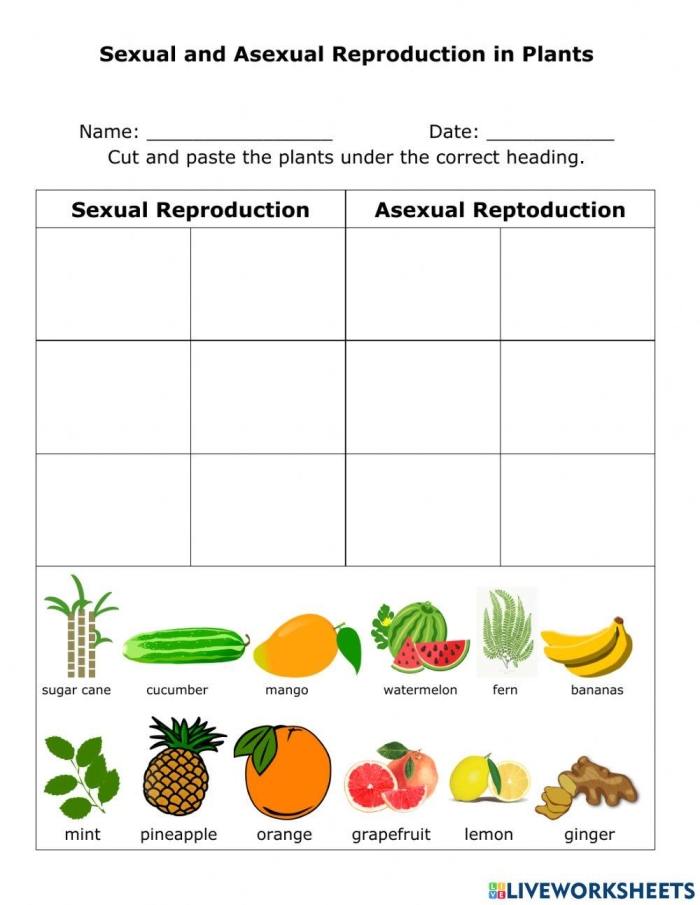
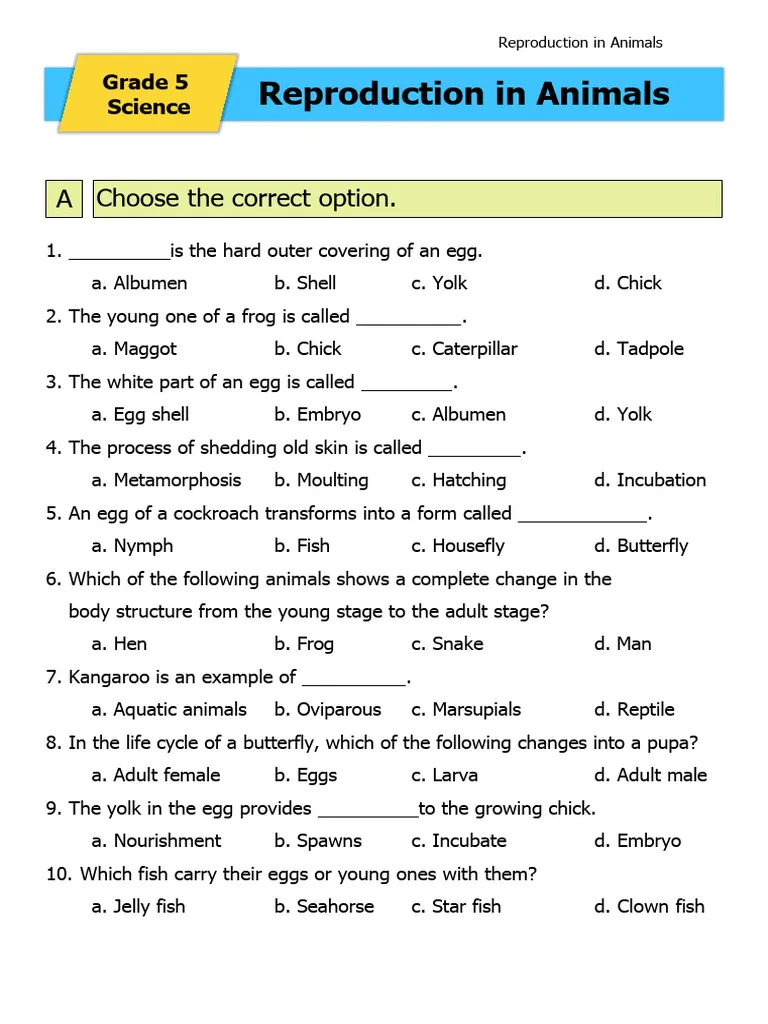
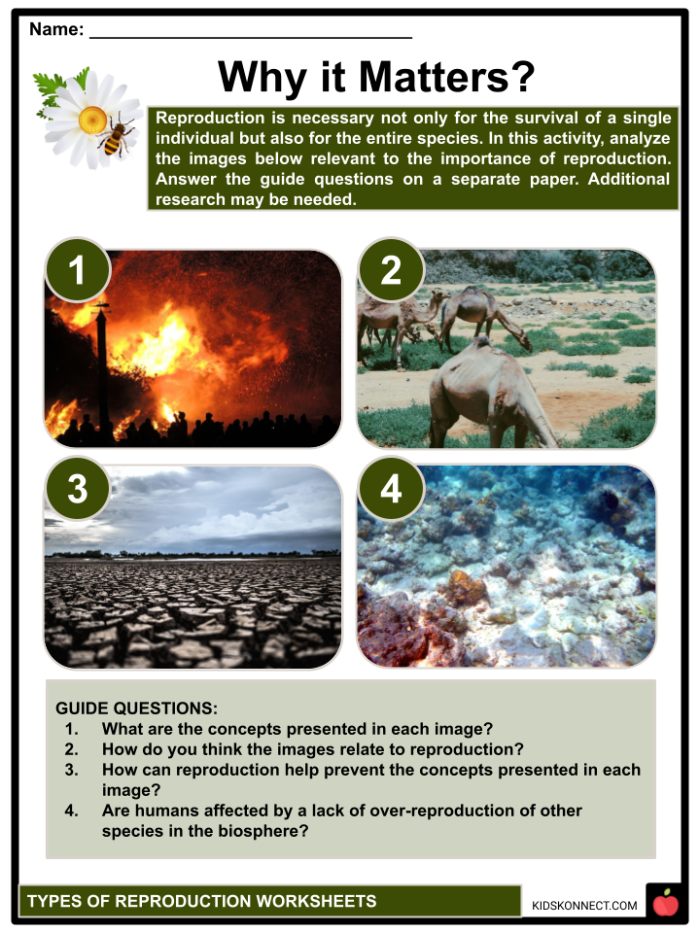
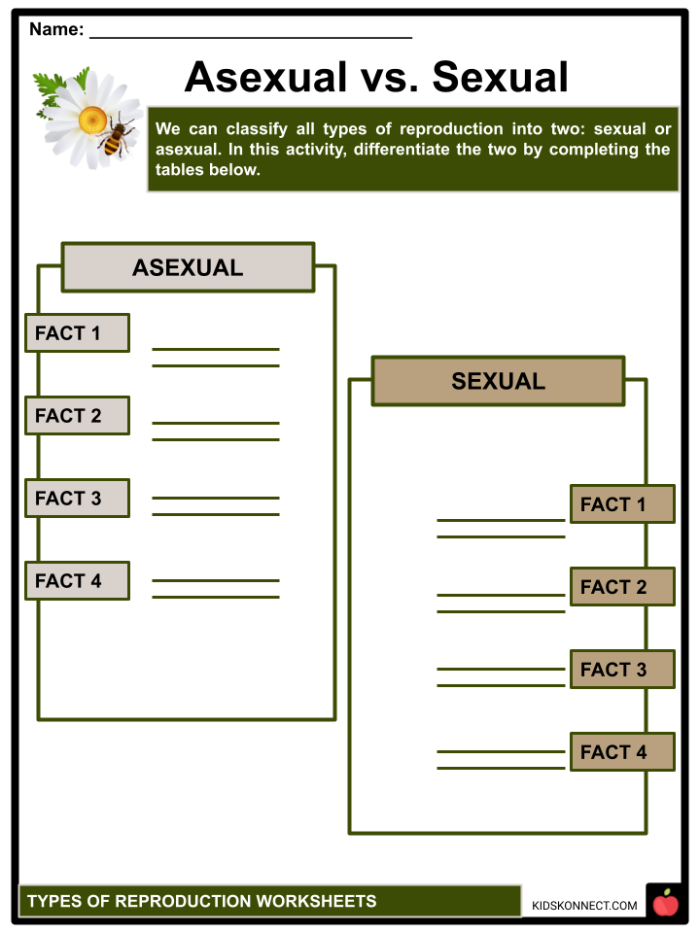
When teaching about the types of reproduction in organisms, it’s beneficial to use engaging materials like worksheets. These resources can help students visualize the differences between the two reproduction methods and understand their implications in real life. Exploring these concepts not only aligns with science curricula but also connects to lessons on ratios and proportions, where students can analyze data related to population growth.
By incorporating activities that highlight both reproduction types, educators can provide sixth graders with a deeper understanding of biological processes, fostering a sense of curiosity about the living world. Worksheets that guide students through this exploration can be found on various educational platforms, making it easier for teachers to enhance their science lessons.
Boost Skills with These Worksheets