Spring is a season of renewal, marked by the vibrant colors of blooming flowers that seem to celebrate the return of sunshine and warmth. As winter fades, gardens and parks come alive with a stunning array of blossoms. Each flower not only adds beauty to our surroundings but also plays a crucial role in the ecosystem. For first graders exploring this fascinating transition, learning about flowers can be both fun and educational.
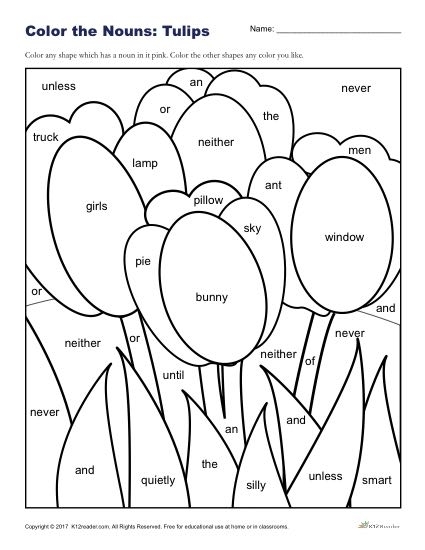
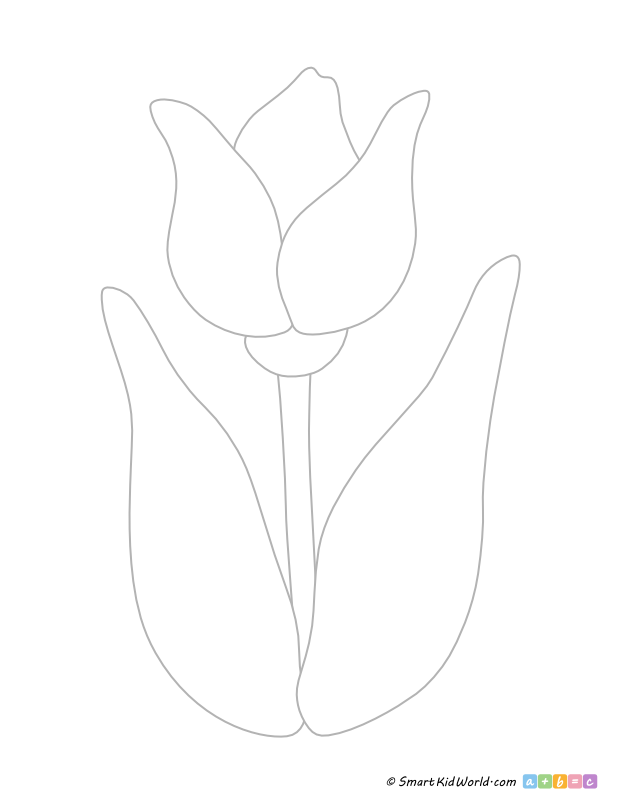
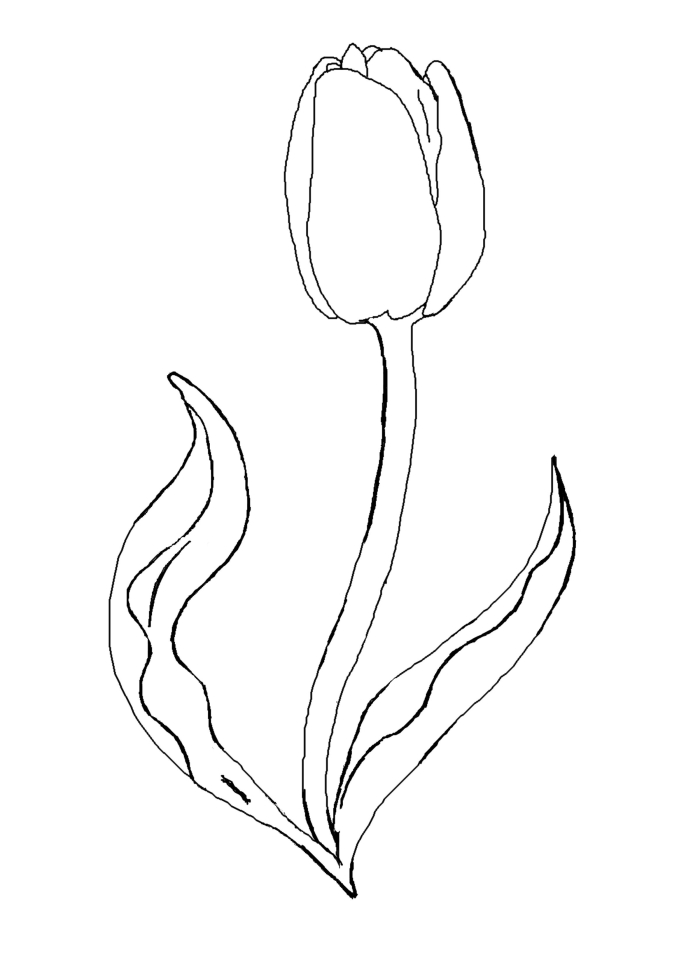
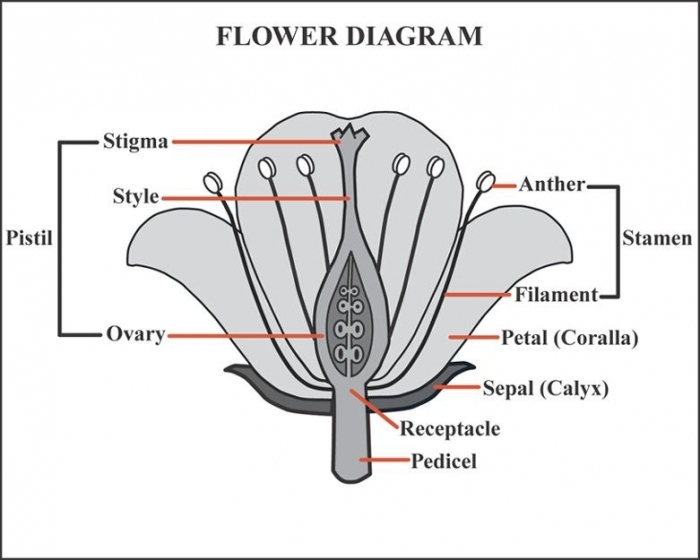
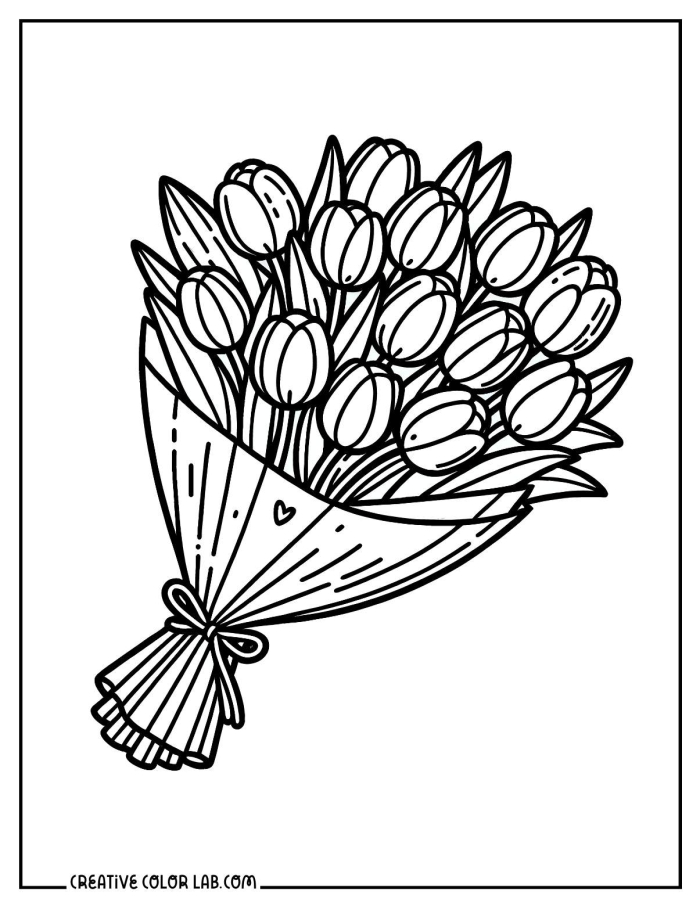
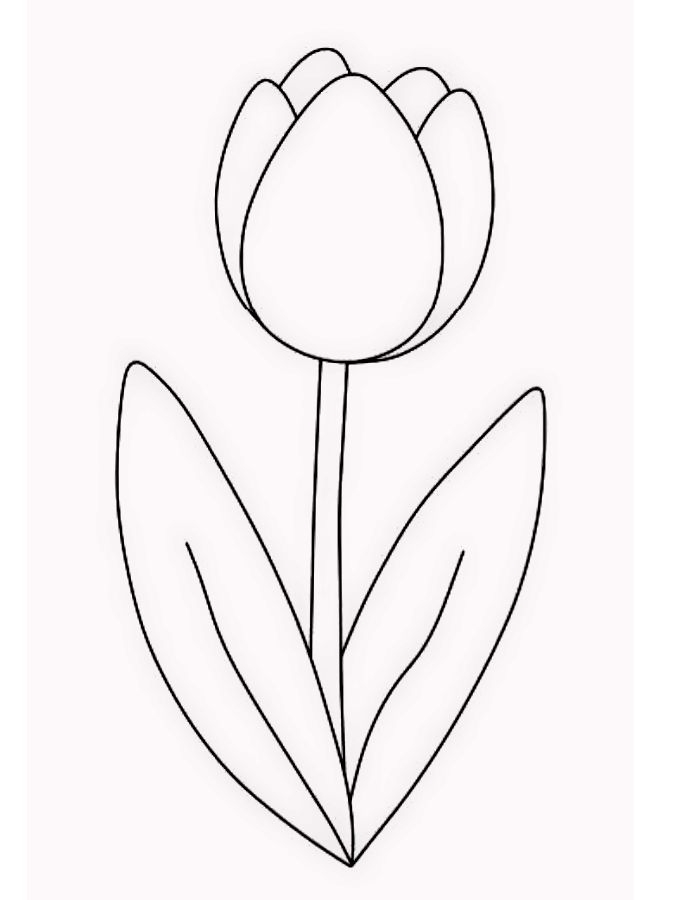
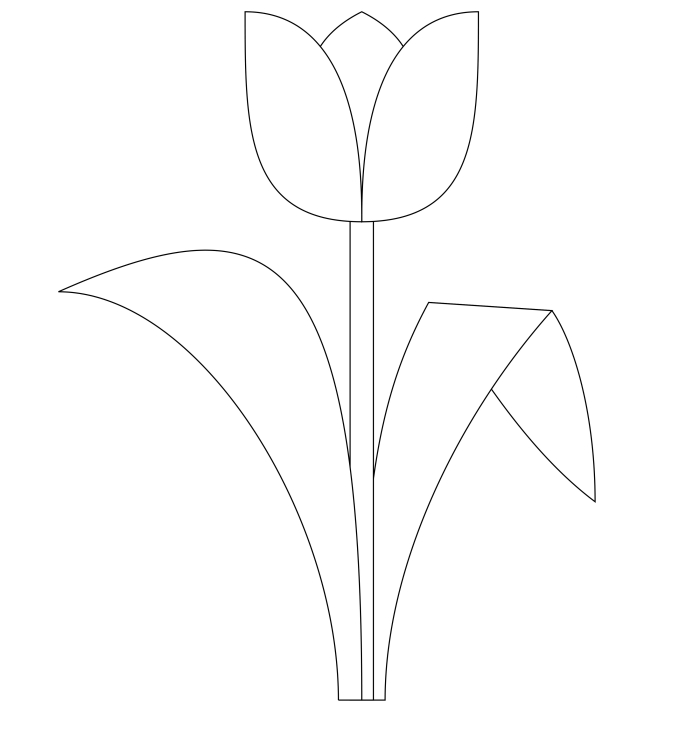
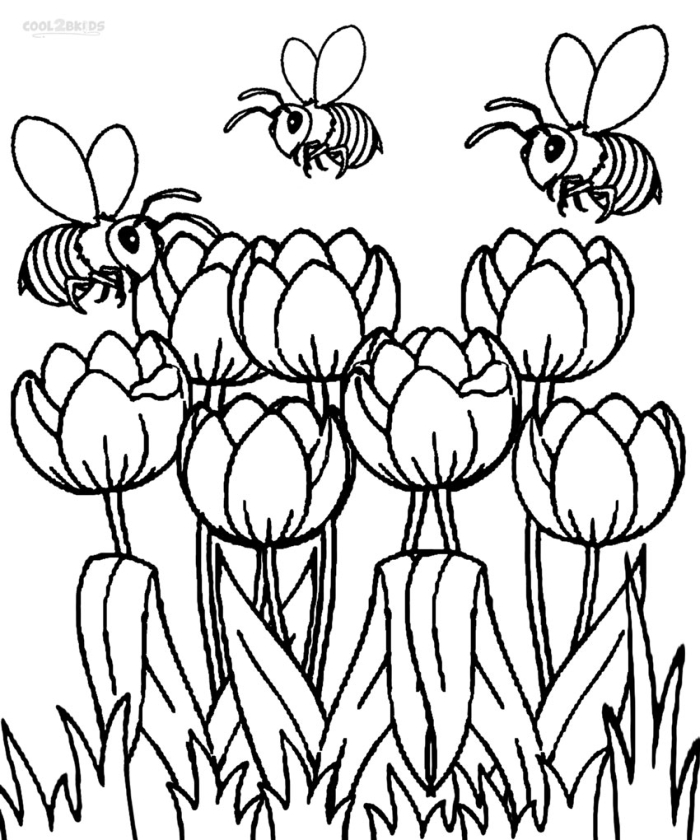
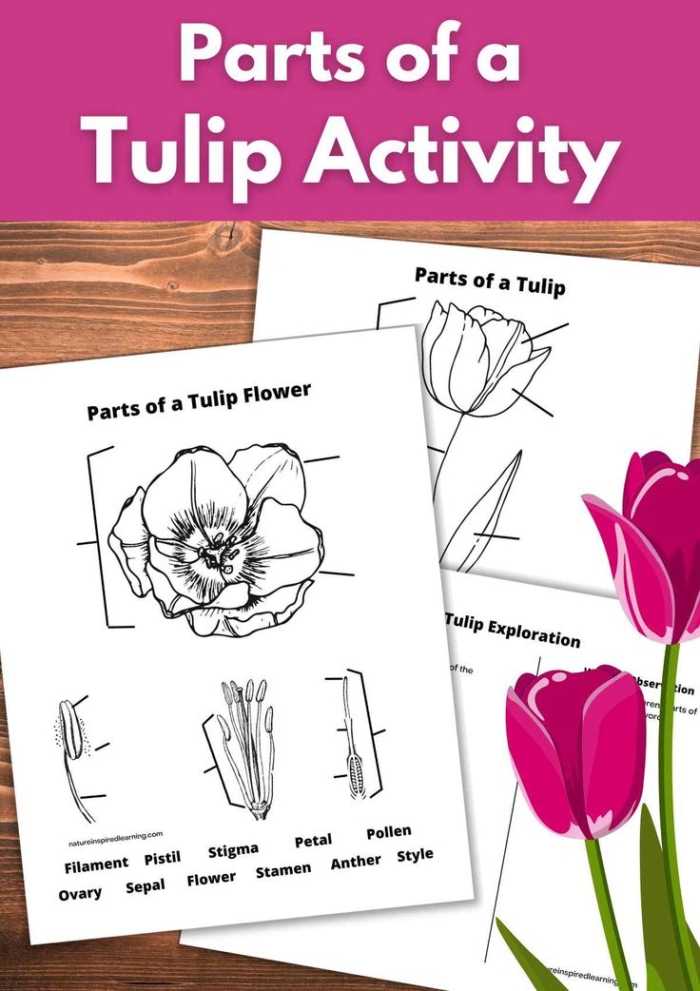
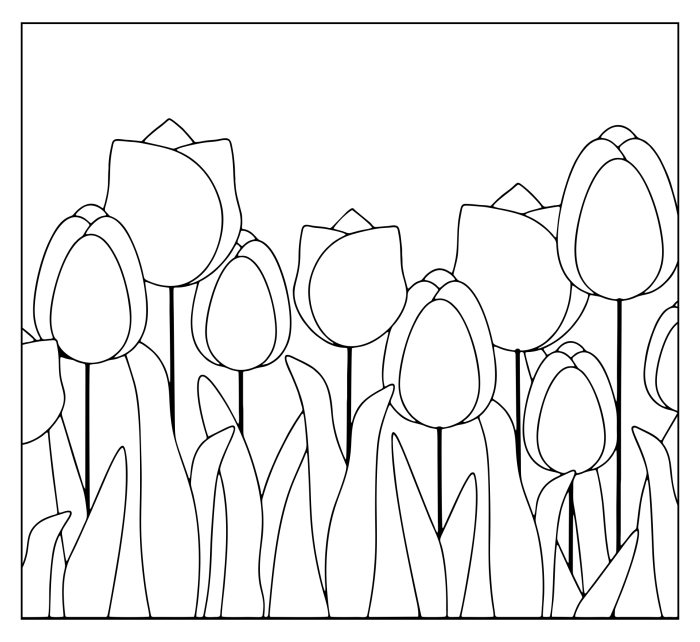
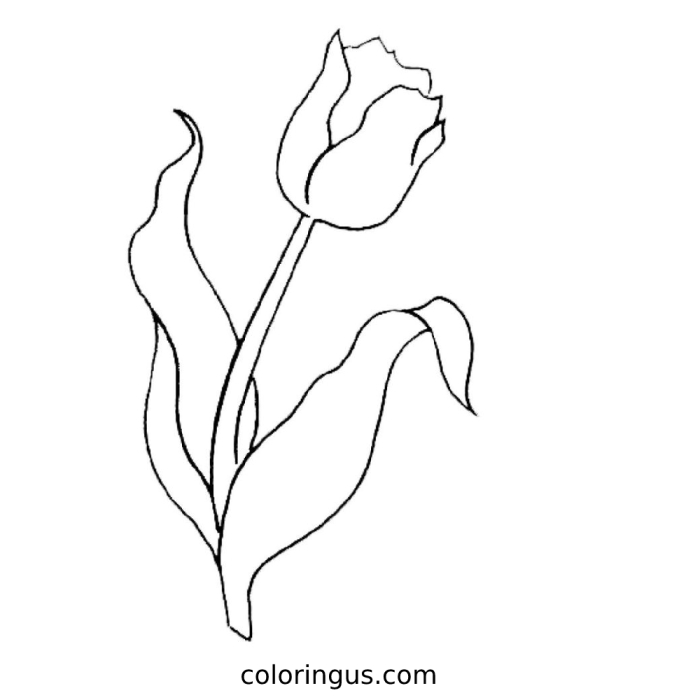
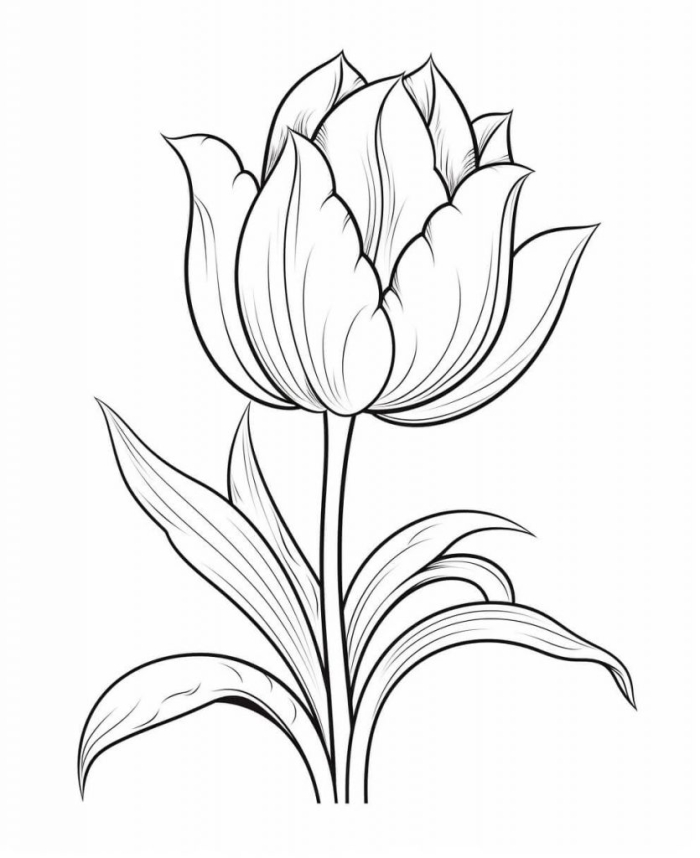
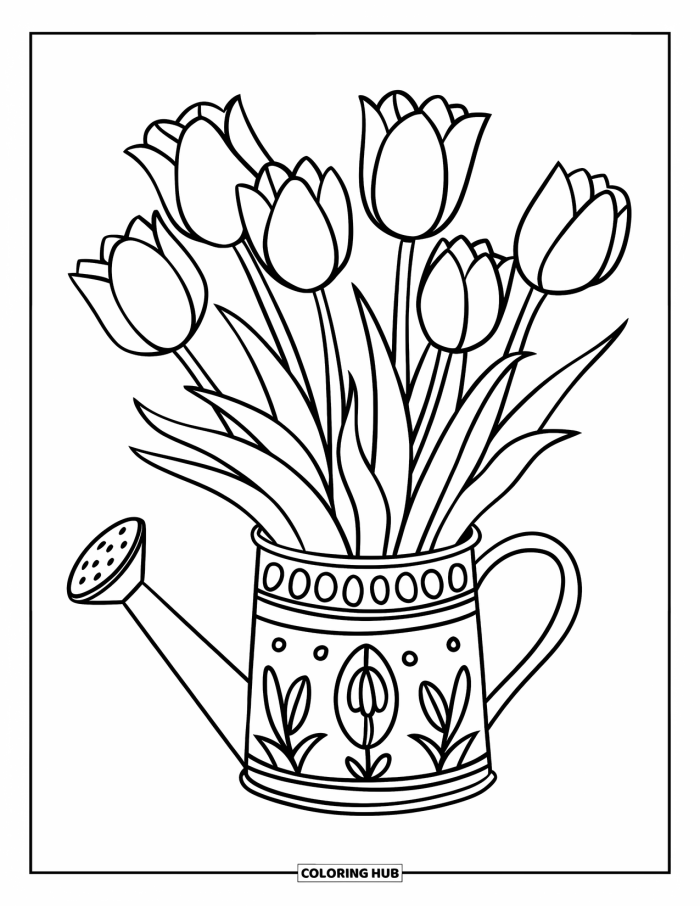
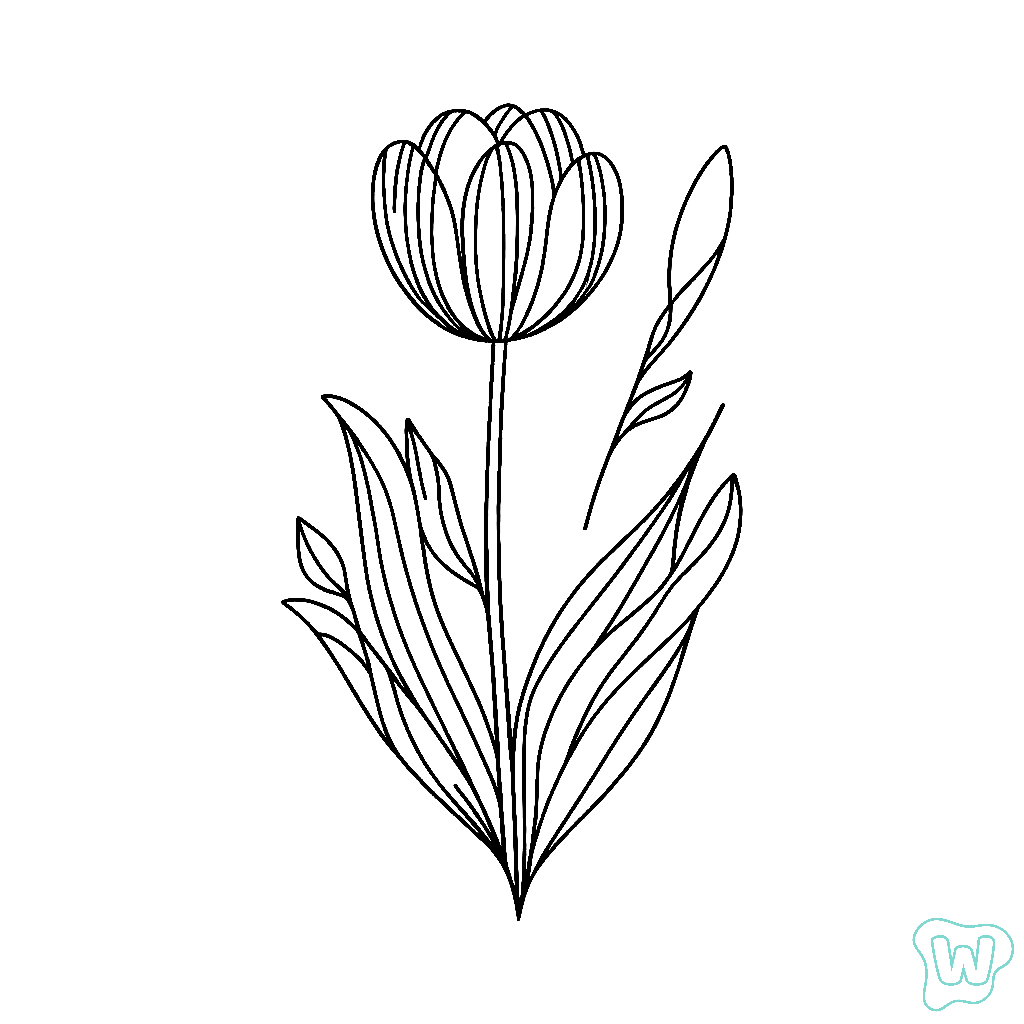
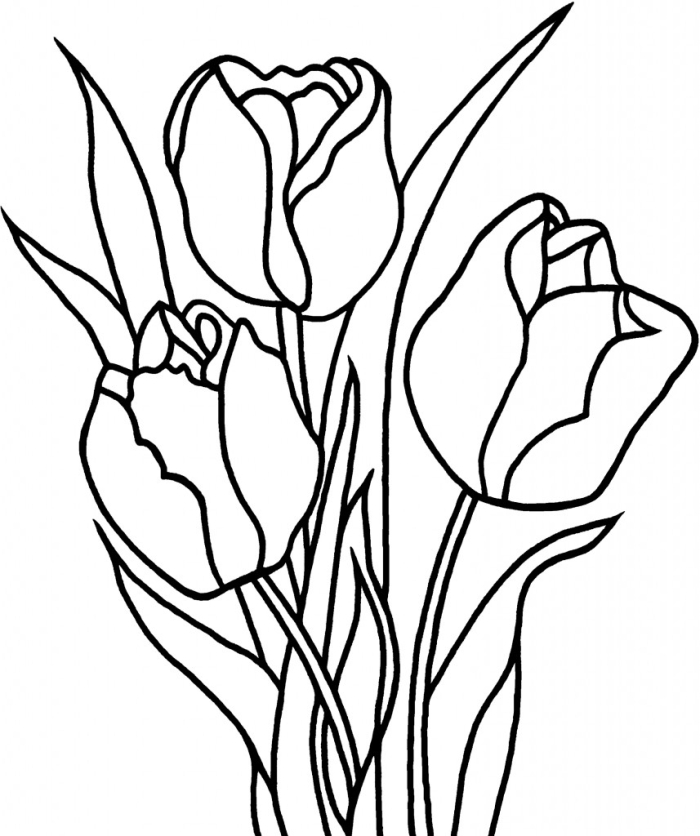
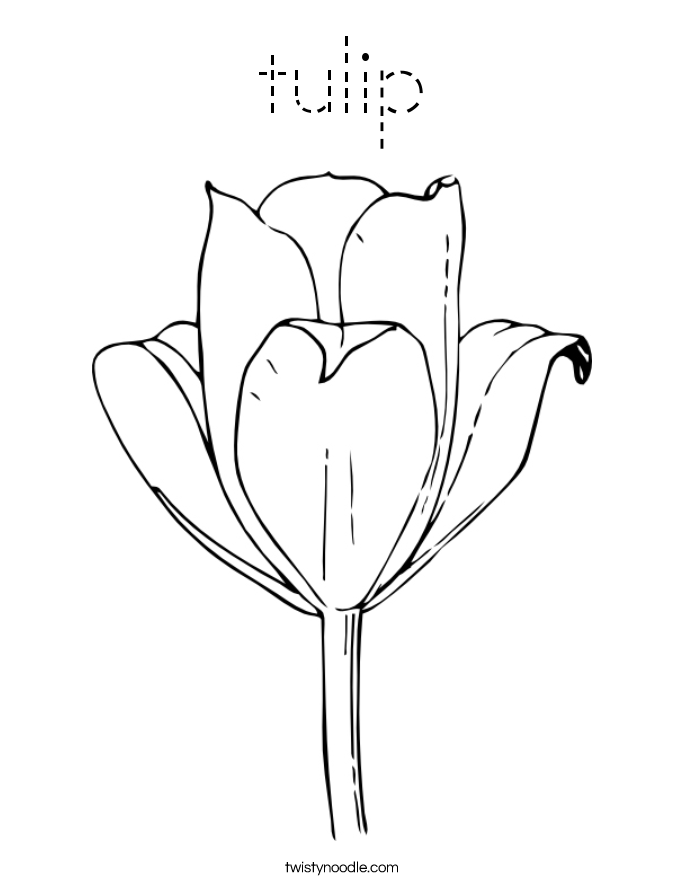
One of the most recognizable spring flowers is the tulip, which comes in a variety of colors and shapes. Tulips are not just visually appealing; they are also significant in teaching young learners about plant anatomy. Incorporating activities like a tulip diagram coloring page allows students to engage with the subject on a deeper level. By coloring and labeling parts of a tulip, children can better understand how plants function and grow. This hands-on approach makes learning about grammar and mechanics in relation to nature much more engaging.
Spring also presents an opportunity to discuss the broader themes of seasons and change. For example, using resources like the days, months, and seasons assessment can help first graders grasp how seasons affect the environment. Understanding these cycles not only enhances their science knowledge but also enriches their vocabulary and comprehension skills.
As flowers begin to bloom, teachers can incorporate various activities to celebrate spring. Simple math exercises, such as those found in the spring into addition worksheets, can also be themed around flowers, making learning enjoyable and relevant. The excitement of spring can inspire creativity and curiosity in young minds.
With so much to explore, spring is undoubtedly a season that brings joy and a wealth of learning opportunities for first graders. Embracing the changes in nature can spark a love for science and language that lasts a lifetime.
Grab These Worksheets Now