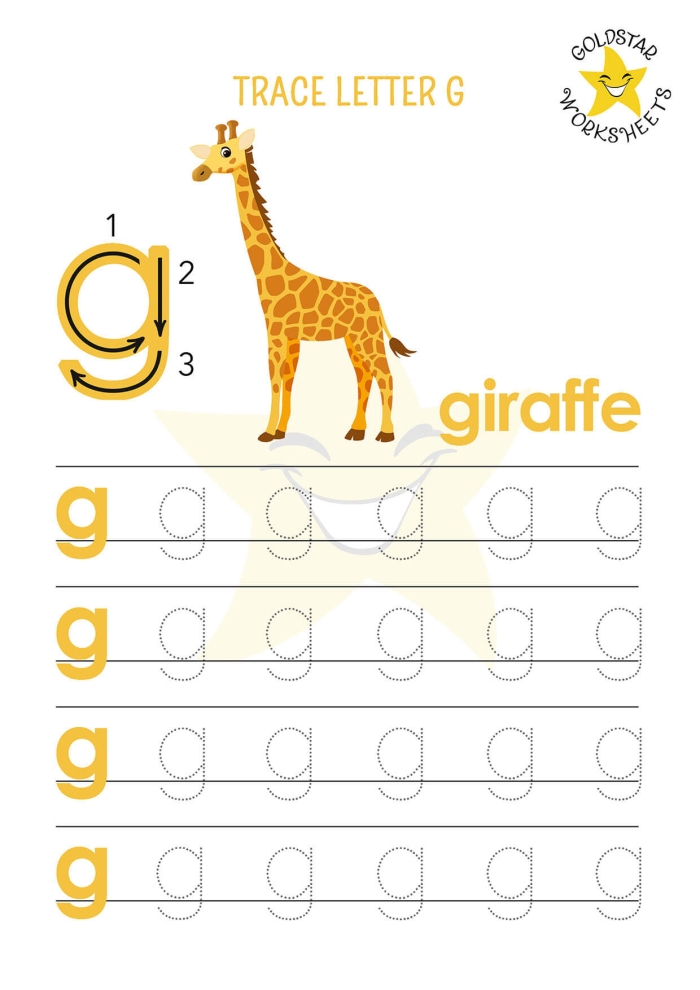
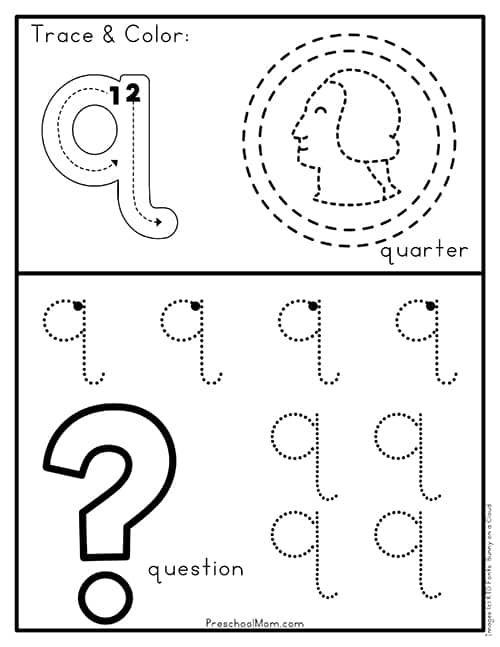
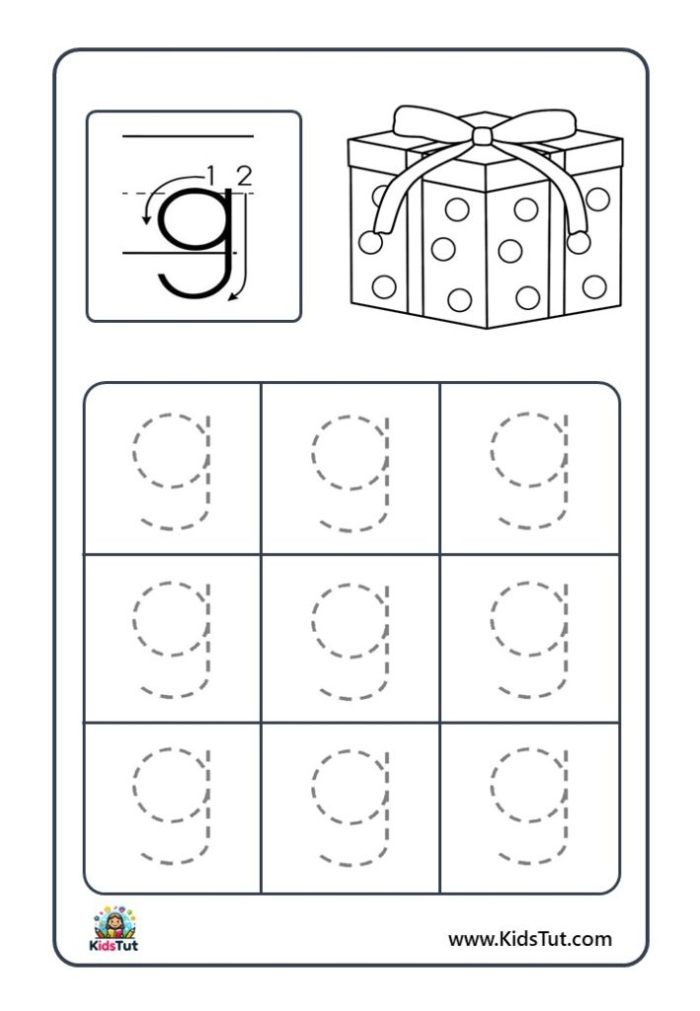
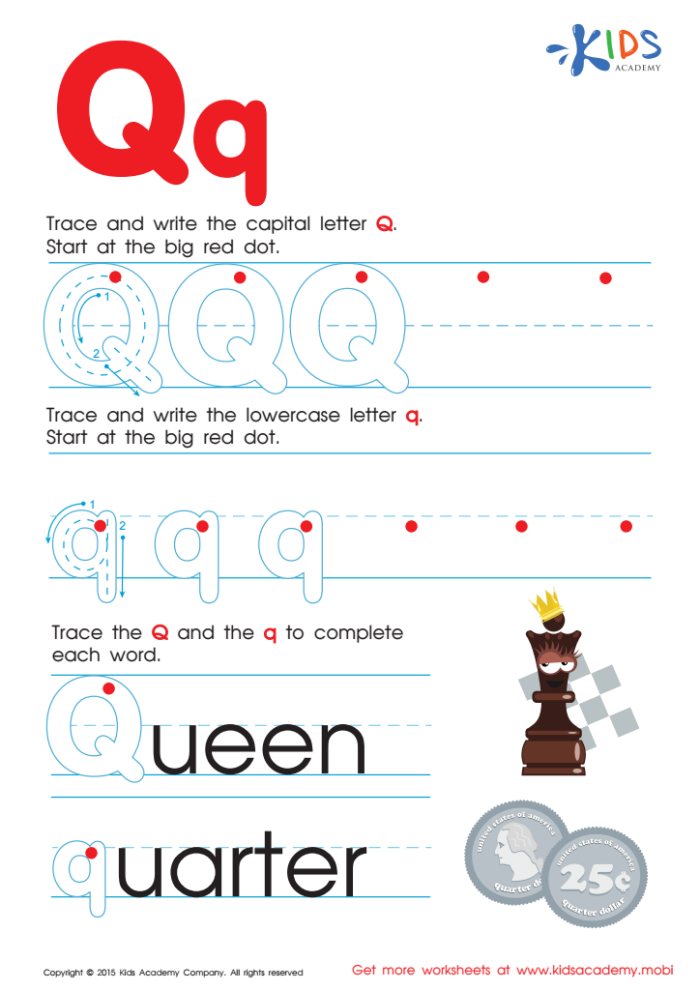
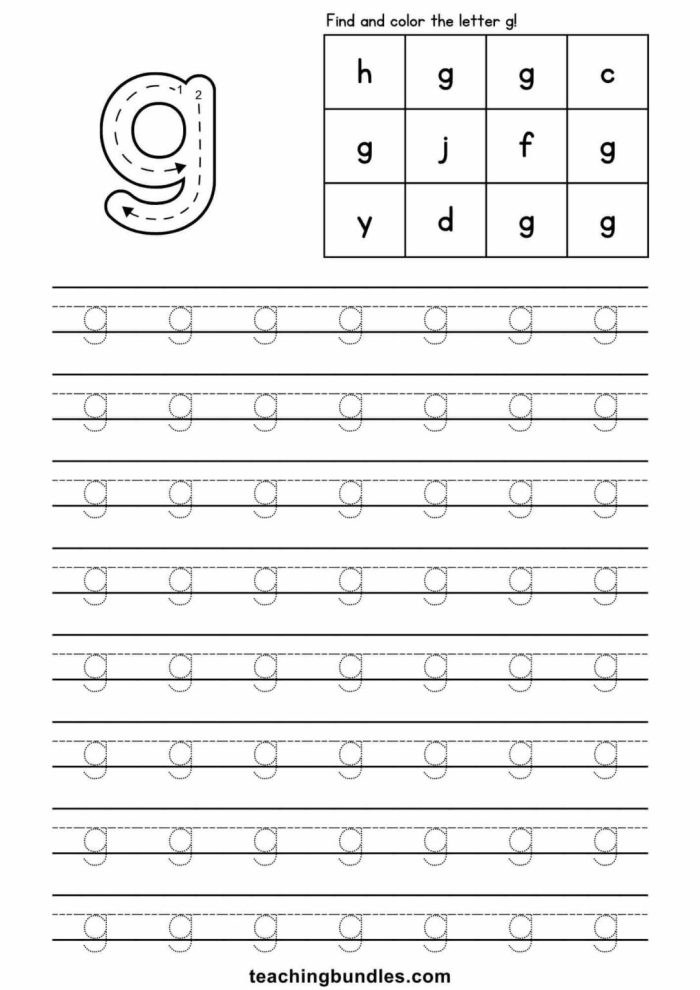
Lowercase letters g and q are indeed very similar, both in shape and the motions needed to write them. This similarity can be a challenge for young learners, especially in Pre-K, where developing fine motor skills is crucial. Understanding the basic hand motions required to form these letters can make writing easier and more enjoyable.
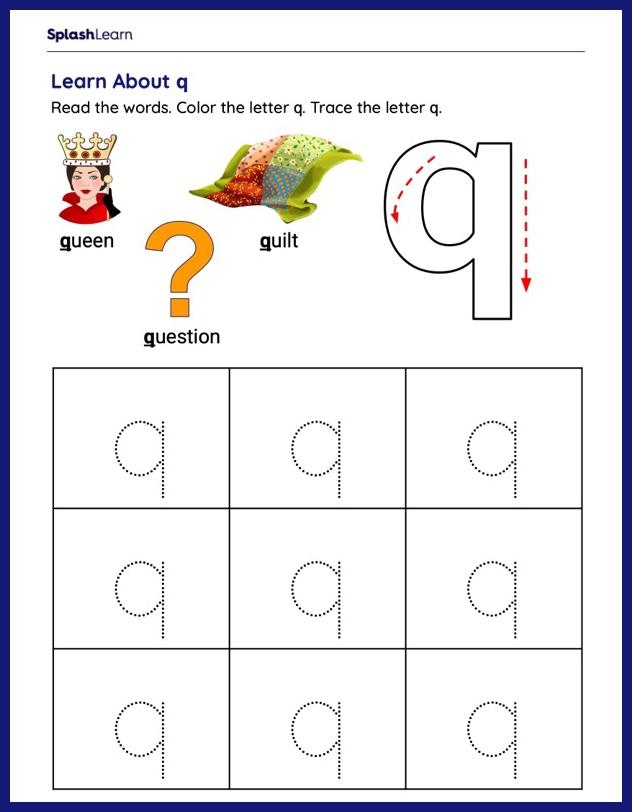
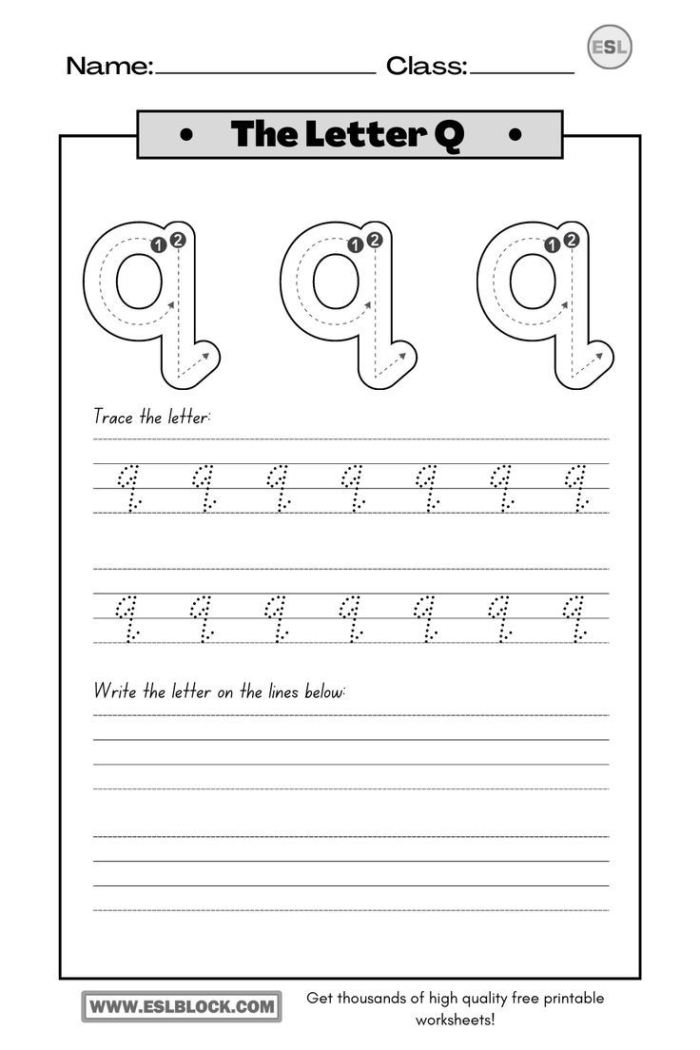
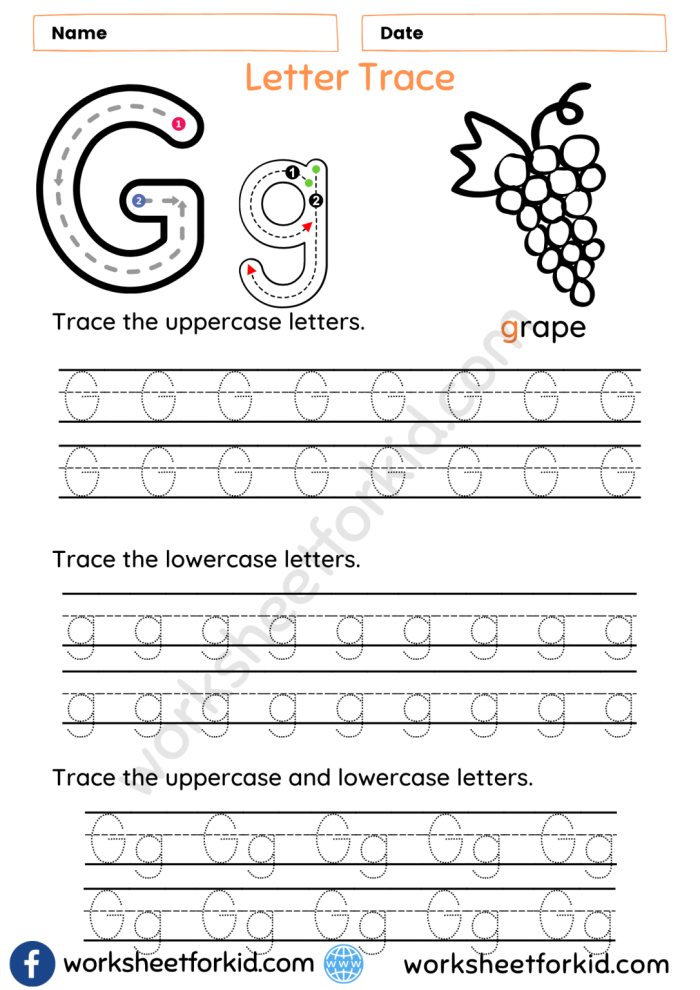
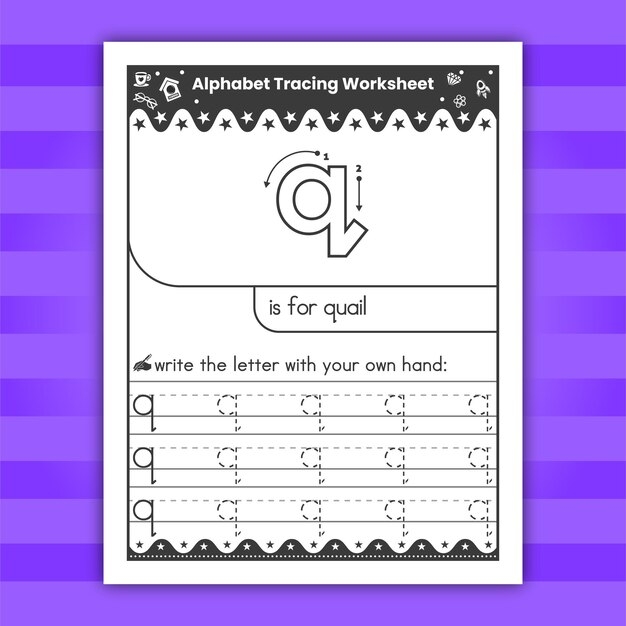
To start, it’s important to recognize the key differences between g and q. Both letters begin with a circular motion, but while g has a tail that dips below the line, q features a small line that extends to the right. This distinction can be highlighted through tracing practice pages, which provide a visual guide to help children grasp the differences through repetition.
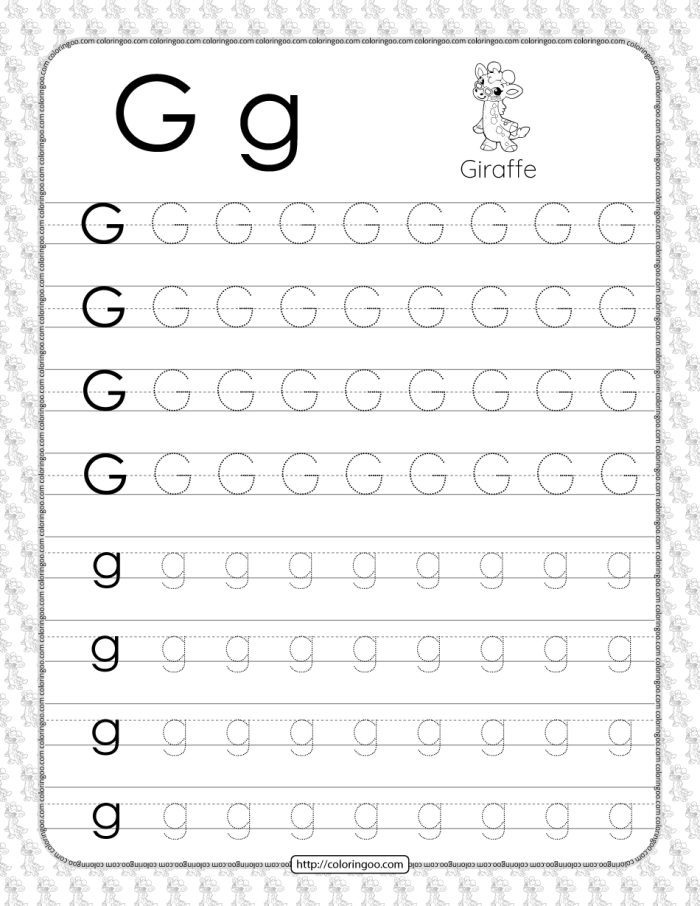
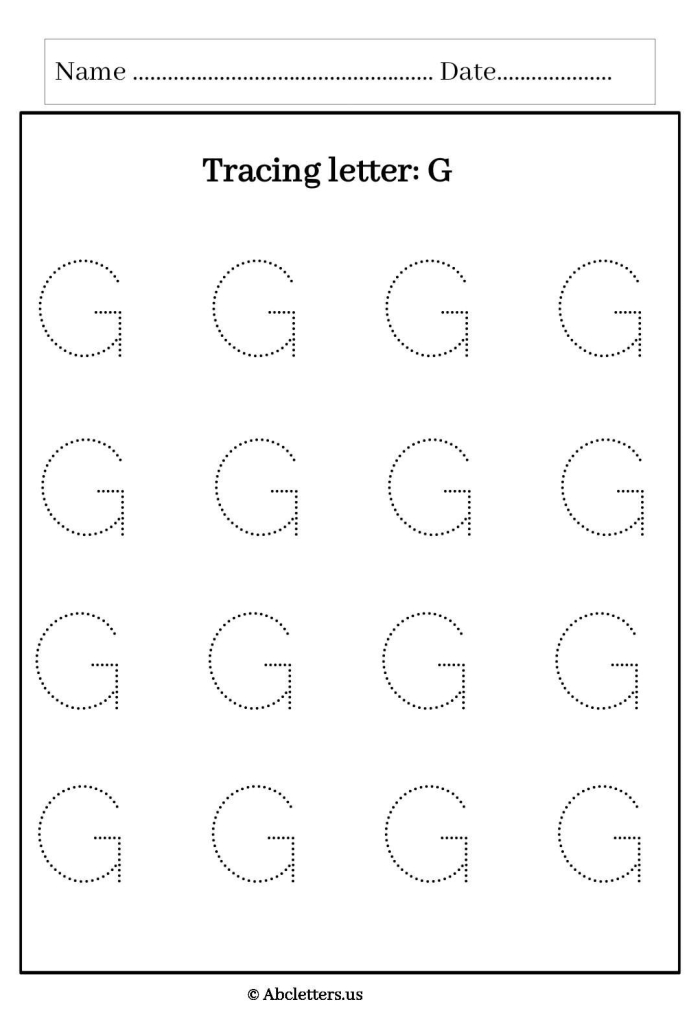
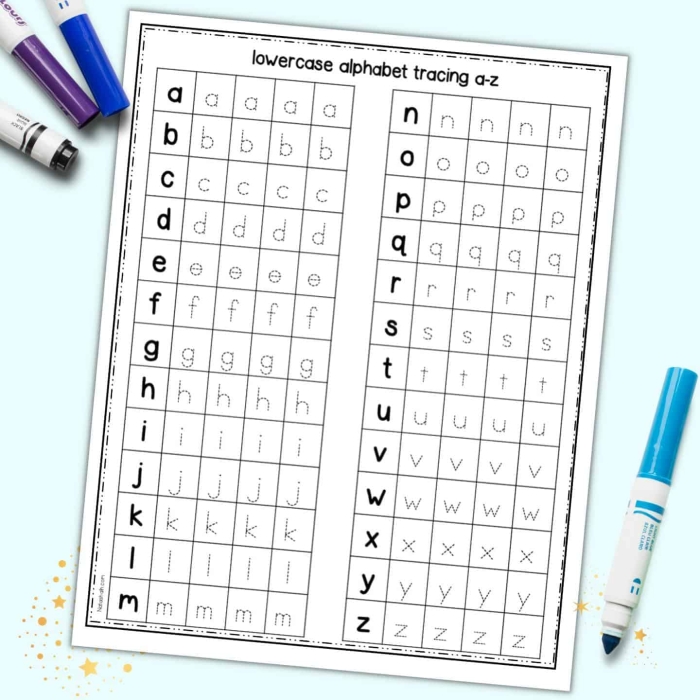
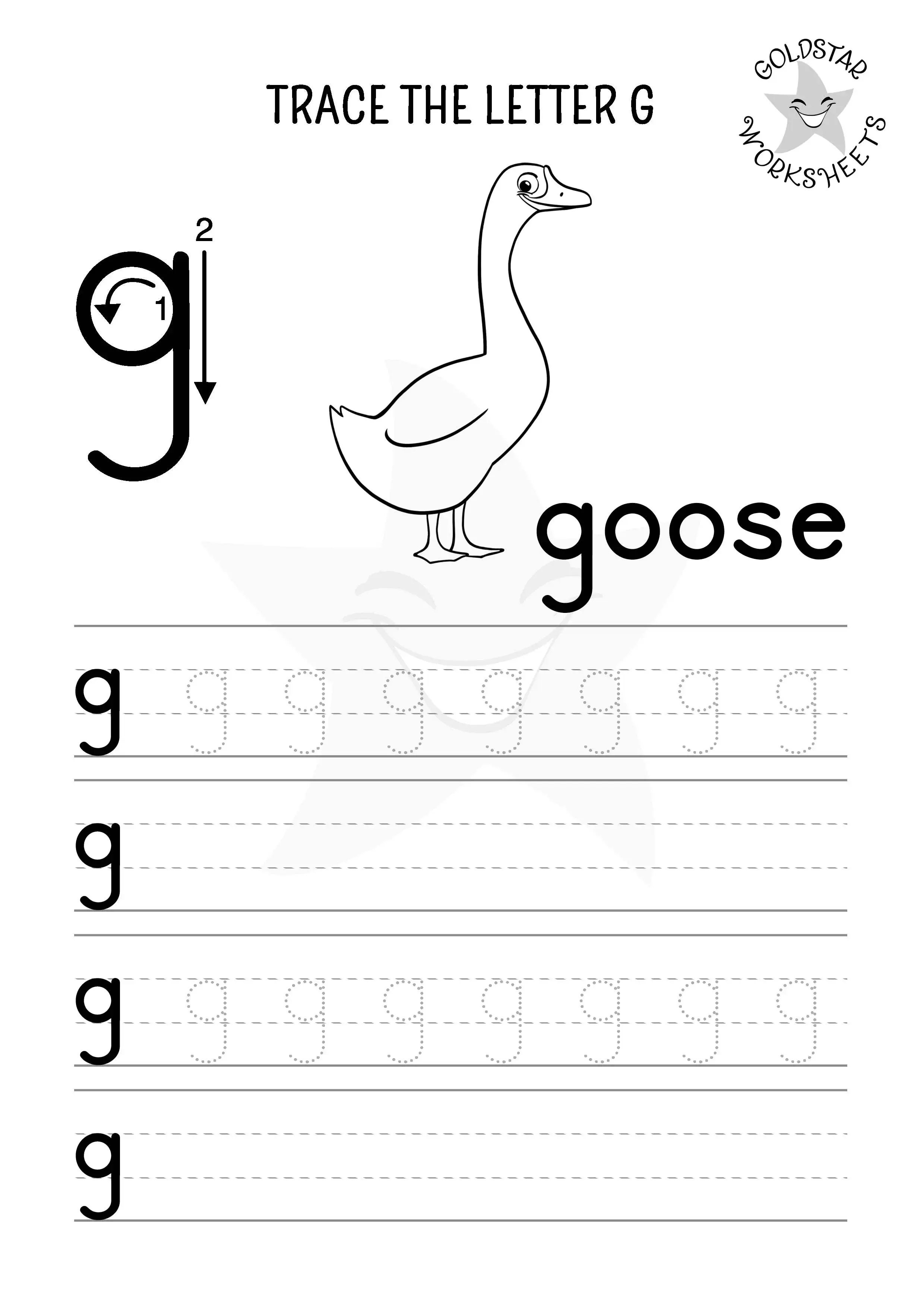
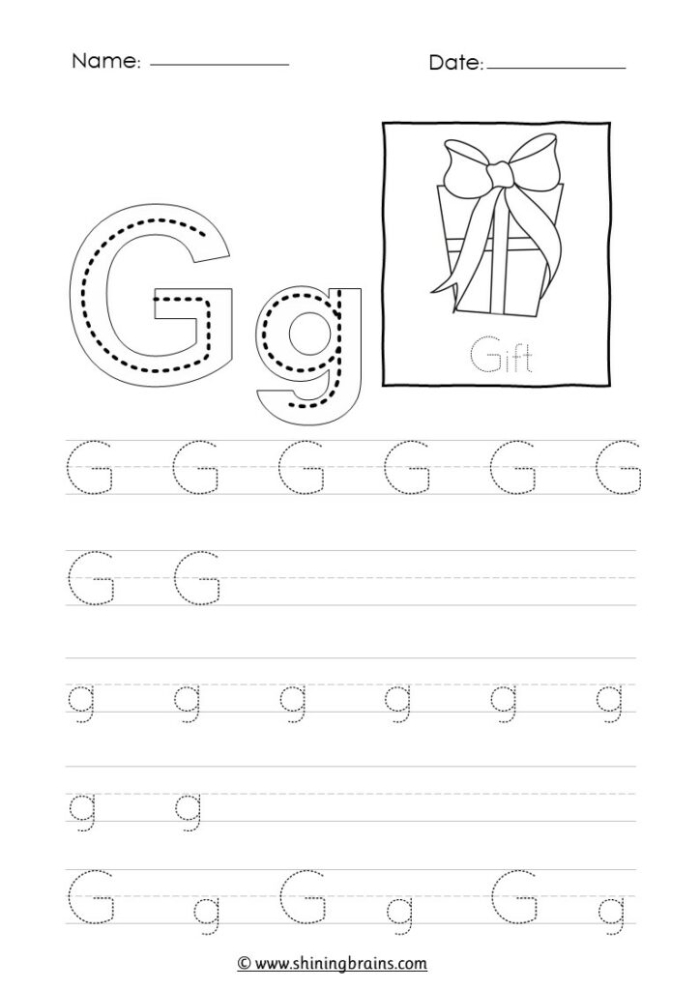
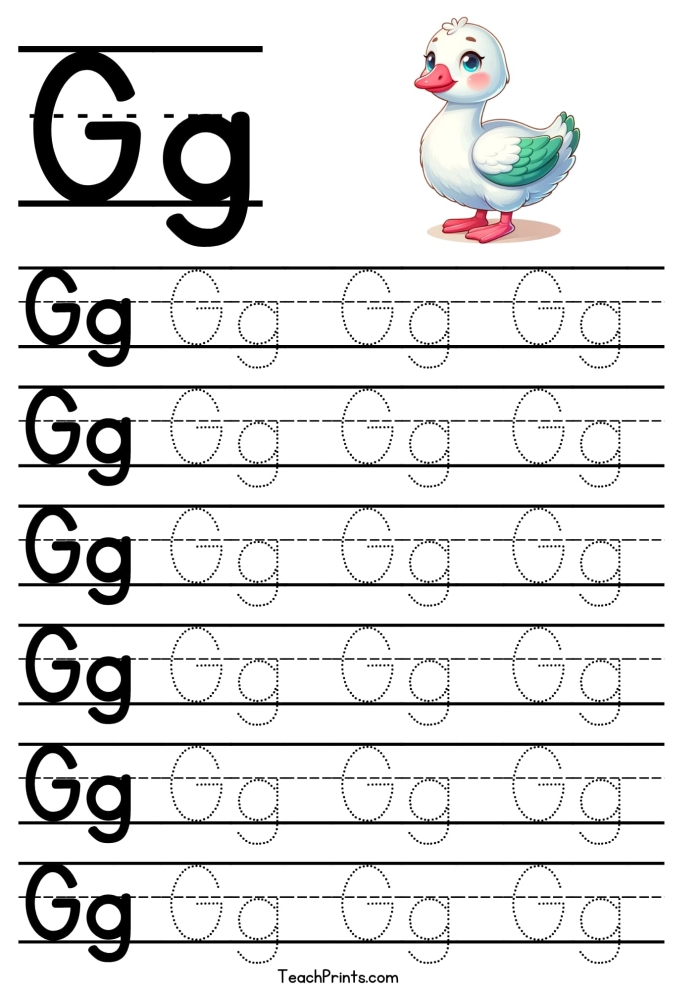
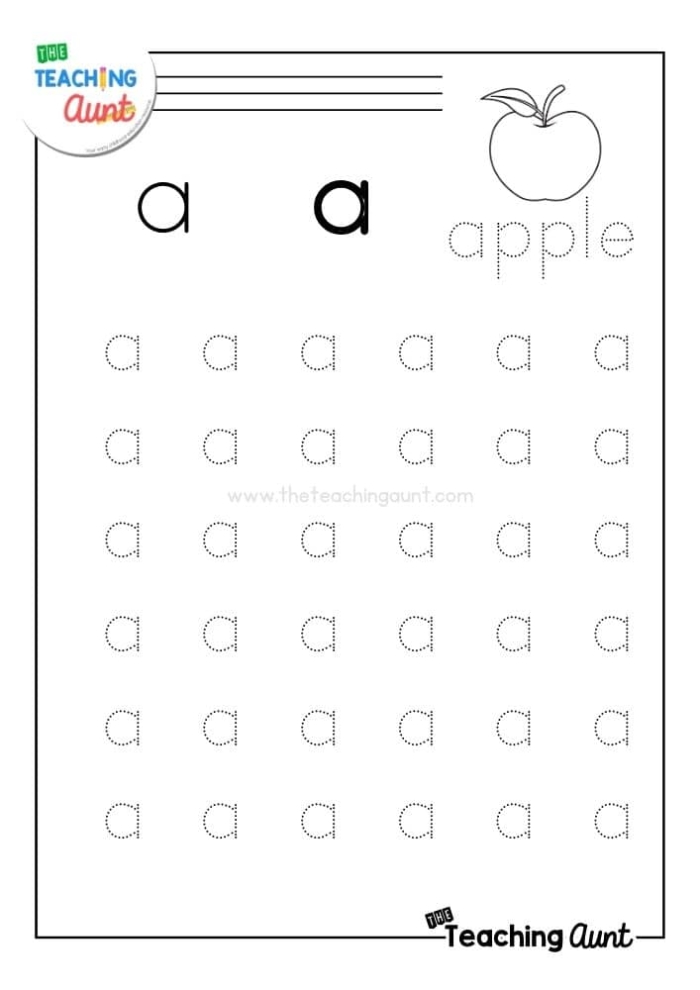
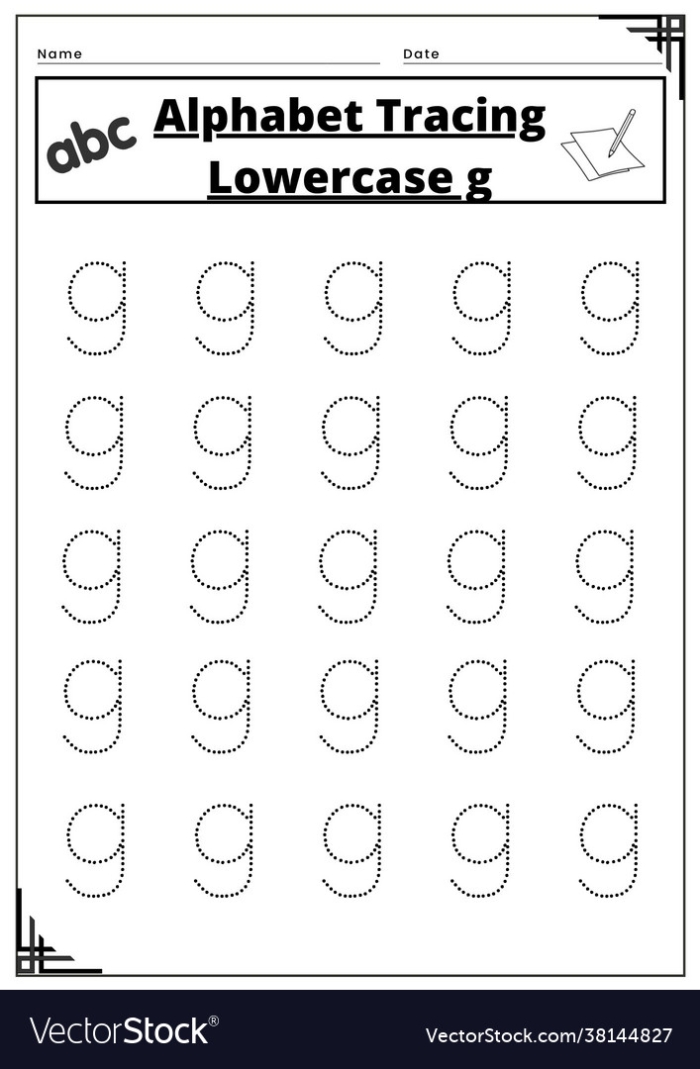
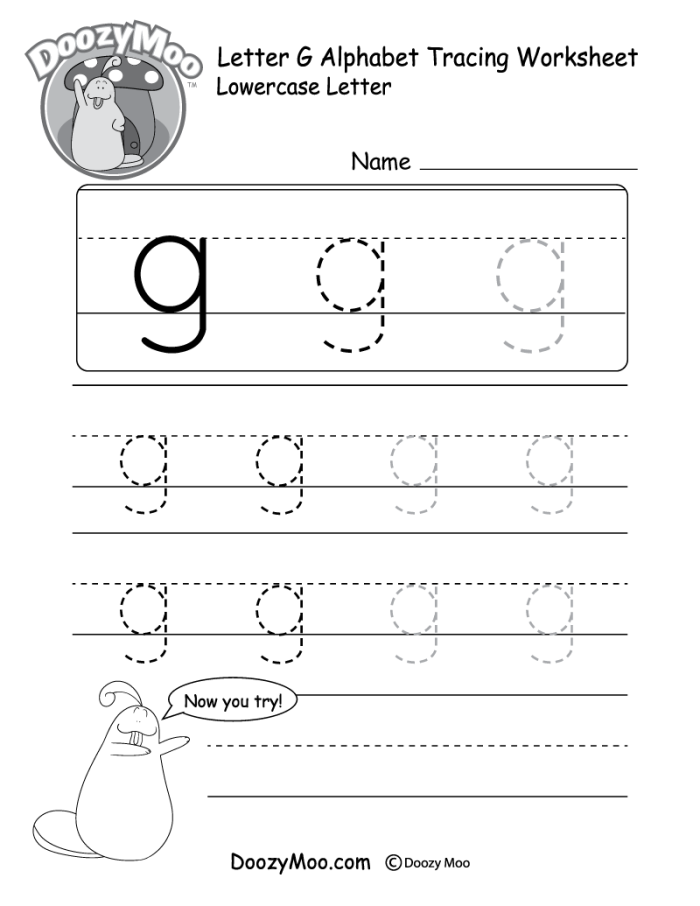
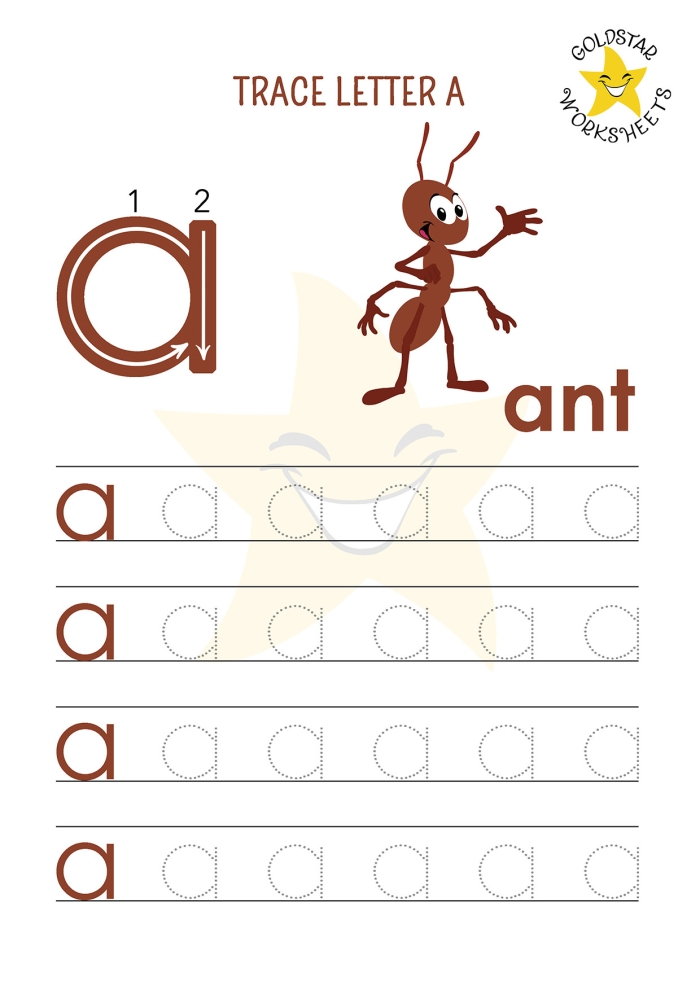
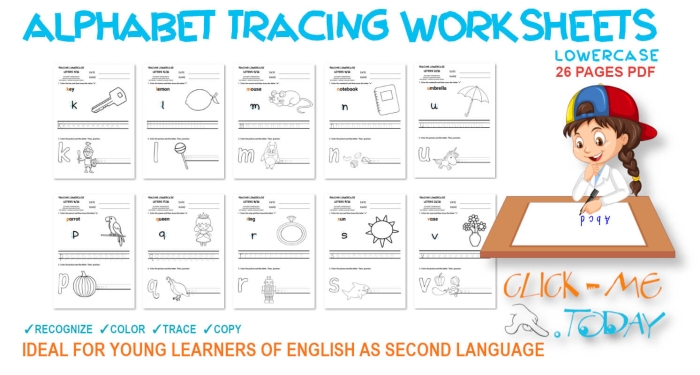
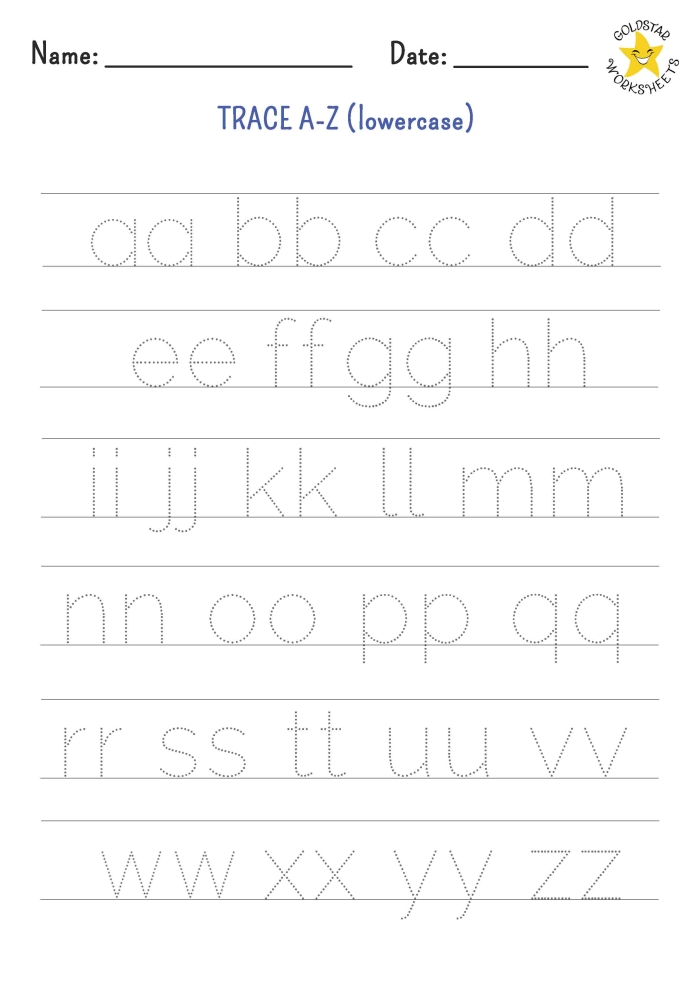
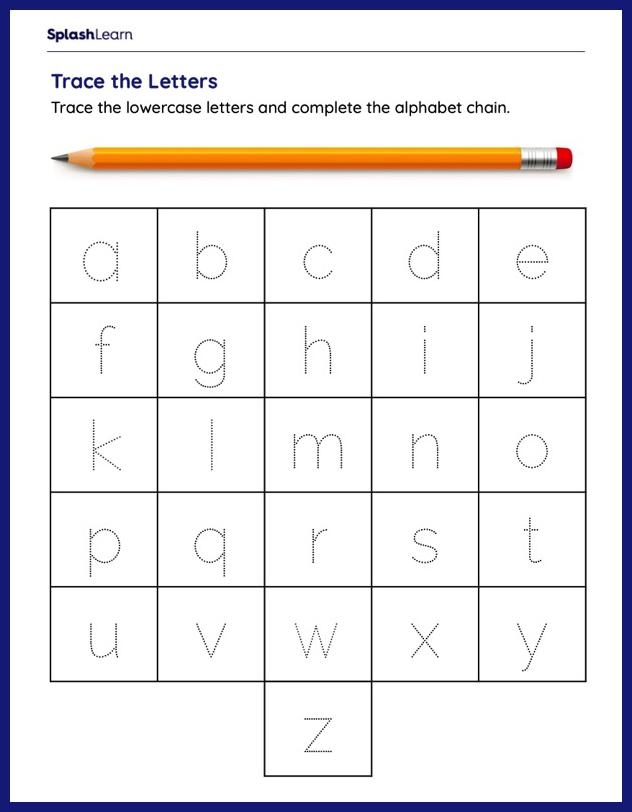
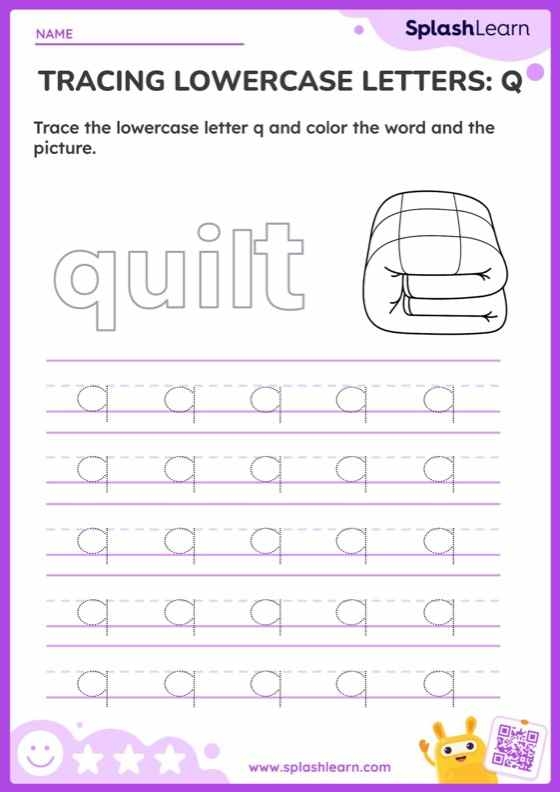
Using printable tracing worksheets specifically designed for lowercase letters g and q can significantly enhance learning. These worksheets allow children to practice the hand motions in a structured way. As they trace the letters, they develop muscle memory, making it easier to write independently later on. Engaging with such resources can also build confidence in their writing abilities.
In addition to practicing g and q, incorporating other related activities can enhance the learning experience. For instance, children can learn about words that start with these letters, connecting the writing practice to vocabulary development. Exploring content like W is for Worksheets can further reinforce the sounds and shapes of different letters, making literacy skills more comprehensive.
Ultimately, mastering the lowercase letters g and q through guided tracing can lay a strong foundation for future writing skills in Pre-K. For those interested in more tracing practice, resources like Tracing Lowercase Letters g,q Worksheets can be quite beneficial. Investing time in these activities not only aids in letter recognition but also fosters a love for writing from an early age.
Use These Worksheets Today