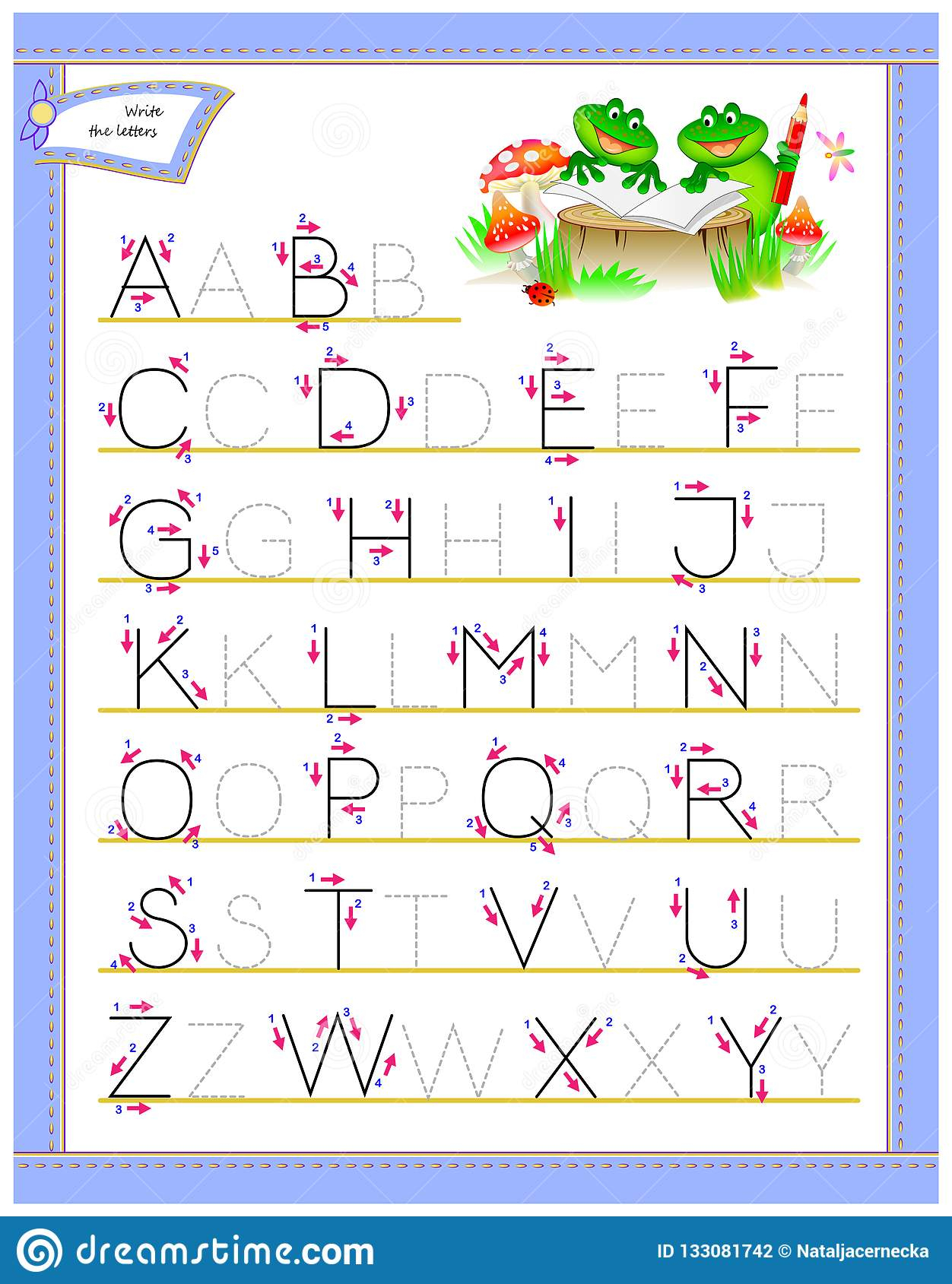
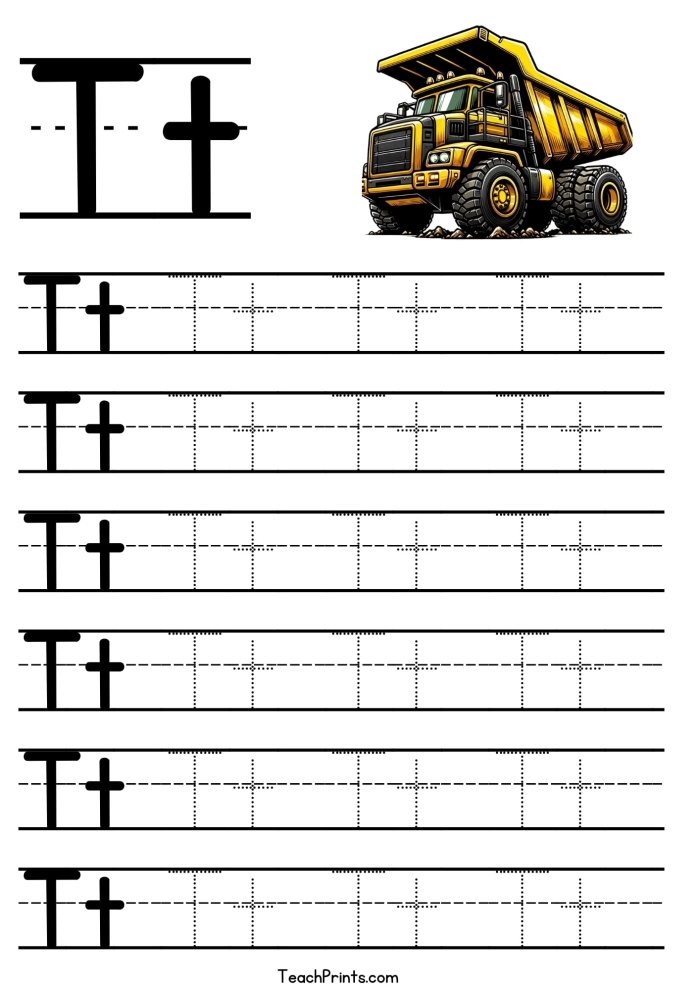
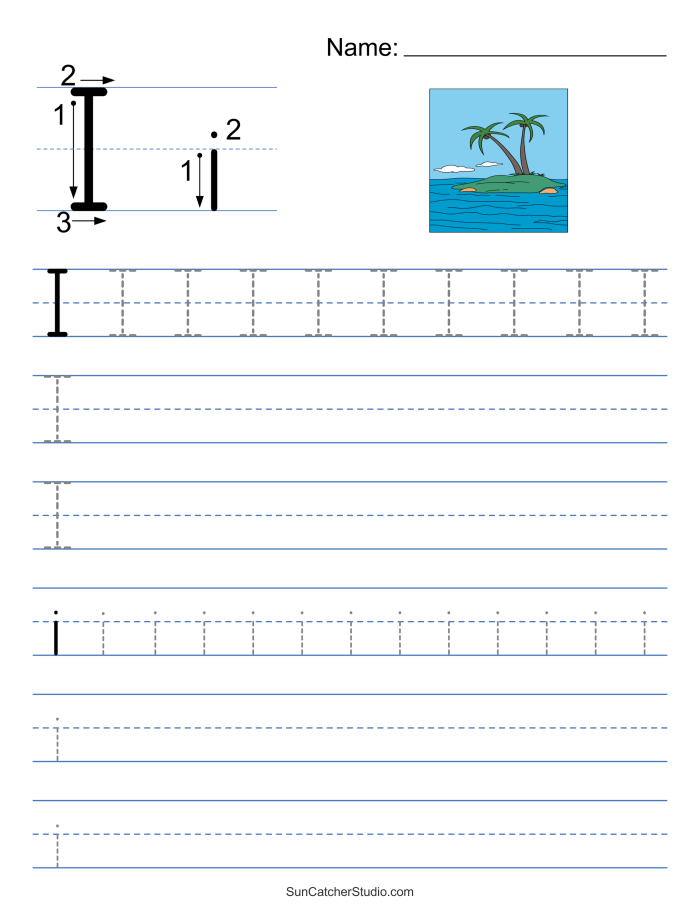
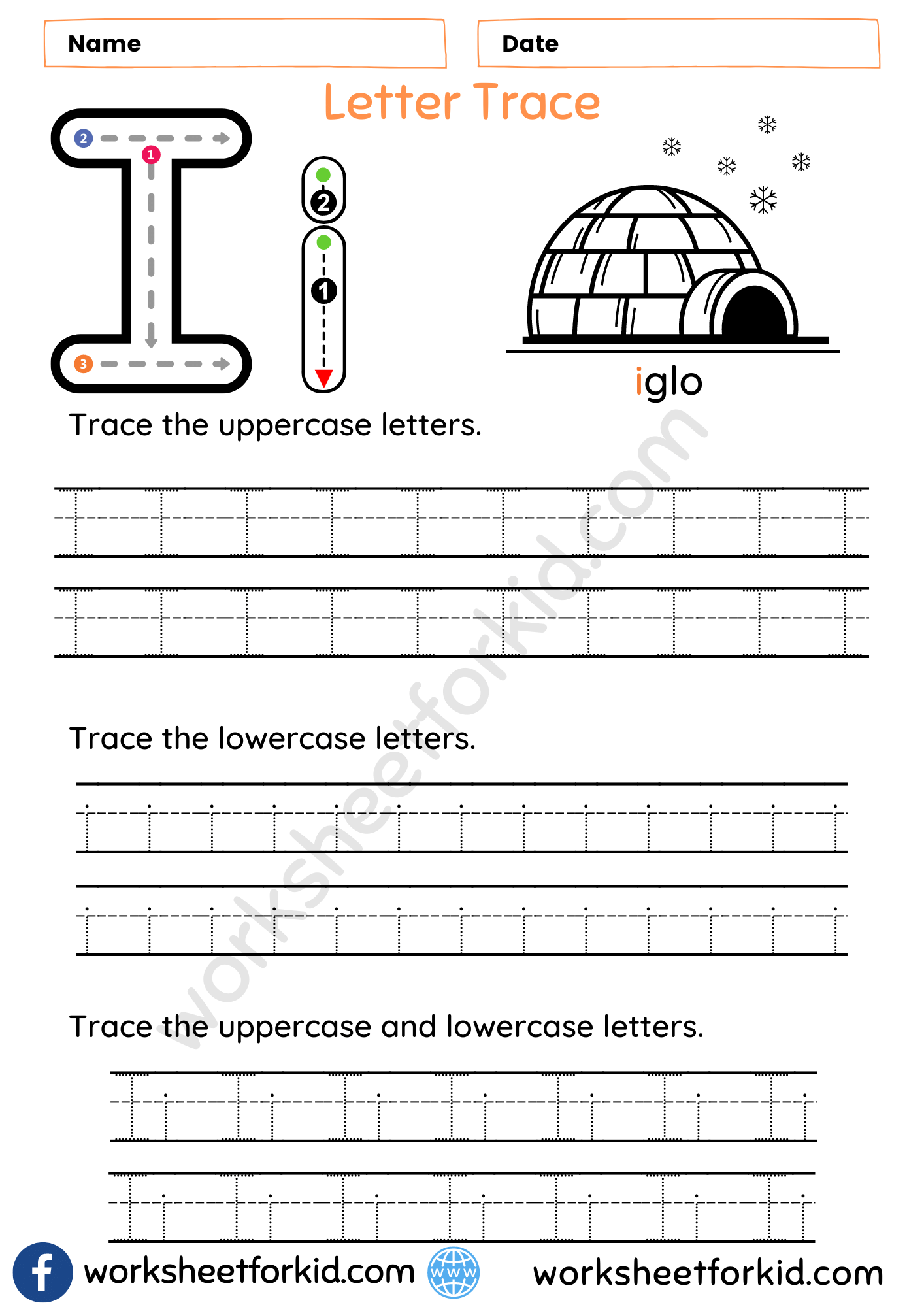
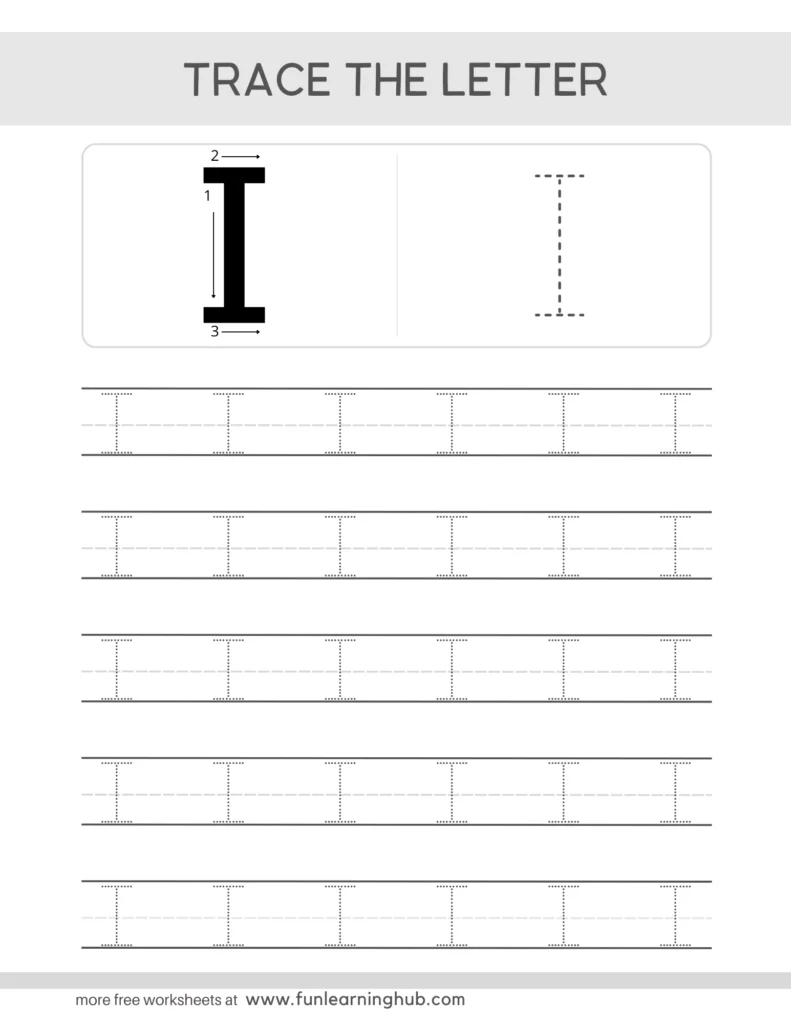
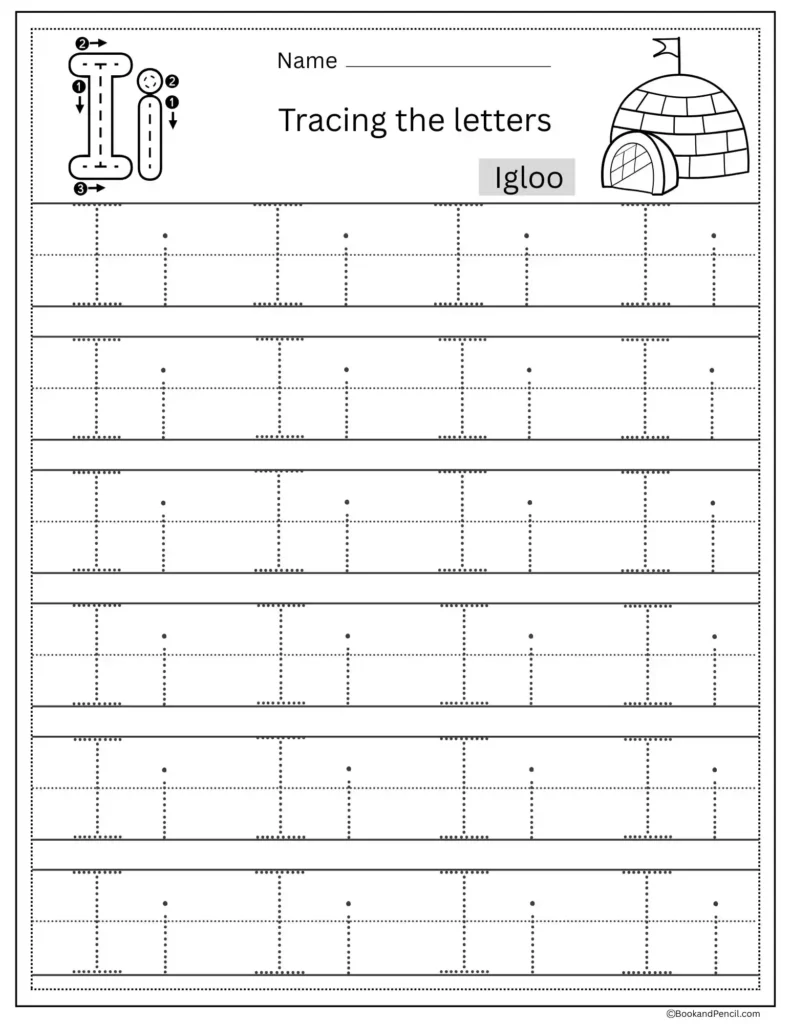
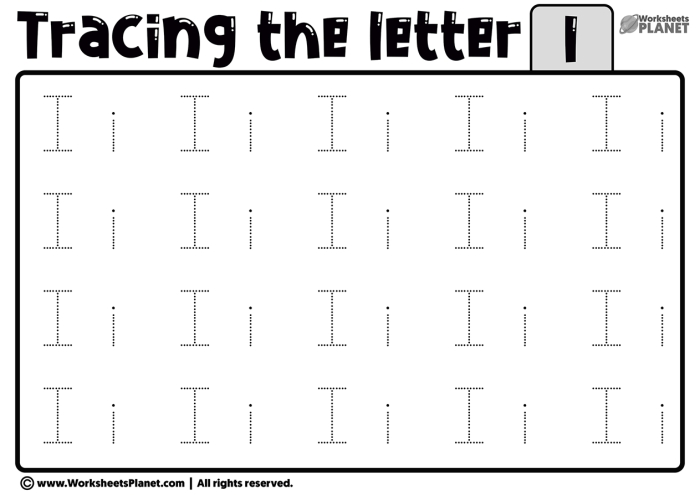
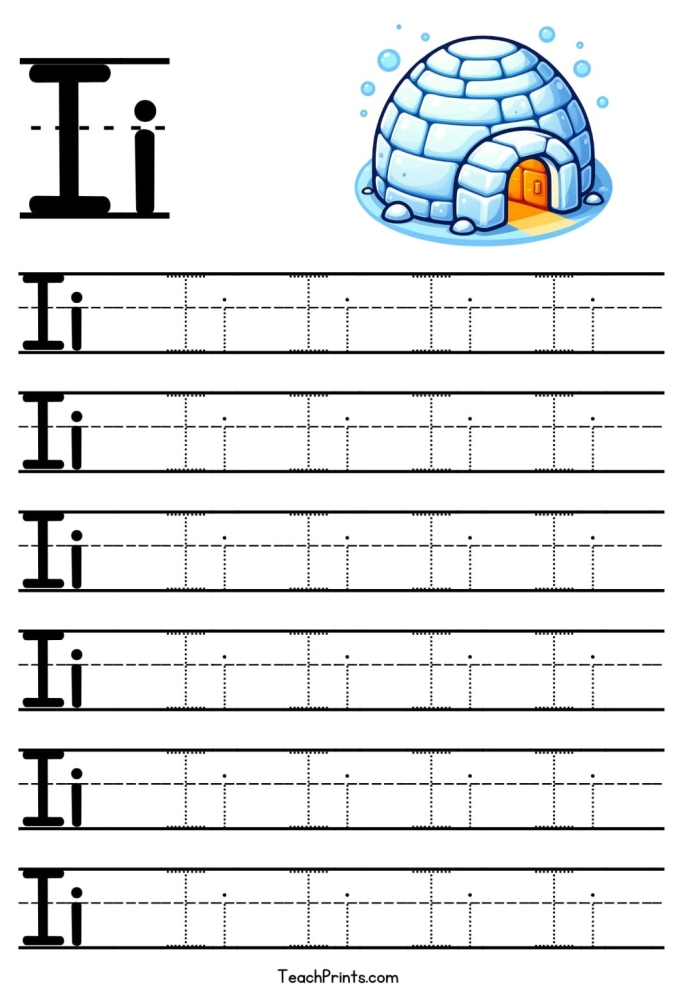
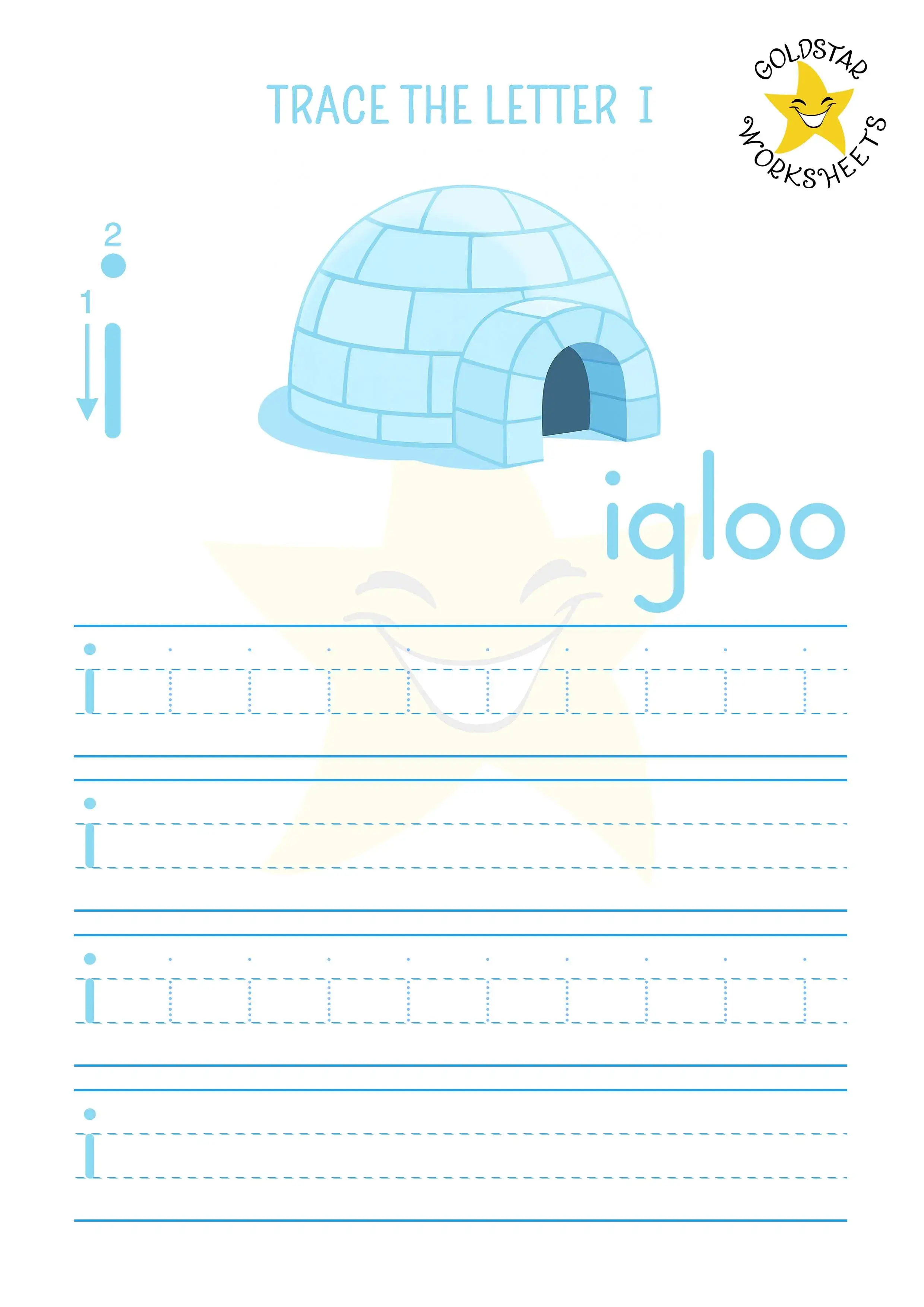
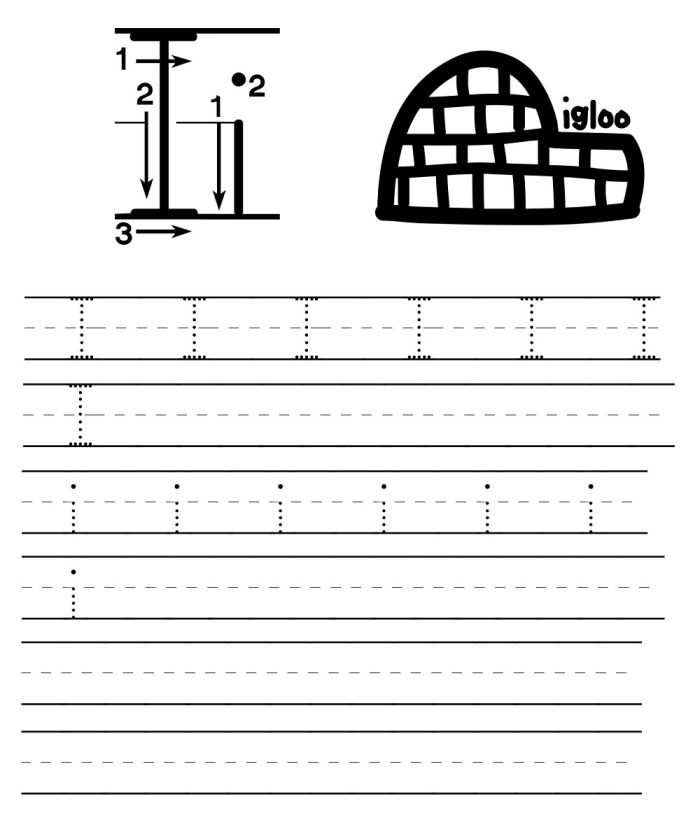
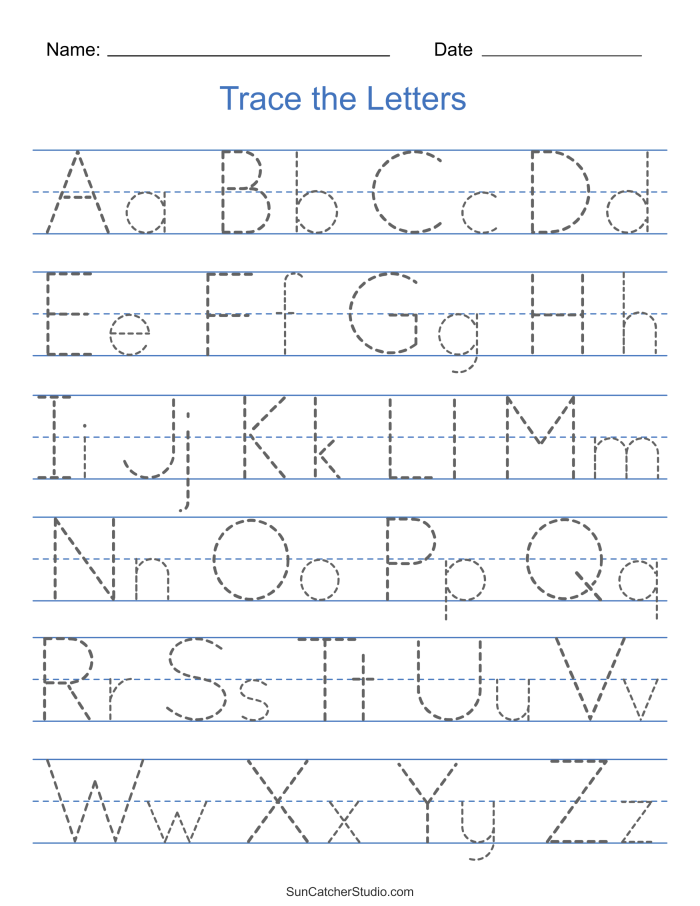
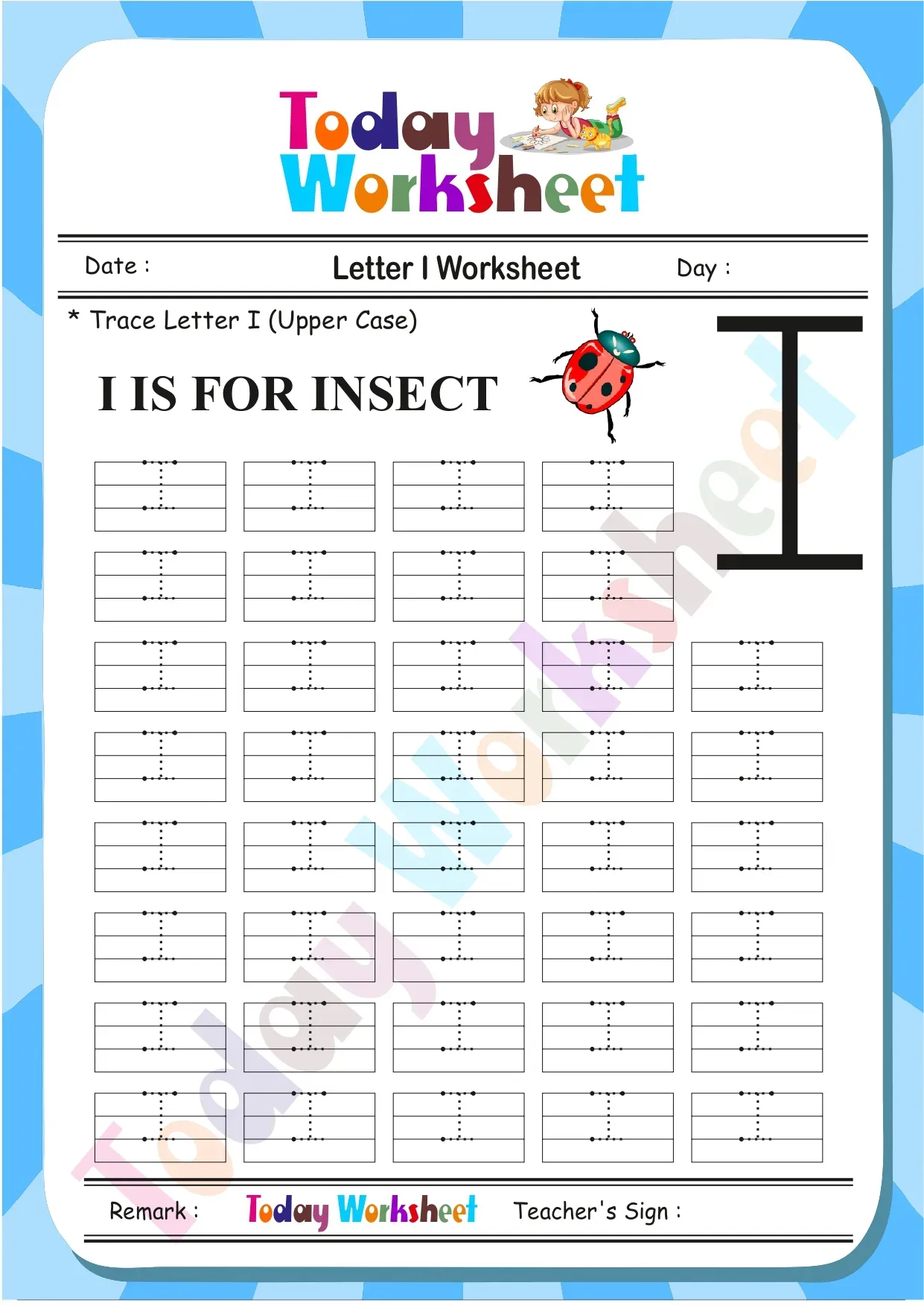
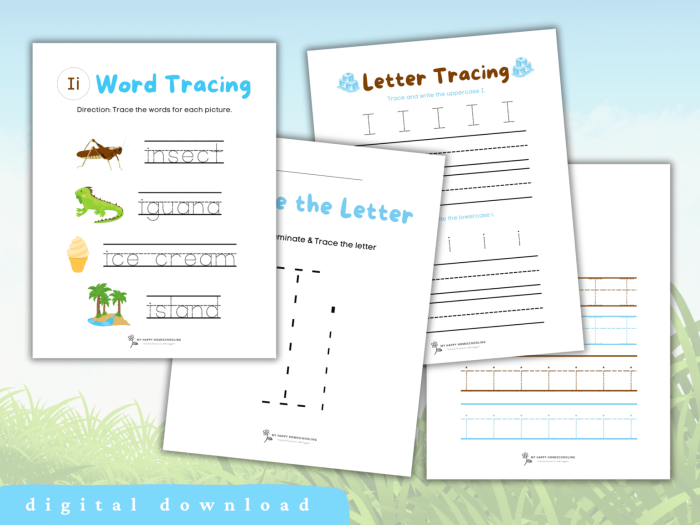
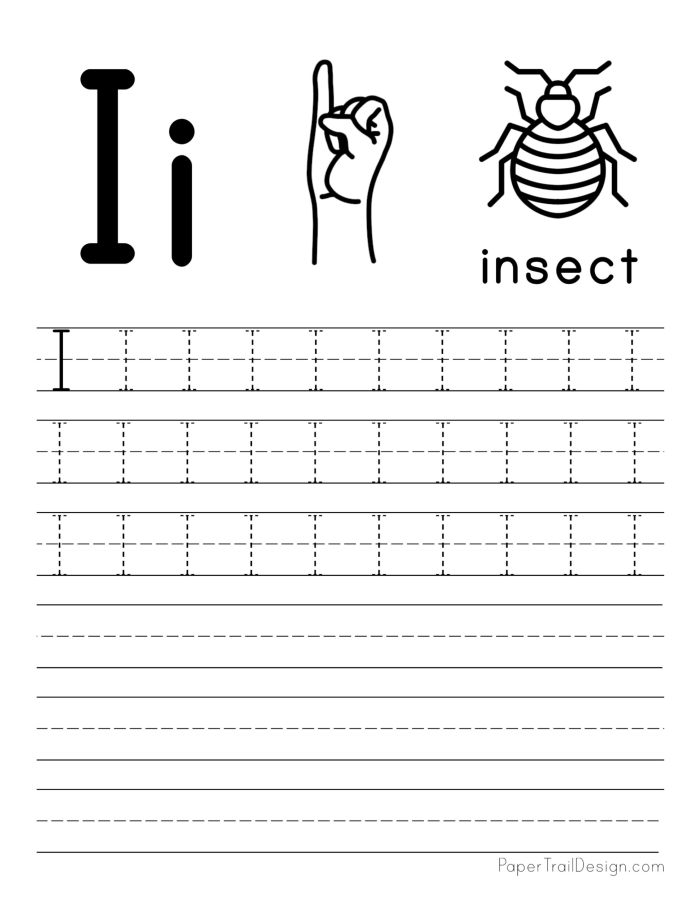
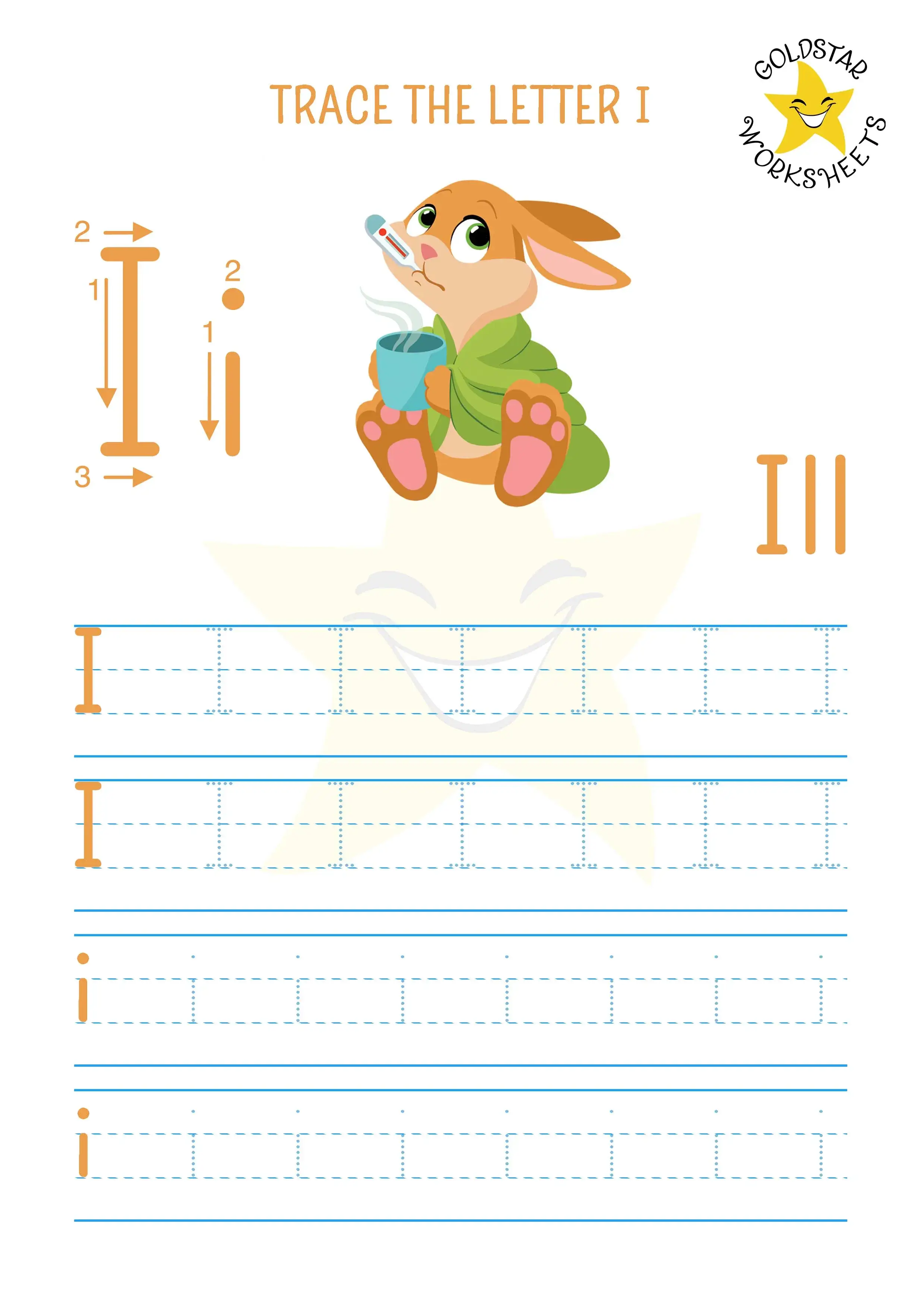
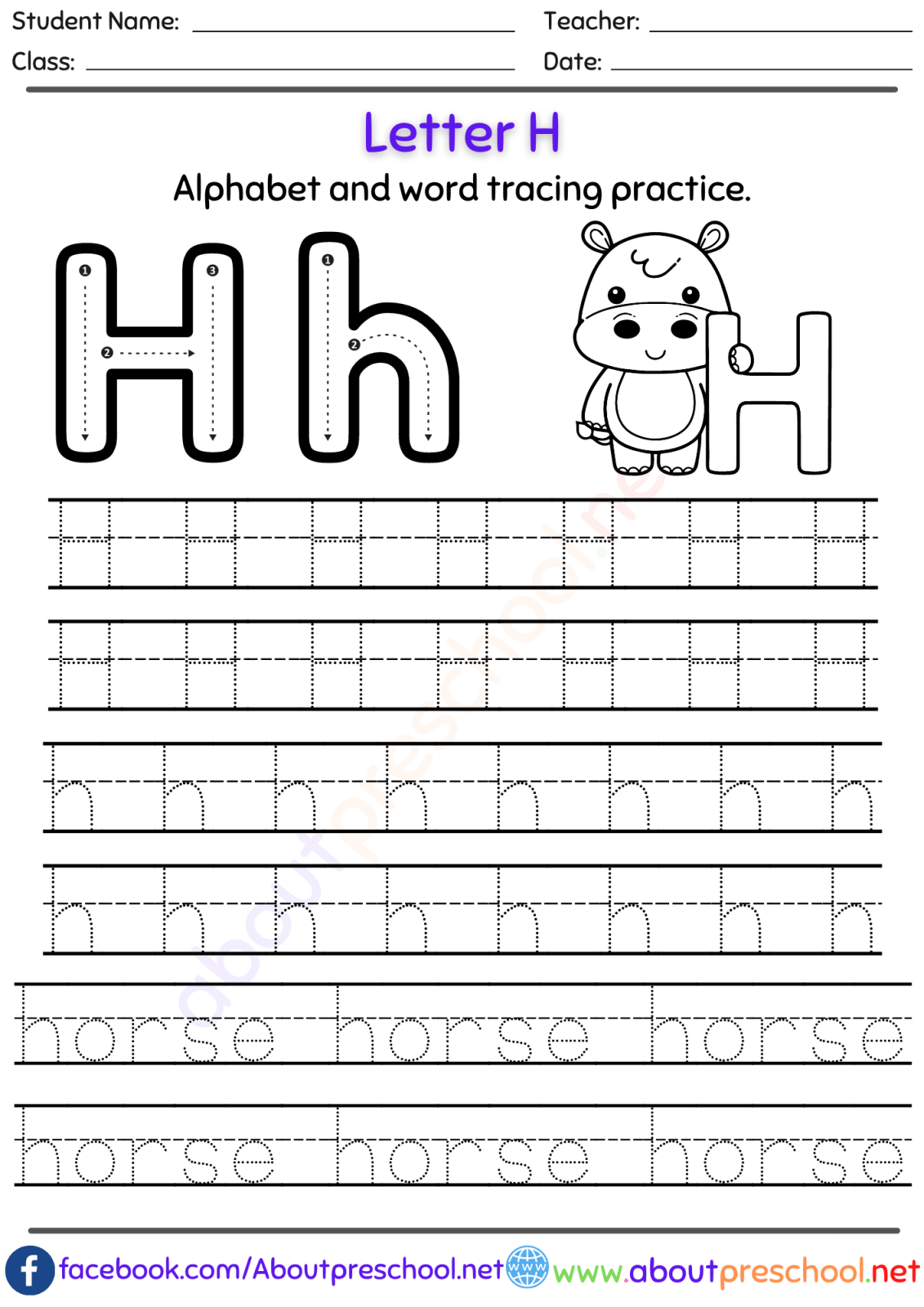
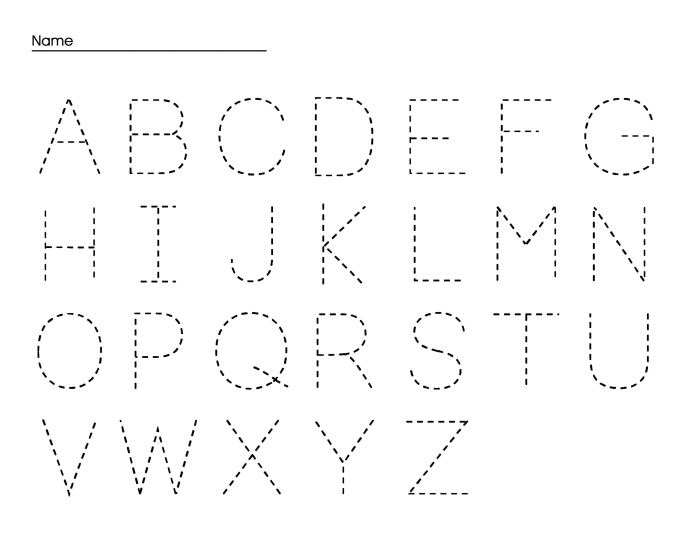
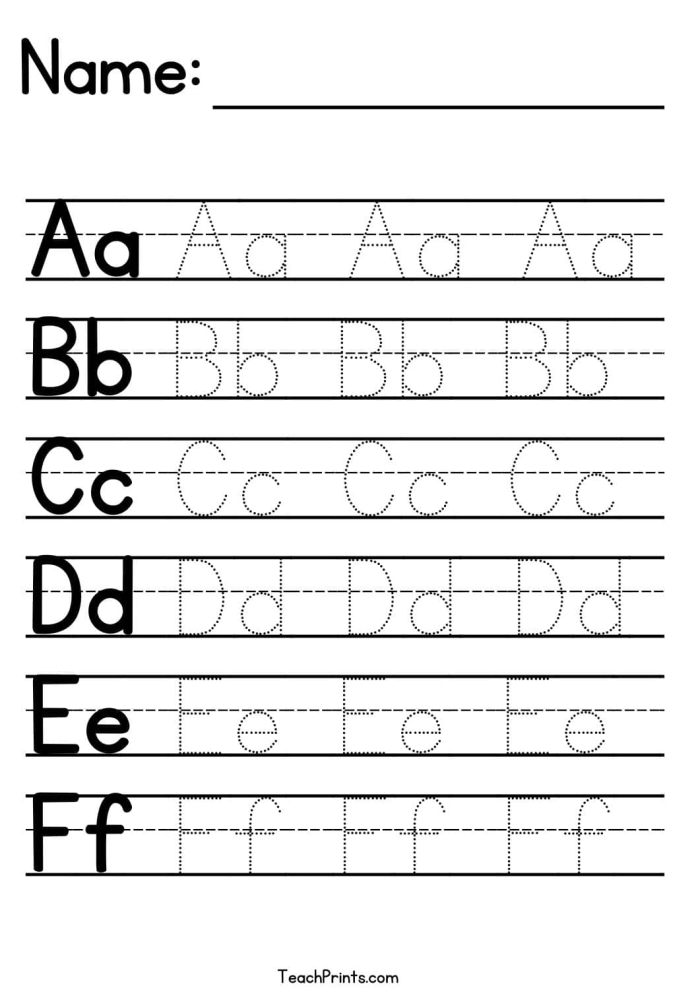
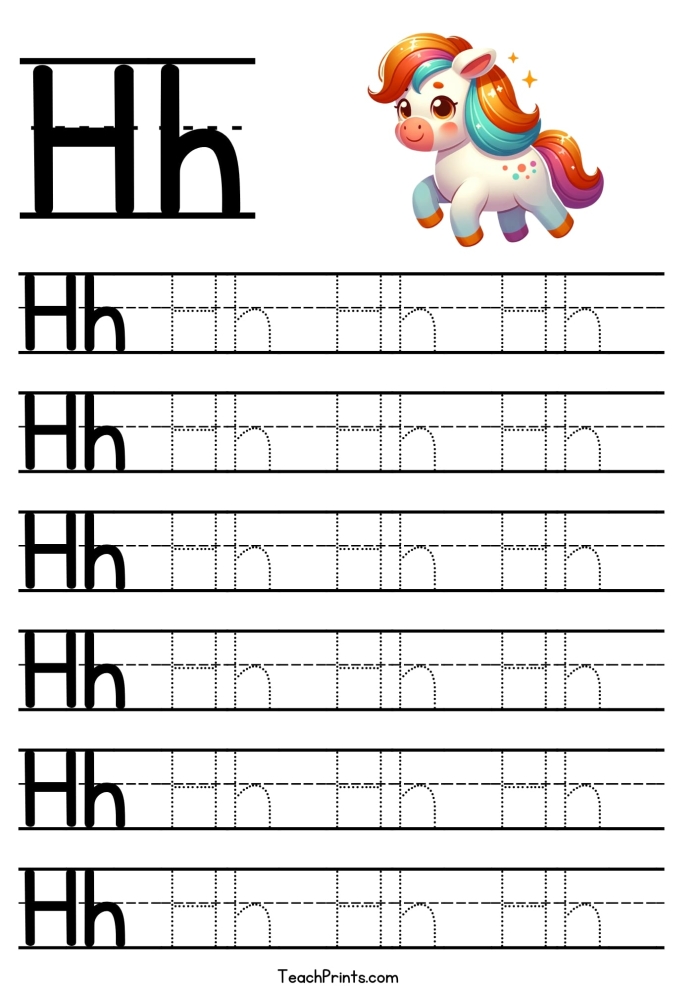
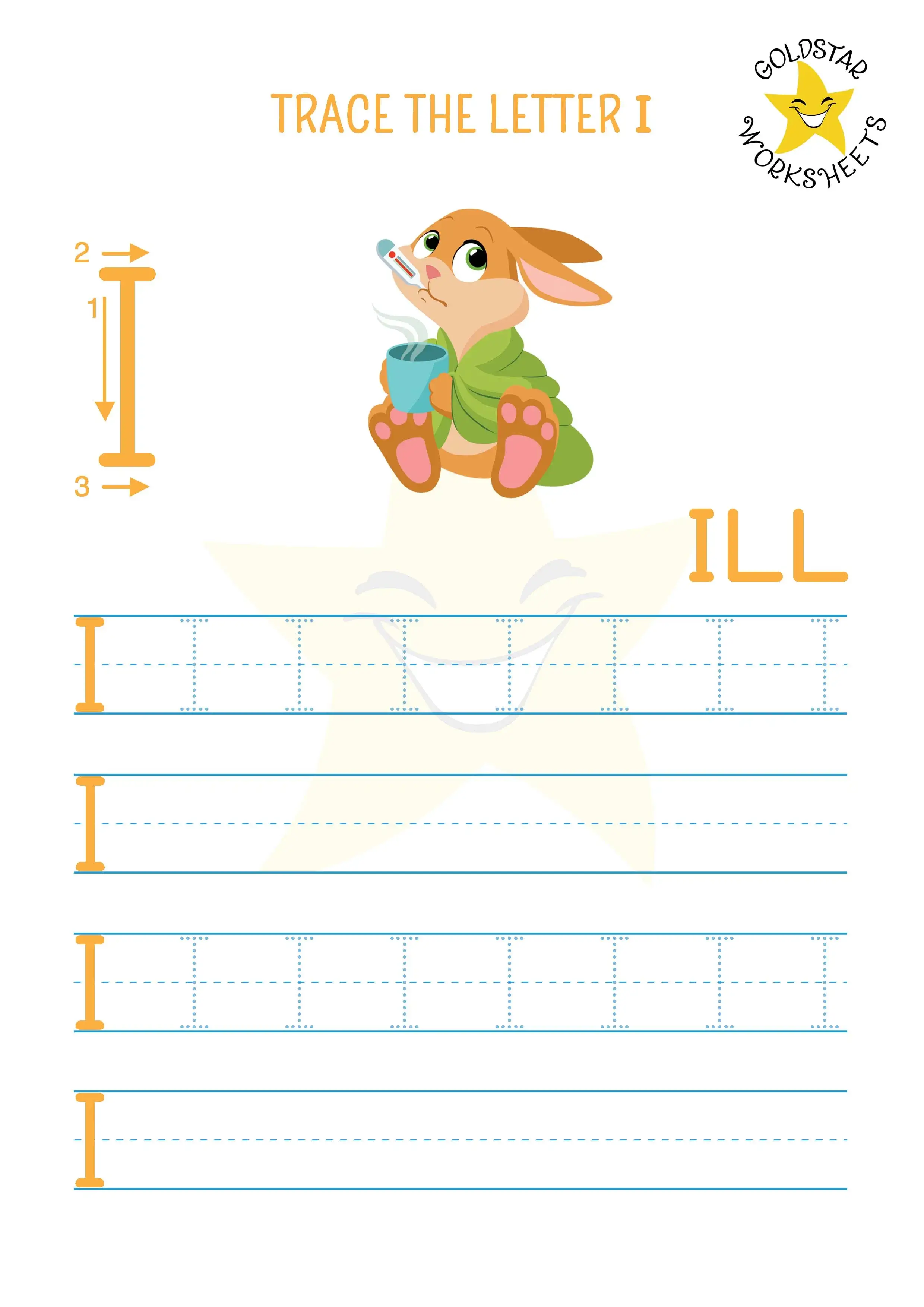
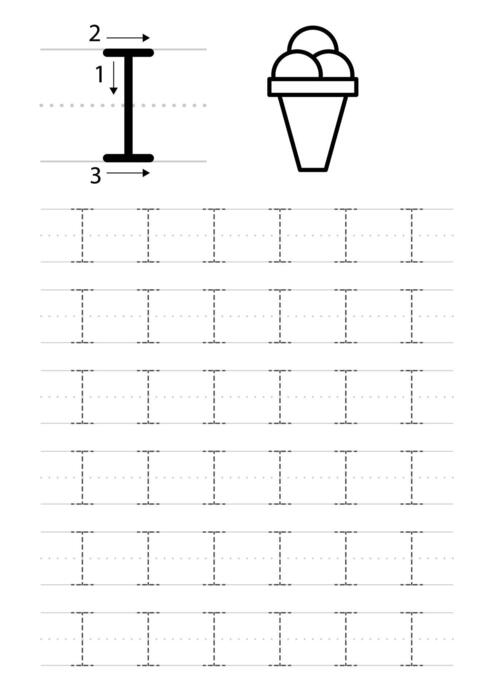
Tracing letters is the first step to building great handwriting skills! Many parents and educators know that developing fine motor skills early on lays the foundation for future writing success. For young learners, practicing simple vertical and horizontal lines can significantly enhance their ability to form letters, such as I, H, and T.
When children trace these basic shapes, they engage their hand muscles and improve their coordination. This practice not only helps them learn the structure of letters but also boosts their confidence as they see their skills improve. For instance, using a starter page that focuses on tracing these lines can make learning fun and interactive.
Incorporating tracing exercises into a child’s routine can be straightforward. You might begin with a simple worksheet that features large, clear lines for them to follow. As they become more comfortable, you can gradually introduce more complex letters and shapes. This progression keeps them engaged and challenges their developing skills. Additionally, offering praise and encouragement throughout the process makes a significant difference in their motivation.
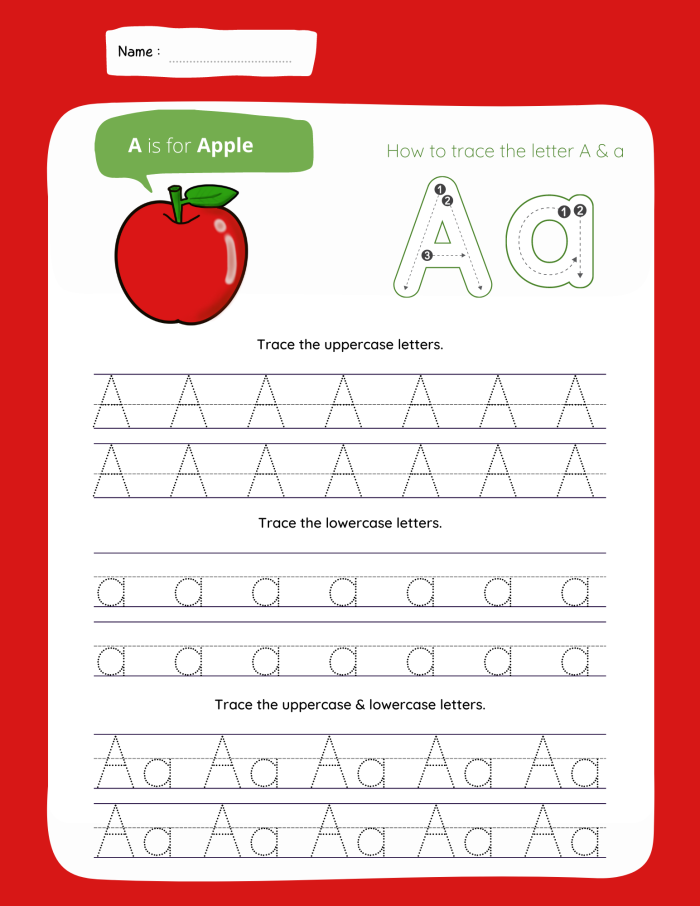
For those looking to enrich their Pre-K curriculum, consider utilizing tracing worksheets that incorporate numbers and counting. This not only reinforces their letter tracing but also introduces essential numerical concepts. By blending letter and number tracing, children can see connections between writing and counting, further enhancing their learning experience.
As they trace letters like I, H, and T, children are not just practicing handwriting; they are building a vital skill set that will serve them throughout their educational journey. With consistent practice and the right resources, such as printable tracing worksheets, these early learners can thrive in both handwriting and numeracy.
Worksheet Practice Section