Uh oh, it looks like there’s been a time mix up! When your first grader stares blankly at an analog clock, you’re not alone. Teaching kids to read traditional clocks is one of those skills that seems simple until you actually try explaining it to a six-year-old.
The challenge with analog clocks is that they require understanding multiple concepts at once. Your student needs to grasp that the short hand shows hours, the long hand shows minutes, and they move at different speeds. Plus, they have to visualize time as circular rather than linear like a digital display. It’s abstract thinking wrapped in mechanical movement.
The best approach is to make it playful rather than frustrating. Start with a real clock or a teaching clock where you can physically move the hands. Let your student manipulate the hands themselves while you call out times. Ask them to show you 3 o’clock, then 3:30, then 2:15. This hands-on practice builds intuition faster than worksheets alone.
Pairing clock practice with other first grade math activities helps reinforce time concepts naturally. Single digit addition and data graphing exercises can include time-based questions, like “If we start at 2 o’clock and play for one hour, what time do we finish?” This connects abstract time learning to real situations.
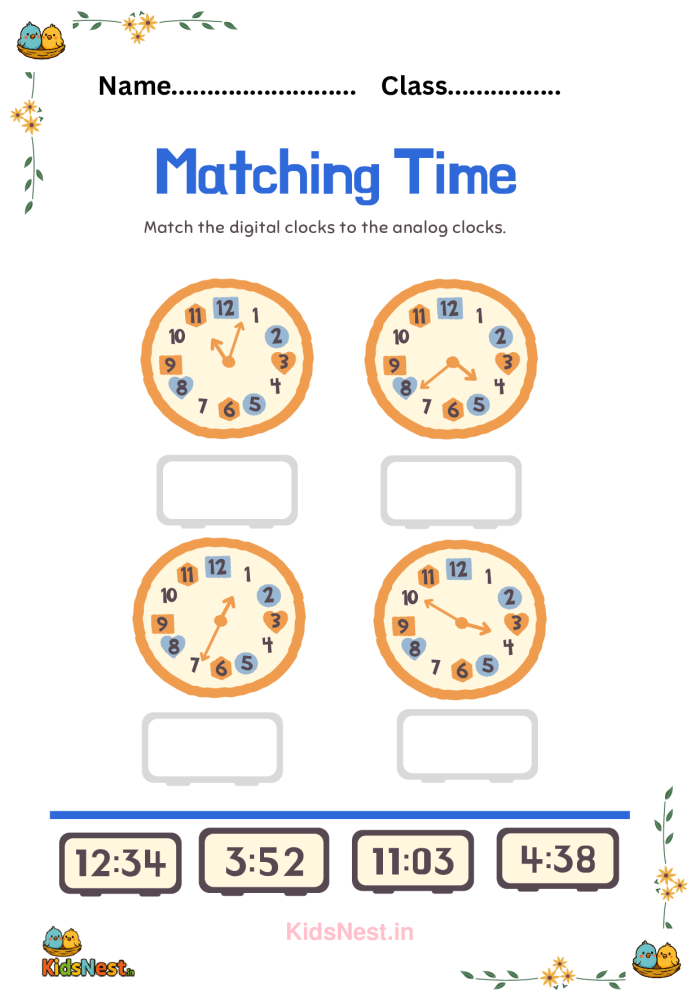
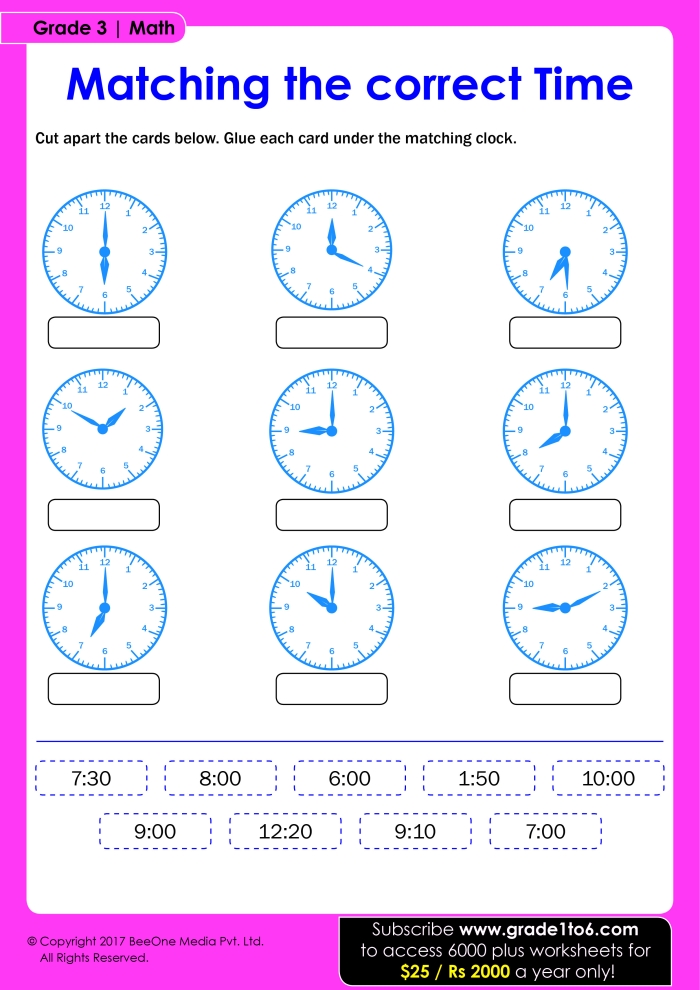
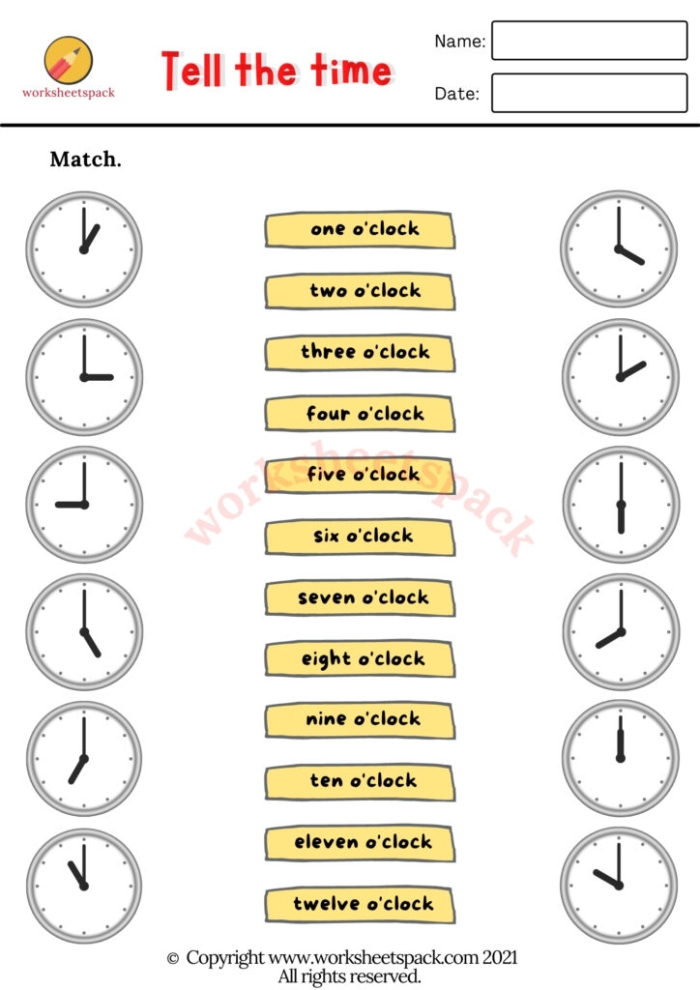
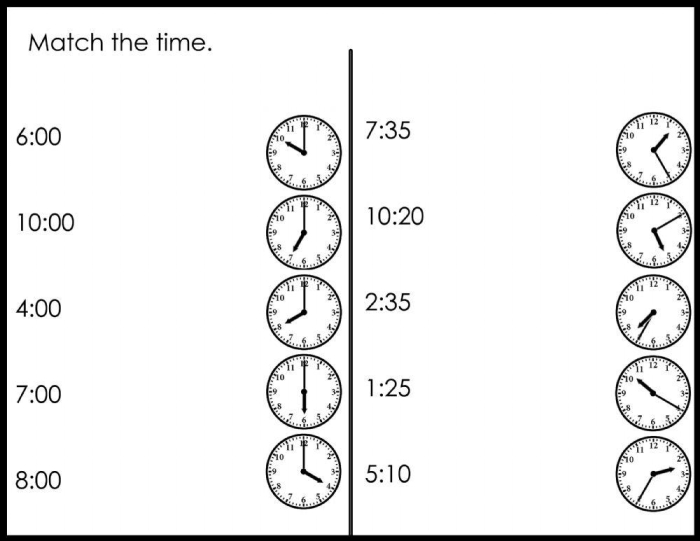
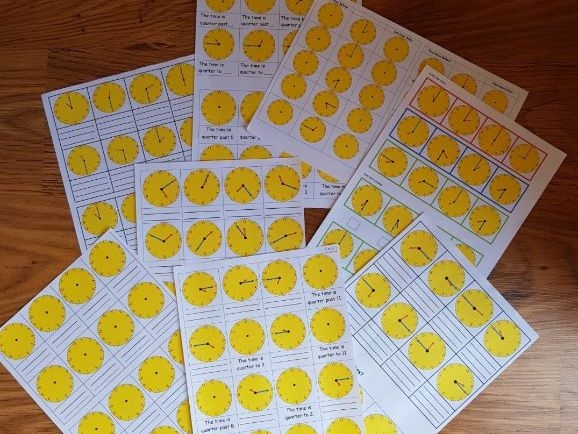
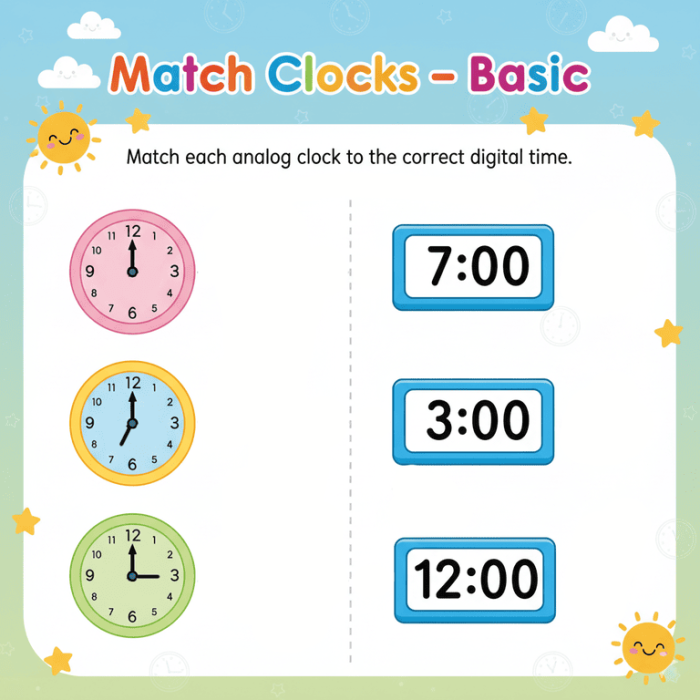
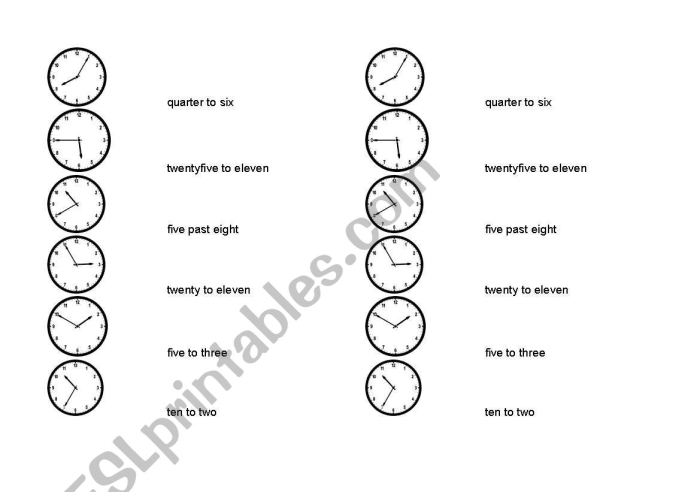
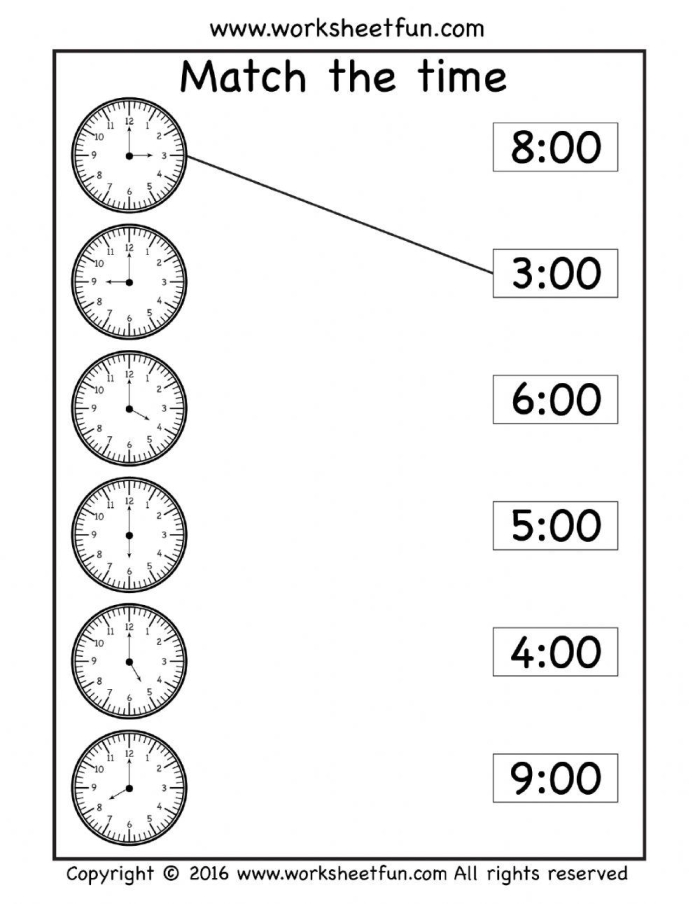
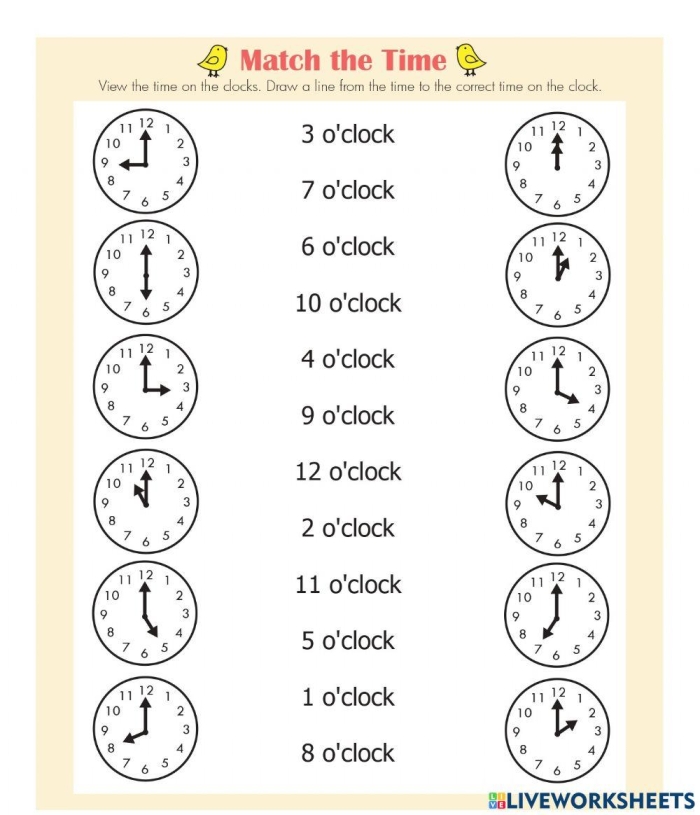
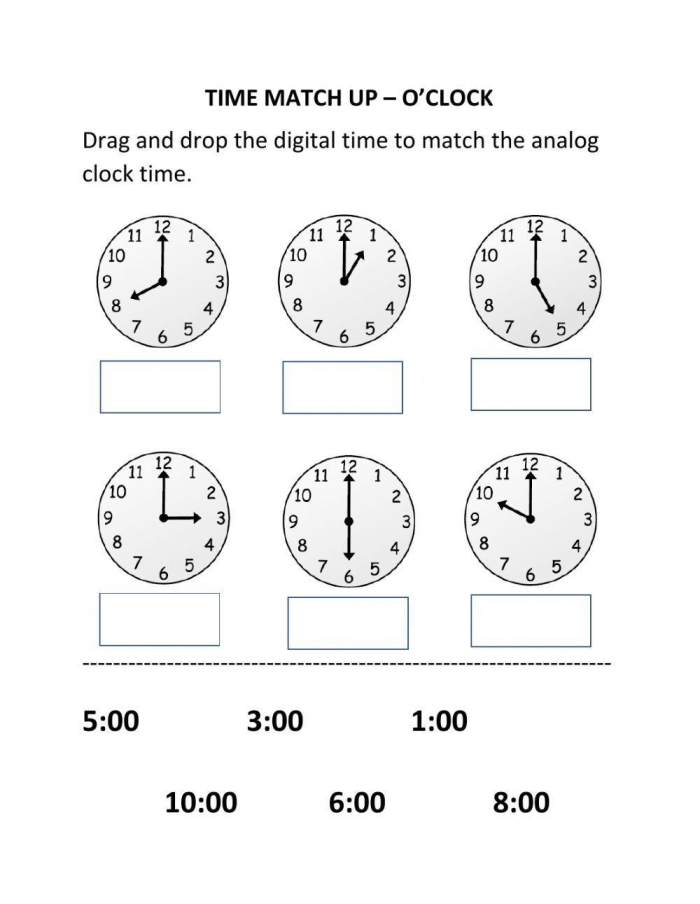
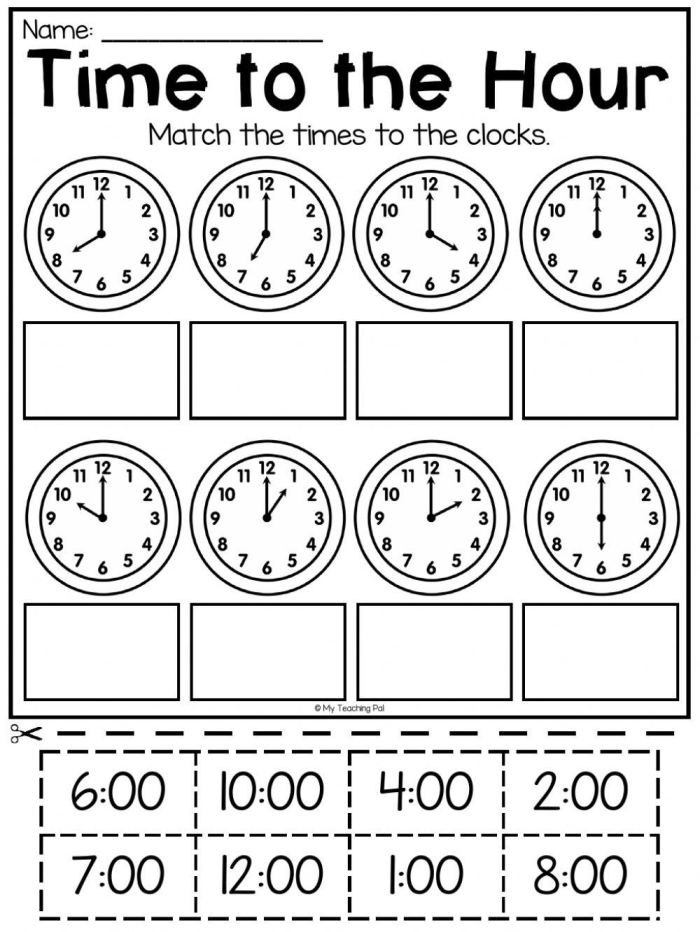
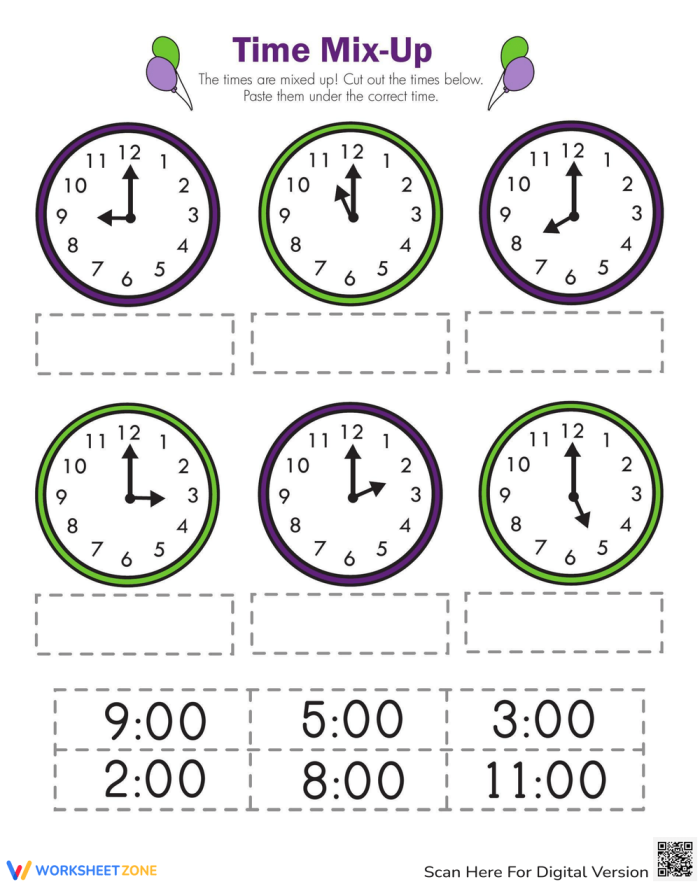
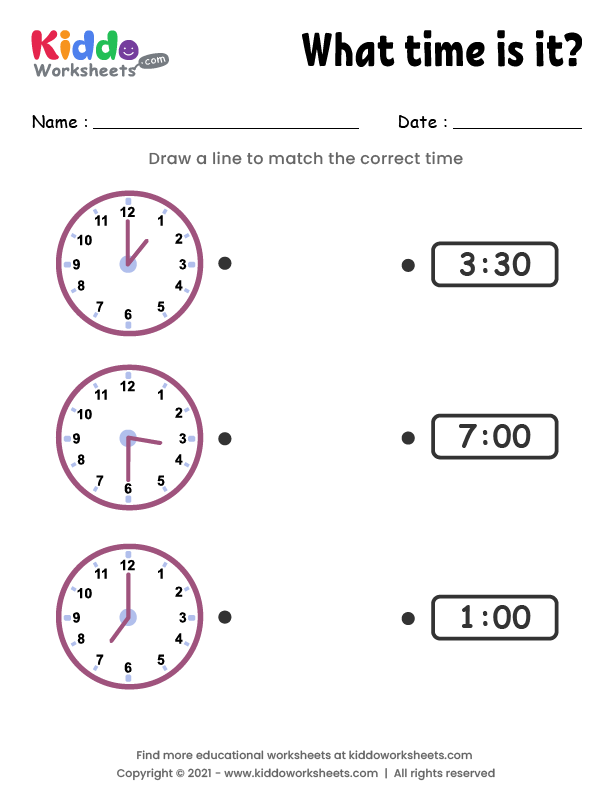
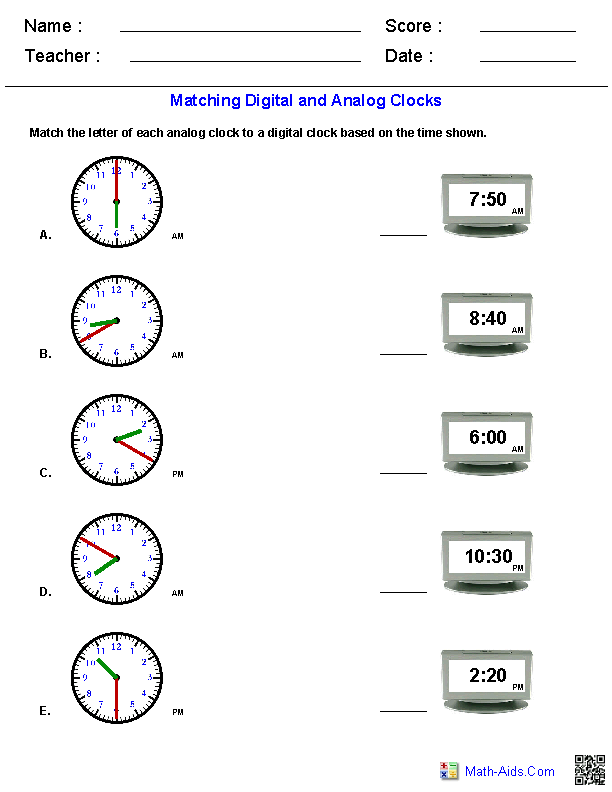
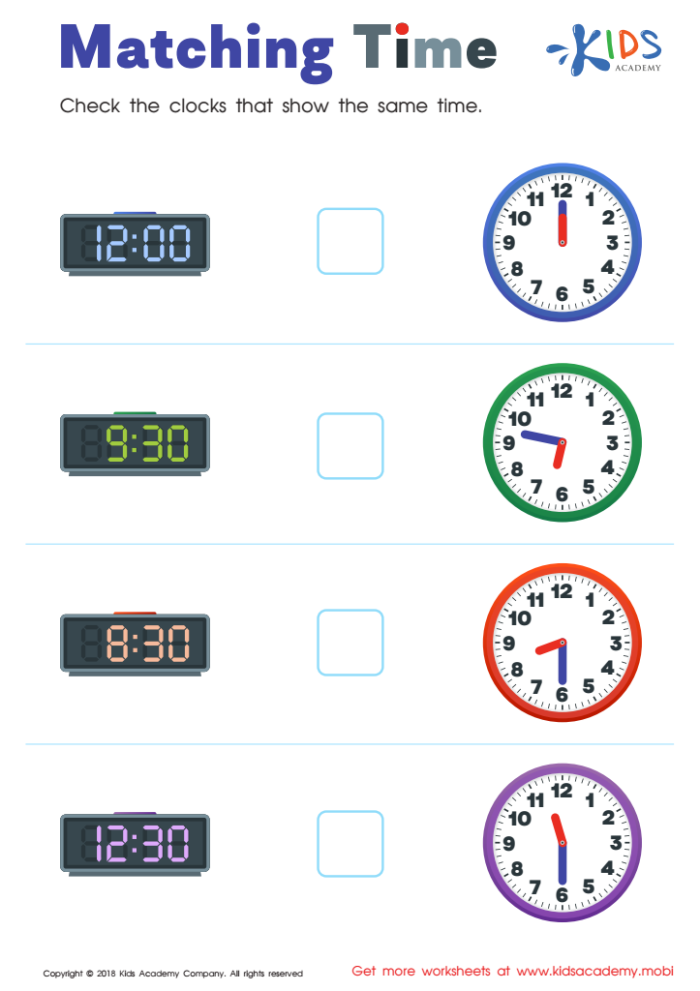
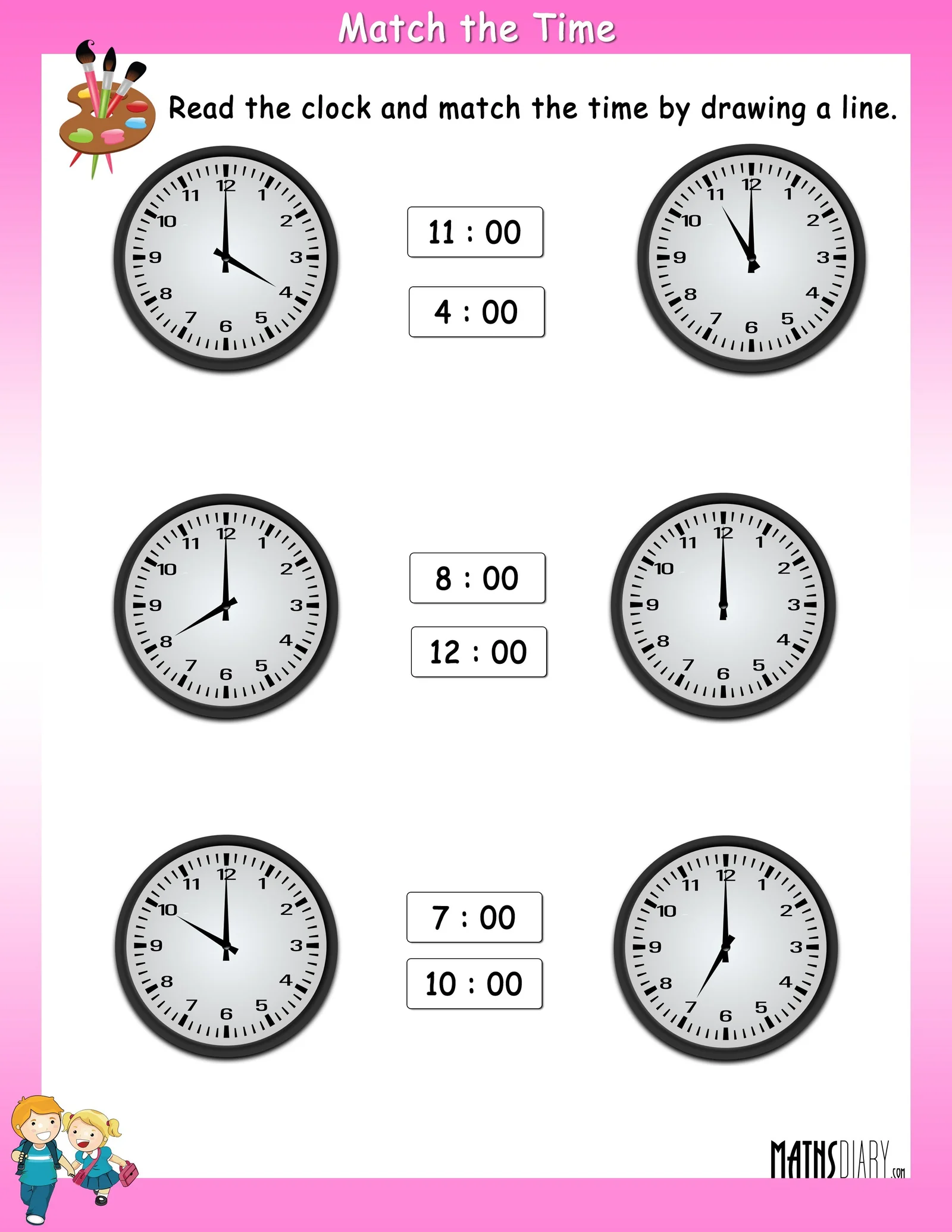
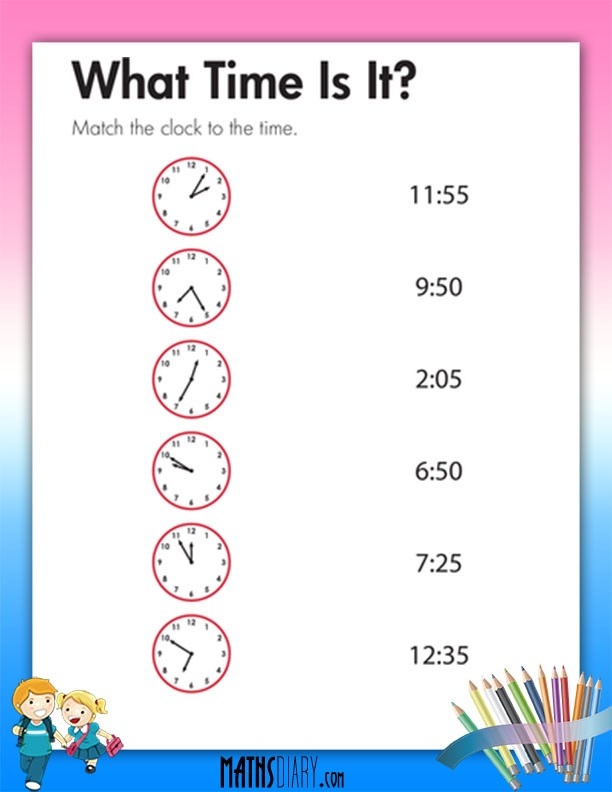
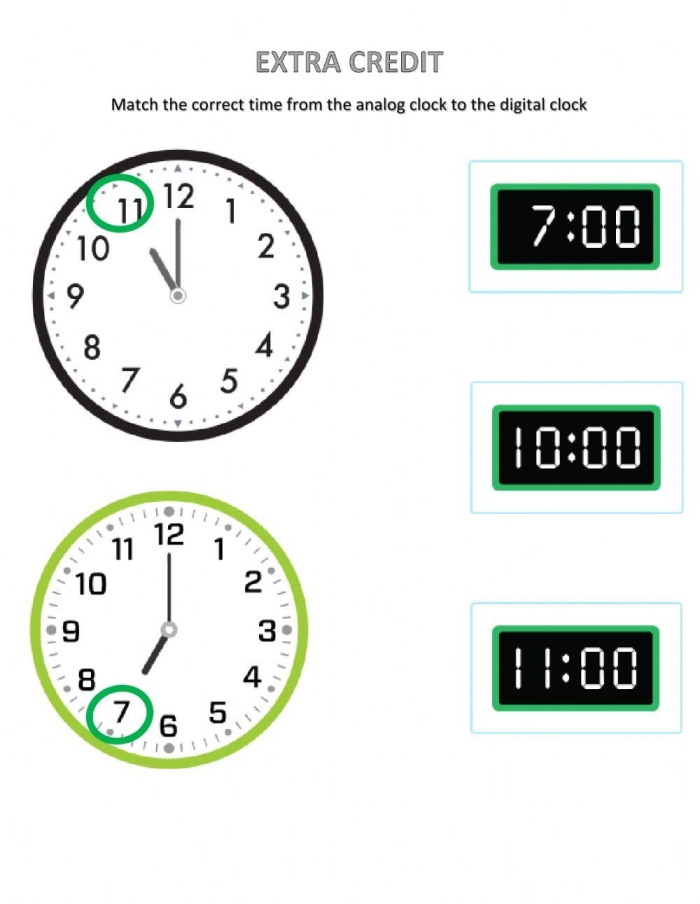
Once your student grasps the basics, printable time mix up worksheets become genuinely useful tools. These worksheets present clocks showing different times and ask kids to match them to digital times or sequence them correctly. The visual practice reinforces what they’ve learned through manipulation.
The key is patience. Some kids click with analog clocks immediately, while others need weeks of exposure. Keep the tone light, celebrate small wins, and remember that this skill develops over time, not overnight.
Grab These Worksheets Now