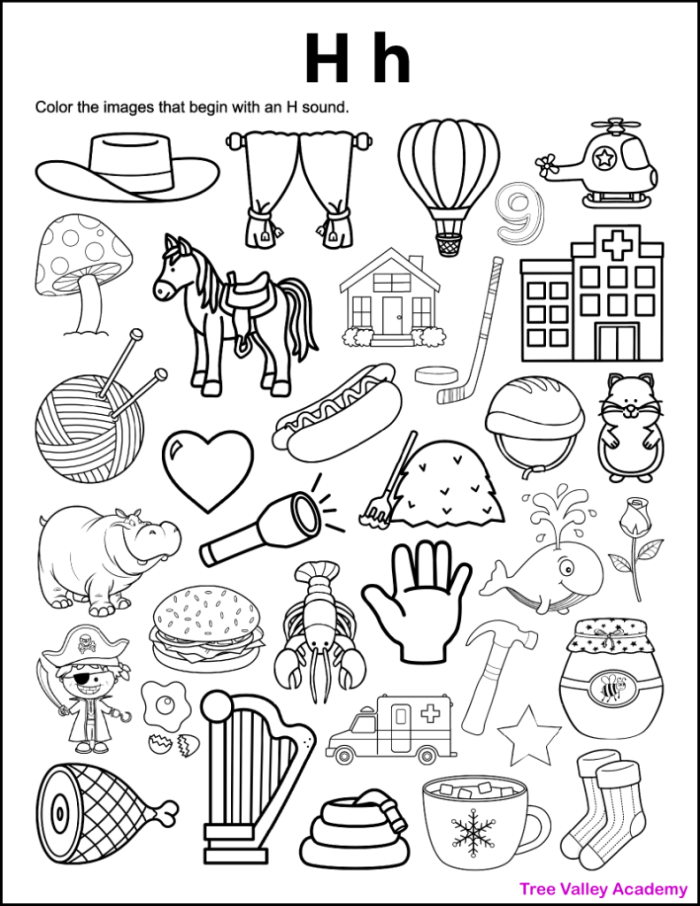
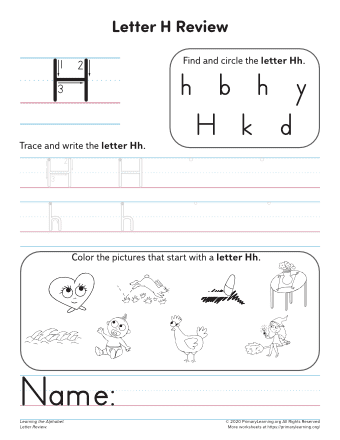
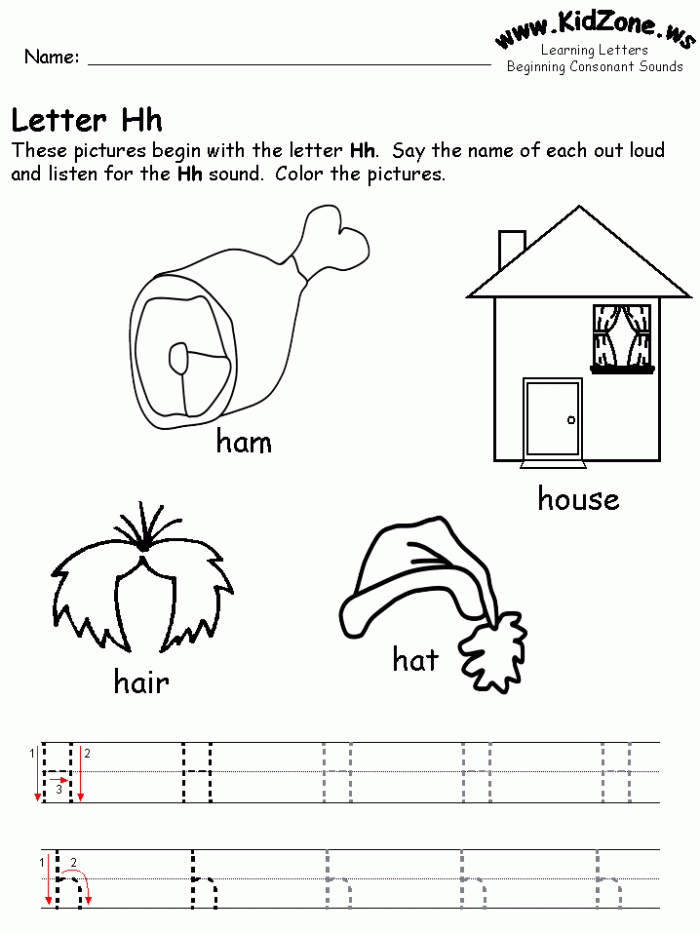
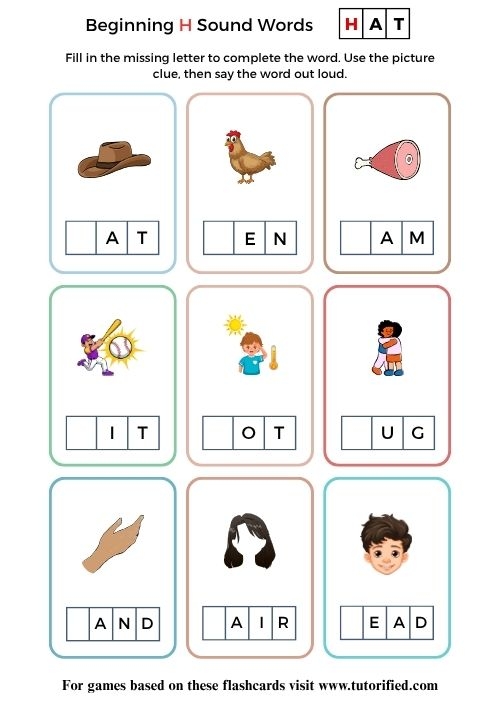
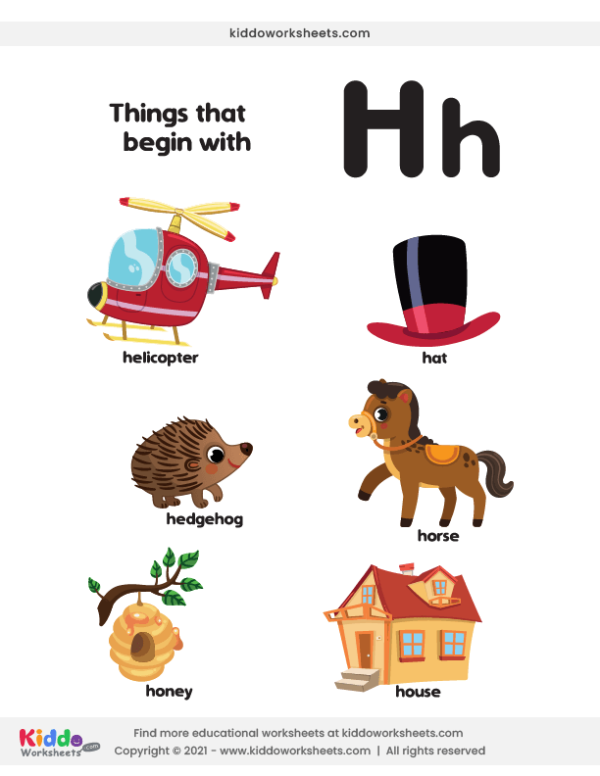
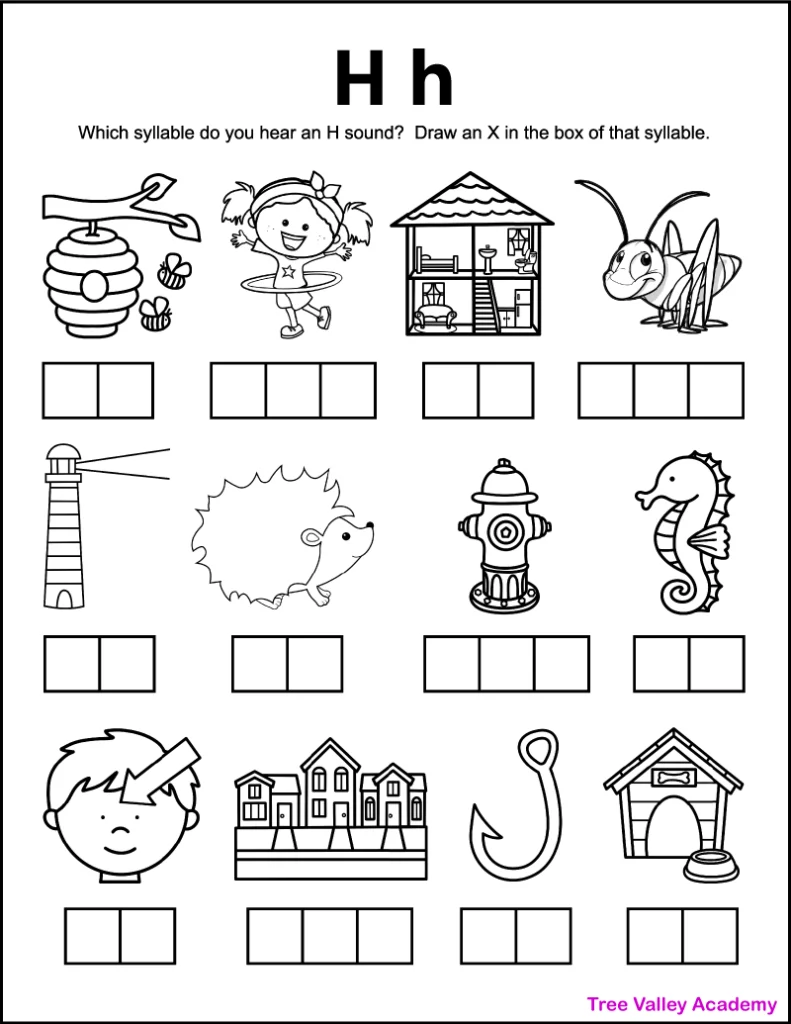
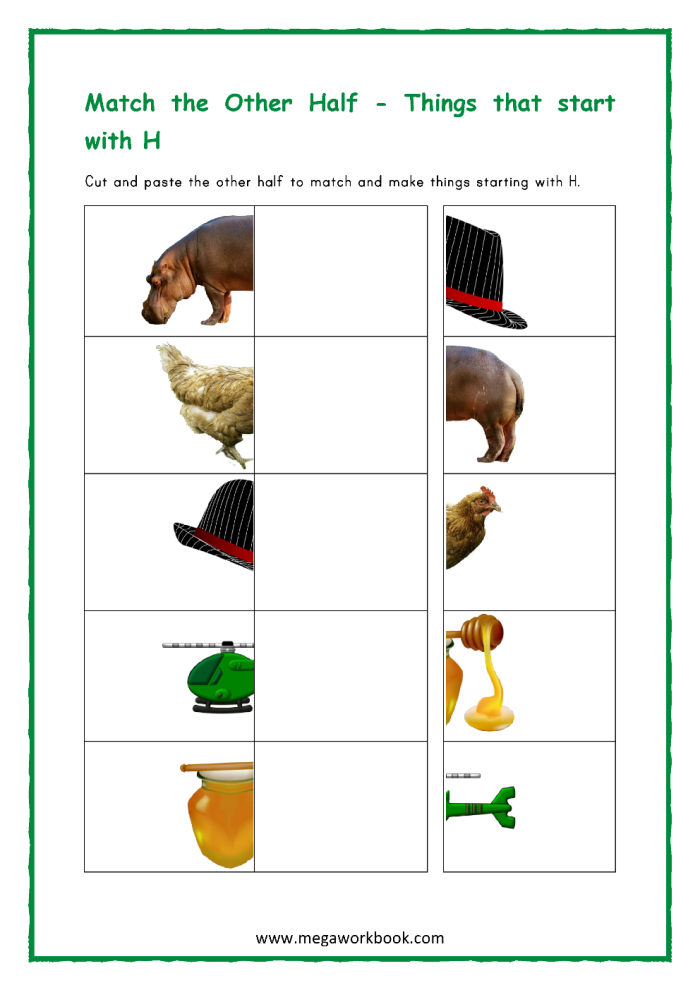
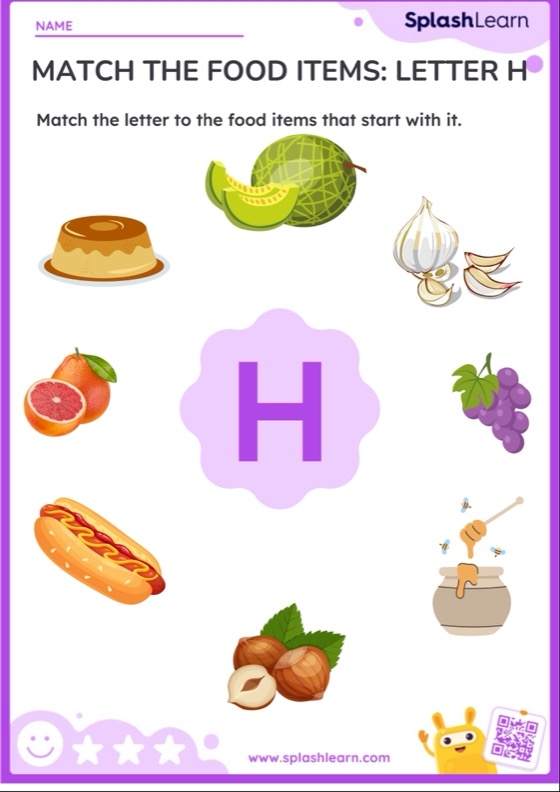
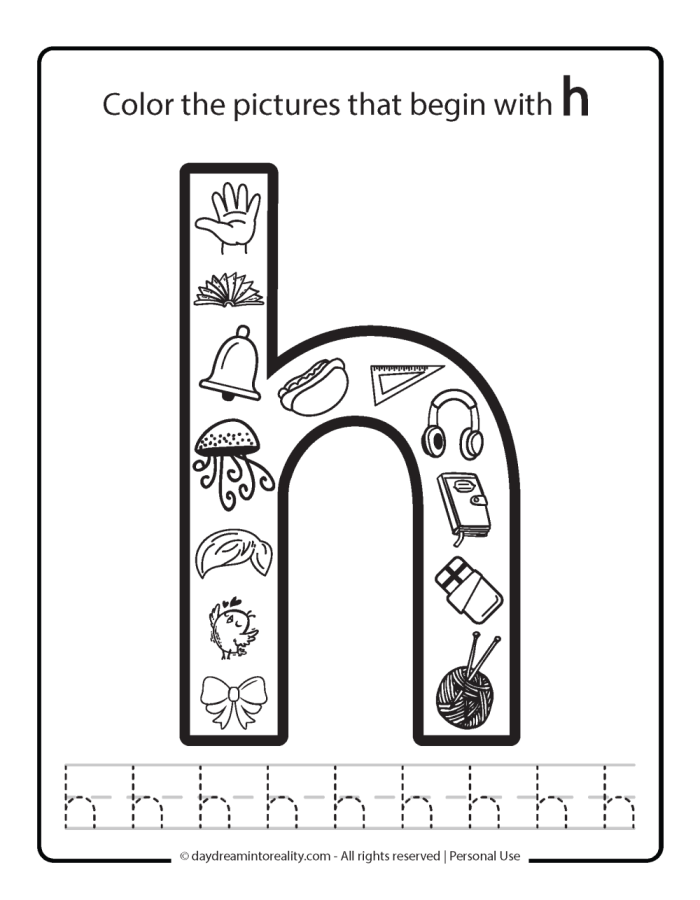
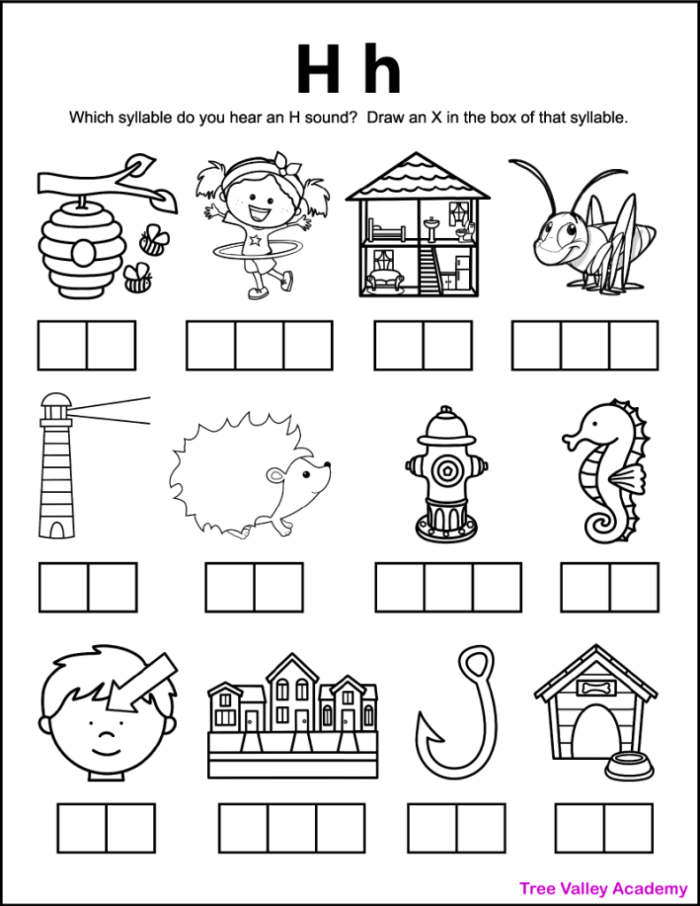
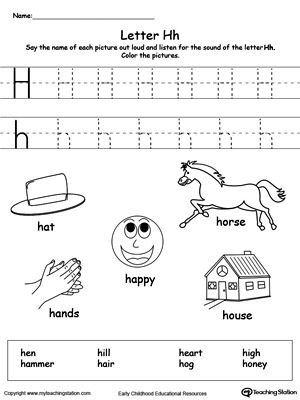
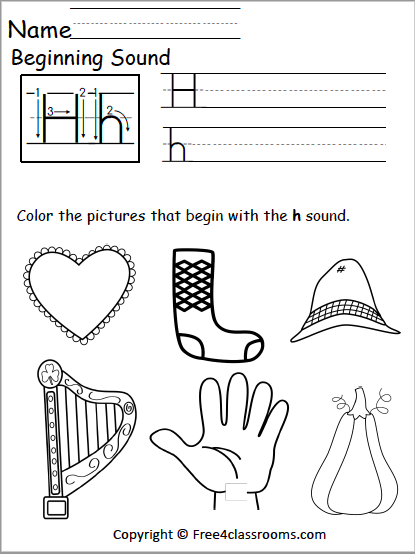
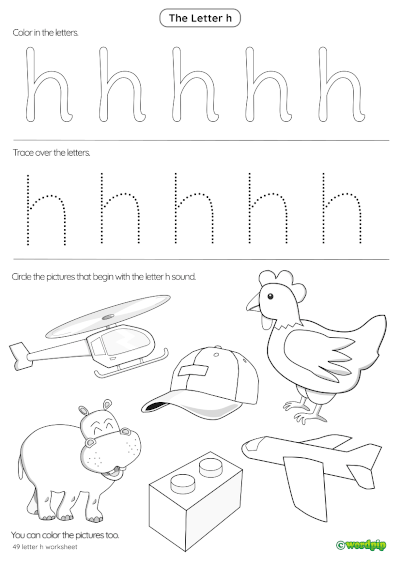
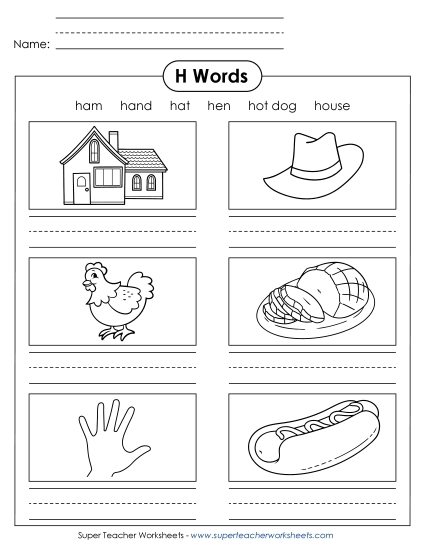
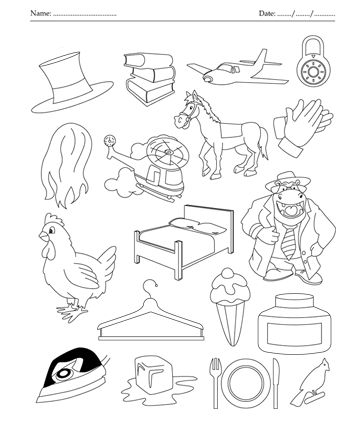
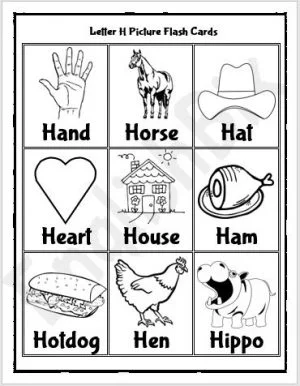
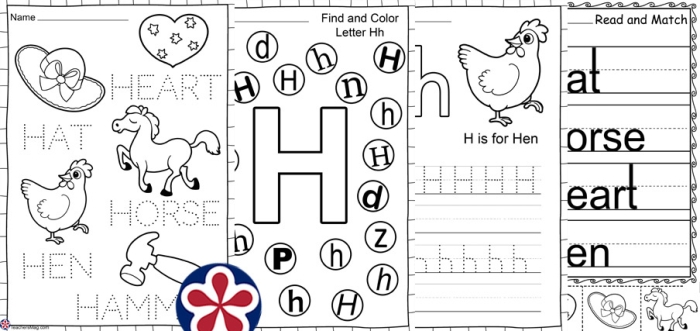
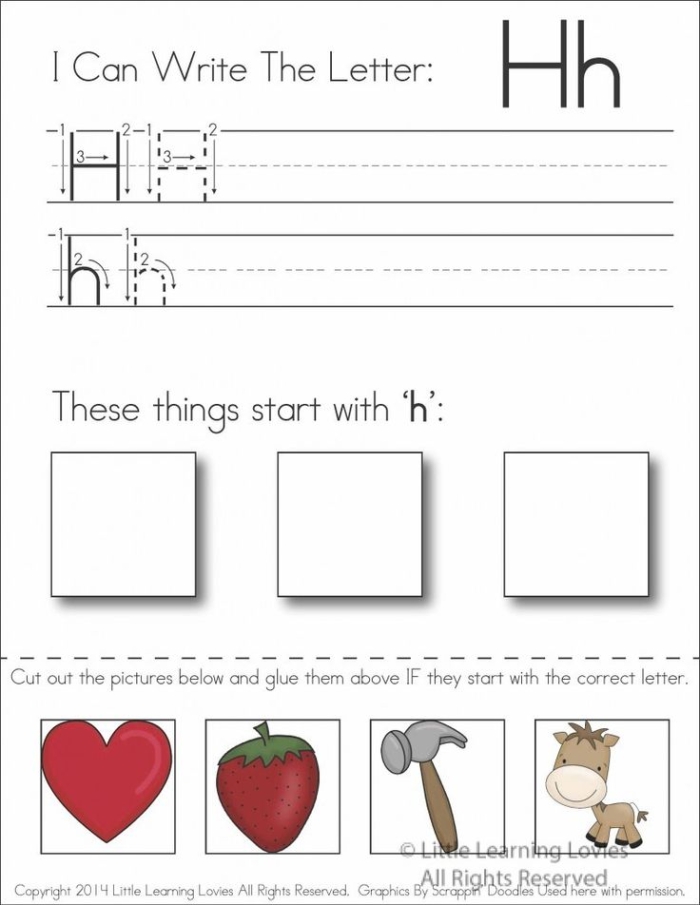
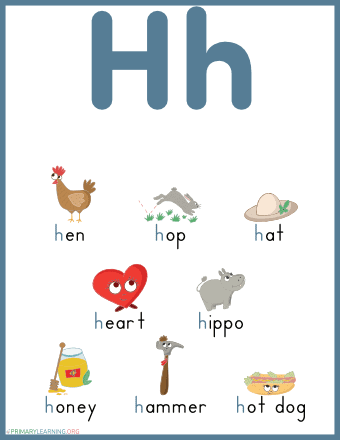
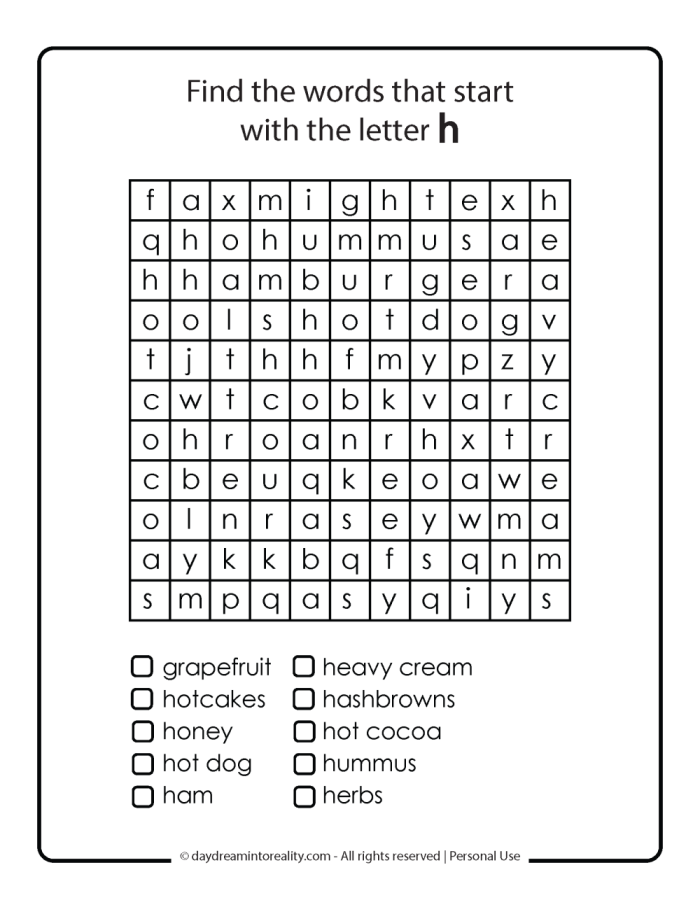
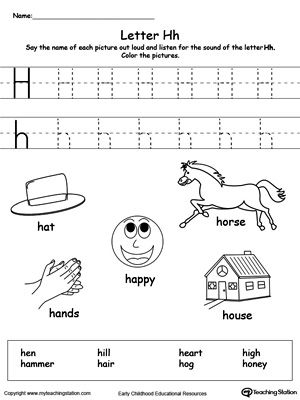
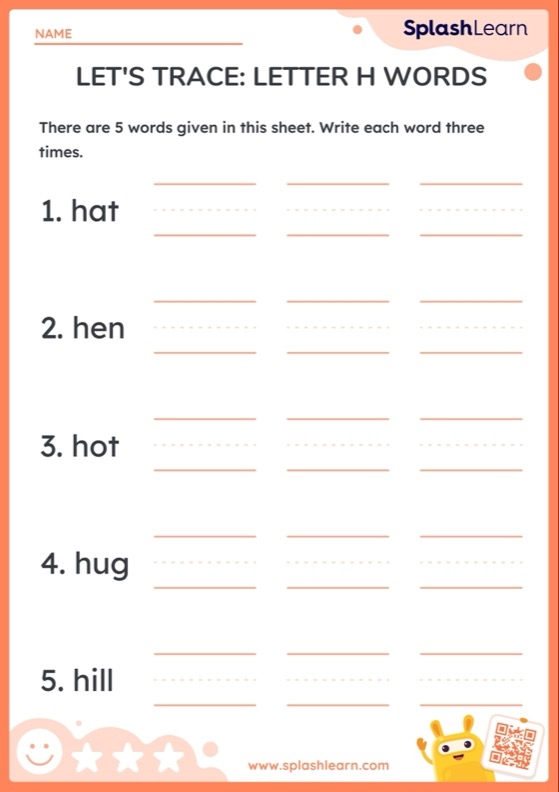
Spotting objects that start with H might seem simple at first glance, but this activity works harder than you’d think. When your child scans a busy page looking for things like hats, hearts, and houses, she’s actually building the foundation for phonics recognition. Pre-K learners benefit tremendously from this kind of visual-auditory connection, where they see a picture, say the word aloud, and notice how that H sound appears at the beginning.
The beauty of this game lies in its simplicity. Your child doesn’t need to read or write yet, just identify and point. As she finds each item, she naturally reinforces the sound-symbol relationship that underpins early literacy. This repetition matters more than you might realize. According to research in early childhood education, children need multiple exposures to letter sounds in different contexts before the connection sticks. A single worksheet isn’t enough, but when your child encounters H through various activities and game pages, the learning compounds.
What makes this approach effective is that it keeps phonics playful. Rather than drilling flashcards, your child is engaged in a search, which feels more like play than practice. She’s motivated to find the next item, and with each discovery, she’s strengthening her ability to isolate initial sounds. This skill directly supports reading readiness.
If you’re looking to expand this type of learning, consider pairing this activity with other phonics-focused worksheets. For instance, exploring letter recognition through activities like finding specific letters reinforces similar skills. You might also incorporate vowel recognition exercises to broaden her understanding of how sounds work within words.
The H game page works best when used as part of a broader phonics routine, not as a standalone activity. Your child benefits from seeing letters and sounds applied across different contexts and challenges throughout her Pre-K experience.
Try These Printable Worksheets