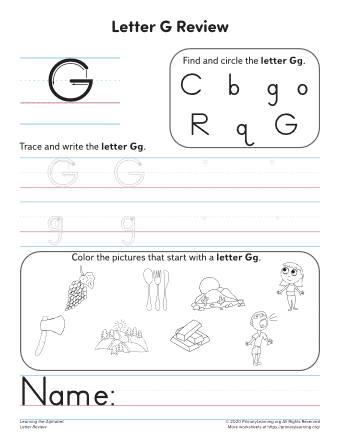
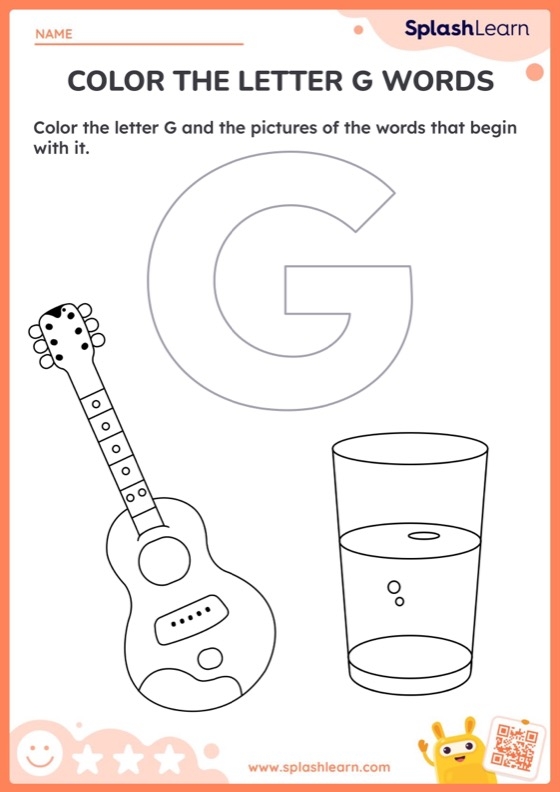
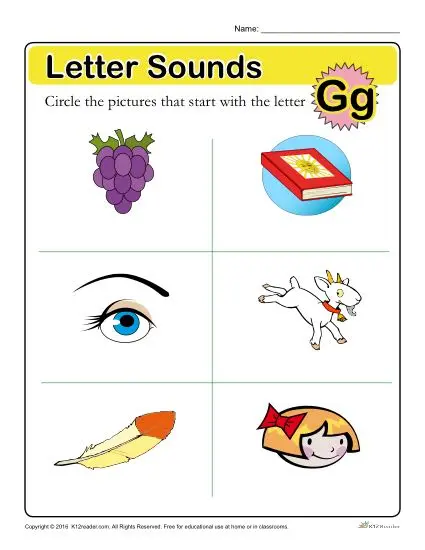
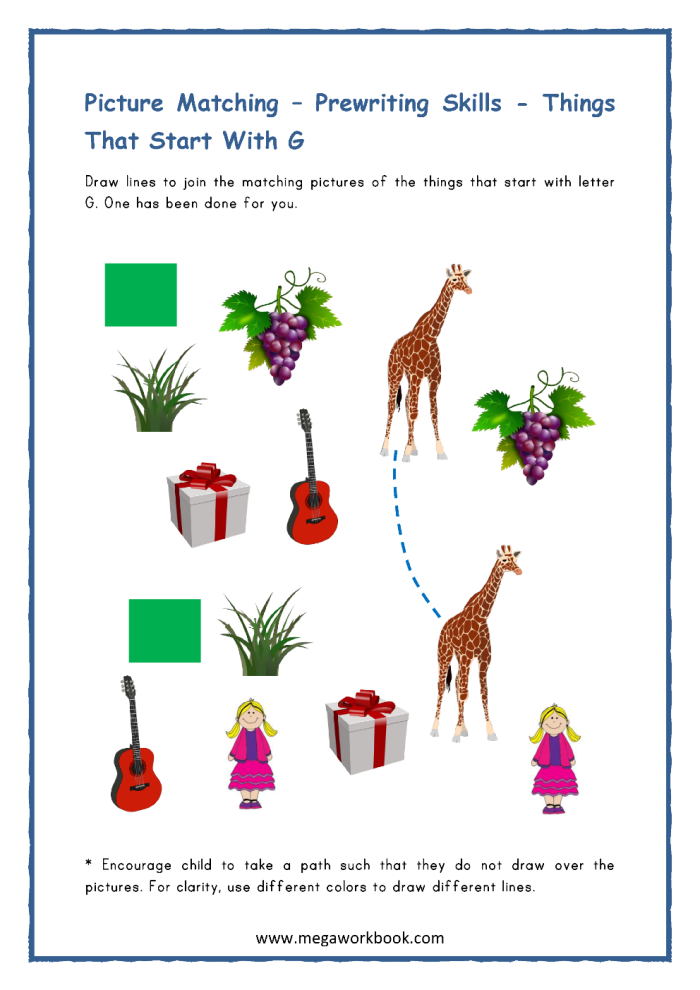
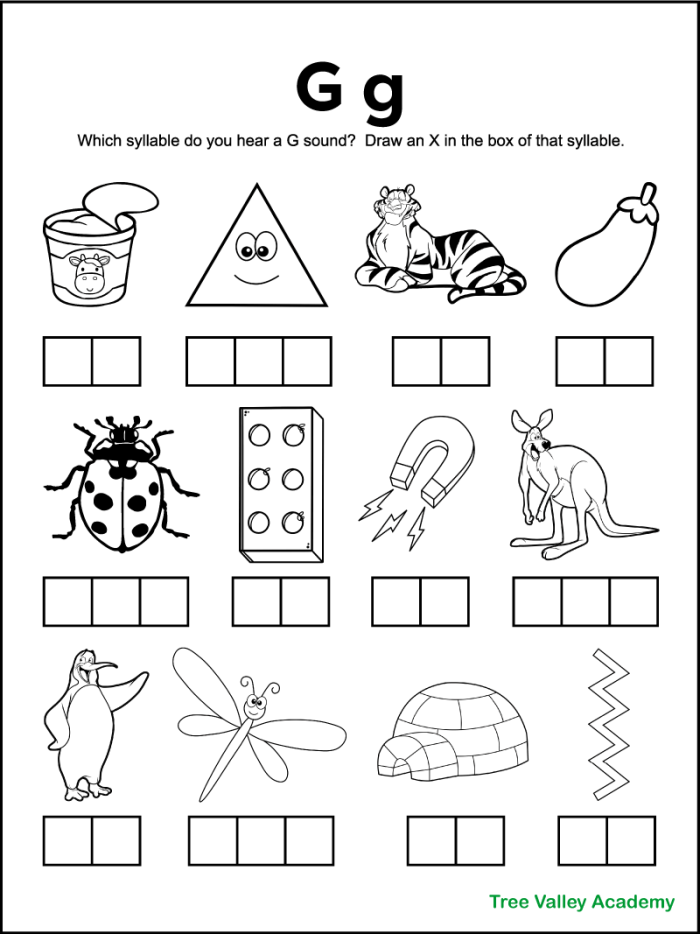
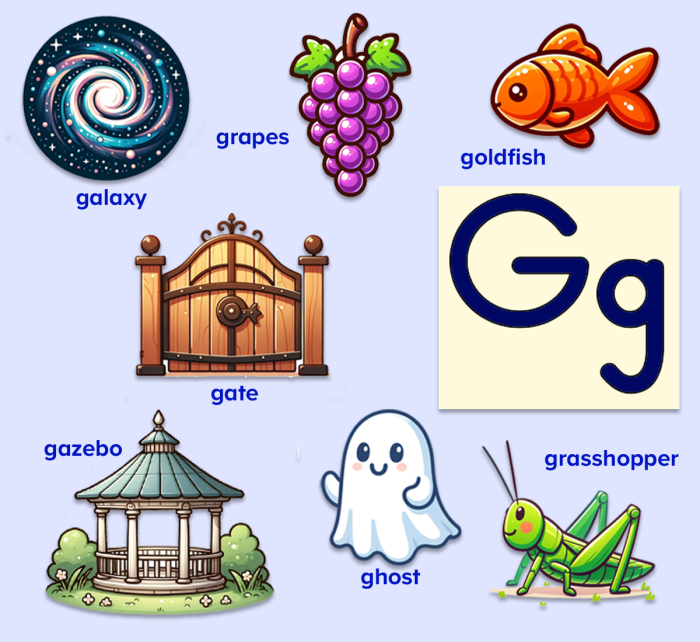
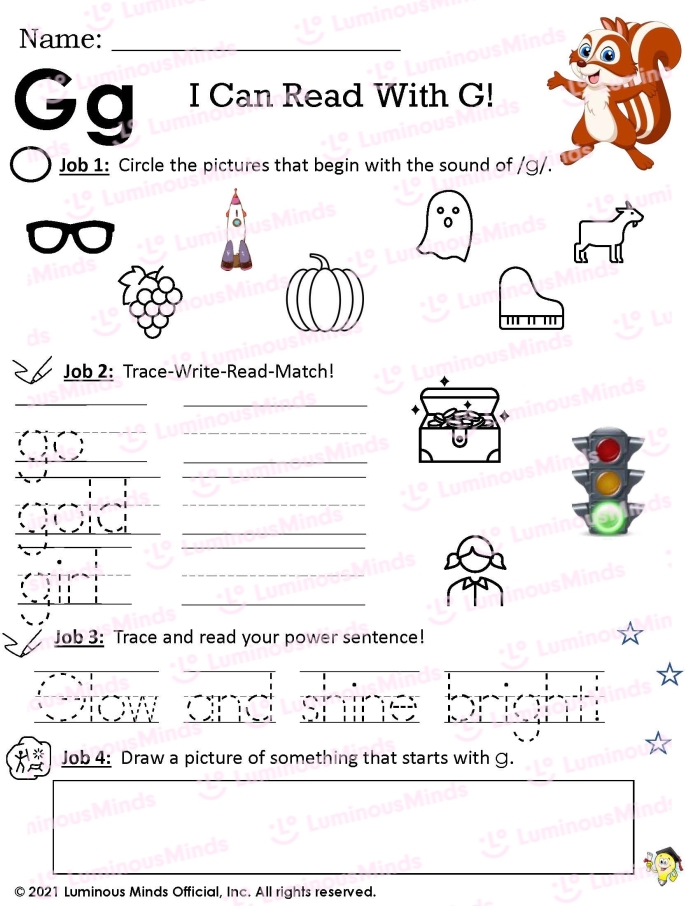
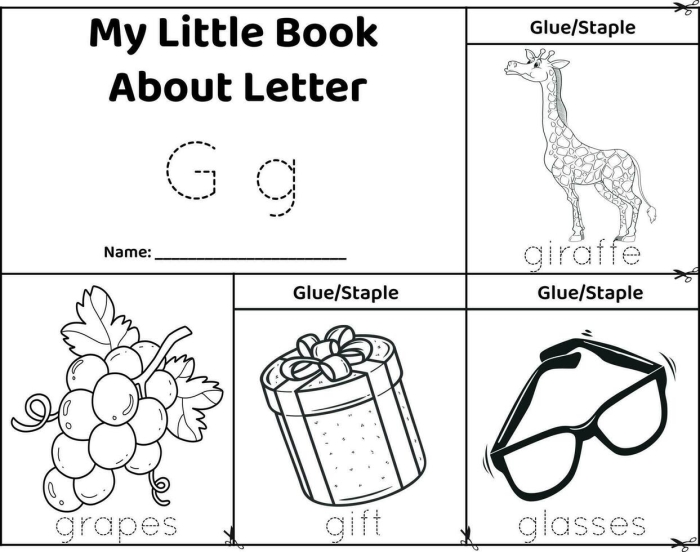
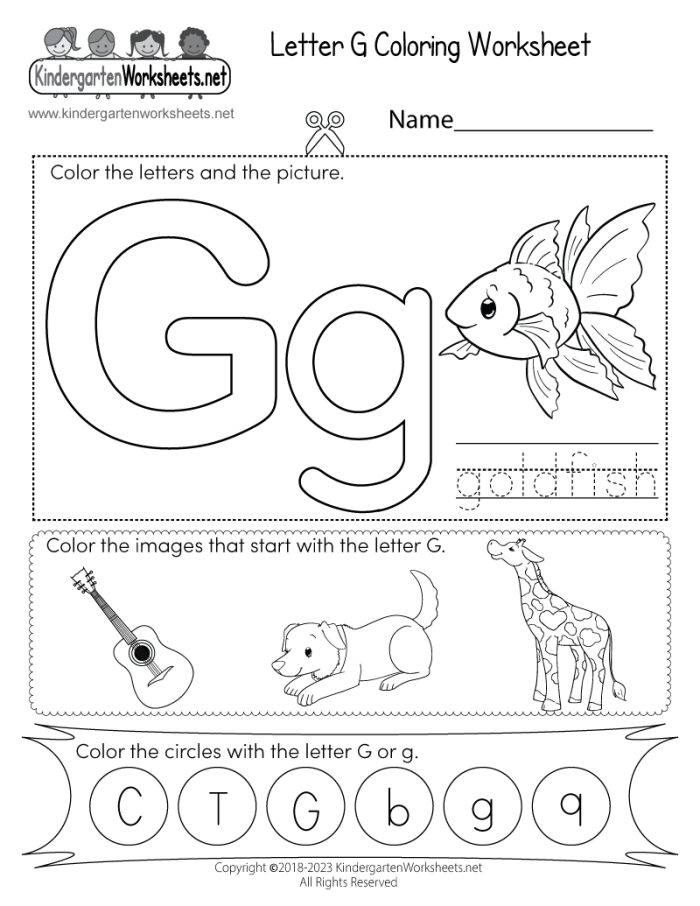
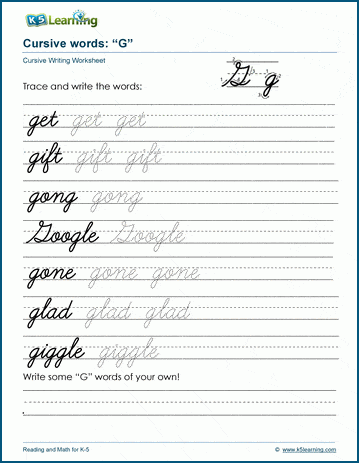
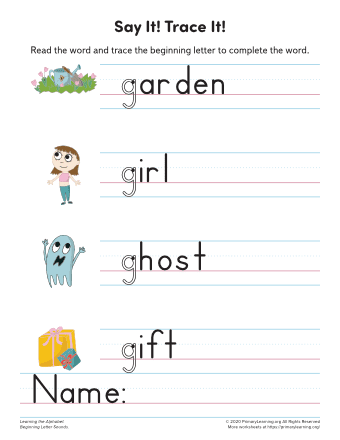
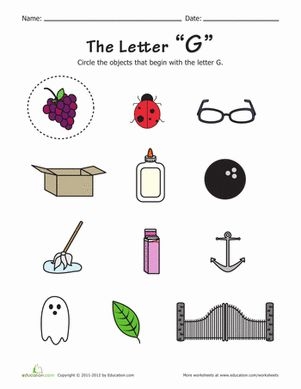
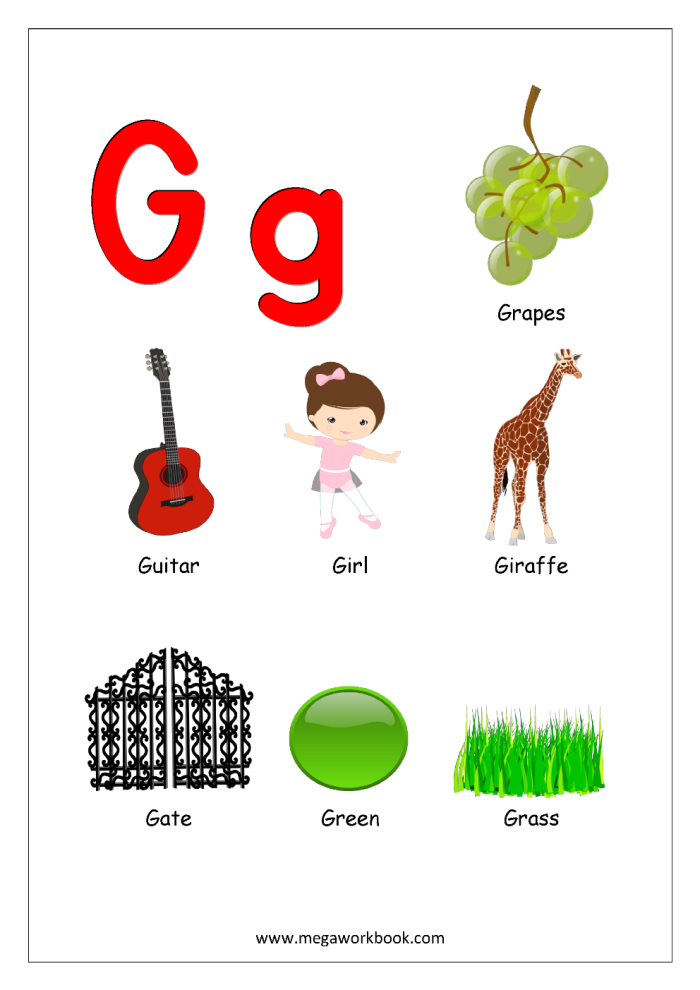
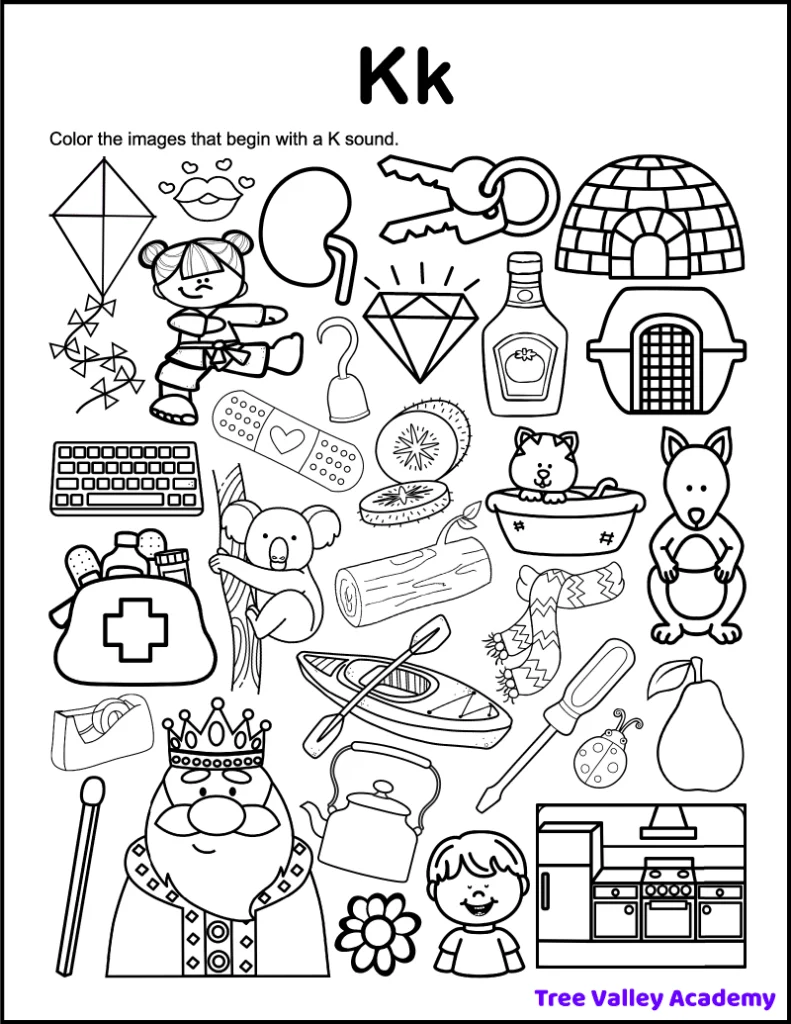
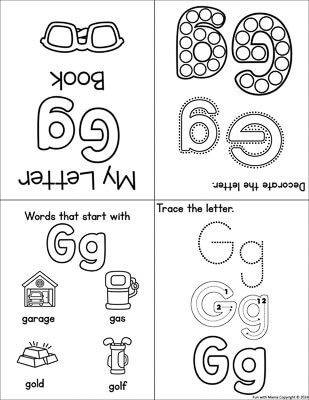
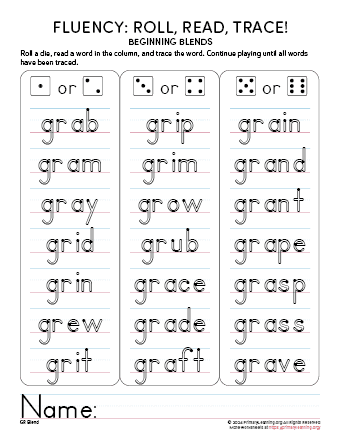
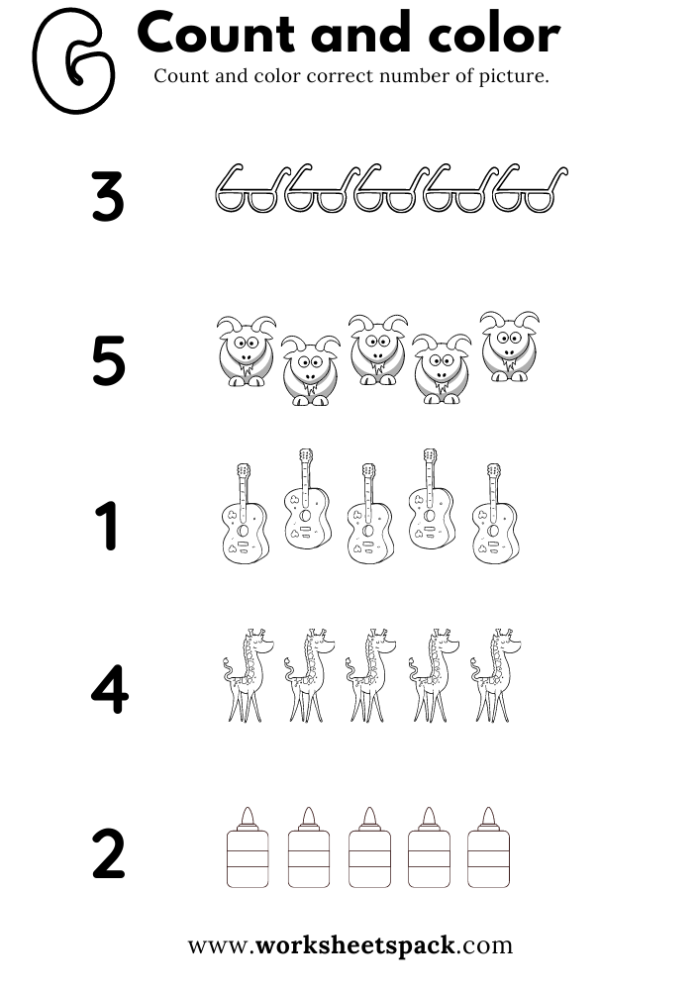
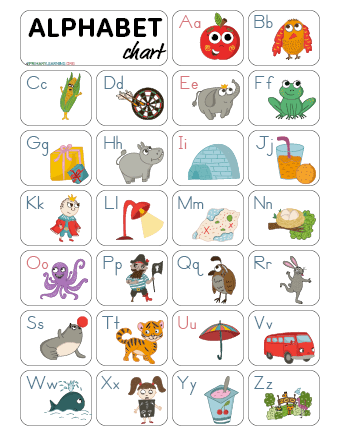
Finding hidden objects on a page sounds simple, but it’s one of the most effective ways to build phonics awareness in Pre-K learners. When your child searches for things that start with G, she’s doing more than just playing a game. She’s training her ear to recognize the initial sound and connecting that sound to the letter itself, which is the foundation of reading.
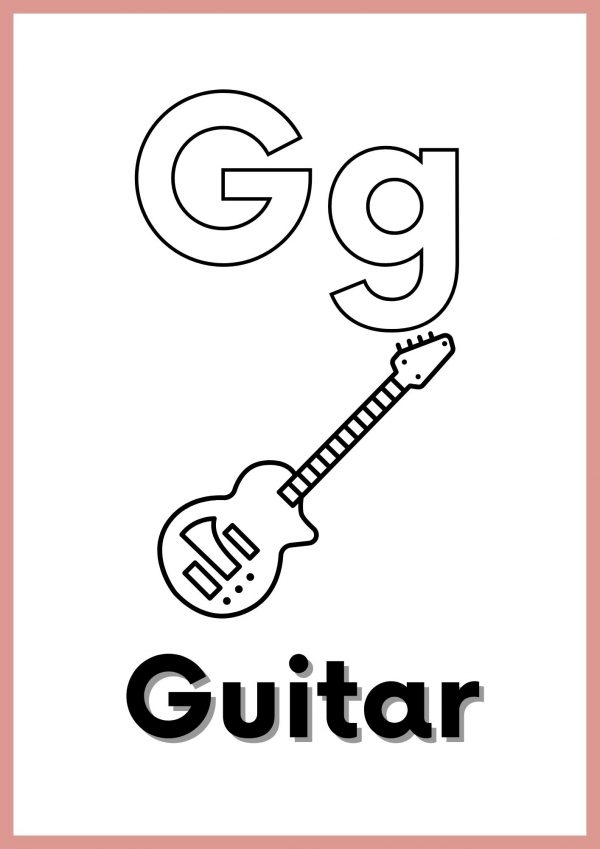
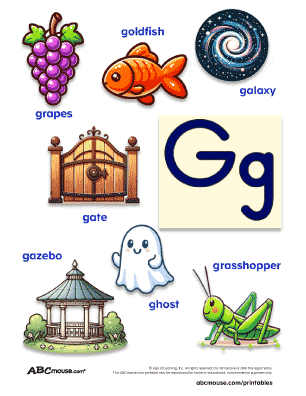
The beauty of this approach is that it keeps learning active rather than passive. Instead of drilling letter sounds in isolation, your child encounters them in context. She sees a picture of a giraffe, says the word aloud, and notices it begins with the same sound as “goat” and “guitar.” This pattern recognition helps cement the G sound in her memory in a way that feels like play rather than instruction.
Pre-K phonics activities work best when they combine visual, auditory, and kinesthetic elements. A game page that asks your child to find and point to objects starting with G hits all three. She’s looking at pictures (visual), saying the words (auditory), and moving her finger or hand to mark each discovery (kinesthetic). This multi-sensory approach sticks with young learners far better than worksheets alone.
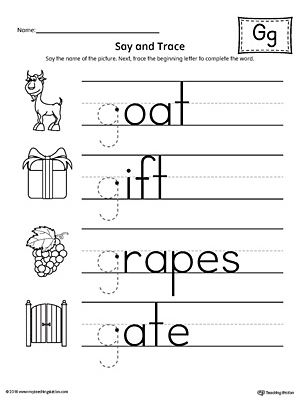
If your child enjoys this type of activity, you might also explore other phonics challenges. Similar games help build letter recognition across the alphabet. You could try practicing letter tracing activities to strengthen fine motor skills alongside phonics, or mix in other letter-focused games to keep the learning varied and engaging.
The key is repetition without boredom. When a child finds her third or fourth thing starting with G, she’s already beginning to internalize the sound pattern. By the time she finishes the page, that letter-sound connection is significantly stronger than before she started.
Use These Worksheets Today