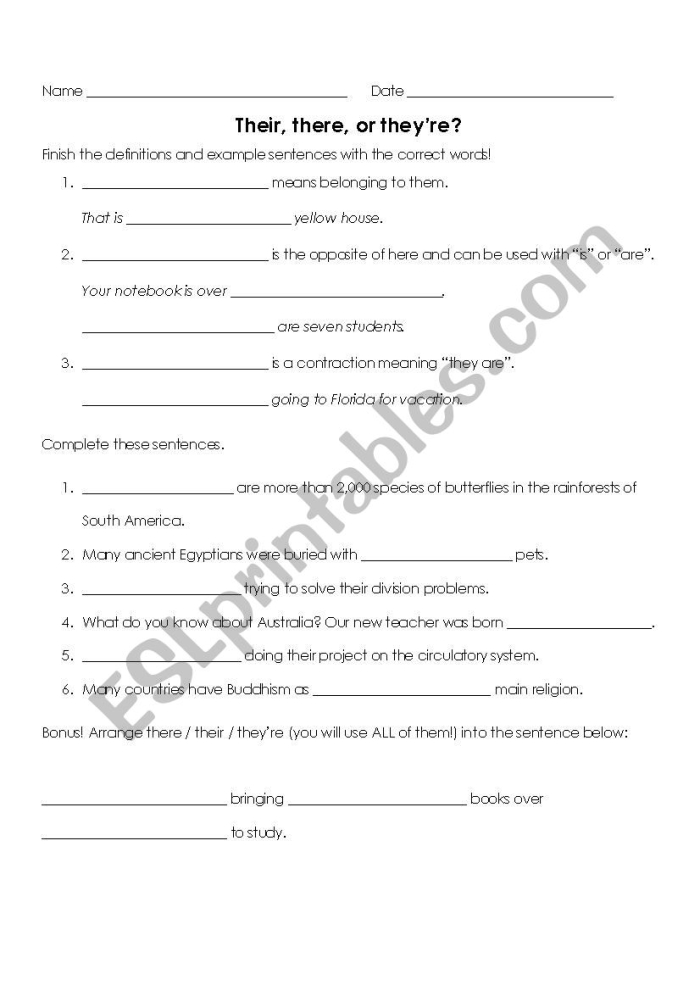
Understanding the difference between “there,” “their,” and “they’re” can be a challenge for many fourth graders. These three words sound similar but serve very different purposes in writing. A practical grammar handout can make learning this distinction easier and more engaging for young students.
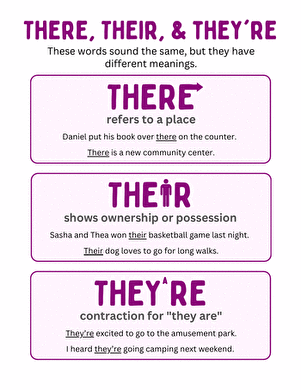
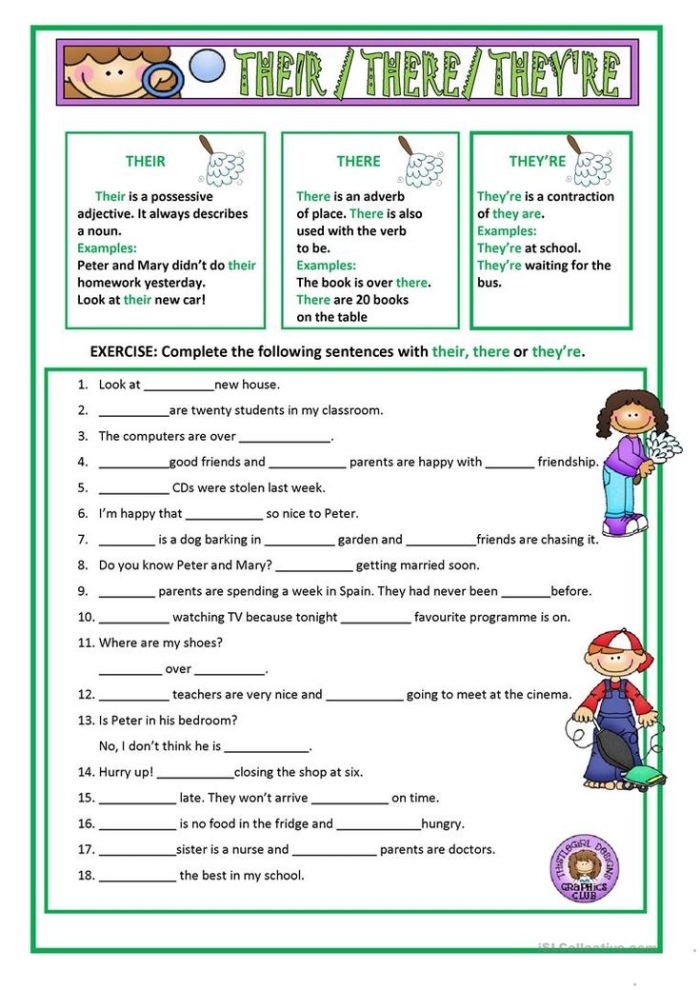
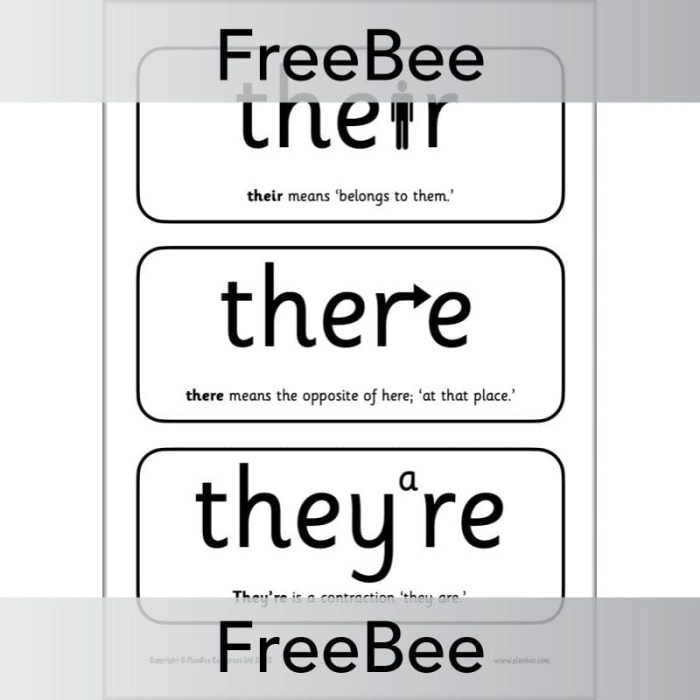
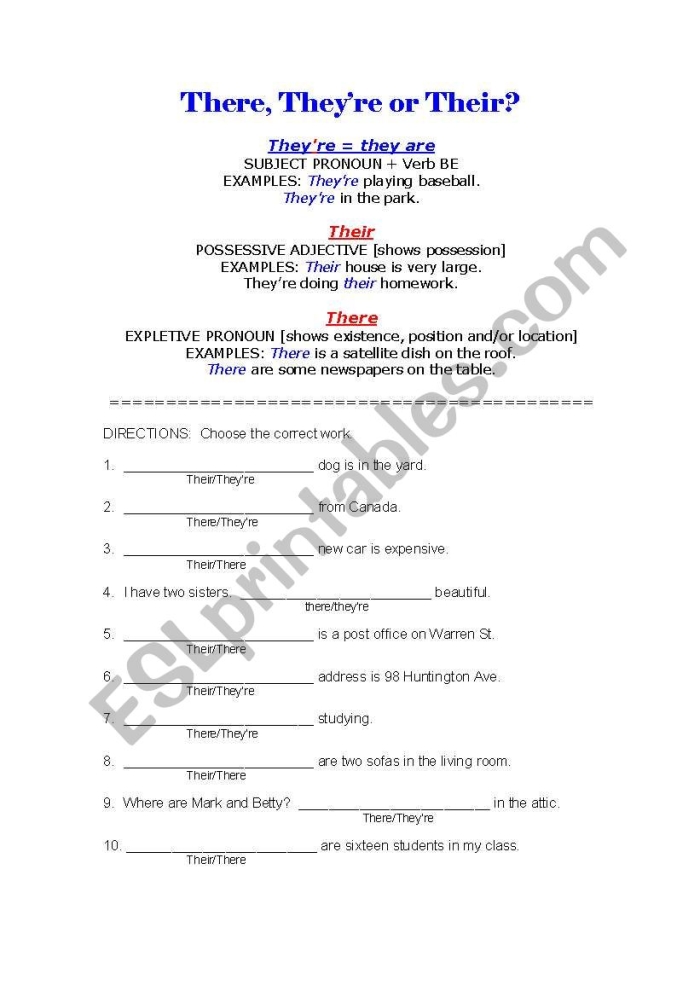
First, let’s break down the words. “There” refers to a place or location, such as in the sentence, “The book is over there.” It’s often used to indicate a specific spot or position. On the other hand, “their” is a possessive adjective, indicating ownership. For example, you might say, “Their dog is very friendly,” which shows that the dog belongs to them. Lastly, “they’re” is a contraction of “they are,” as in, “They’re going to the park.” This contraction is often where students get confused, as it’s easy to mix it up with the other two words.
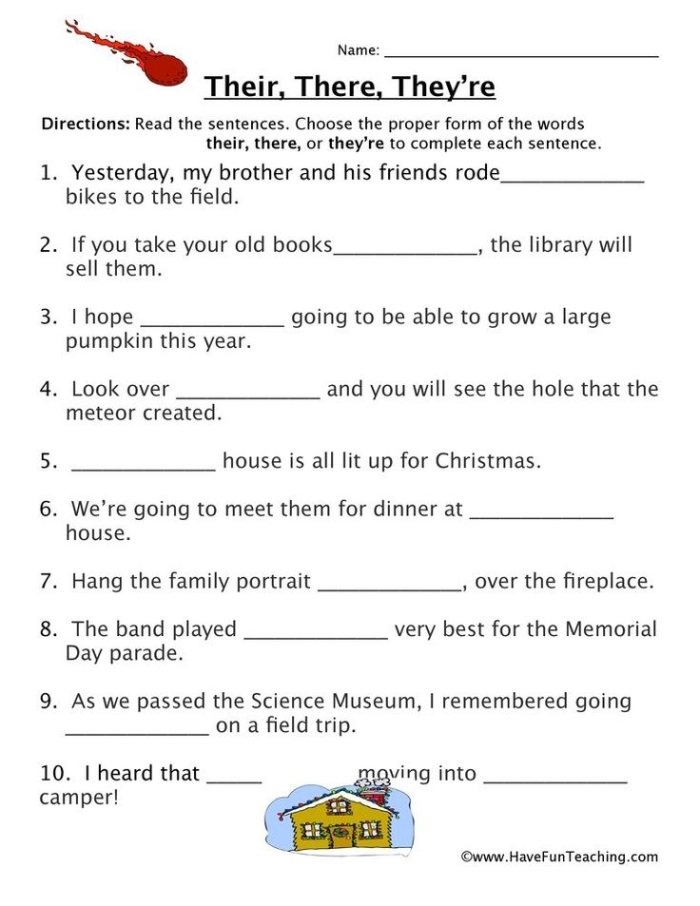
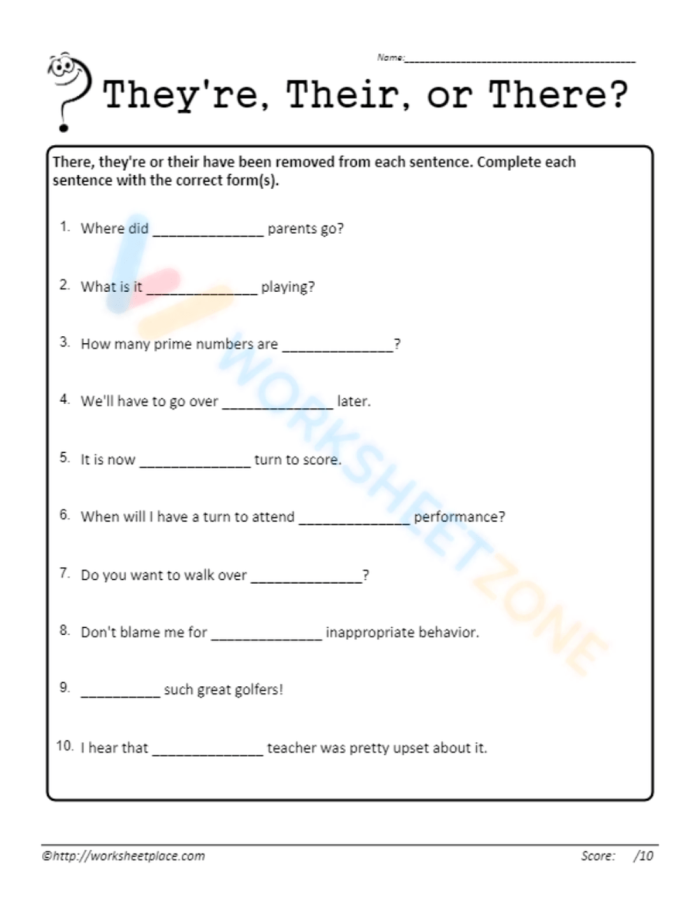
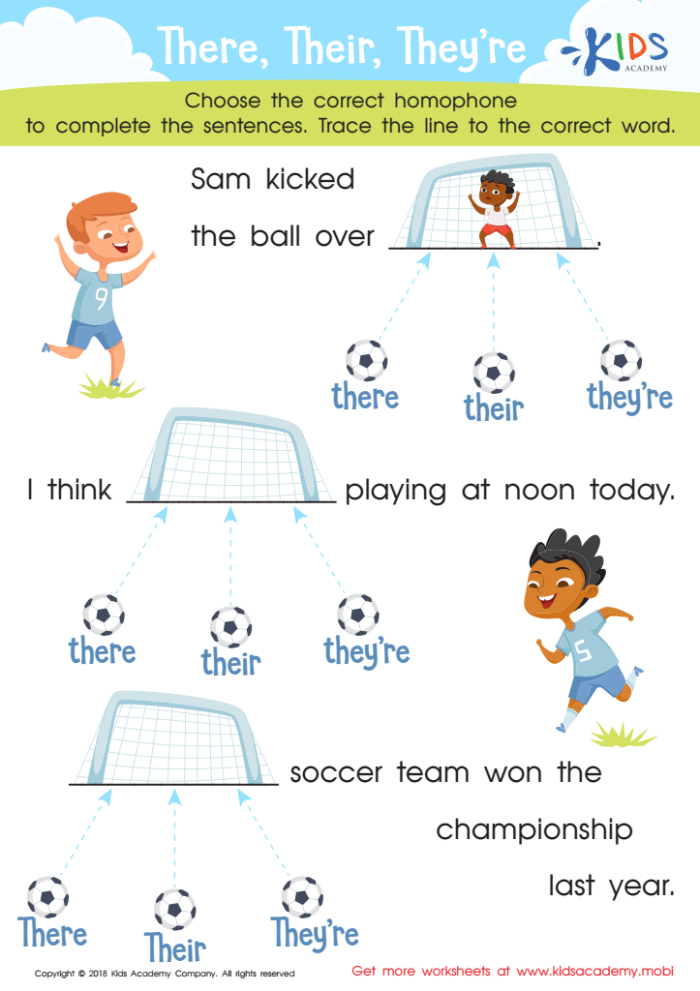
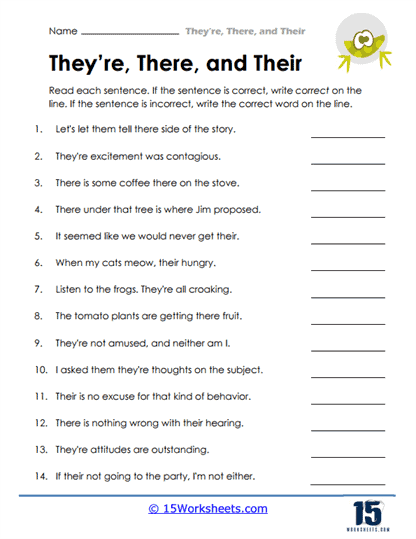
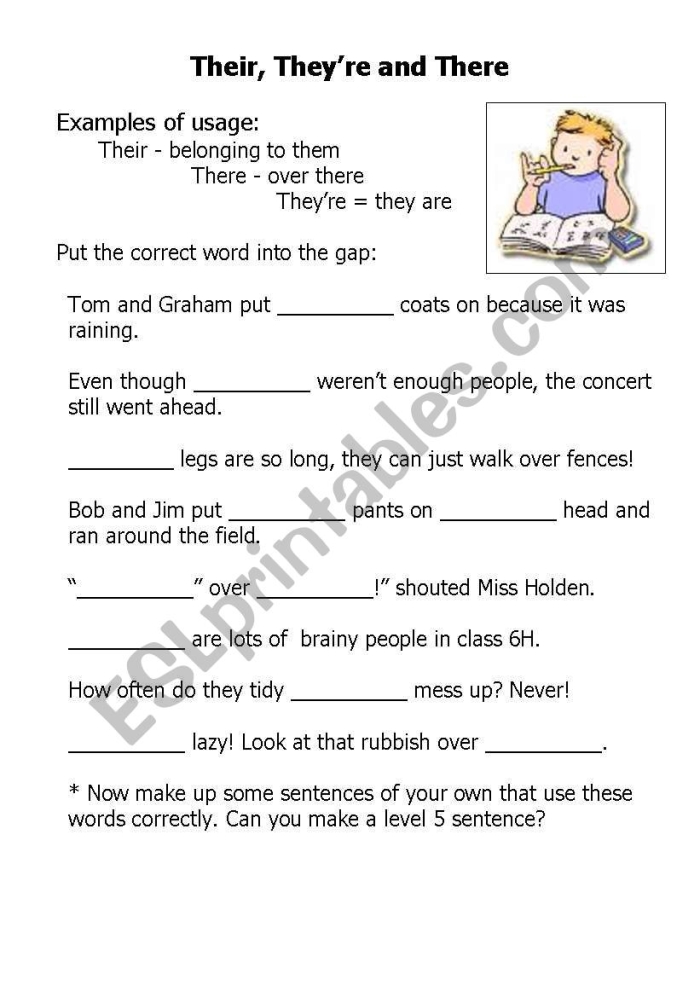
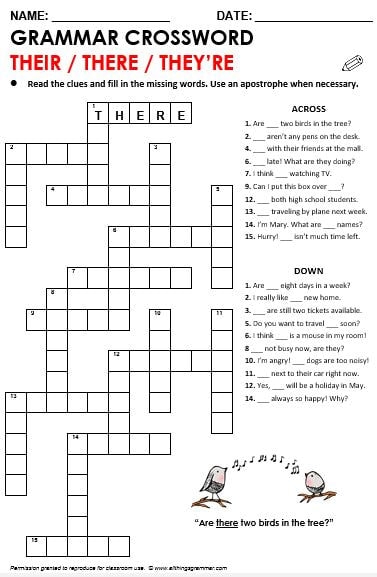
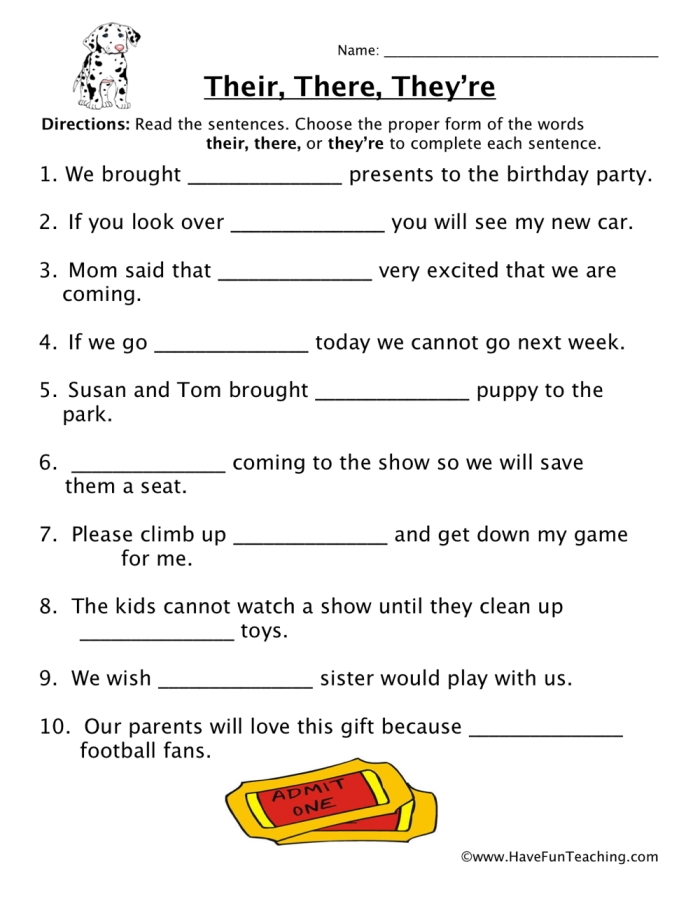
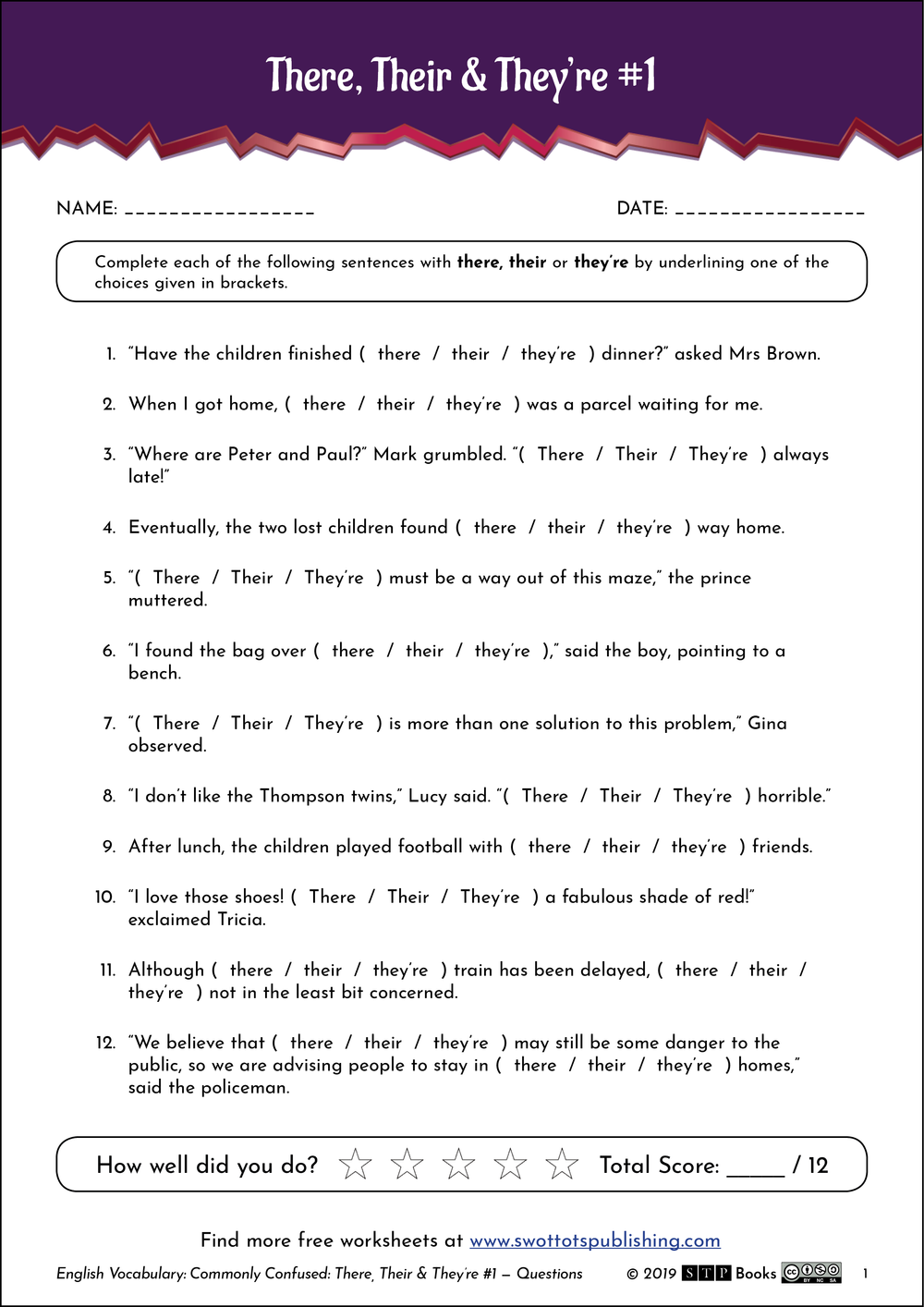
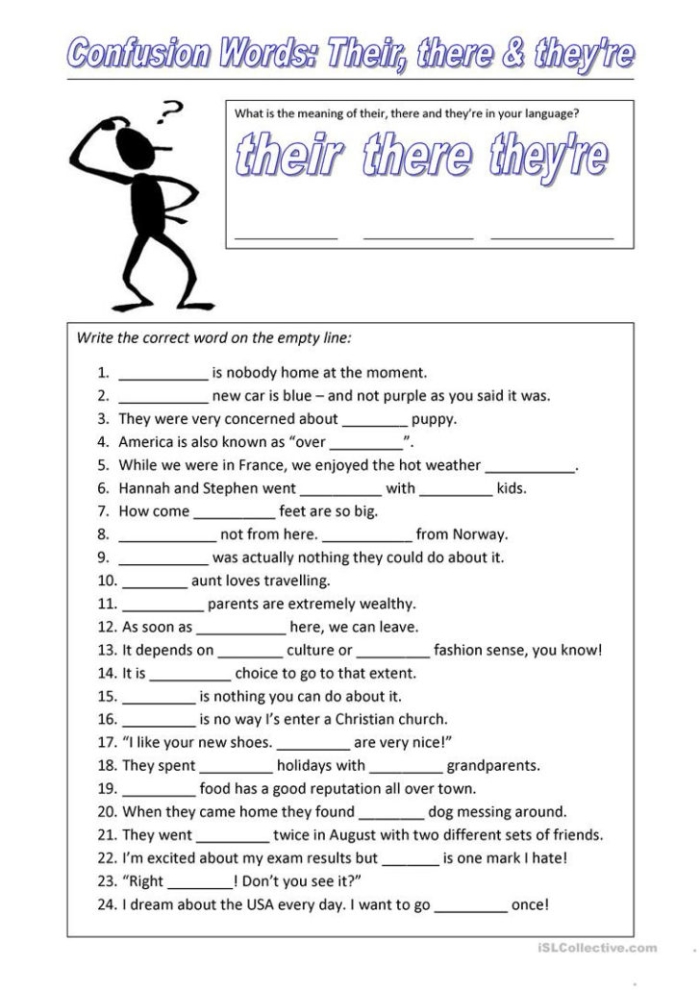
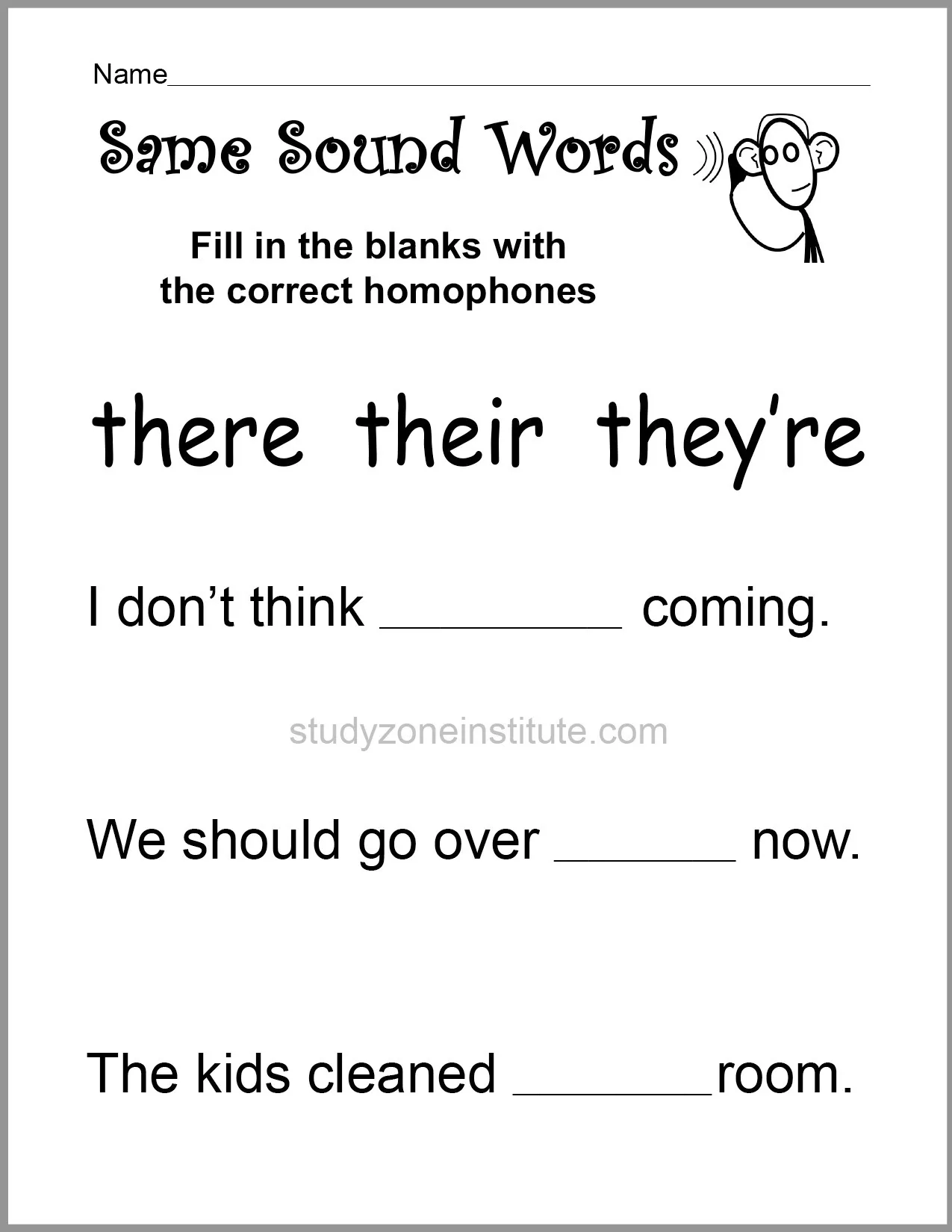
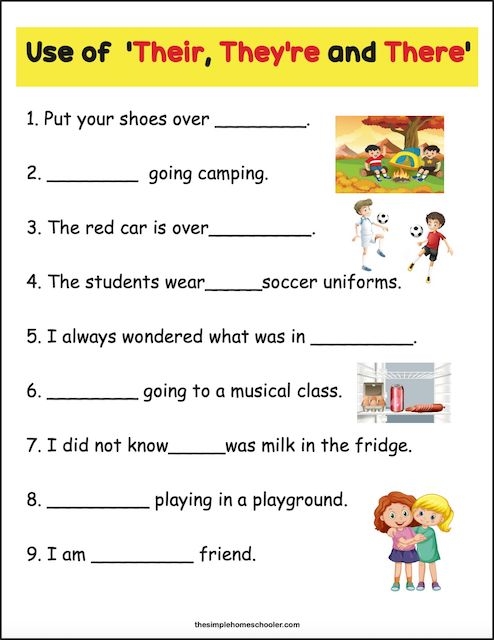
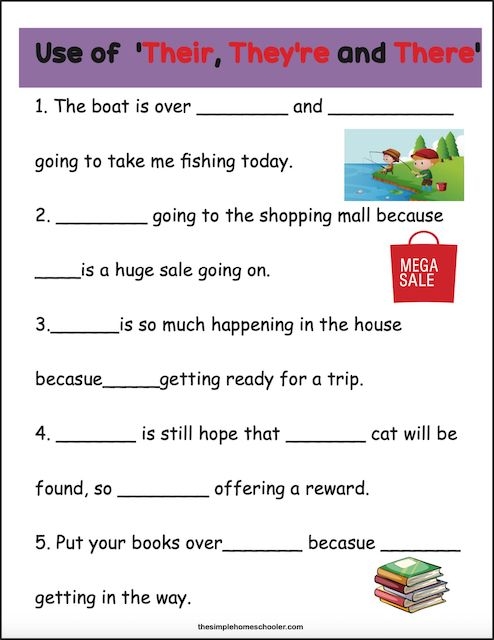
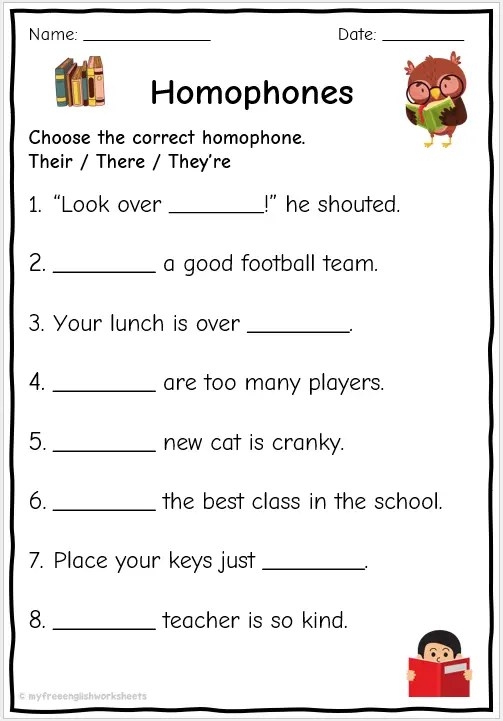
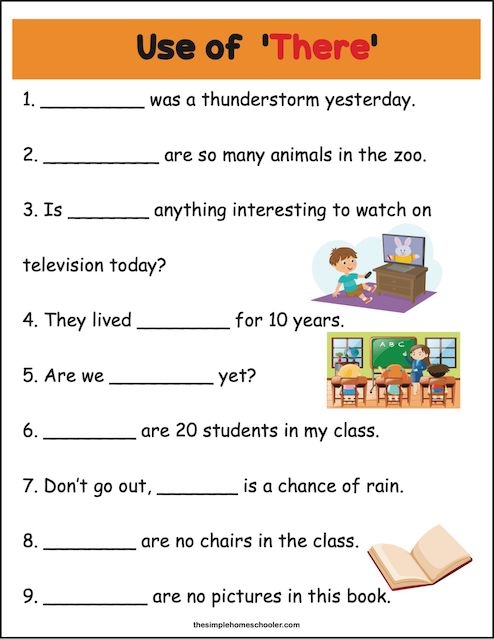
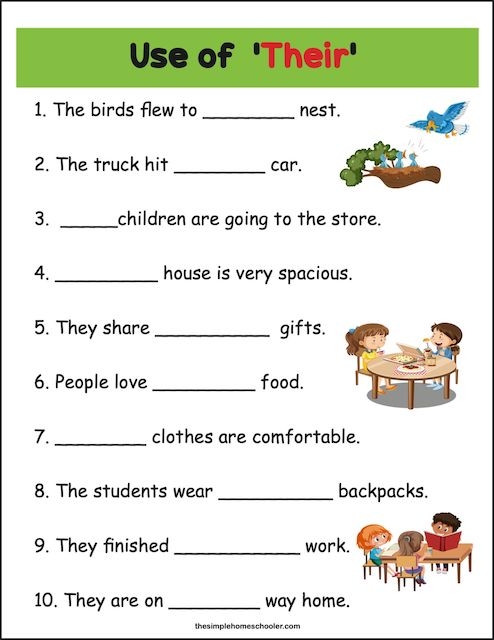
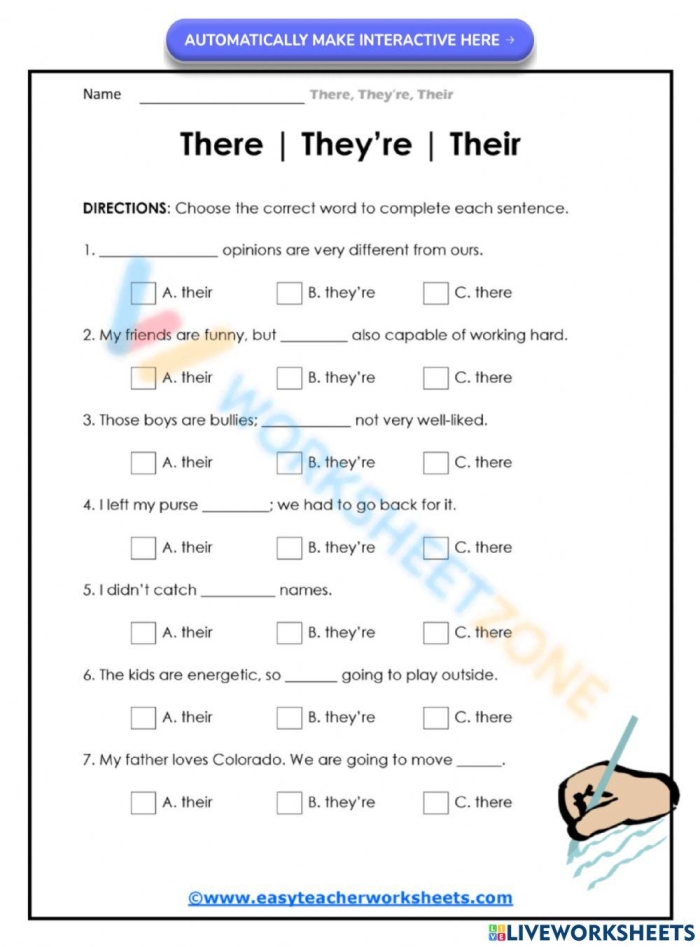
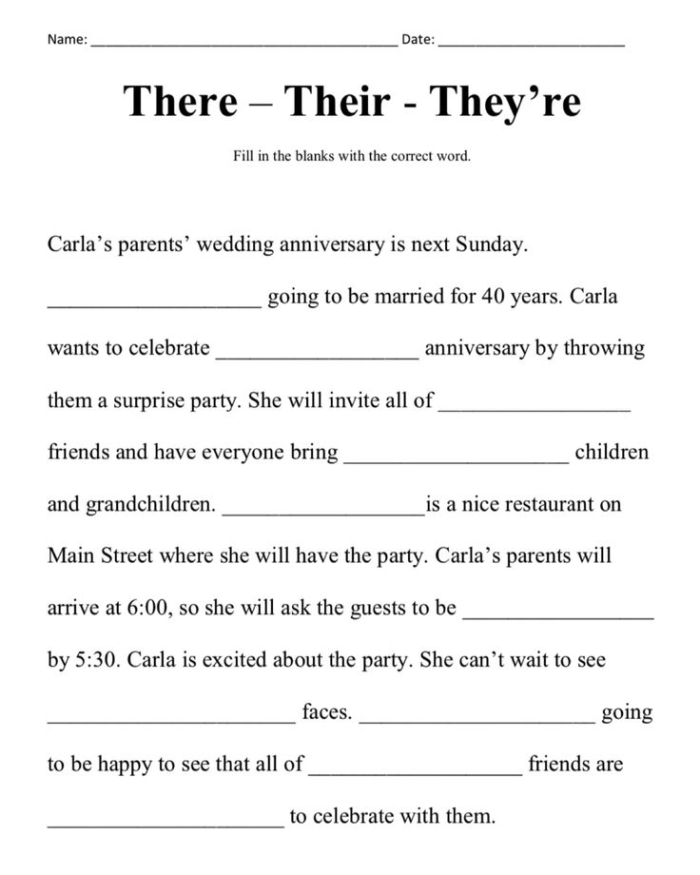
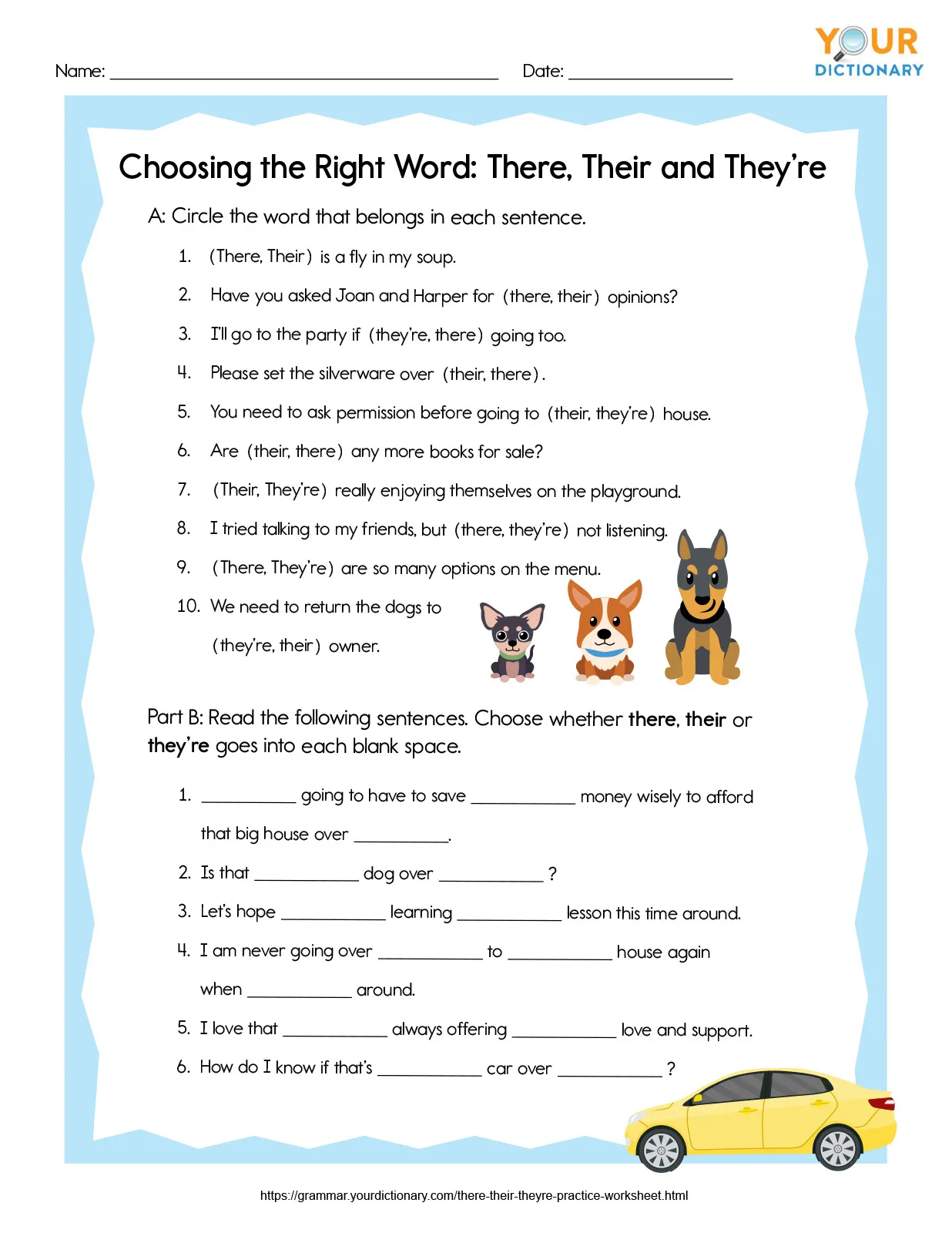
To help learners remember these differences, using a dedicated handout can be incredibly beneficial. A well-designed grammar handout can provide clear examples and exercises that reinforce the concepts. For instance, exercises might ask students to fill in the blanks with the correct word, helping them practice in a structured way.
Additionally, incorporating fun activities can enhance retention. Students could create sentences using each word correctly or even work in pairs to quiz each other. Making learning interactive not only helps in understanding grammar and mechanics but also makes it enjoyable.
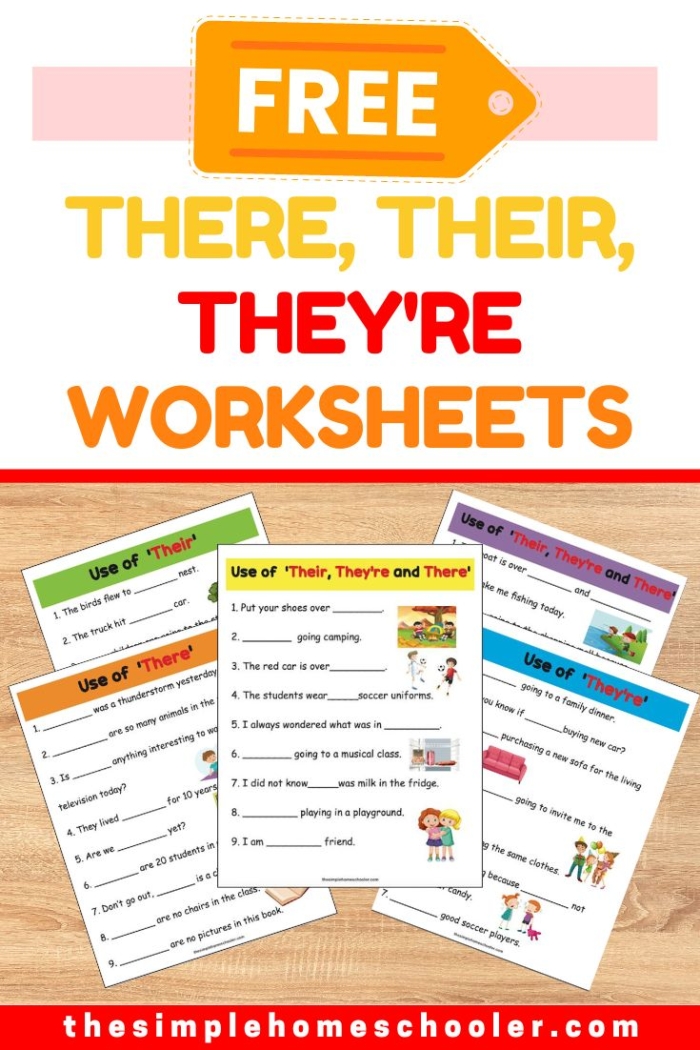
By utilizing resources like the printable “There, Their, and They’re Handout,” teachers can support fourth graders in mastering these common yet tricky words. Such tools are essential in building a strong foundation in grammar, which will benefit students in their writing skills for years to come.
Worksheet Practice Section