Understanding the Reconstruction Amendments is crucial for grasping how the United States began to address issues of racial discrimination after the Civil War. These amendments, specifically the 13th, 14th, and 15th, played a foundational role in reshaping American society by establishing rights for formerly enslaved individuals and combating discrimination.
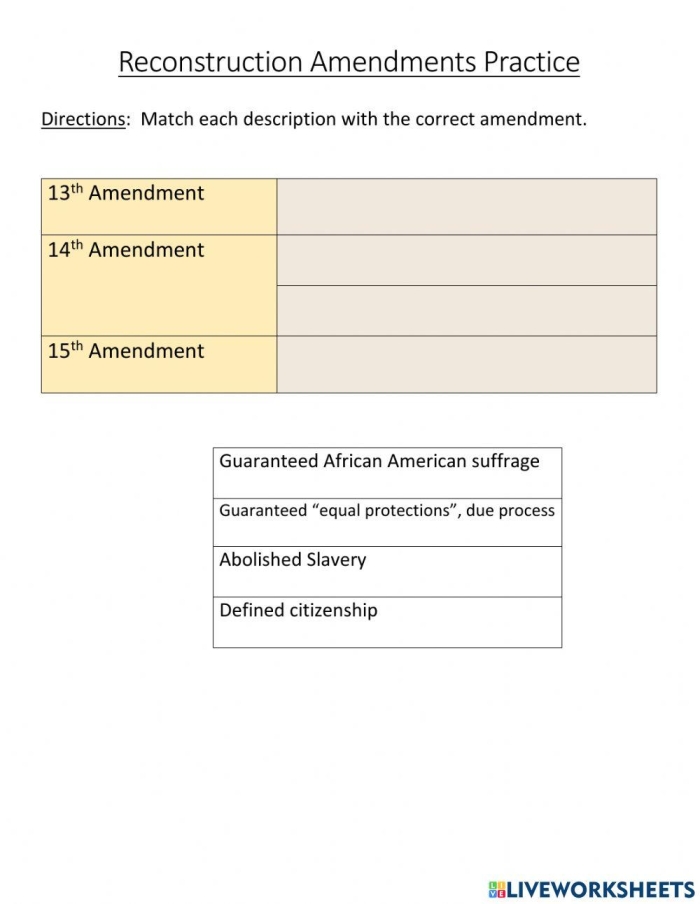
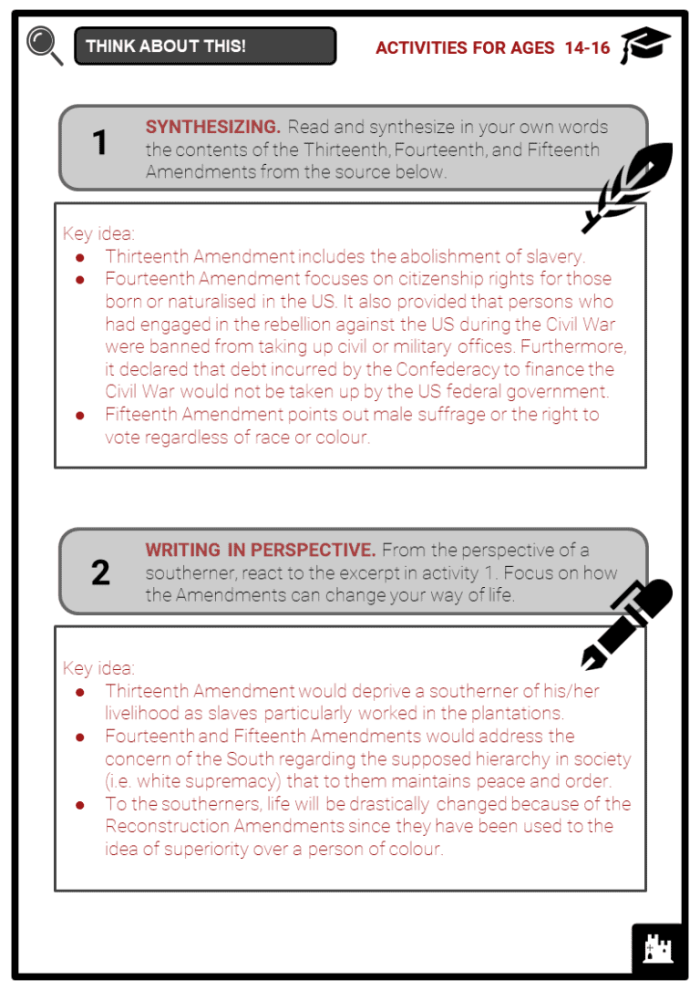
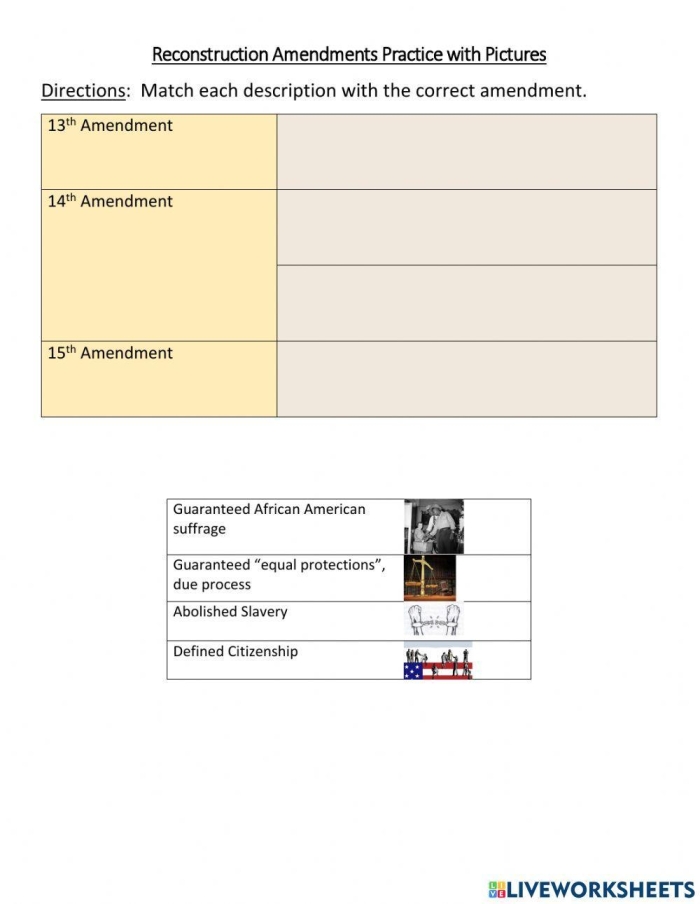
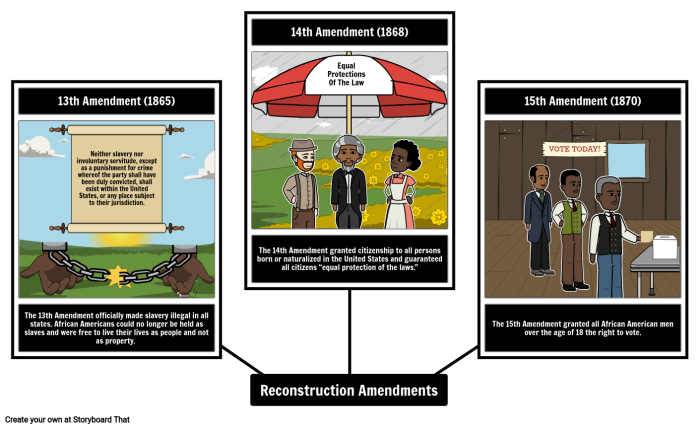
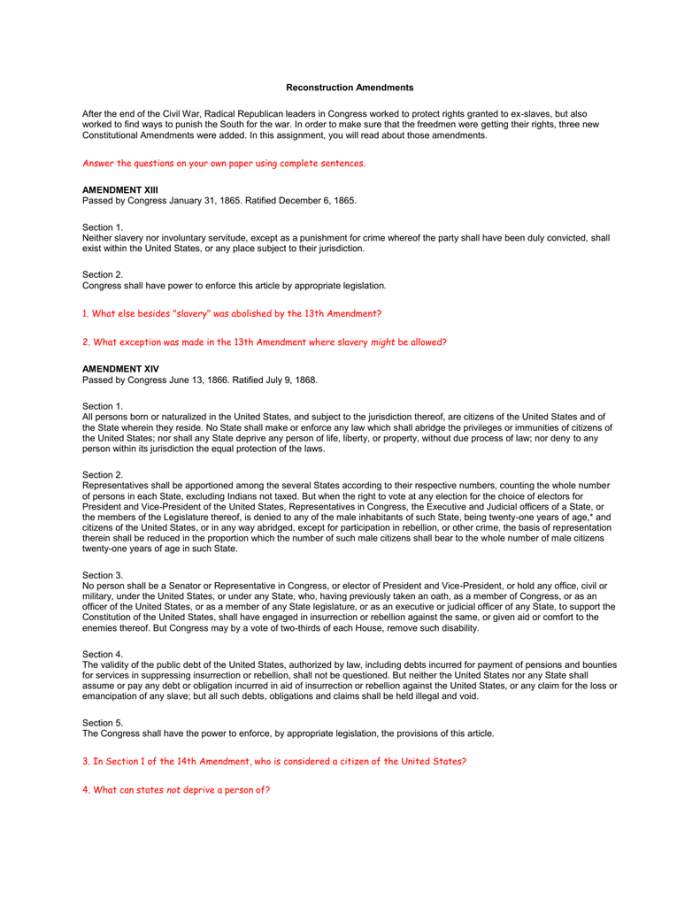
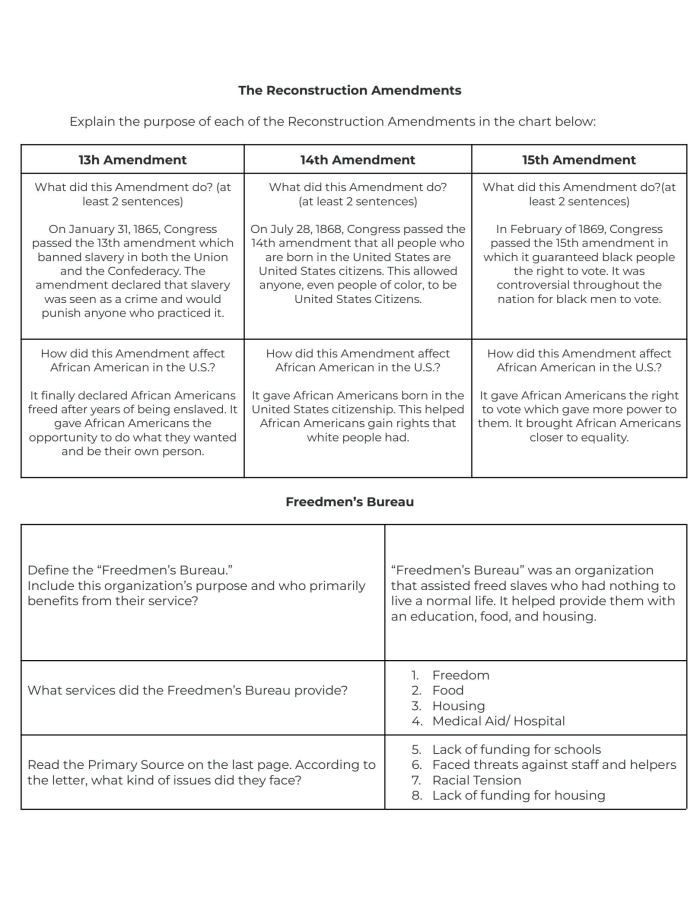
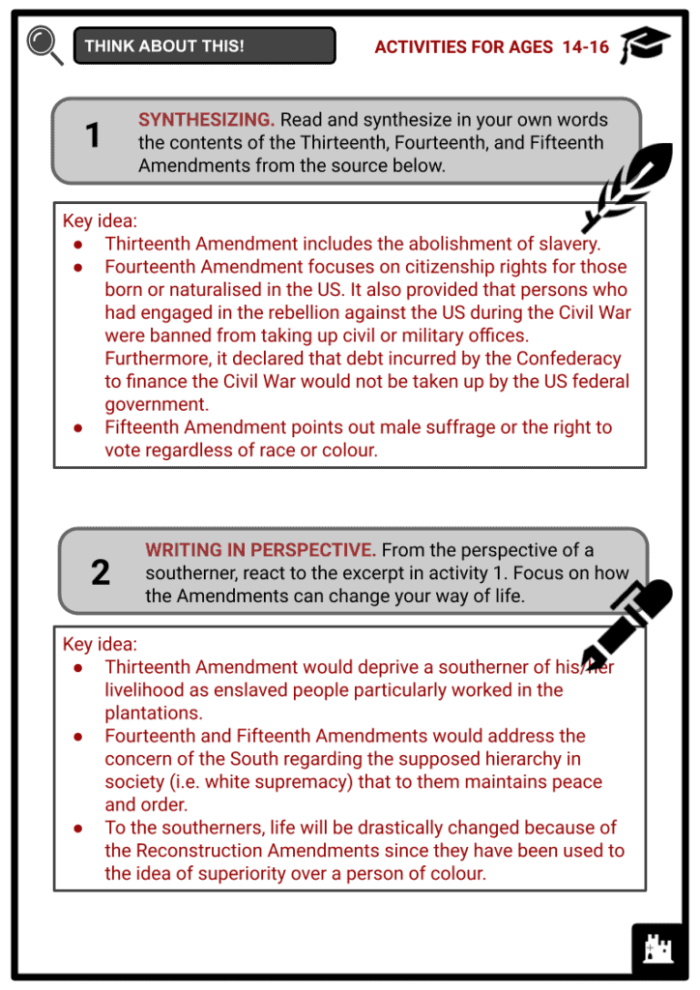
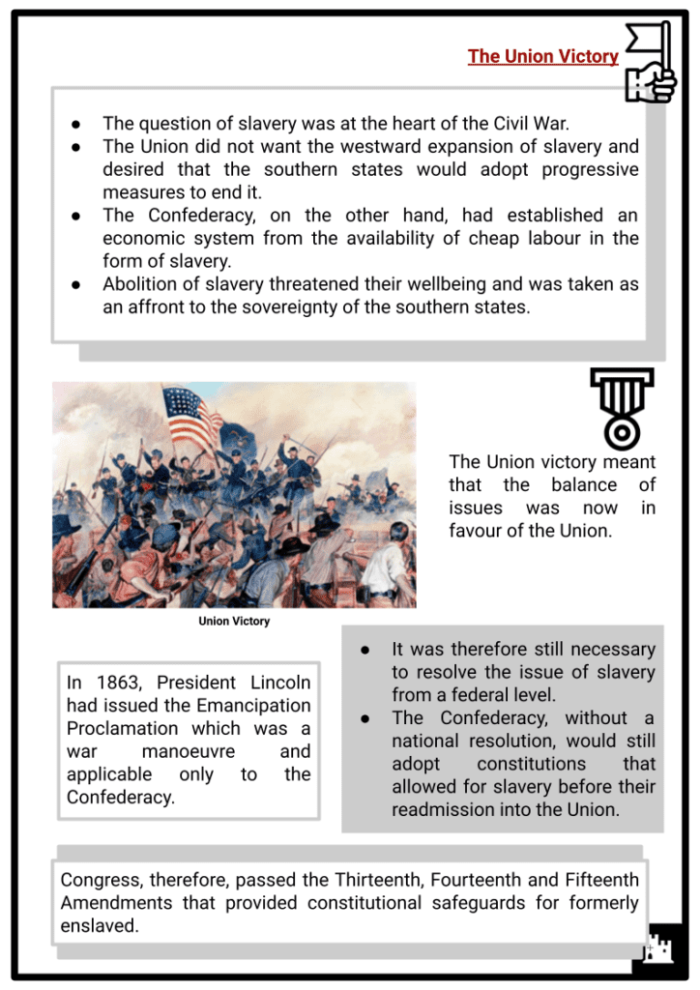
The 13th Amendment abolished slavery, marking a significant turning point in American history. It not only freed those who had been enslaved but also set the stage for future civil rights advancements. Following this, the 14th Amendment introduced the principle of citizenship for all persons born or naturalized in the United States, thereby granting equal protection under the law. This was a direct response to the discriminatory practices that had persisted even after the war.
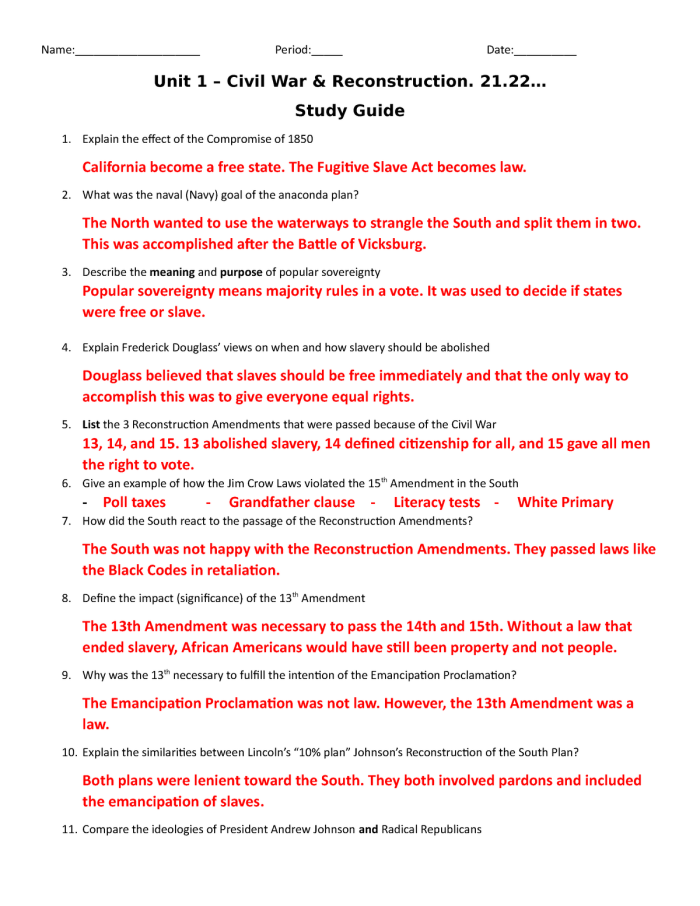
Moreover, the 15th Amendment addressed voting rights, prohibiting the denial of the right to vote based on race. This amendment aimed to empower African American men, allowing them to participate in the democratic process. However, despite these legal advancements, discriminatory practices such as literacy tests and poll taxes emerged, undermining these rights for many.
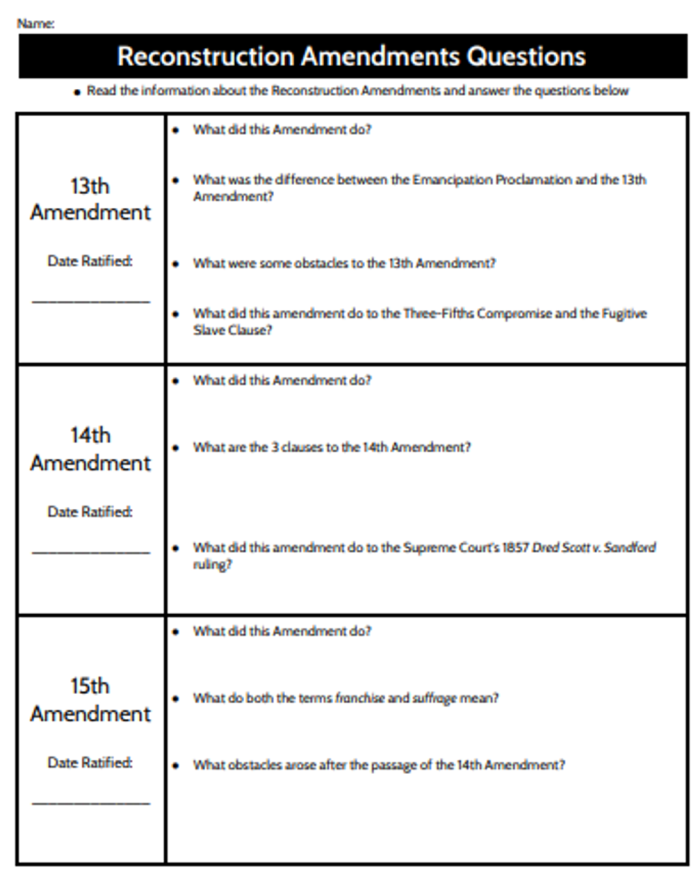
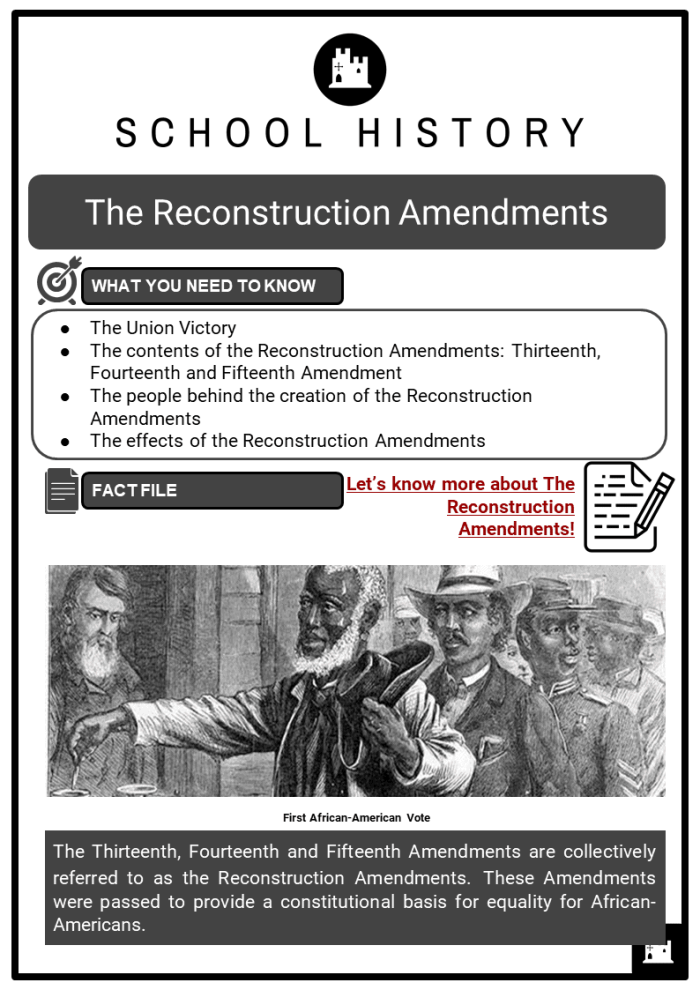
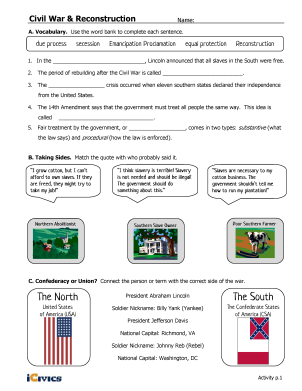
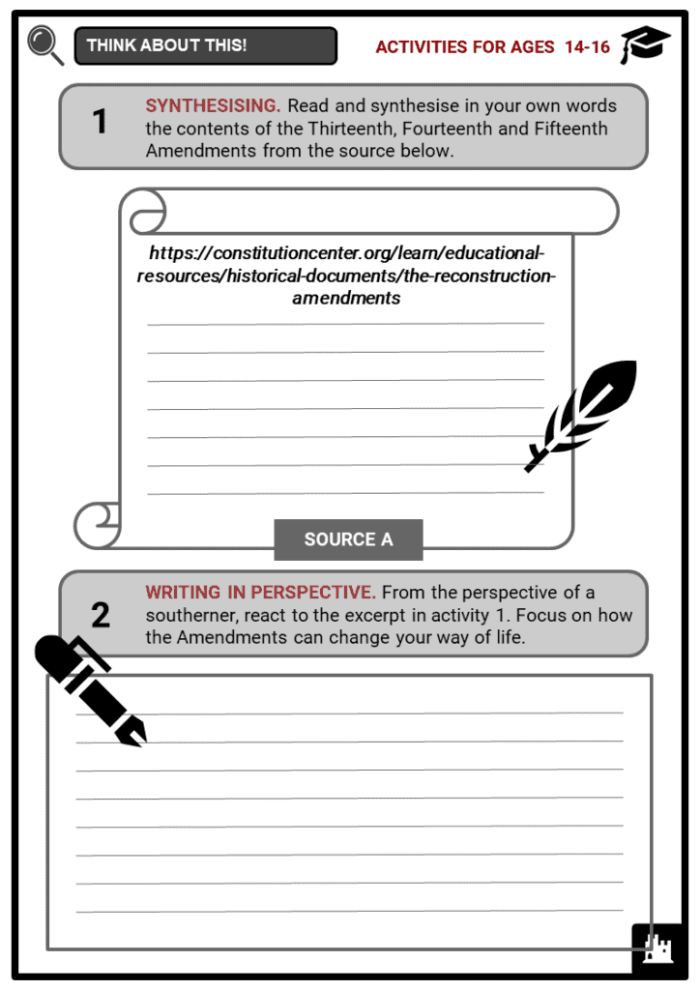
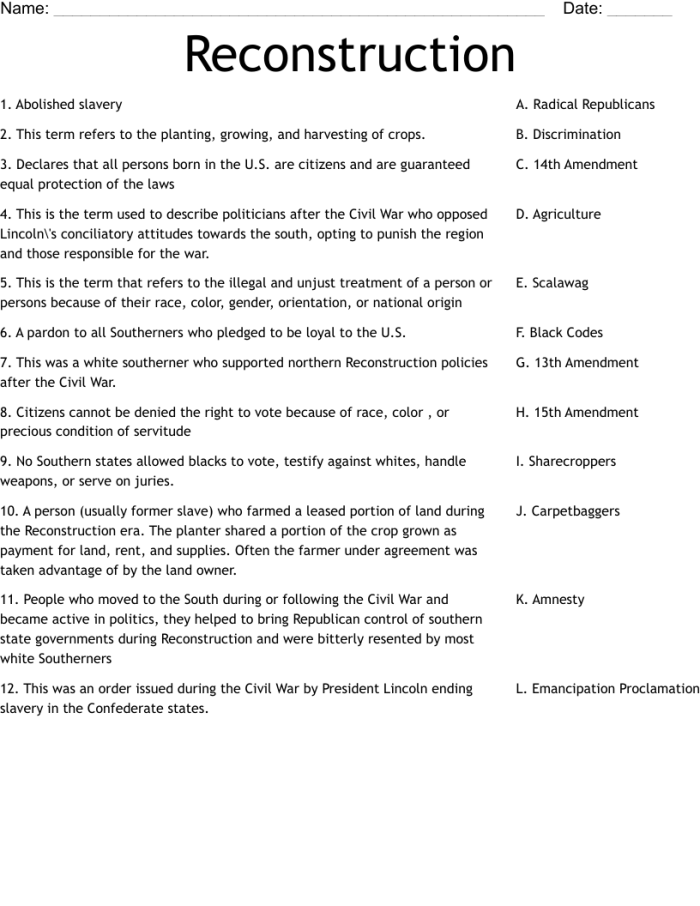
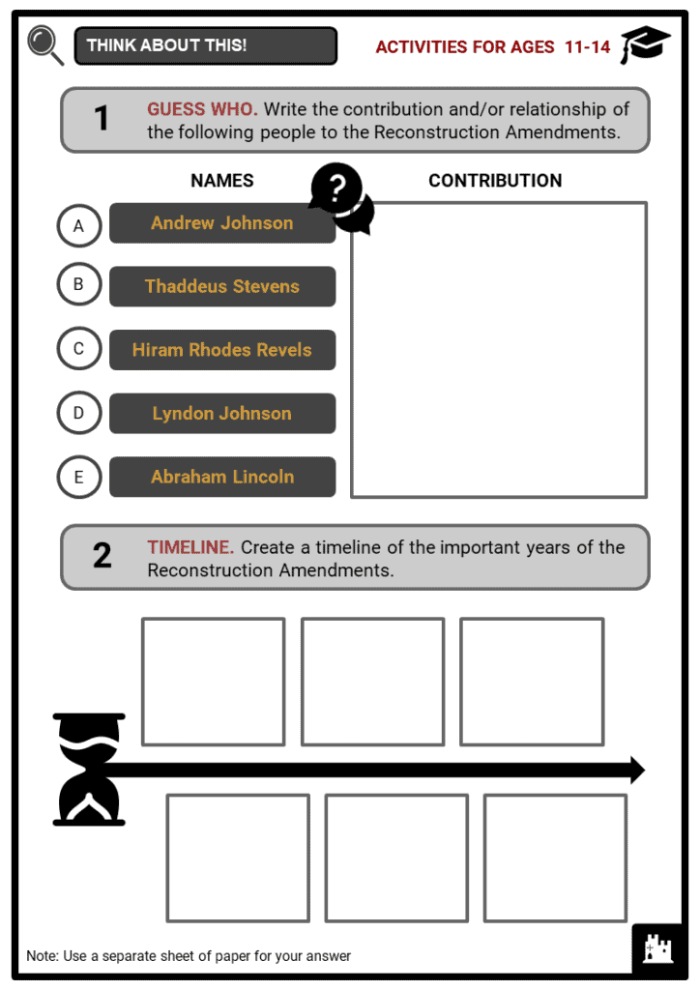
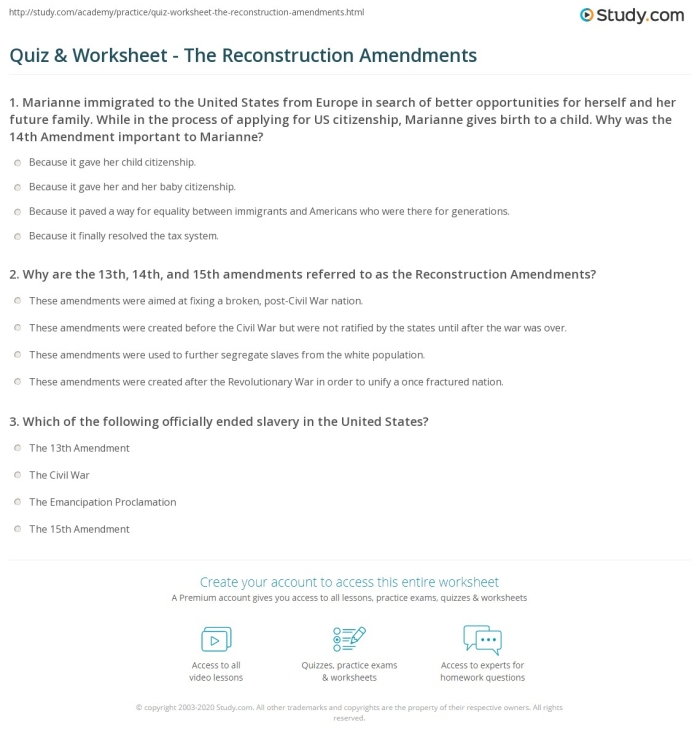
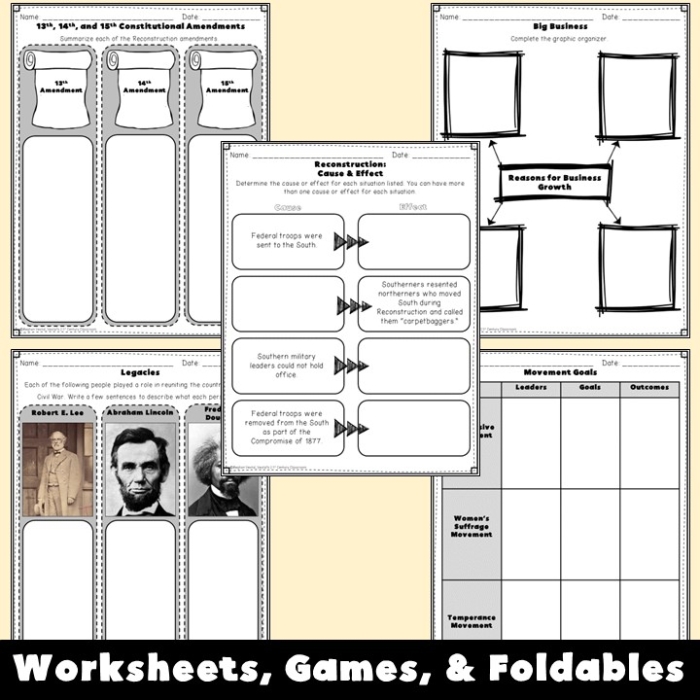
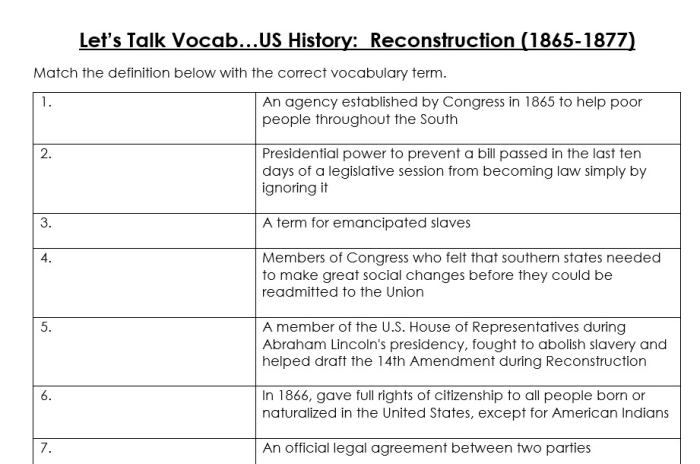
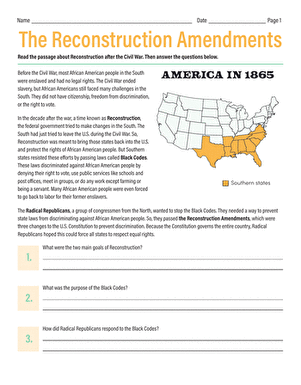
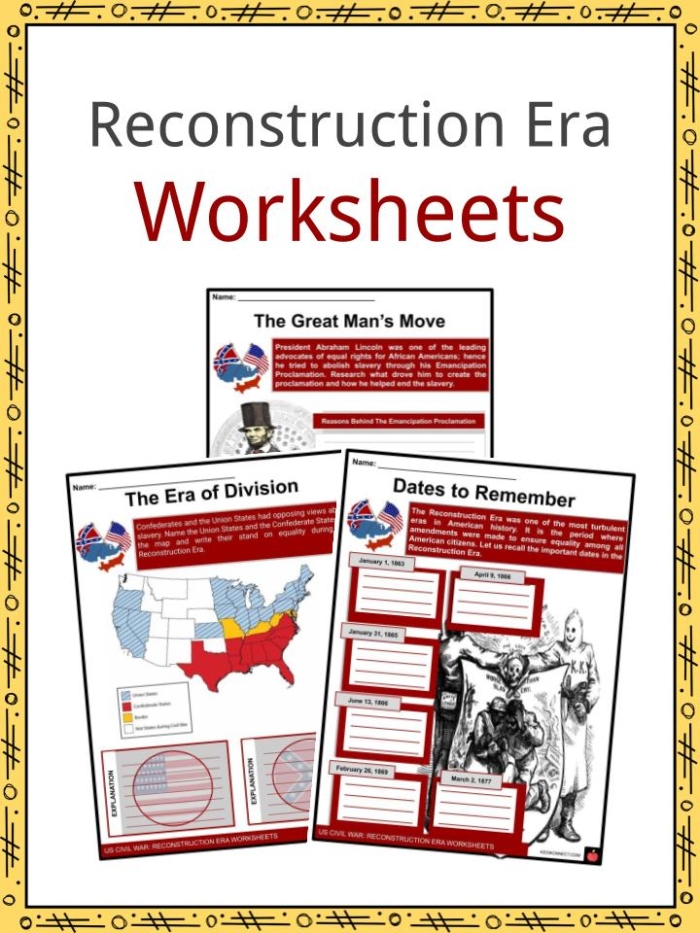
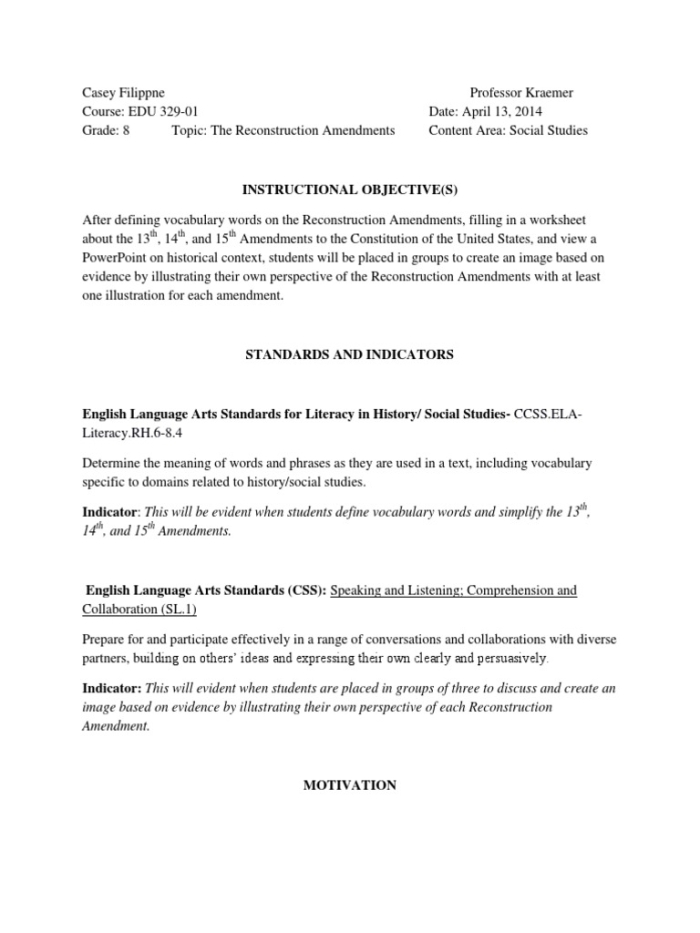
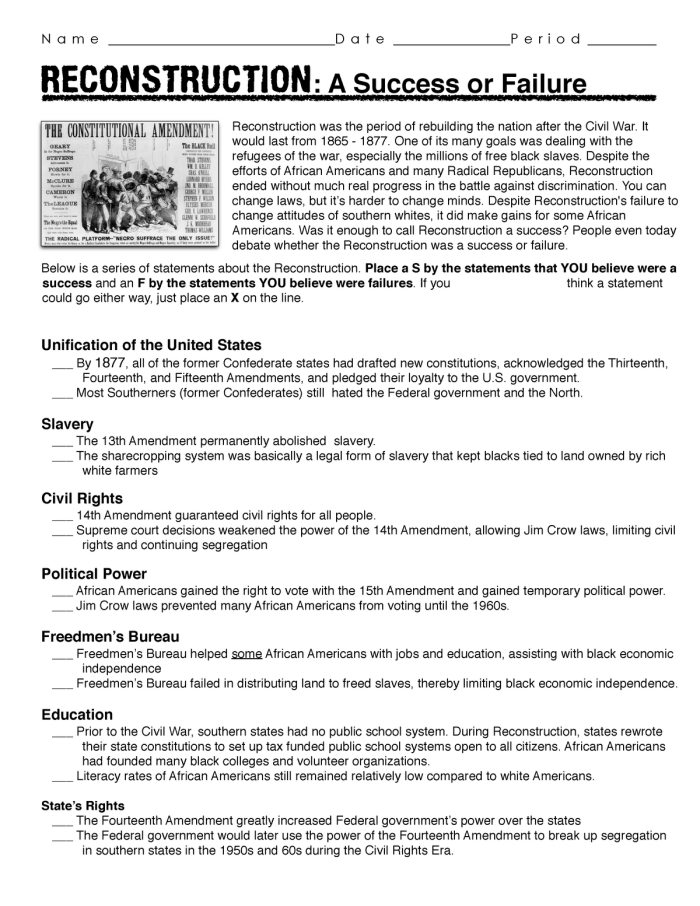
For sixth graders studying these topics, a three-page history worksheet can provide a structured way to investigate the Reconstruction Amendments and their implications. Such a resource can help students grasp the significance of these amendments through engaging activities and insights into their historical context. Worksheets like those available at Lumina Worksheets not only enhance understanding but also encourage critical thinking about how these amendments sought to combat discrimination.
Exploring these amendments highlights the ongoing struggle for equality in America. By studying their origins, students can connect the dots between past injustices and contemporary issues, fostering a deeper appreciation for civil rights history. The Reconstruction Amendments serve as a reminder of the progress made and the work still needed to ensure equality for all. For teachers aiming to integrate argument writing into their lessons, resources like the argument writing rubric can be beneficial in guiding students through this important discourse.
Practice with These Worksheets