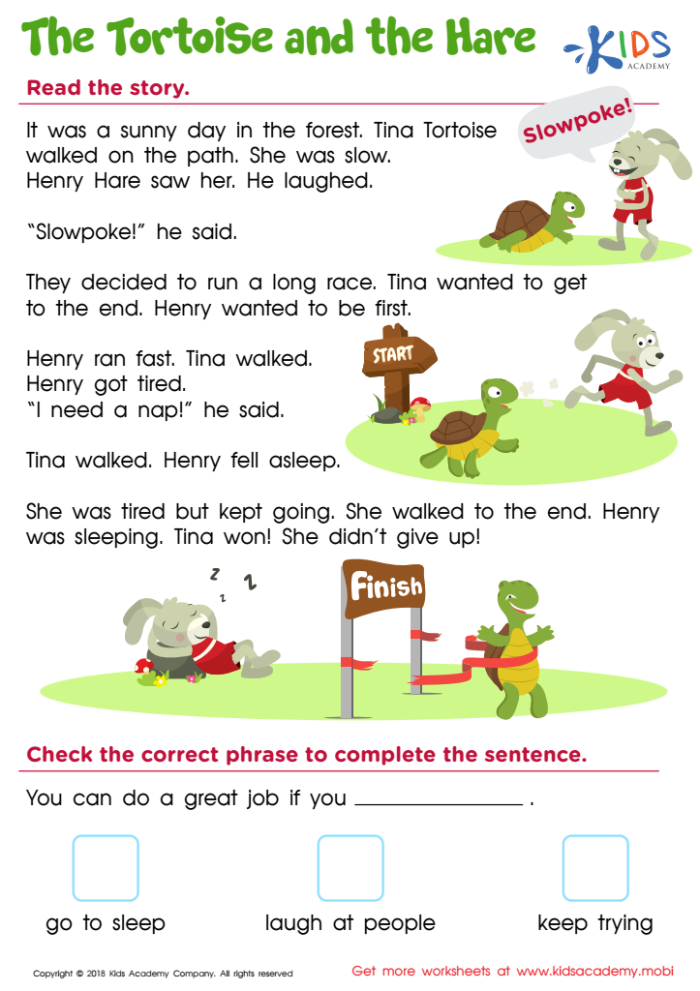
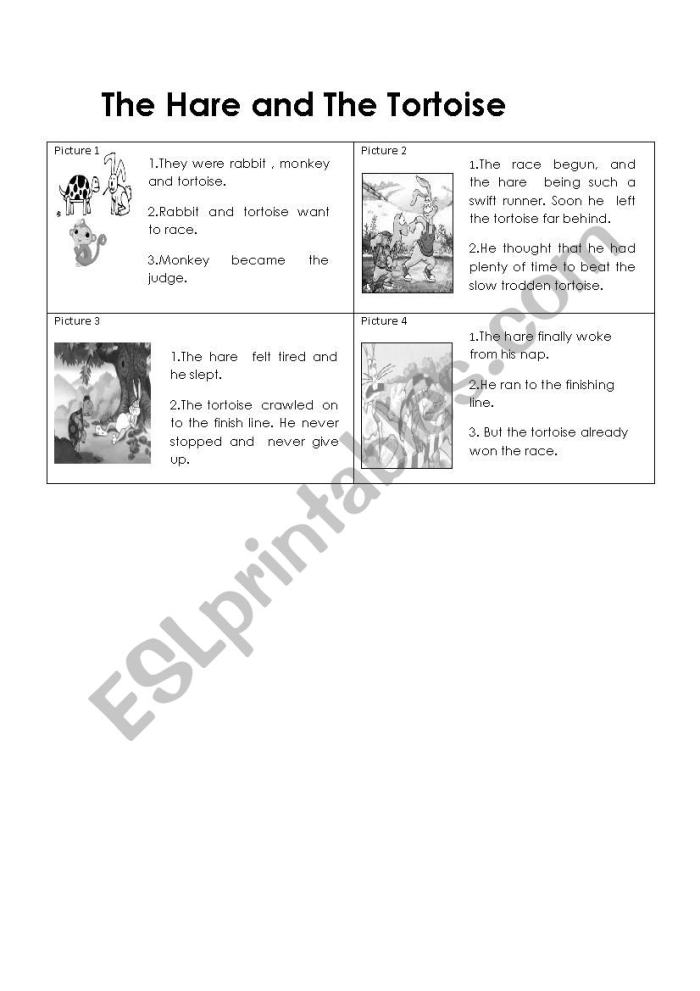
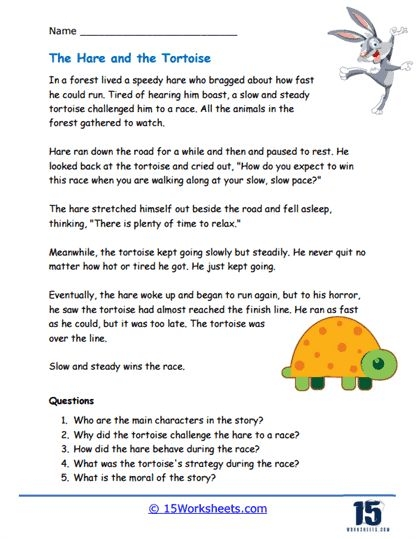
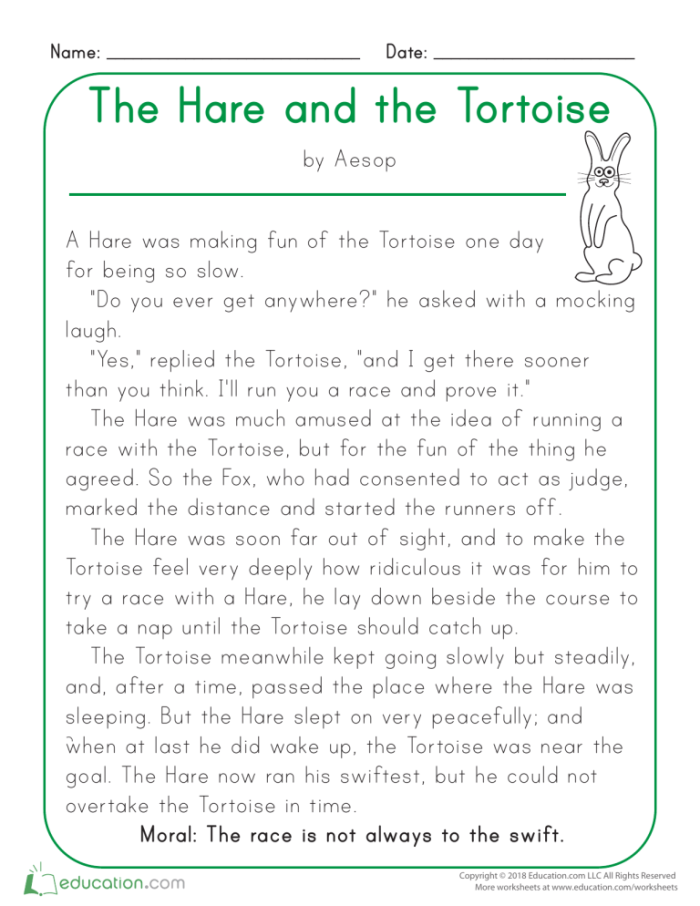
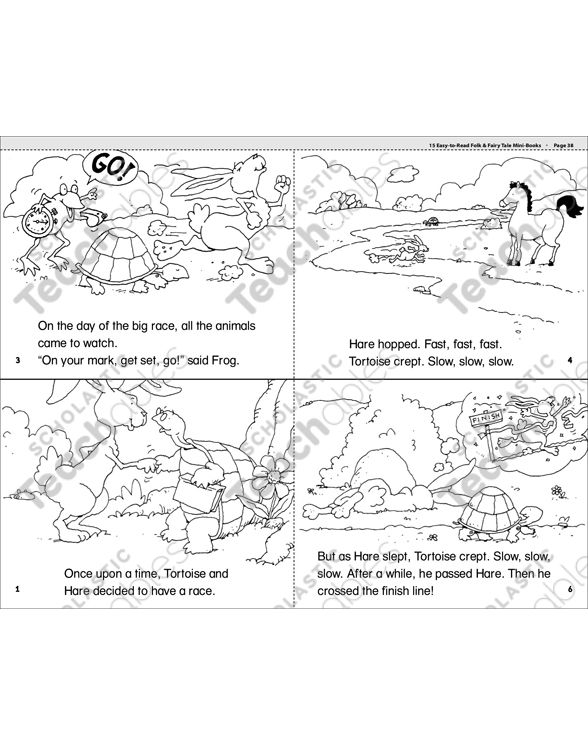
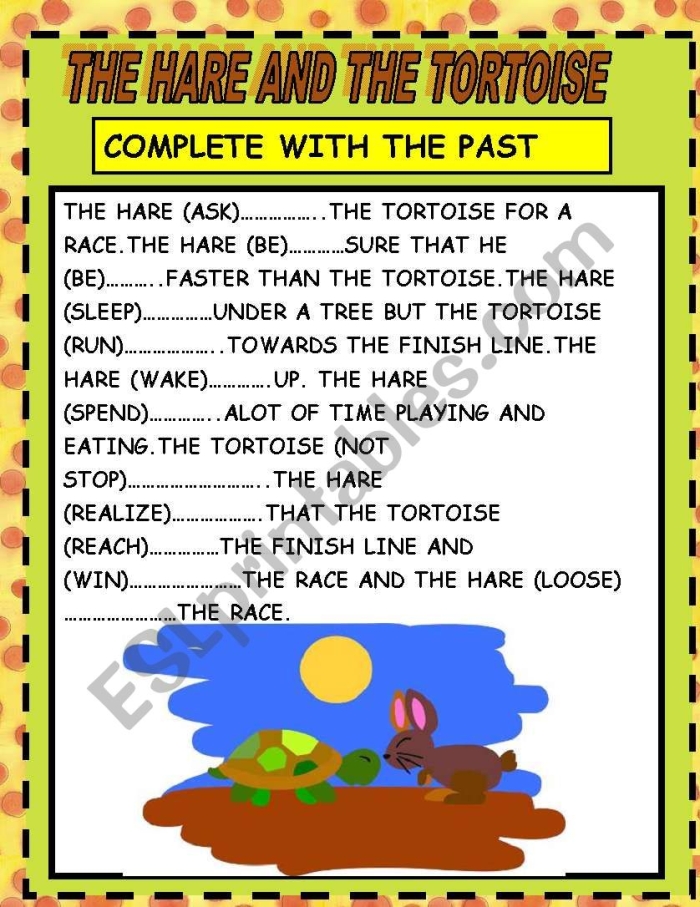
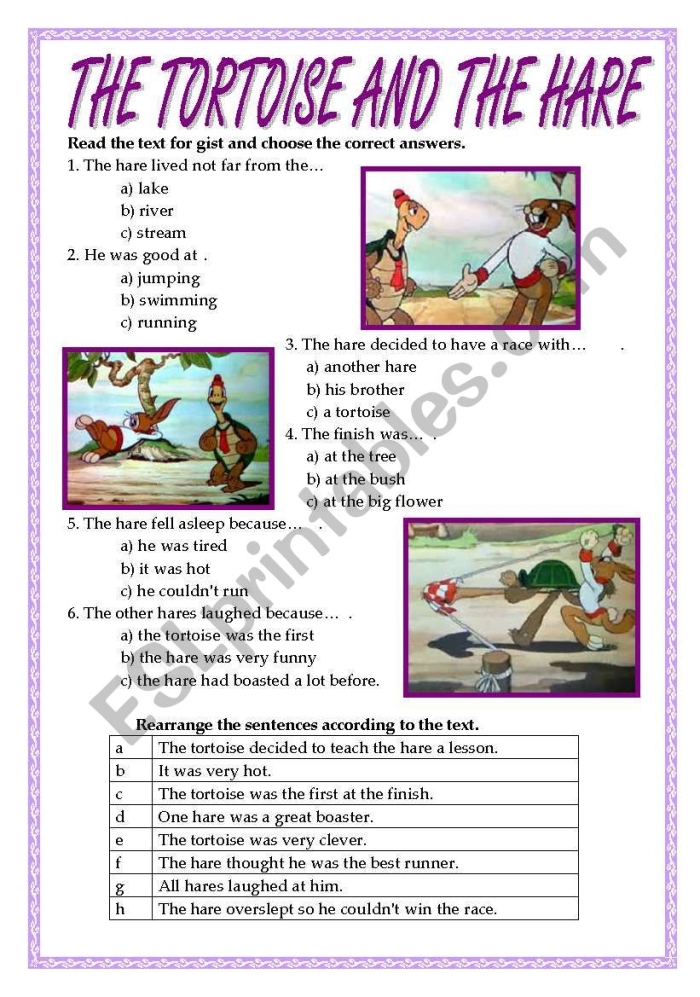
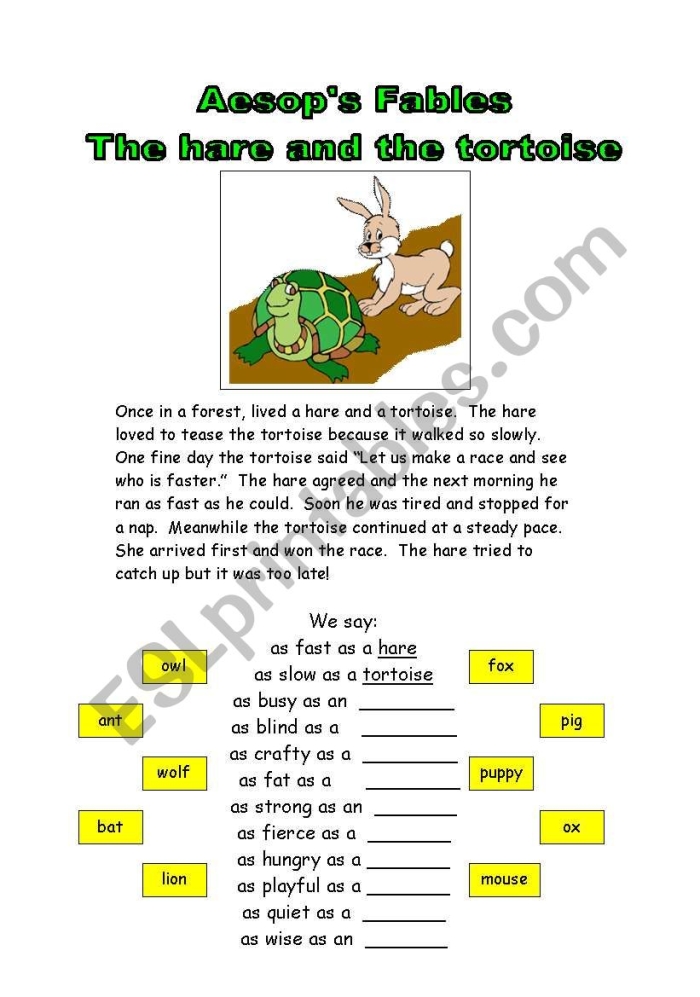
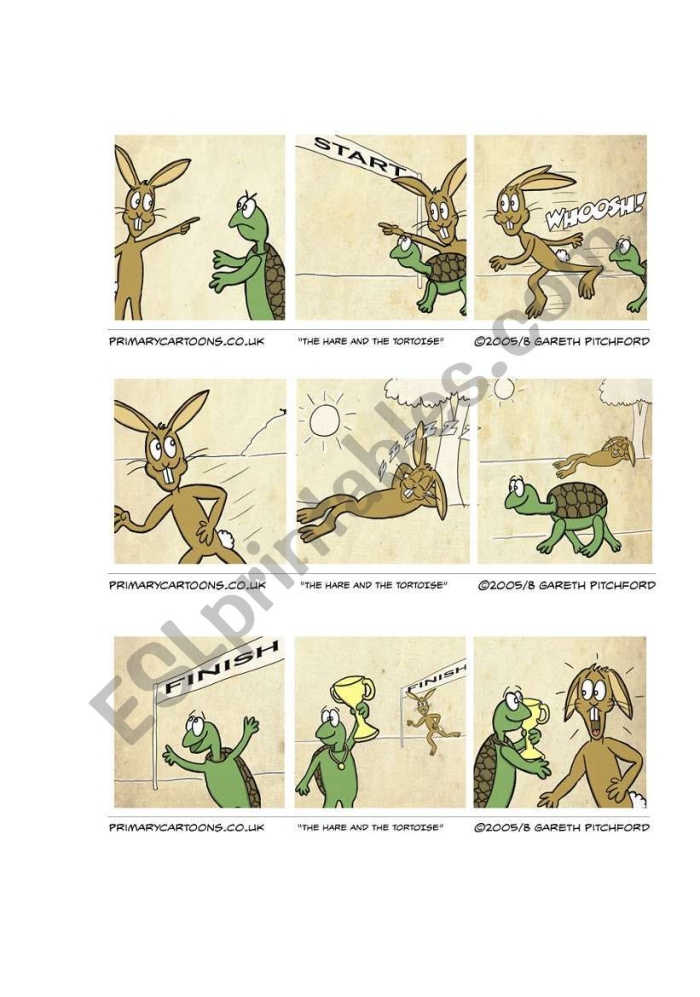
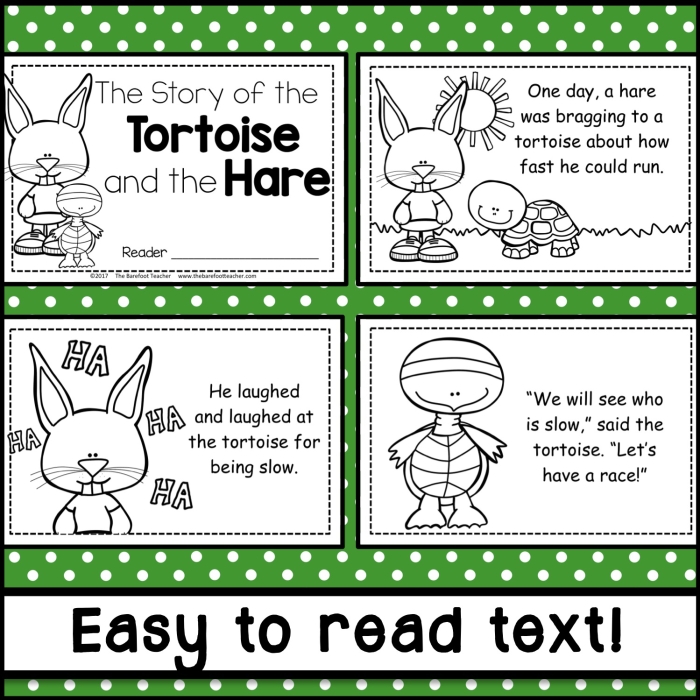
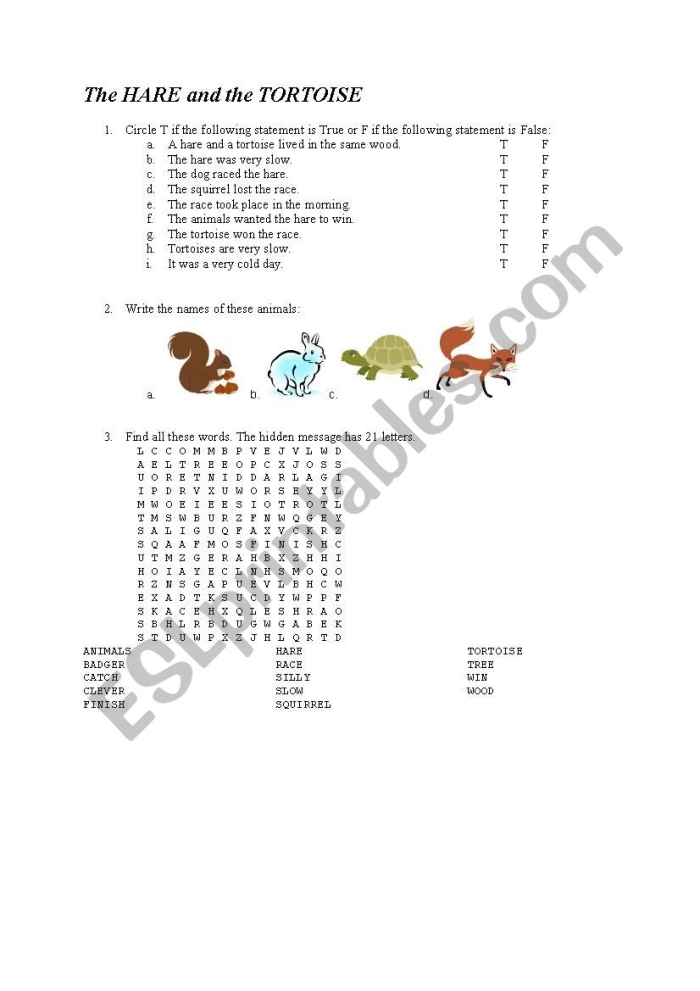
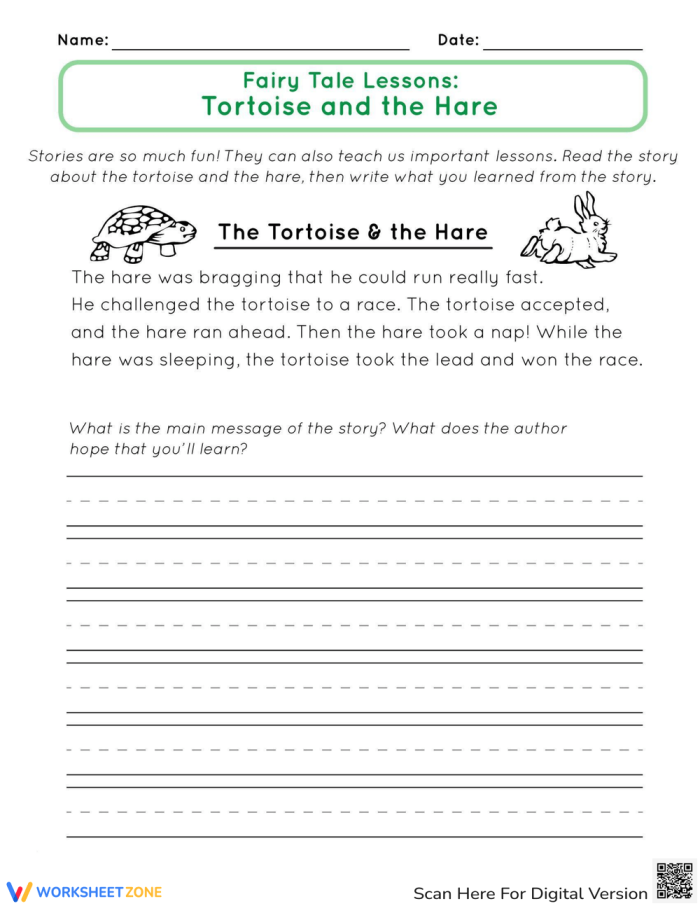
Most people think they know how Aesop’s fable ends. The hare, confident and speedy, takes a nap during the race. The tortoise, slow but steady, keeps moving and crosses the finish line first. We’ve heard this story so many times that the ending feels inevitable. But what makes this fable endure for over 2,500 years isn’t just the plot—it’s what children actually learn from it.
When kindergarten teachers introduce The Hare and the Tortoise, they’re not simply telling a cute animal story. They’re teaching persistence, humility, and the danger of overconfidence. Young learners see themselves in both characters. Some recognize their own impatience in the hare’s arrogance, while others find courage in the tortoise’s determination despite being naturally slower.
The brilliance of this fable lies in its simplicity. There are no complex moral arguments or abstract concepts. A hare races a tortoise. One character sleeps. One character wins. Kindergarten students grasp this immediately, and the lesson sticks because it’s wrapped in a memorable narrative rather than a lecture.
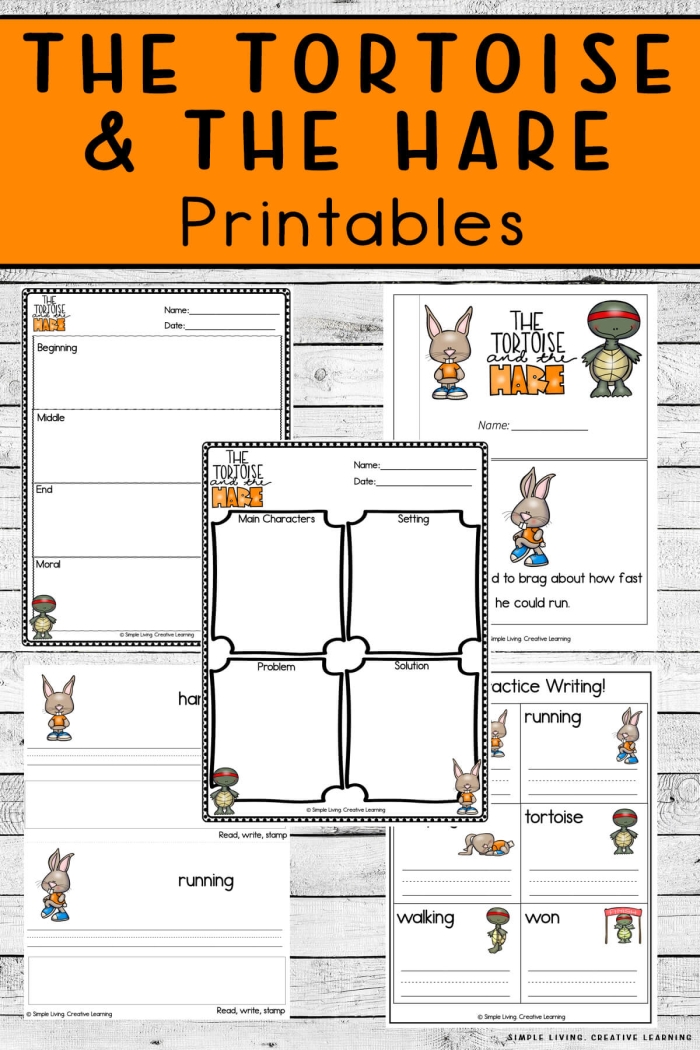
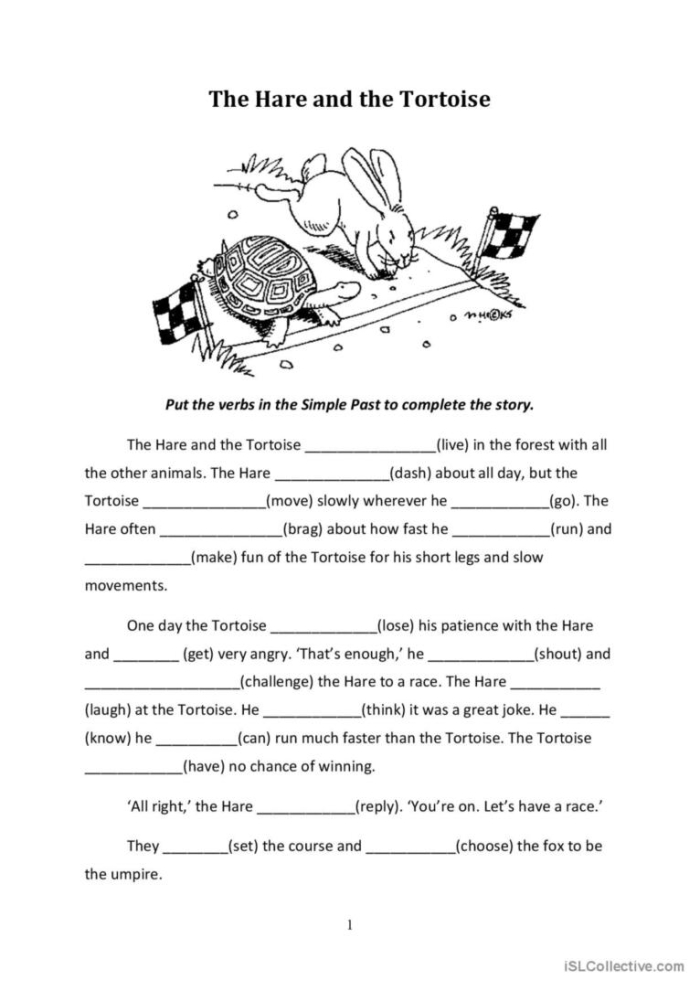
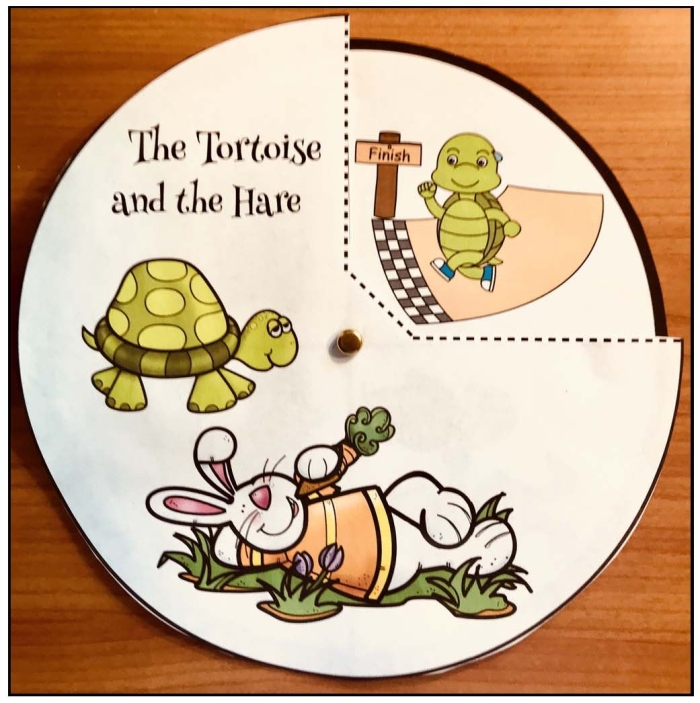
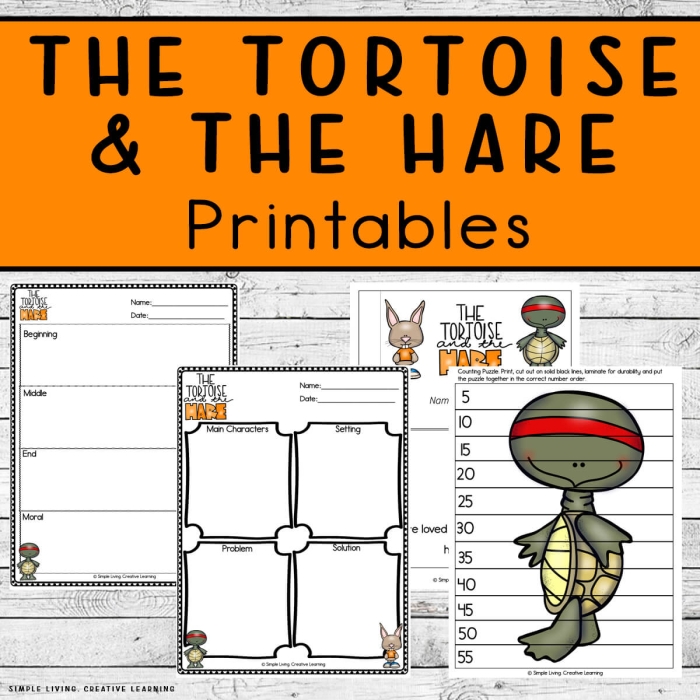
Educators often pair this story with activities that reinforce the themes. Students might practice ordering numbers to 20 to track the race progress, or explore counting activities that help them understand sequence and patience. Some classrooms even use community workers comparisons to show how different professions require different paces of work.
The fable’s longevity reveals something important about history and human nature. Across centuries and cultures, people return to this story because it addresses real struggles: the tension between natural talent and effort, between rushing and perseverance. For kindergarten students encountering it for the first time, it becomes a foundation for understanding that success rarely depends on being the fastest—it depends on showing up and continuing.
Use These Worksheets Today