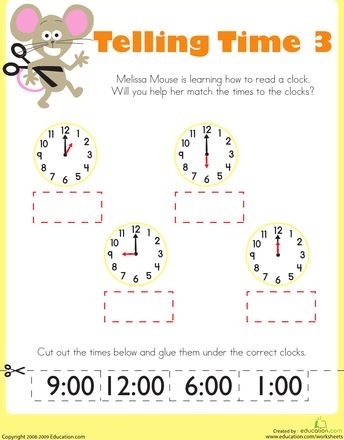
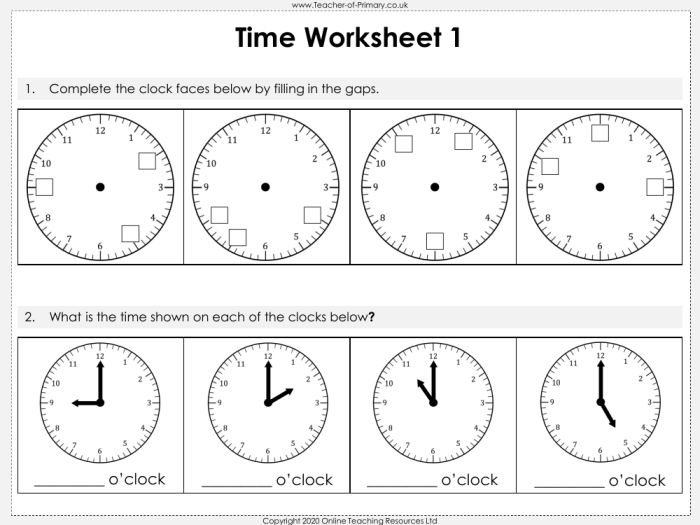
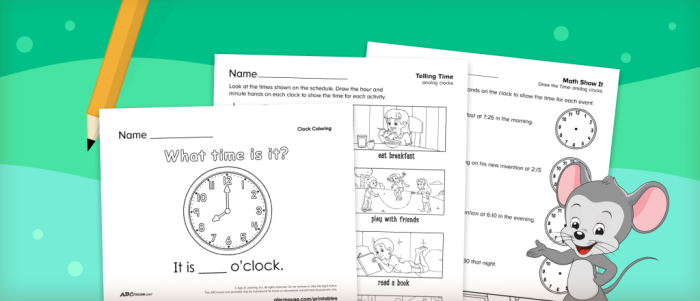
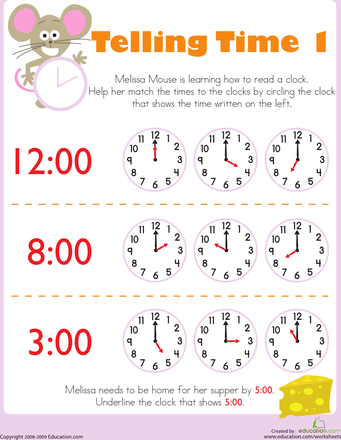
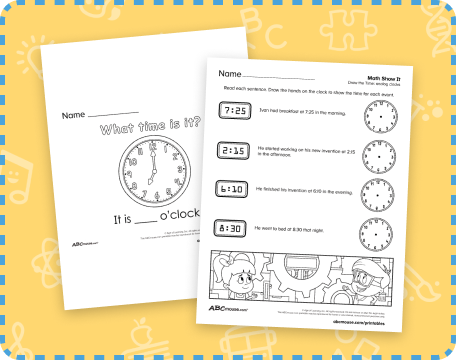
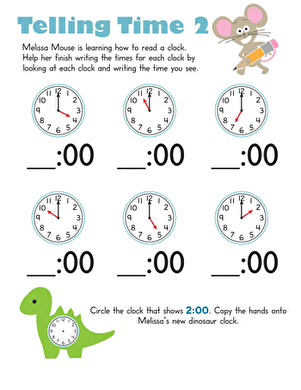
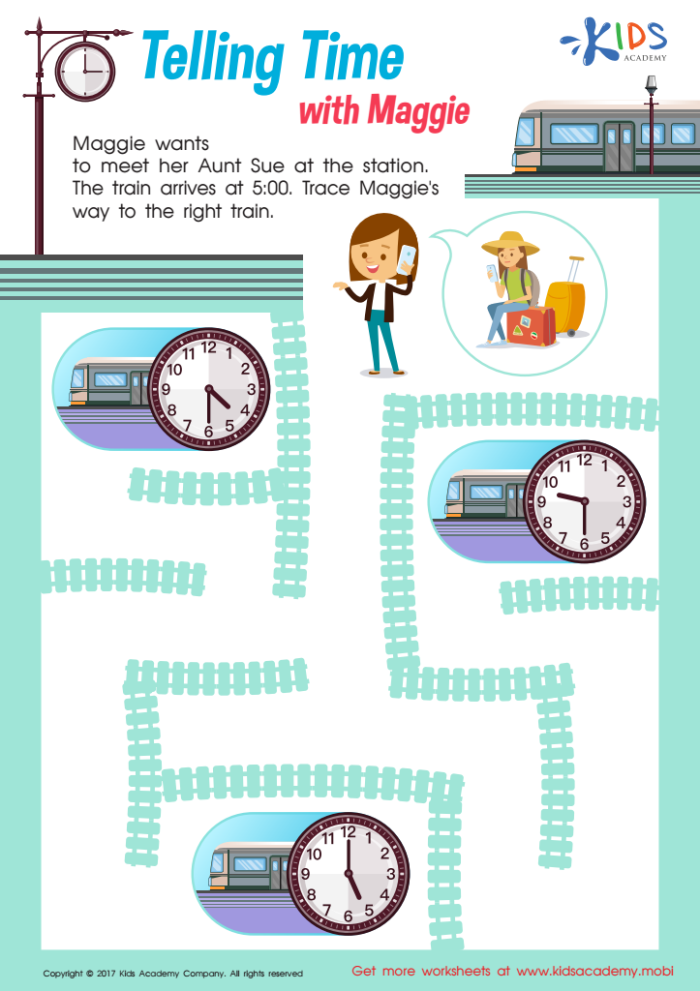
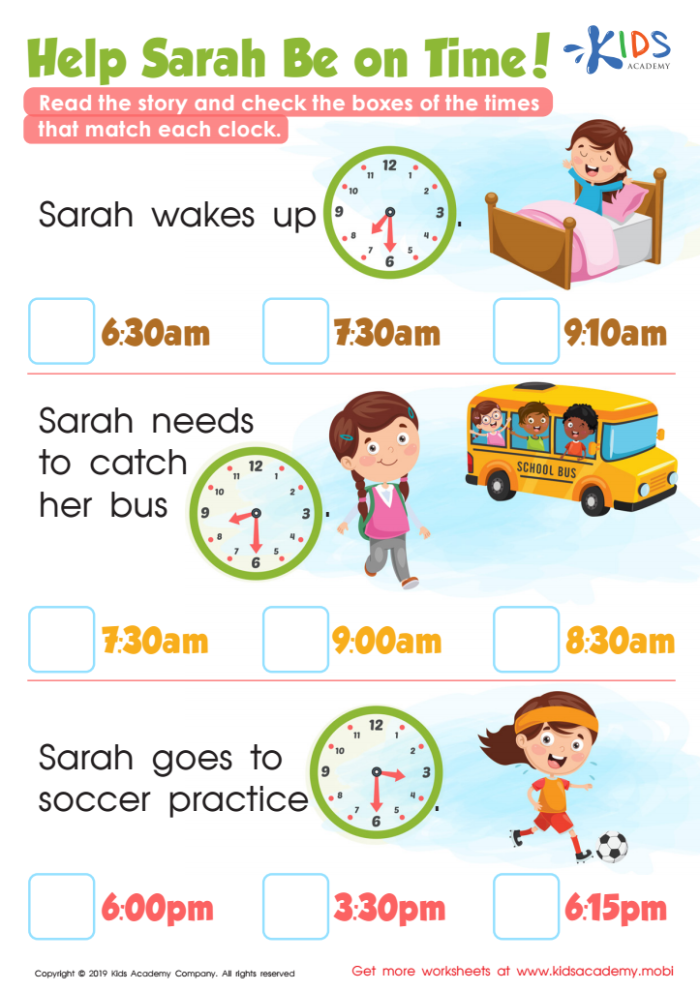
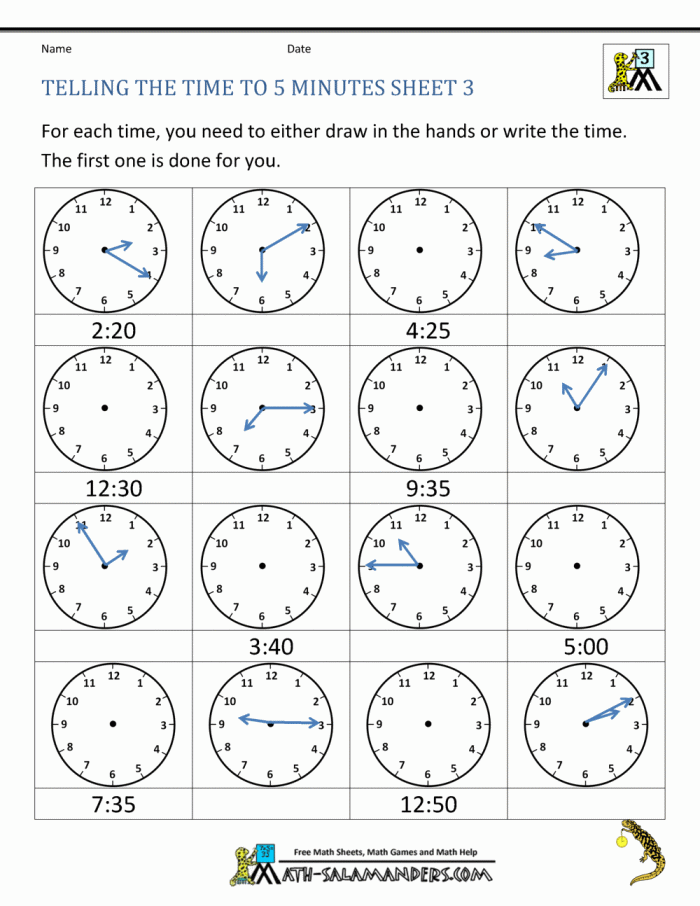
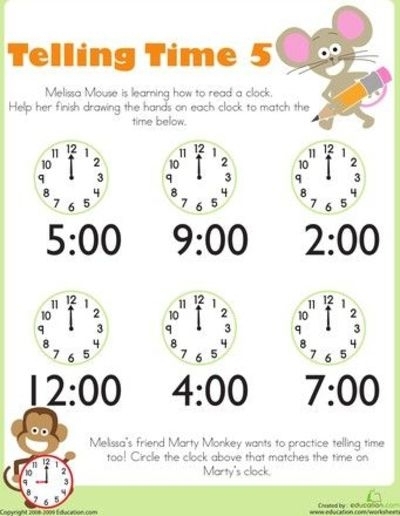
Telling time represents one of those foundational skills that kindergarten students need to master, yet it often feels abstract to young learners. The Telling Time with Melissa Mouse worksheet changes that by pairing clock reading with a relatable character who needs help understanding the hours and minutes.
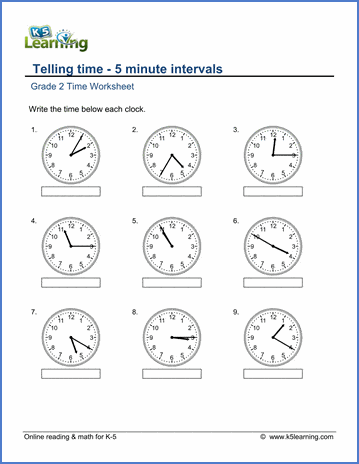
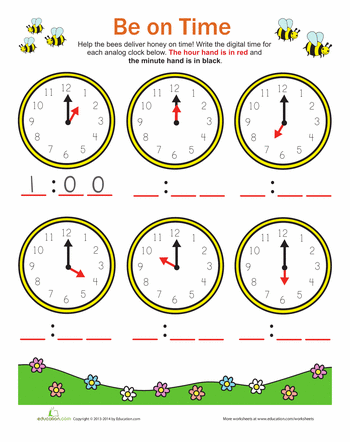
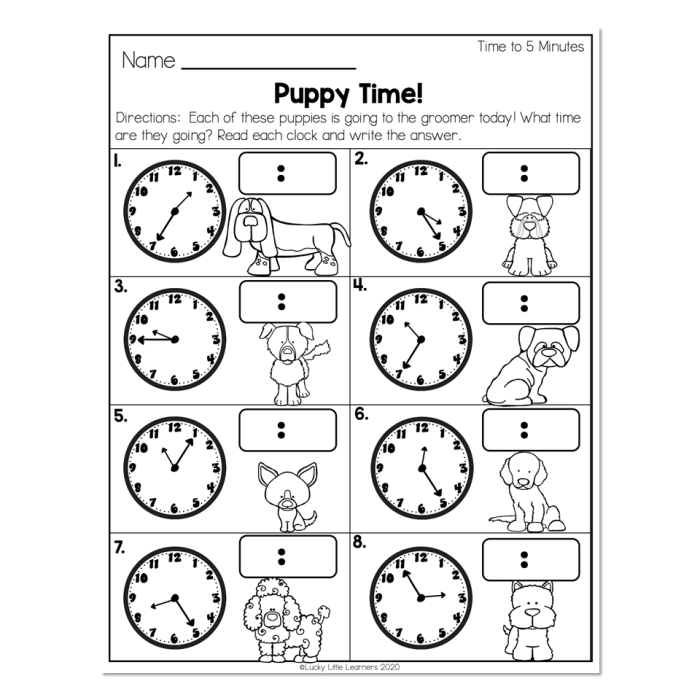
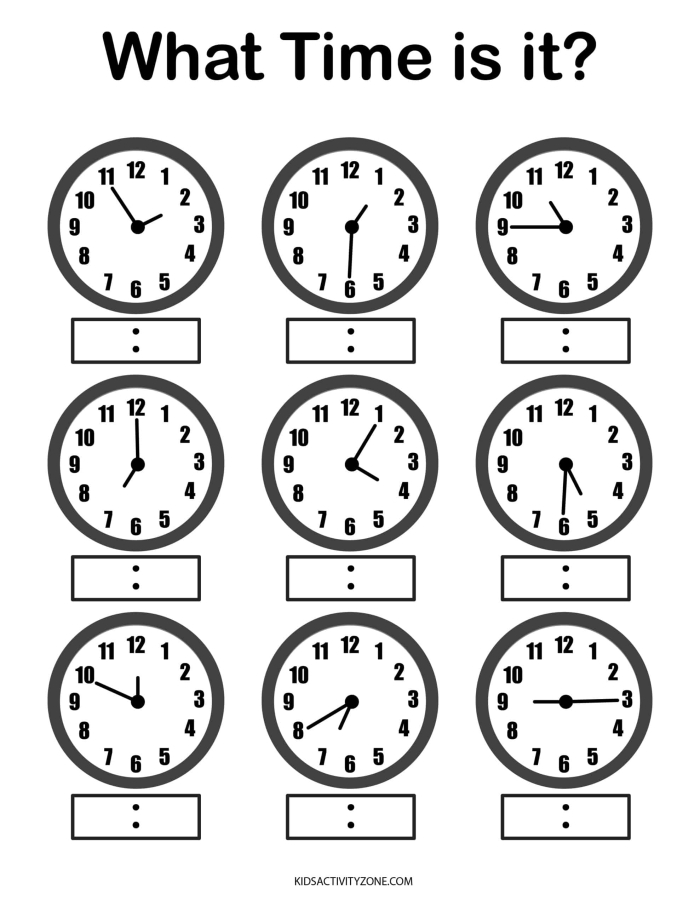
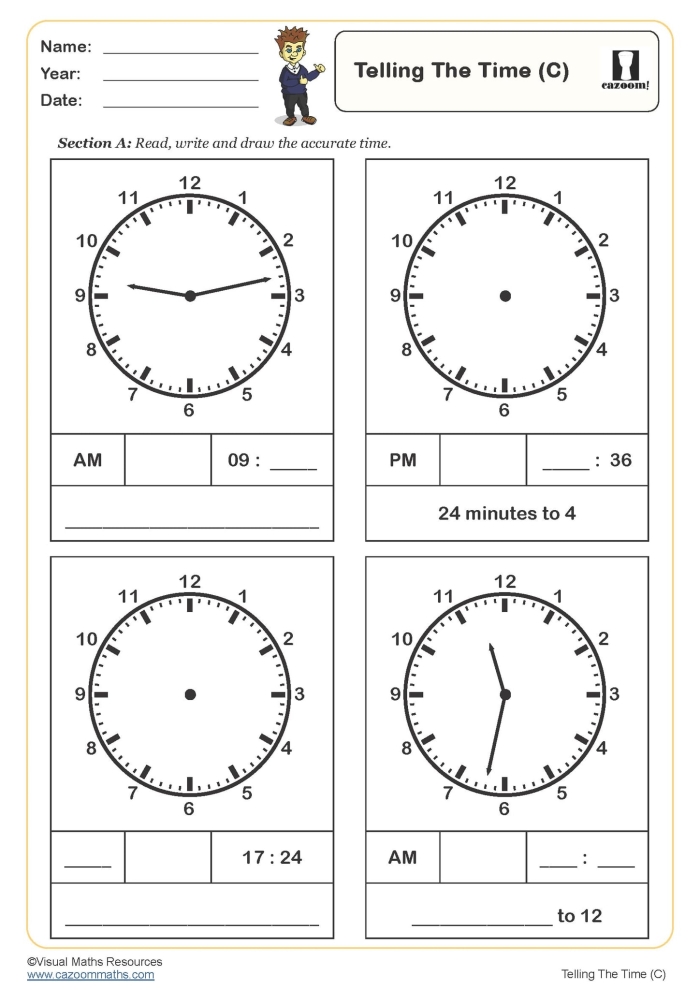
This printable worksheet invites children to step into the role of helper rather than passive learner. As kids work through each problem, they examine analog clock faces showing different times, figure out what the hands are pointing to, and write their answers. The process builds both clock literacy and confidence in a way that feels purposeful rather than rote.
What makes this approach effective is that kindergarteners learn better when they have a specific reason to complete a task. Helping Melissa Mouse creates that narrative hook. Instead of simply reading clocks for an abstract exercise, children are solving a problem for a character they can visualize. This context matters more than many adults realize when teaching young children.
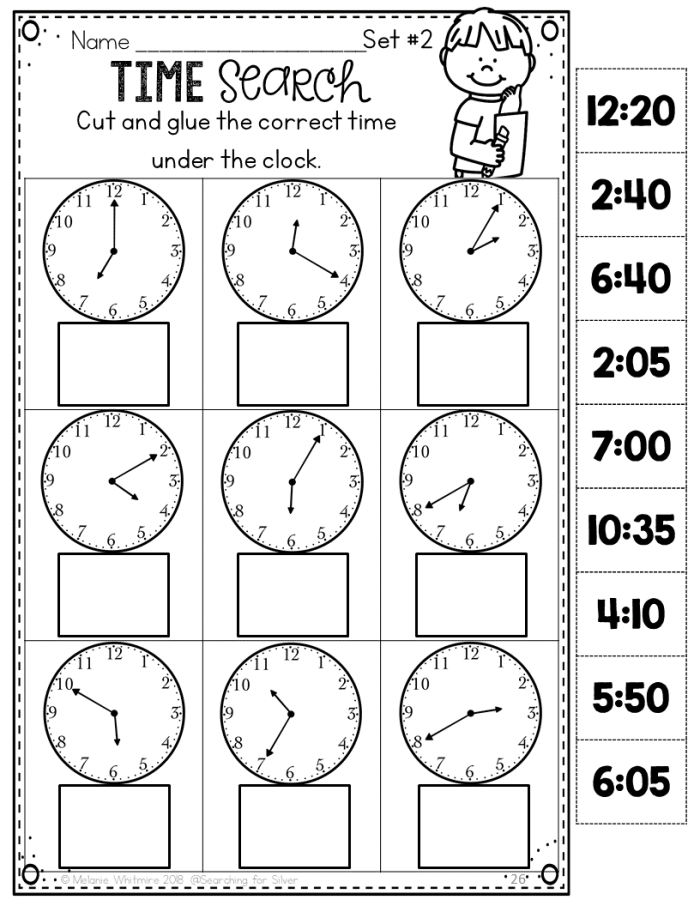
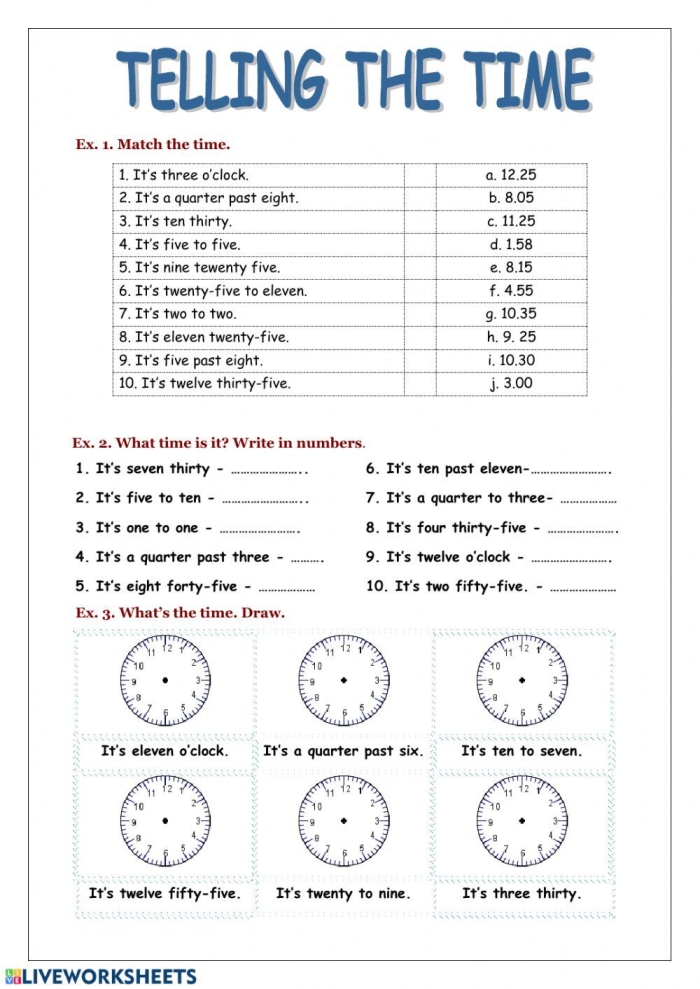
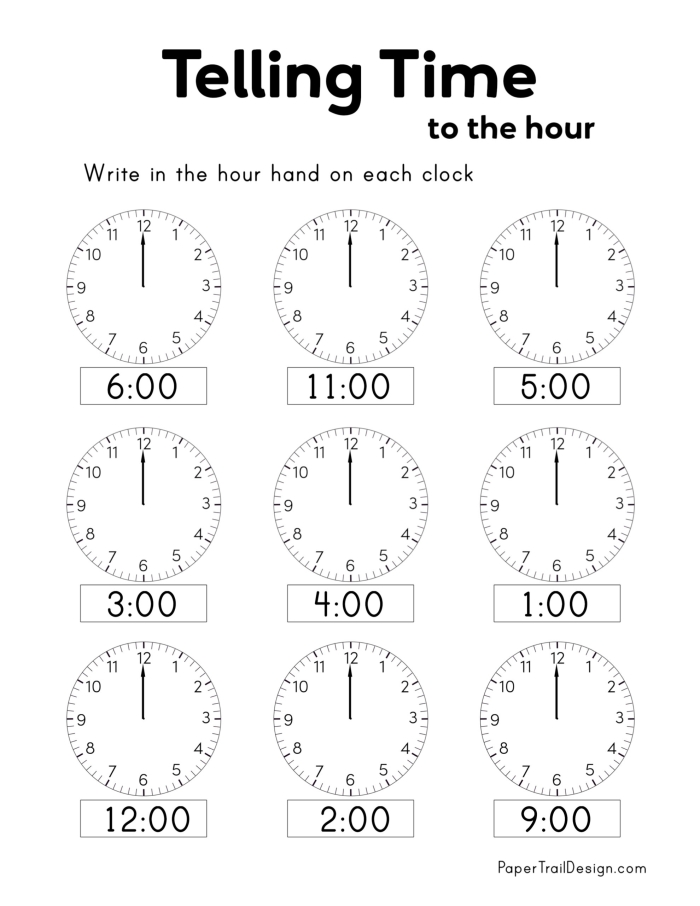
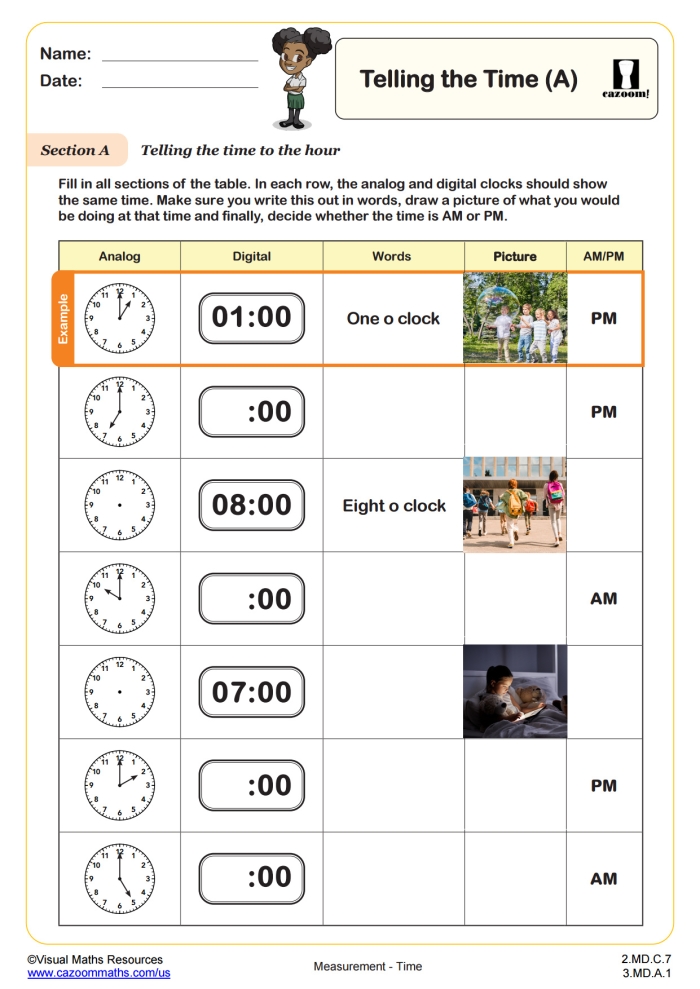
The worksheet focuses on the core mechanics of analog clocks: identifying where the hour hand and minute hand point, and translating that visual information into written time. Kindergarten students typically start with hour-only times before progressing to minutes, so this resource likely emphasizes whole hours or simple half-hour intervals.
If you’re looking for complementary activities that combine different skills, worksheets like subtraction practice with spring themes or letter maze activities work well alongside time-telling instruction. They keep young learners engaged across multiple mathematical concepts during the same session.
Teachers and parents appreciate worksheets that combine skill-building with character-driven storytelling. Melissa Mouse serves as a friendly guide through what could otherwise feel like a confusing skill, making the learning experience more memorable for kindergarten students.
Boost Skills with These Worksheets