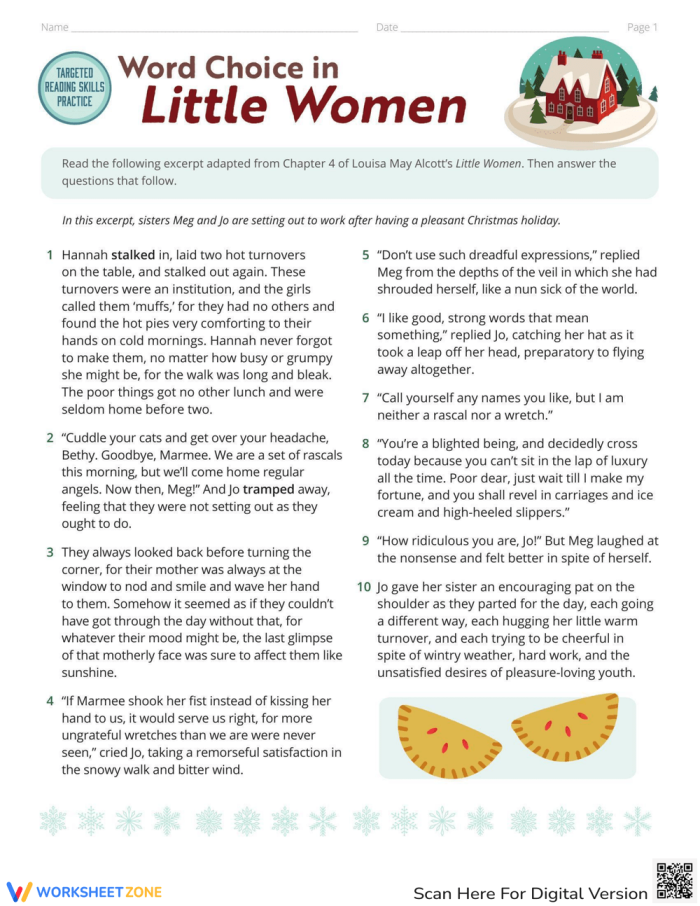
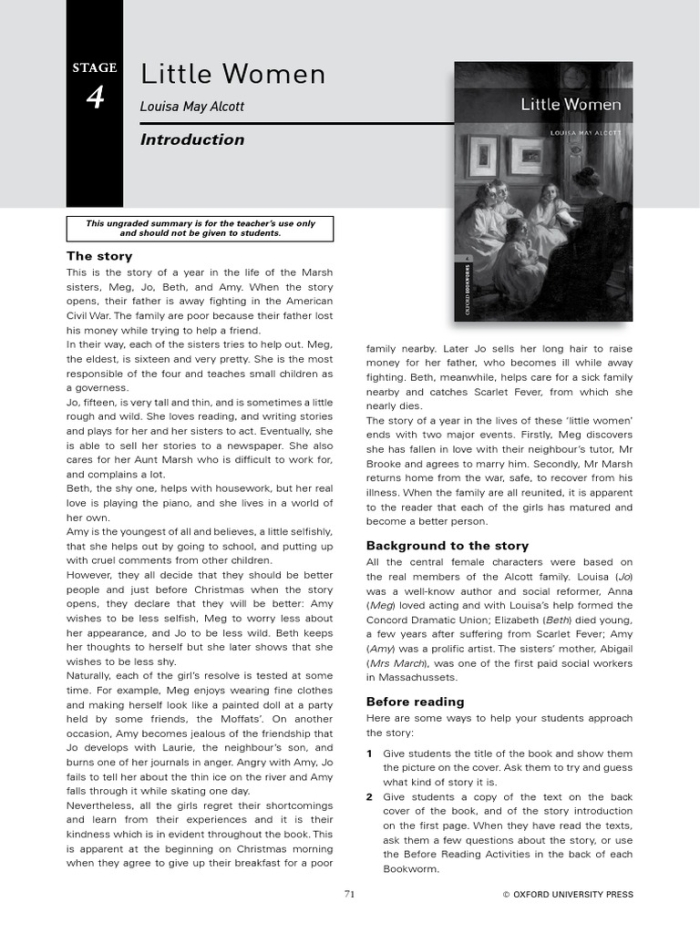
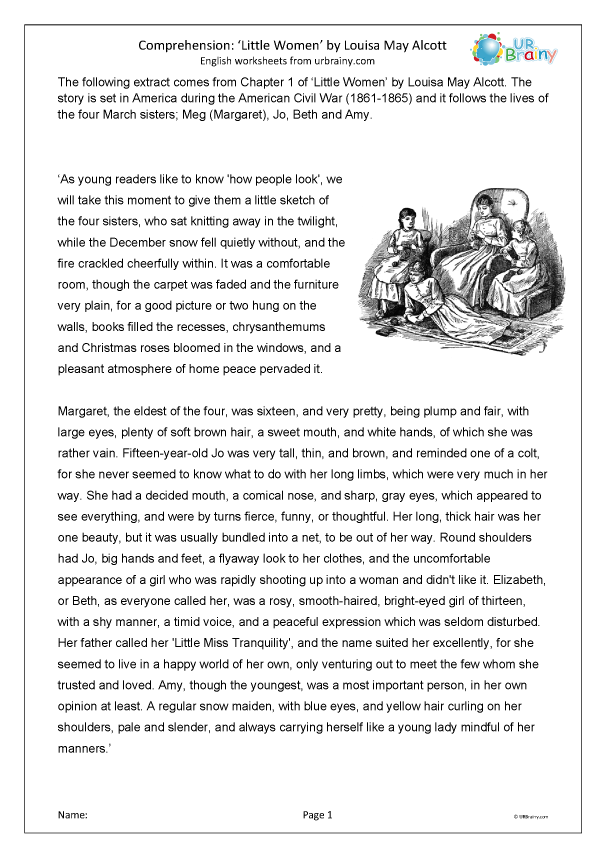
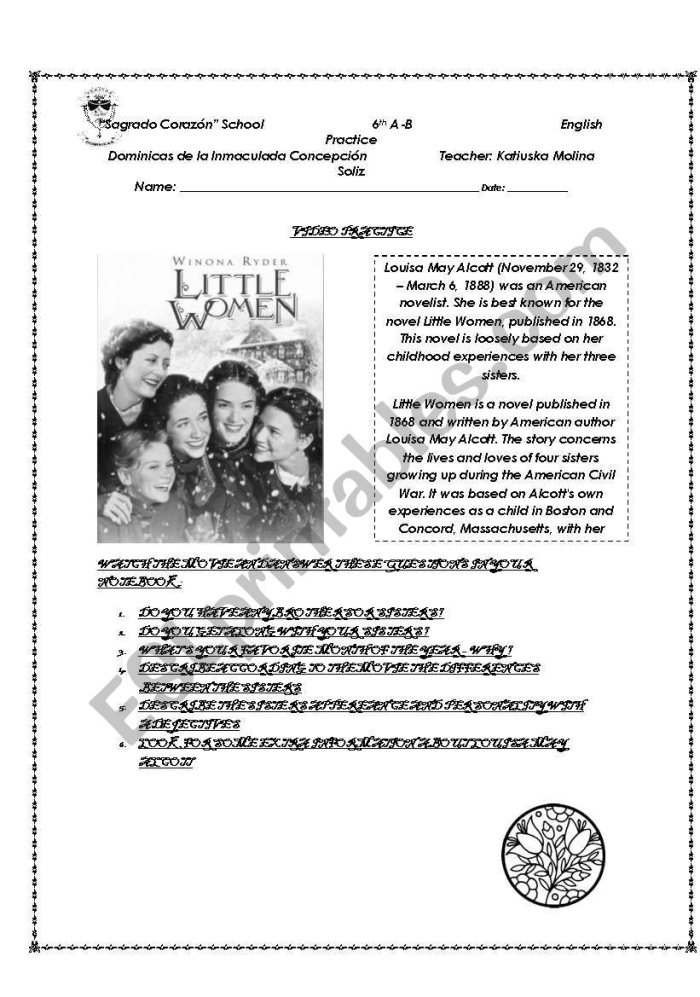
Words possess a remarkable power, especially in literature, where they can shape the mood and meaning of a narrative. In Louisa May Alcott’s classic novel Little Women, the author’s careful choice of language influences how readers perceive the characters and their experiences. This impact is particularly evident in key excerpts that reveal the depth of emotion and the complexities of family dynamics.
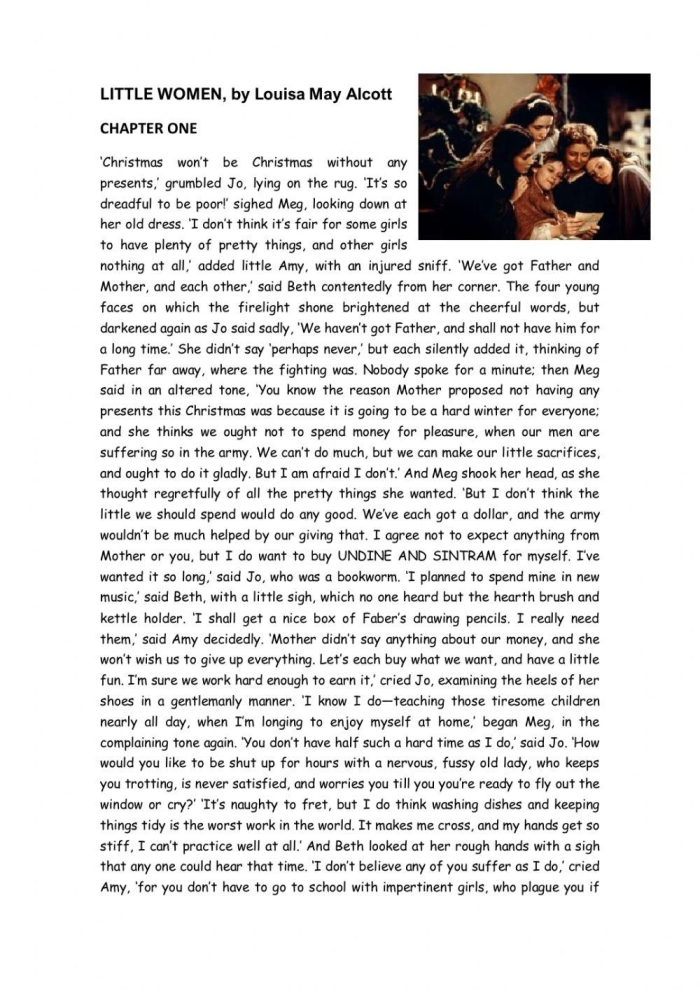
For instance, Alcott’s portrayal of the March sisters often employs vivid imagery and relatable dialogue. When Jo, the spirited and ambitious sister, expresses her frustrations about societal expectations, her words resonate with readers, evoking empathy and understanding. This choice of language not only establishes Jo’s rebellious spirit but also highlights broader themes of gender roles and personal freedom. By analyzing how specific phrases convey her struggles, readers can appreciate the text’s tone and emotional weight.
Moreover, Alcott’s use of descriptive language adds layers to the characters’ interactions. The warmth and affection shared between the sisters are often depicted through tender conversations filled with playful banter. Such word choices create a tone of intimacy, allowing readers to feel the bonds of sisterhood. This emotional connection is crucial for sixth graders, who are developing their ability to analyze texts critically. Engaging with excerpts from Little Women can enhance their targeted reading skills, making them more aware of how word choice affects meaning.
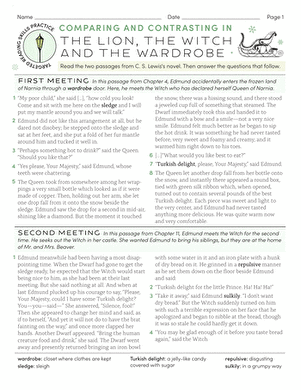
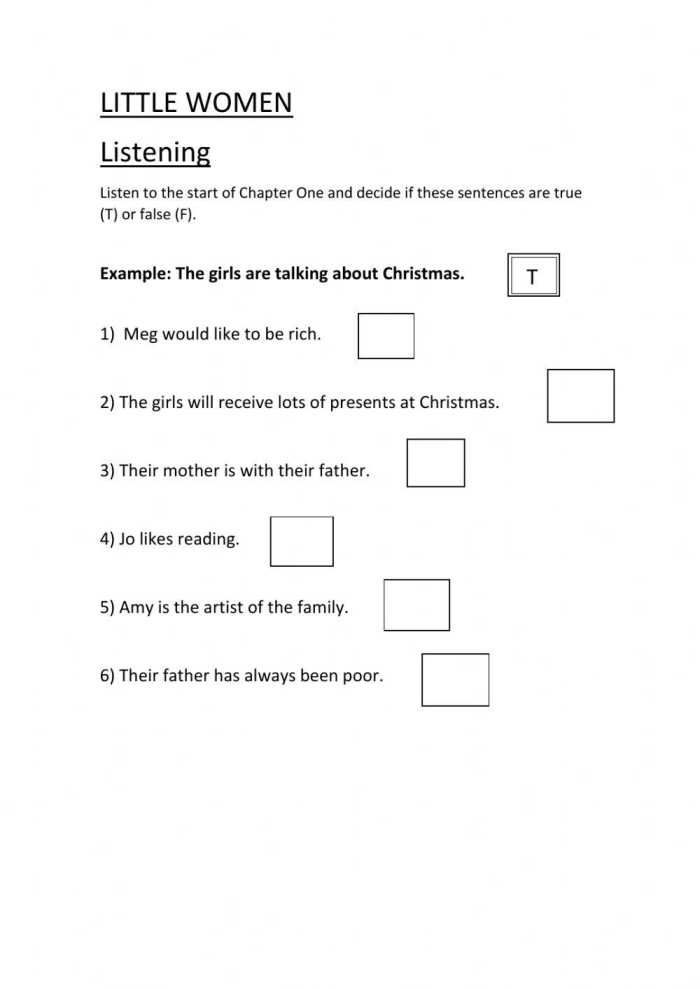
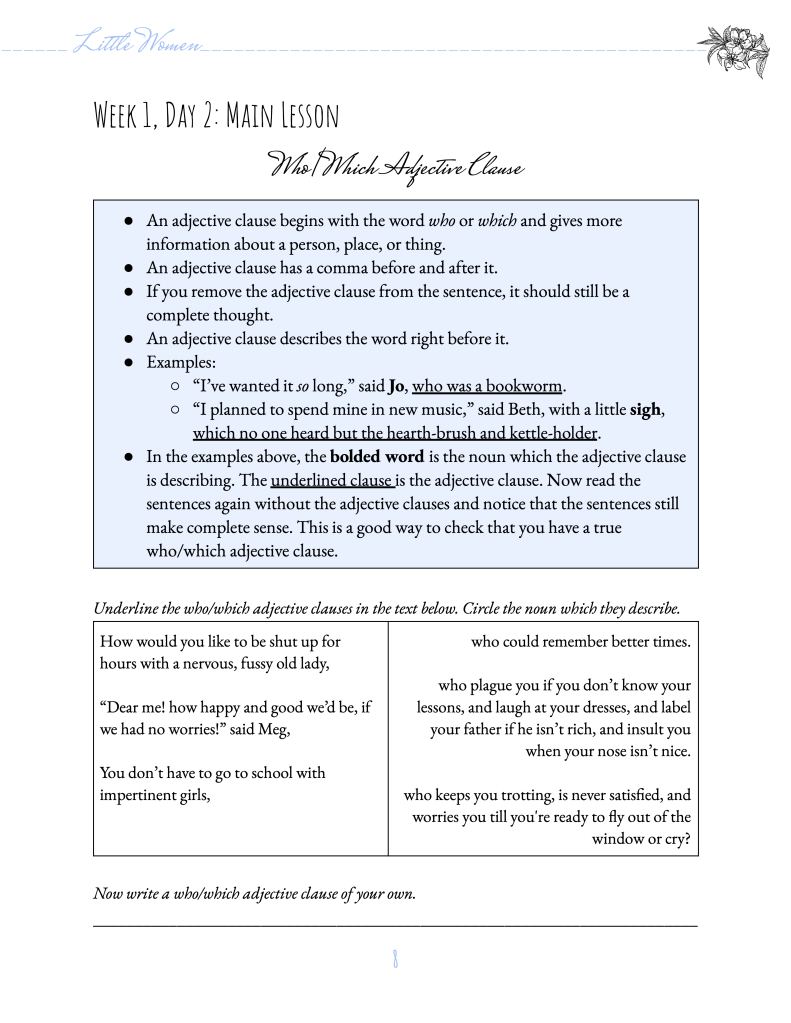
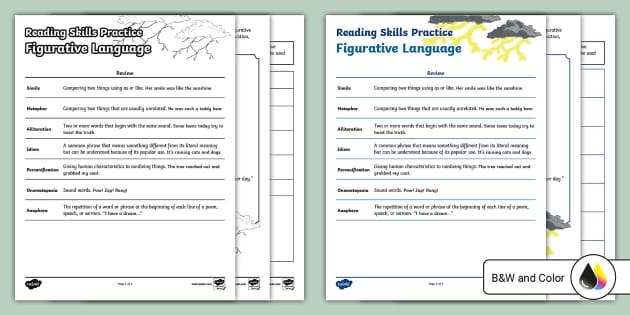
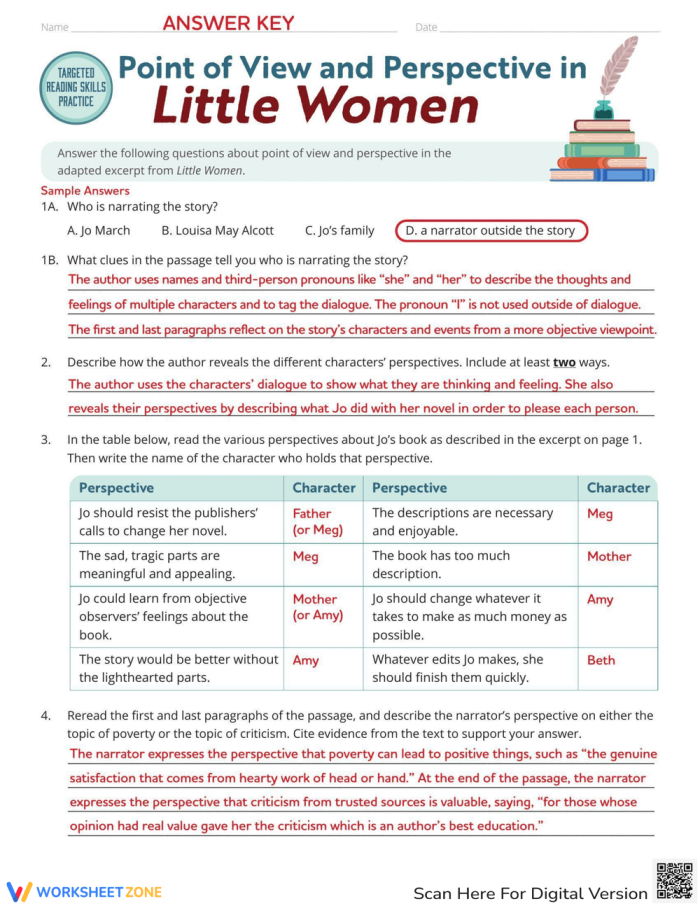
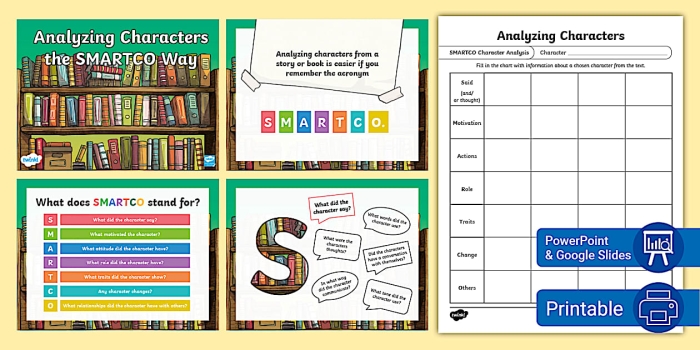
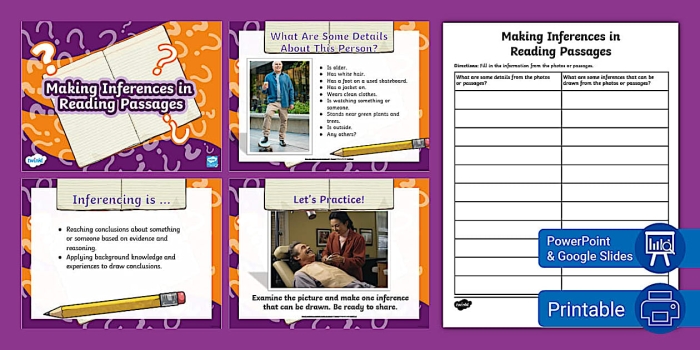
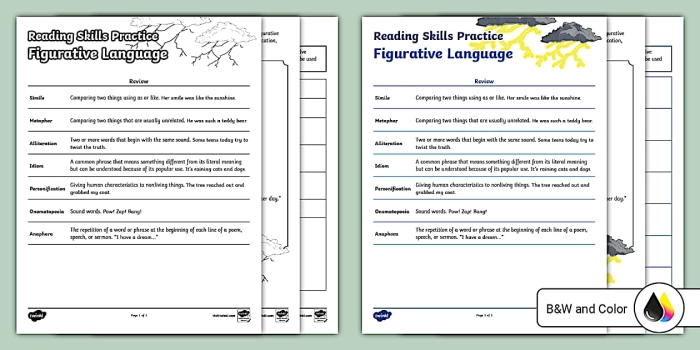
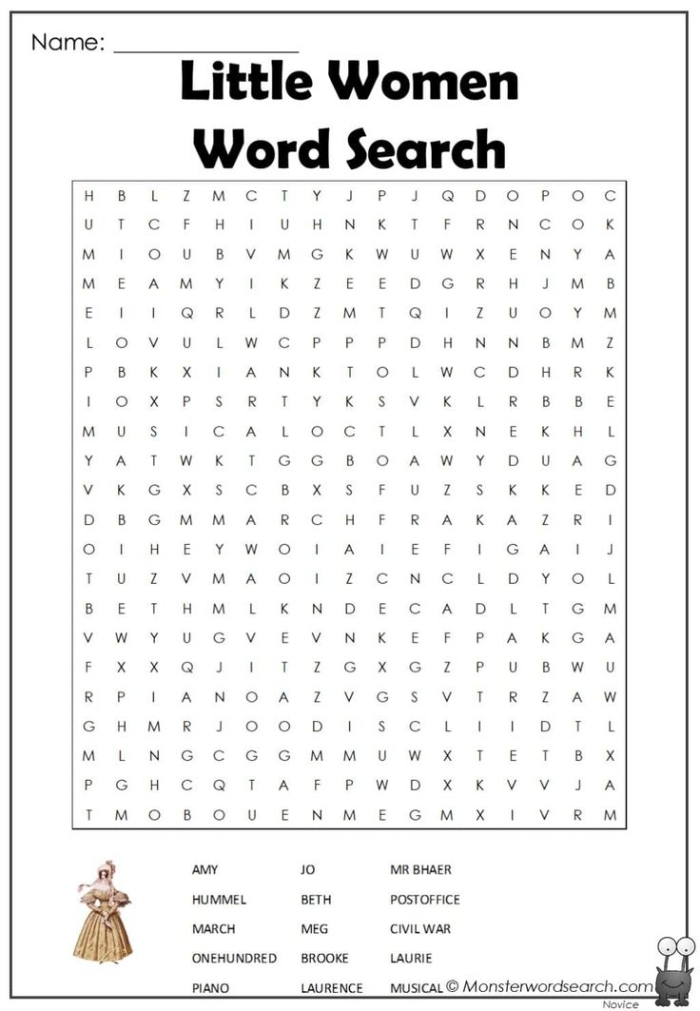
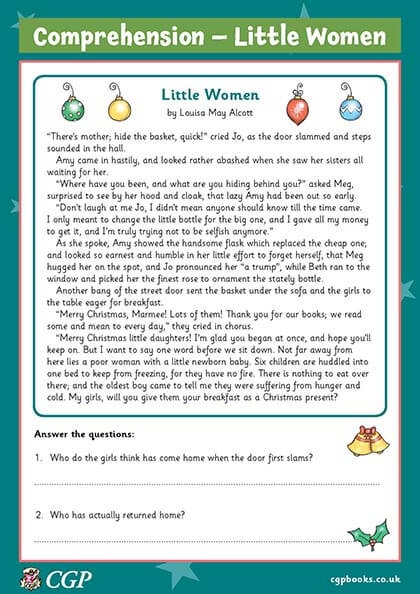
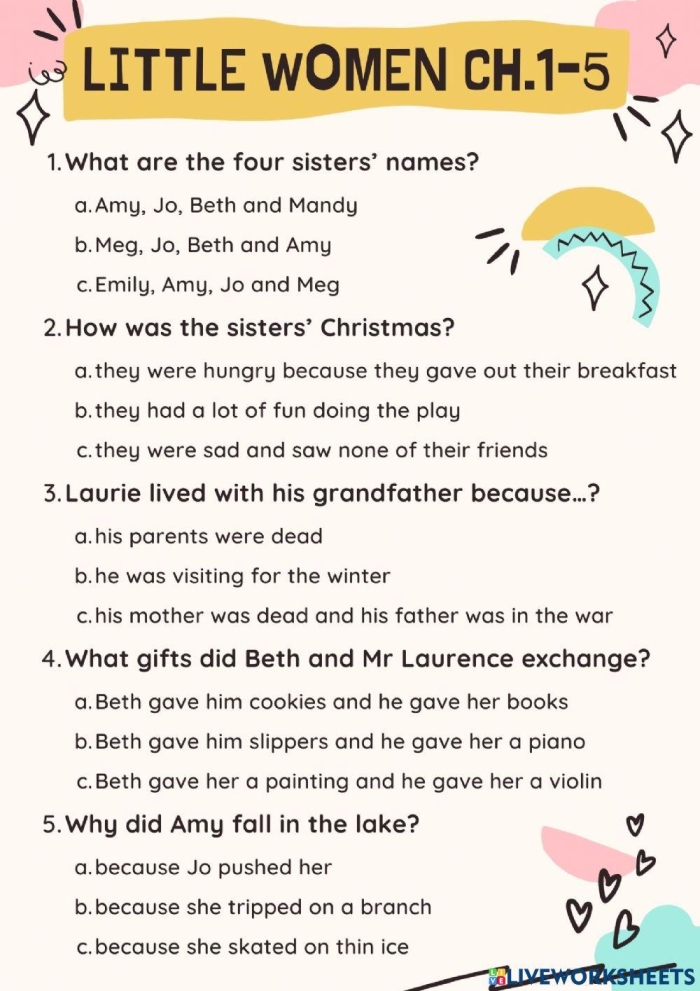
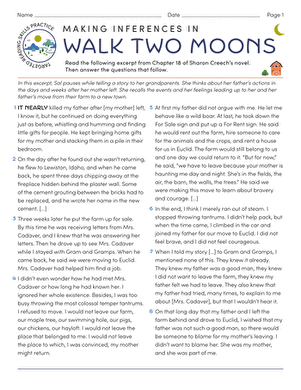
For educators, utilizing resources like printable worksheets can provide structured practice in analyzing word choice. These worksheets, such as those available on Lumina Worksheets, can help students explore the impact of language in texts like Little Women. By focusing on how Alcott’s words shape the narrative, students can deepen their understanding of literature and enhance their analytical skills.
Exploring the significance of an author’s word choice not only enriches the reading experience but also empowers students to articulate their thoughts and feelings about the texts they encounter. By examining excerpts from classic literature, sixth graders can learn to appreciate the intricate relationship between language and emotional expression.
Try These Printable Worksheets