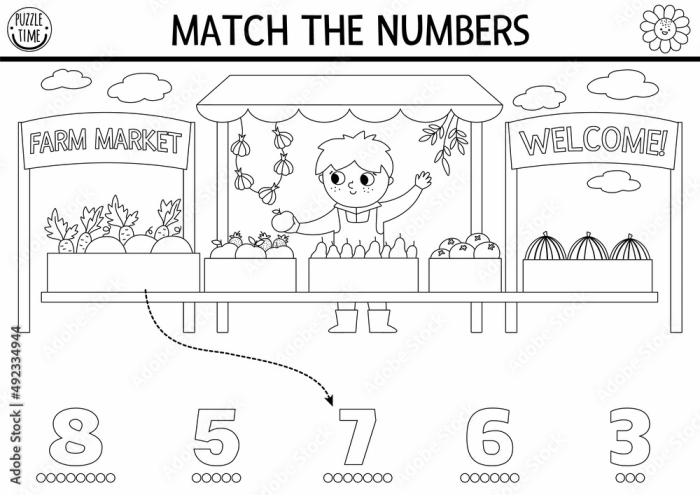
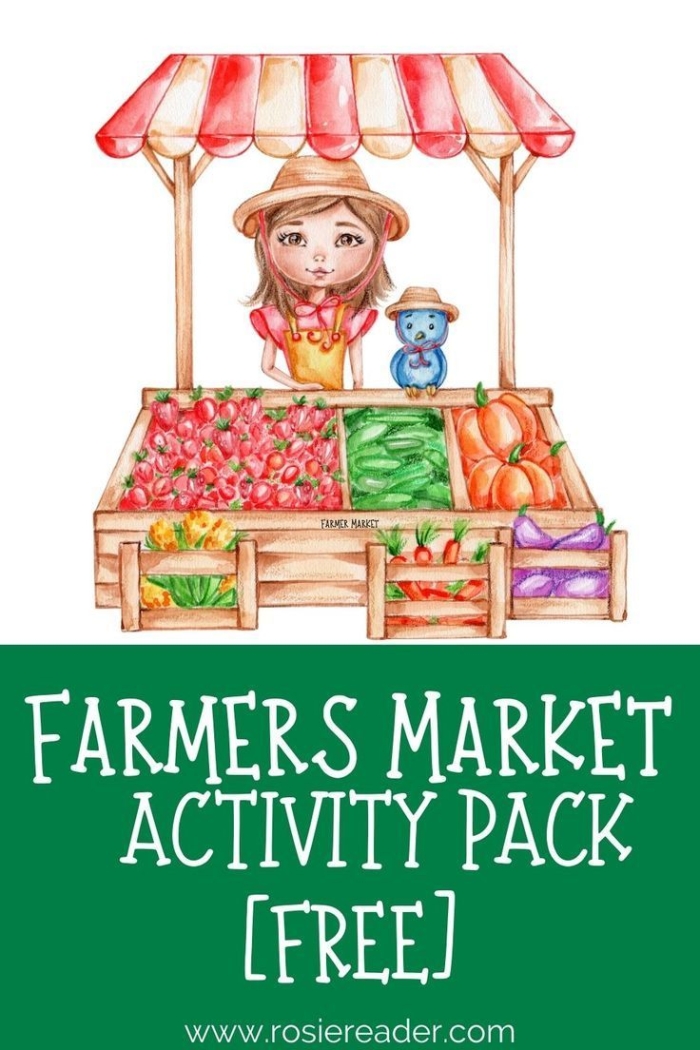
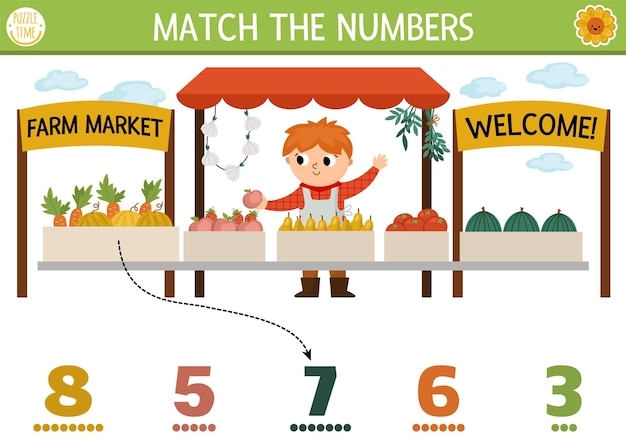
Picture this: a farmer stands in his field surrounded by baskets of tomatoes, carrots, lettuce, and squash, completely overwhelmed trying to remember how many of each vegetable he has. He needs someone with sharp counting skills to help him organize his harvest. Your first grader might be exactly the helper he needs.
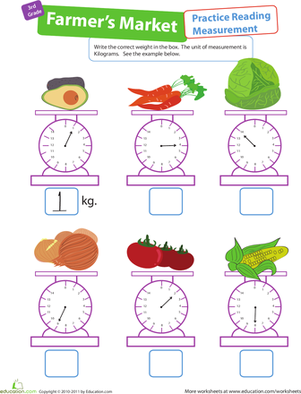
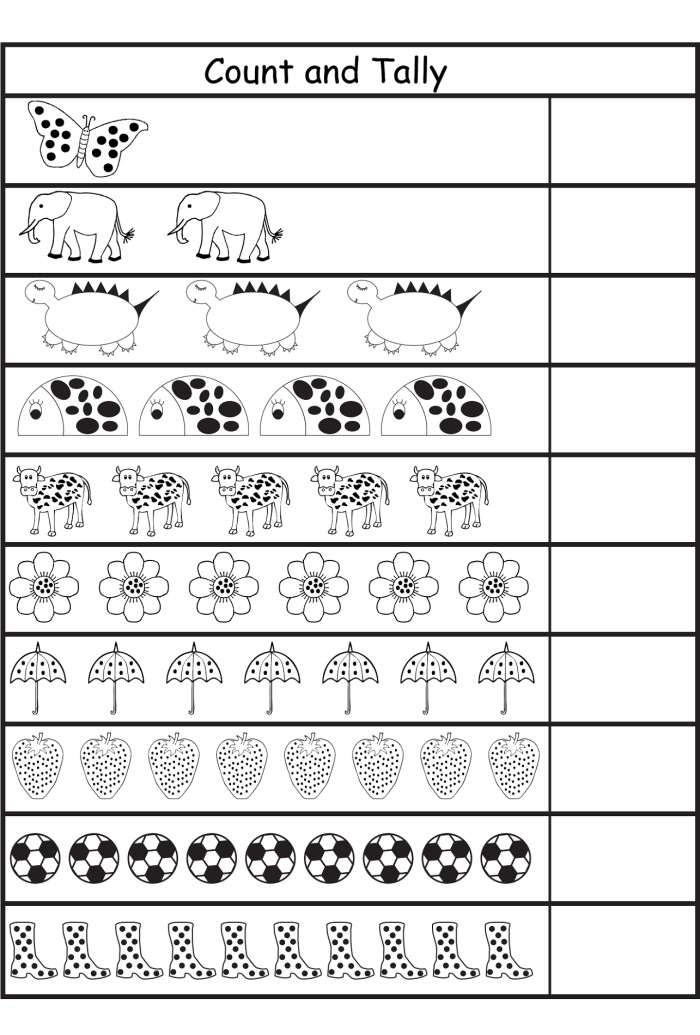
Counting vegetables at the farmer’s market teaches children far more than simple arithmetic. When kids count real objects, they develop what educators call one-to-one correspondence, the understanding that each number word matches exactly one item. A child who counts five carrots and then counts them again to verify the number is building confidence in her own mathematical thinking.
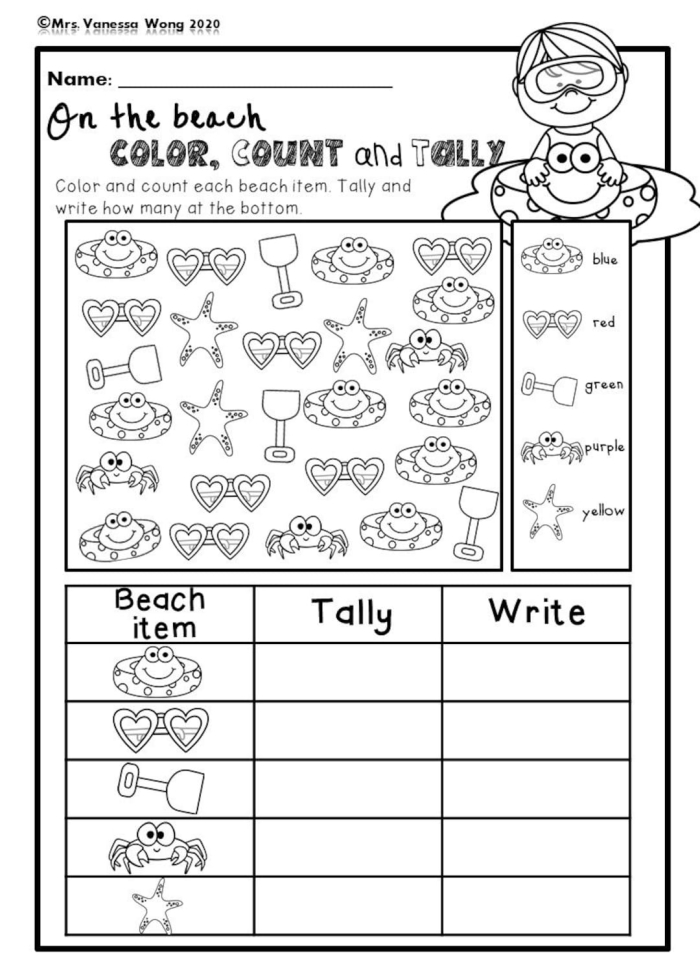
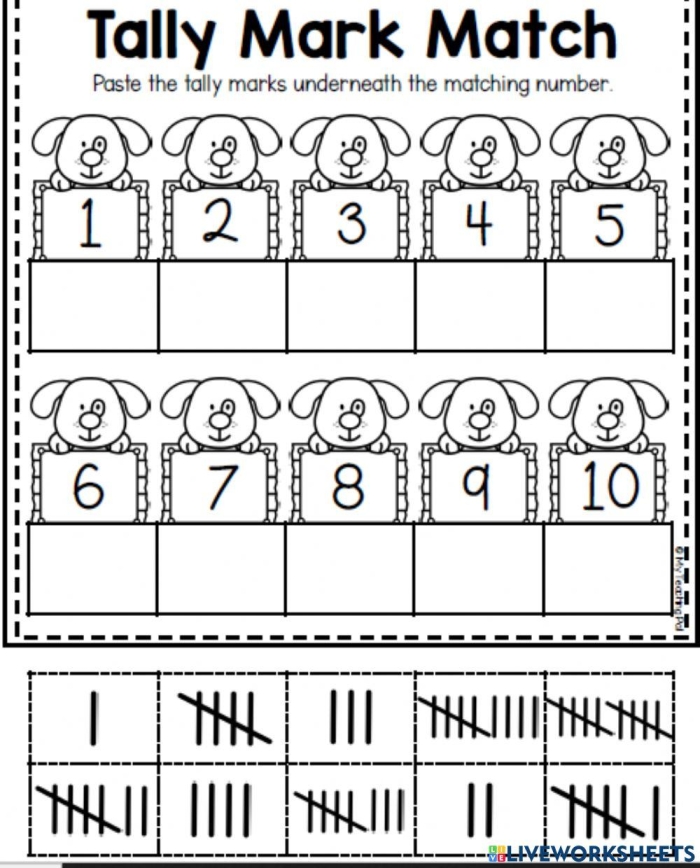
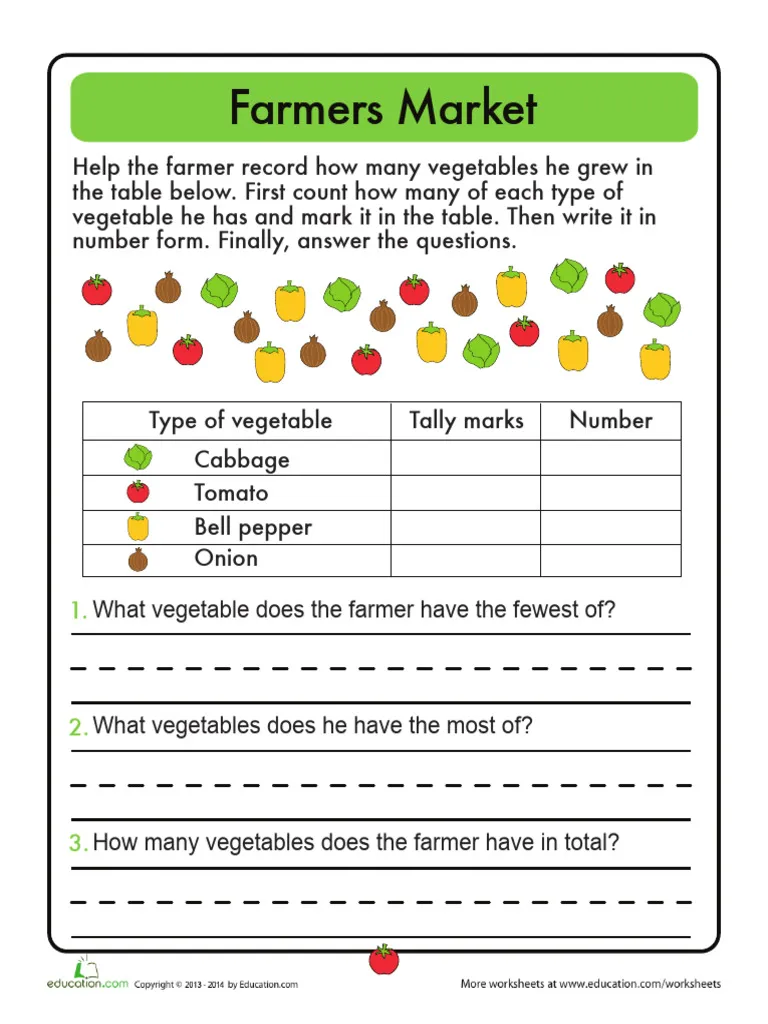
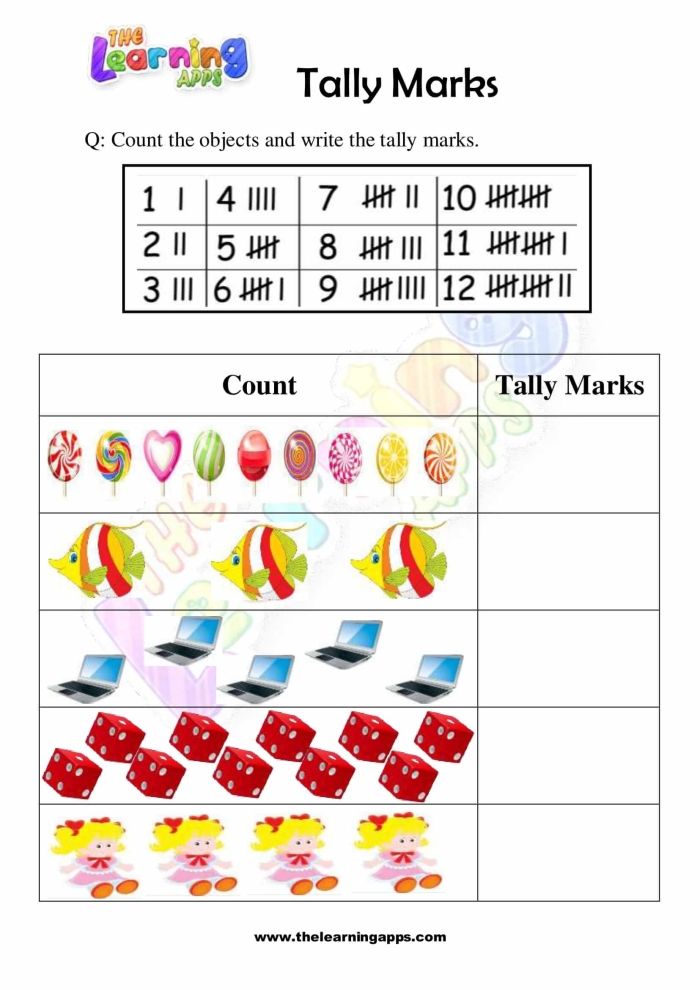
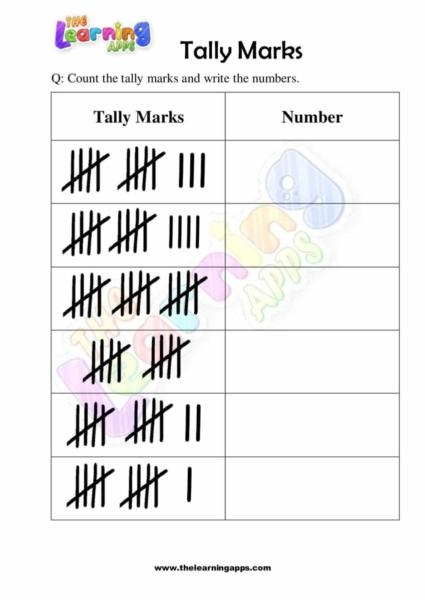
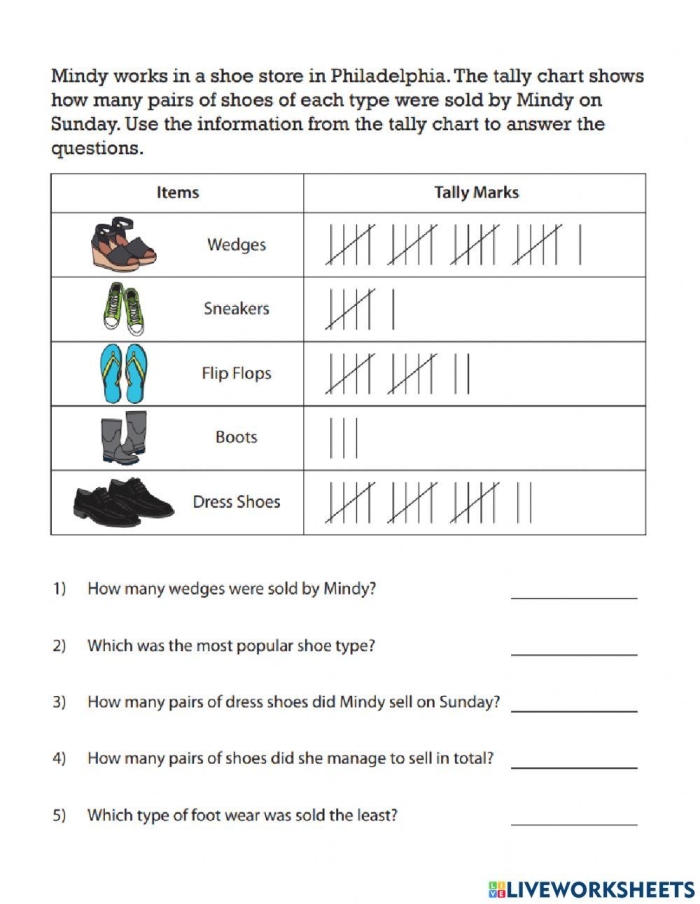
This hands-on approach to data and graphing introduces first graders to the concept of organizing information. Instead of abstract numbers on a page, your child sees the purpose behind counting: helping someone accomplish a real task. She might tally how many red tomatoes versus green ones exist, or compare the number of different vegetables in each basket.
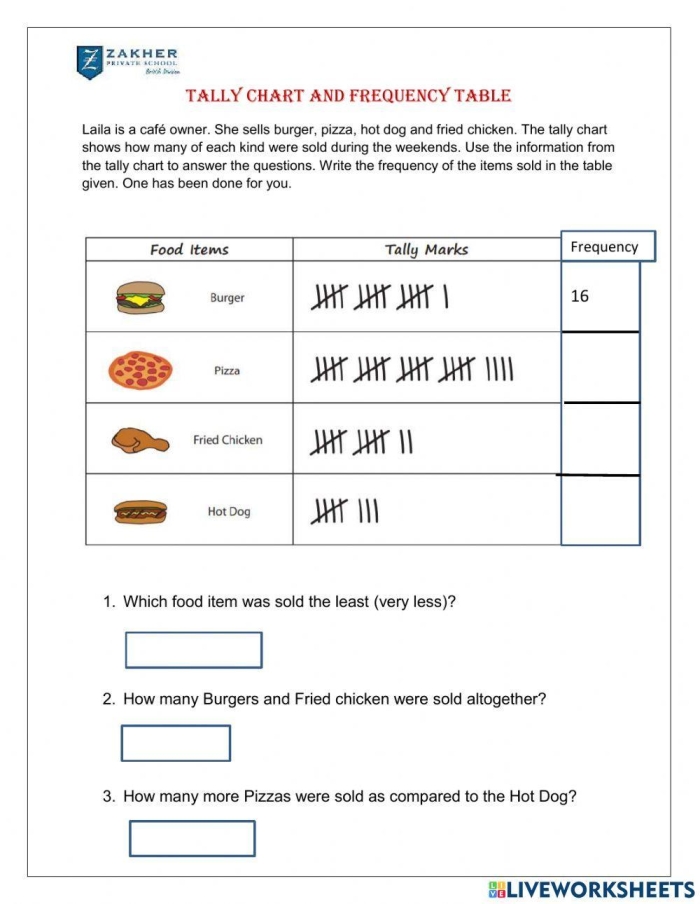
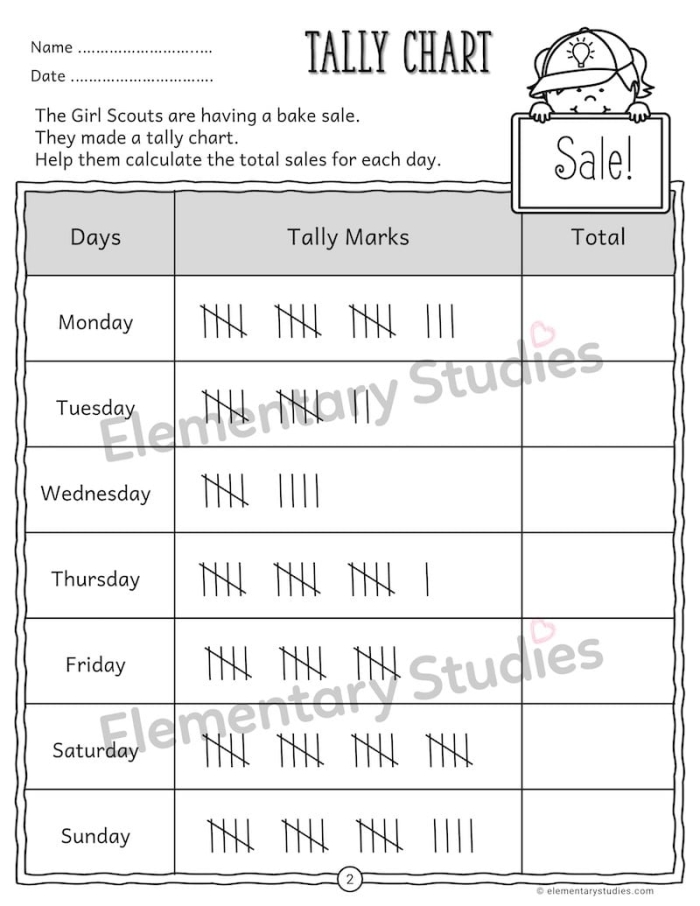
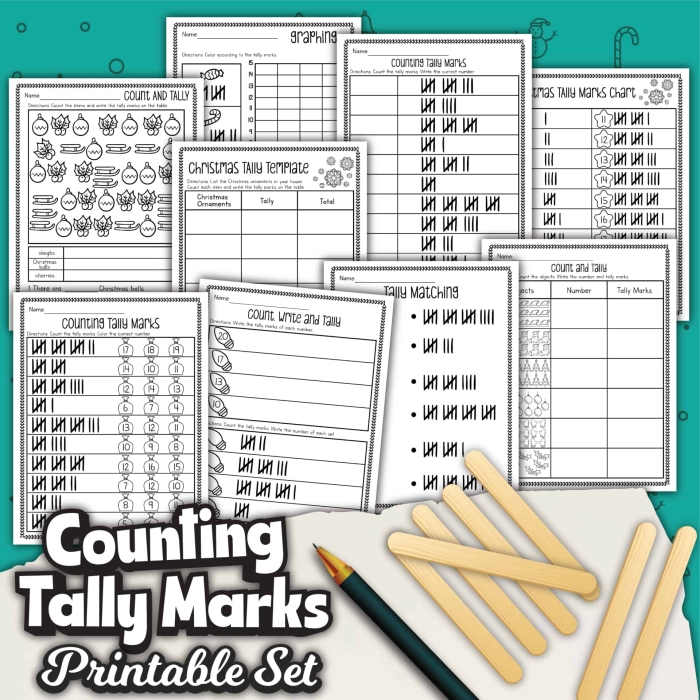
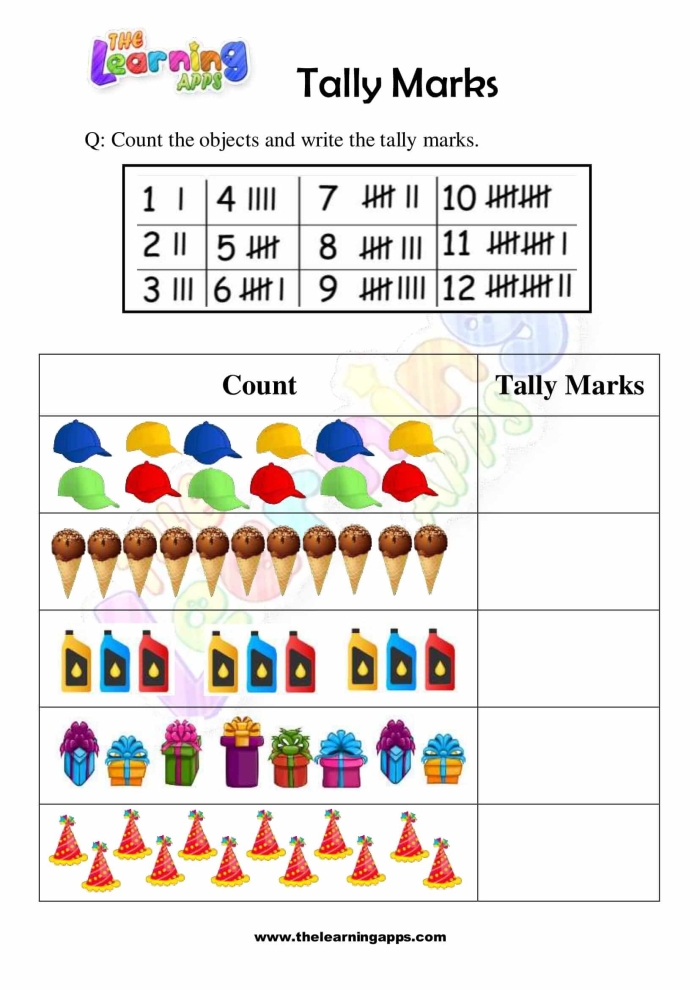
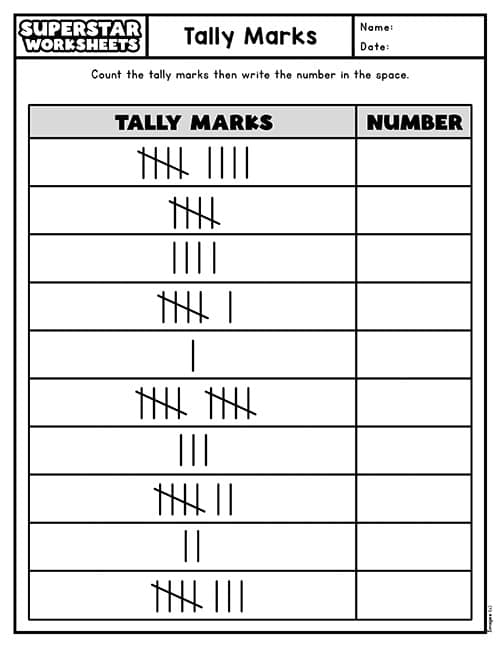
You can deepen this learning by having your child record her counts on paper. Creating a simple chart or picture graph of the vegetables transforms raw counting practice into data representation. This connects directly to what first graders learn about different types of graphs and picture and bar graphs in their data and graphing unit.
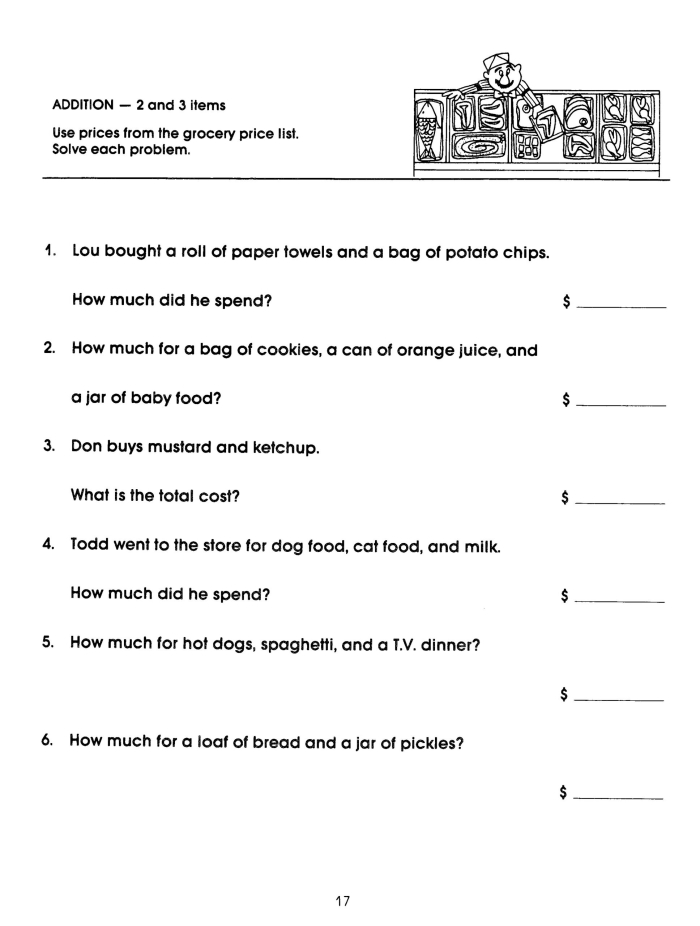
For more structured practice, worksheets focusing on easy math word problems involving data and graphing help children apply these same skills in varied contexts. Whether at an actual farmer’s market or working through printable activities, your child learns that counting solves real problems and helps real people.
Practice with These Worksheets