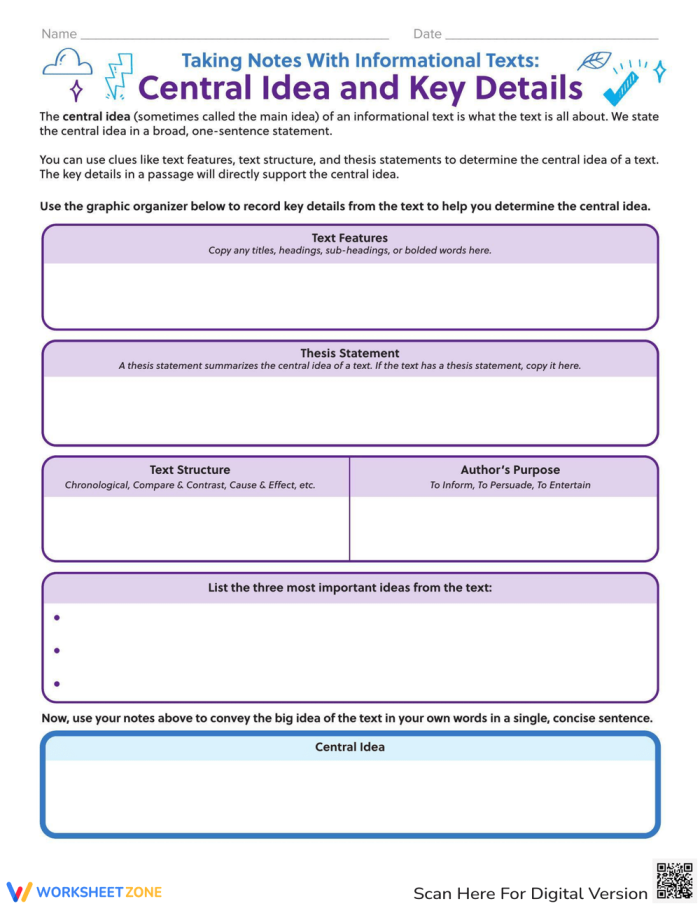
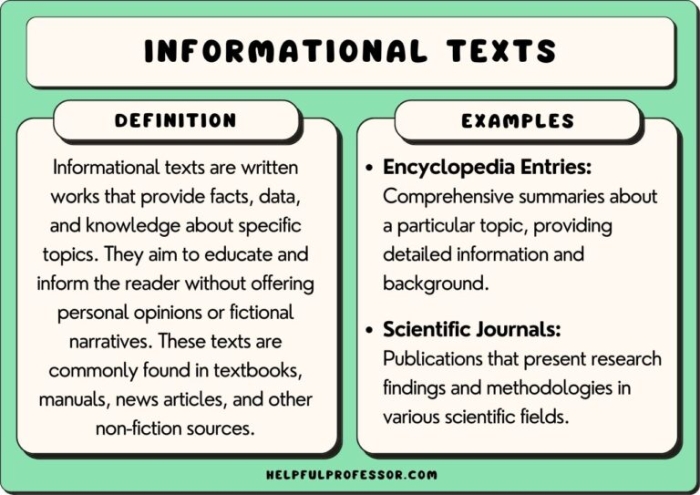
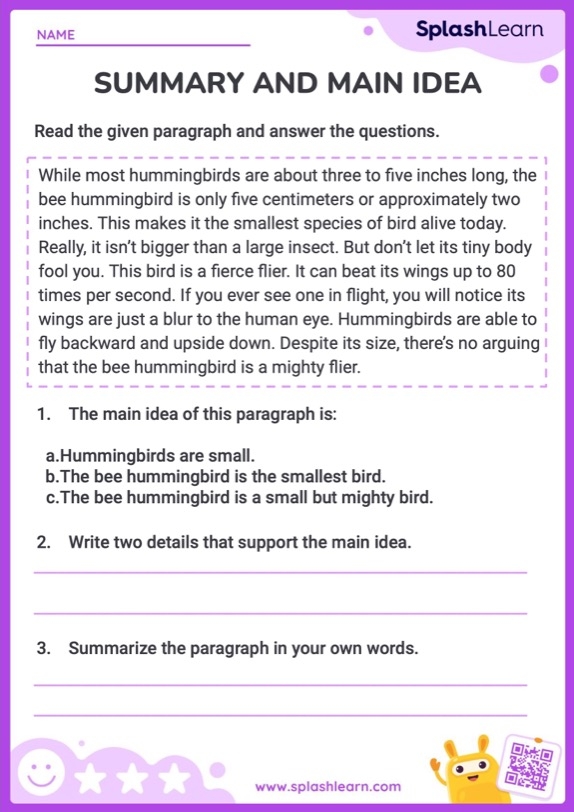
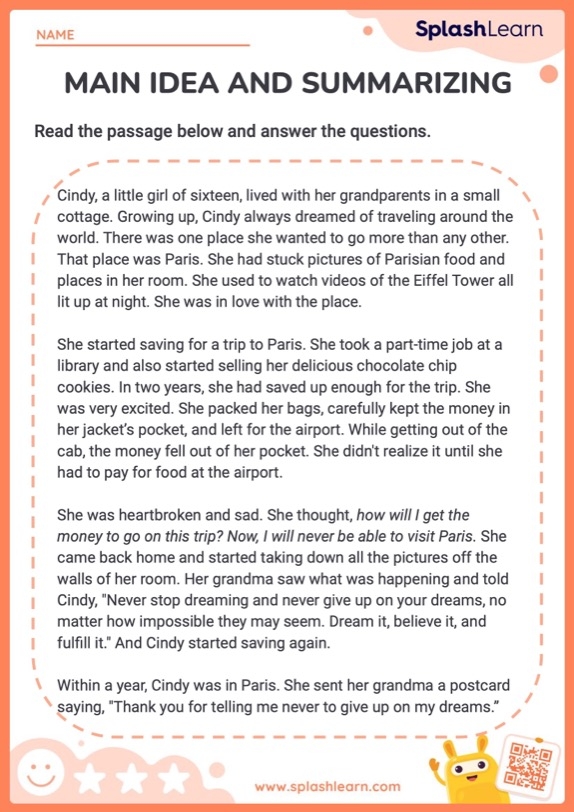
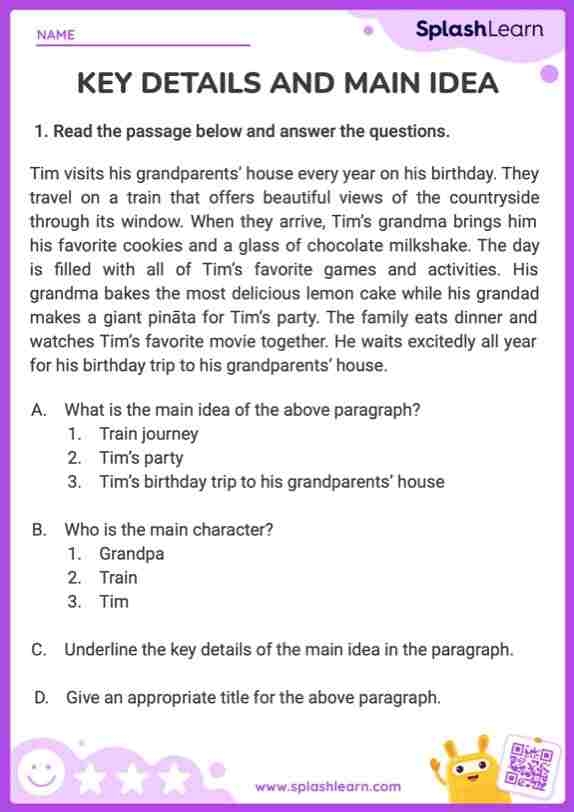
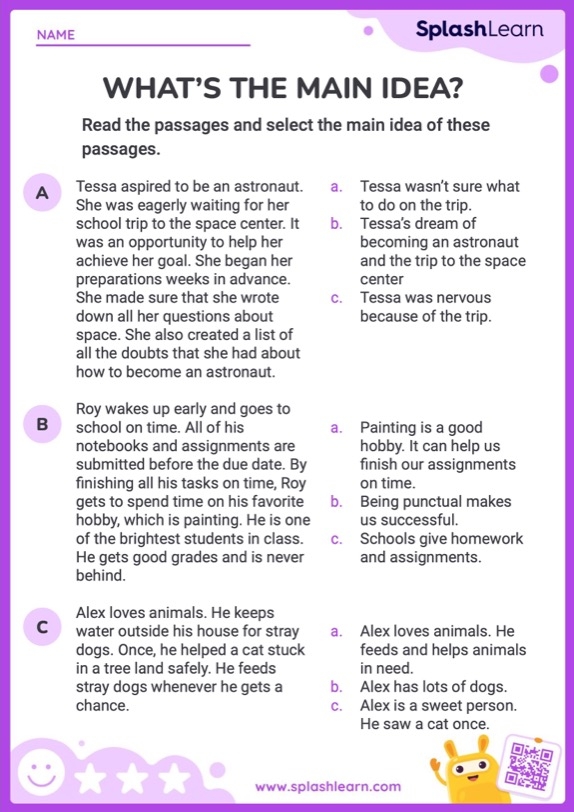
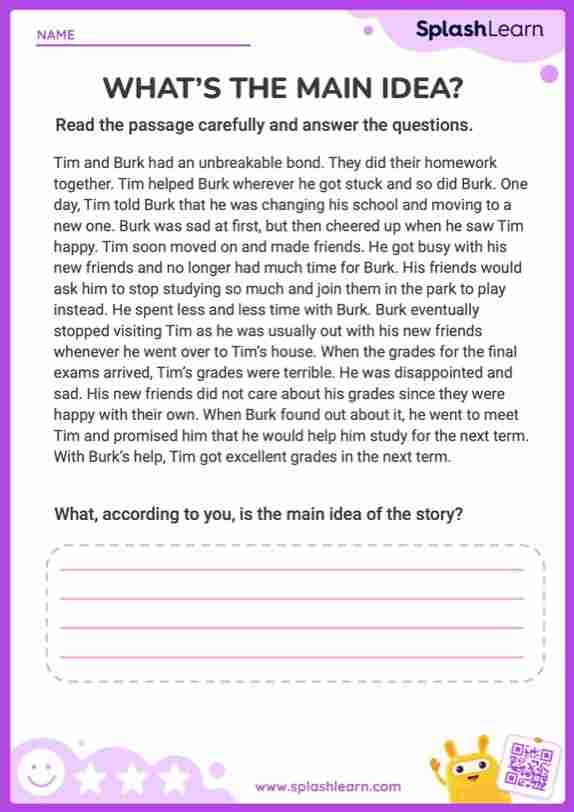
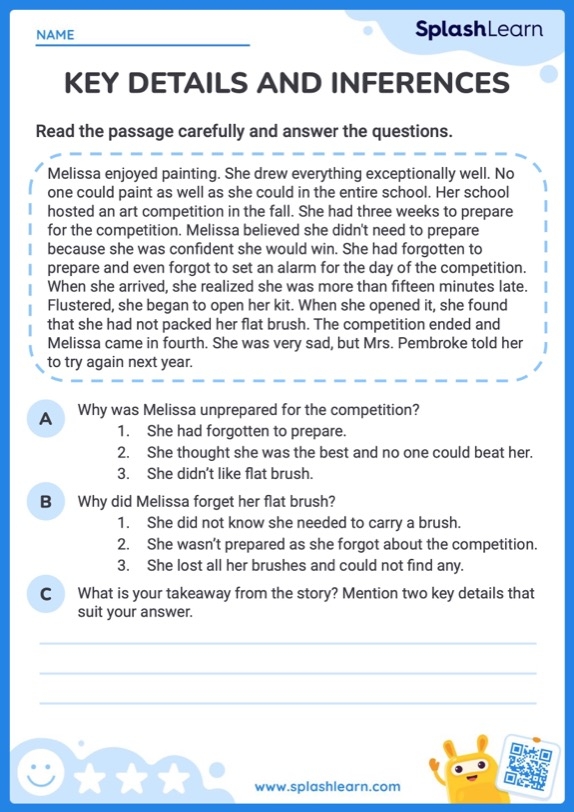
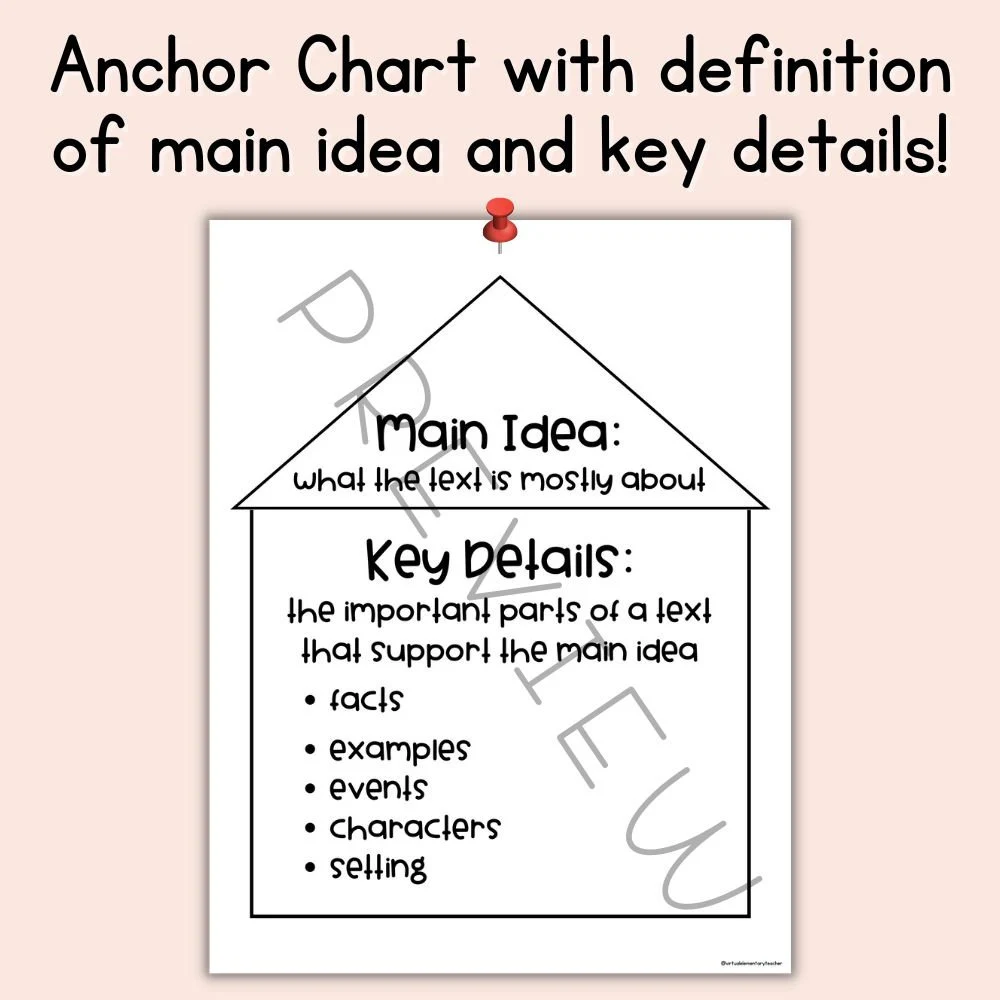
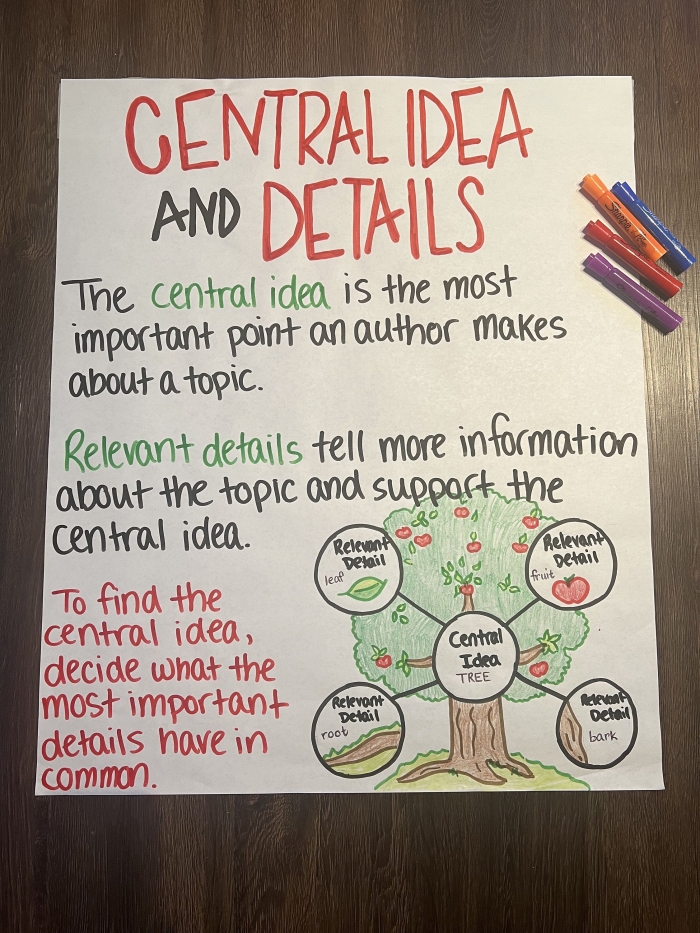
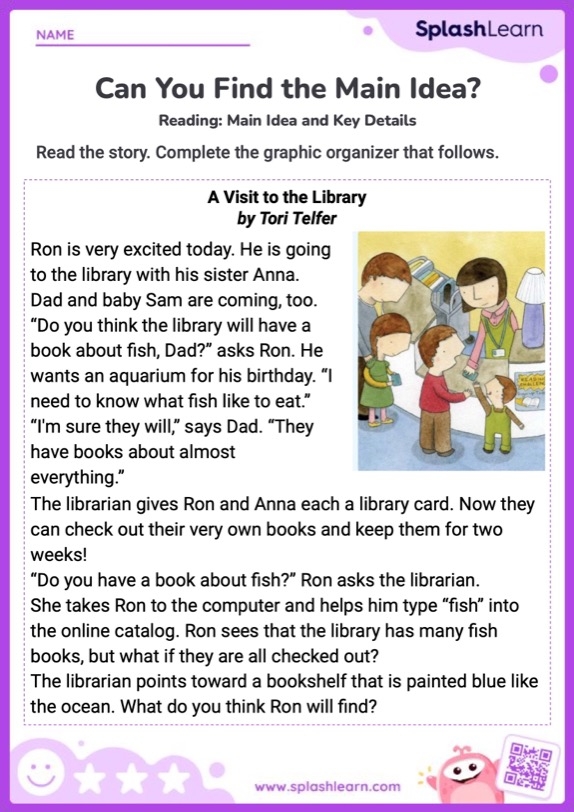
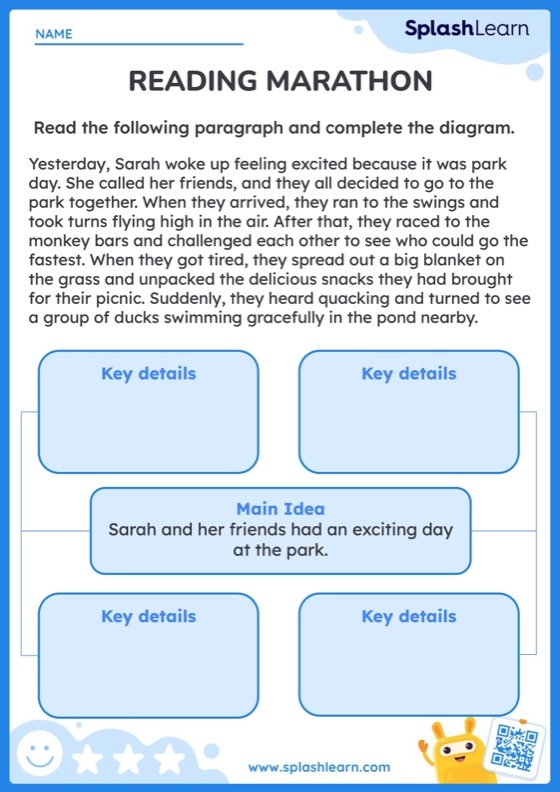
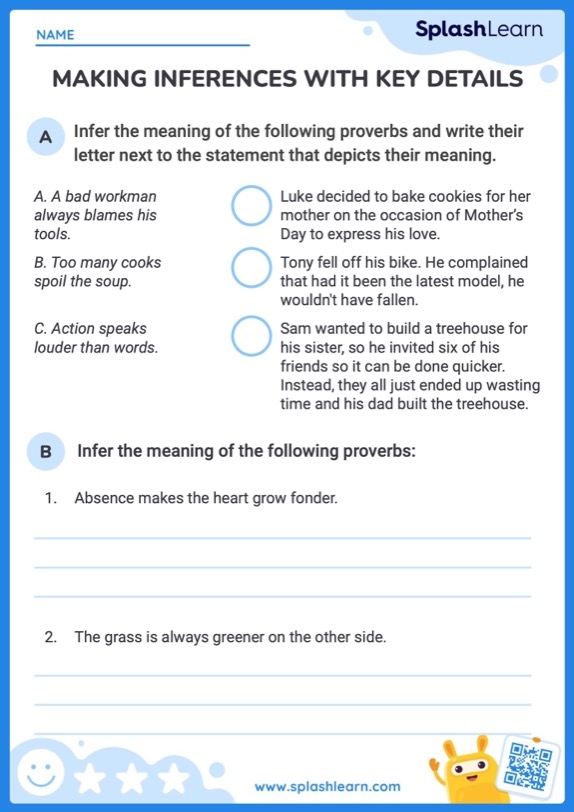
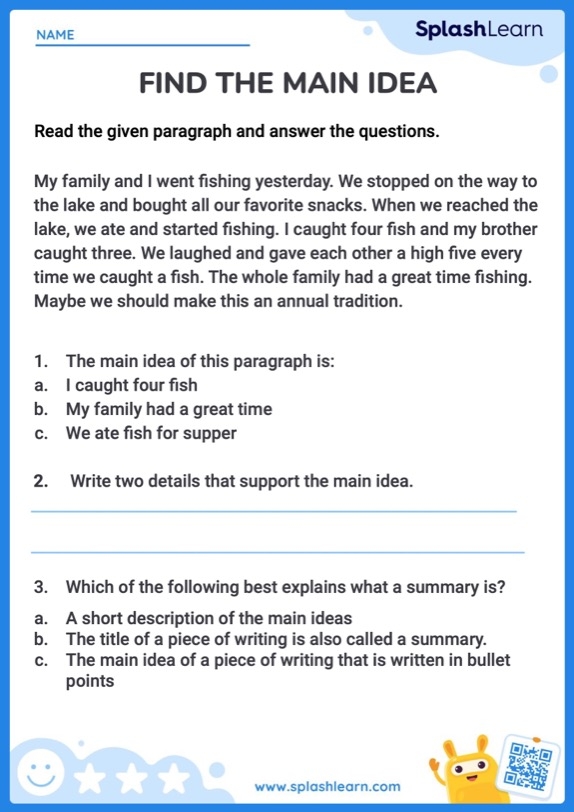
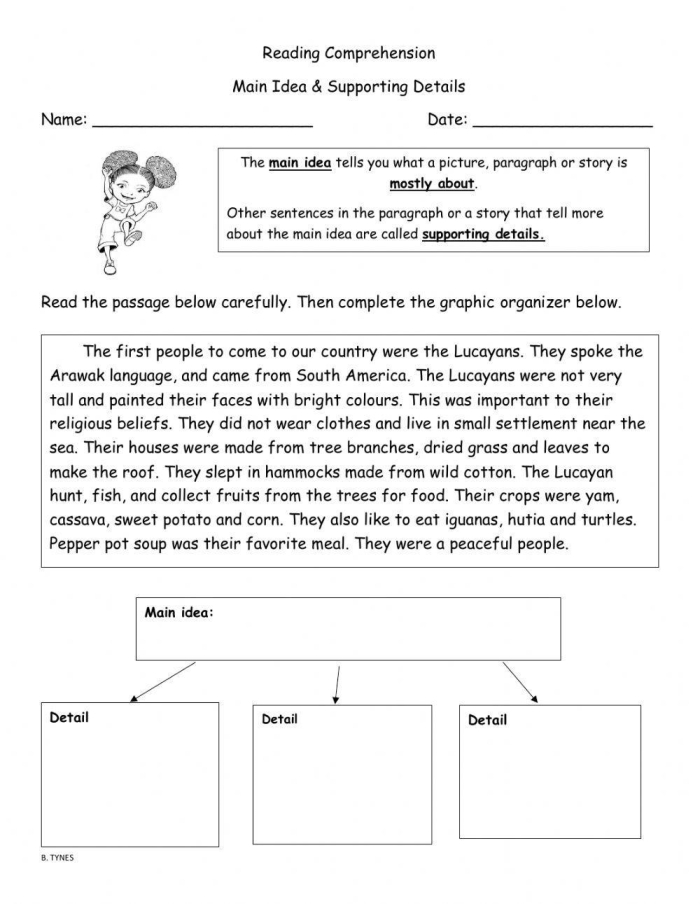
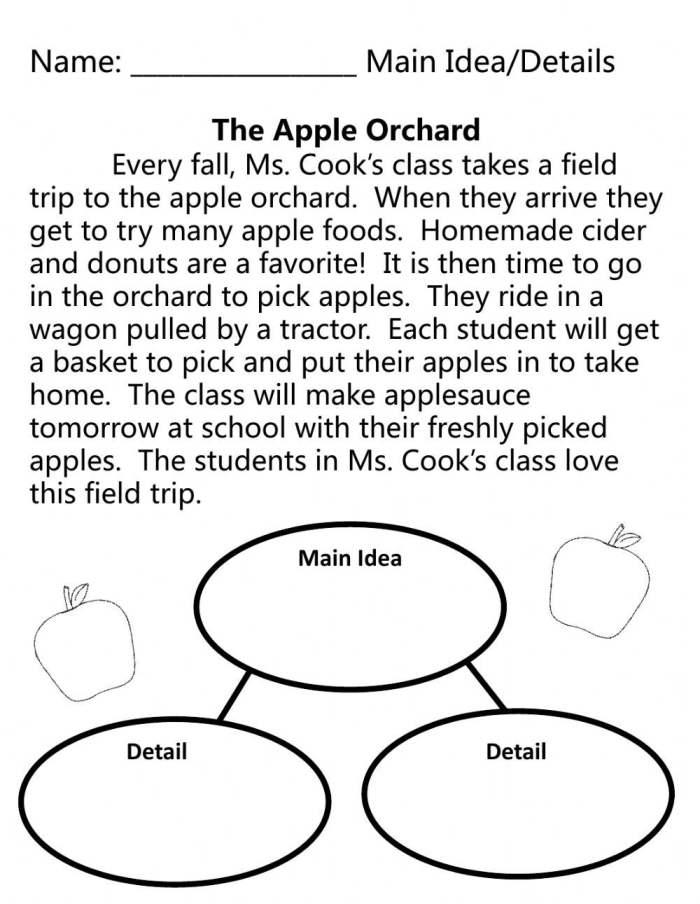
Understanding the central idea of a text is a crucial skill for sixth graders as they navigate more complex reading materials. Using a graphic organizer provides a structured way for students to identify key details that support the main idea. This approach not only aids comprehension but also enhances critical thinking skills.
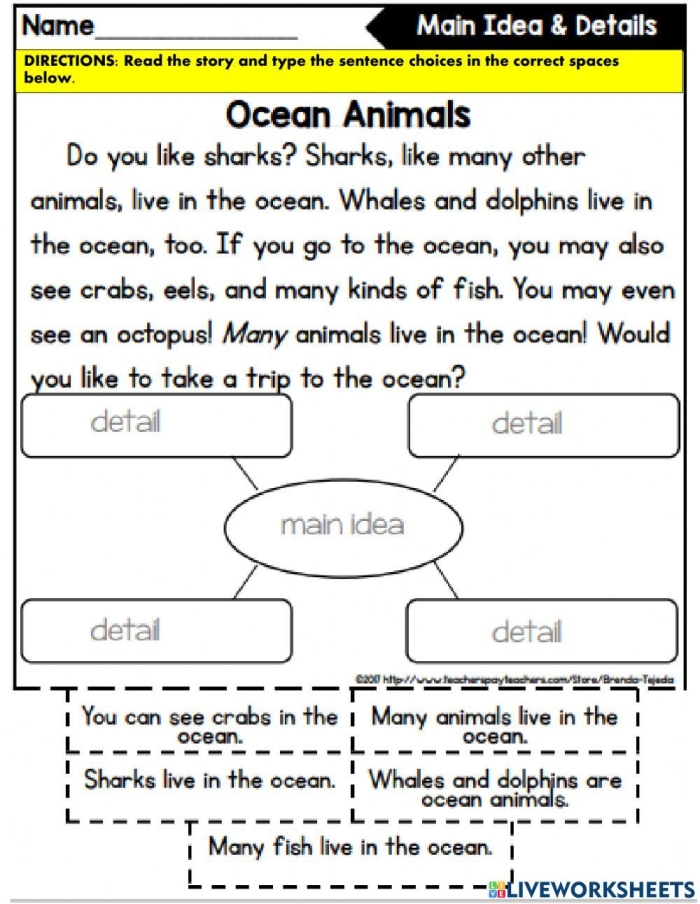
A graphic organizer allows students to visually map out the information within a text. By breaking down the content into manageable parts, students can highlight the central idea along with supporting details. For instance, when reading about Earth’s rotation and revolution, students can pinpoint how the Earth’s movements influence seasons, day length, and climate. Such connections deepen their understanding and retention of the material.
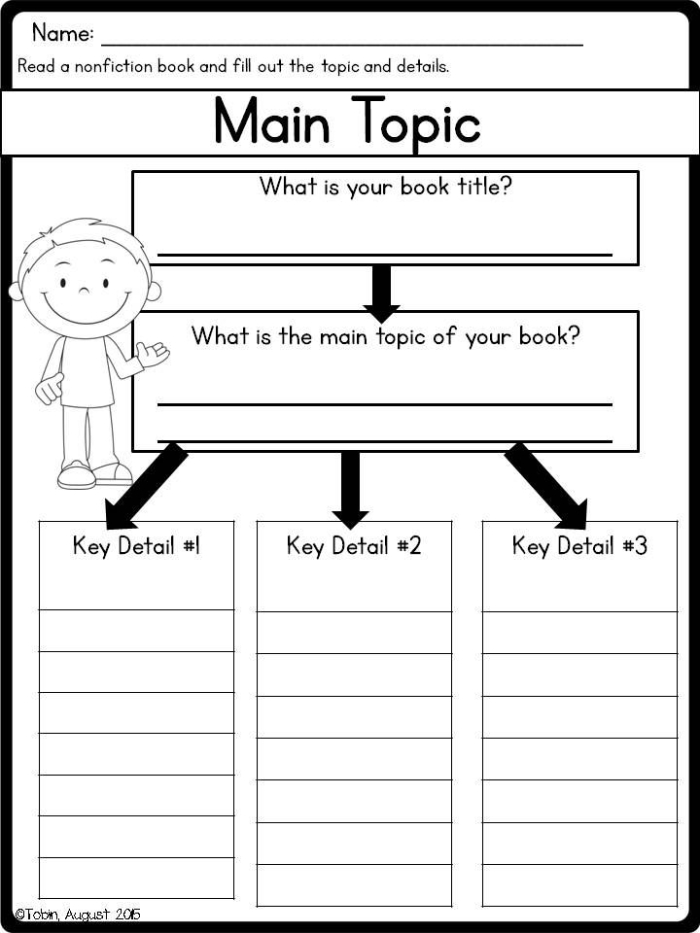
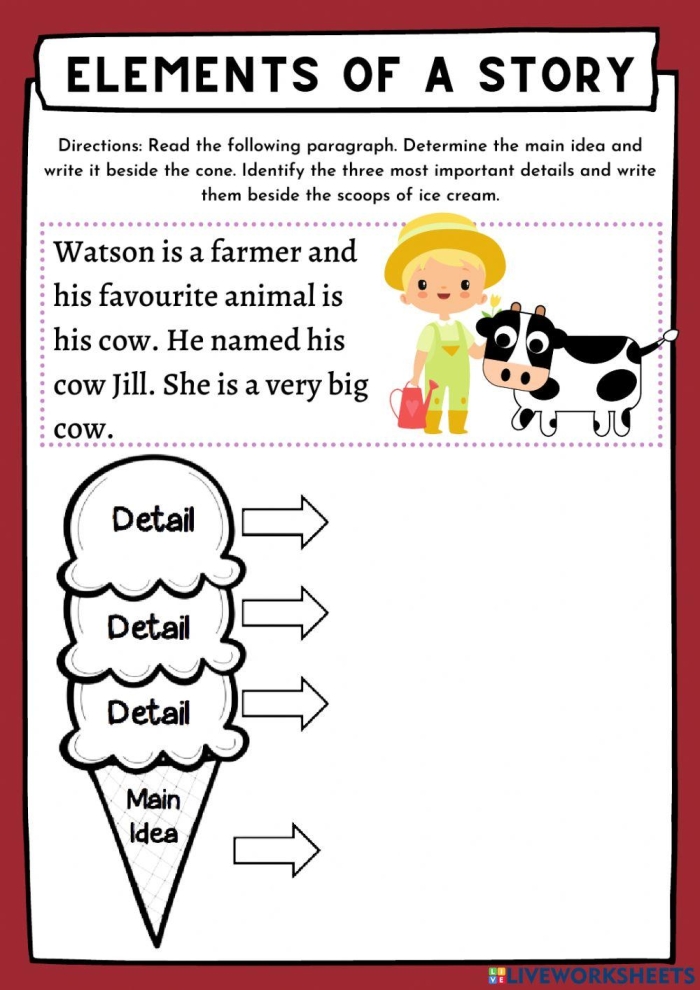
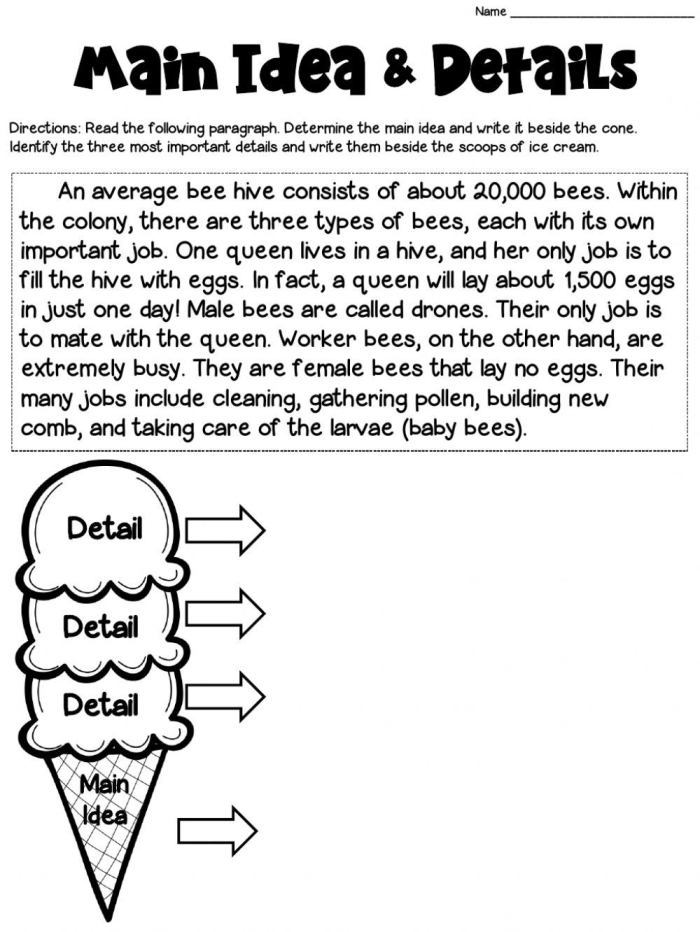
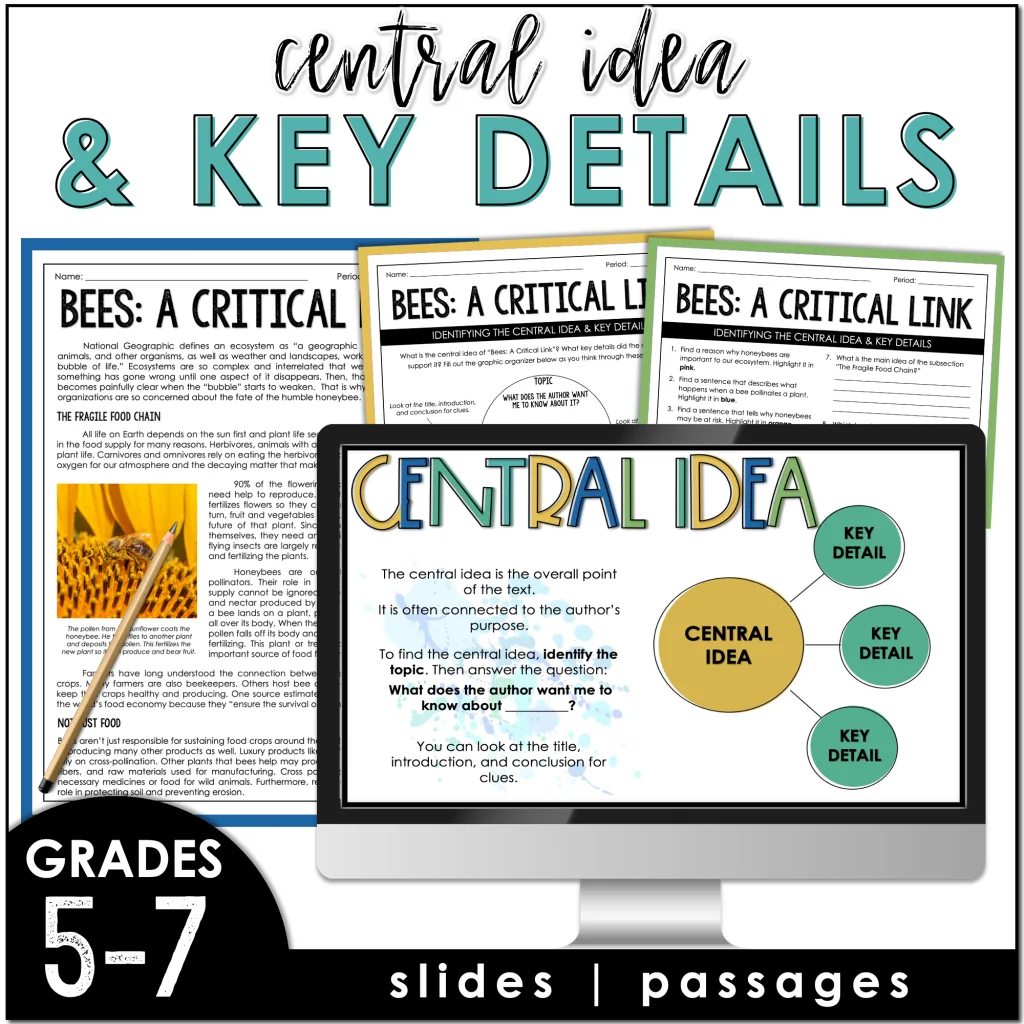
When using the graphic organizer, students should start by writing the central idea at the top. As they read, they can jot down key details that bolster this idea. This method encourages active reading, as students are prompted to engage with the text rather than passively consume it. The act of identifying key details fosters a sense of ownership over their learning.
Moreover, this strategy can be applied across various subjects. For example, when exploring the topic of tectonic plate boundaries, students can identify the main idea about how these boundaries affect geological activity and then note specific examples of earthquakes or volcanic eruptions that occur as a result. This practice prepares students for writing assignments, such as those found in the informational essay writing prompt choice board, where they can articulate their understanding of a topic effectively.
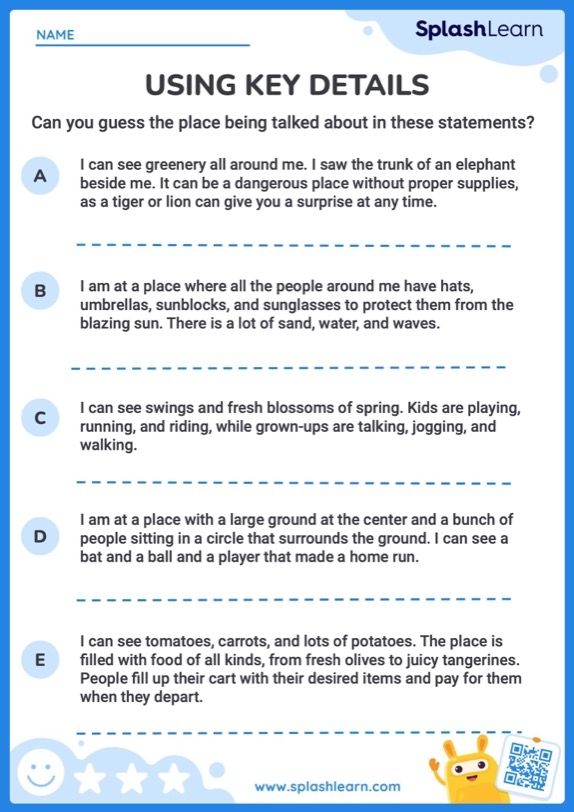
Incorporating graphic organizers into reading lessons not only helps sixth graders identify central ideas but also equips them with essential skills for academic success. As they practice with various texts, their confidence and ability to analyze information will grow, setting a solid foundation for future learning.
Grab These Worksheets Now