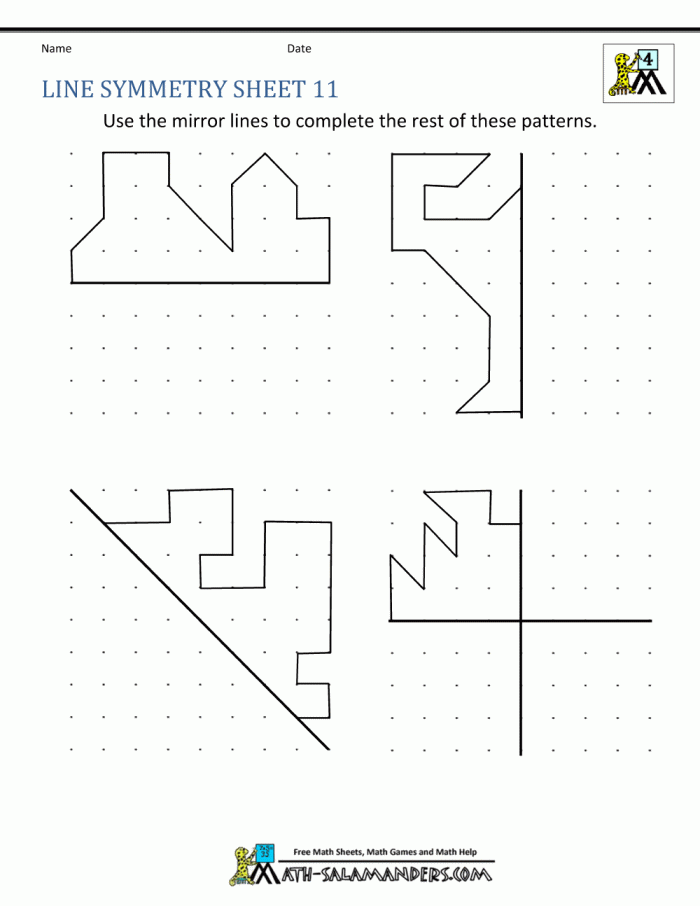
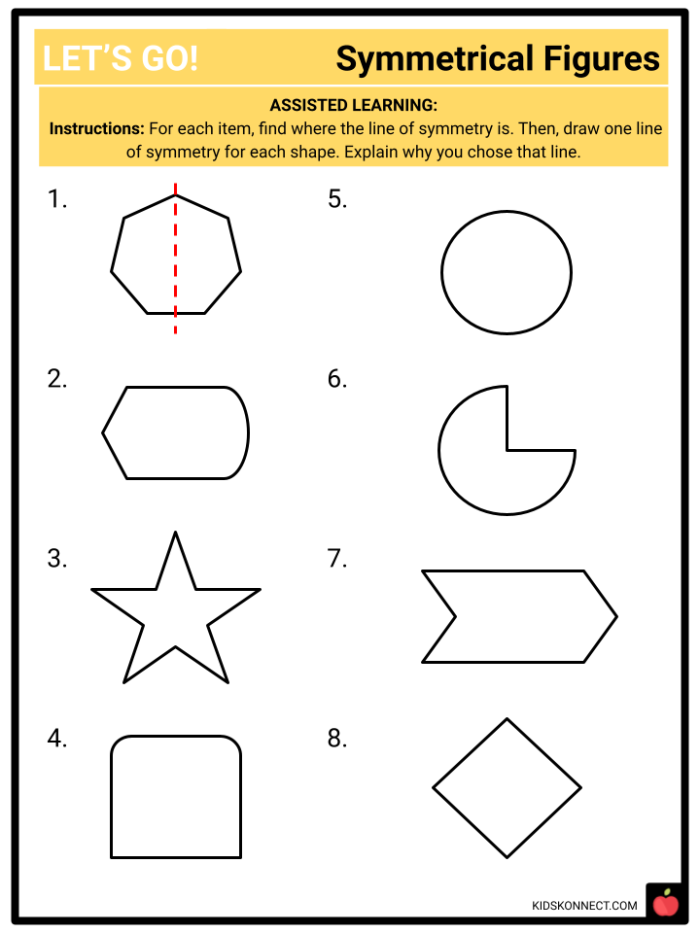
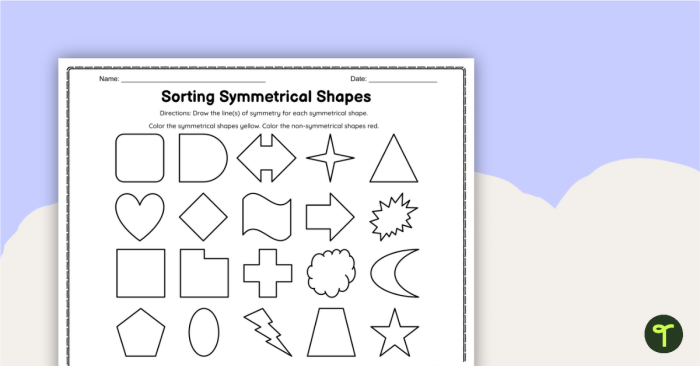
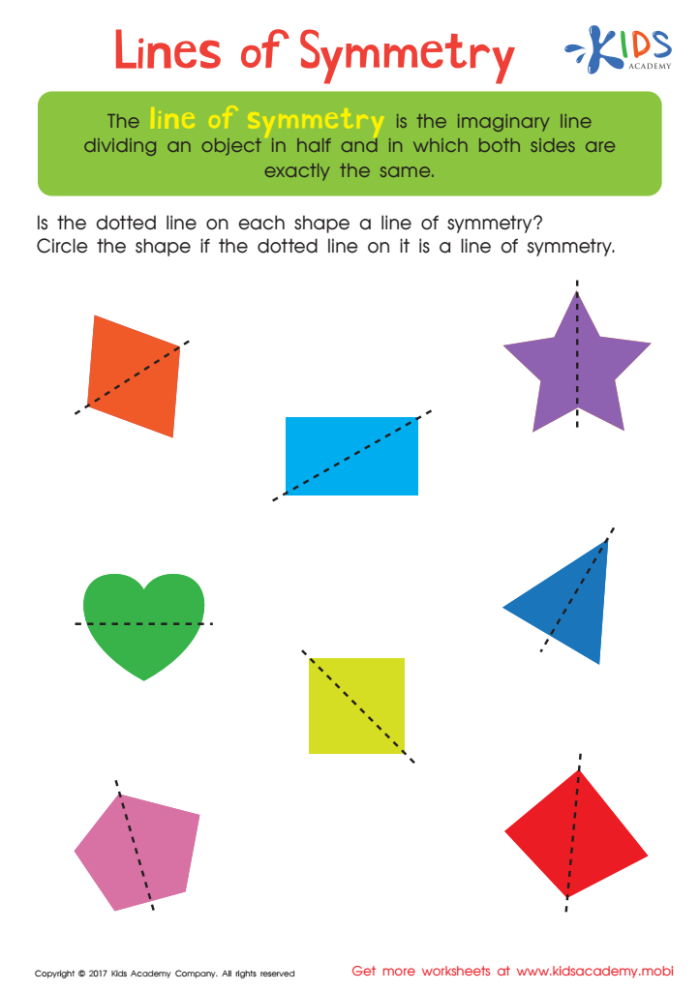
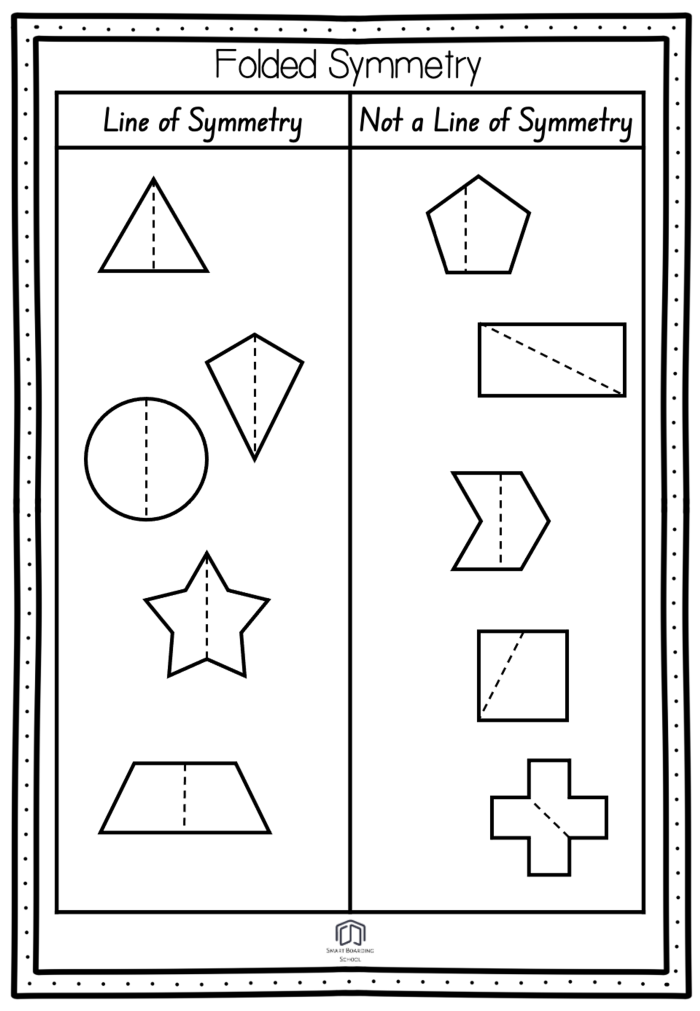
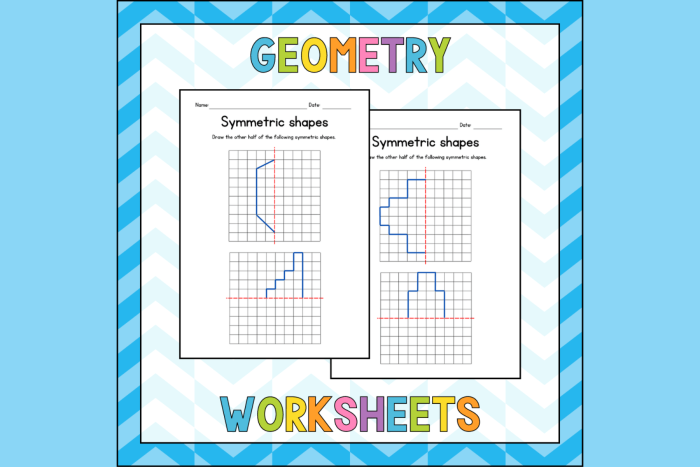
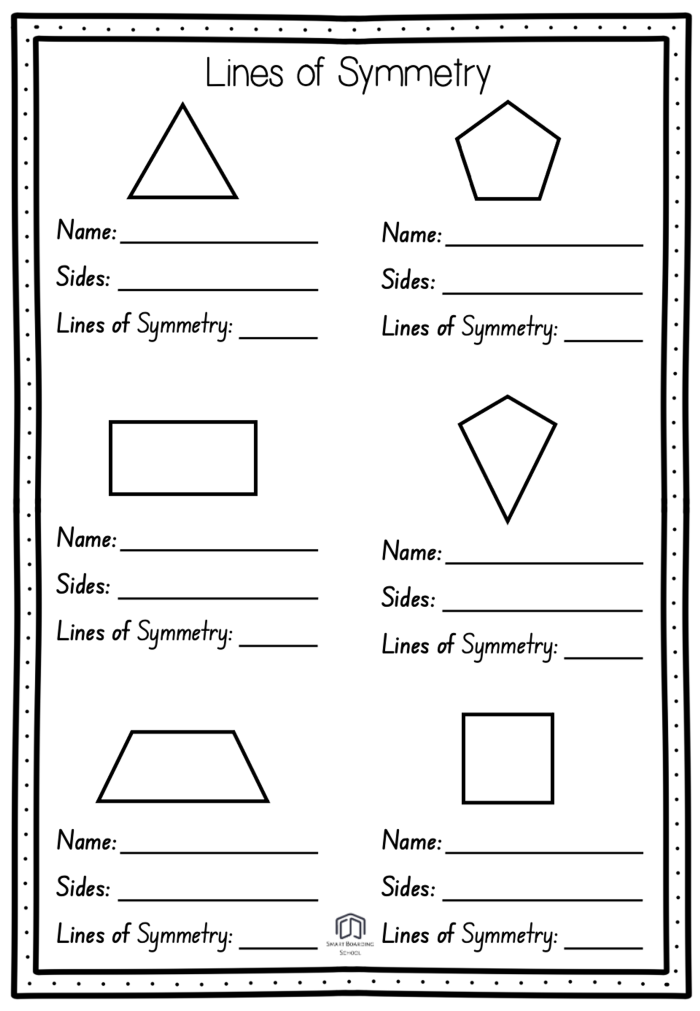
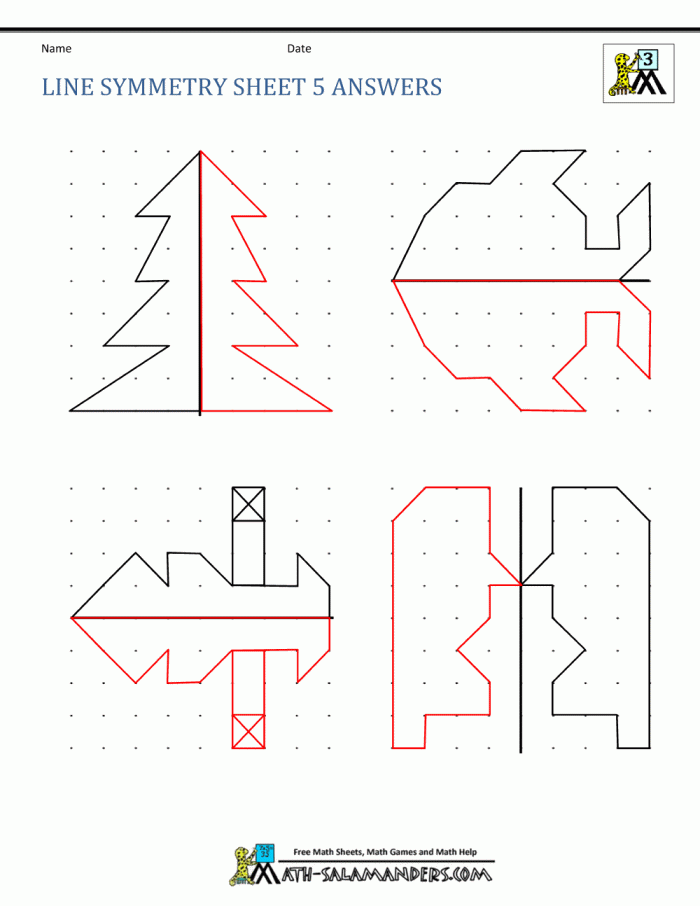
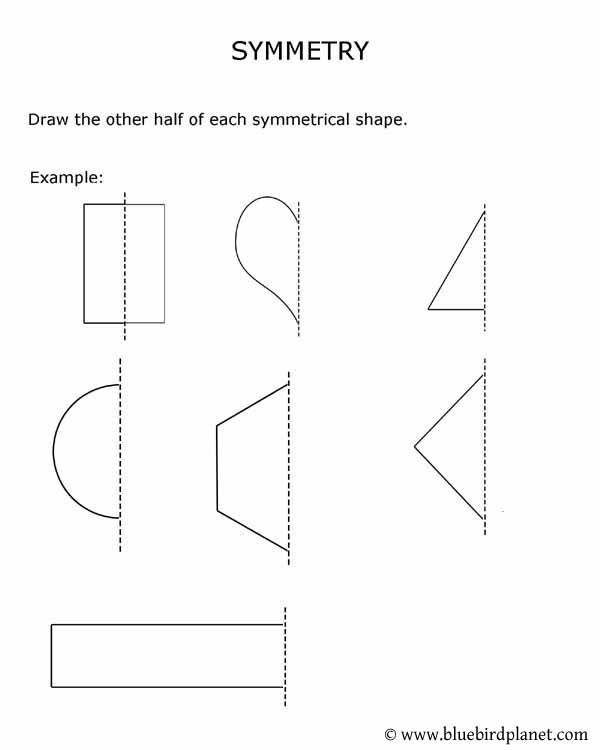
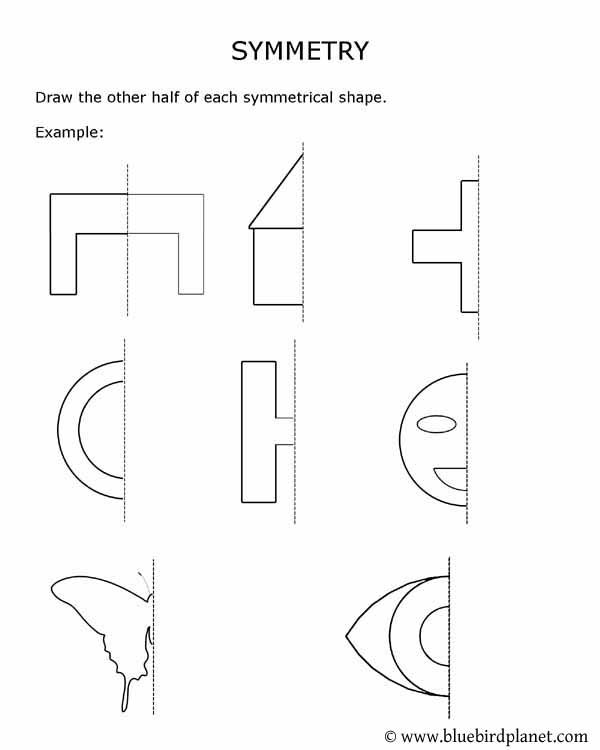
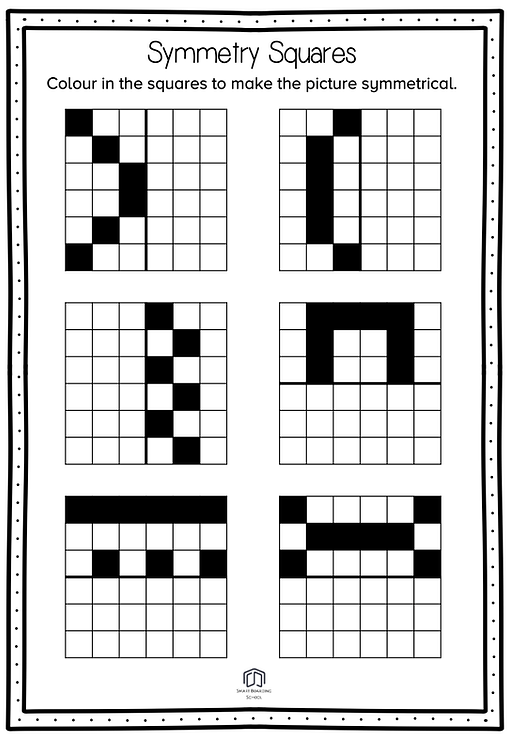
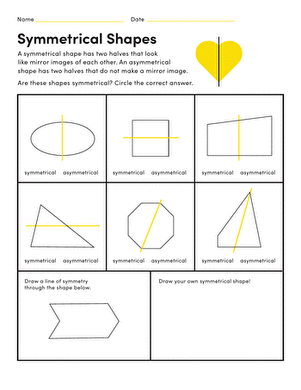
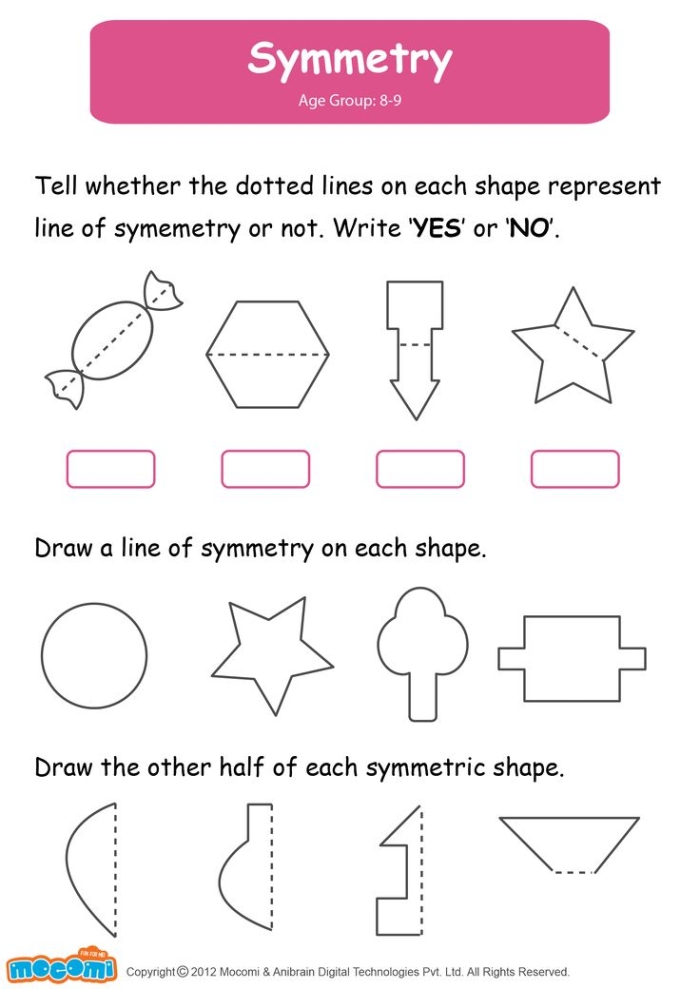
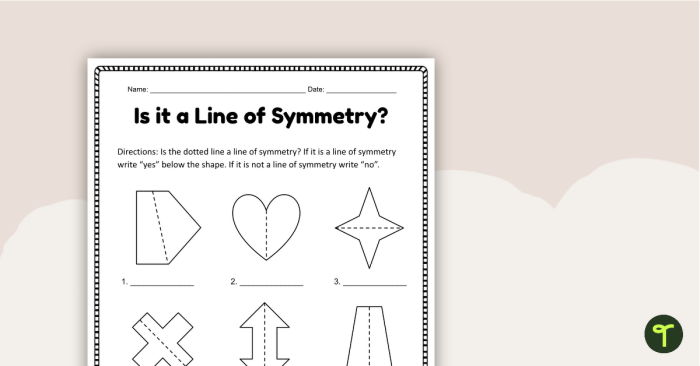
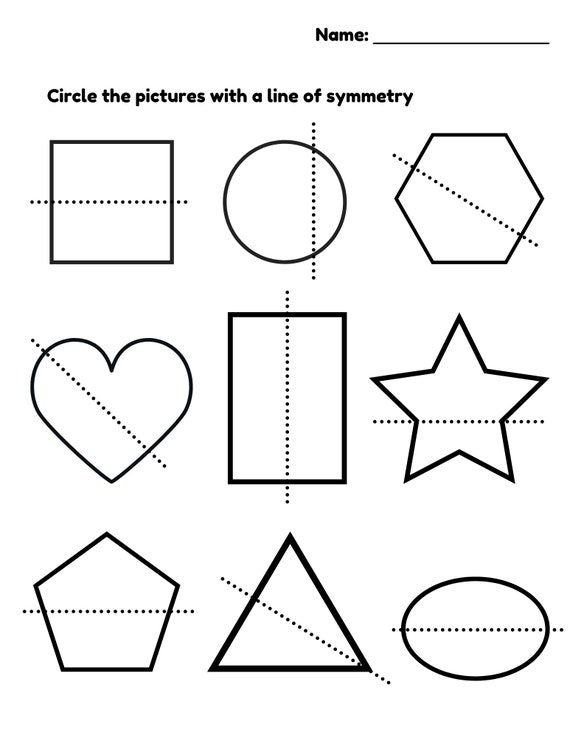
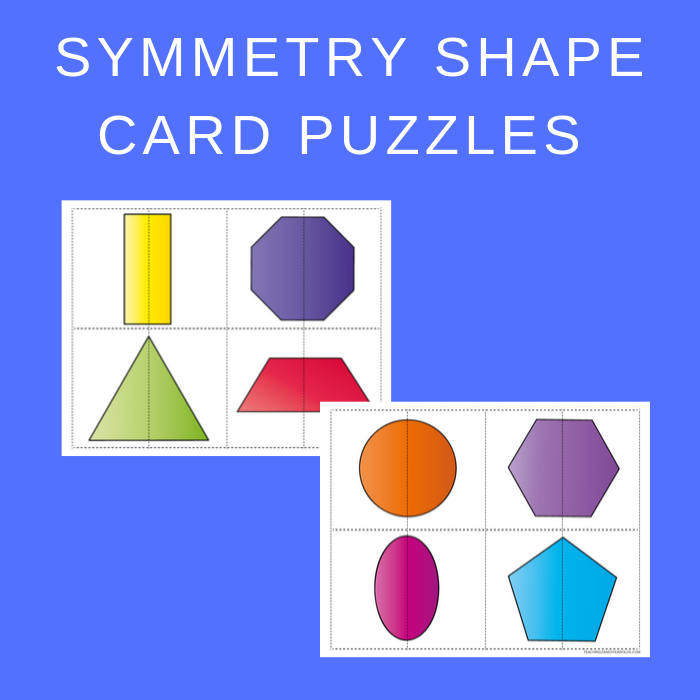
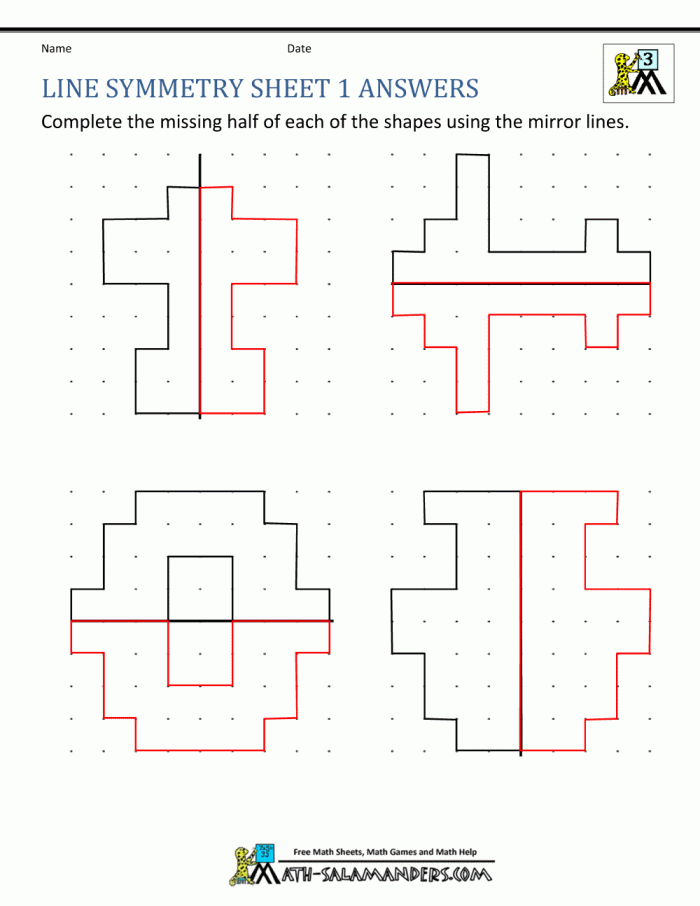
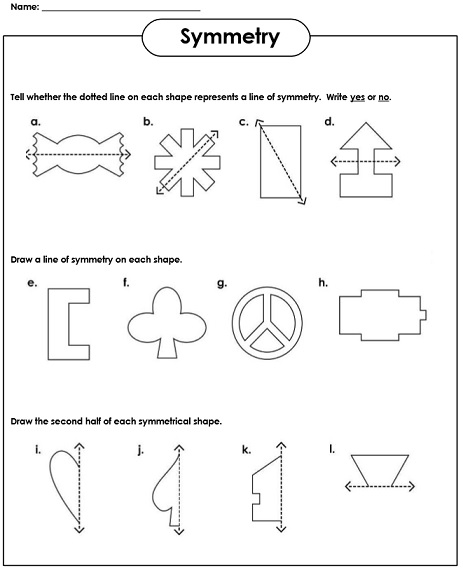
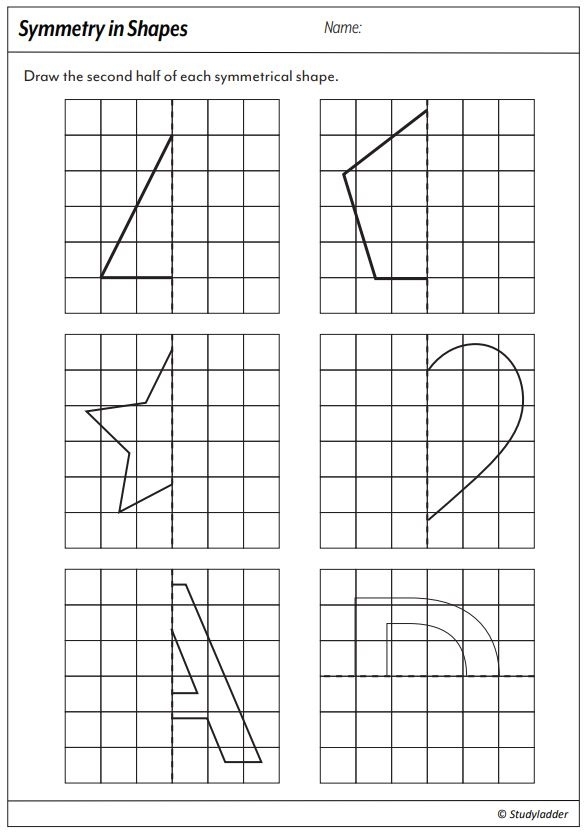
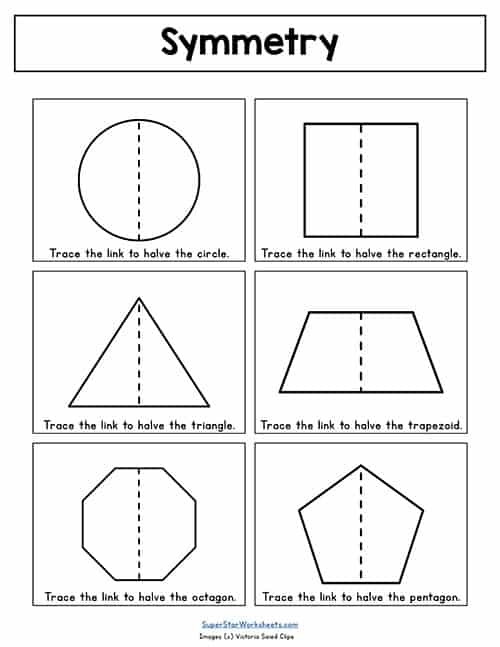
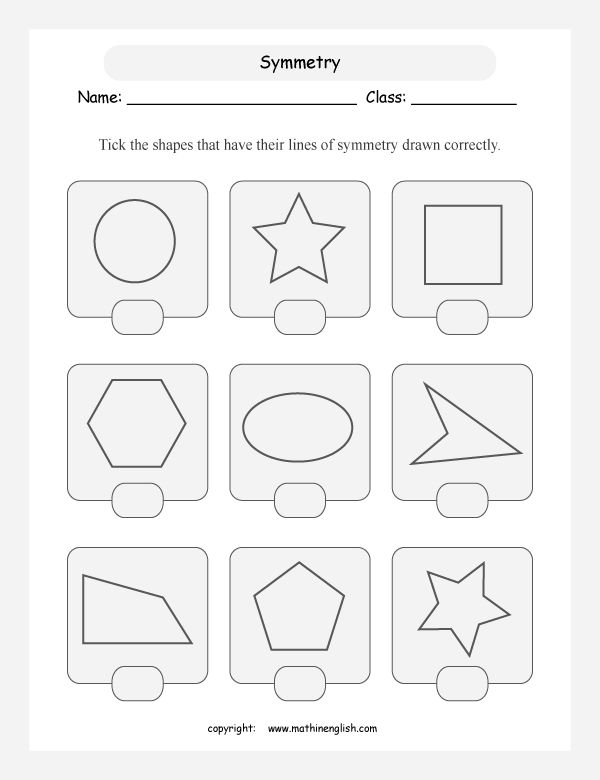
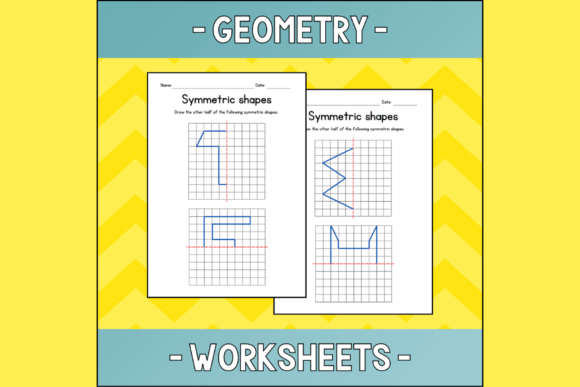
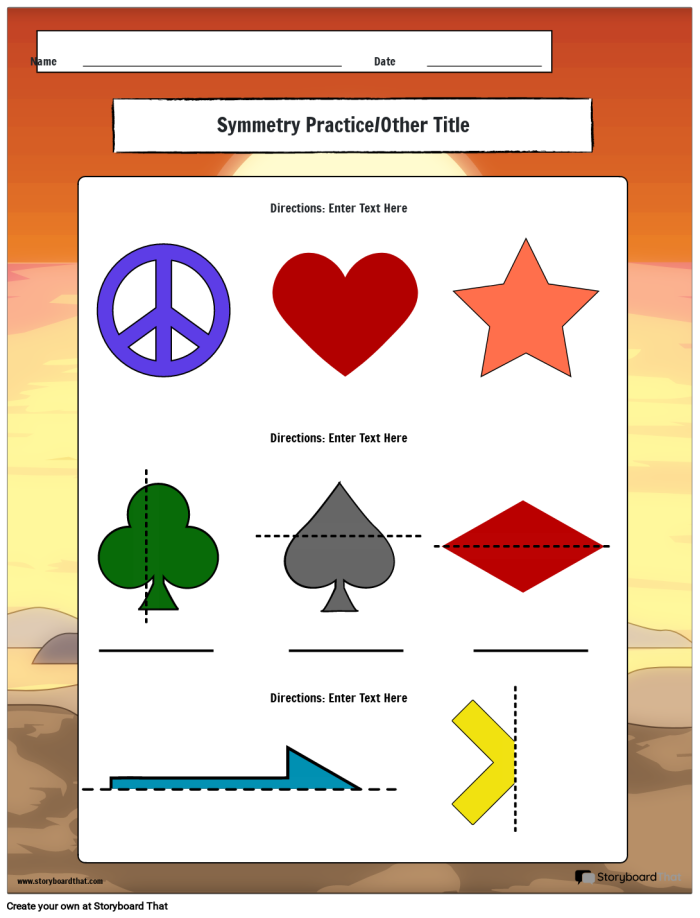
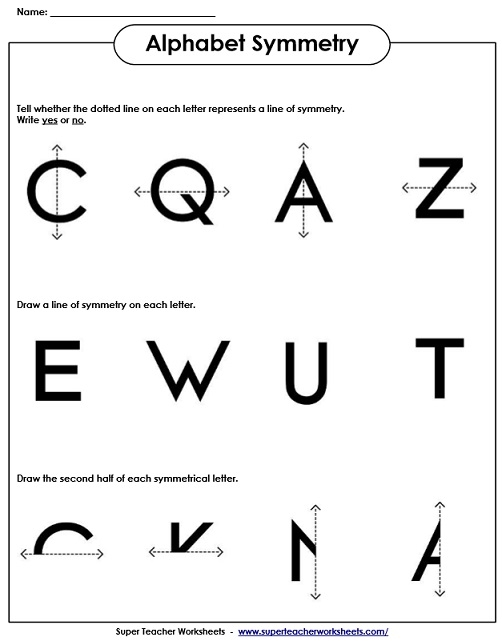
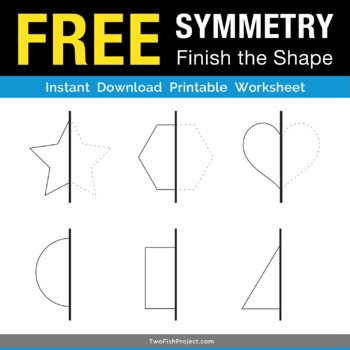
Understanding symmetry is a fundamental concept in math and art that fourth graders can explore through engaging activities. One effective approach is a hands-on worksheet where children examine six different shapes and determine whether each is symmetrical or asymmetrical. This task not only sharpens their observational skills but also enhances their ability to identify and analyze geometric properties.
On the worksheet, students are presented with a variety of shapes, such as circles, triangles, and rectangles. They must decide if each shape can be divided into two identical halves. For example, a circle is symmetrical because it can be split through any diameter, resulting in two equal halves. In contrast, an irregular polygon might be asymmetrical, as it does not have identical halves when divided. Engaging with these concepts in a hands-on manner makes learning both fun and memorable.
Practicing with symmetrical shapes helps fourth graders grasp important mathematical principles and improves their critical thinking. As they work through the worksheet, they not only learn about geometry but also develop skills that can be applied in other areas, such as art and design. Recognizing patterns and understanding balance are essential skills that can benefit children in various subjects.
Educators can supplement this activity with other related resources, such as worksheets on identifying past tense verbs or exploring the physical properties of water. These connections allow students to see the relevance of symmetry in different contexts, fostering a more integrated understanding of their learning. For those looking for additional materials, printable symmetrical shapes worksheets can provide extra practice and variety.
Incorporating such hands-on activities into writing lessons makes math concepts more accessible and enjoyable, helping students see the beauty in symmetry and its applications in the world around them.
Grab These Worksheets Now