When your first grader finishes reading a short story, asking “what happens next?” transforms a passive reading experience into active thinking. This simple question pushes children to move beyond just recognizing words and actually engage with the narrative. Drawing conclusions about story outcomes builds a critical foundation for reading comprehension that will serve them throughout their academic journey.
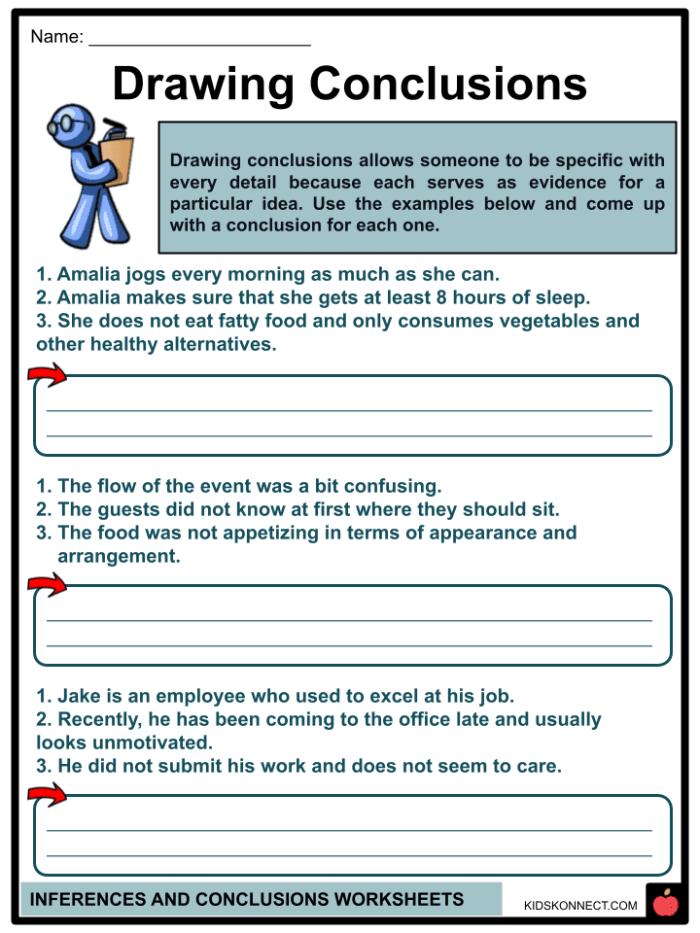
The beauty of working with multiple story lines is that it gives your child practice recognizing patterns and cause-and-effect relationships. When a character faces a problem in one story, your reader begins to predict how similar characters might respond in another. This comparative thinking deepens their understanding of how stories work and why characters make certain choices.
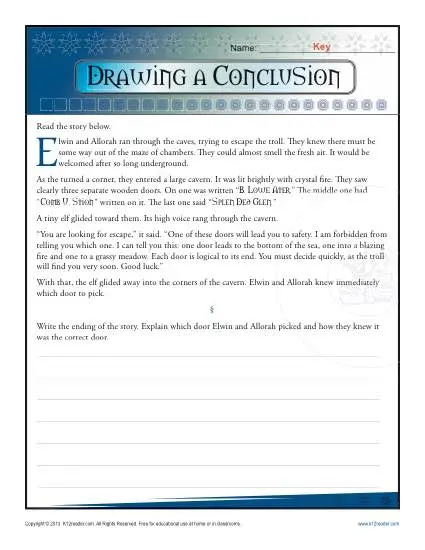
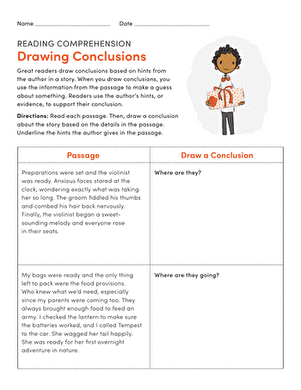
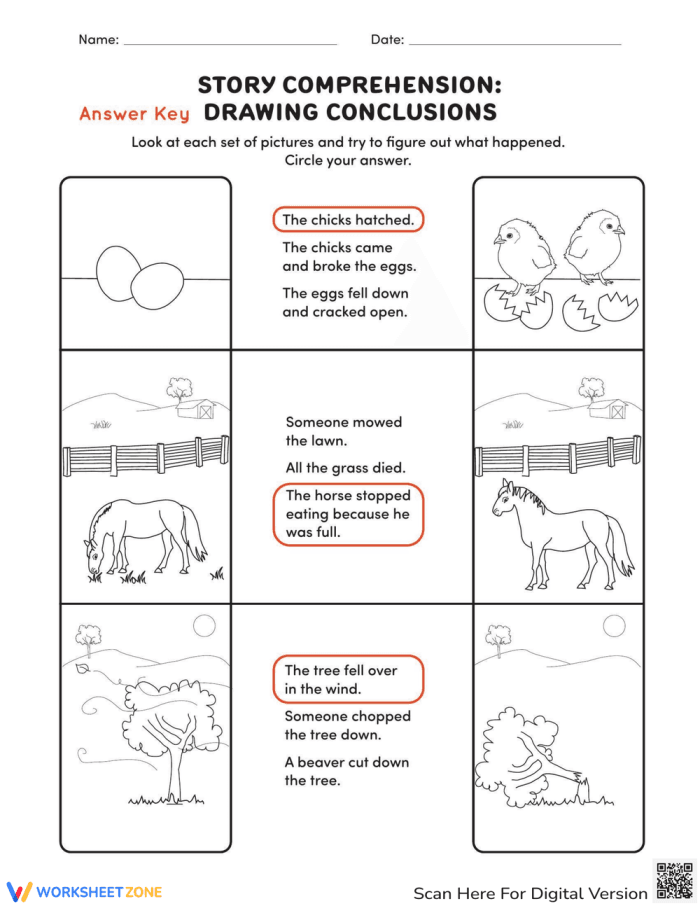
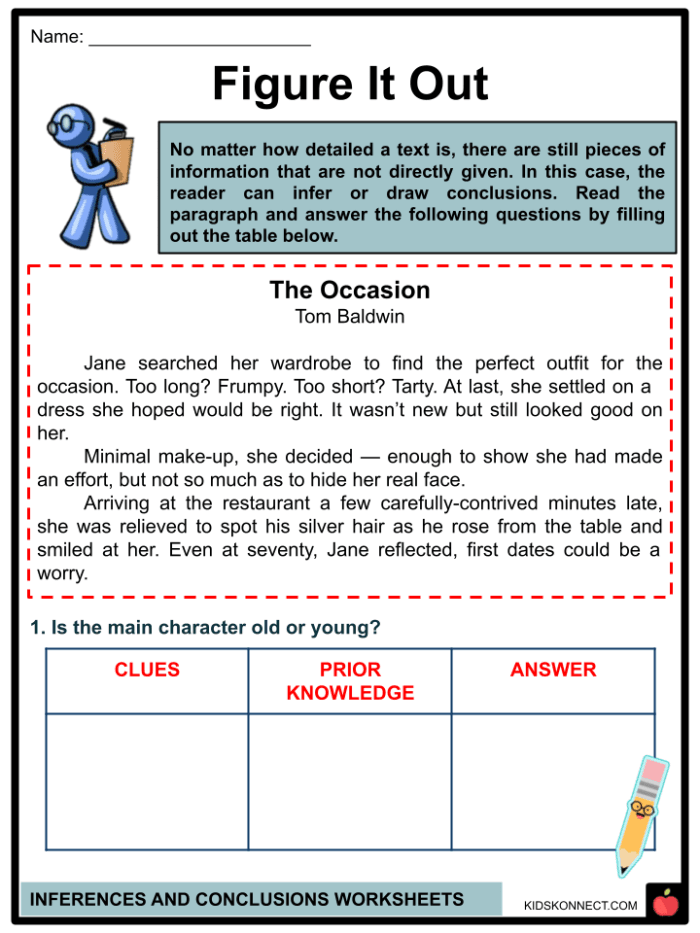
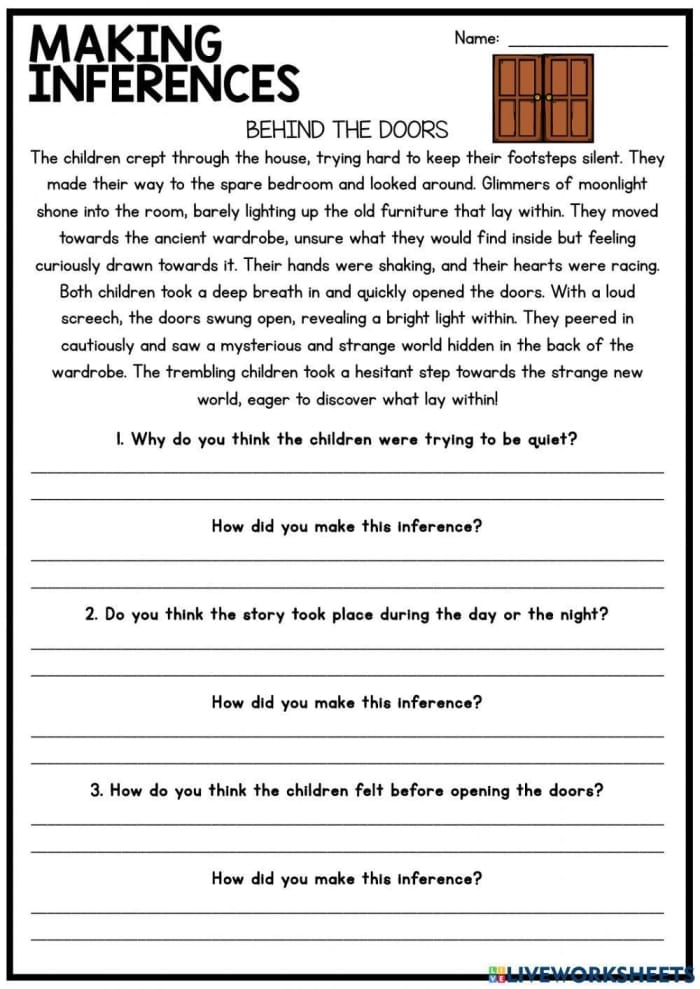
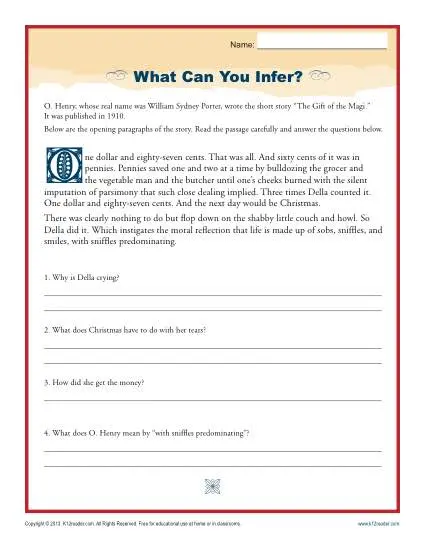
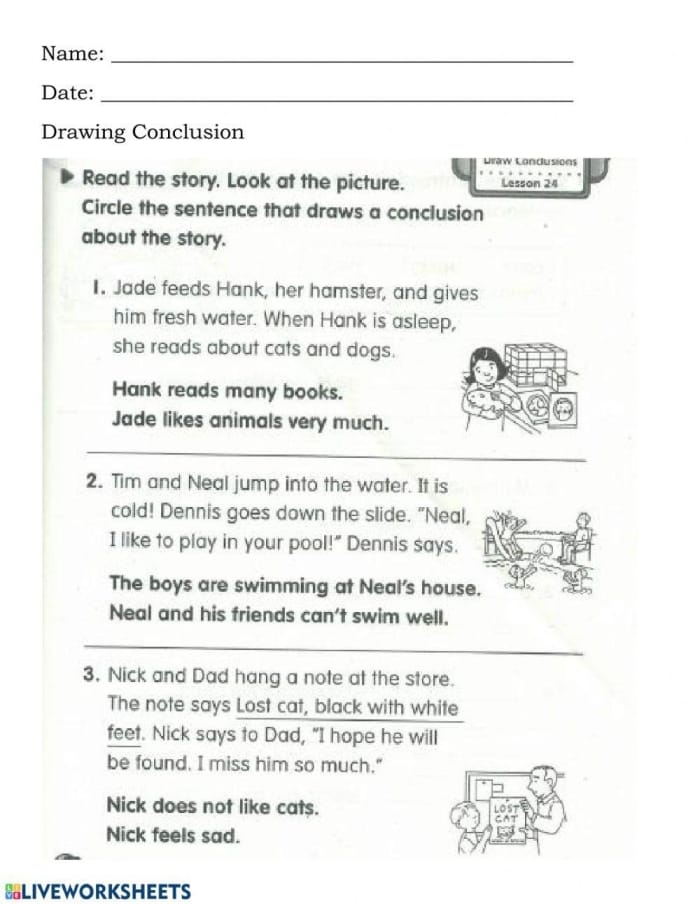
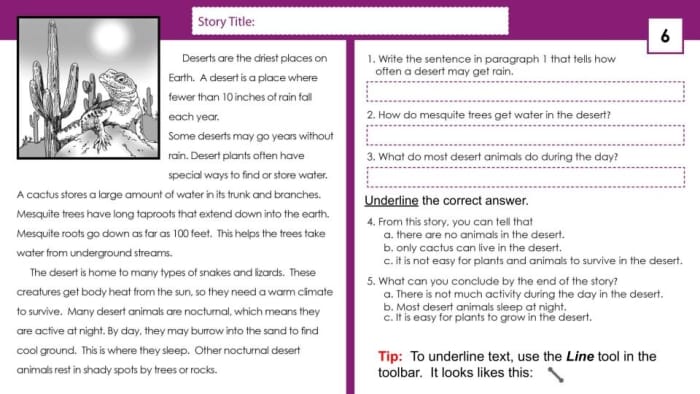
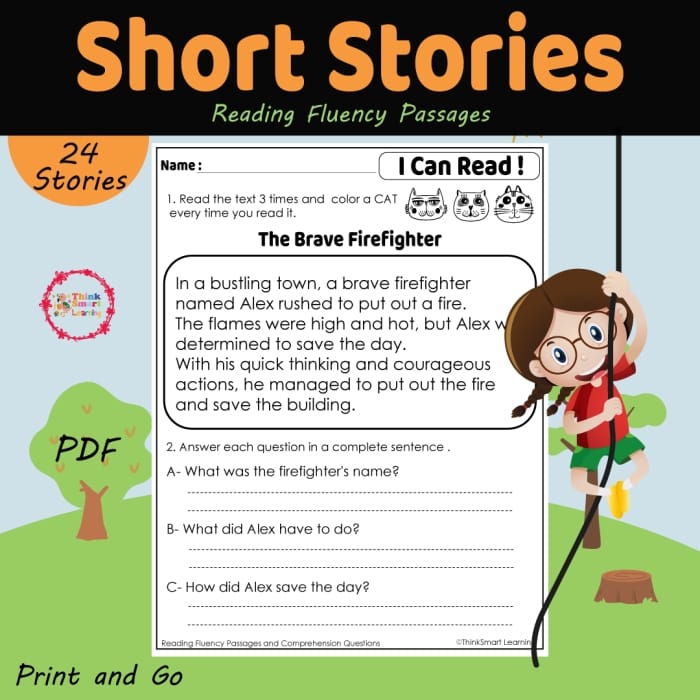
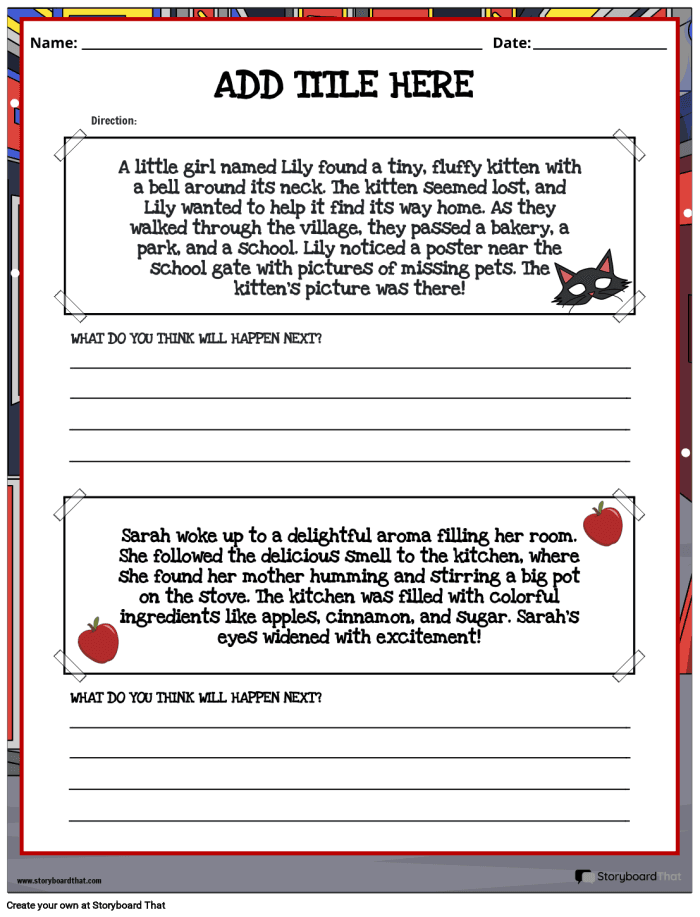
Start with three short, age-appropriate stories that have clear beginnings and middles but leave the endings open for discussion. As your child reads each one, pause before the final page and ask what they think will happen. Let them explain their reasoning. Did the character learn a lesson? Are they facing a challenge that needs solving? These questions help young readers connect story events to logical outcomes.
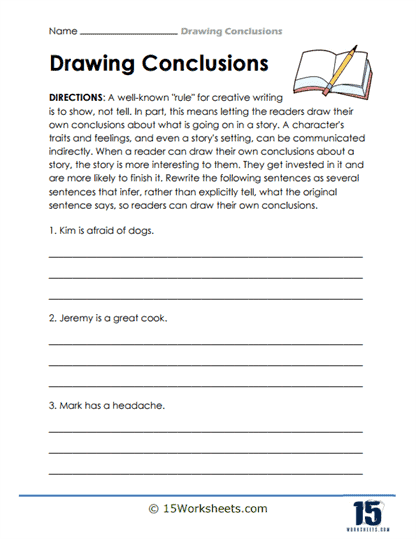
You can enhance this practice with structured worksheets designed specifically for first graders. Resources like reading a calendar activities help children track sequences and timelines, skills that directly support story comprehension. Similarly, proper punctuation exercises teach your reader to notice important story signals like question marks and periods that indicate when characters are confused or when events conclude.
The key is consistency. Spend just five or ten minutes several times a week on this practice. Over time, your beginning reader will naturally start predicting story outcomes without prompting, a sign that true comprehension is taking root.
Practice with These Worksheets