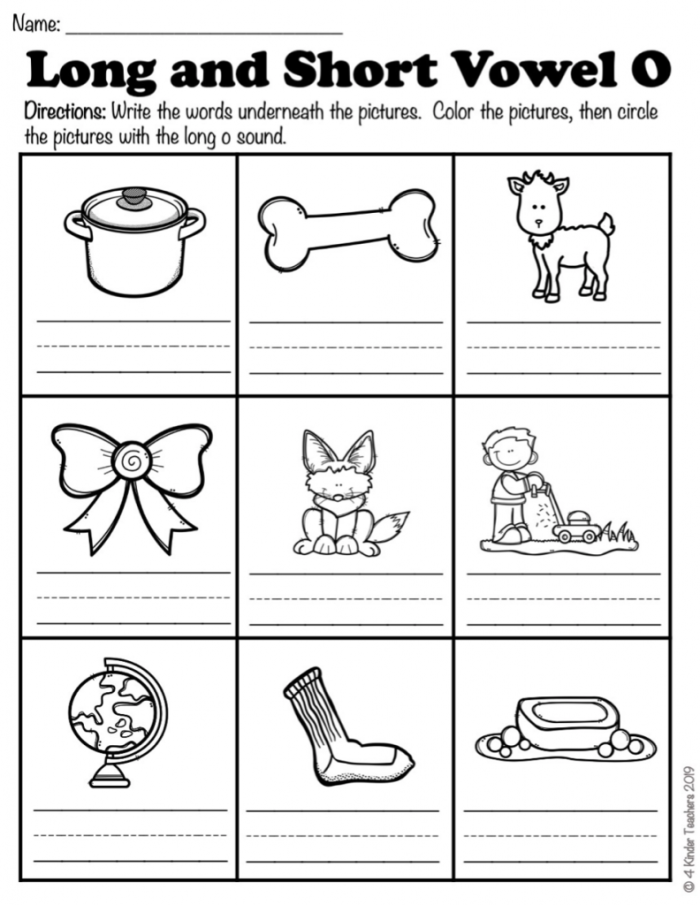
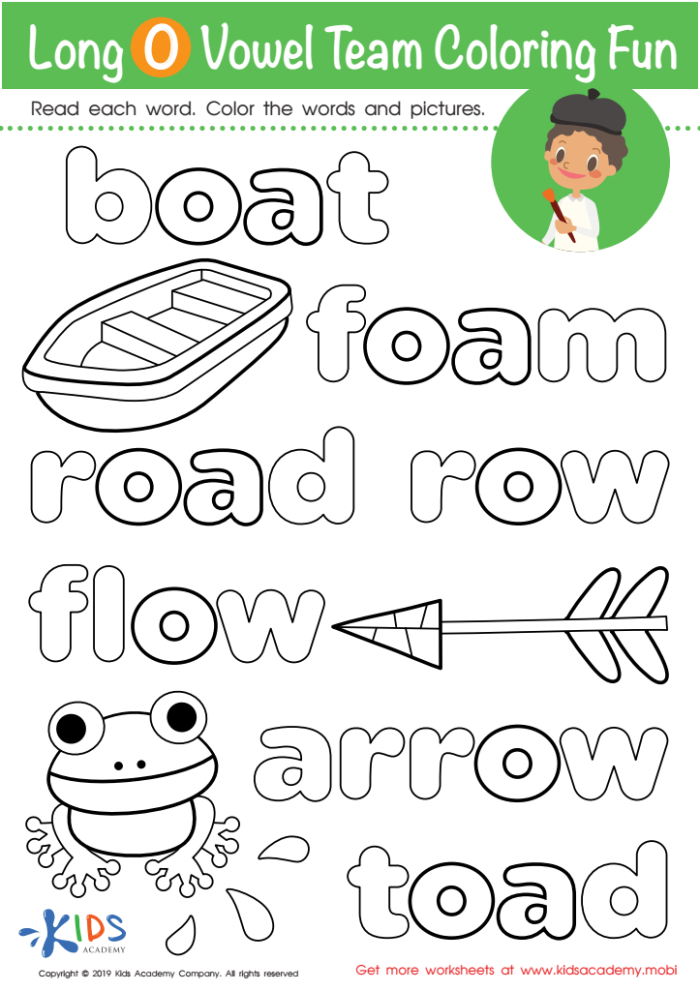
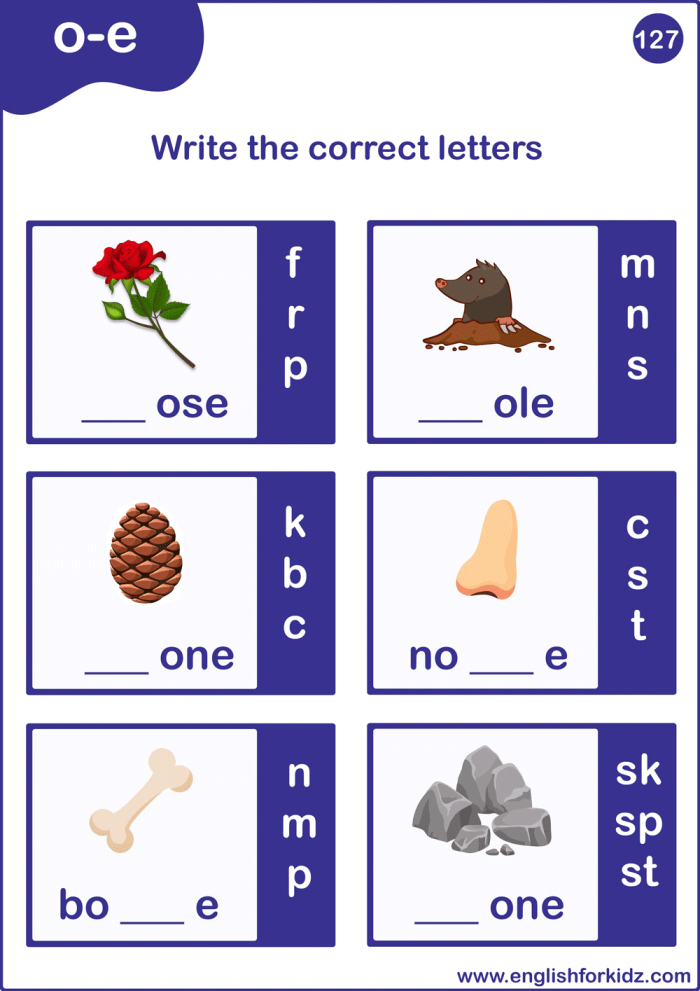
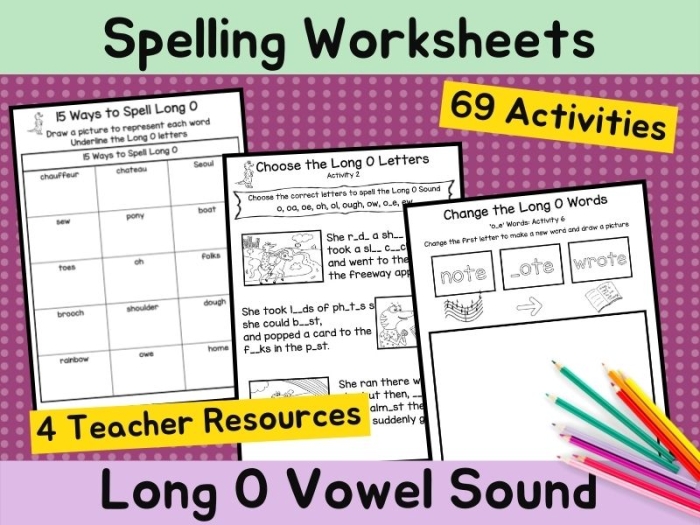
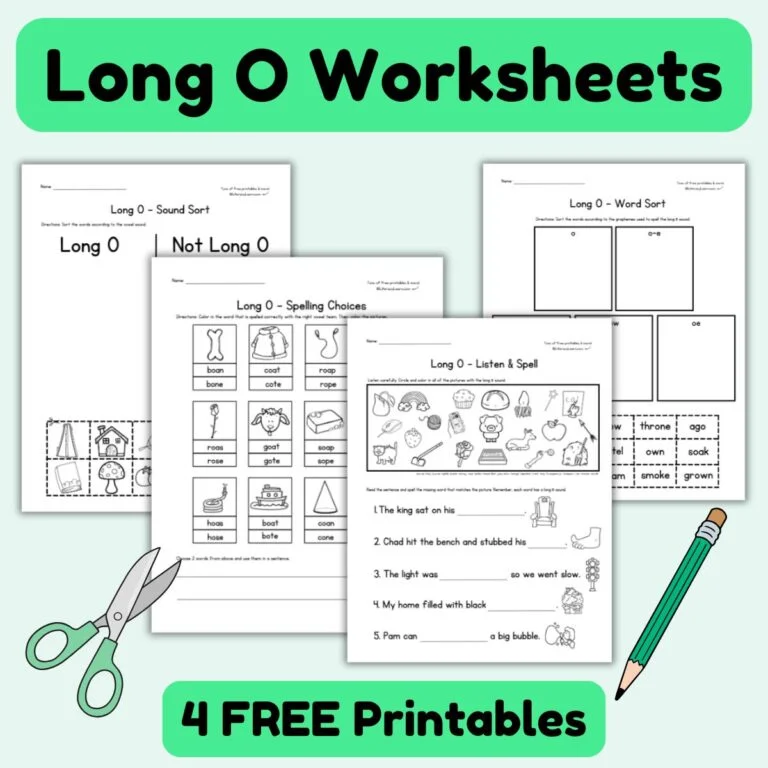
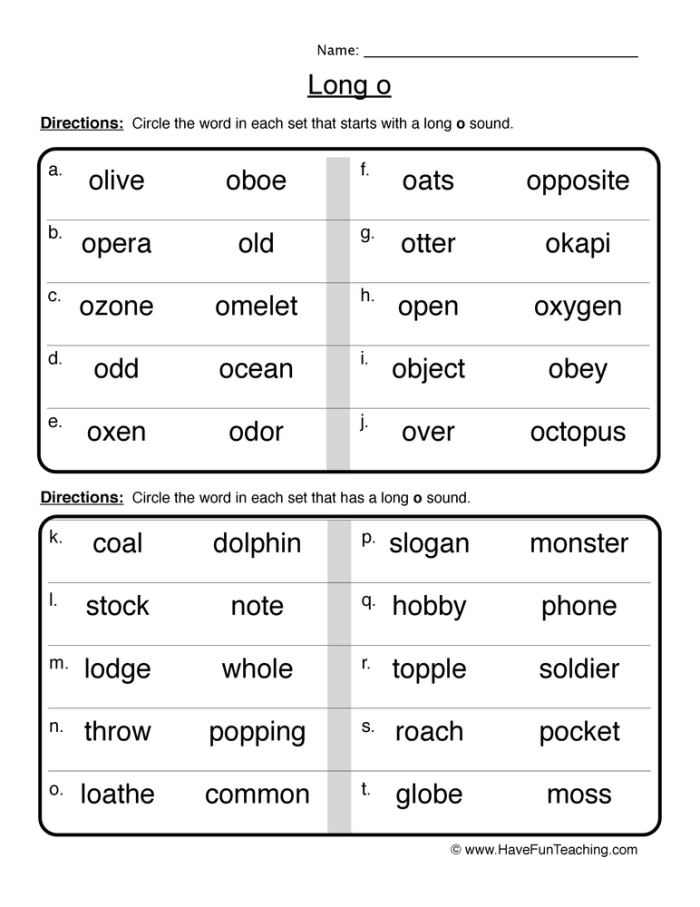
Second grade is when spelling patterns really start to click for young learners, and the long O sound offers the perfect opportunity to build confidence. This colorful activity keeps students engaged while they practice identifying long O words through picture clues and discover the spelling patterns that create these sounds.
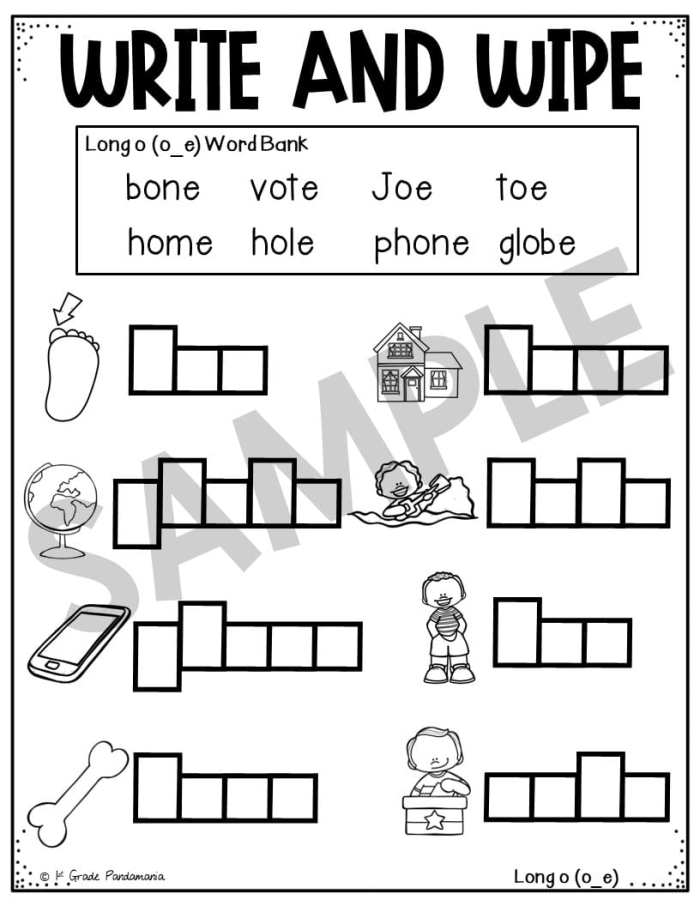
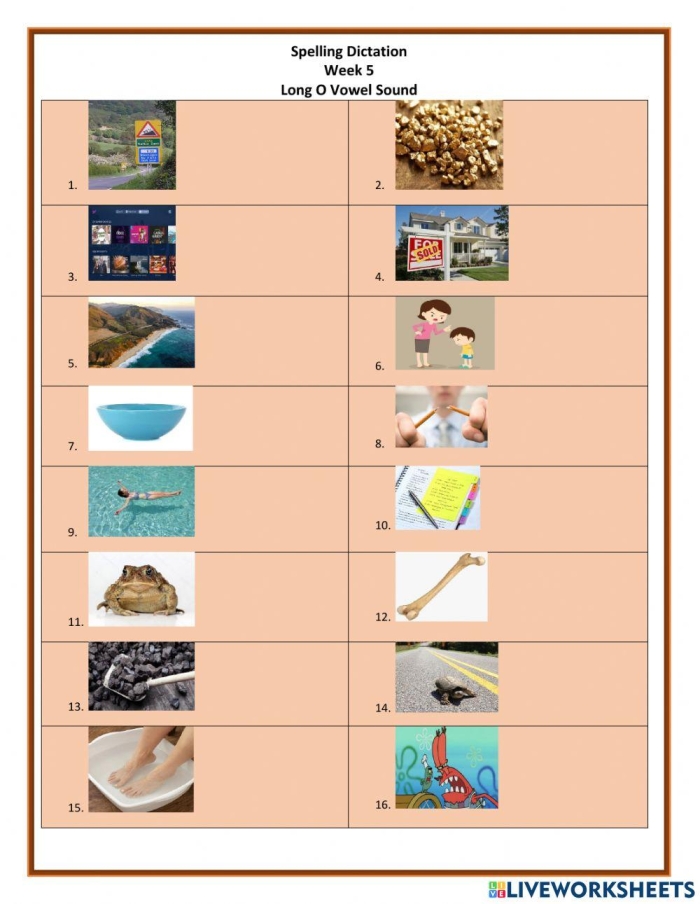
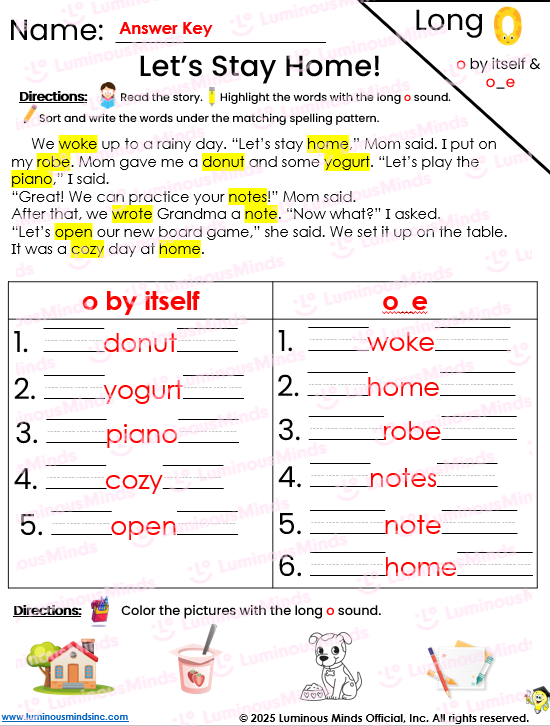
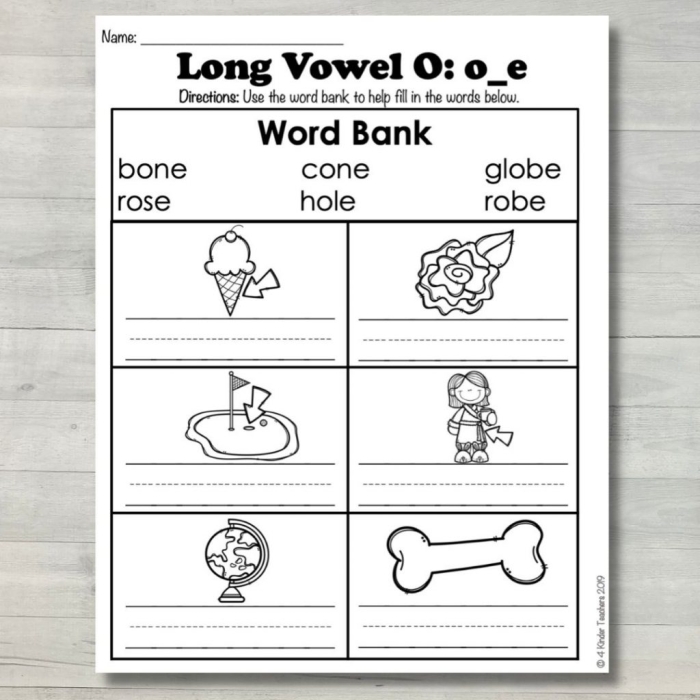
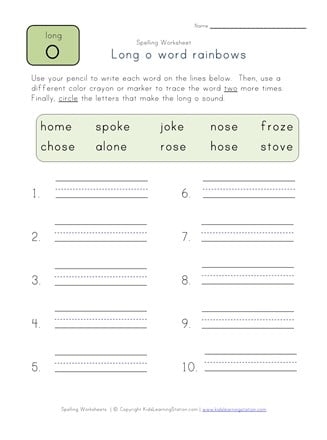
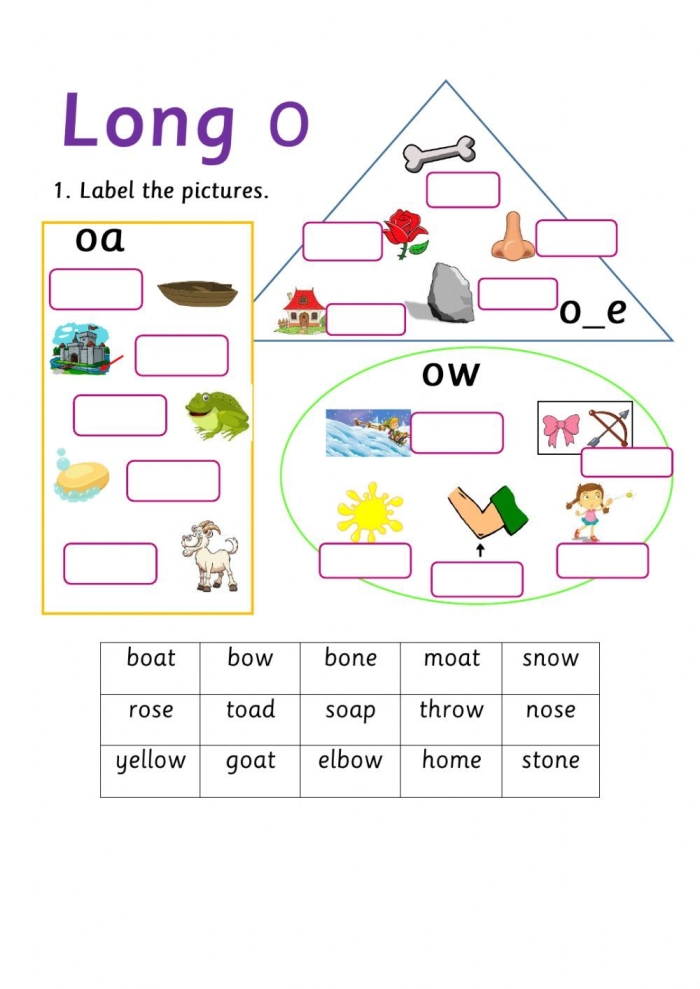
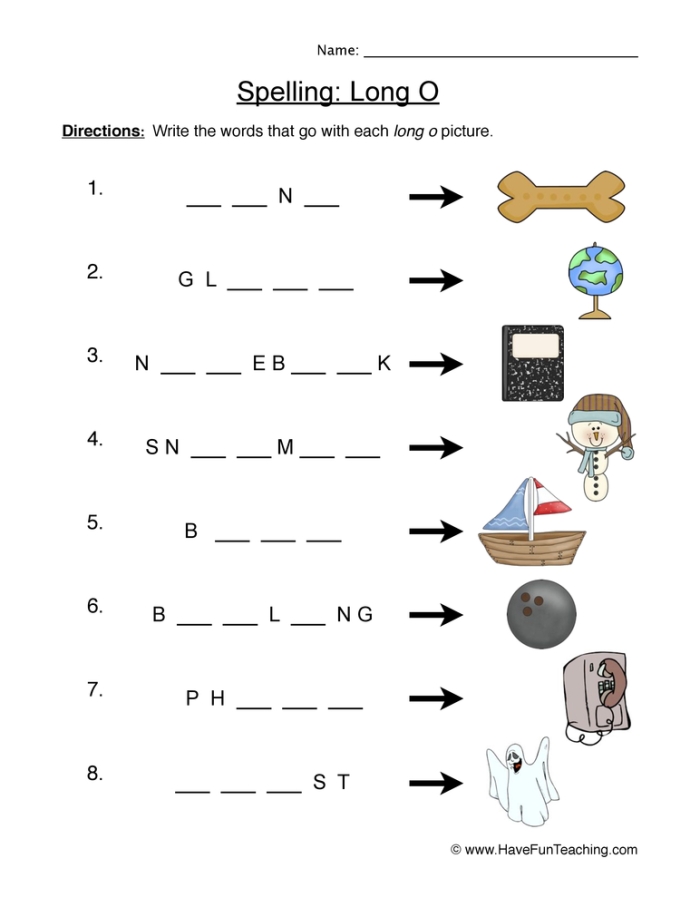
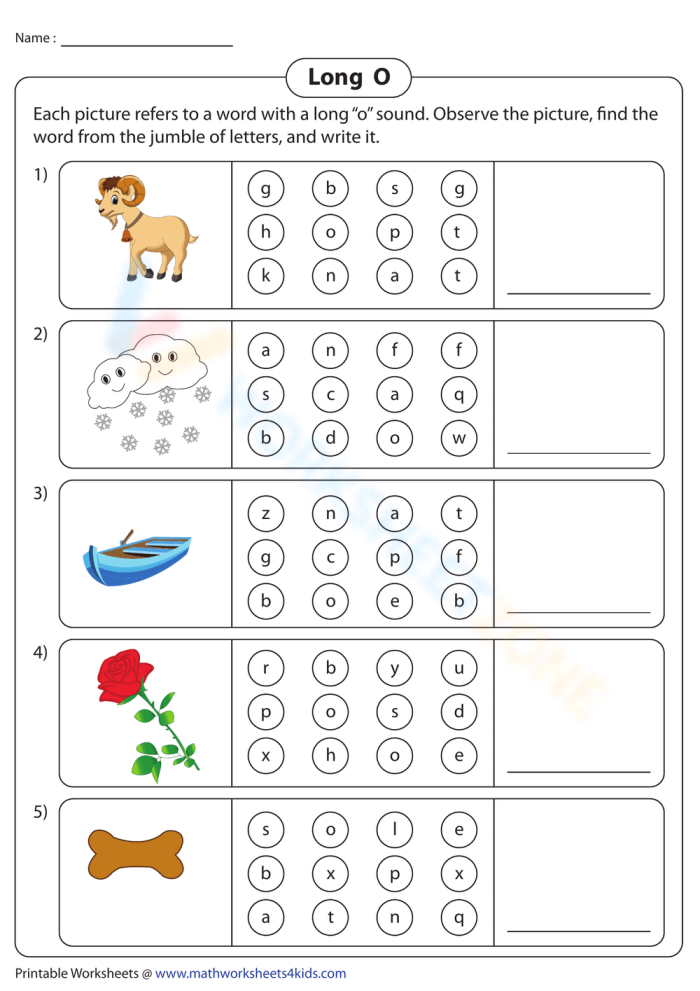
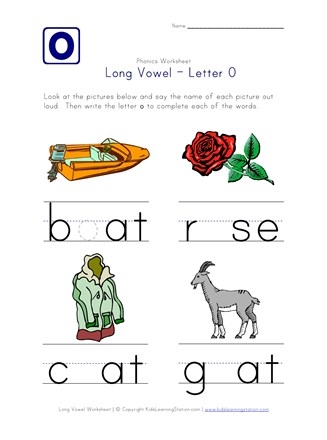
The activity works by presenting images that represent common long O words. Students look at each picture, say the word aloud, and then write it down. This multi-sensory approach helps cement the connection between the visual, auditory, and written forms of the word. Once they’ve identified the word, they move to the second part of the task: determining which spelling pattern created that long O sound.
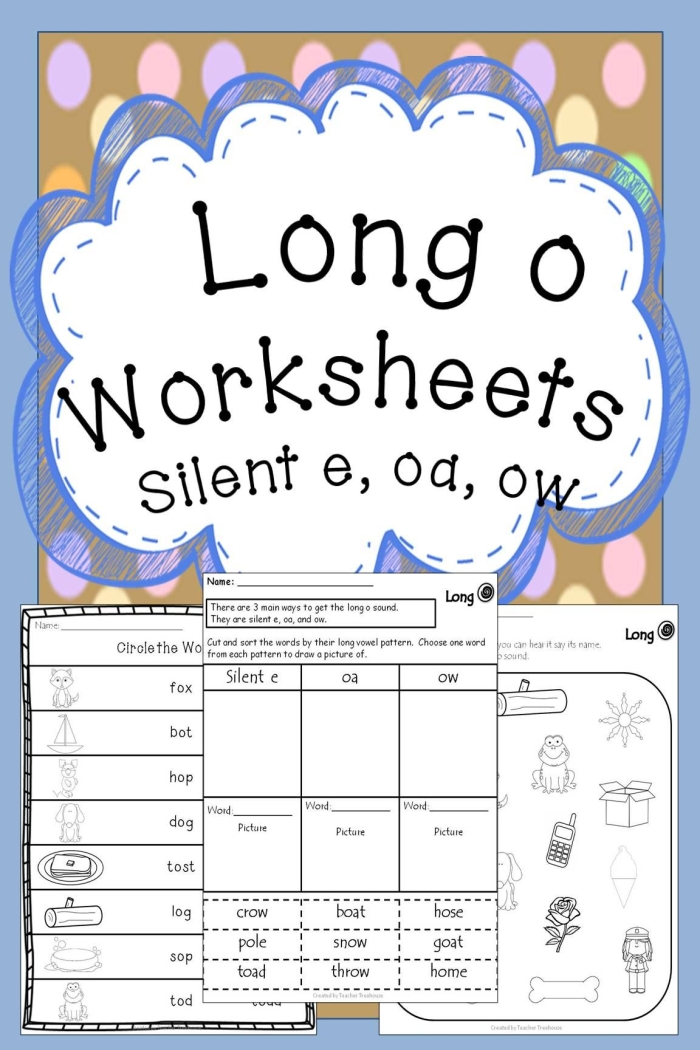
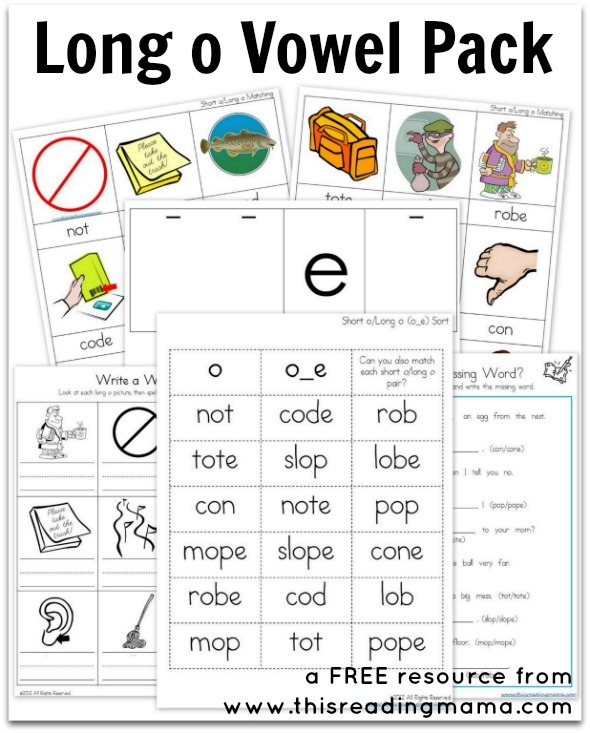
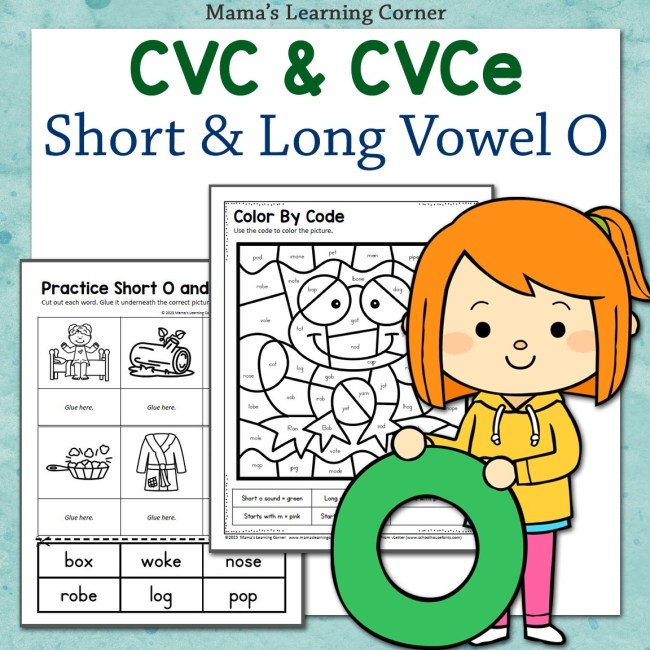
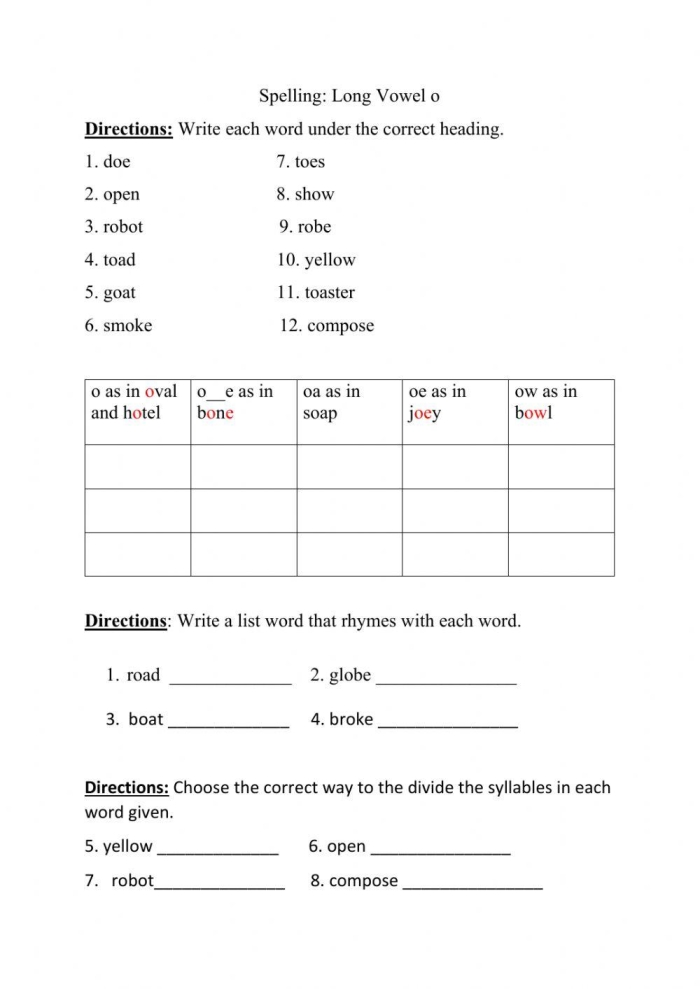
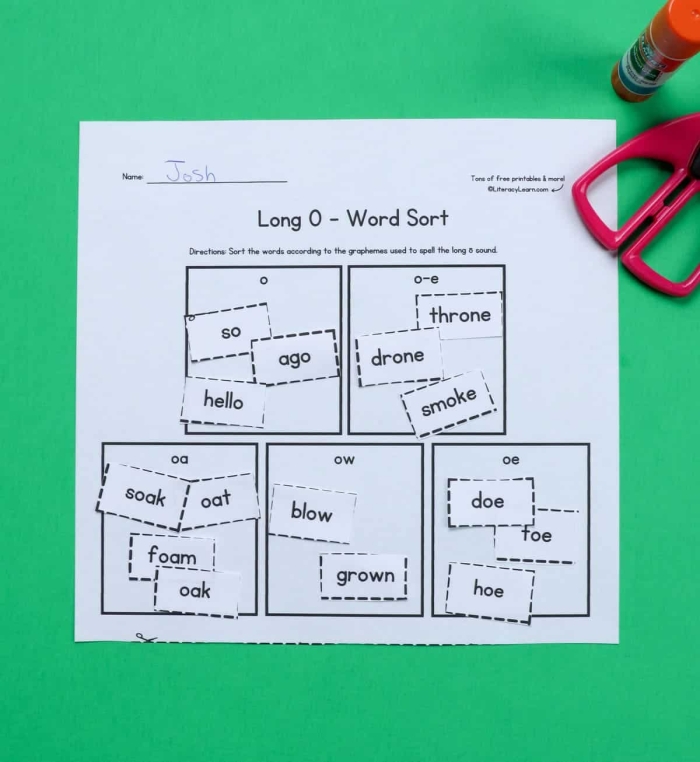
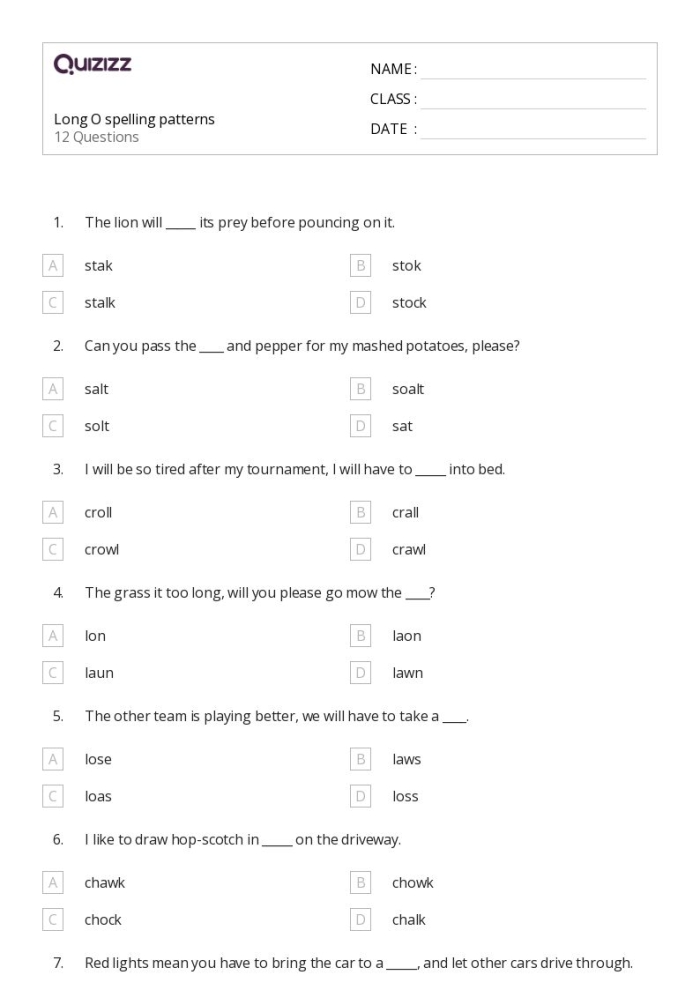
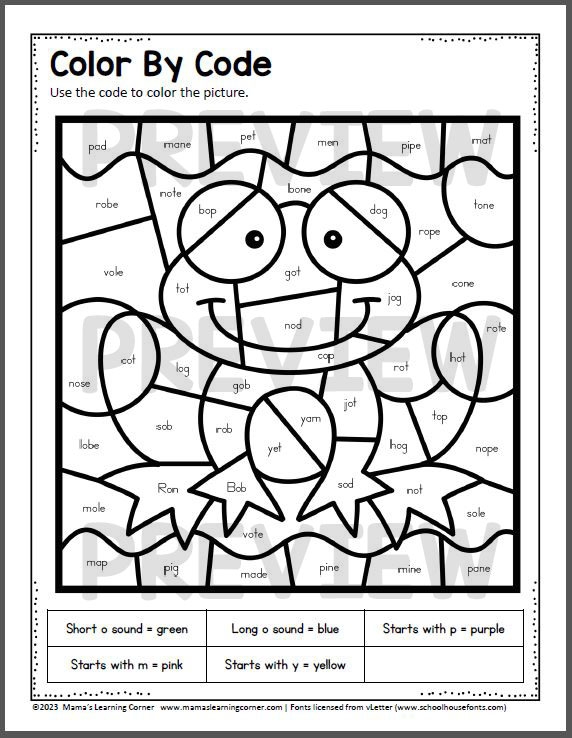
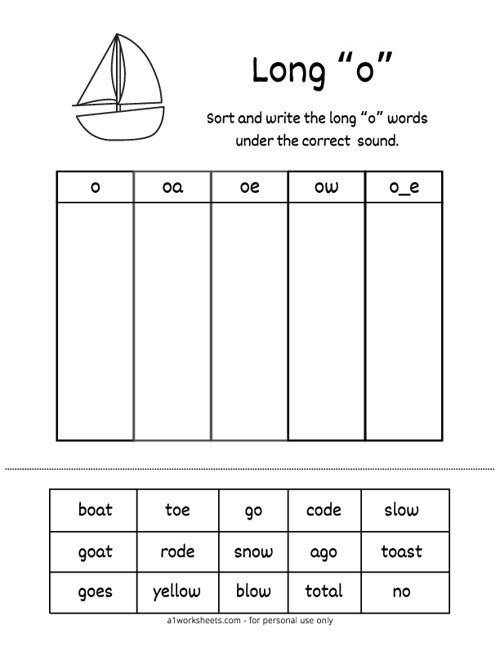
Long O words typically follow one of three main patterns. The first is the silent E pattern, where a vowel-consonant-E combination produces the long sound, as in words like “home” and “rope.” The second pattern uses the OA combination, found in words such as “boat” and “coat.” The third common pattern is the OW combination at the end of words, seen in “snow” and “flow.” By categorizing words into these patterns, students begin to recognize the rules that govern English spelling rather than memorizing words in isolation.
This type of structured practice aligns well with grammar and mechanics instruction for second grade. When students understand spelling patterns, they gain tools they can apply to new words they encounter. The visual element of the activity also makes it accessible for different learning styles, much like how engaging visual supports help younger learners process information.
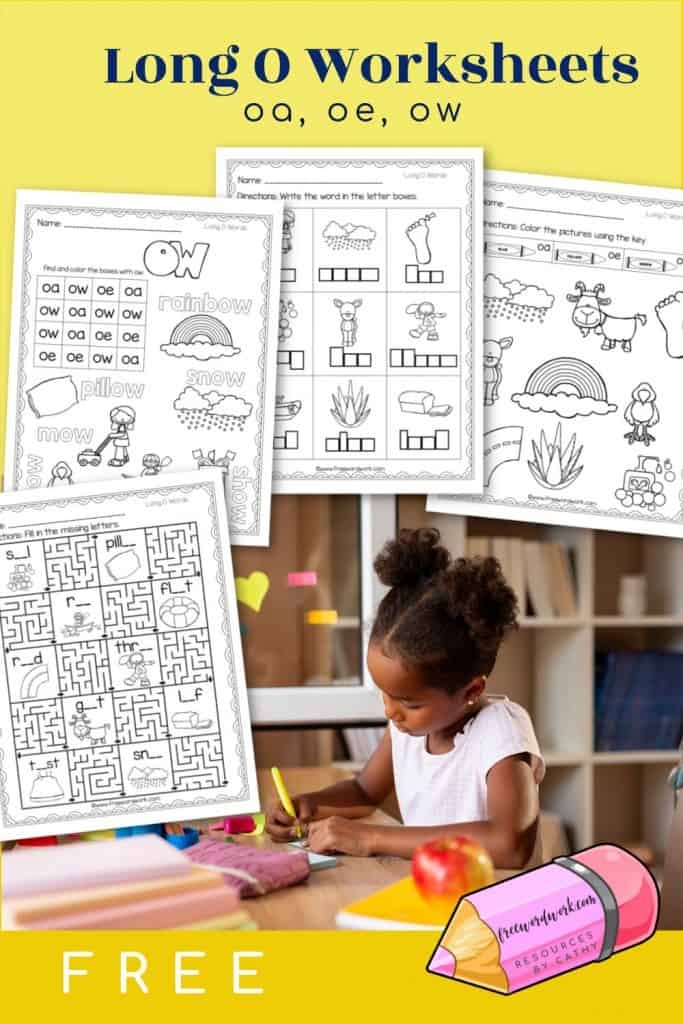
The colorful design keeps the activity from feeling like traditional drill work. Second graders respond well to bright illustrations and varied layouts, and this activity delivers both. By the time students finish, they’ve not only practiced spelling but also developed a mental framework for understanding long O patterns they’ll encounter throughout their reading and writing.
Download These Worksheets for Practice