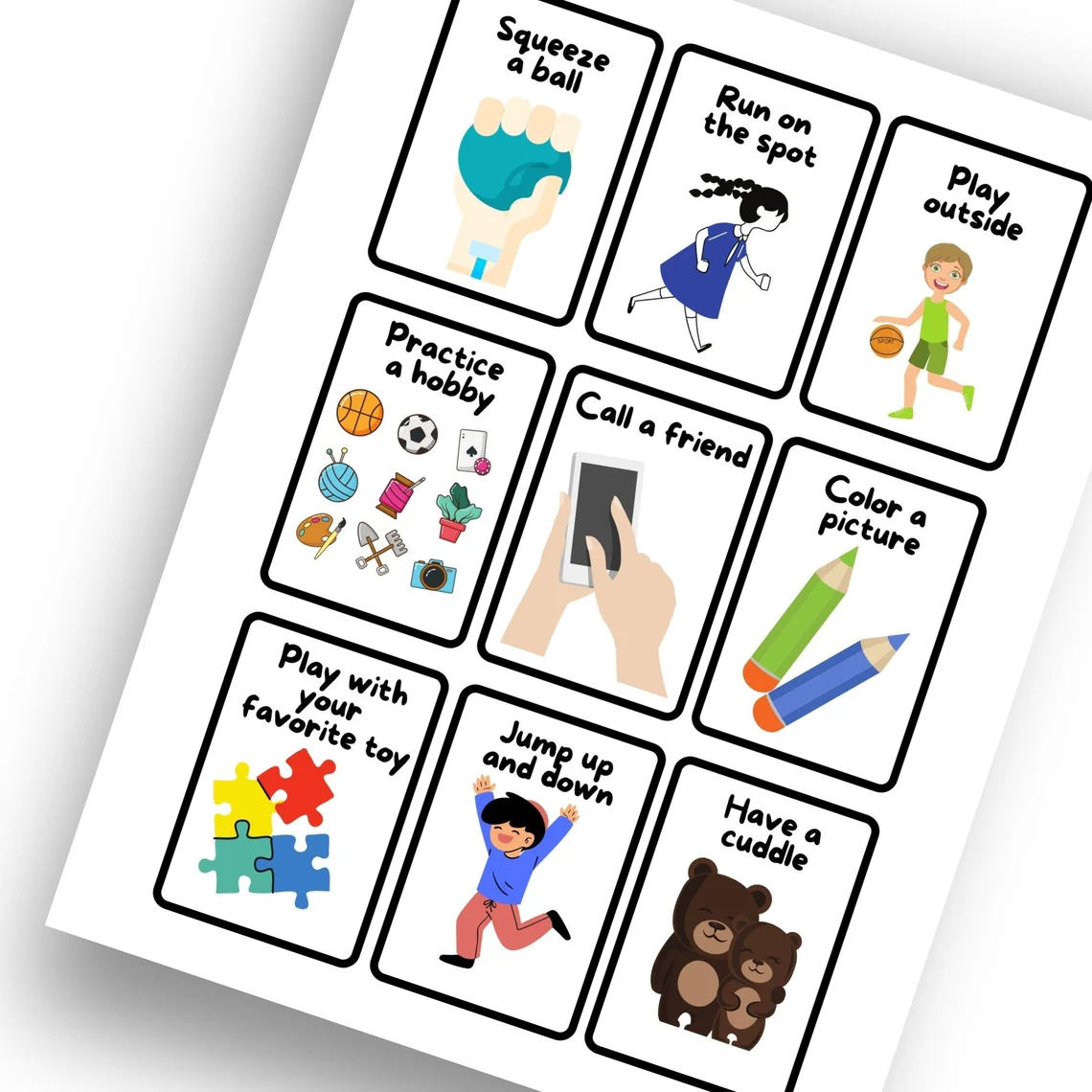
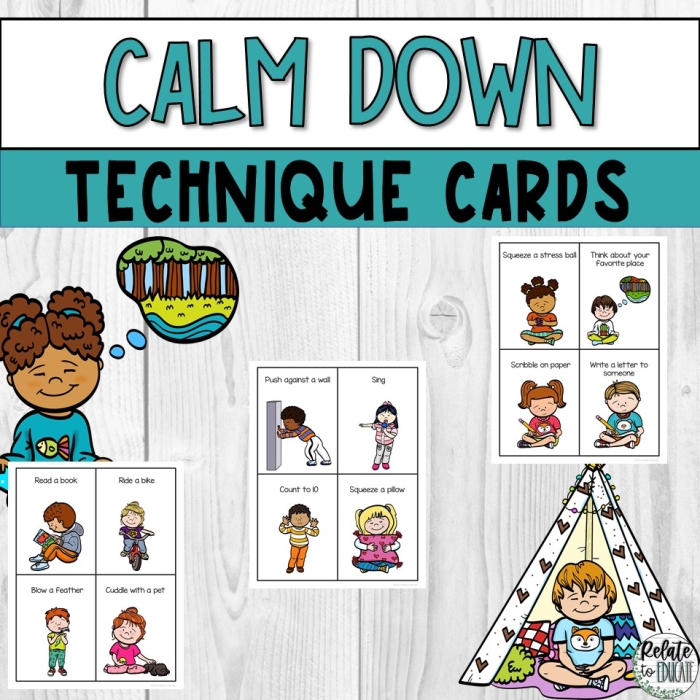
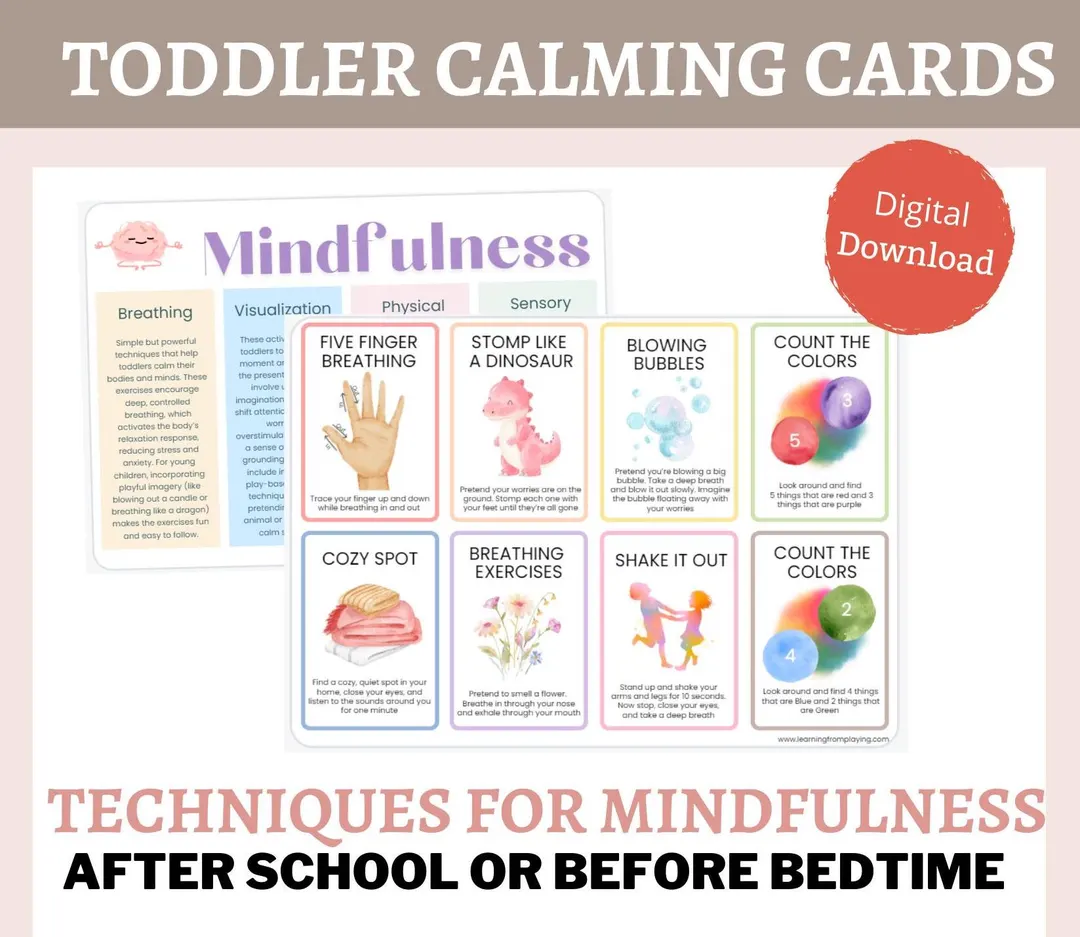
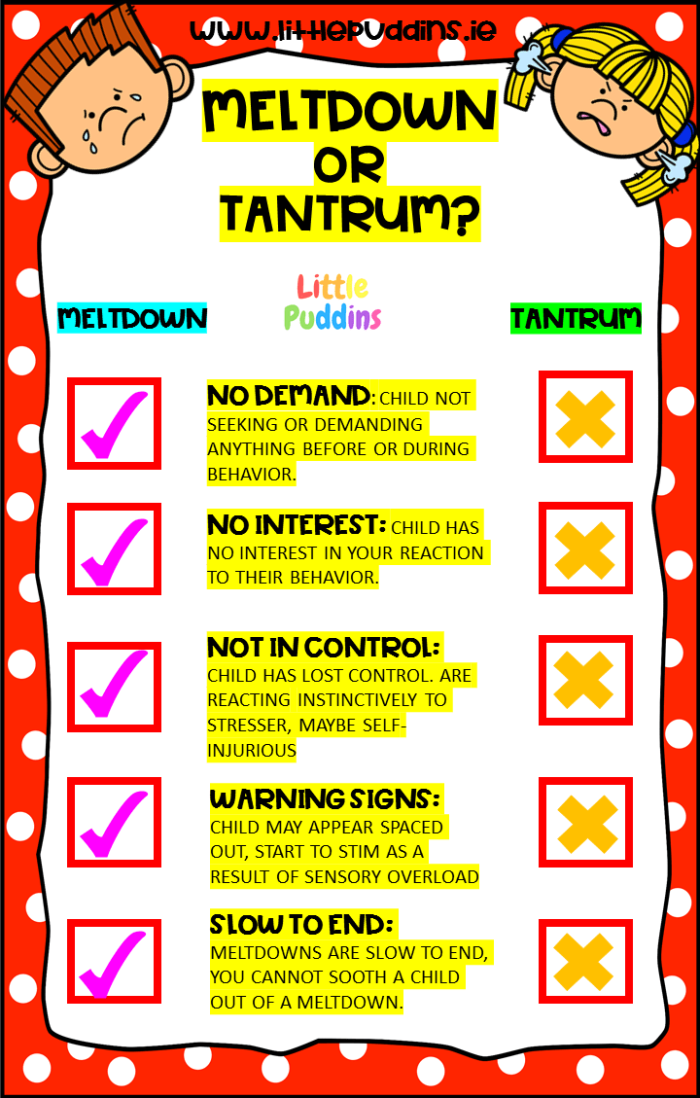
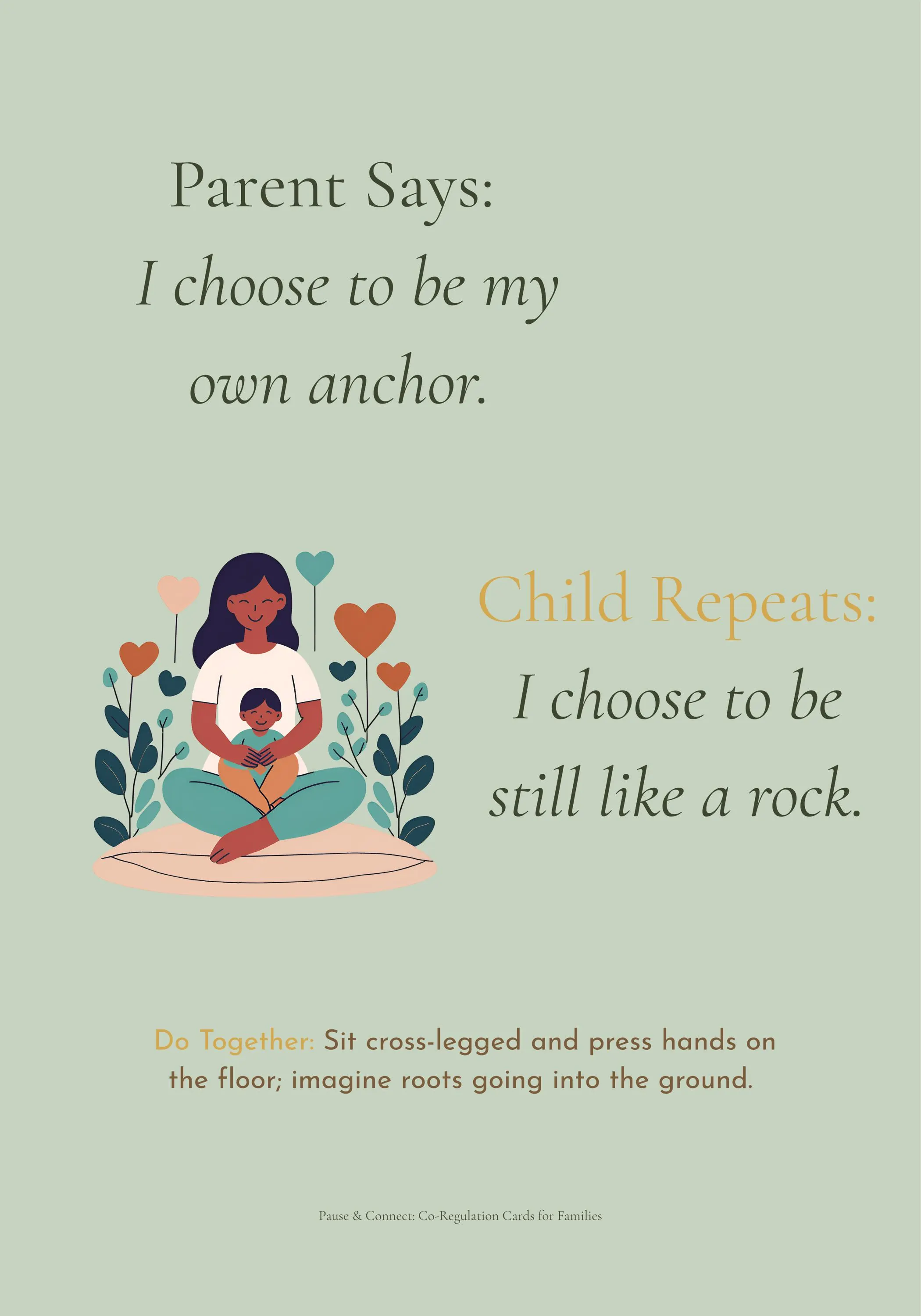
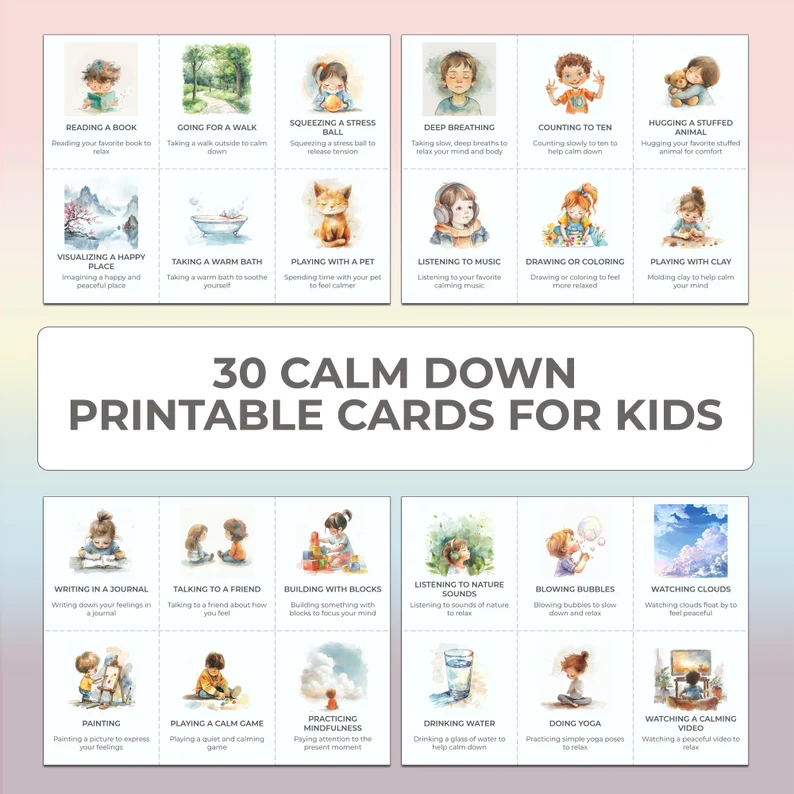
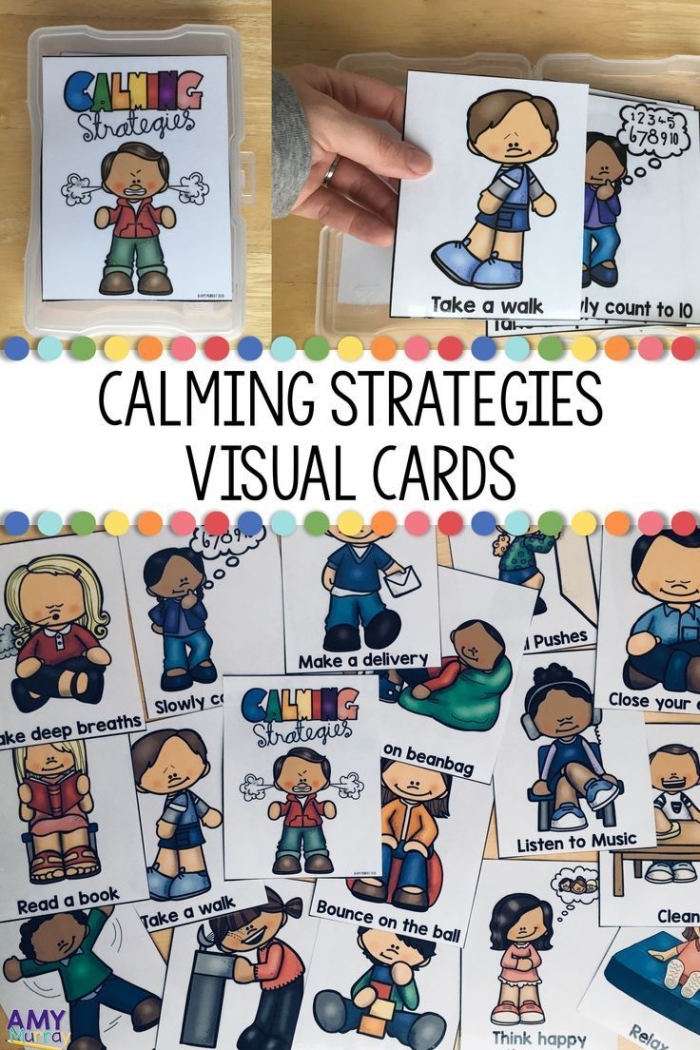
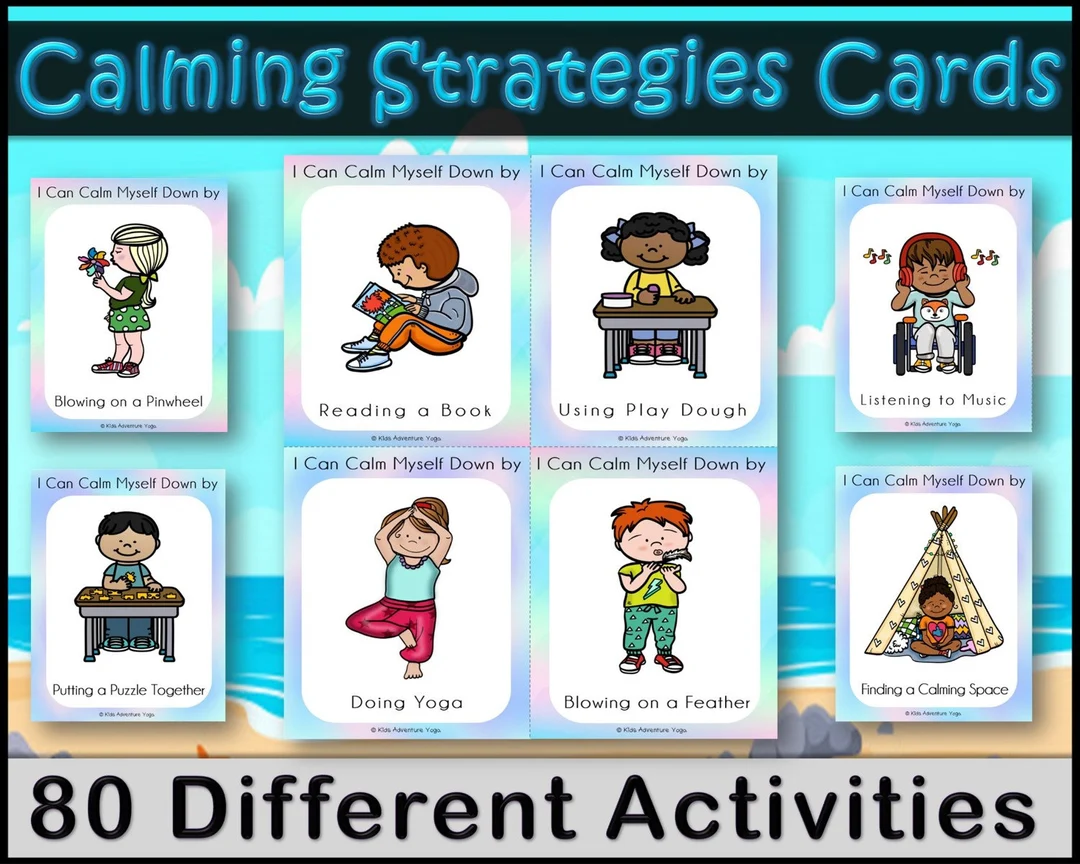
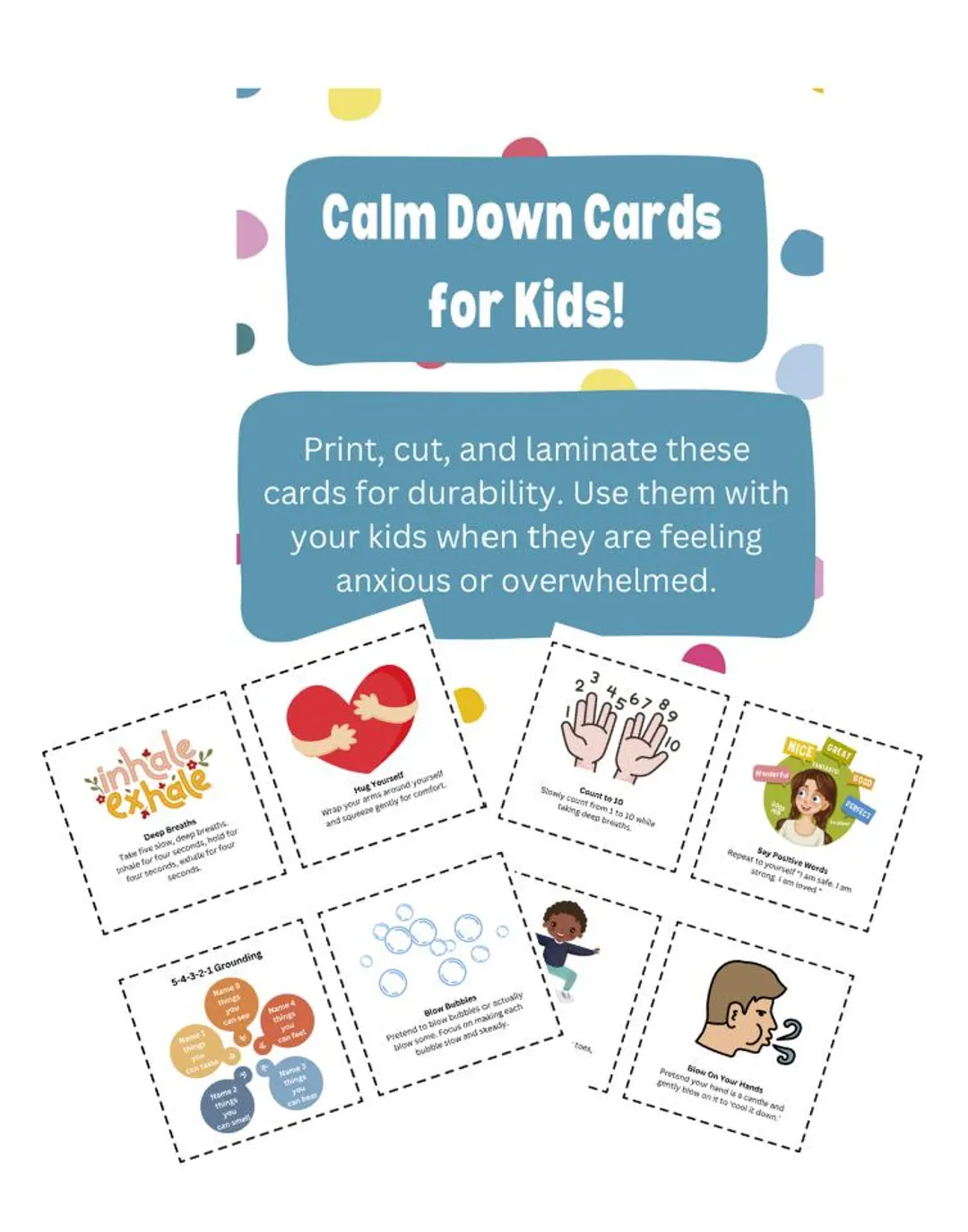
When your Pre-K child melts down over a spilled juice box or becomes overwhelmed during transitions, you’re watching their nervous system struggle to process emotions they don’t yet have words for. Self-regulation cards offer a concrete, visual way to help them name and manage these big feelings before they escalate.
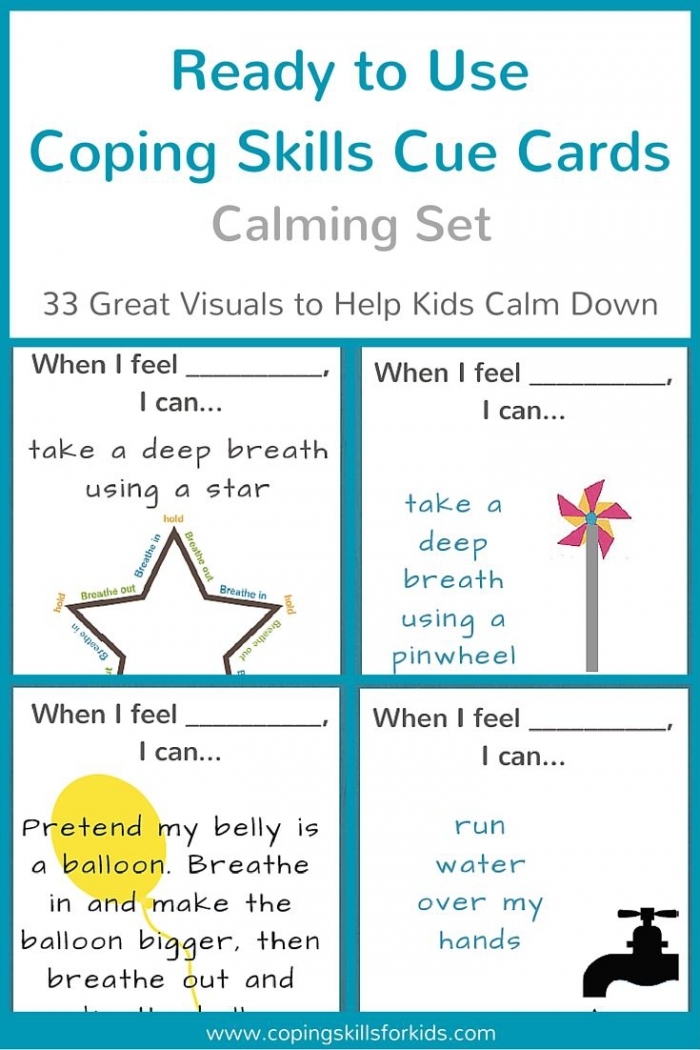
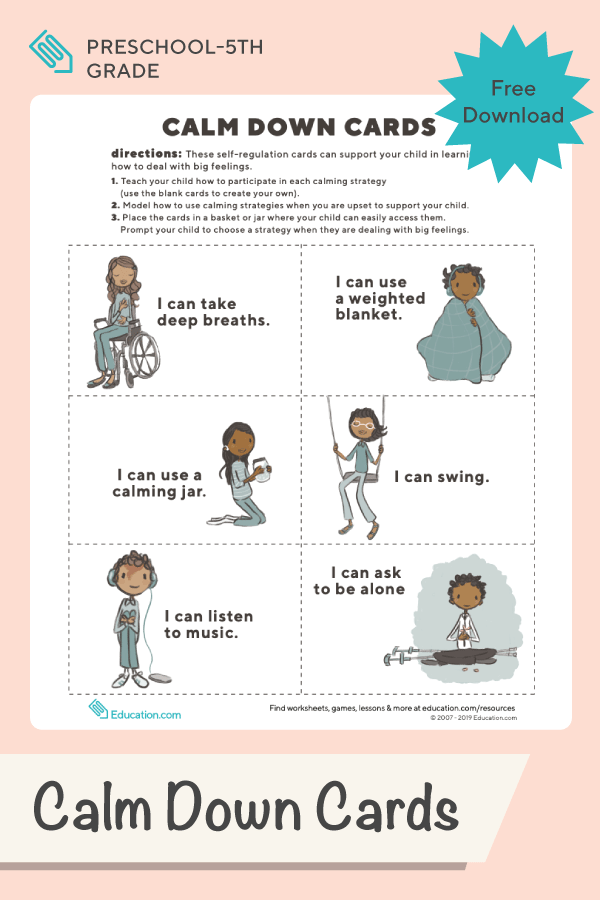
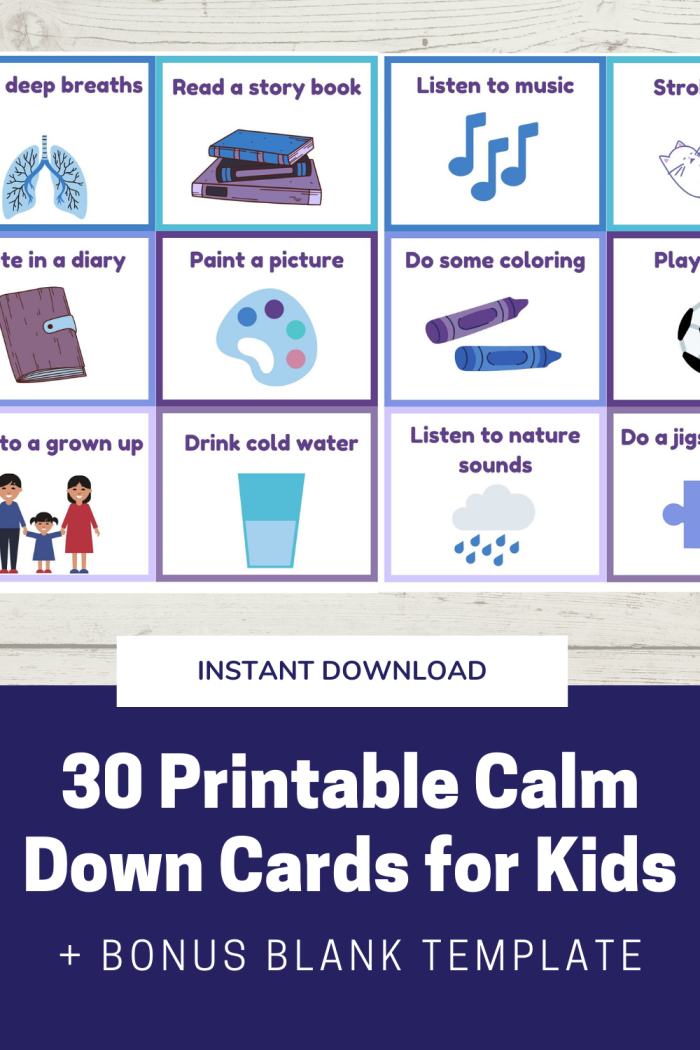
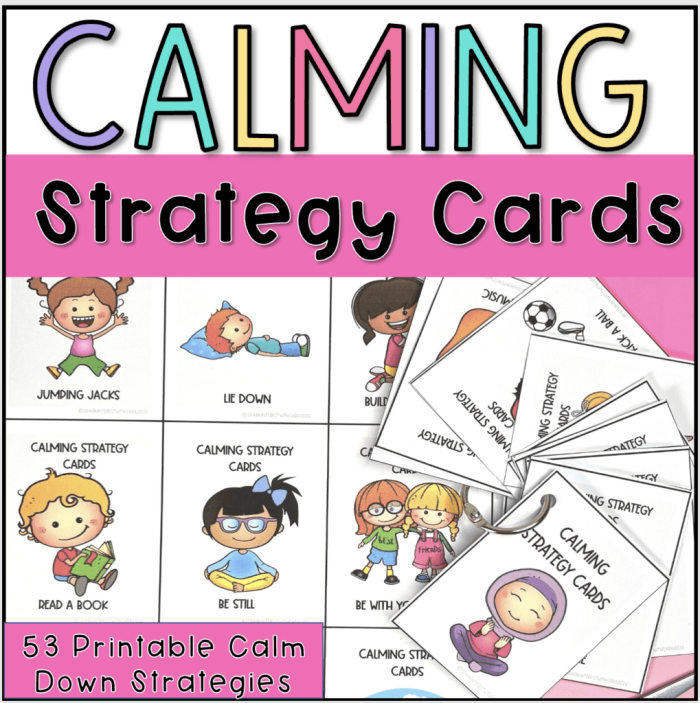
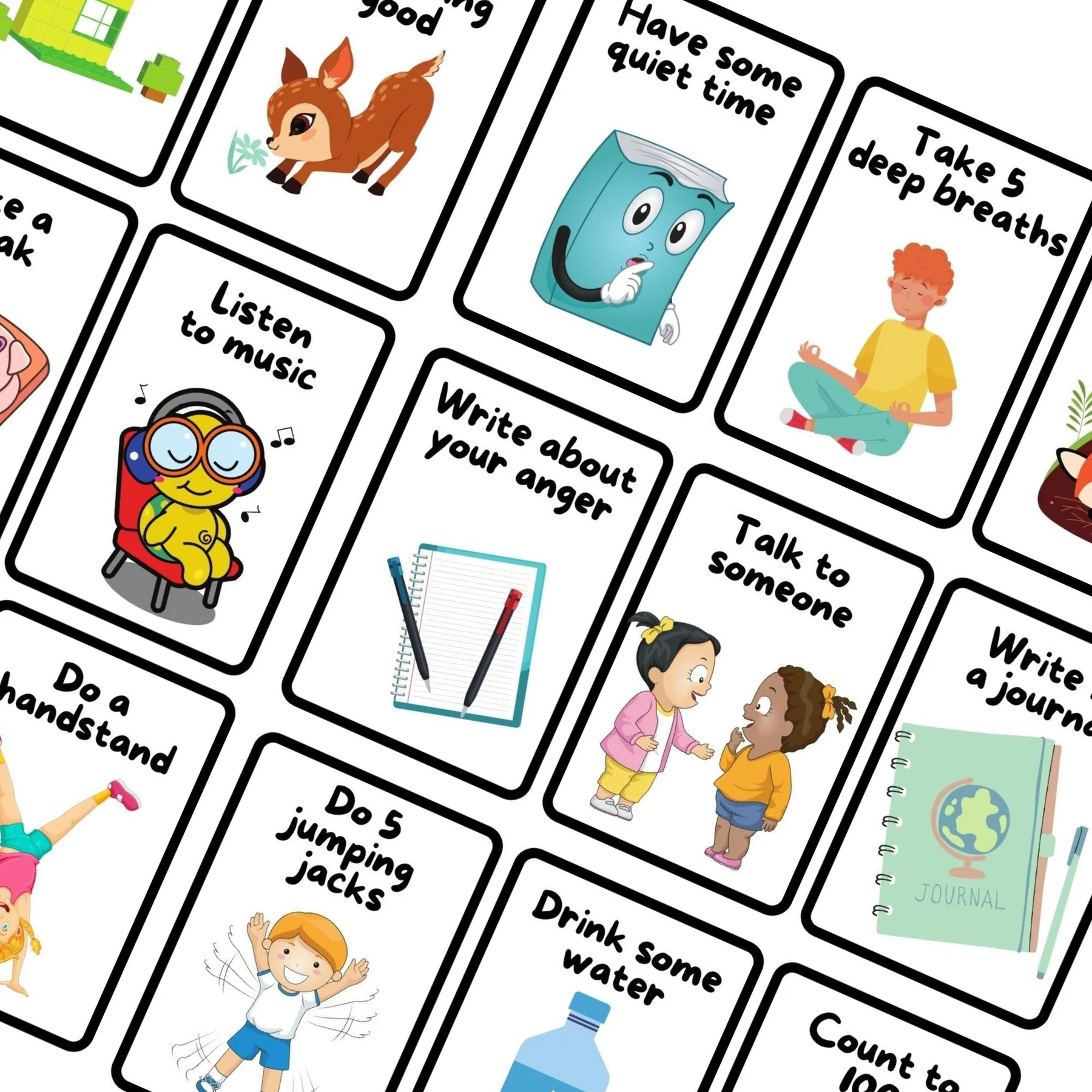
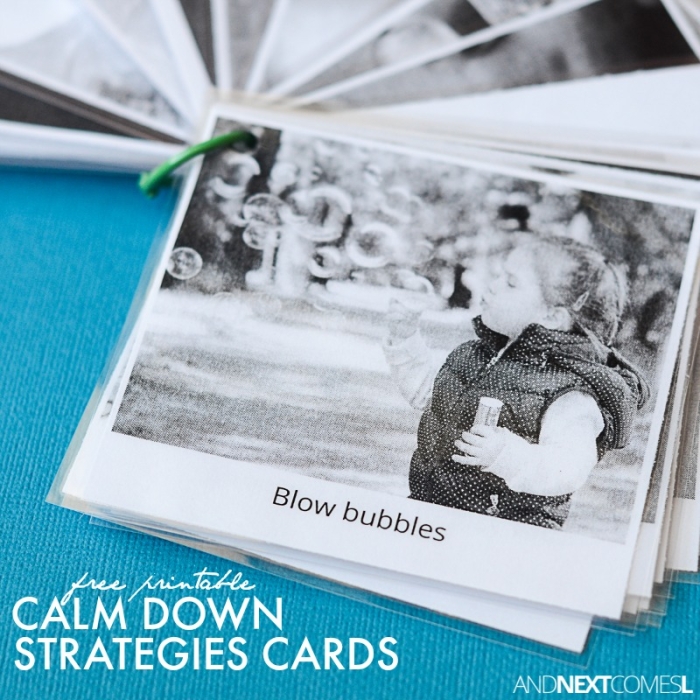
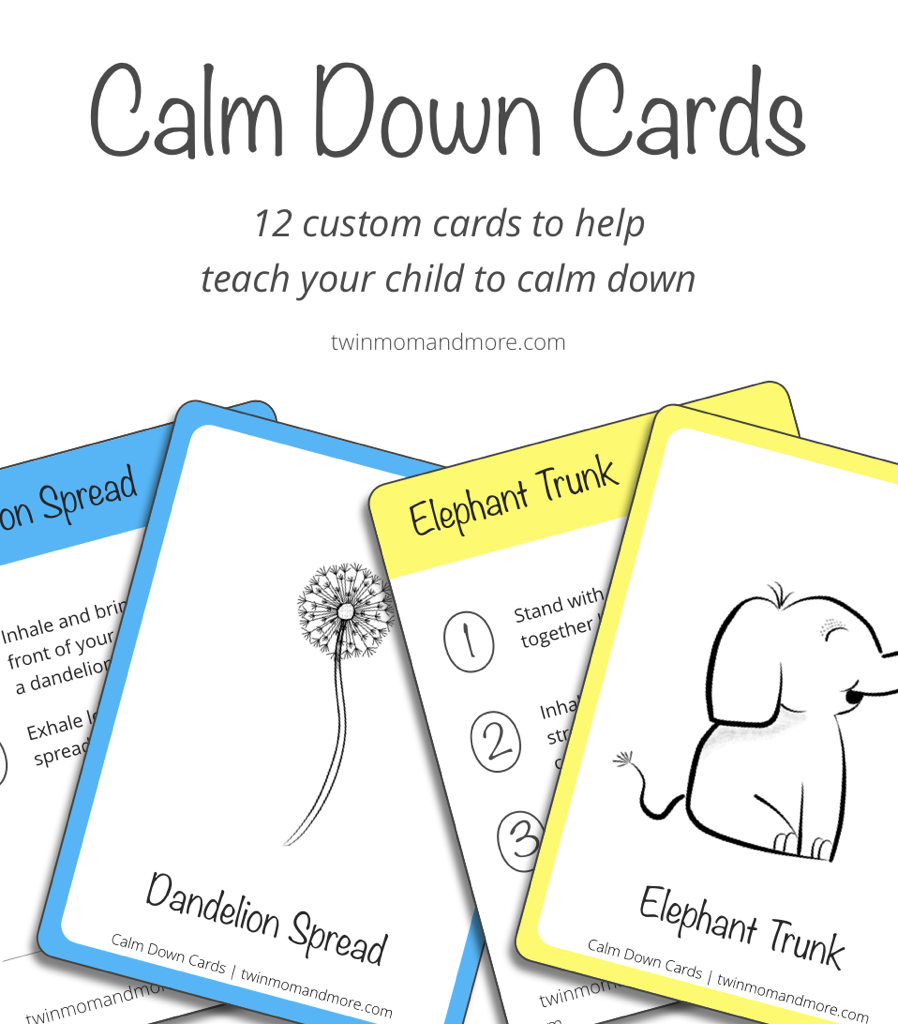
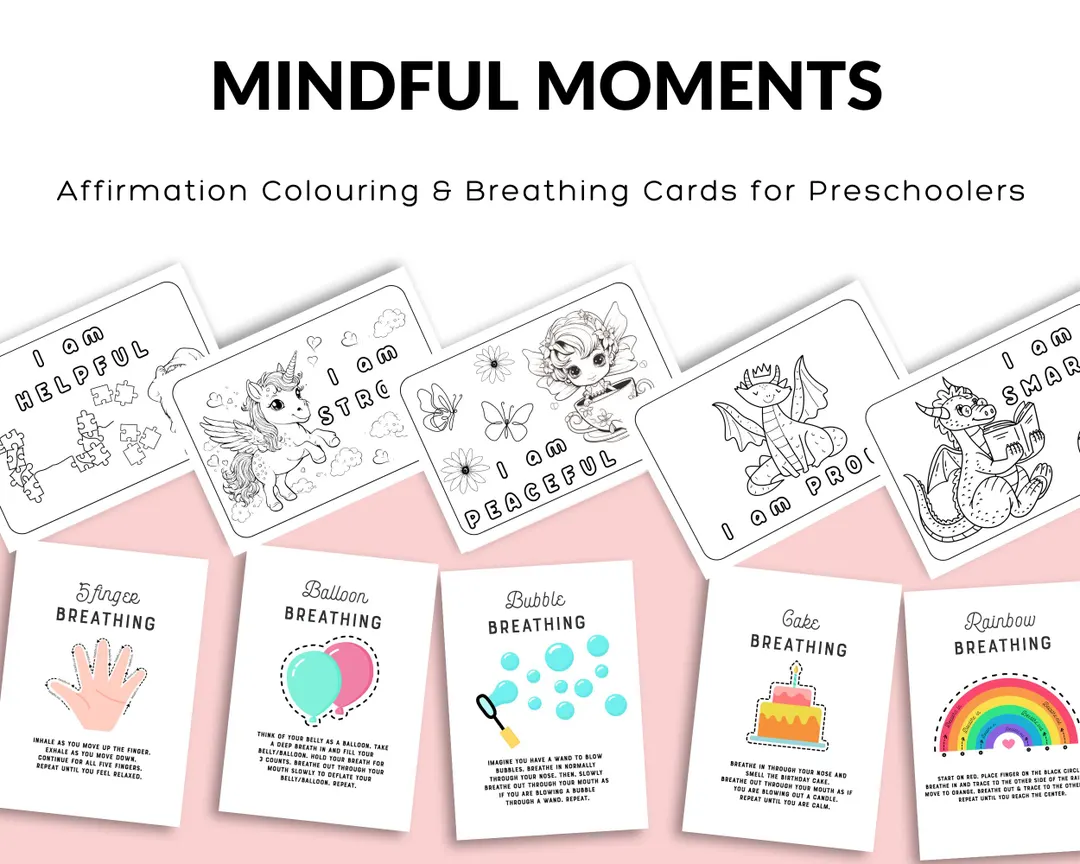
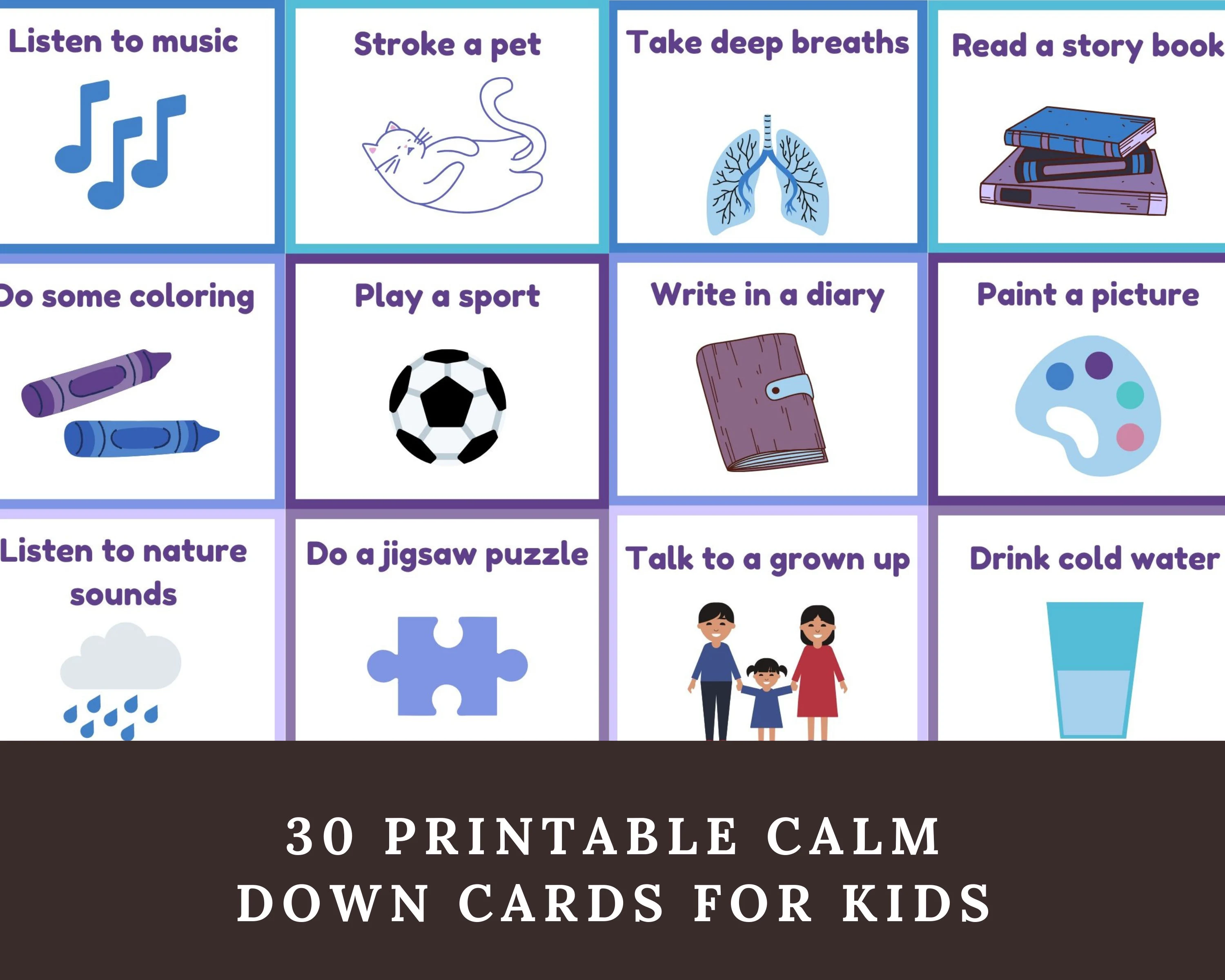
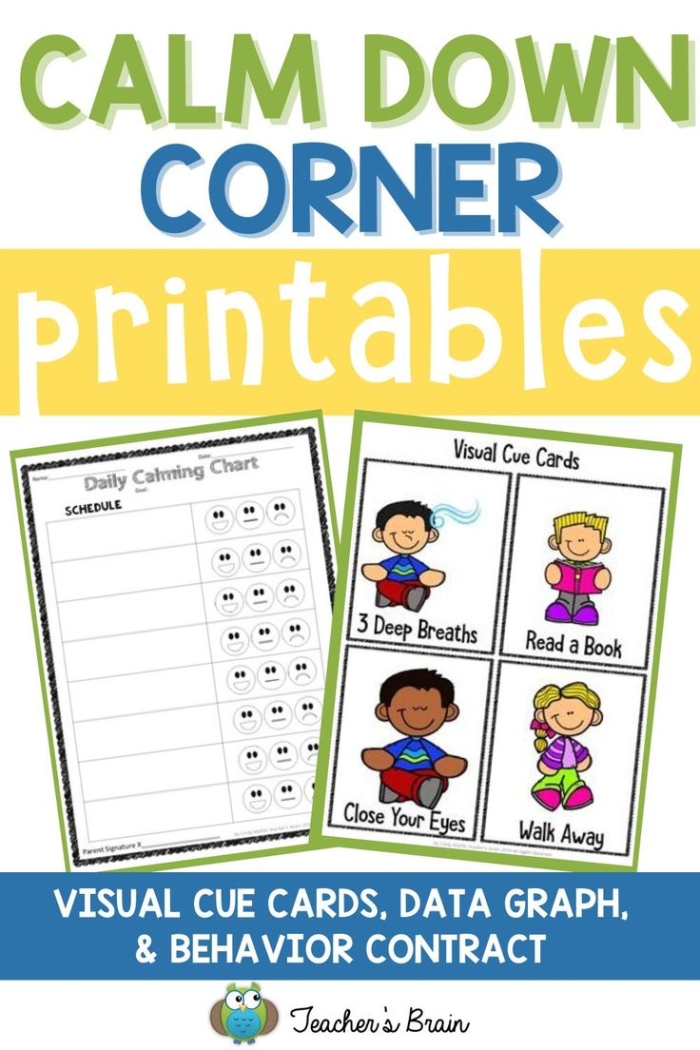
These cards work by giving children a simple framework for emotional awareness. Rather than expecting a three or four-year-old to suddenly calm themselves through willpower alone, the cards present specific, actionable steps they can follow. A typical card might show a breathing exercise, a grounding technique, or a calming activity paired with clear illustrations. When your child is upset, you can pull out the card together and work through it as a team, turning a stressful moment into a teaching opportunity.
What makes these tools particularly effective for young learners is their reliance on visual communication. Pre-K children are still developing language skills, so a picture of a child taking slow breaths communicates faster and clearer than verbal instructions alone. Over time, repeated exposure helps children internalize these strategies and eventually reach for them independently.
The beauty of self-regulation cards lies in their consistency. When your child learns the same calming technique appears on multiple cards, they begin to recognize patterns and develop confidence in their ability to handle difficult moments. This repetition builds what psychologists call emotional resilience, the capacity to bounce back from upset.
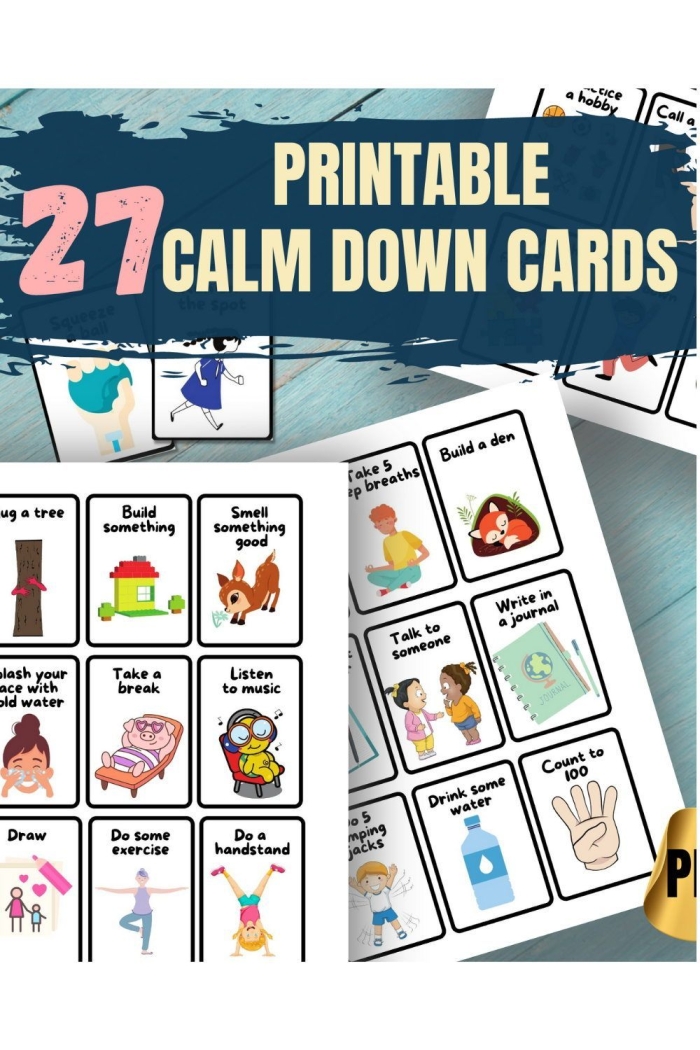
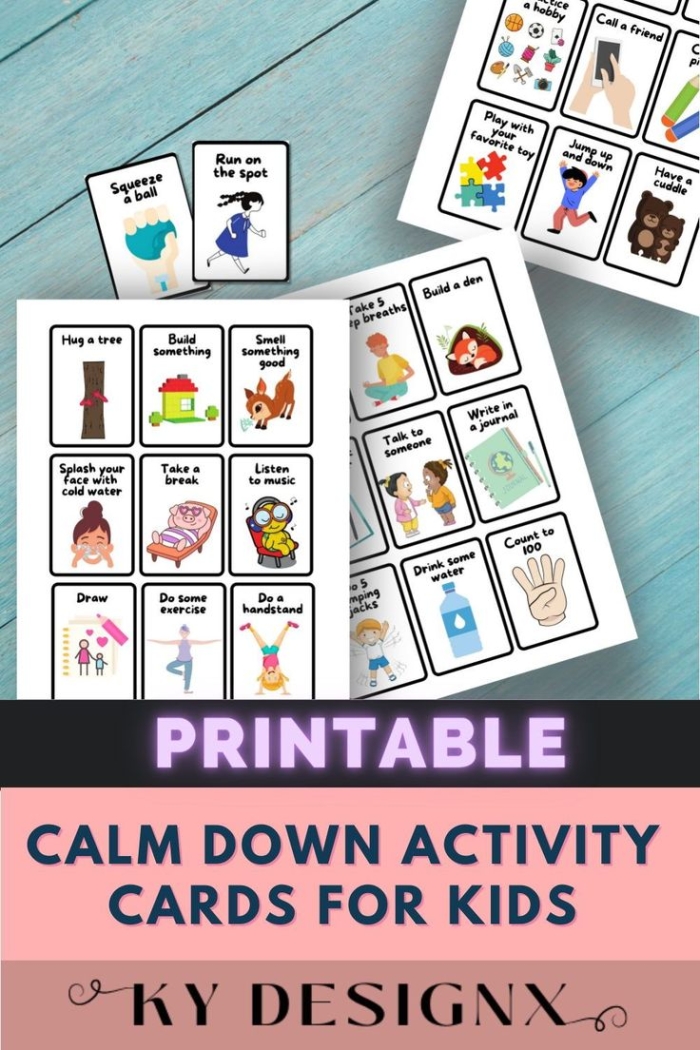
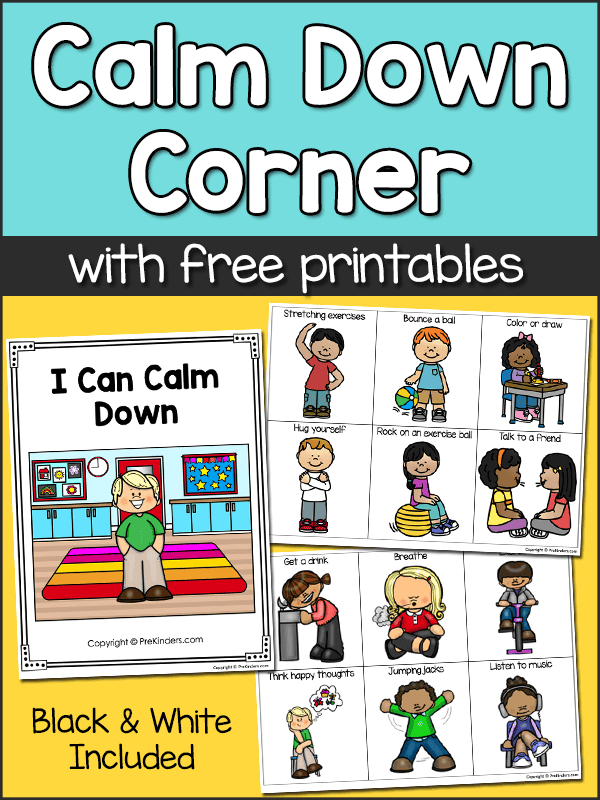
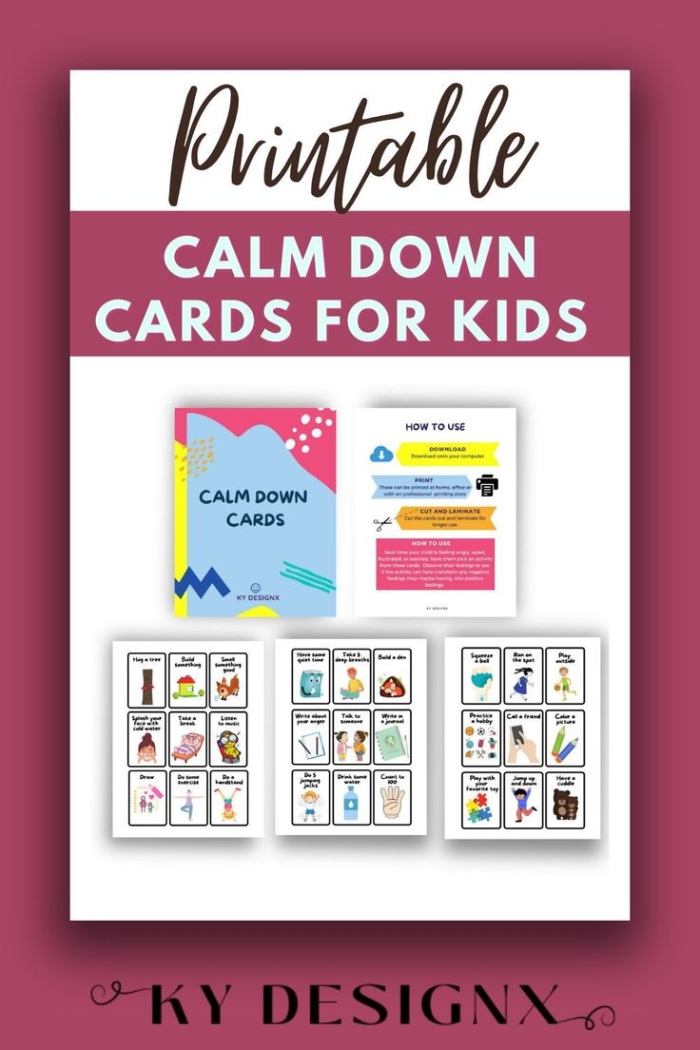
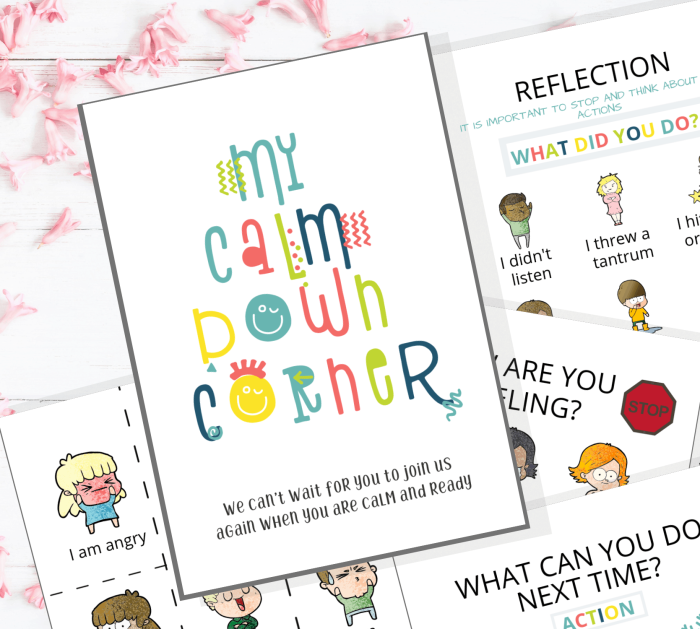
You can find printable calm down cards for young children worksheets that you can customize for your family’s needs. Some families laminate them for durability, while others keep them in a small box within reach during the day. The key is making them accessible when emotions run high, not just during calm moments.
Hands-On Worksheet Activities