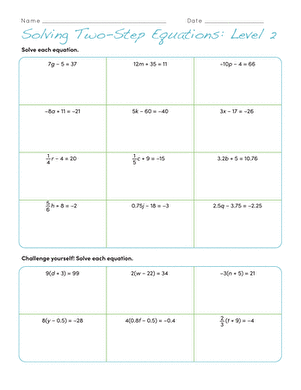
Two-step equations sit at a critical point in seventh grade algebra. Students who master them build the foundation for everything that comes next, from multi-step equations to systems and eventually quadratic expressions. Yet many seventh graders struggle with the mechanics, forgetting to apply the same operation to both sides or mixing up the order of operations when isolating variables.
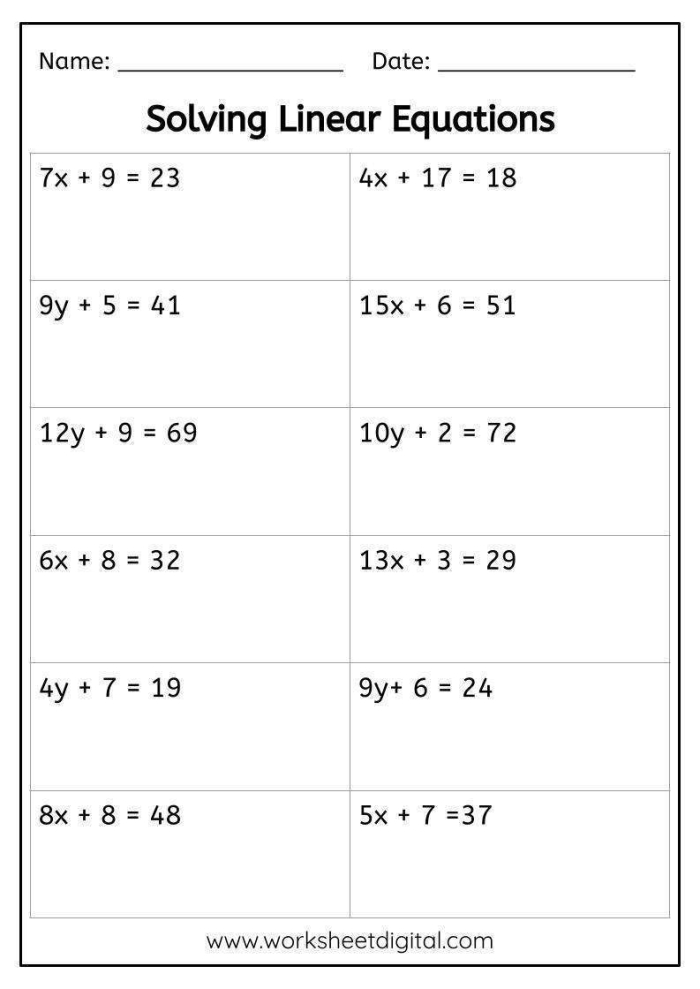
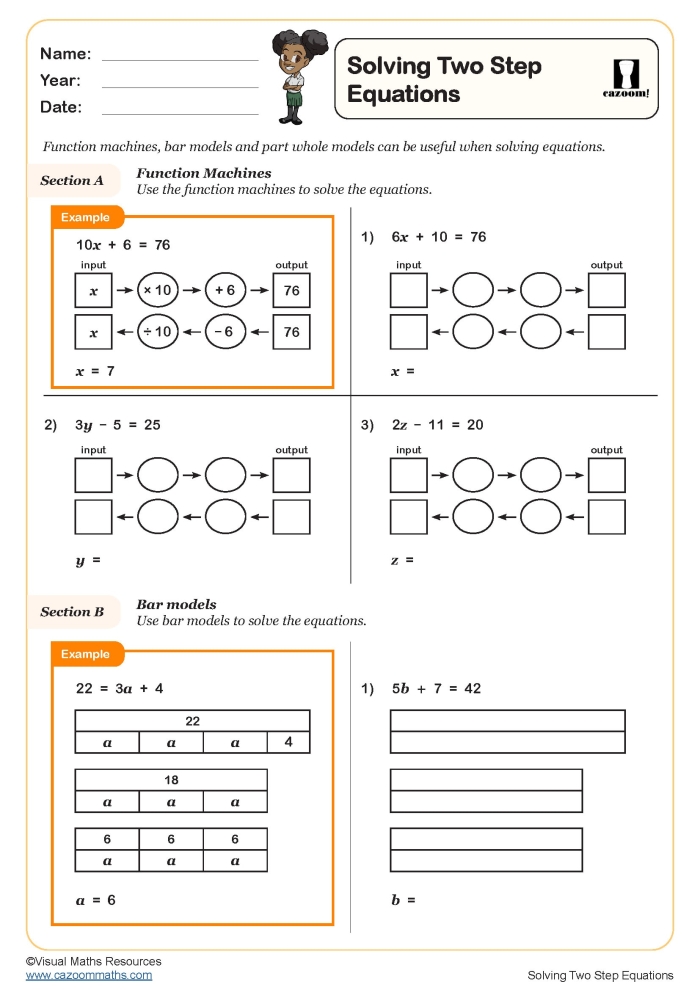
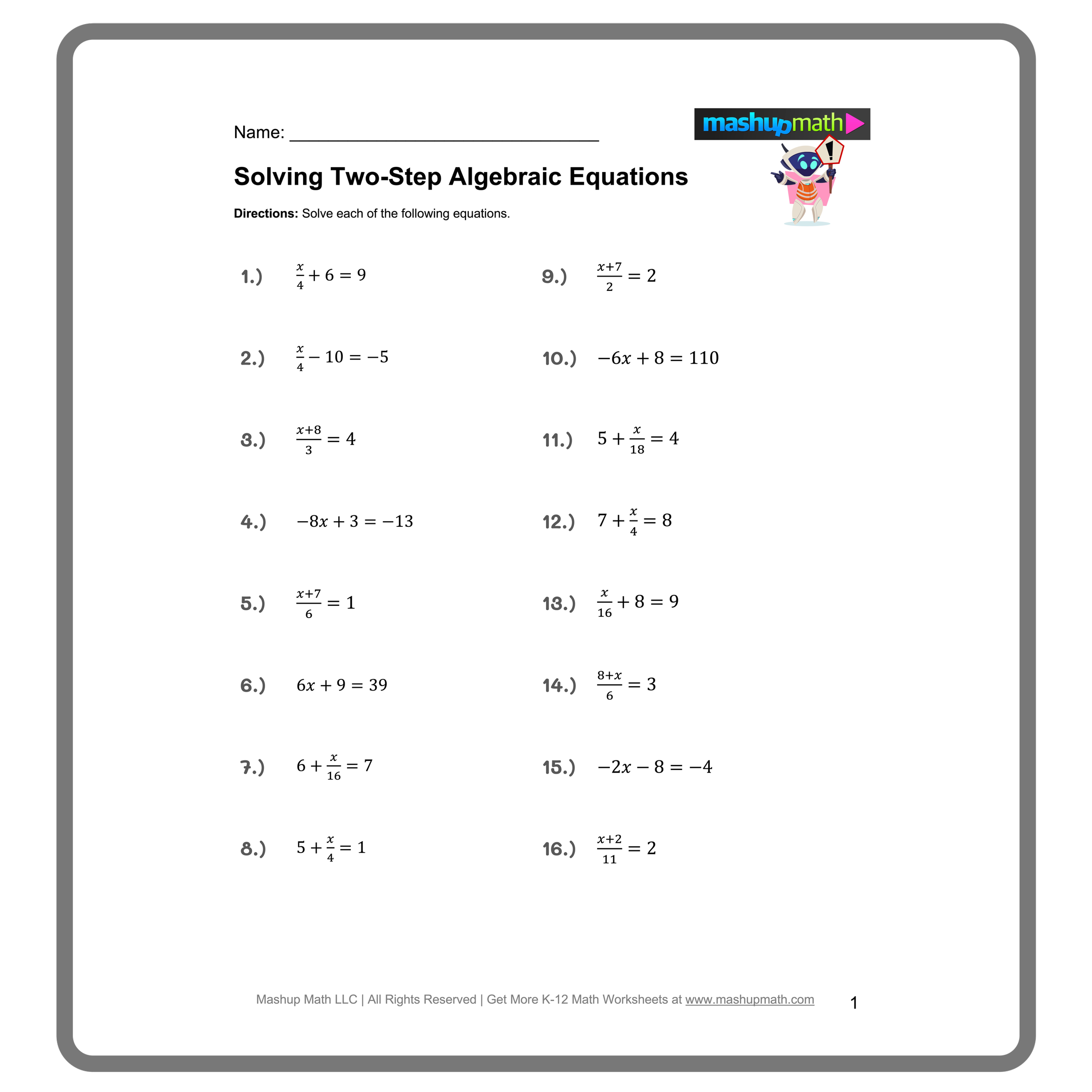
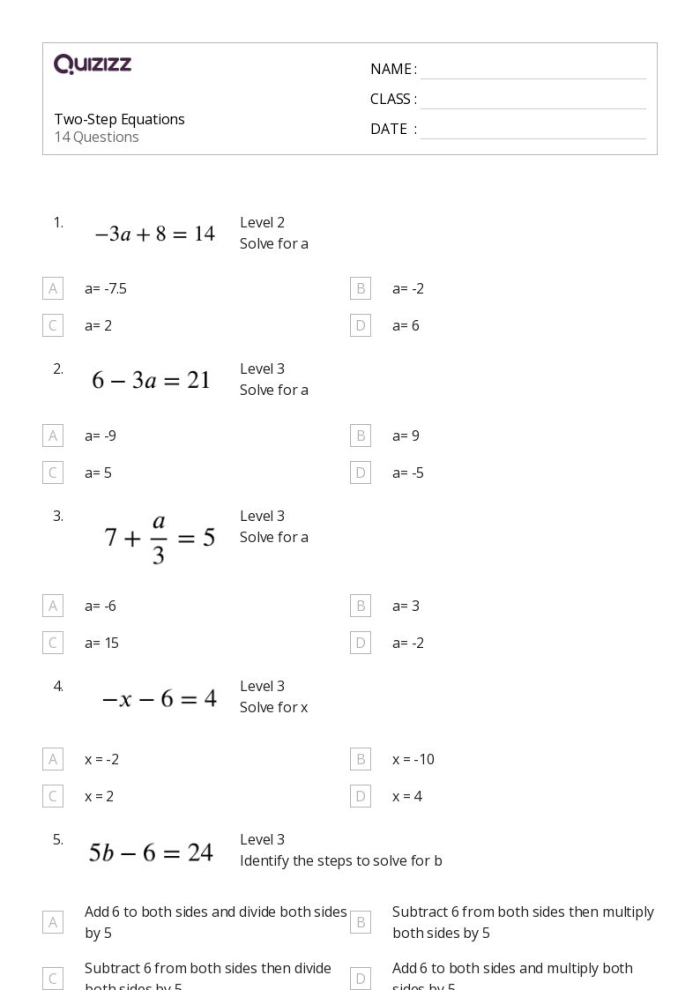
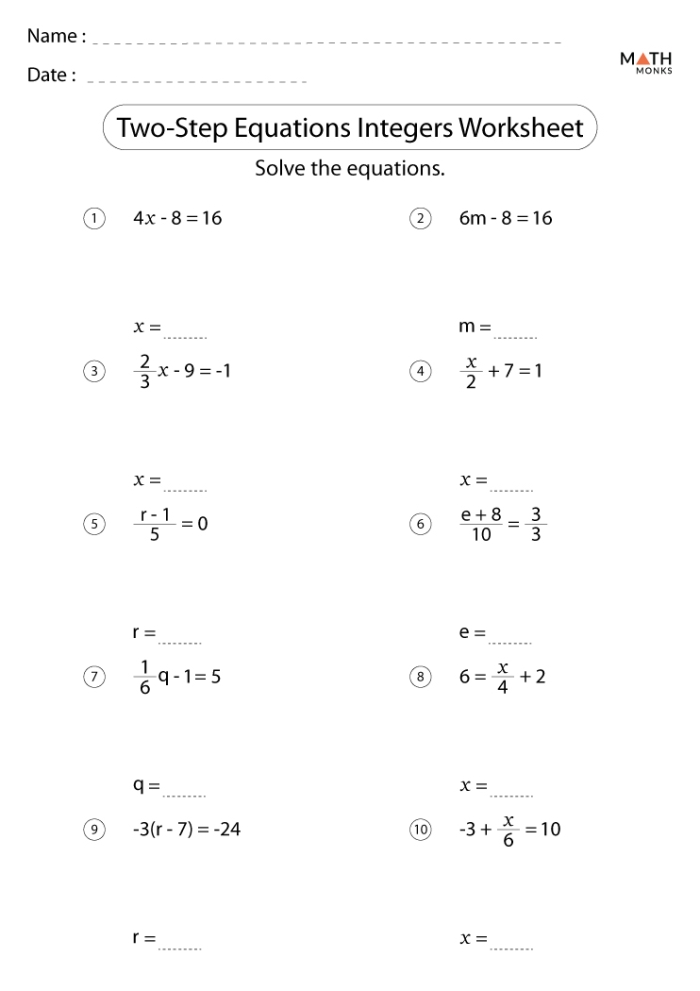
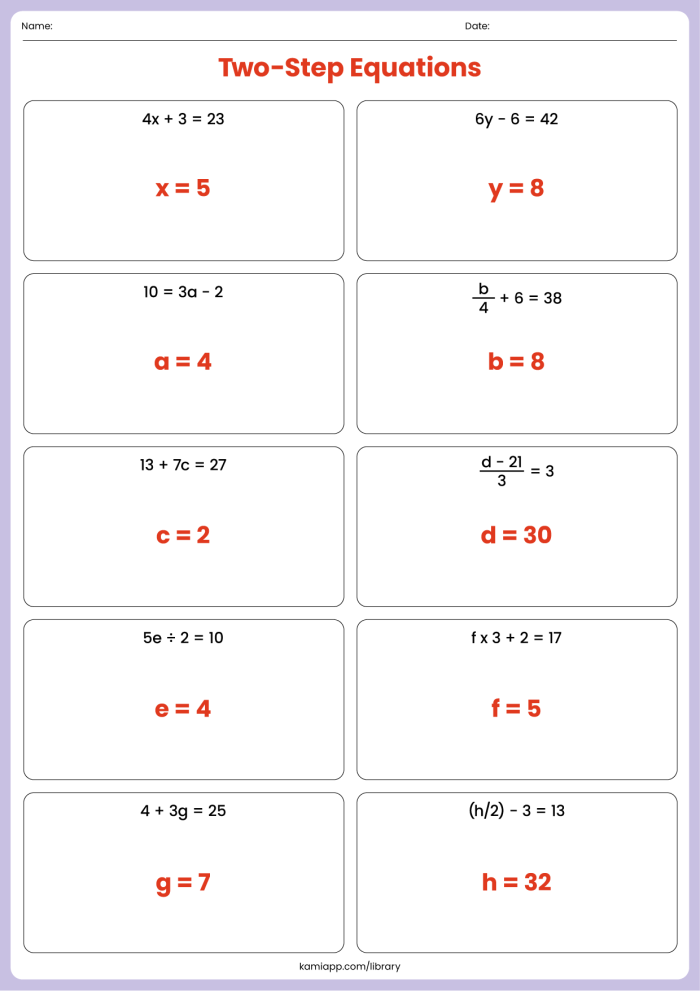
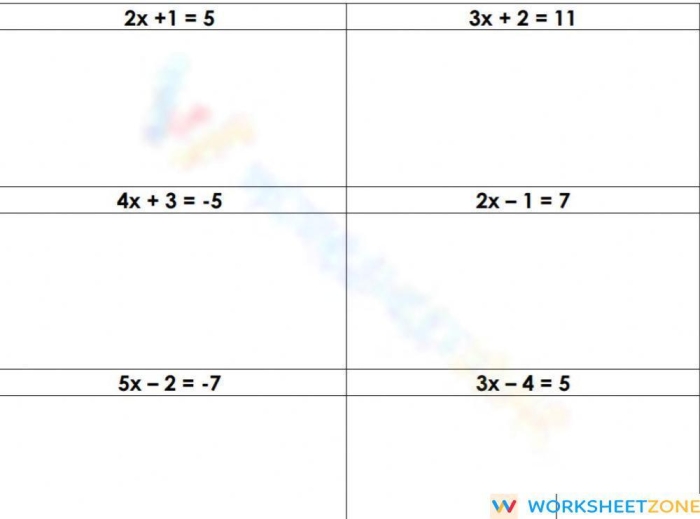
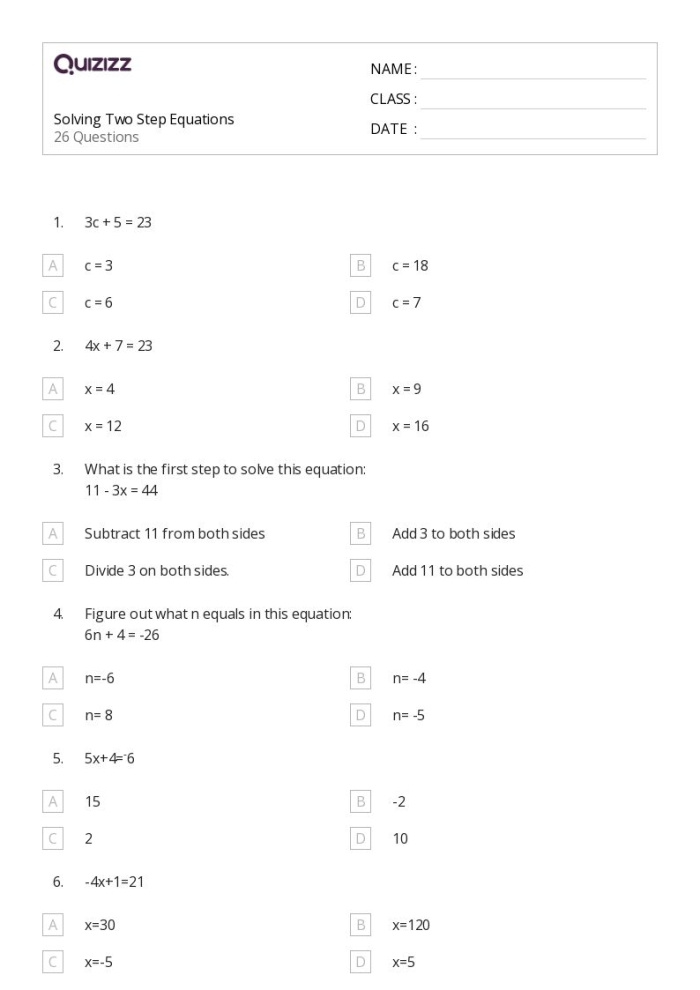
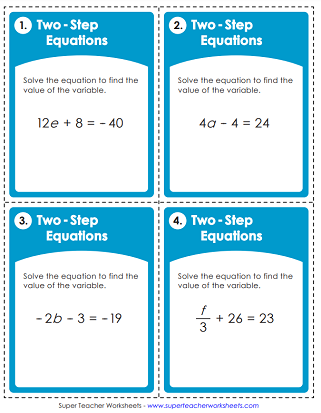
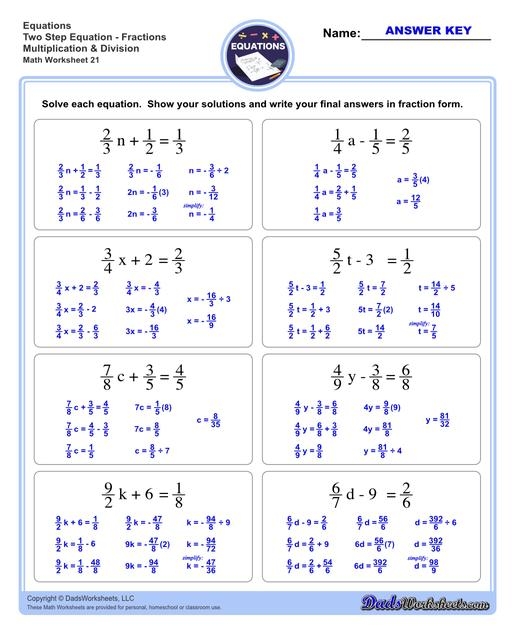
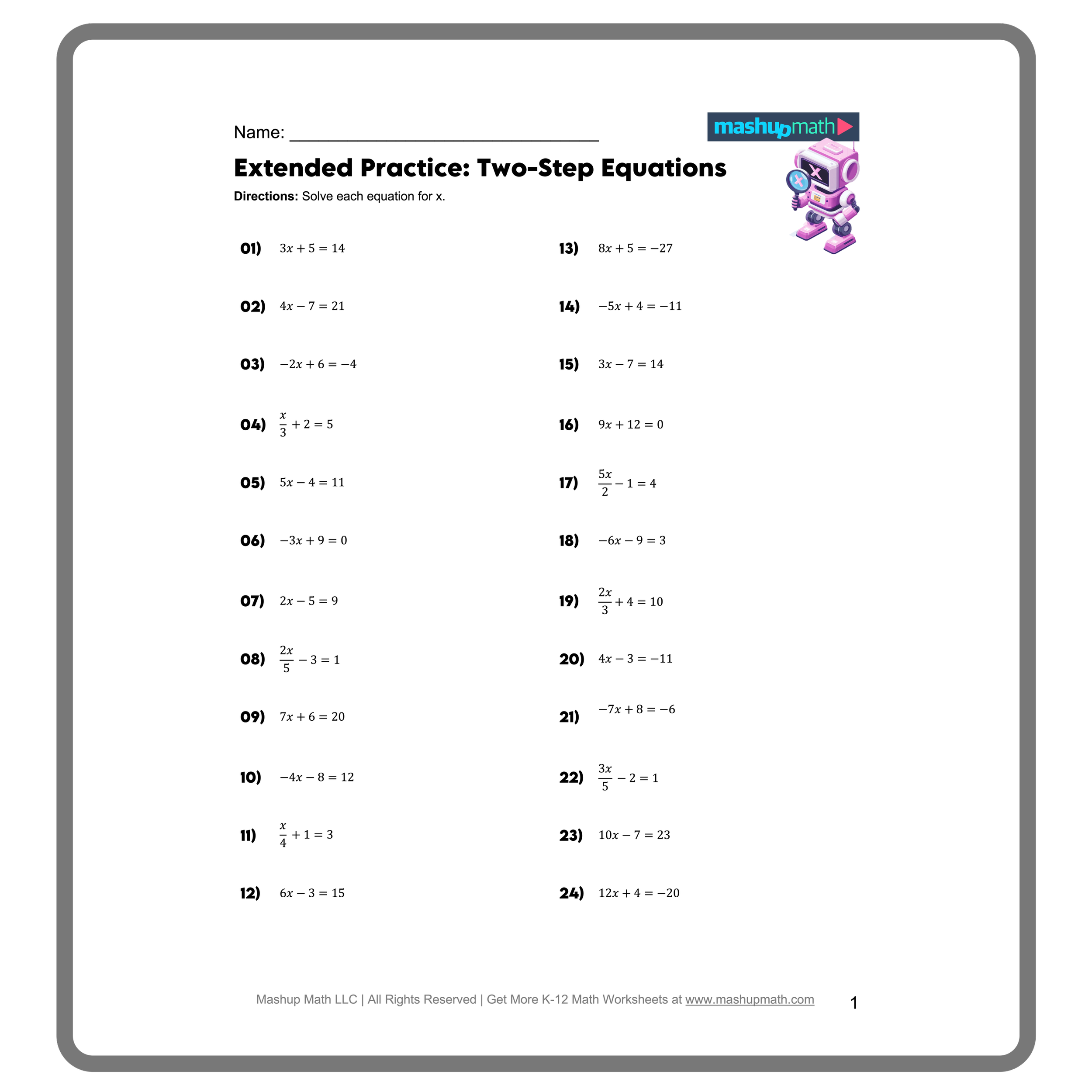
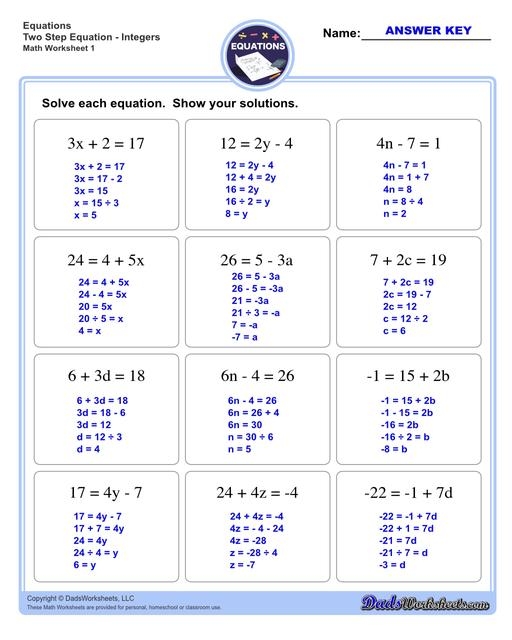
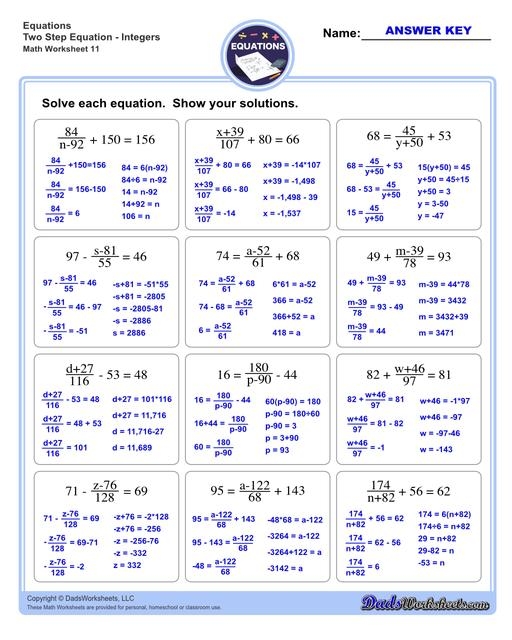
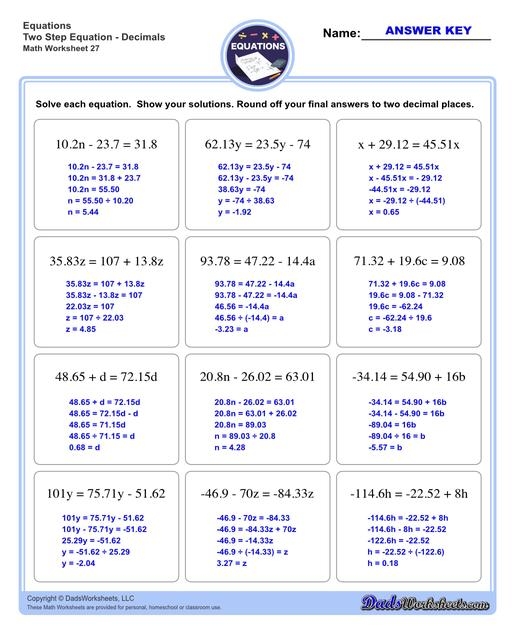
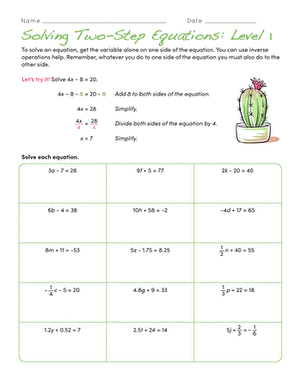
A focused practice worksheet addressing two-step equations gives students the repetition they need without overwhelming them. The structure matters here. Each problem should require exactly two operations to solve, keeping the cognitive load manageable while reinforcing the principle that whatever you do to one side of an equation, you must do to the other. This consistency helps cement the logic behind solving rather than just following steps mechanically.
When designing or selecting worksheets for your seventh graders, look for problems that mix different operation types. Some equations might require subtraction followed by division, while others need addition then multiplication. This variety prevents students from relying on pattern recognition alone and forces them to think about what each variable actually represents.
The benefit of targeted practice shows quickly. Students who work through 15 to 20 well-constructed problems typically see noticeable improvement in both speed and accuracy. They also build confidence, which matters as much as competence at this stage. A student who believes they can solve two-step equations approaches harder material with less anxiety.
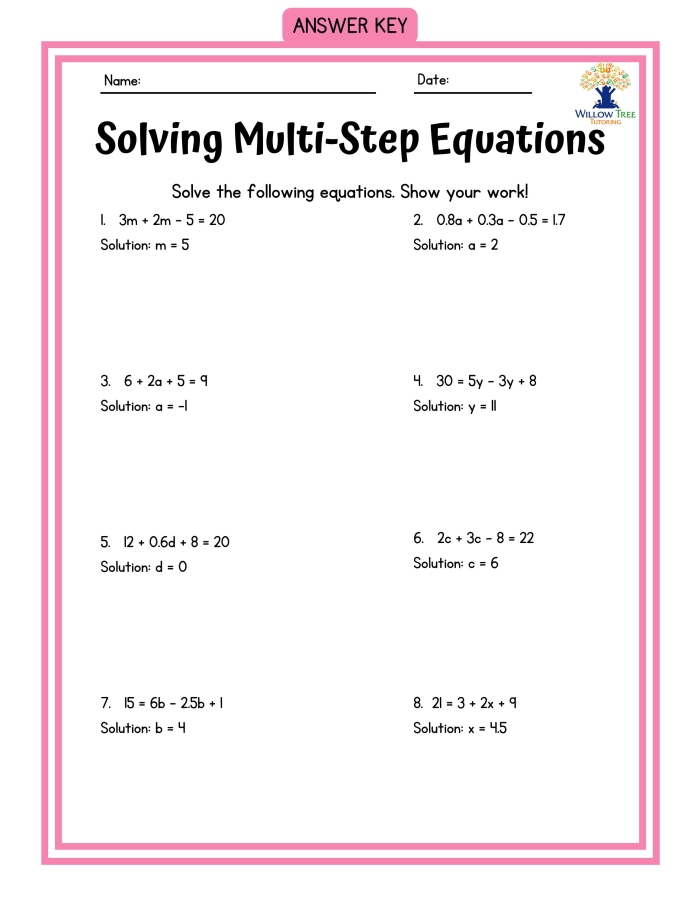
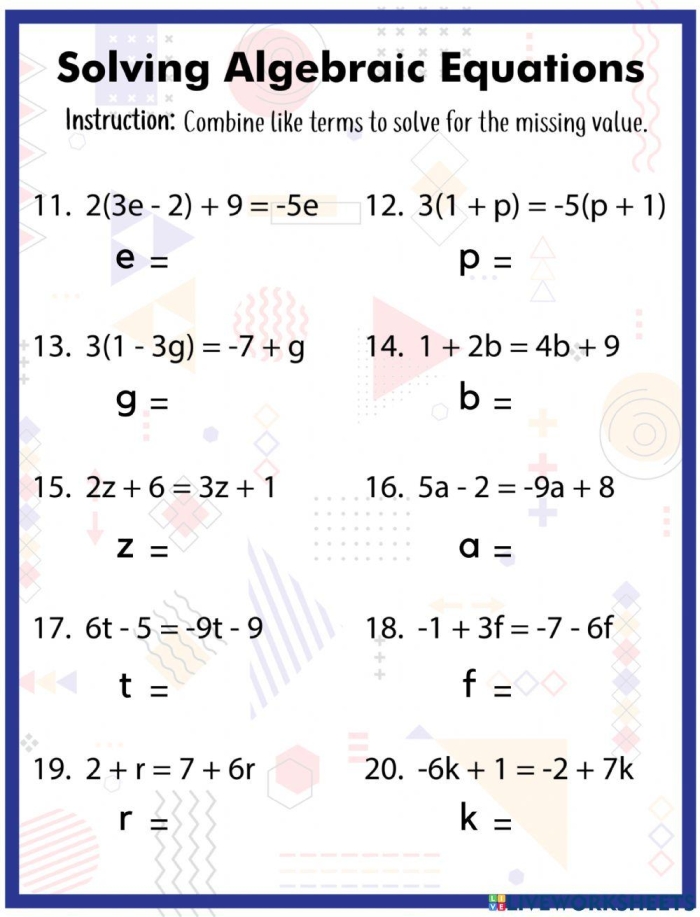
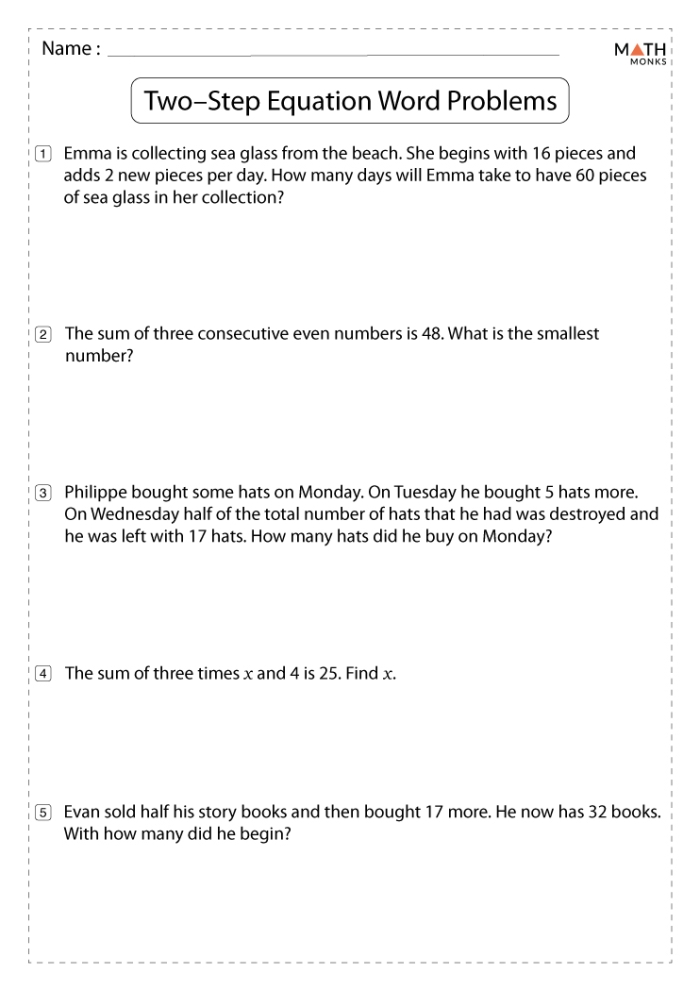
If you’re looking to complement your worksheets, consider pairing them with problems that involve combining like terms or adding linear expressions to give context for why these algebraic skills matter. This connection helps seventh graders see equations not as isolated exercises but as tools for solving real problems.
Practice with These Worksheets