Understanding how to find the volume of boxes is a fundamental skill in fifth grade, especially in Earth and Space Science classes. When students are tasked with calculating volume, they learn to apply mathematical concepts in practical scenarios. To illustrate this, let’s consider two boxes with different dimensions. Box A measures 3 cm in length, 4 cm in width, and 5 cm in height, while Box B measures 2 cm in length, 6 cm in width, and 6 cm in height.
The volume of a box can be calculated using the formula: Volume = Length × Width × Height. For Box A, the calculation would be:
- Volume of Box A = 3 cm × 4 cm × 5 cm = 60 cm³
Next, for Box B, the volume calculation is:
- Volume of Box B = 2 cm × 6 cm × 6 cm = 72 cm³
Now, we can compare the two volumes. Since 60 cm³ is less than 72 cm³, we can express this relationship using the less than symbol:
60 cm³ < 72 cm³
This means Box B is larger than Box A. Such exercises help students grasp the concept of volume and the ability to compare quantities effectively. It’s essential for them to engage in activities like these, as they form a foundation for more complex scientific concepts in Earth and Space Science.
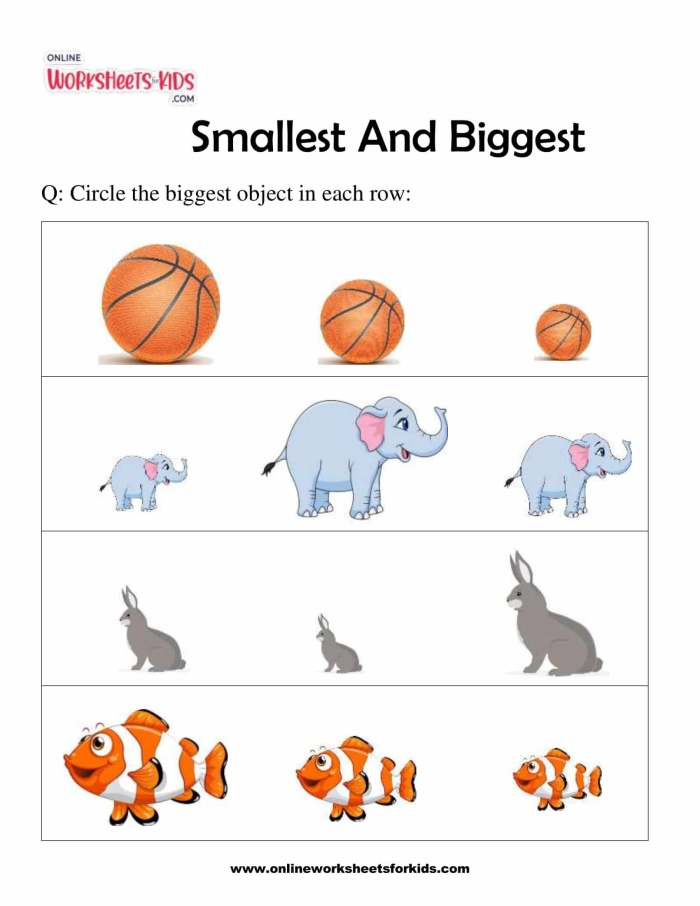
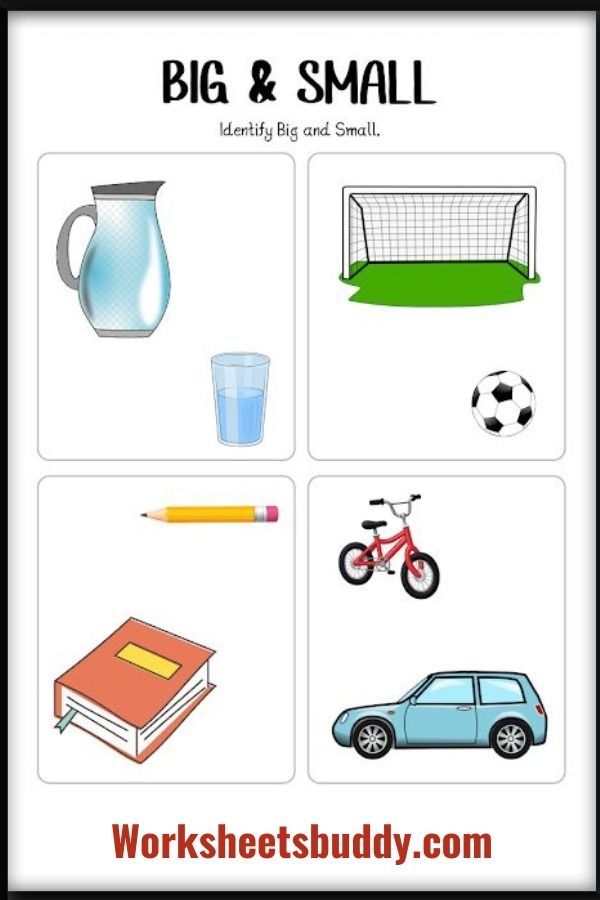
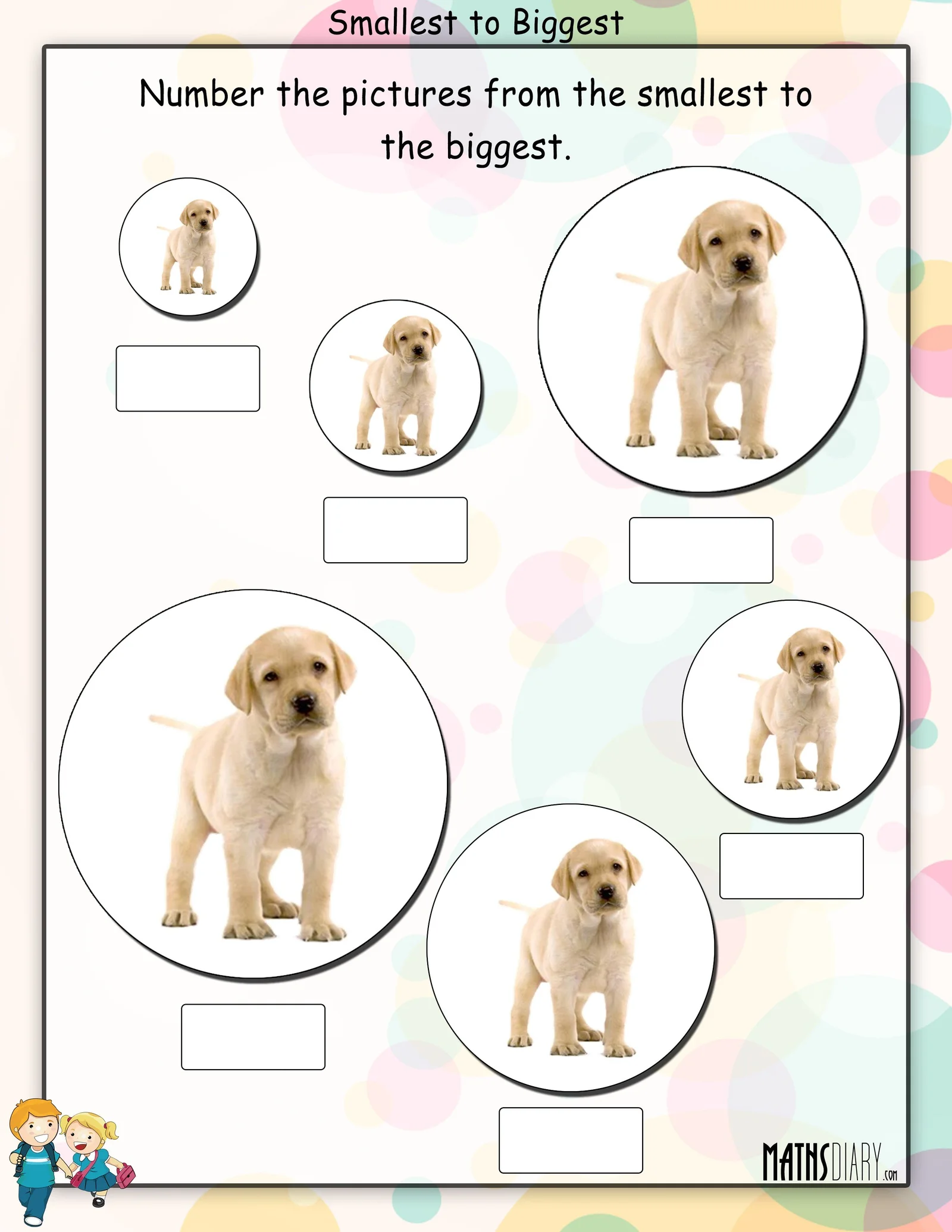
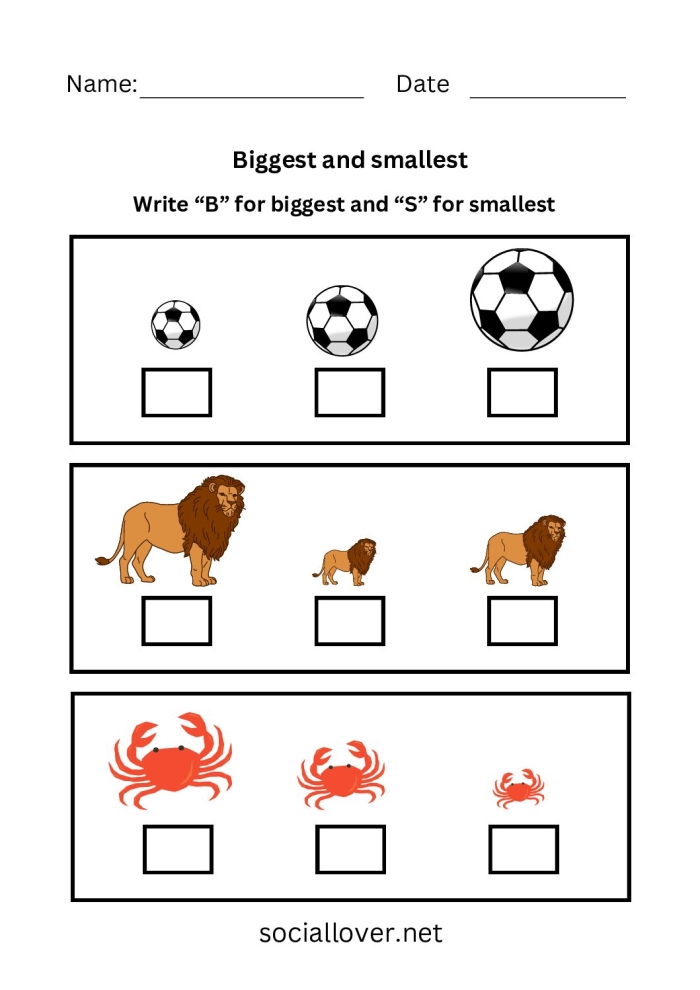
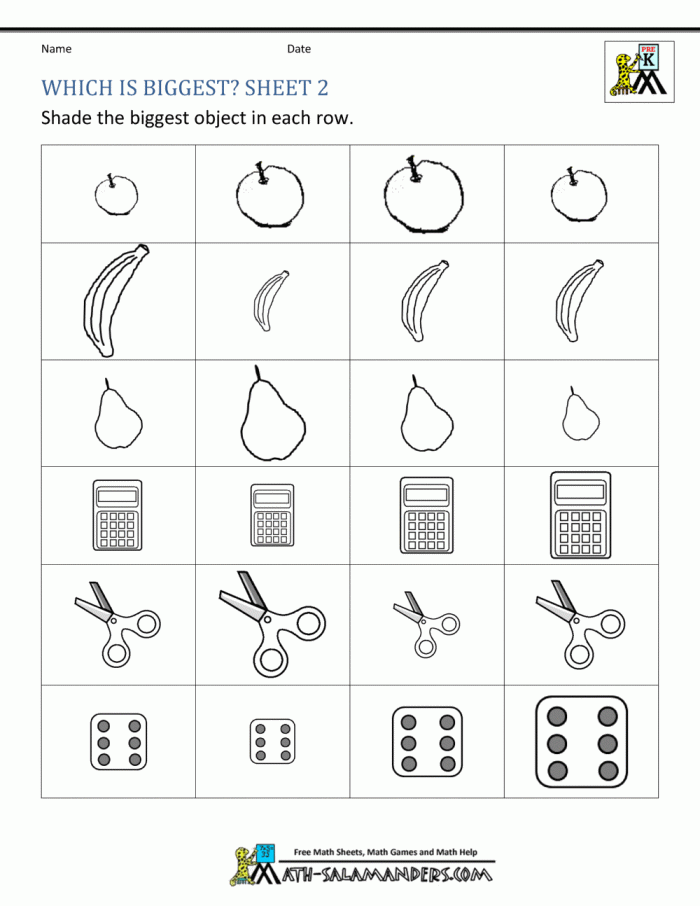
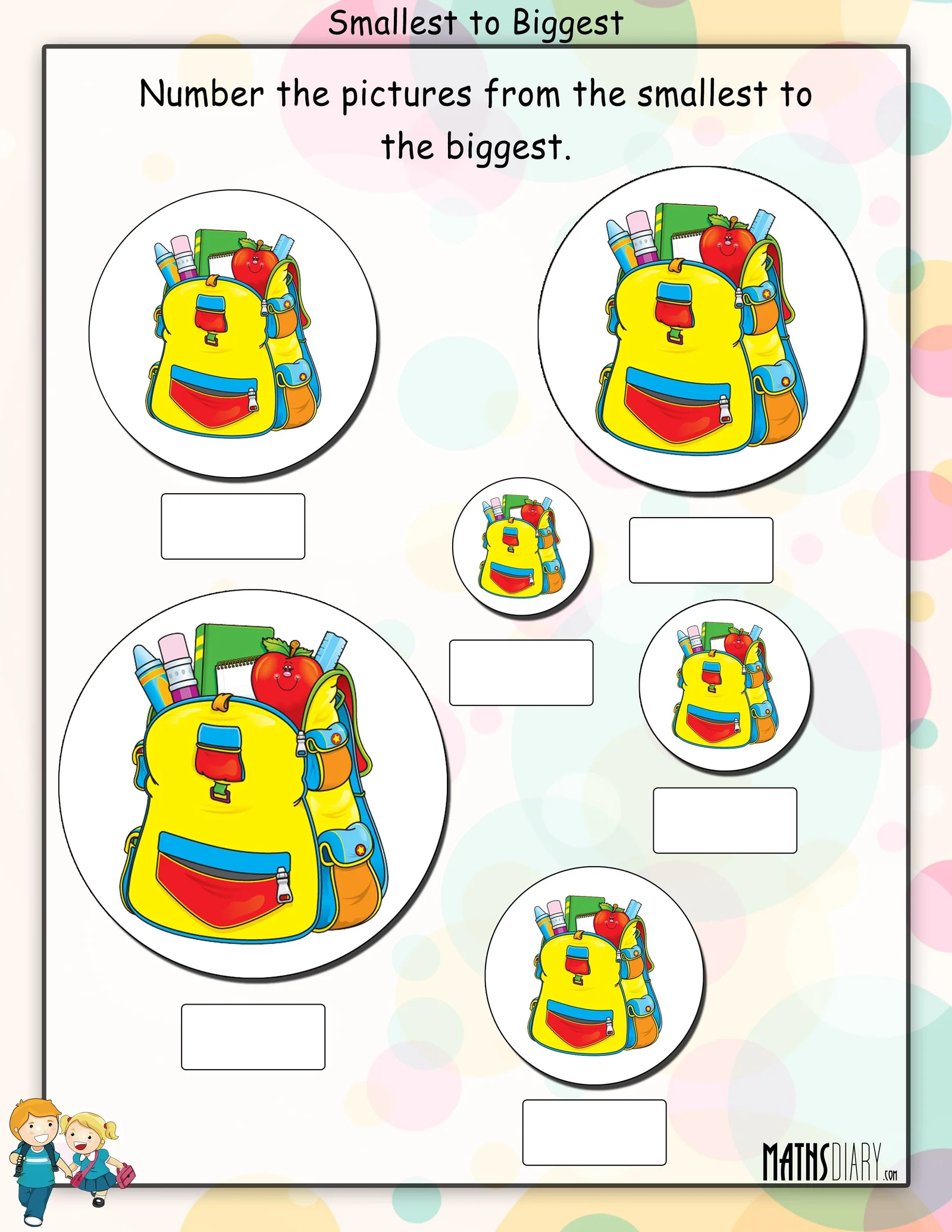
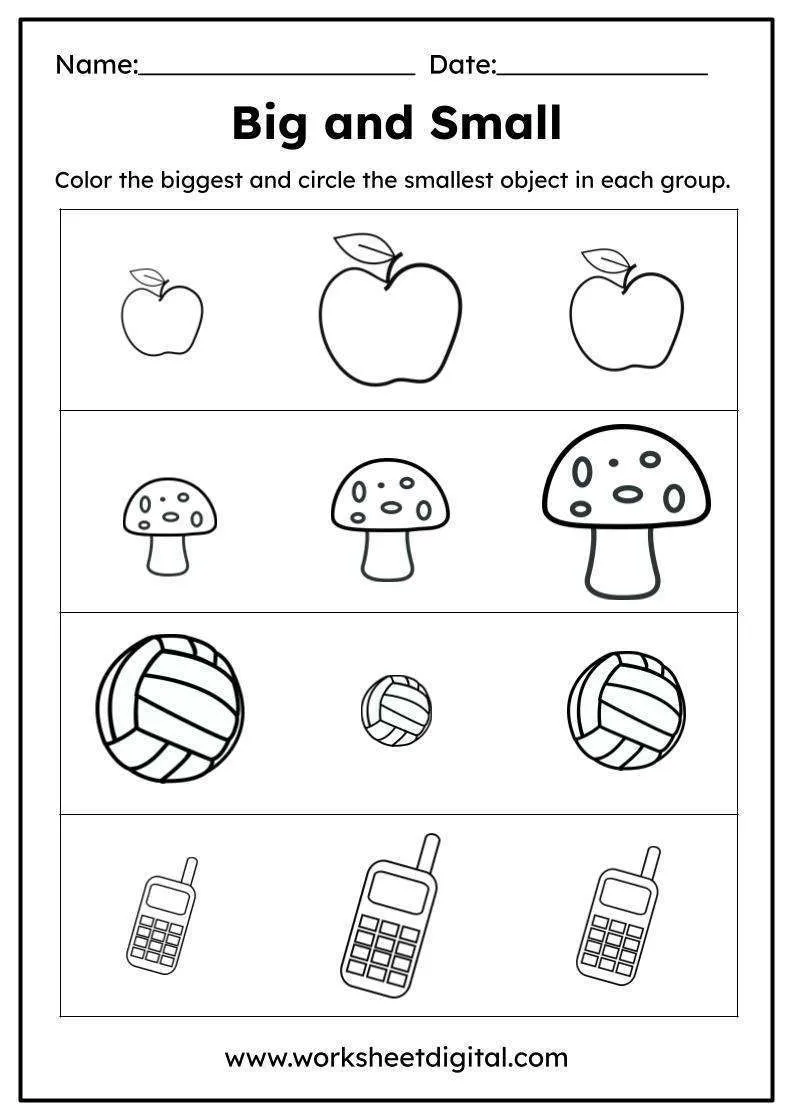
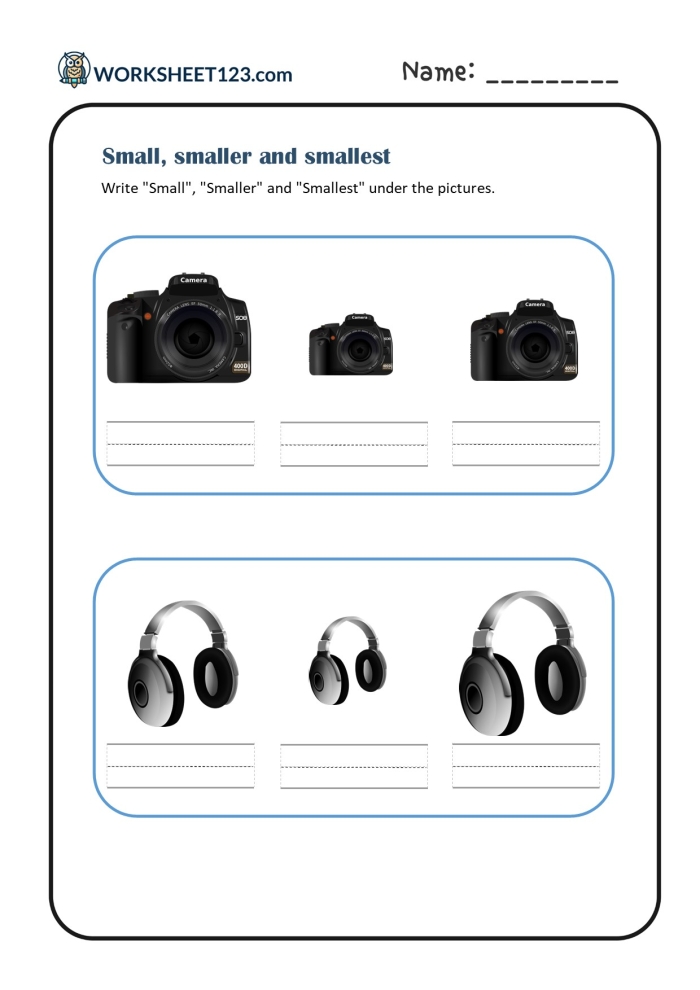
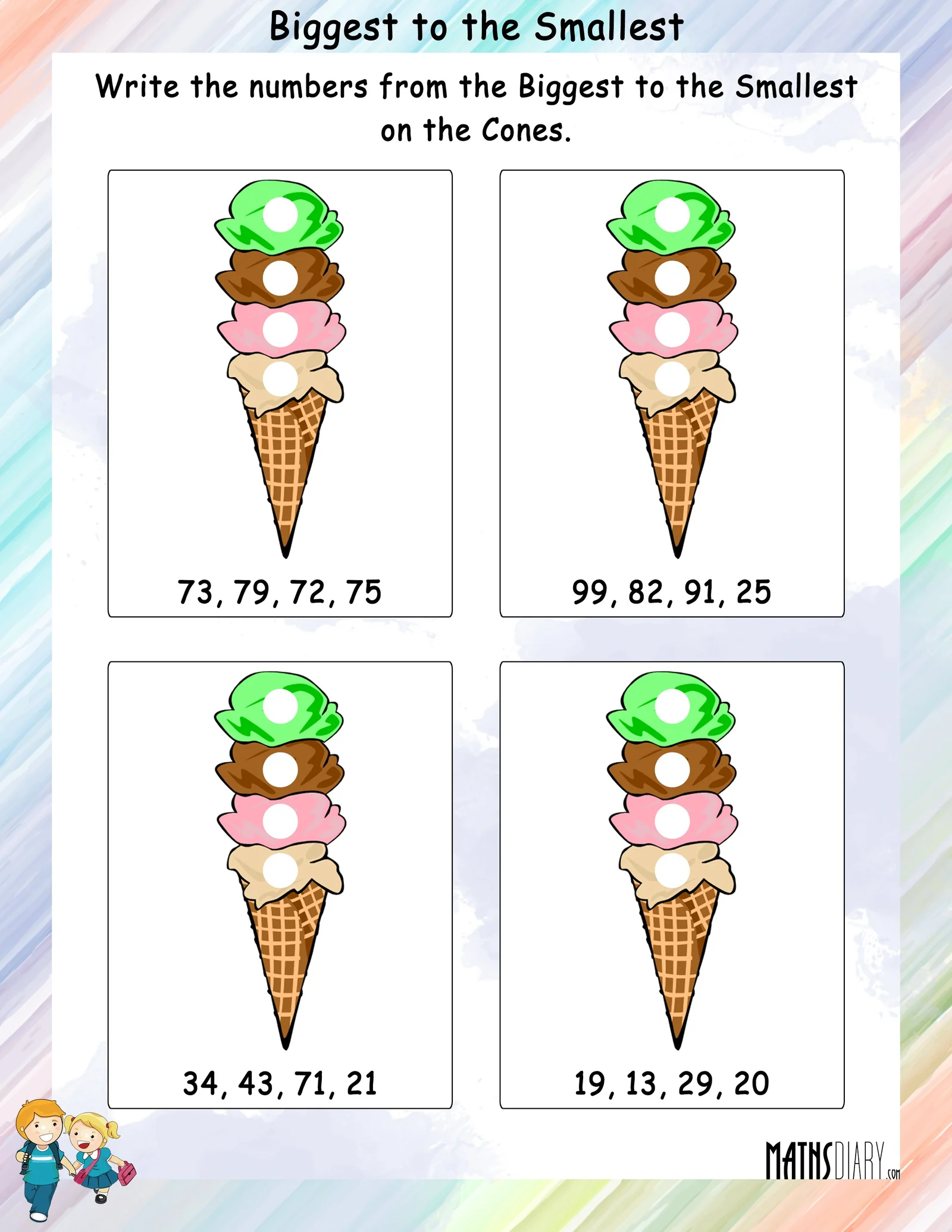
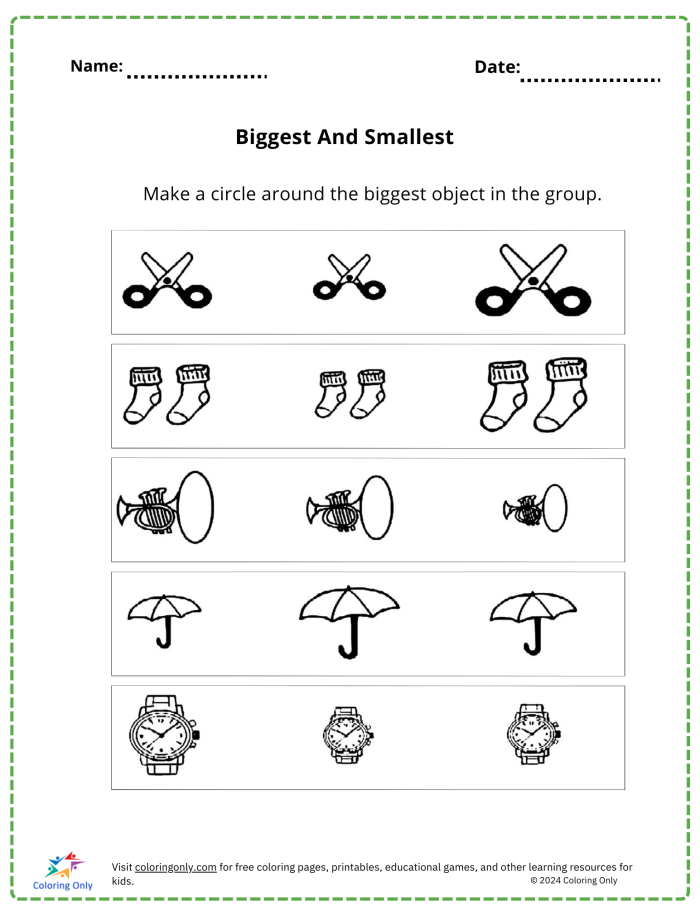
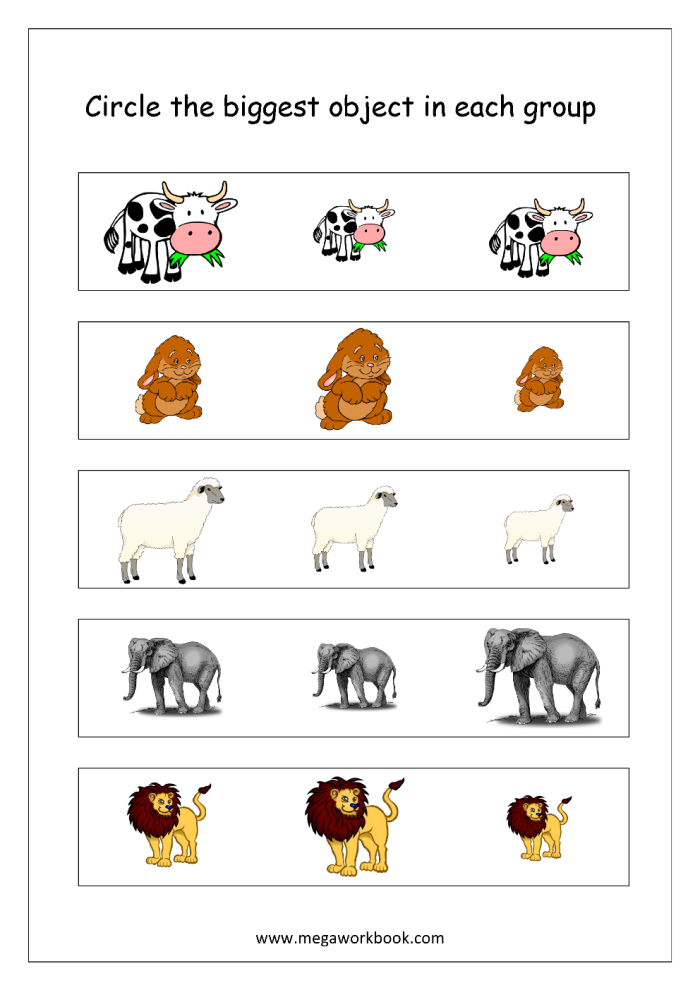
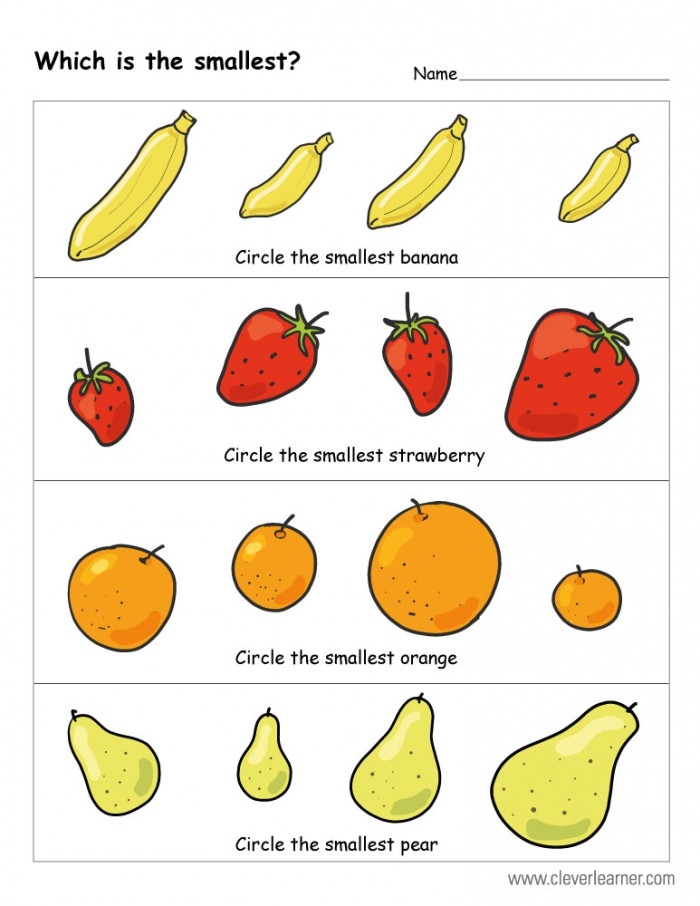
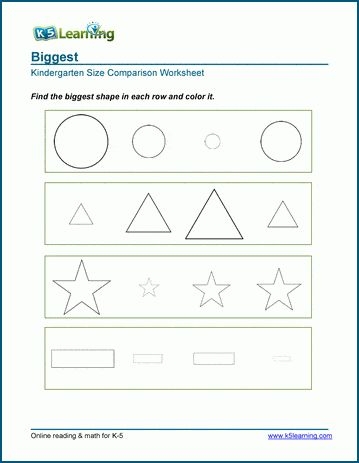
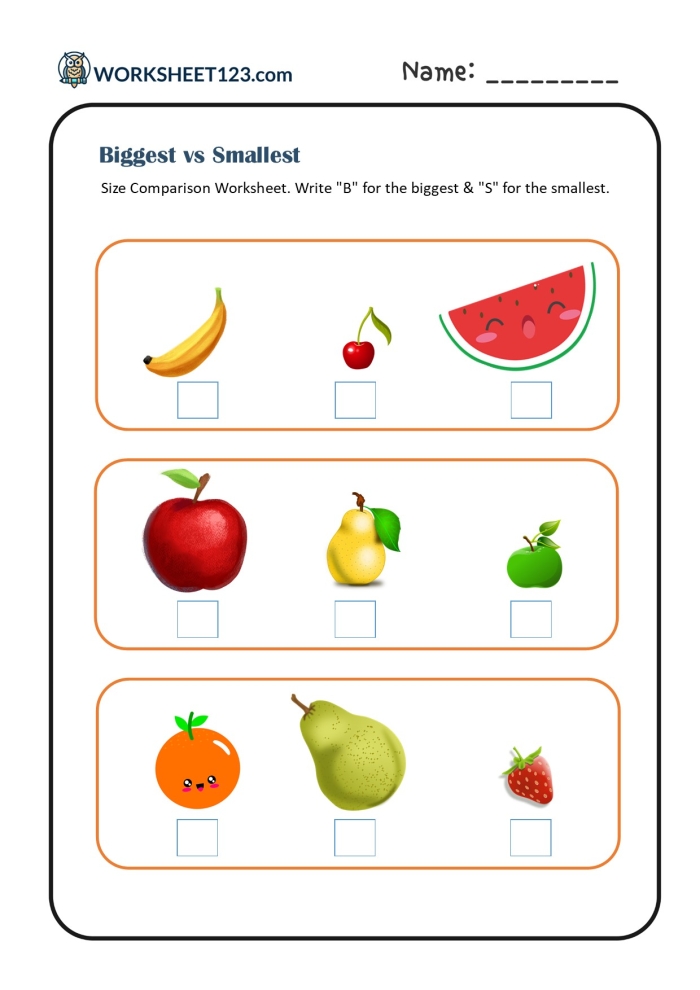
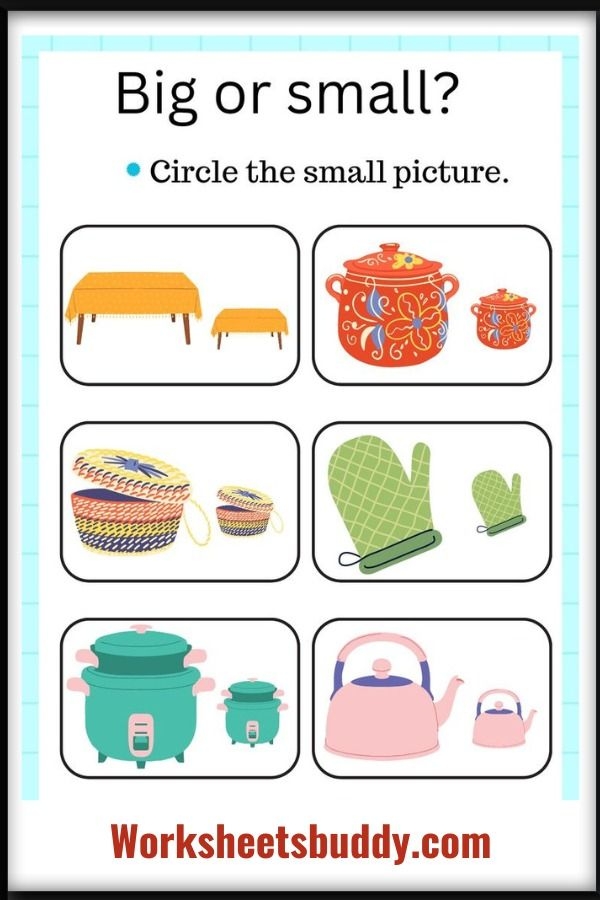
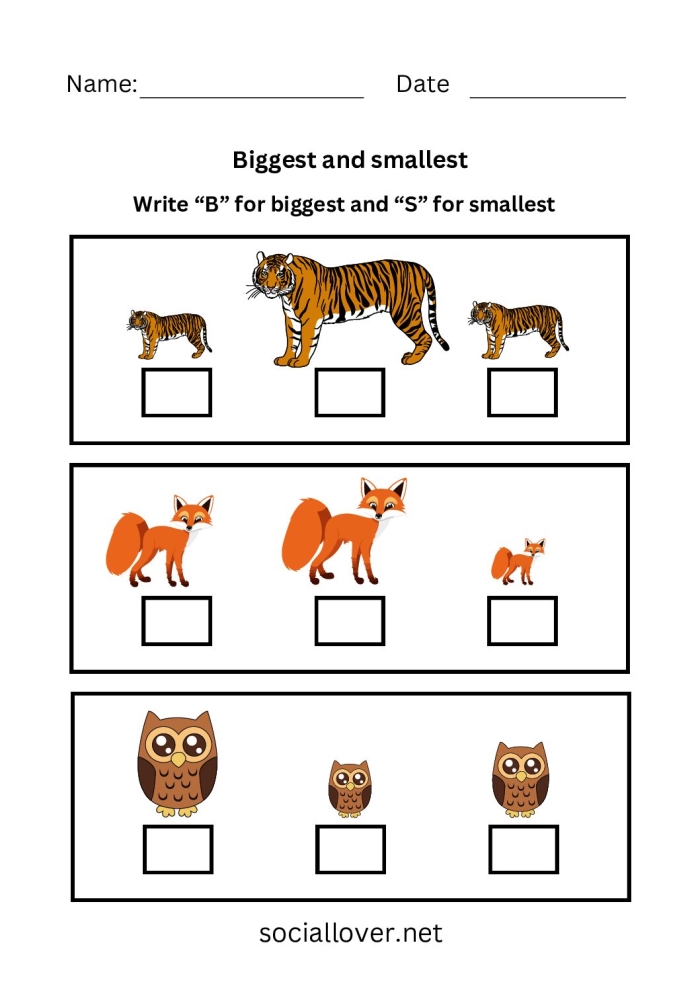
If you’re looking for more resources to support your fifth-grade students in mastering these concepts, consider checking out the Smallest or Biggest? worksheets. These printable materials offer various exercises that reinforce the understanding of size comparisons and volume calculations.
Through consistent practice, students will become adept at using mathematical symbols and making comparisons, which are crucial skills not only in math but also in scientific inquiry.
Practice with These Worksheets