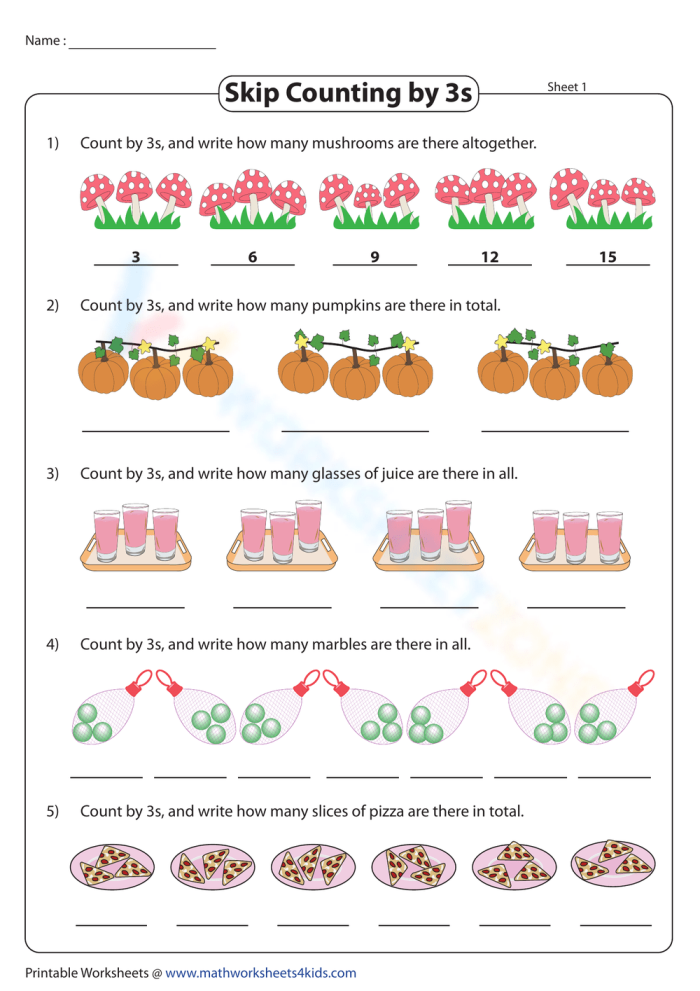
Skip counting by tens opens up a whole new way for young learners to think about numbers and groups. Instead of counting one by one, which can feel tedious, children jump ahead in chunks of ten, building speed and confidence with each leap. This mental shortcut becomes incredibly useful when kids need to add up quantities quickly or understand how numbers relate to each other.
The beauty of skip counting lies in its rhythm. Once children catch the pattern, 10, 20, 30, 40, it becomes almost musical, like a counting groove they can fall into naturally. In kindergarten classrooms, this skill bridges the gap between basic number recognition and more complex math concepts. Teachers often introduce skip counting through physical activities: jumping ten times, clapping in groups of ten, or arranging objects into piles of ten and counting the totals.
When you work with piles of ten, the math becomes concrete and visible. A child can see four piles of ten blocks and immediately grasp that the total is forty. This visual approach helps them internalize the concept far better than abstract number lines alone. The hands-on nature of counting physical objects connects directly to real-world situations where grouping matters.
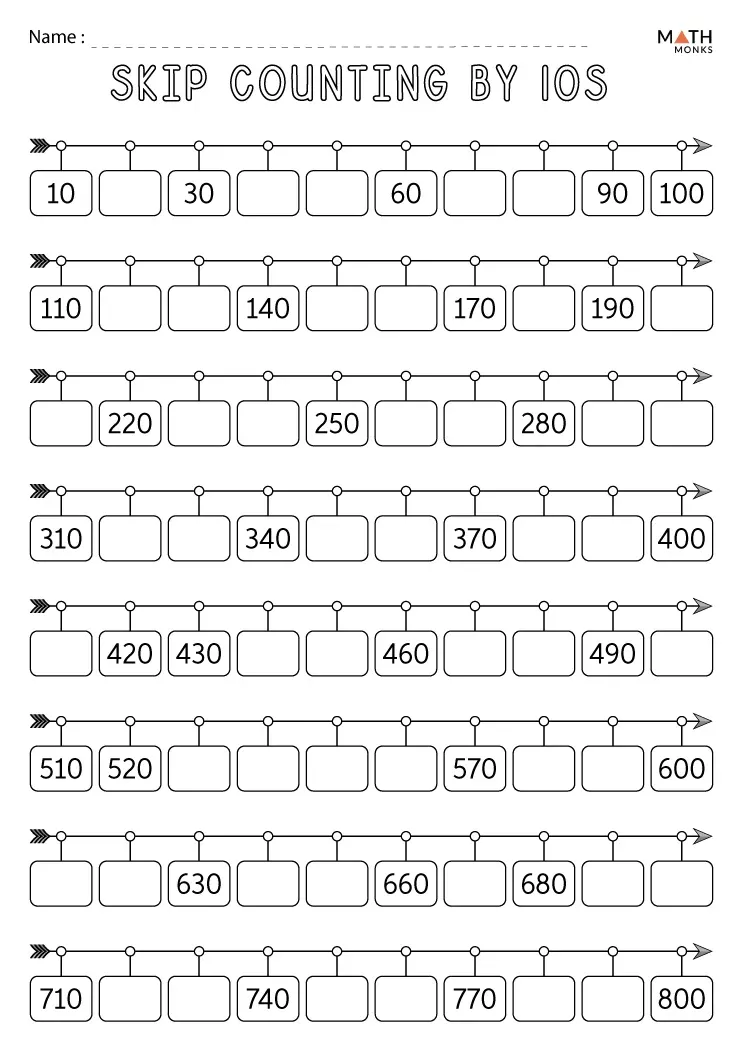
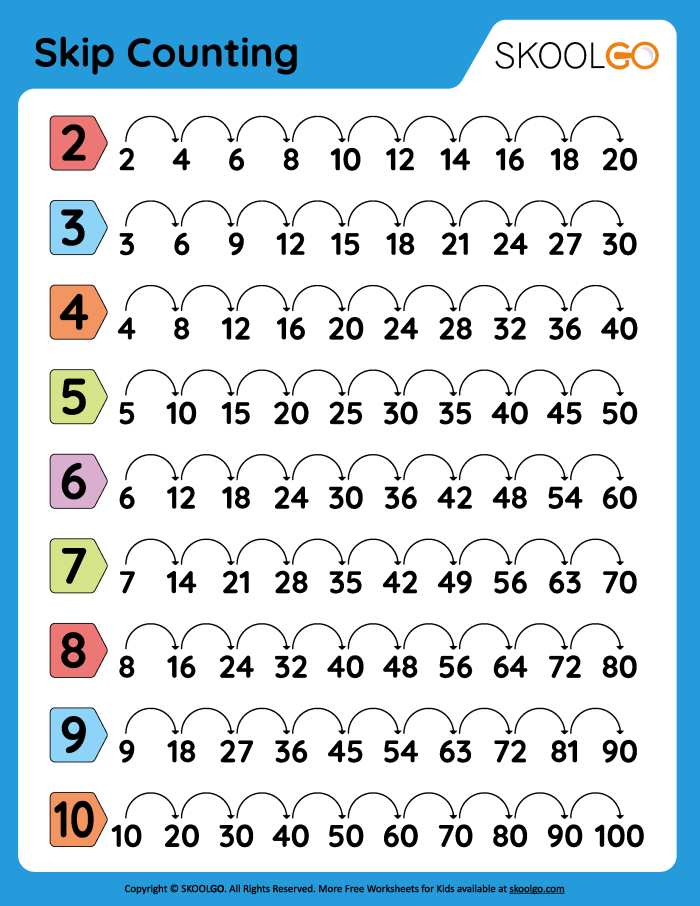
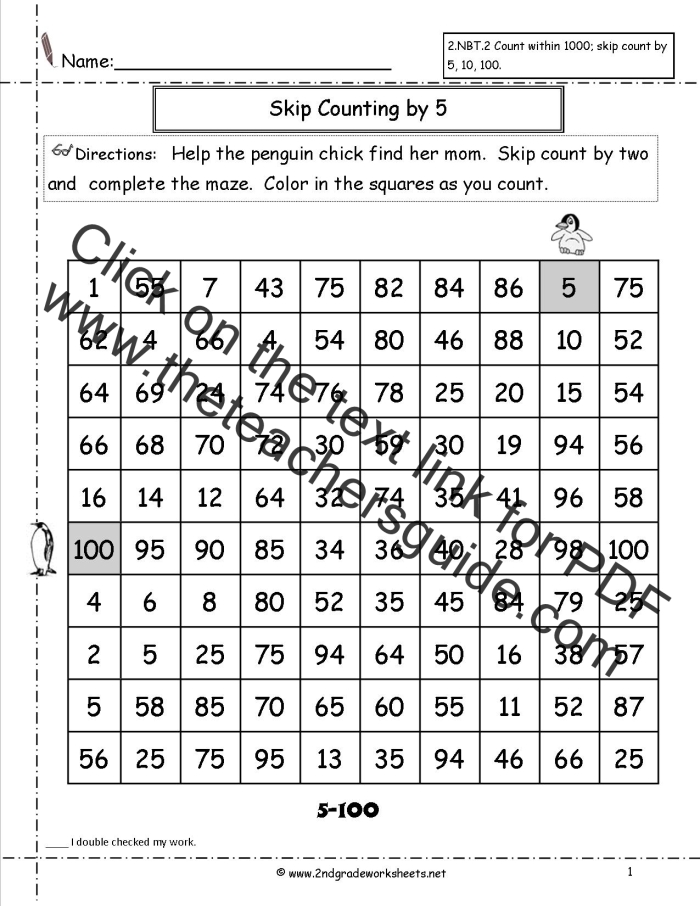
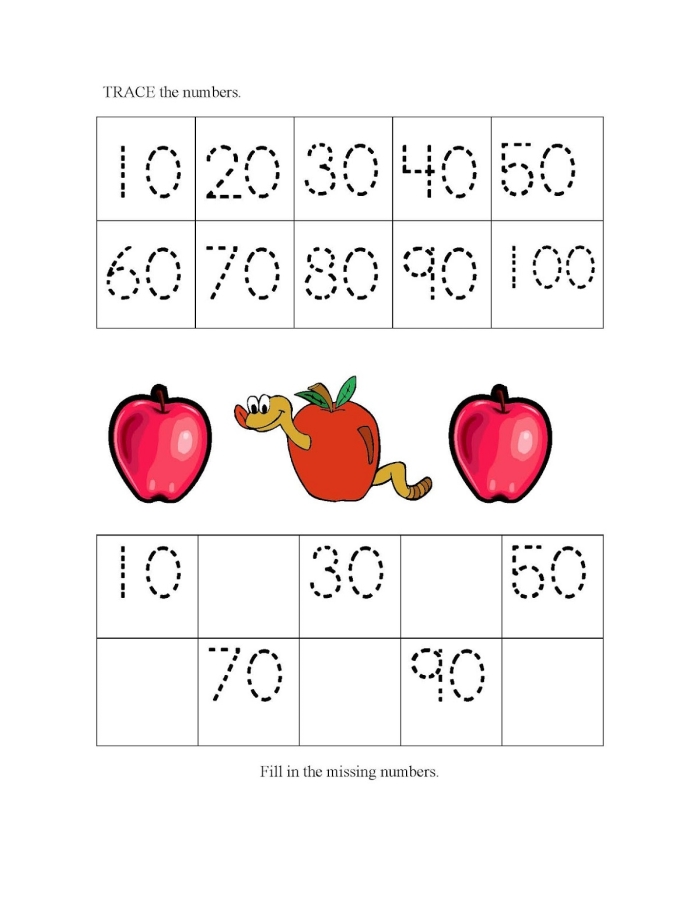
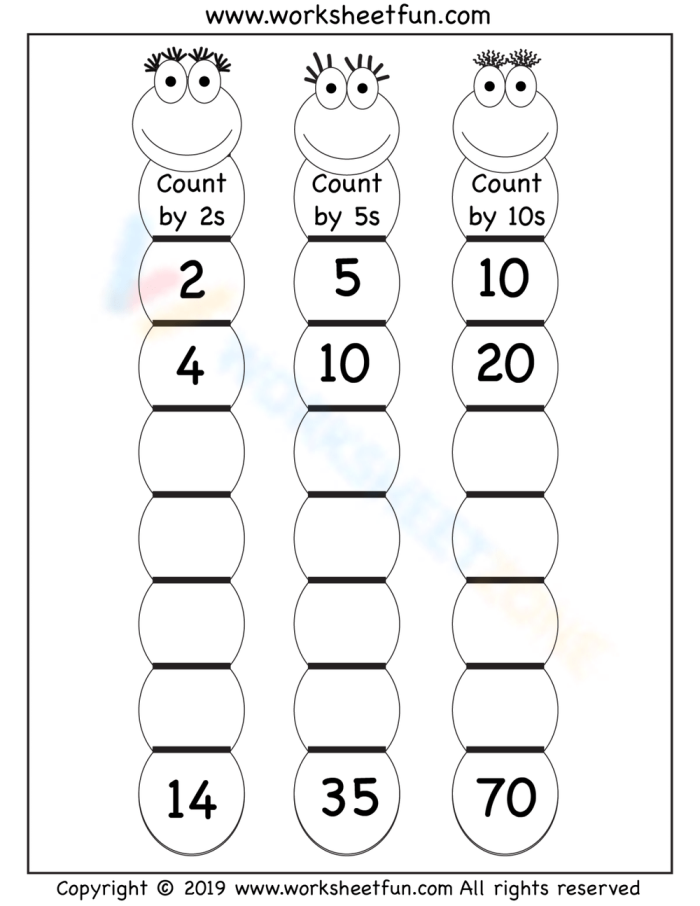
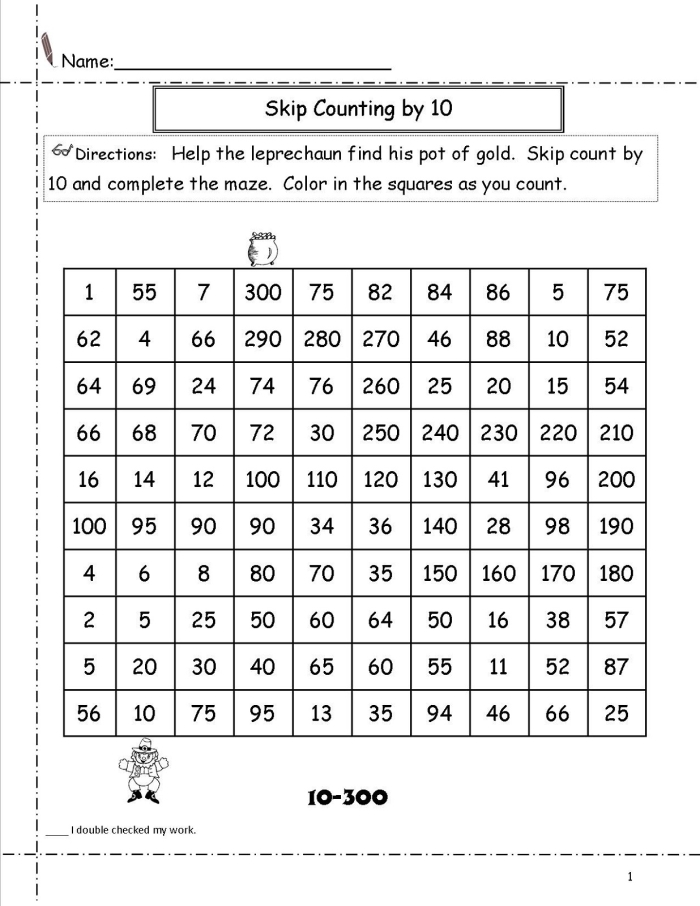
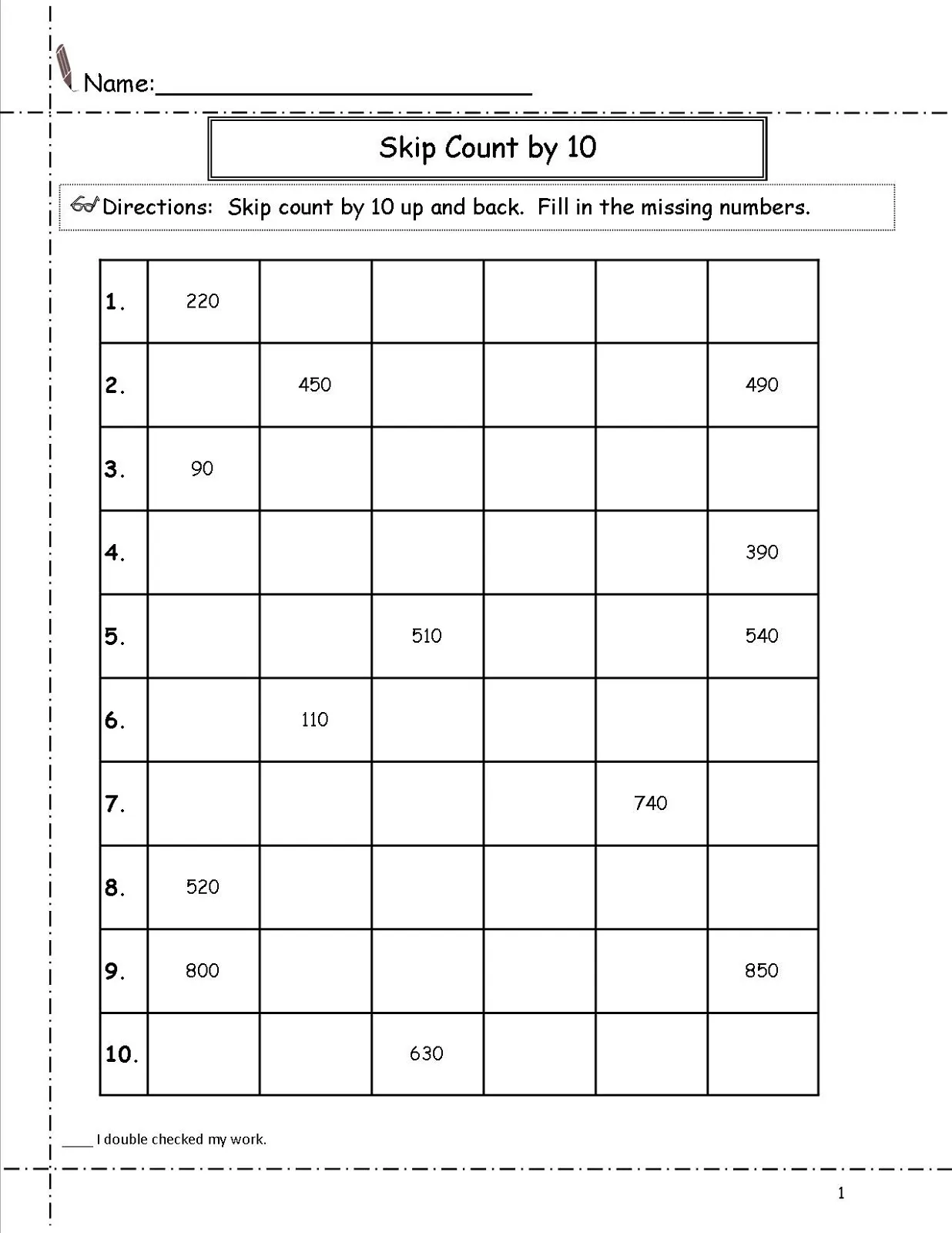
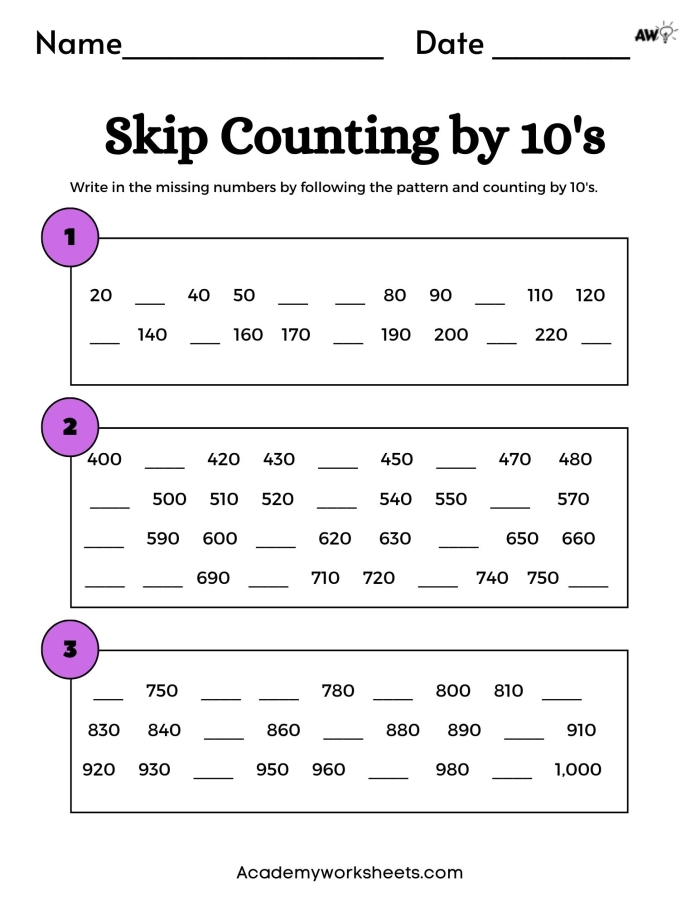
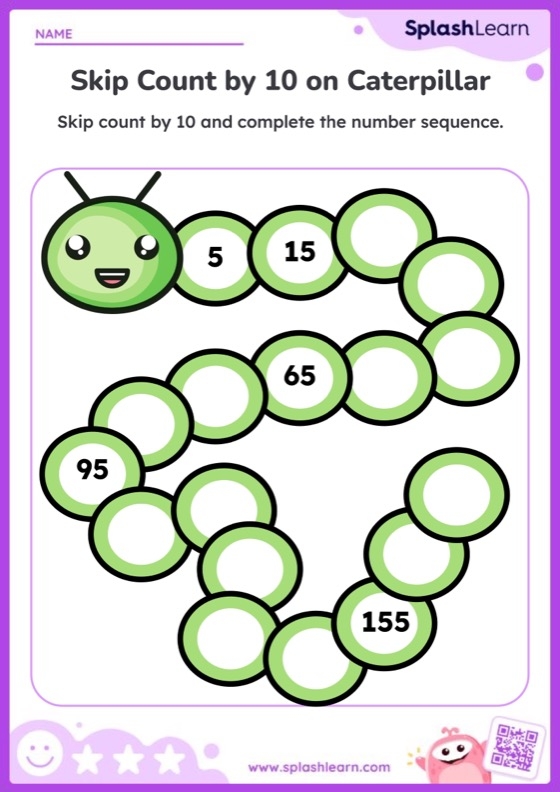
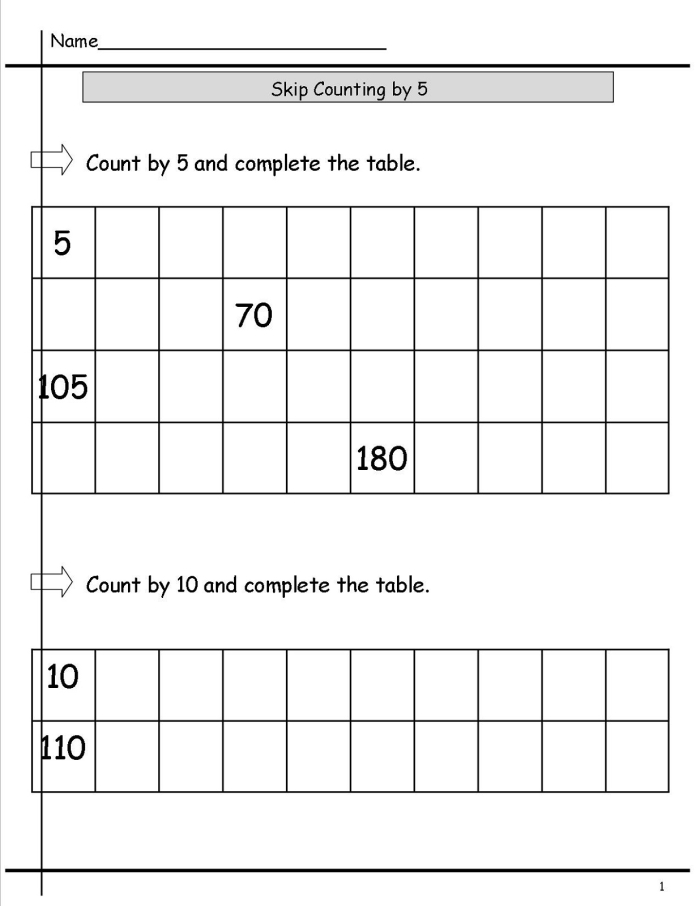
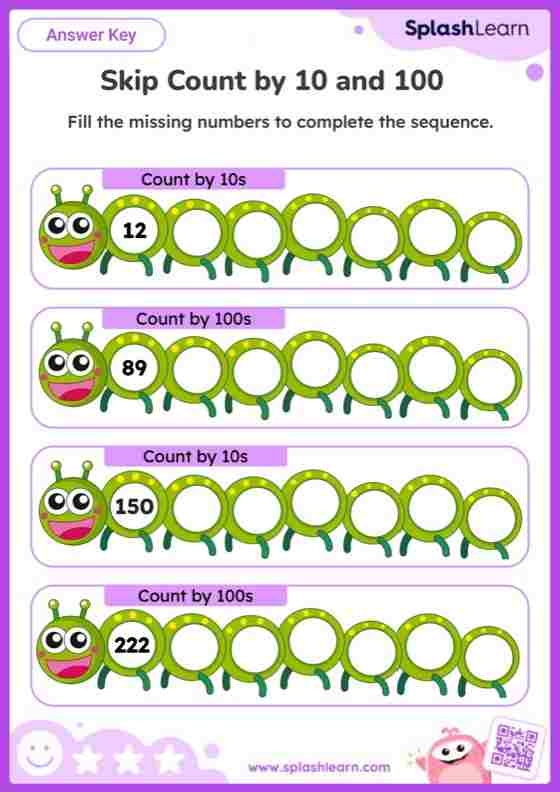
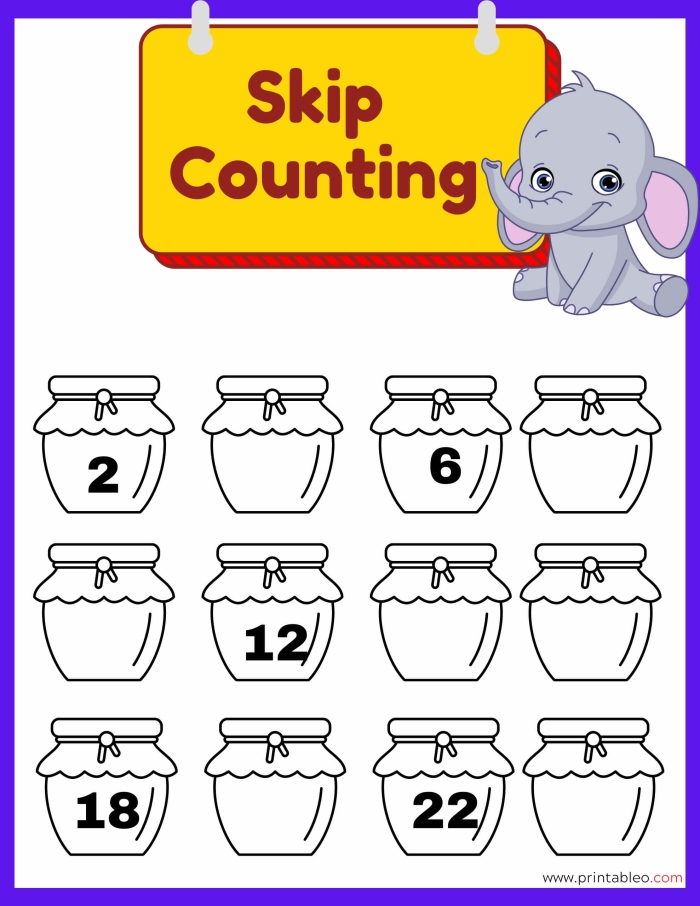
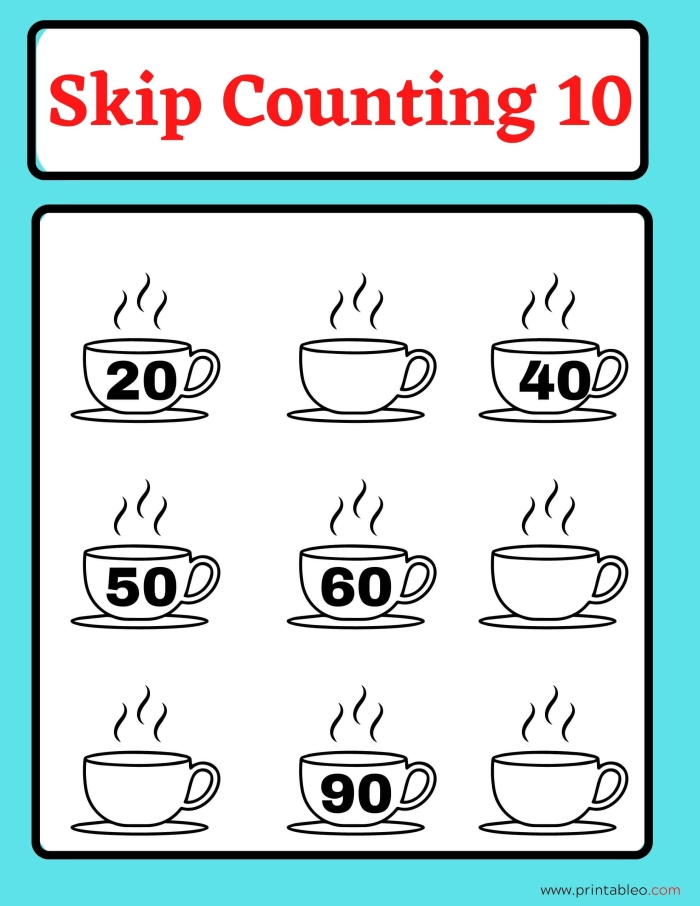
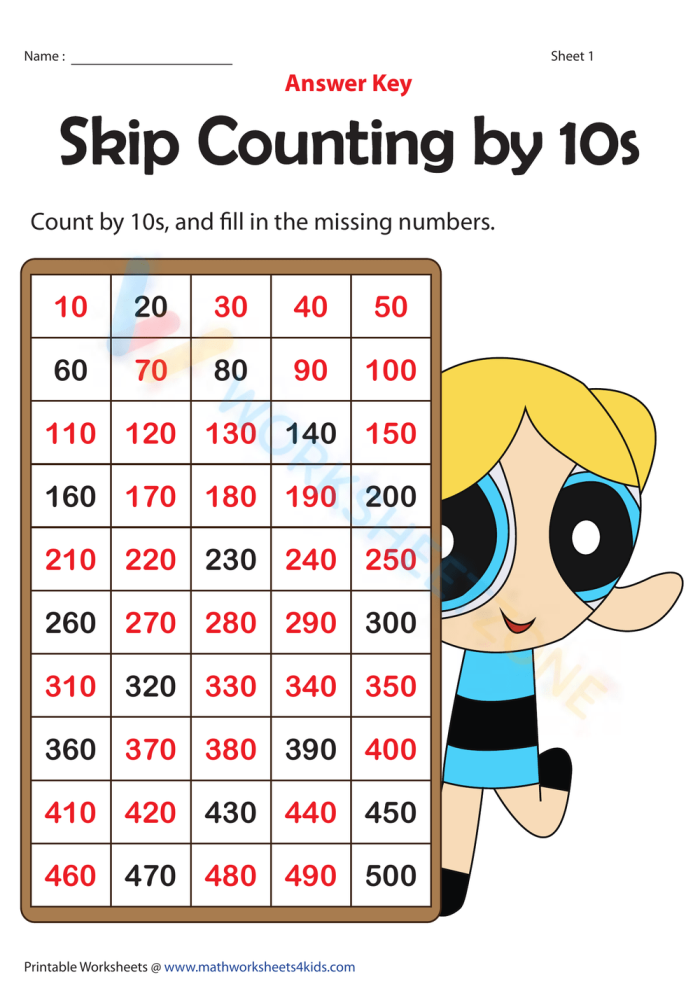
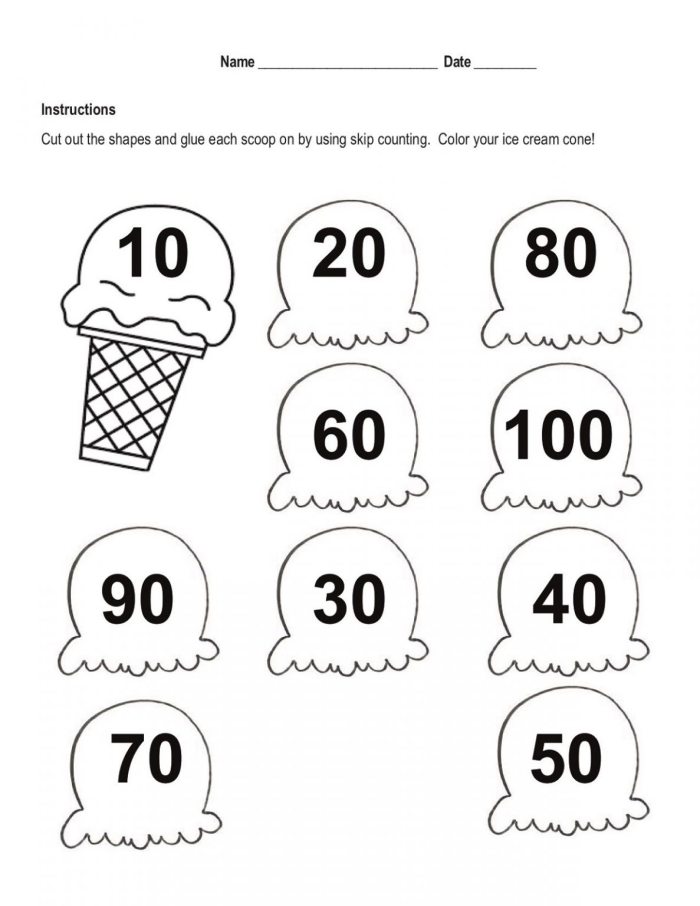
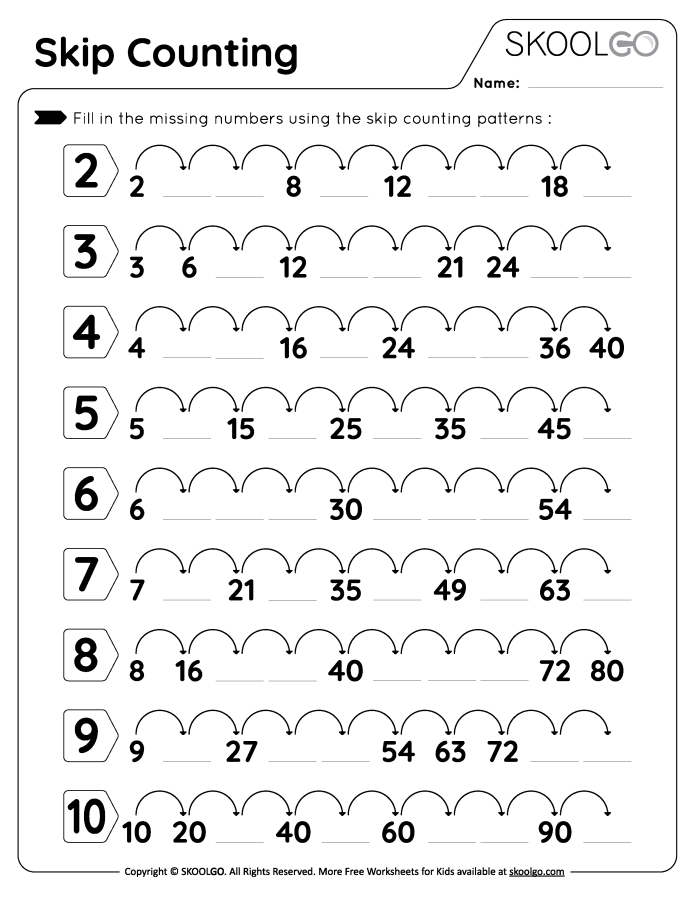
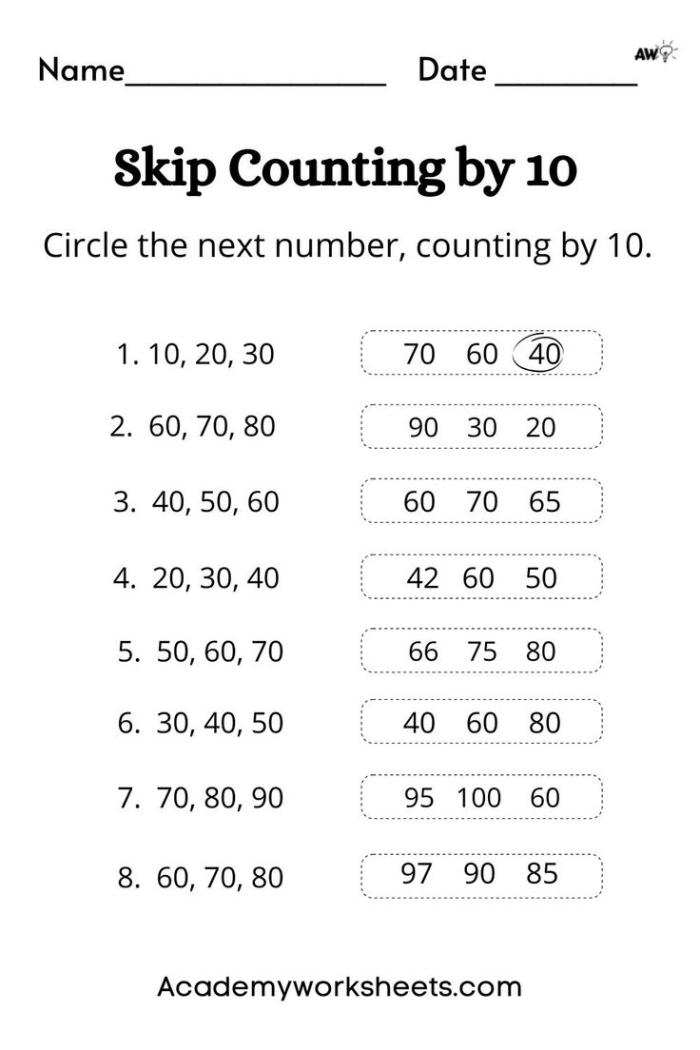
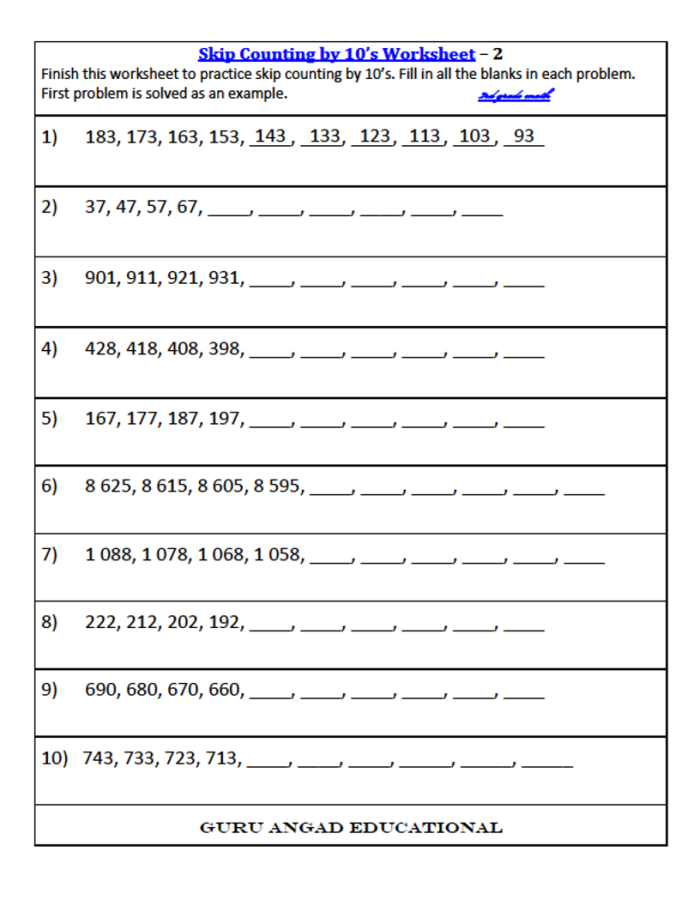
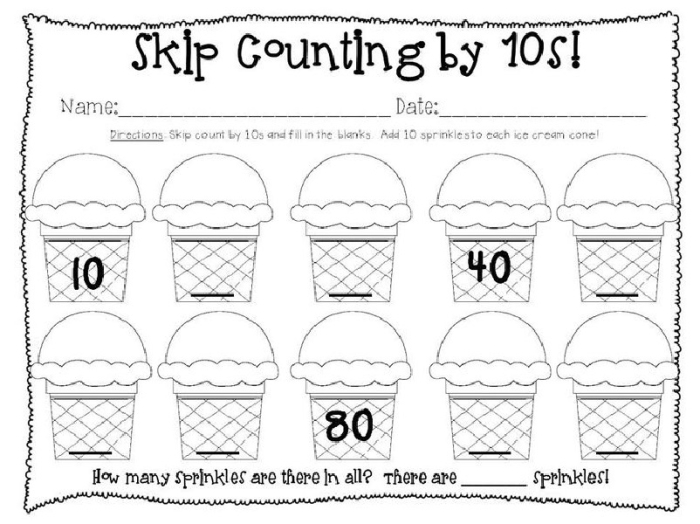
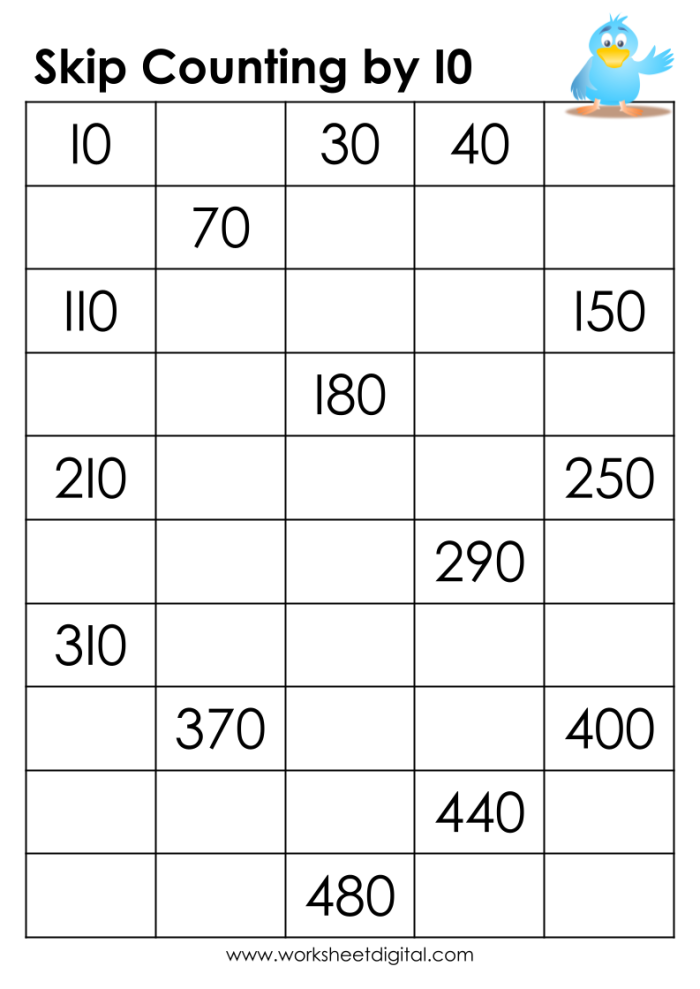
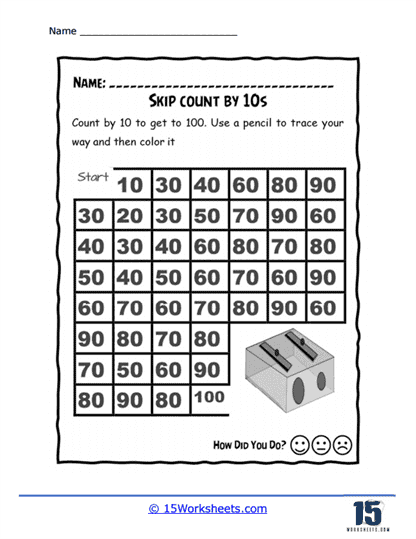
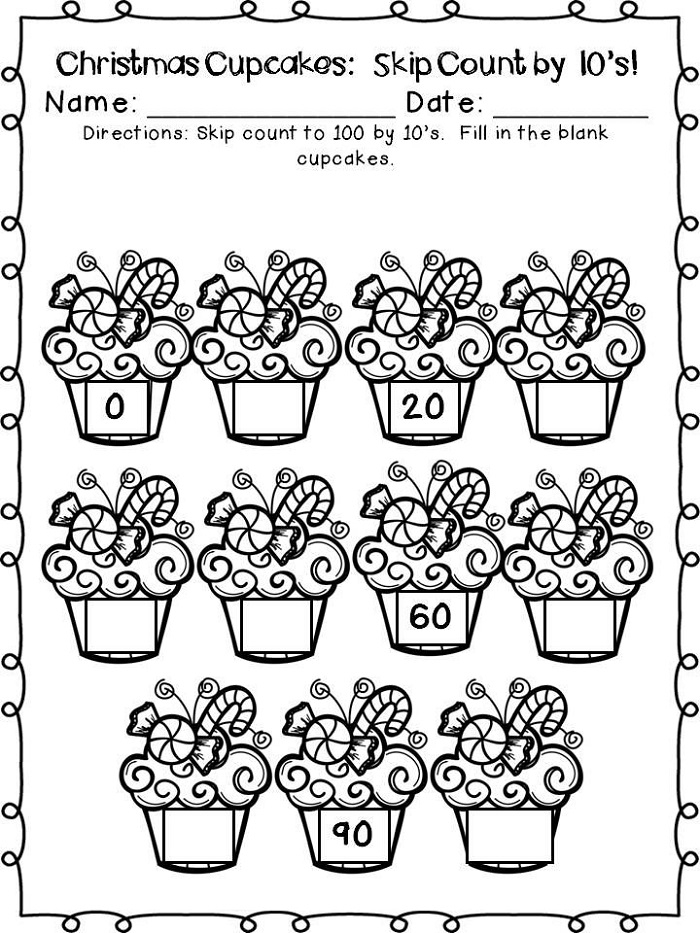
Printable skip counting by 10 worksheets make practice accessible at home and in the classroom. These worksheets often feature engaging visuals and scenarios that keep learners motivated. Some incorporate life science themes, like counting groups of animals or plants, which makes the math feel purposeful rather than isolated.
Starting with skip counting in kindergarten sets children up for success with multiplication, division, and larger number operations down the road. The pattern recognition skills they develop transfer across subjects. Once kids master counting by tens, they’re ready to explore skip counting by fives, twos, and other numbers, expanding their mathematical toolkit and confidence with each new pattern they discover.
Grab These Worksheets Now