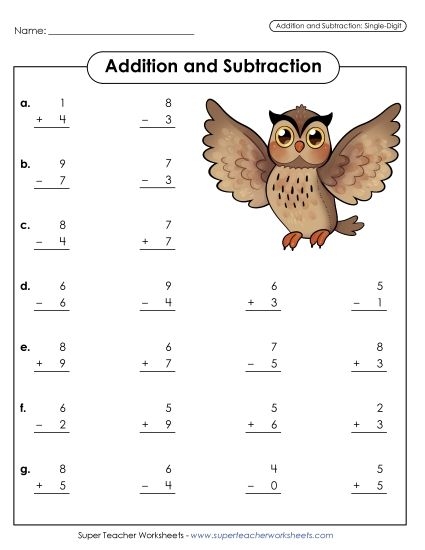
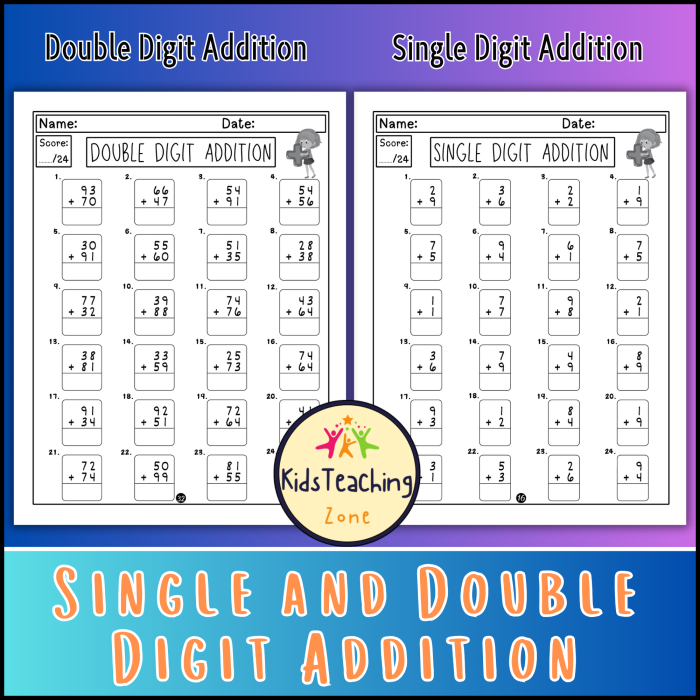
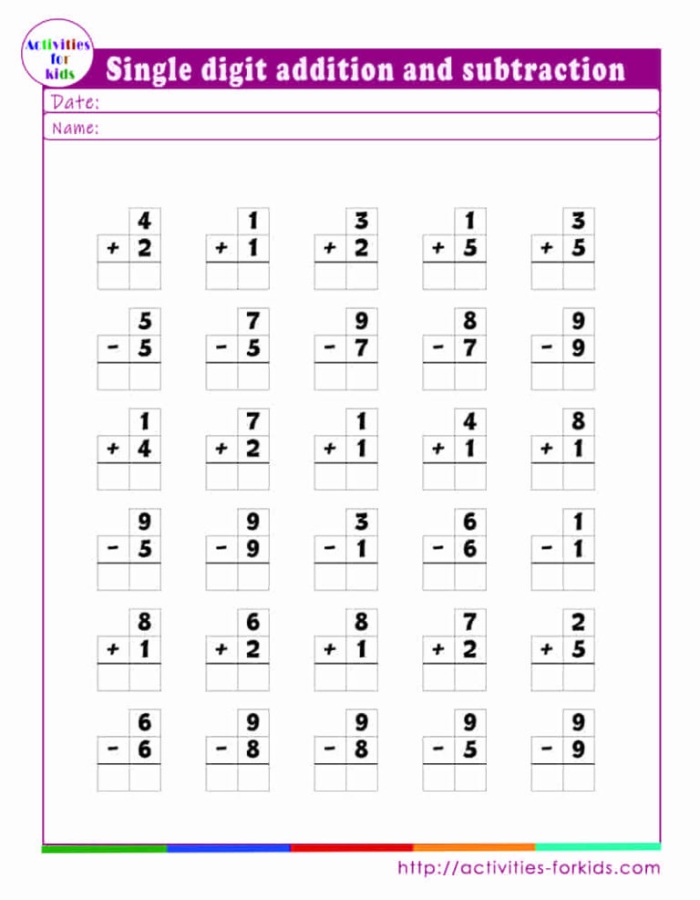
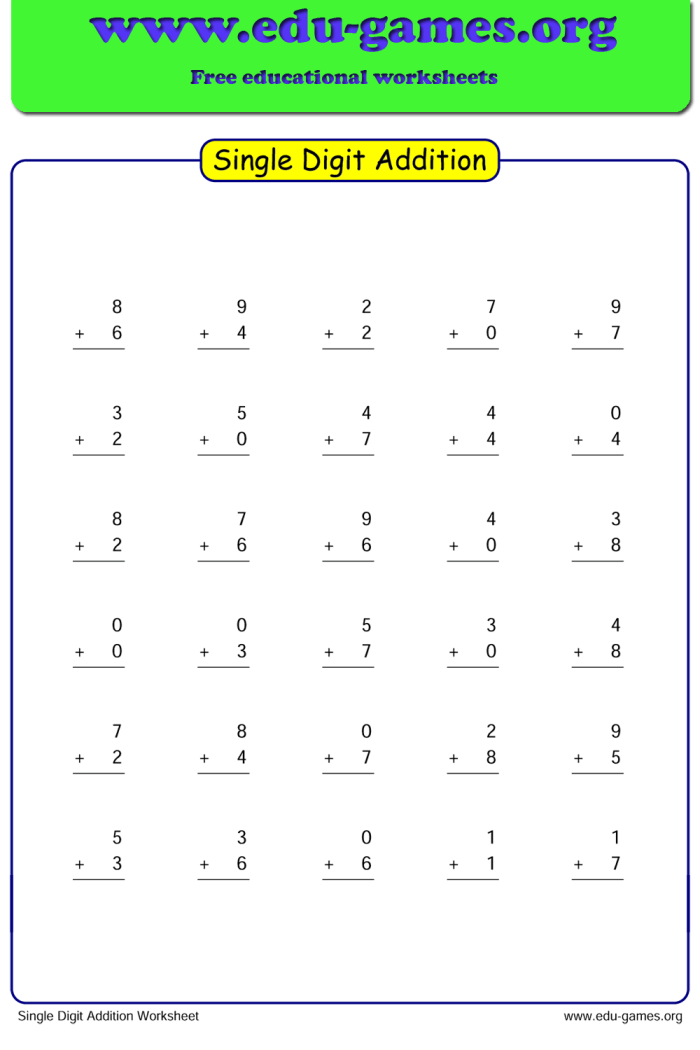
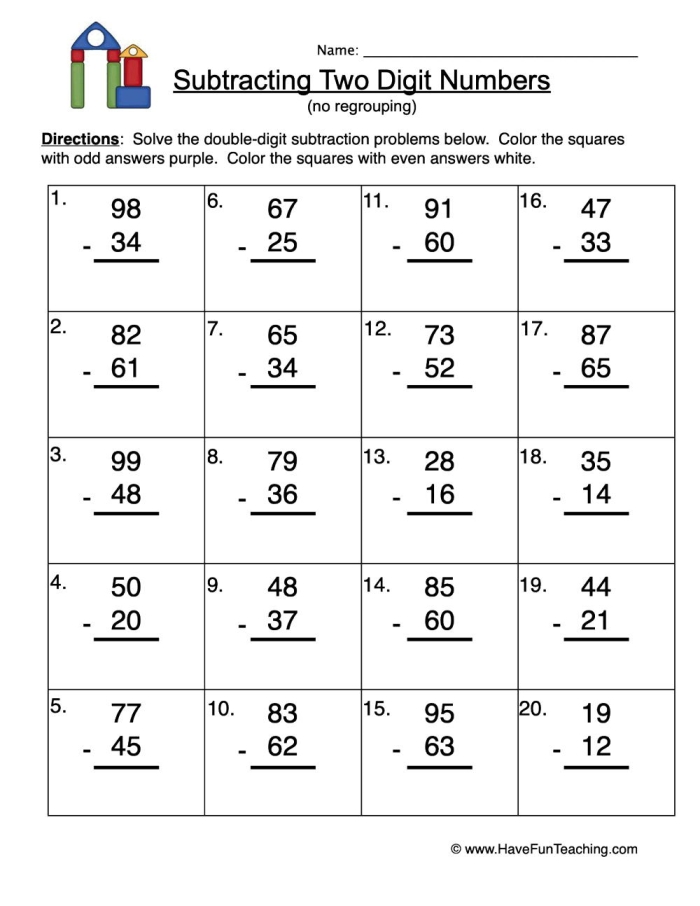
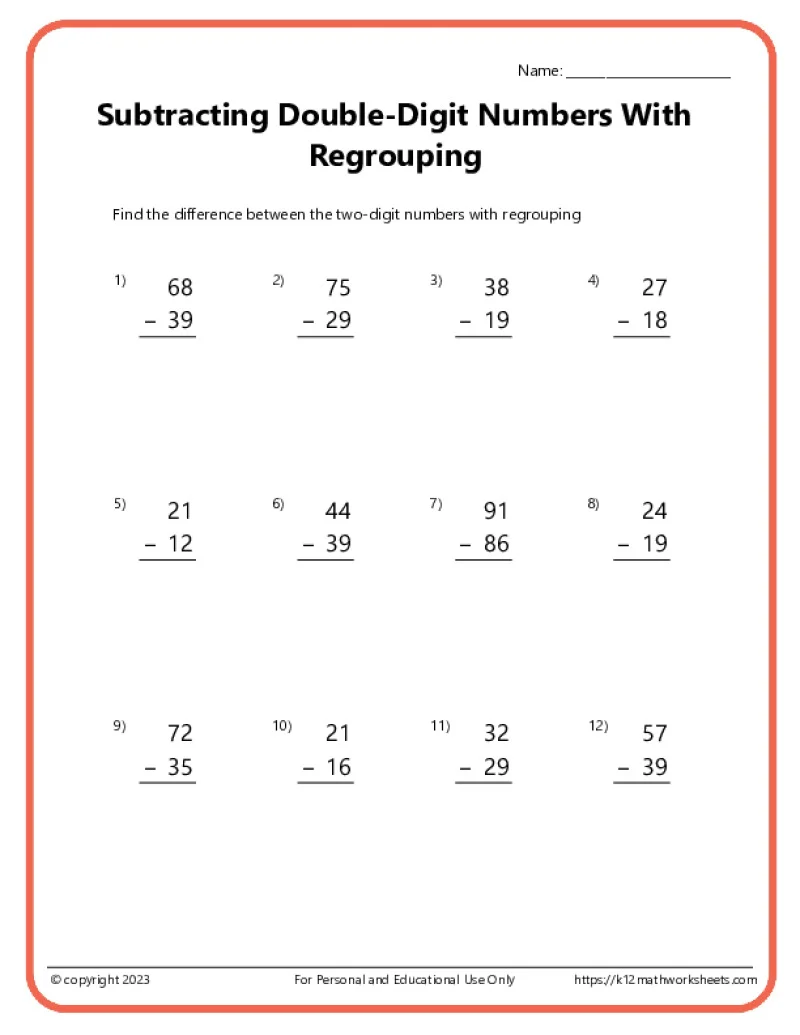
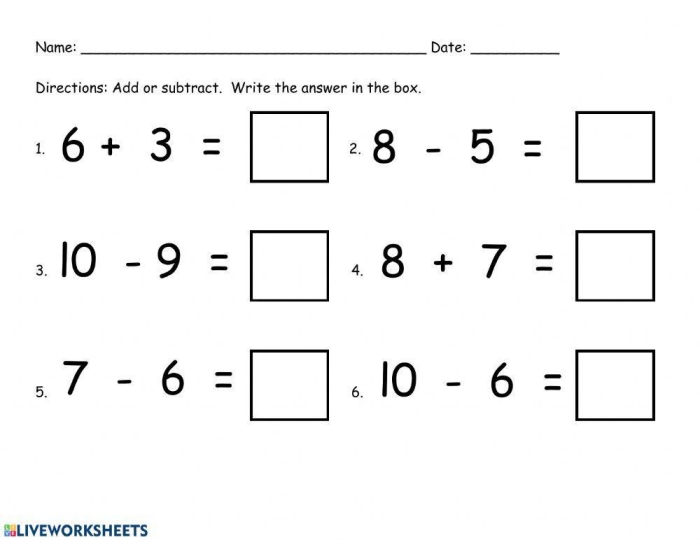
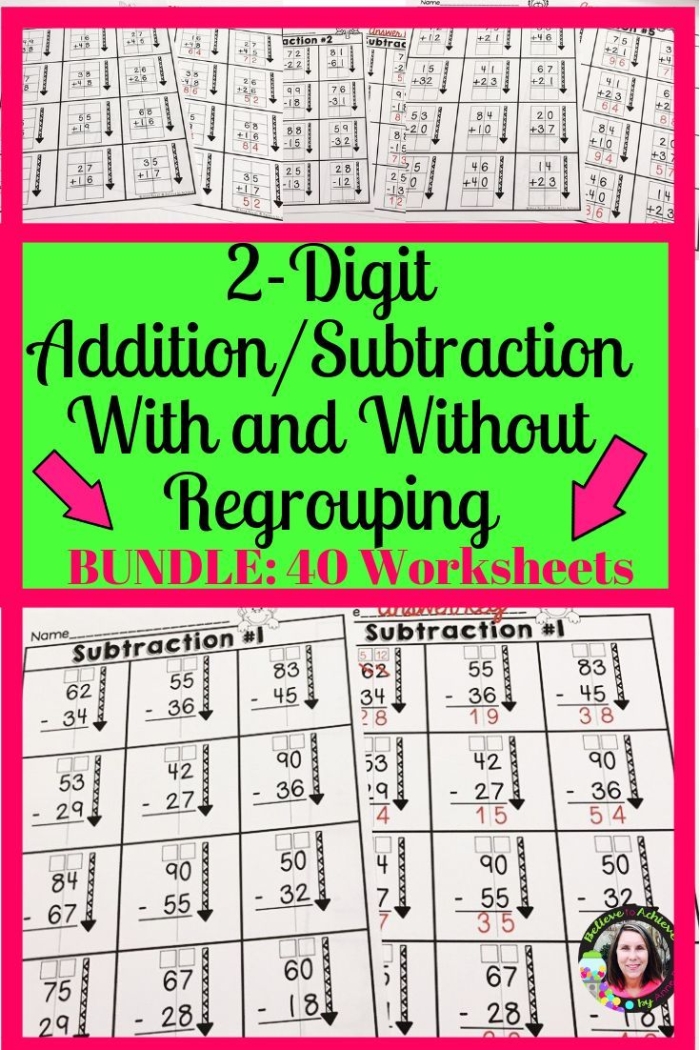
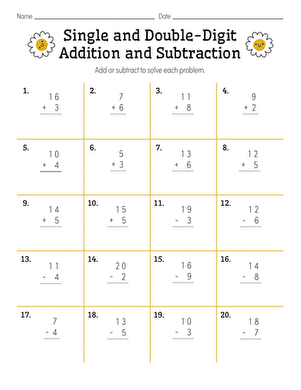
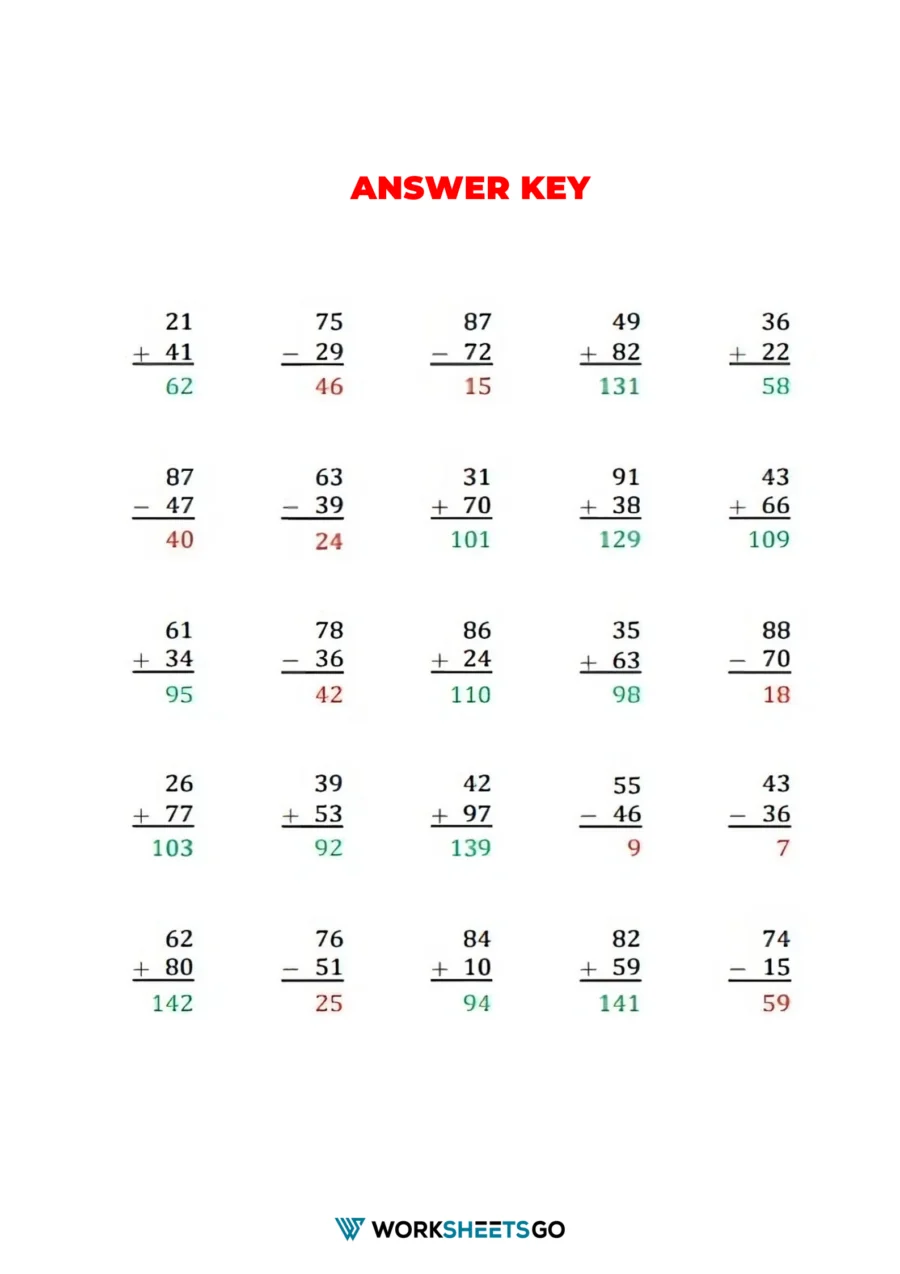
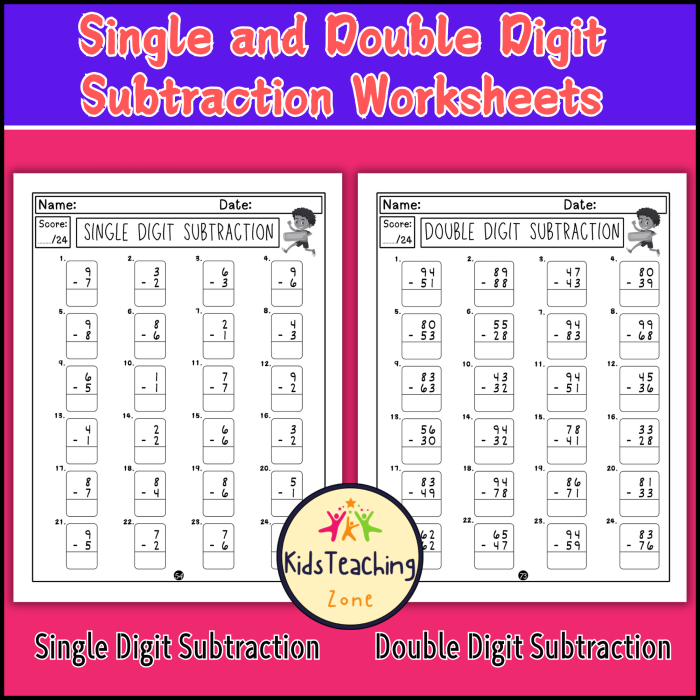
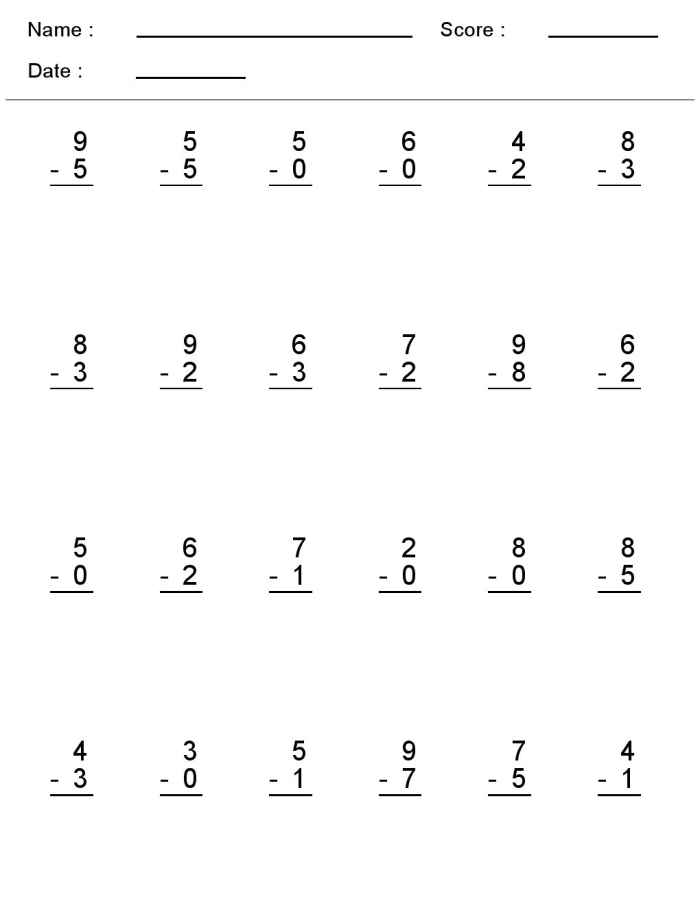
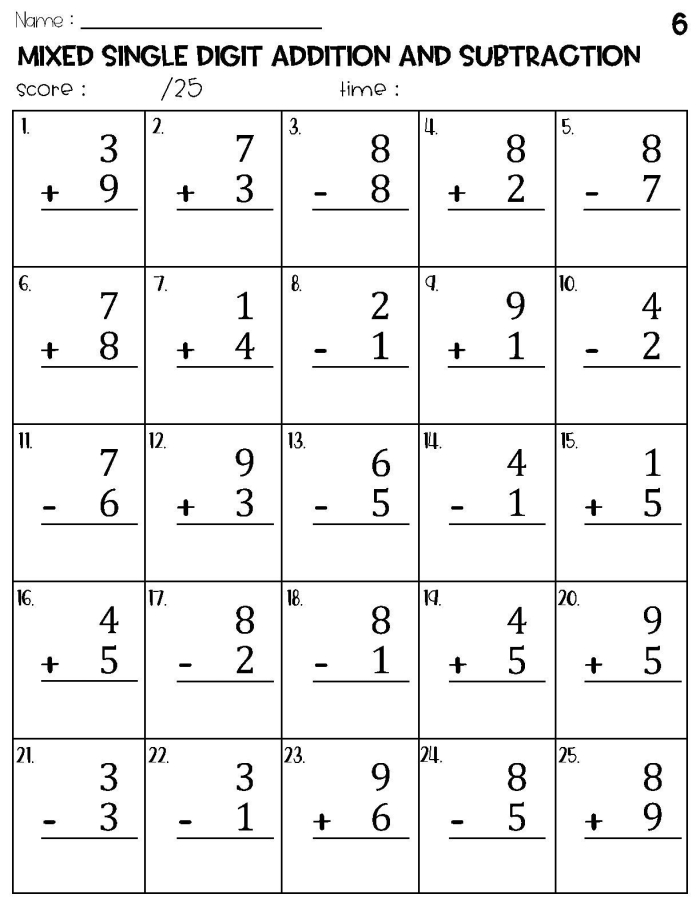
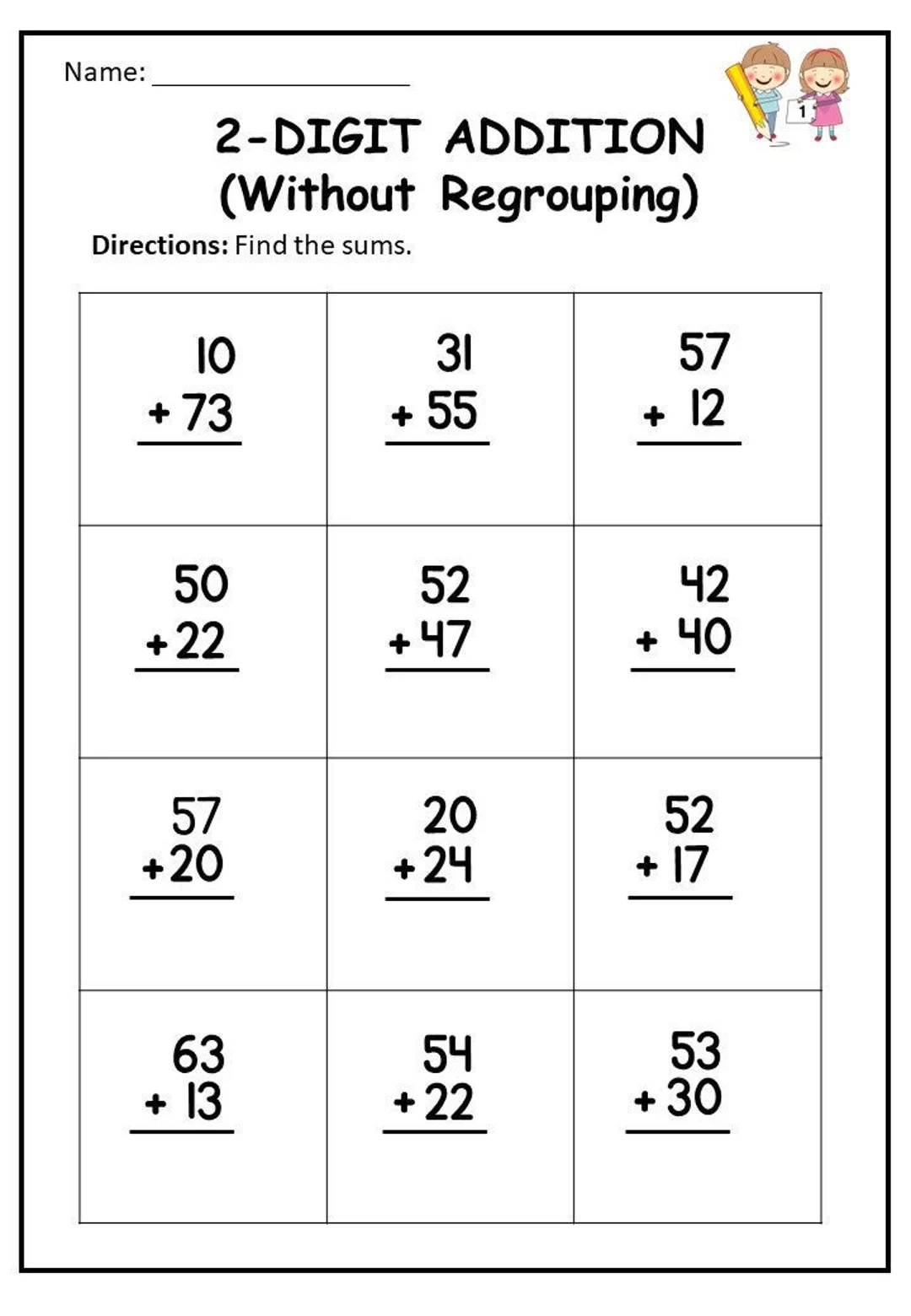
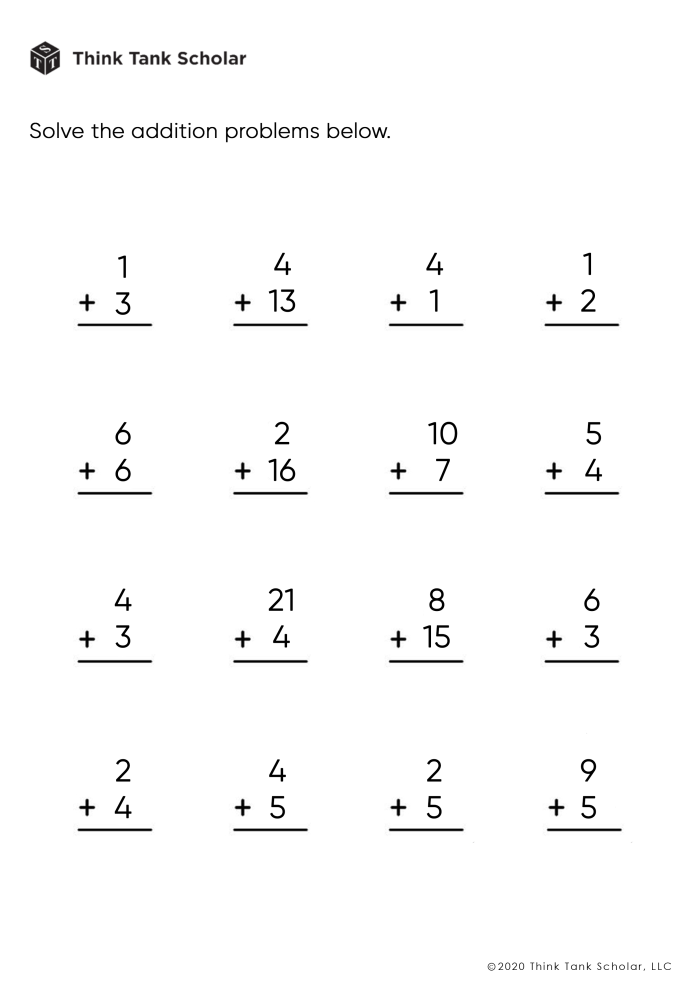
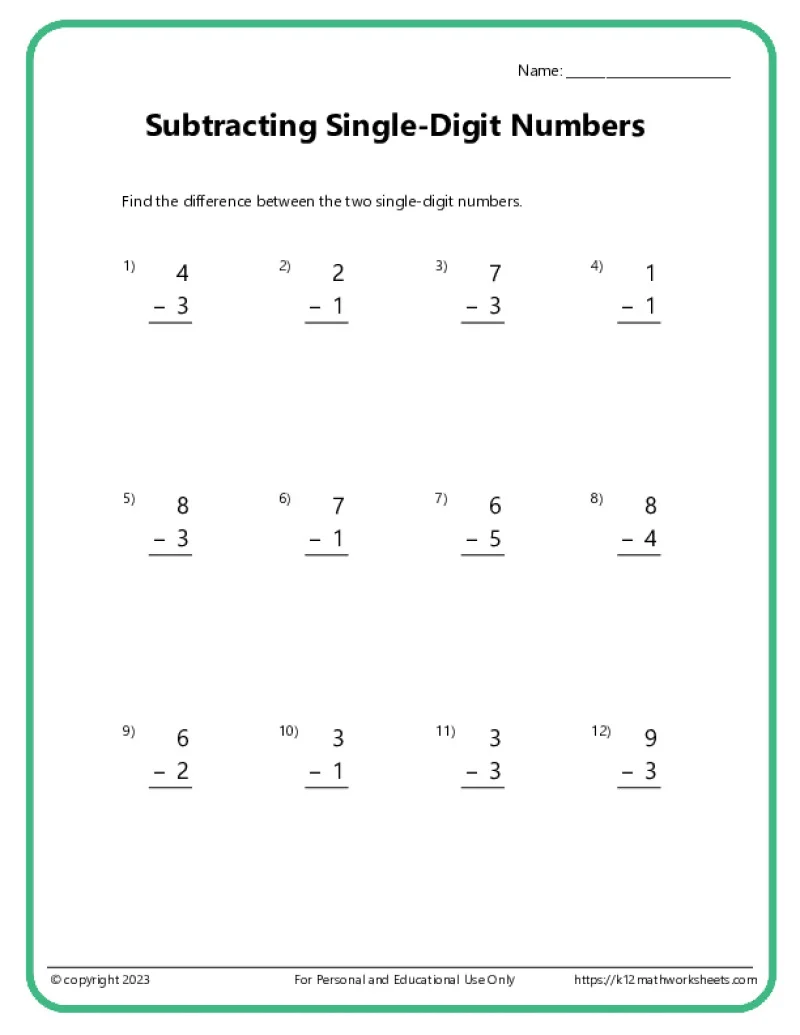
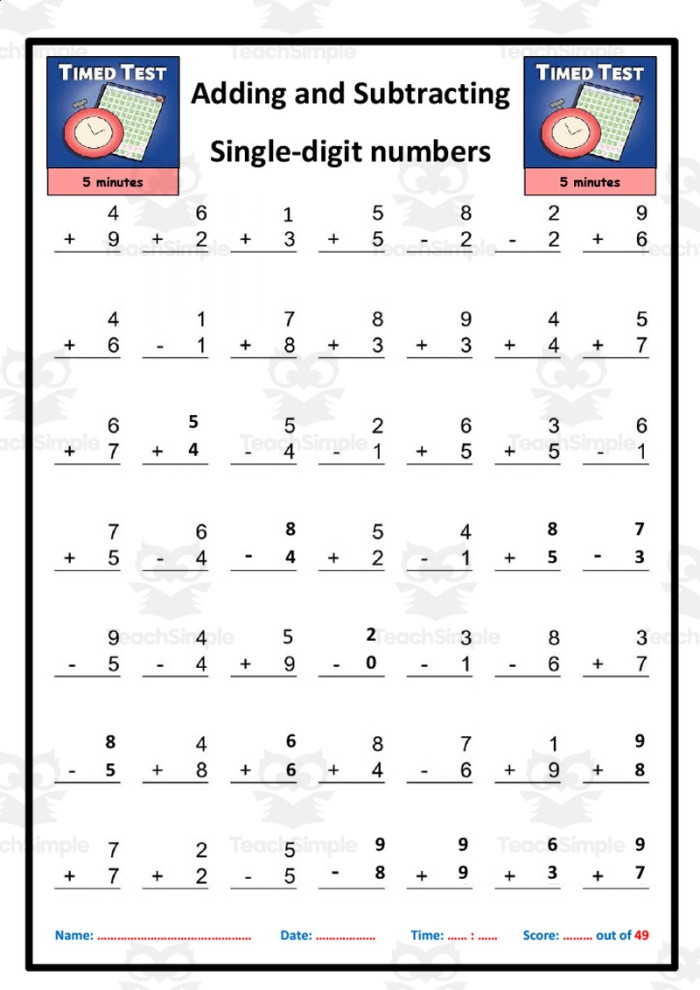
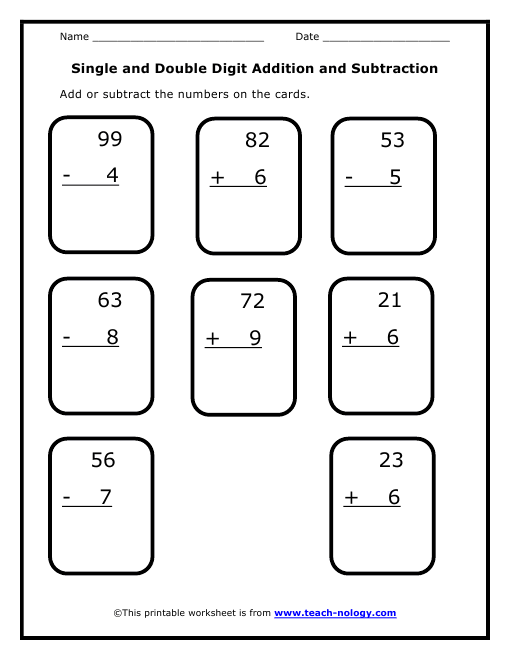
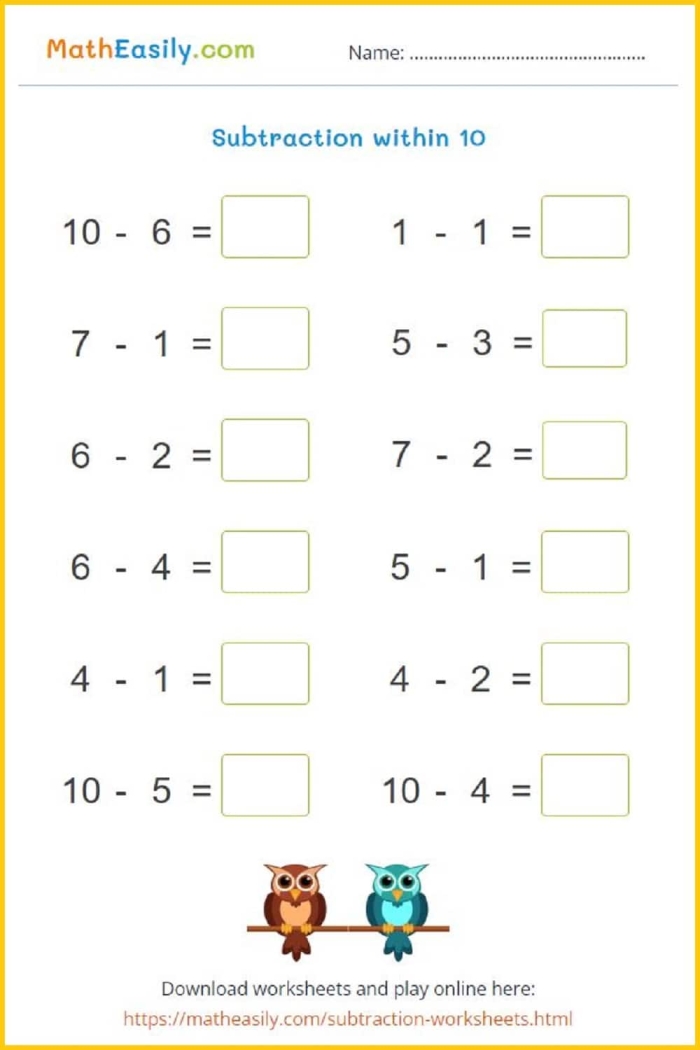
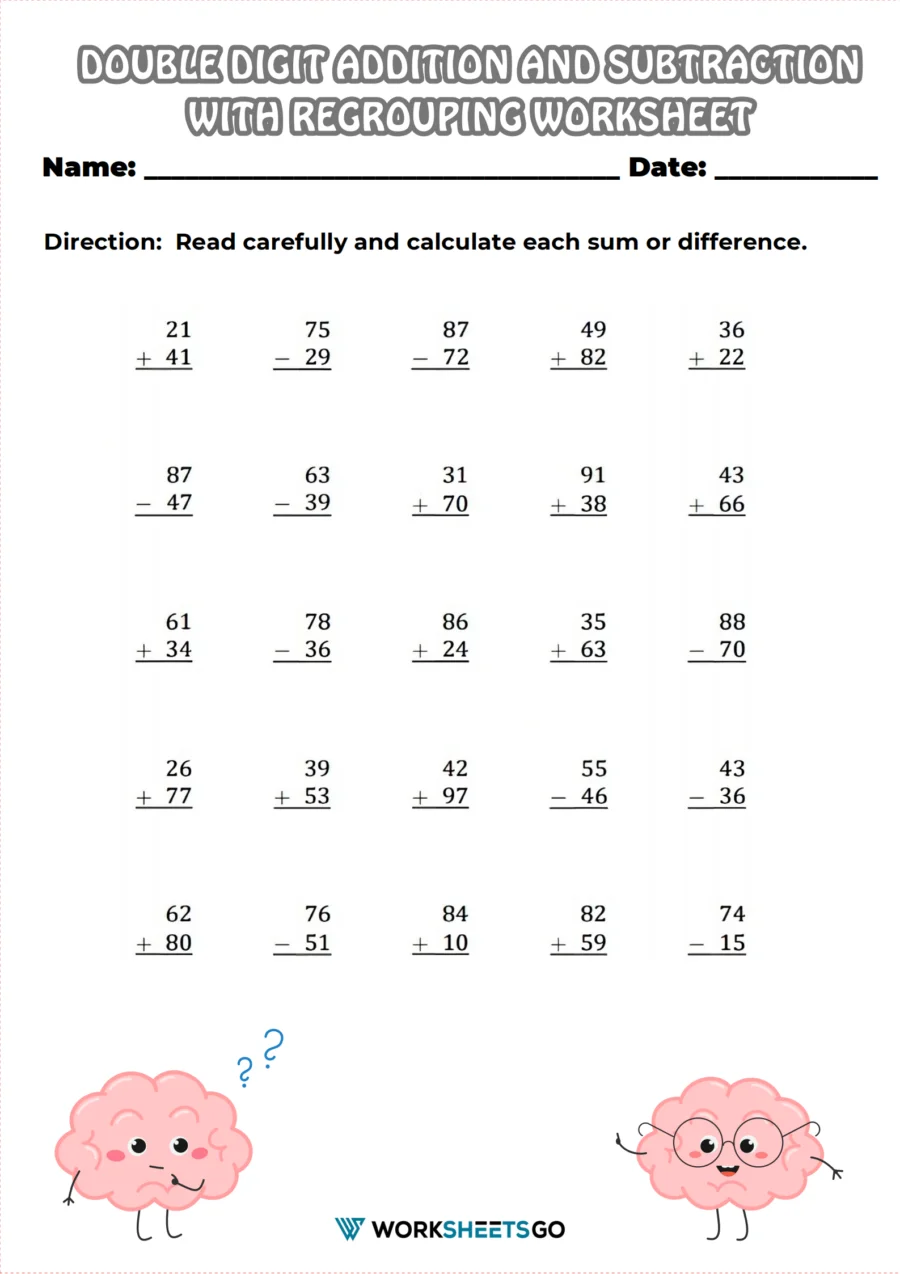
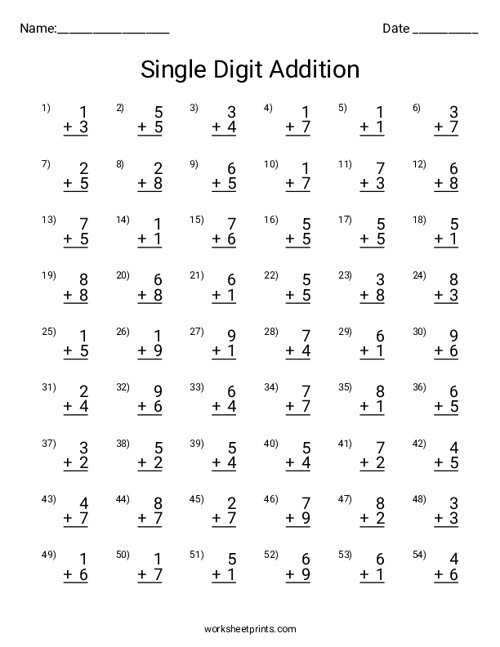
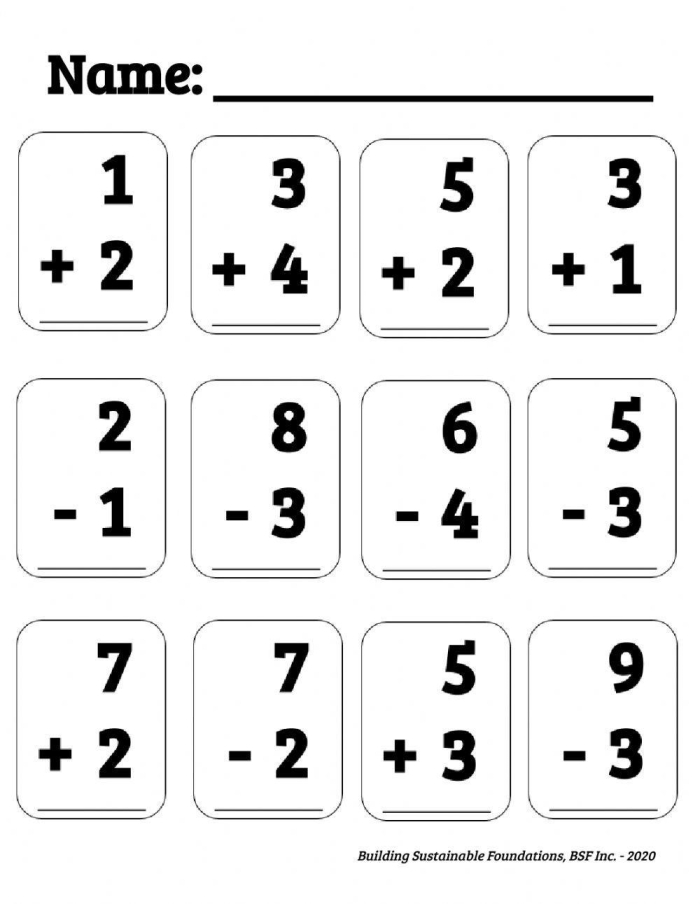
When first graders sit down to tackle 20 addition and subtraction problems, they’re doing more than just solving math facts within 20. They’re building the mental foundation that makes all future math learning possible. This worksheet serves as both a teaching tool and a diagnostic snapshot of where each learner stands.
The structure of 20 problems is deliberate. It’s enough to reveal patterns in a child’s thinking without overwhelming them or eating up an entire class period. Some problems will feel automatic to students who’ve already internalized their facts, while others will require them to count on their fingers, use manipulatives, or think through the relationship between addition and subtraction. That variation is exactly what makes this format valuable for teachers.
What makes this worksheet engaging rather than just another drill sheet is how the problems can be presented. First graders respond better when they see context, pictures, or story elements alongside the bare numbers. A problem like “5 + 3” becomes more interesting when it’s paired with an image of apples or blocks. The visual anchor helps struggling learners access the problem while keeping faster learners from getting bored.
As first graders work through these 20 problems, they’re also practicing sustained focus and building confidence with written math. This connects naturally to other first-grade writing activities. Just as students learn to express ideas through journal writing or opinion writing, they’re learning to express mathematical thinking on paper.
The real benefit emerges when teachers review the completed worksheets. Patterns emerge quickly. Which facts do most students know? Which ones trip up multiple learners? Are certain students confusing addition with subtraction? These answers guide the next day’s instruction and small group work, making this worksheet far more useful than a simple grade in the gradebook.
Worksheet Practice Section