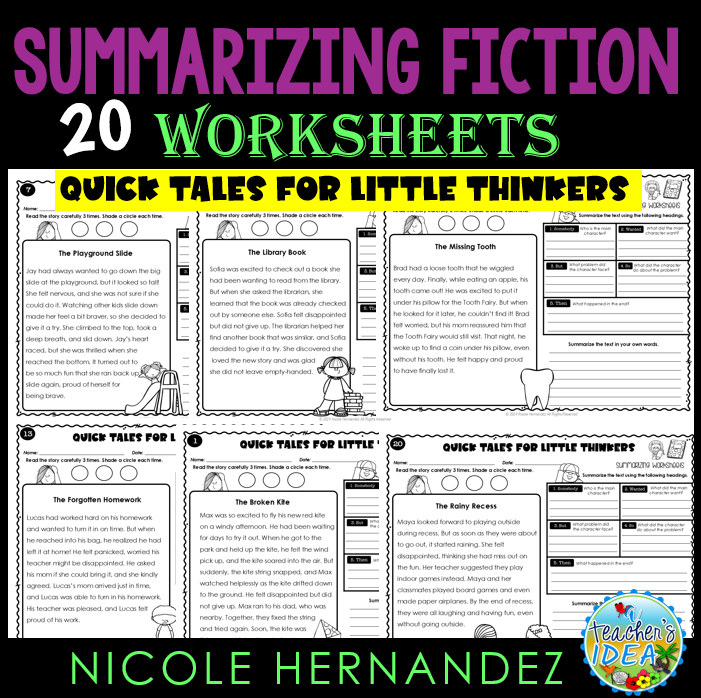
Learning to summarize stories is an essential skill for fourth-grade students. One effective method for crafting a simple fiction summary is the Somebody-Wanted-But-So-Then structure. This straightforward approach helps young learners break down a text into manageable parts, making it easier to understand and remember.
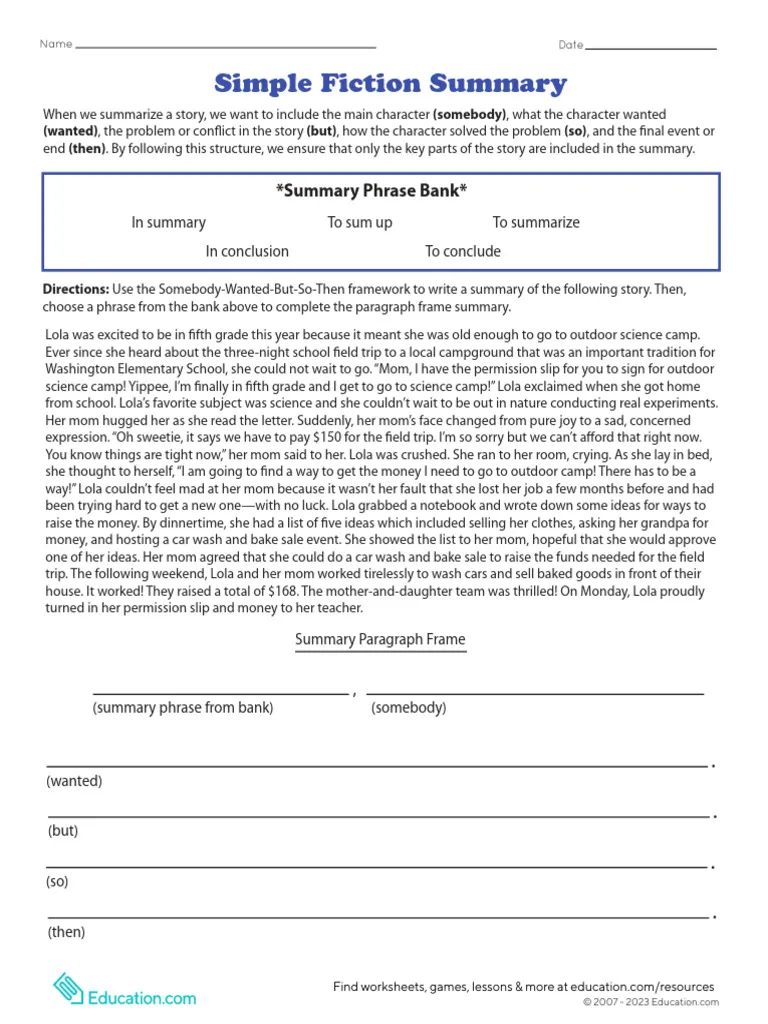
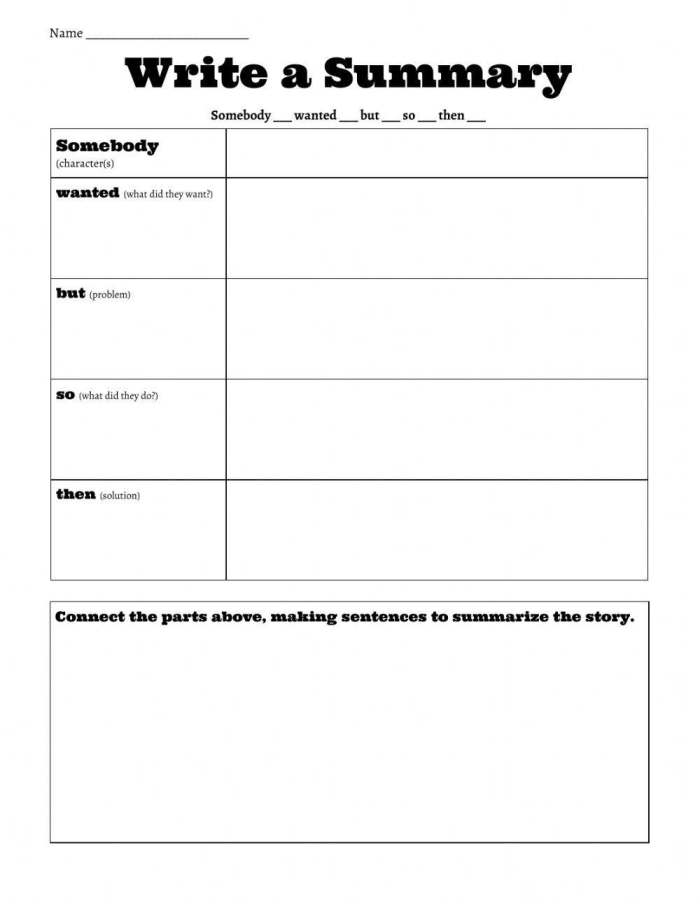
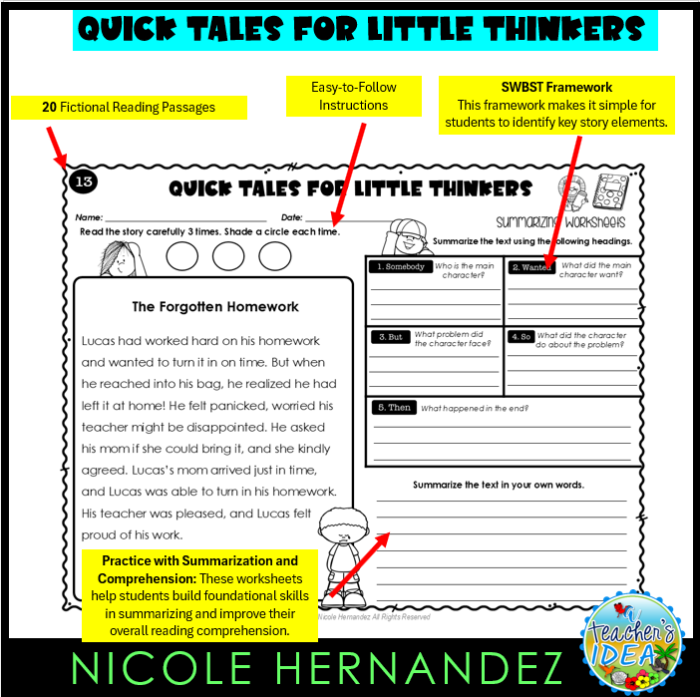
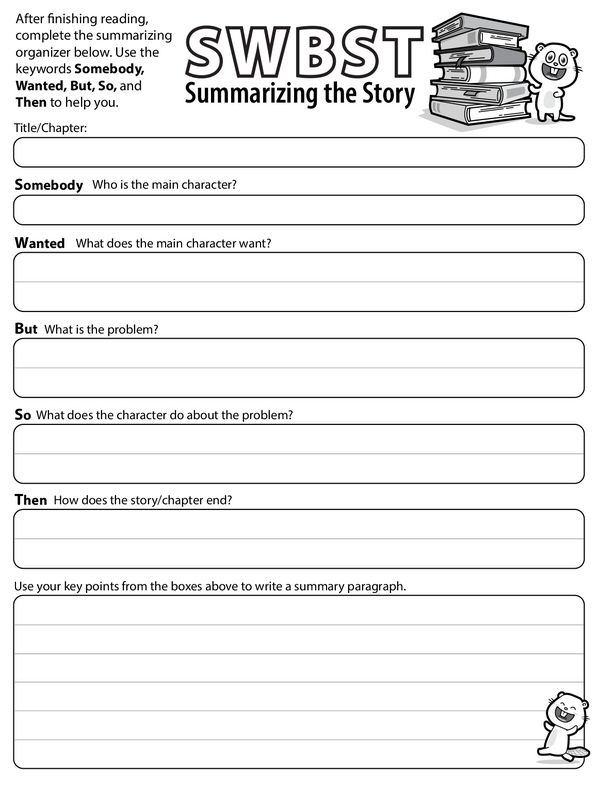
To begin, students identify the “Somebody,” which refers to the main character in the story. Next, they pinpoint what that character “Wanted,” or their goal. This initial step gives students a clear focus on who the story revolves around and what drives the plot forward. For example, in a story about a girl who dreams of becoming a famous artist, the “Somebody” is the girl, and her “Wanted” is to achieve recognition for her artistic talents.
The next part of the structure, “But,” introduces the obstacles the character faces. This is crucial because it highlights the conflict that propels the story. In our example, the girl may encounter challenges such as self-doubt or criticism from others. By articulating these difficulties, students learn to appreciate the tension within the narrative.
Then comes the “So,” which describes what the character does to overcome these challenges. This part encourages students to think critically about the character’s actions and decisions. Finally, the “Then” reveals the outcome or resolution of the story. This entire process not only enhances comprehension but also fosters creativity as students reflect on how the elements of the story interconnect.
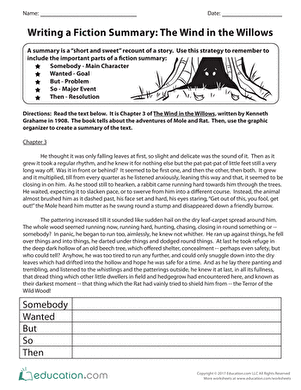
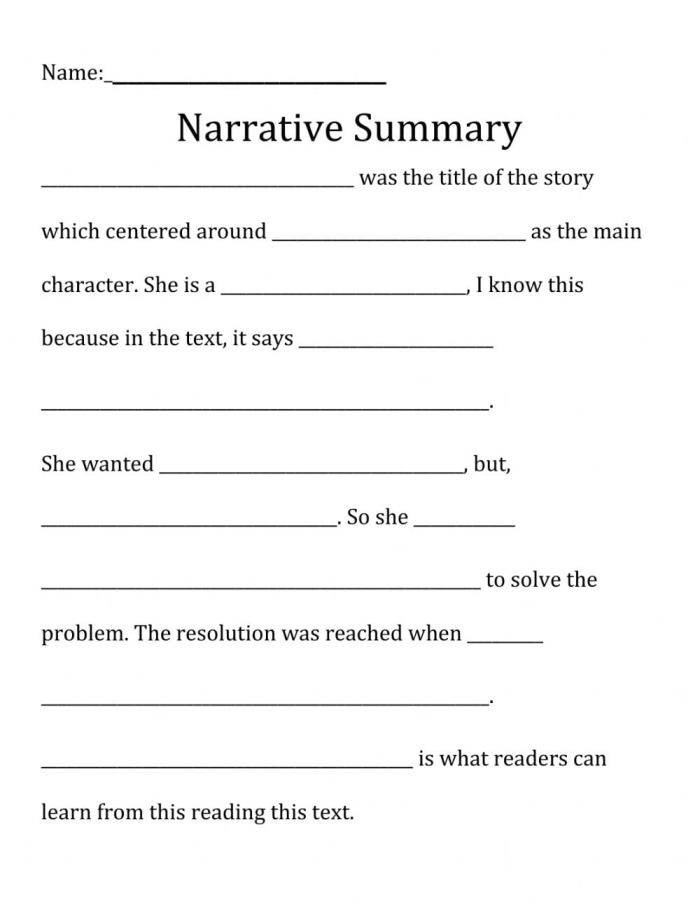
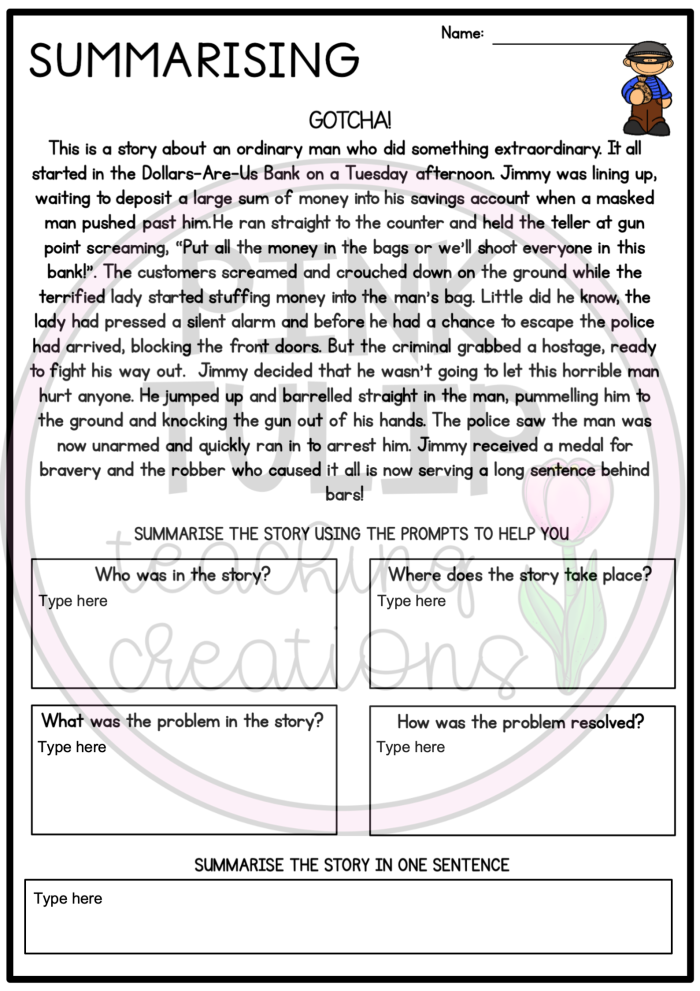
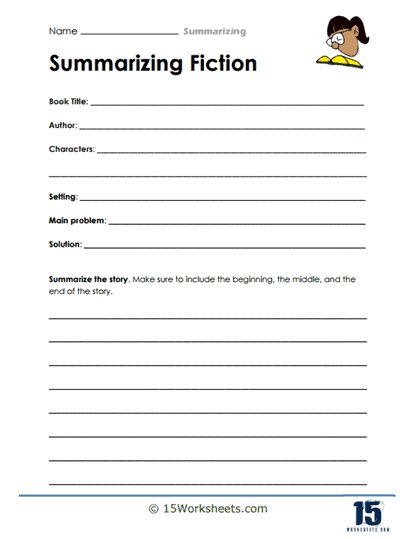
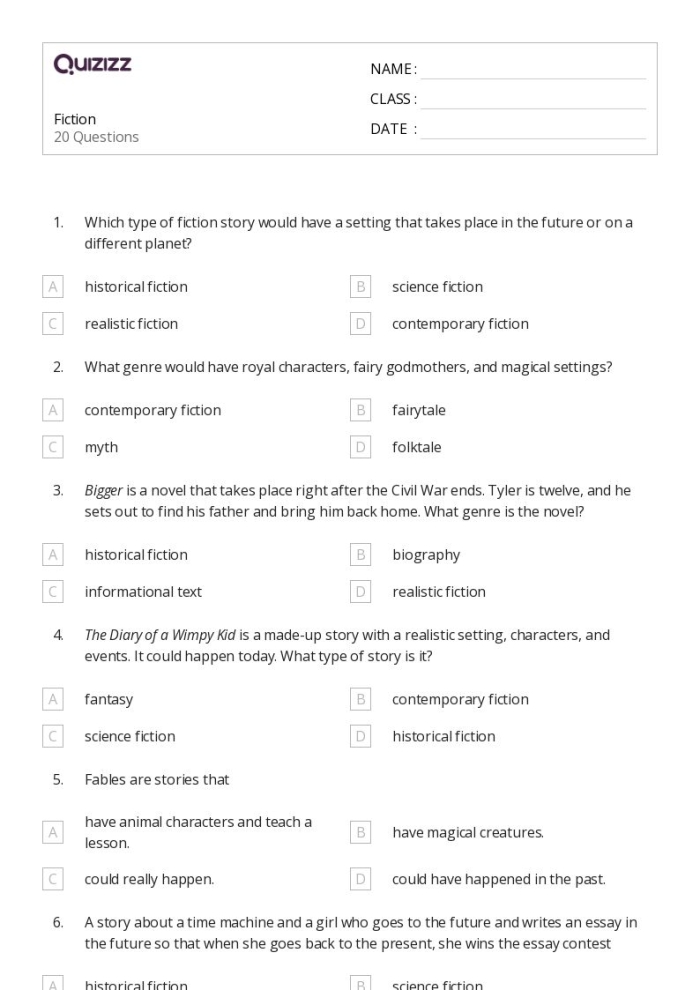
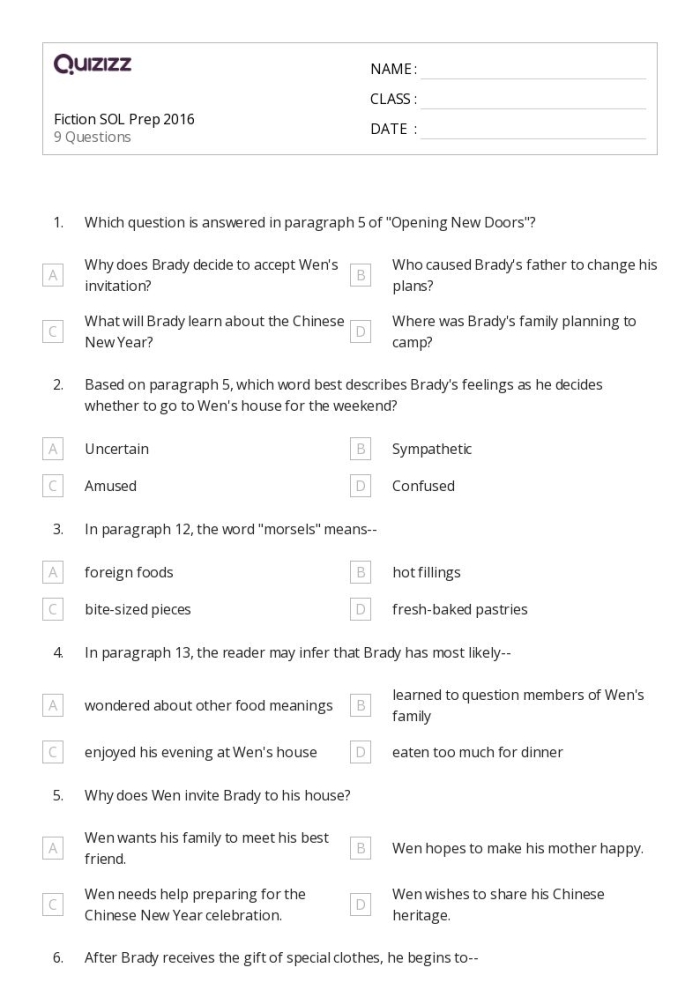
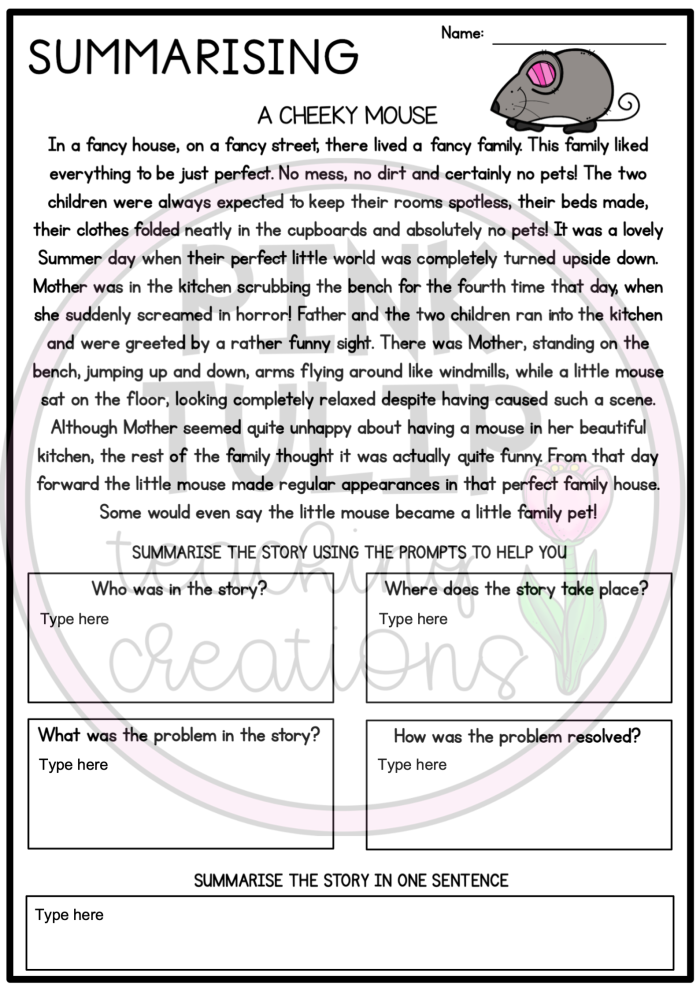
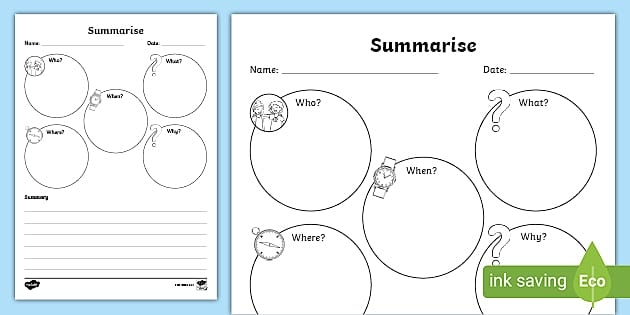
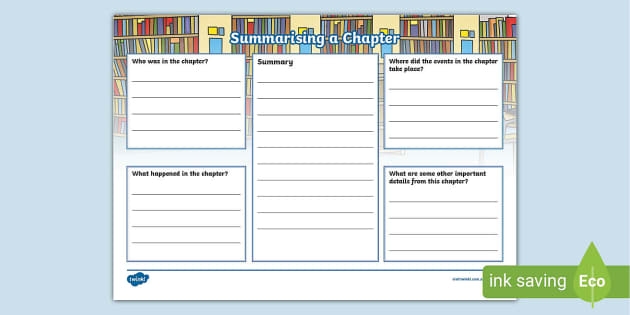
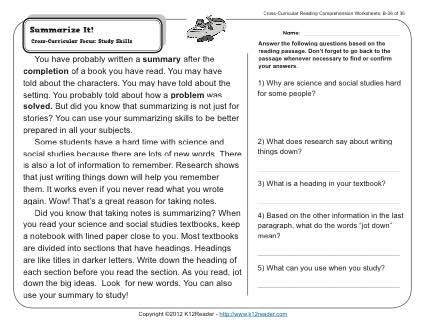
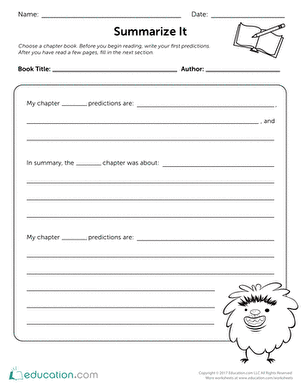
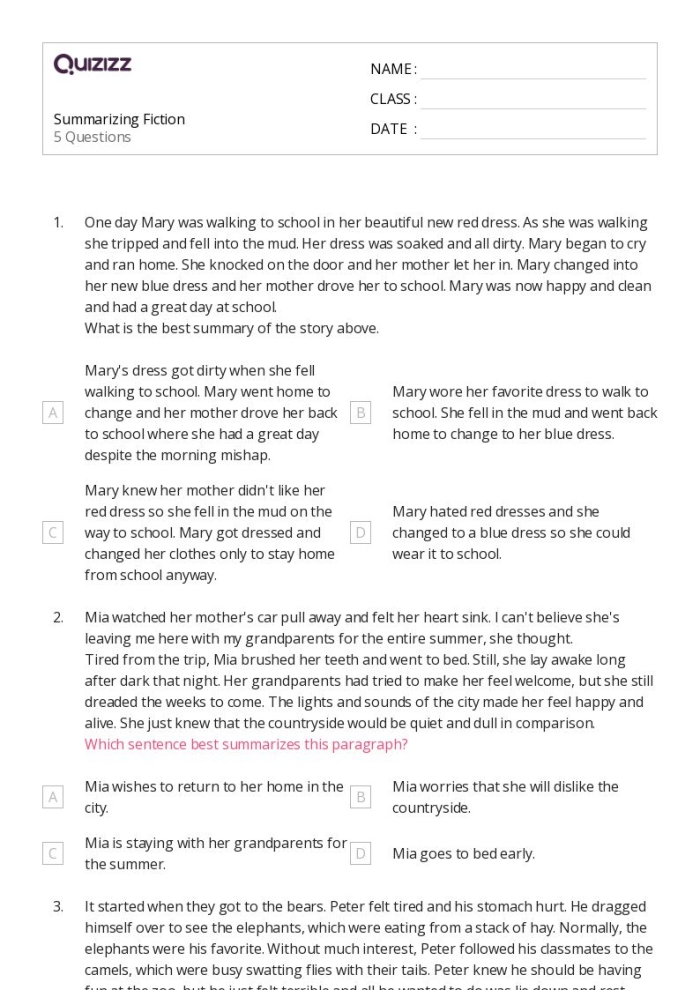
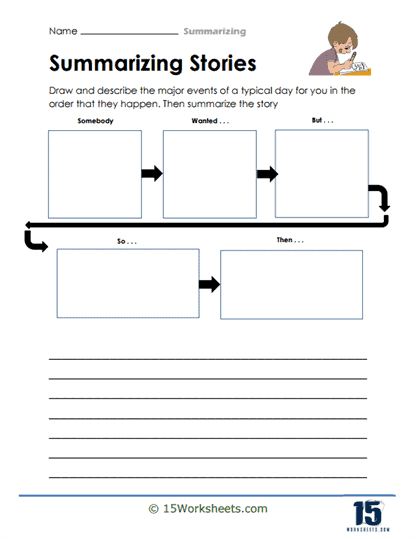
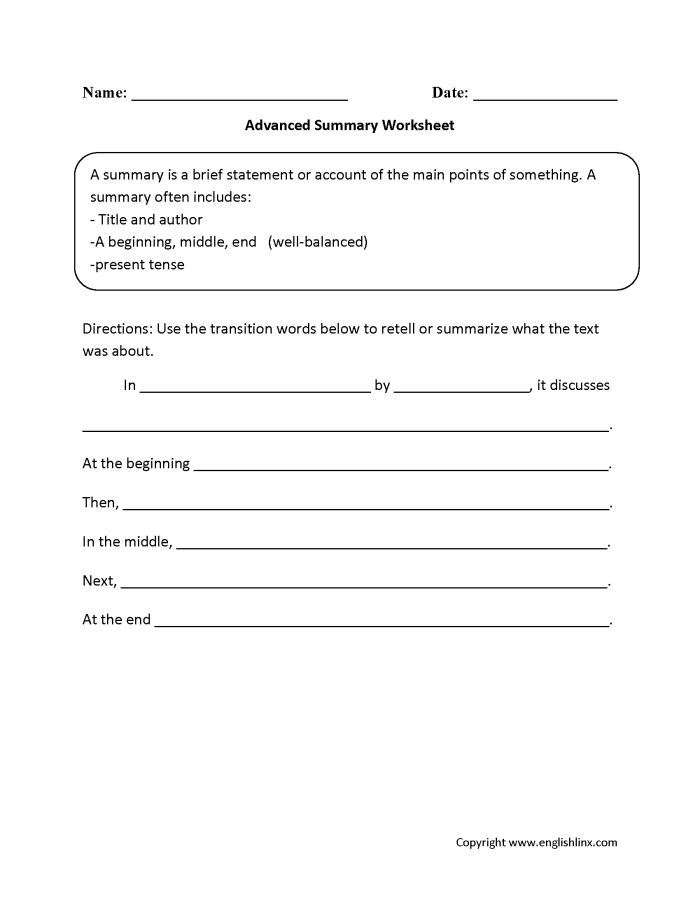
Utilizing printable simple fiction summary worksheets can support students as they practice this method. Worksheets allow them to organize their thoughts and visualize the structure clearly. Resources like the Shifting Points of View worksheets or the Underground Railroad worksheets can be beneficial in developing these summarization skills.
Overall, the Somebody-Wanted-But-So-Then framework empowers fourth graders to condense complex narratives into simple, concise summaries. By mastering this technique, students gain confidence in their reading and writing abilities, paving the way for future literary analysis.
Download These Worksheets for Practice