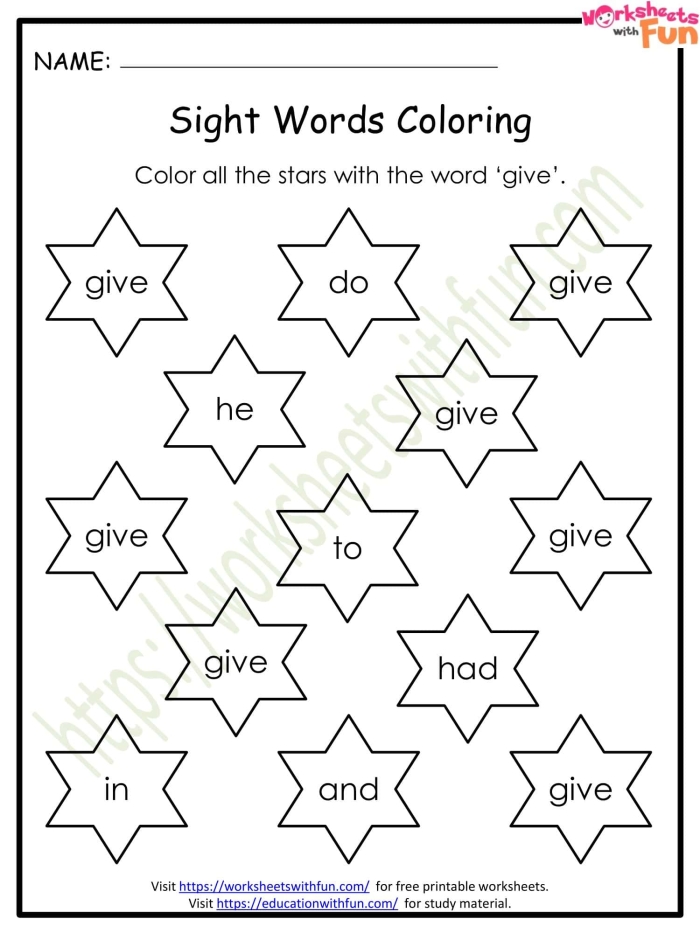
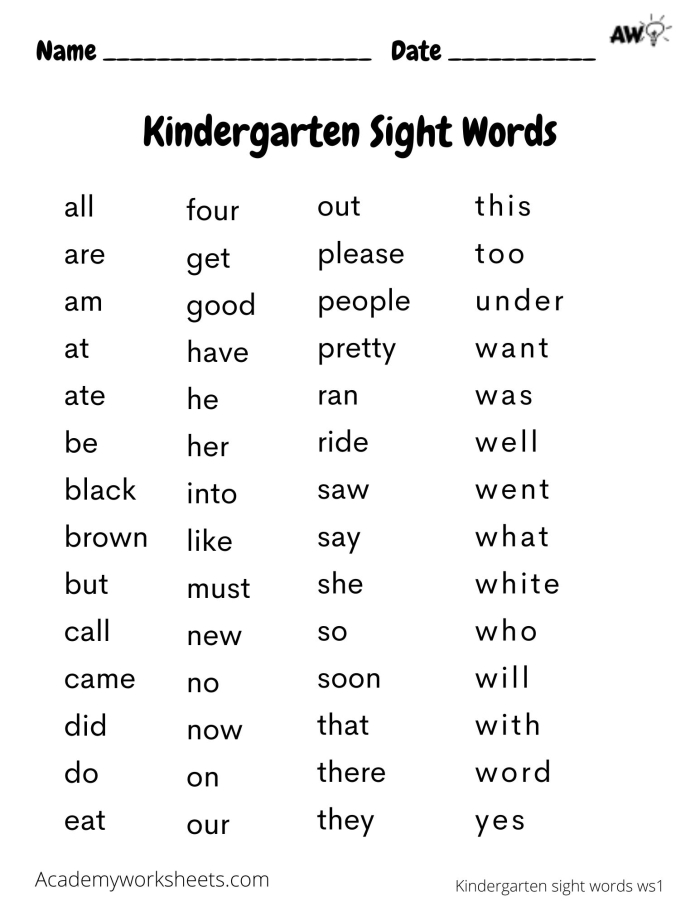
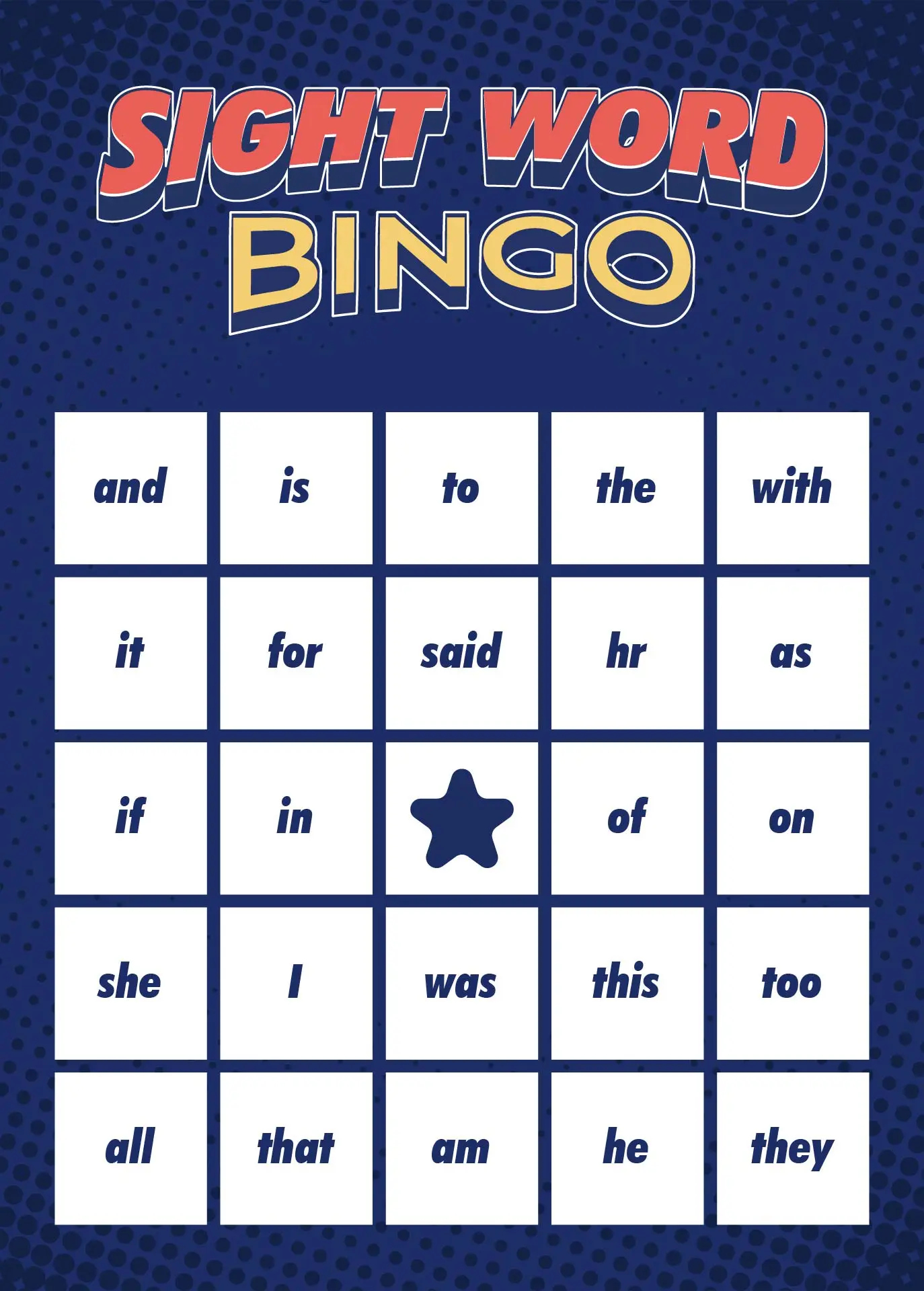
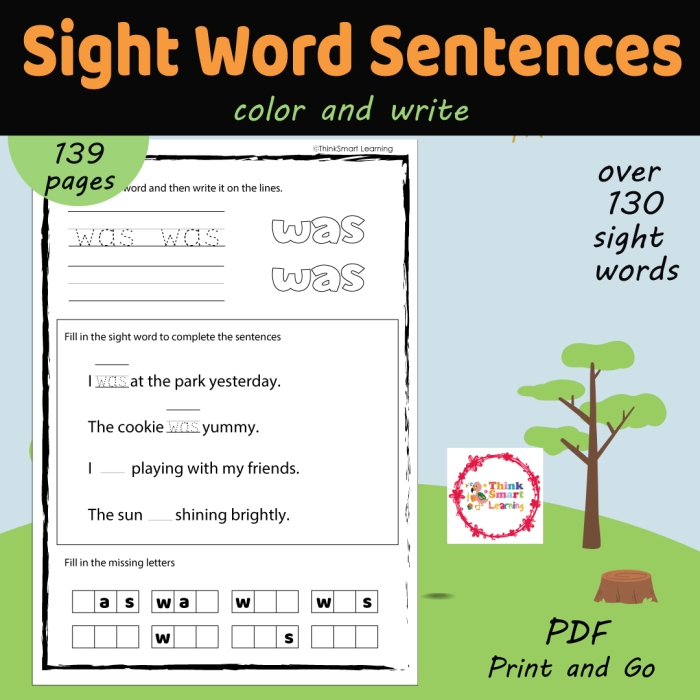
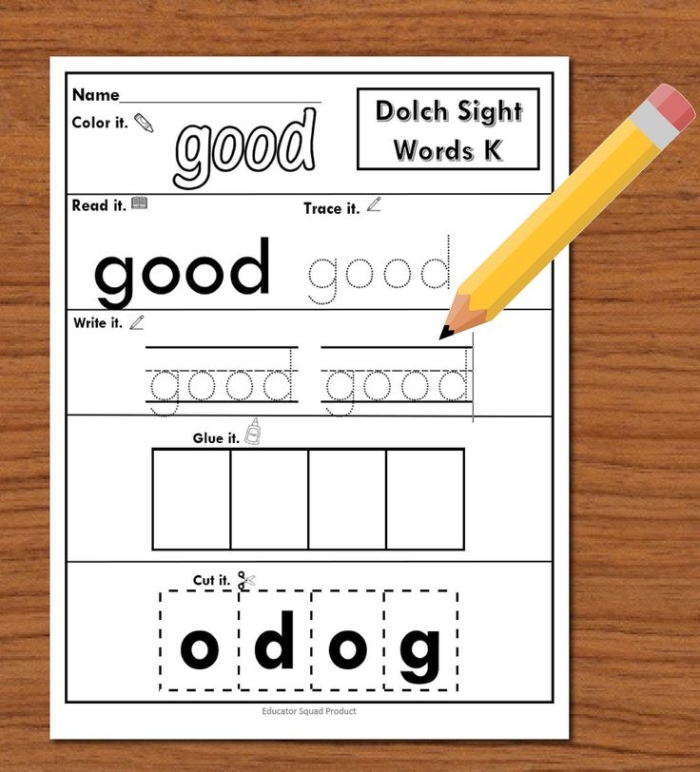
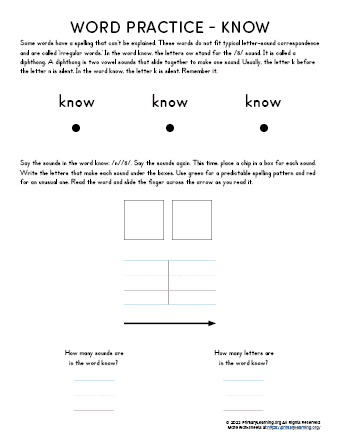
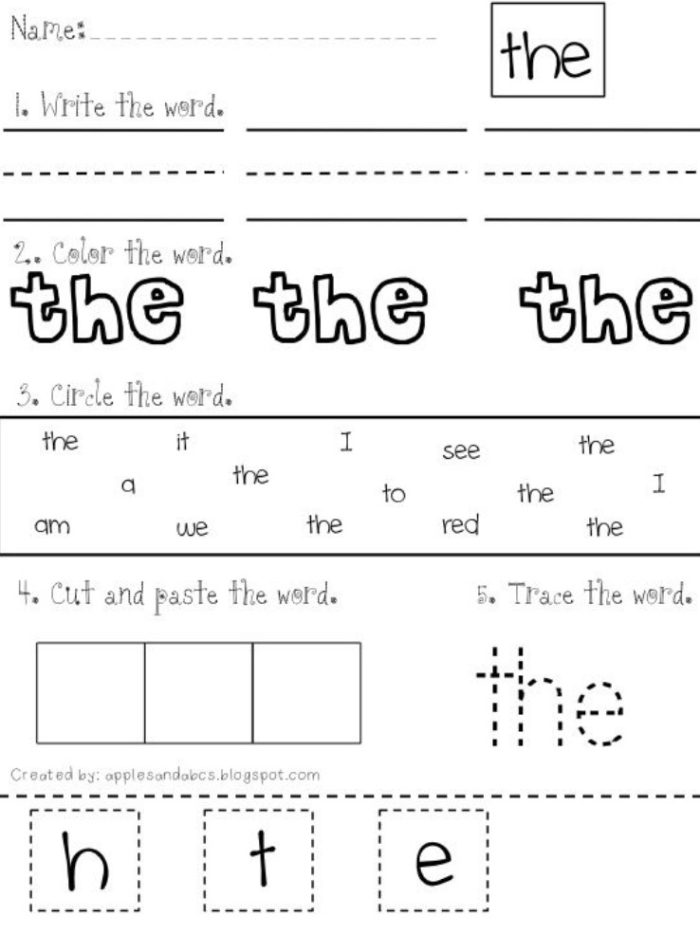
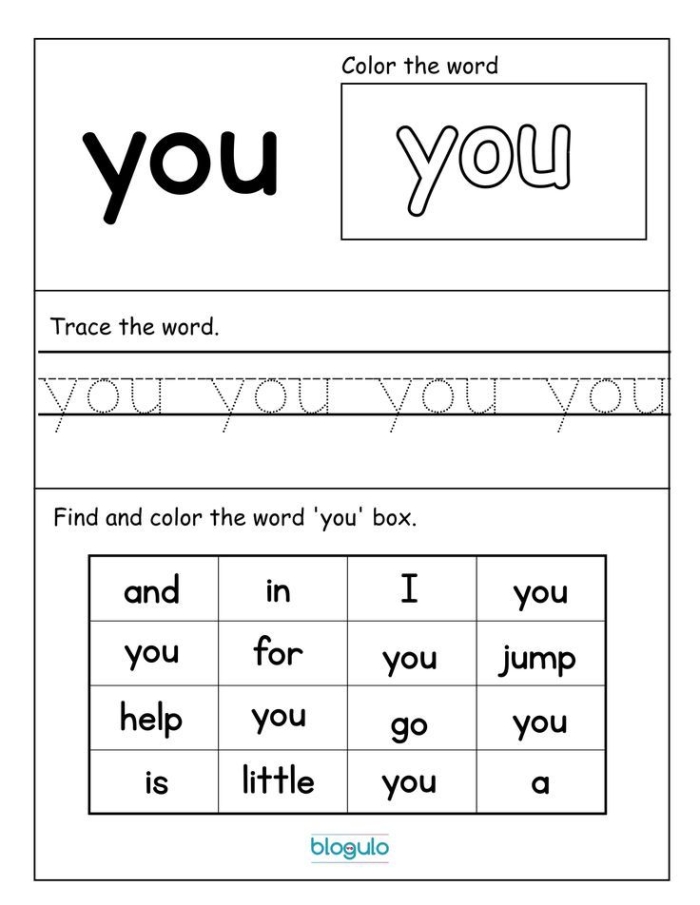
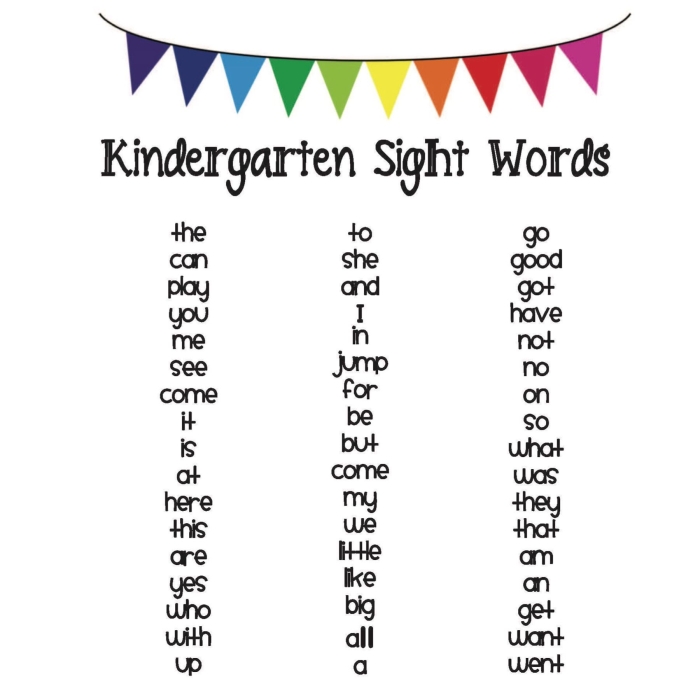
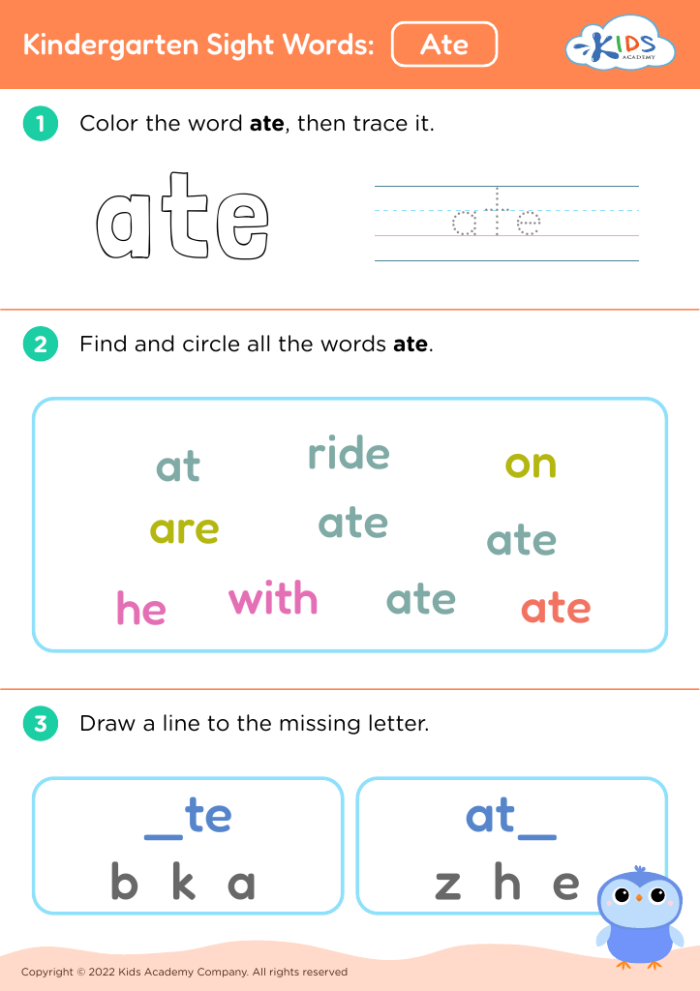
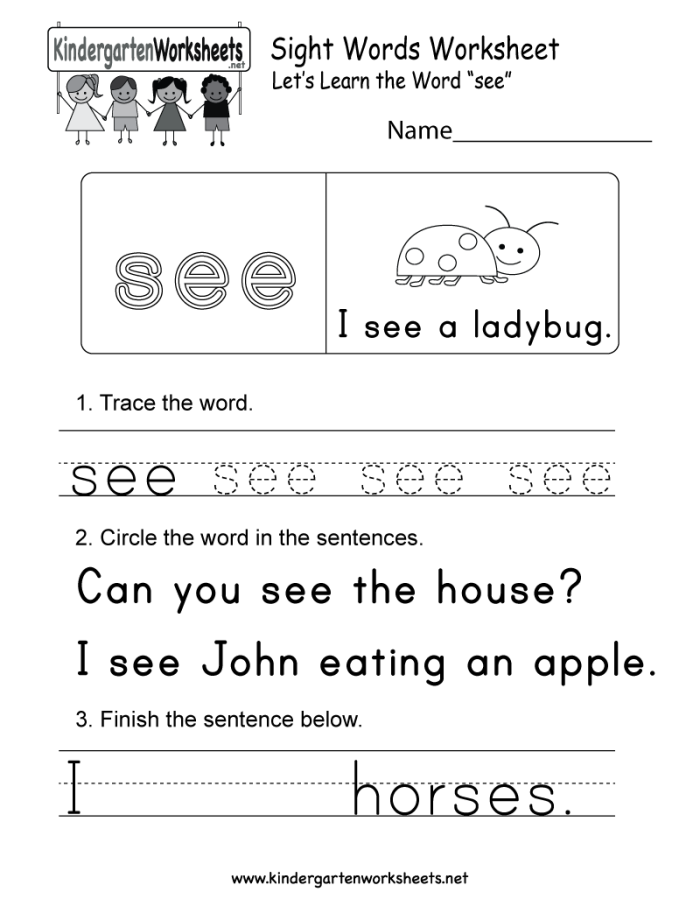
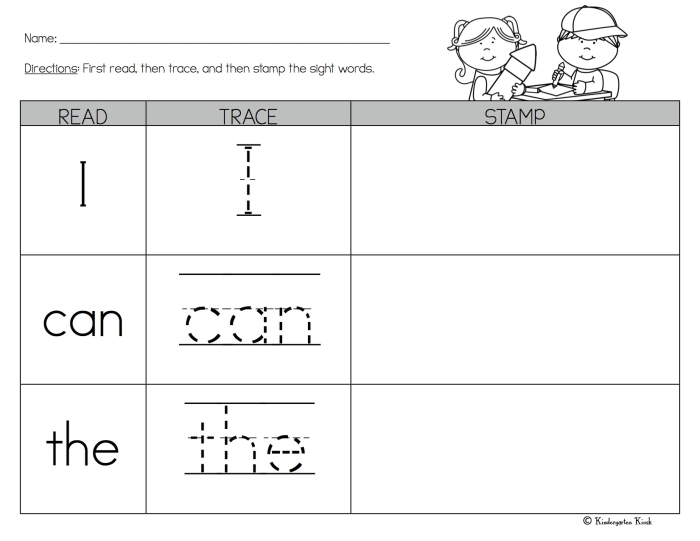
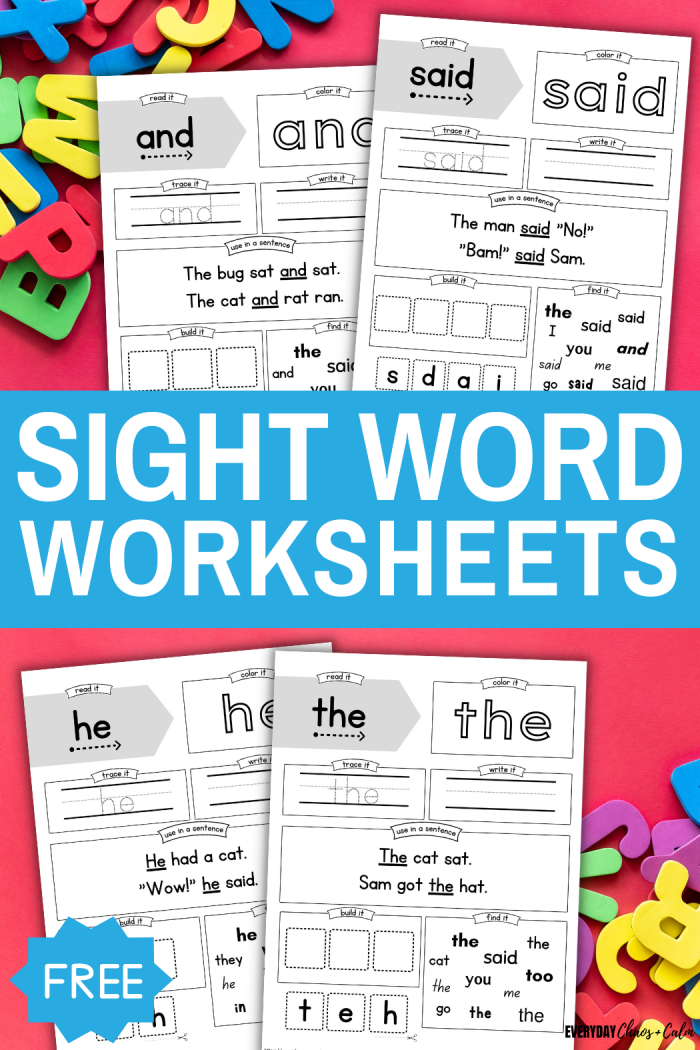
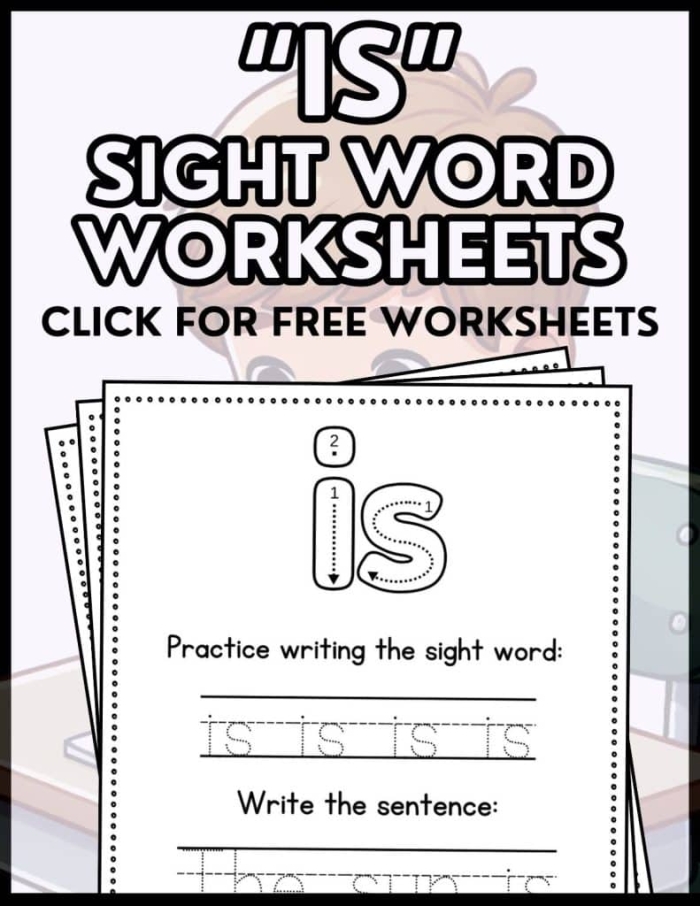
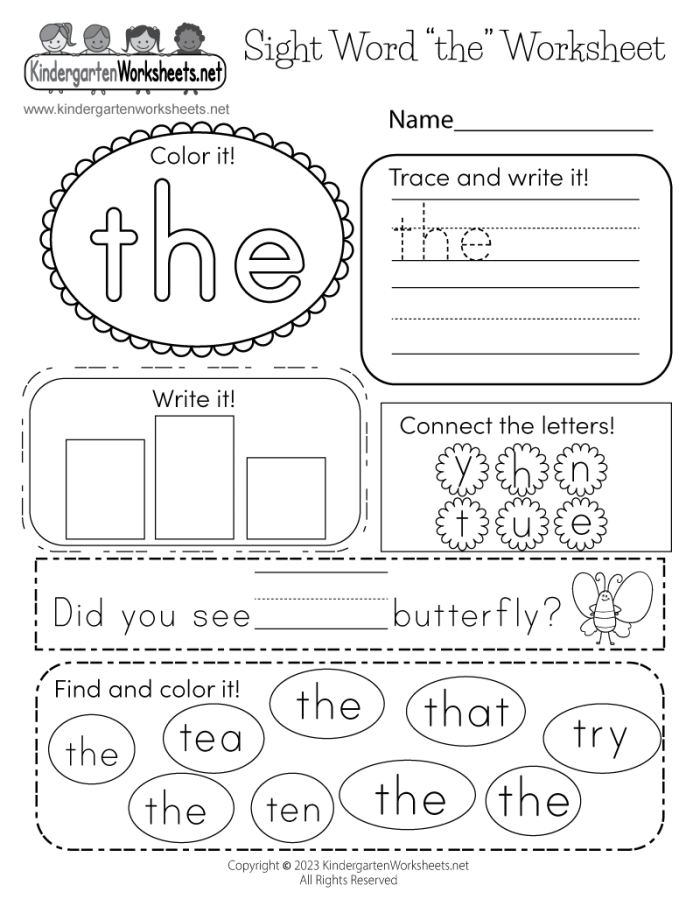
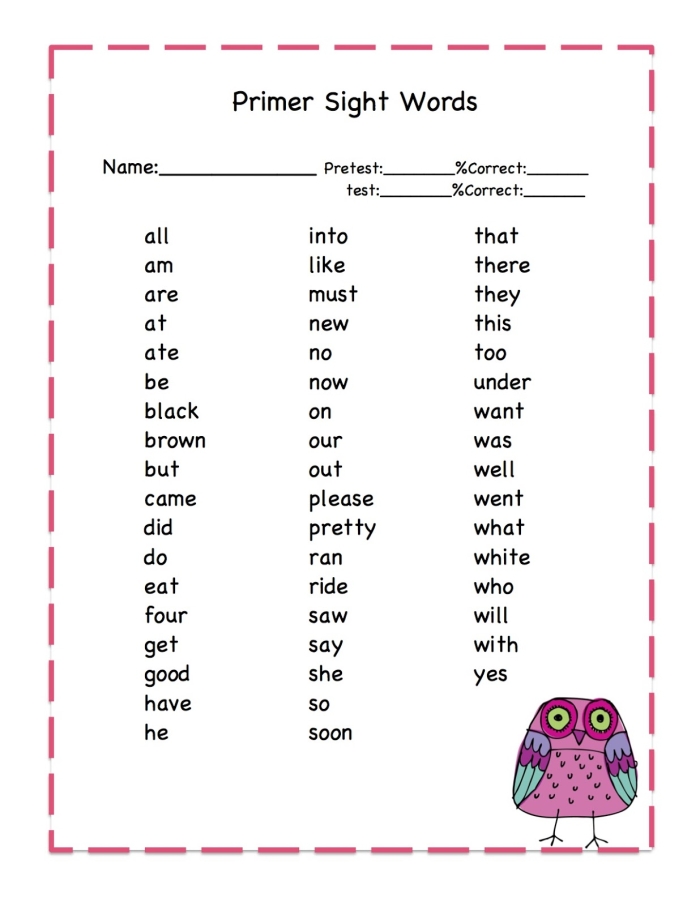
Watching a Pre-K student recognize their first sight word is genuinely exciting. That moment when they point at a word and say it aloud, without sounding it out letter by letter, marks a real shift in their reading development. A sight word worksheet designed around words students already know taps directly into that natural enthusiasm and builds momentum.
The power of this approach lies in starting with what learners have already absorbed. Rather than introducing entirely new vocabulary, you’re asking students to identify and celebrate words they’ve been picking up through daily exposure. This creates immediate success and confidence. When children see words they recognize, they feel like readers. That feeling matters far more than any single worksheet.
In Pre-K classrooms, sight word practice works best when it connects to activities students already enjoy. Pairing word recognition with counting activities or shape sorting exercises keeps engagement high while reinforcing multiple skills at once. Young learners benefit from this layered approach because it mirrors how they naturally learn.
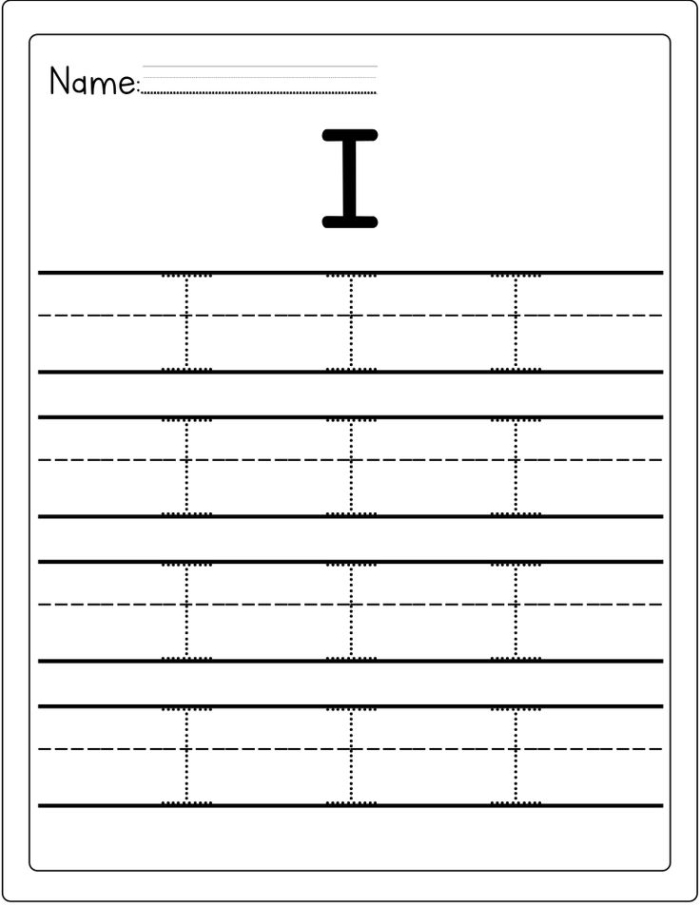
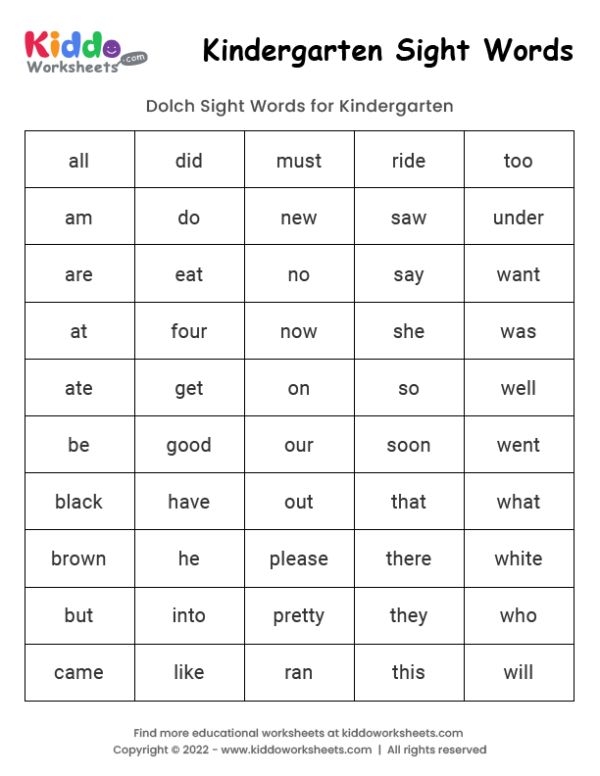
The worksheet itself becomes a tracking tool and achievement record. As students add new words to their personal list of known sight words, they’re building a tangible record of progress. This visual representation of growth motivates continued effort. Some teachers use these lists alongside letter tracing practice or alphabet activities to create a comprehensive literacy foundation.
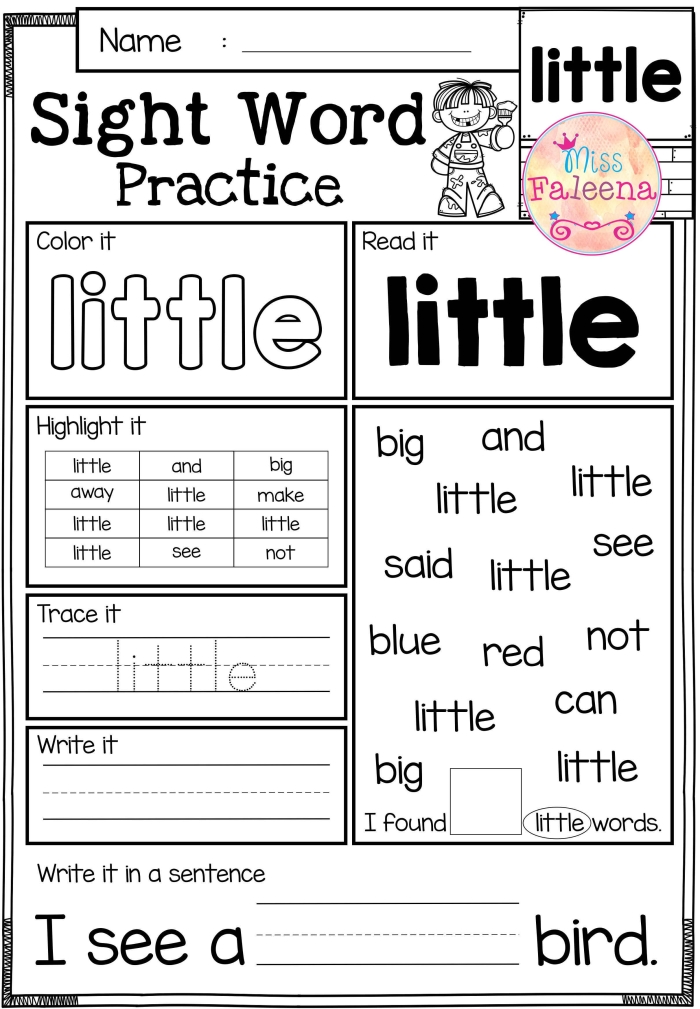
The key is making the experience feel like discovery rather than drill. When students choose which words to highlight or circle, when they get to decorate their list, when they share their growing collection with classmates, the worksheet transforms from a practice tool into a celebration of their emerging reading abilities.
Boost Skills with These Worksheets