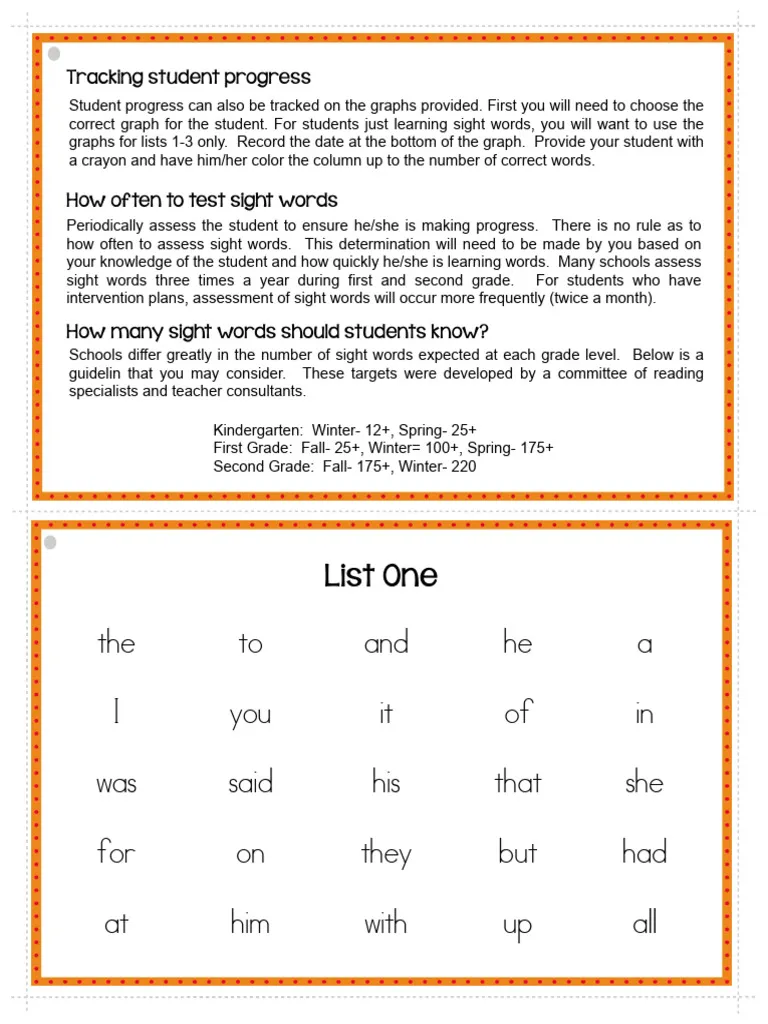
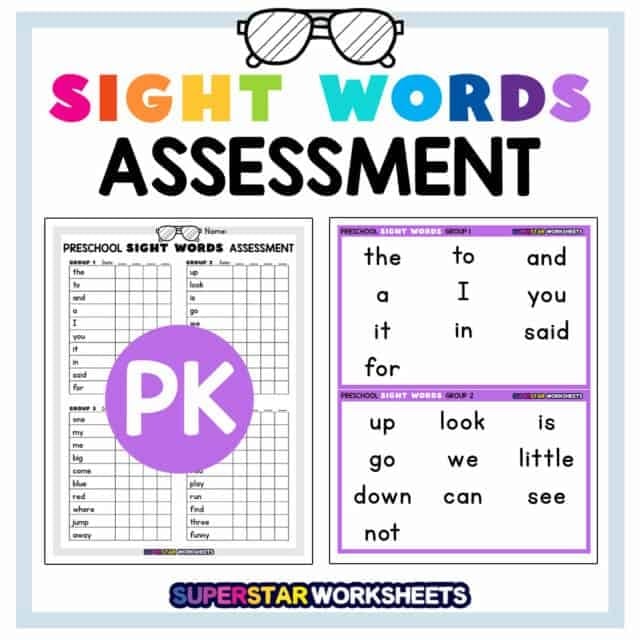
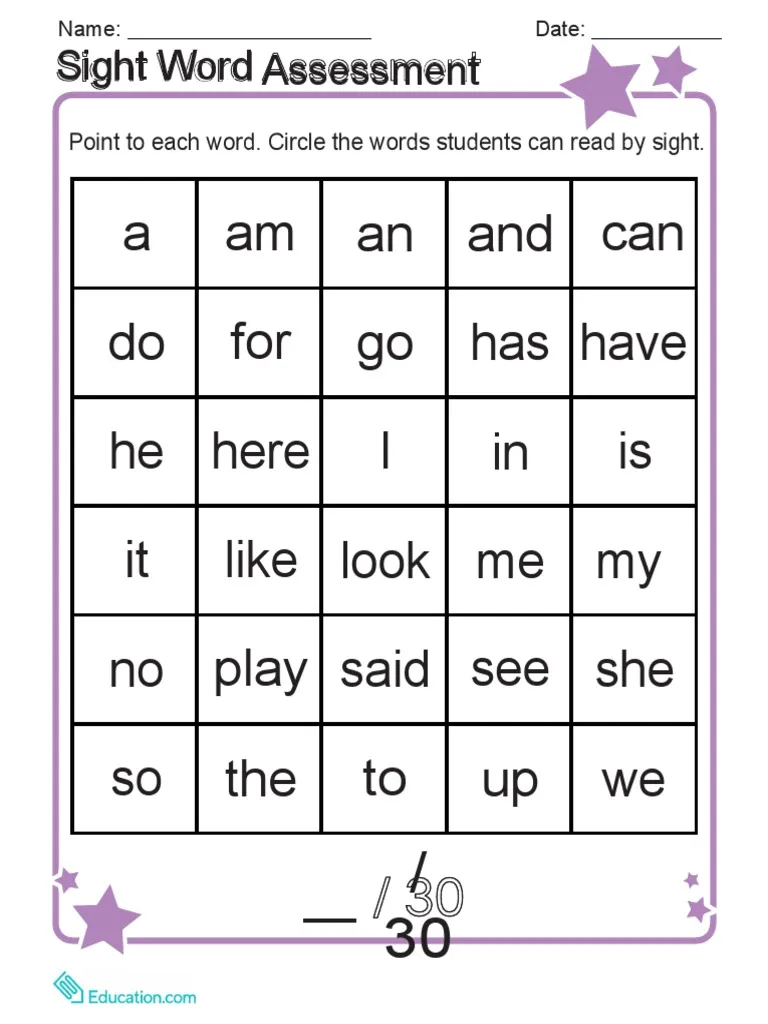
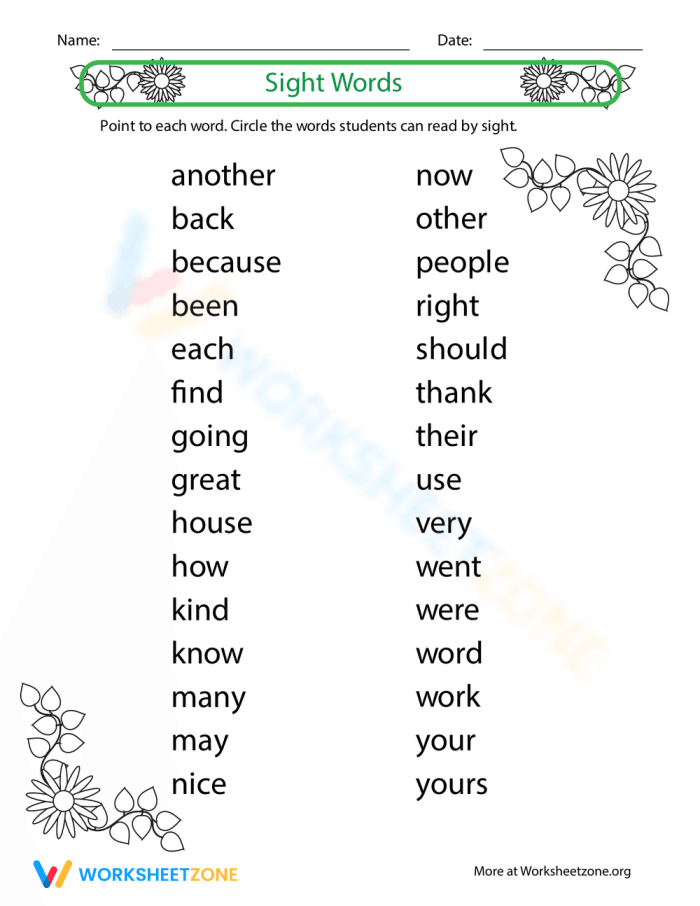
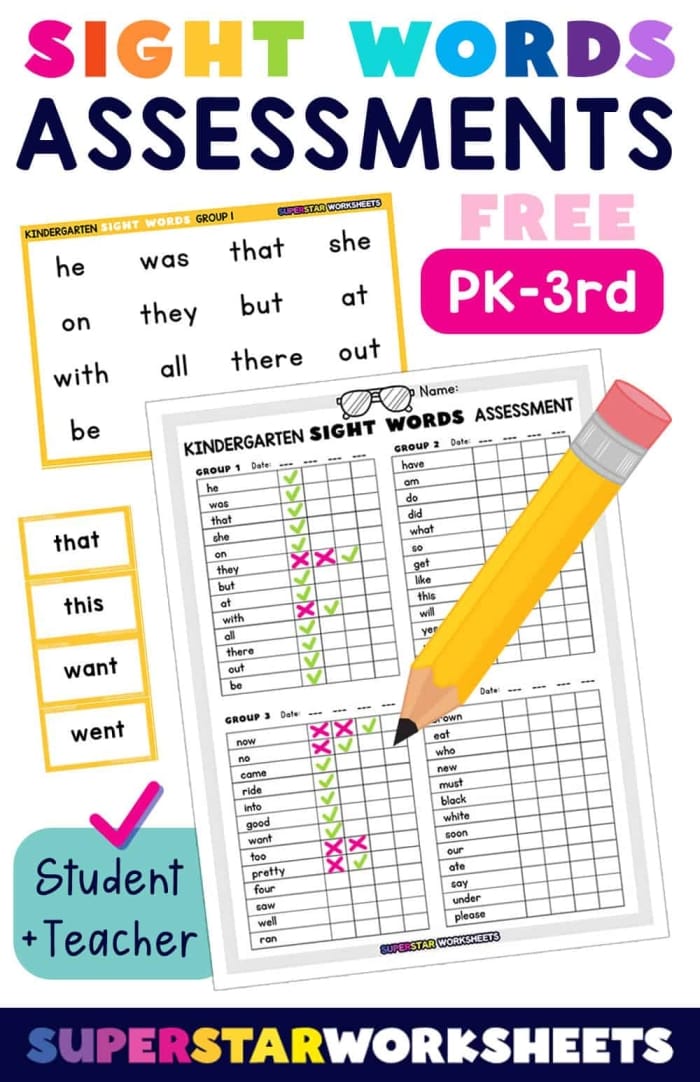
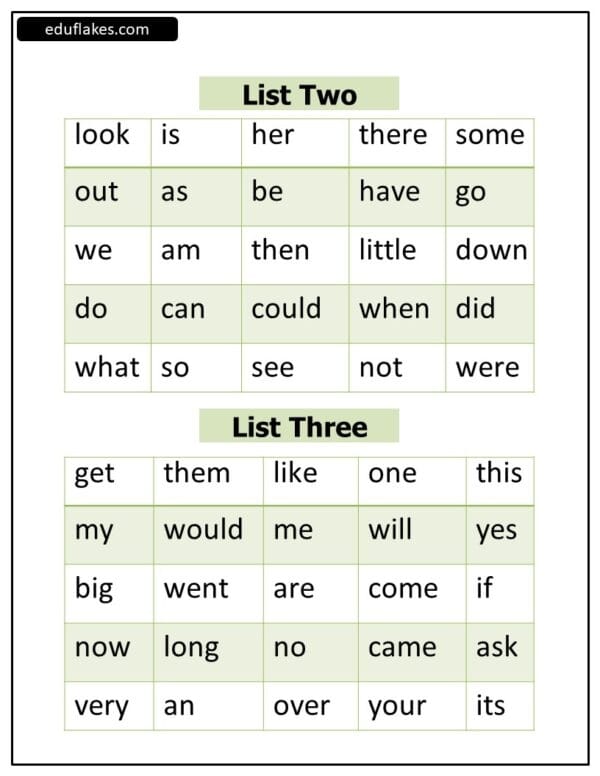
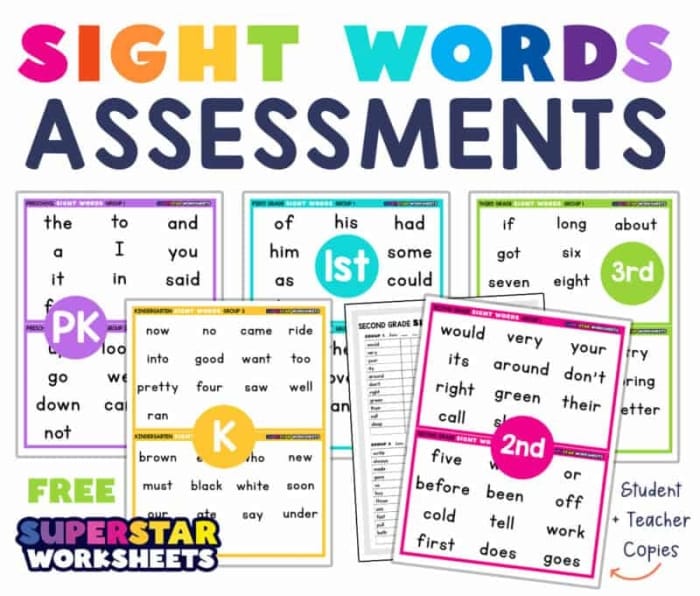
Knowing which sight words your kindergarten students can recognize instantly makes the difference between confident readers and frustrated ones. A quick assessment cuts through the guesswork and shows you exactly where each child stands, so you can target instruction where it matters most.
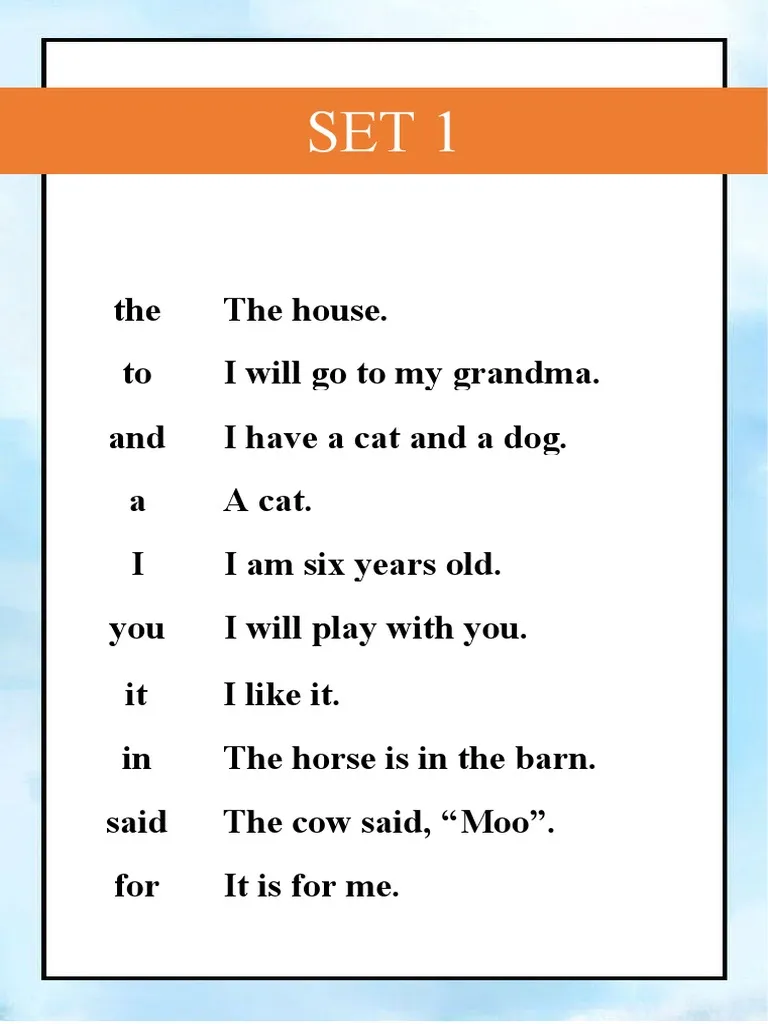
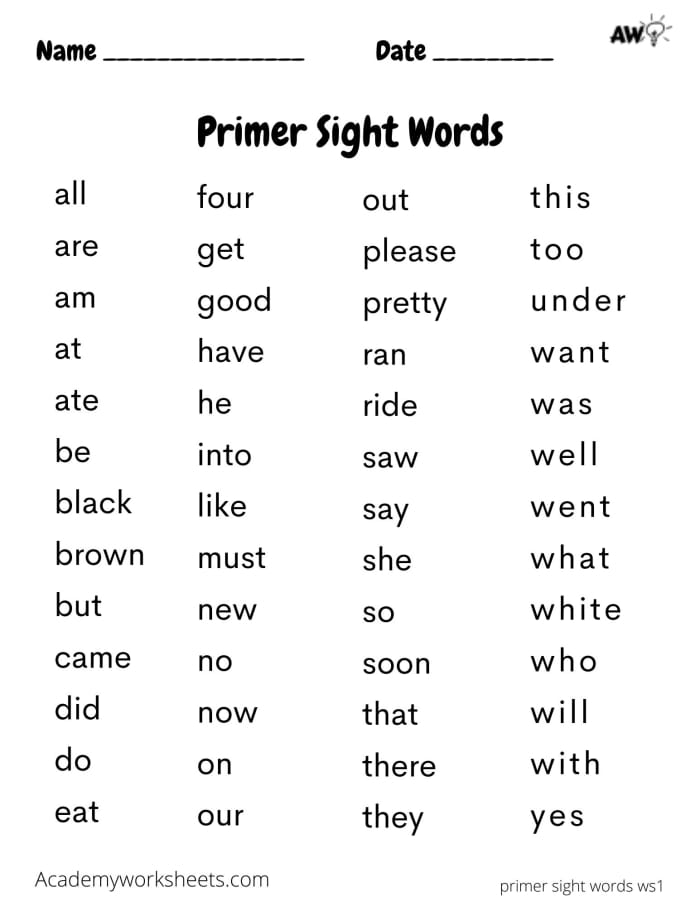
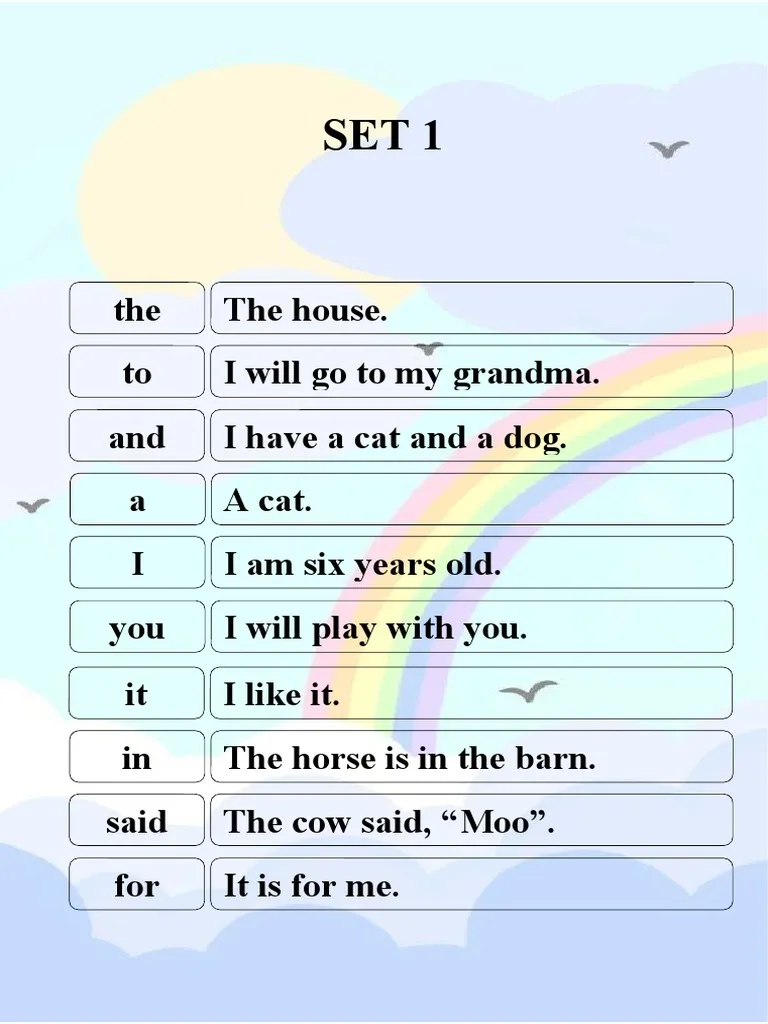
Sight words are the high-frequency words that appear constantly in early reading materials, words like “the,” “and,” “is,” and “to.” Unlike phonetically regular words, sight words must be memorized because their pronunciation doesn’t follow standard rules. Kindergarten teachers face the challenge of introducing these words while managing a classroom of learners at different starting points. Without a clear picture of who knows what, you end up either drilling words students already recognize or moving ahead before they’re ready.
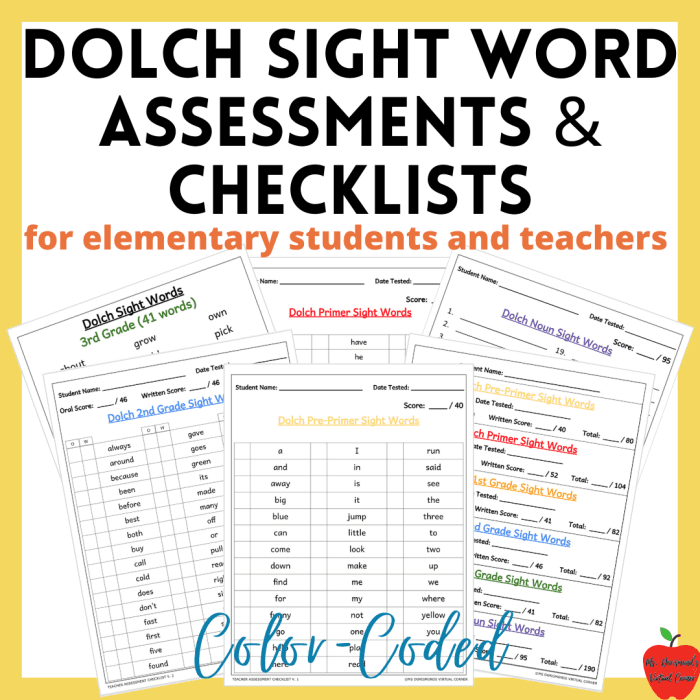
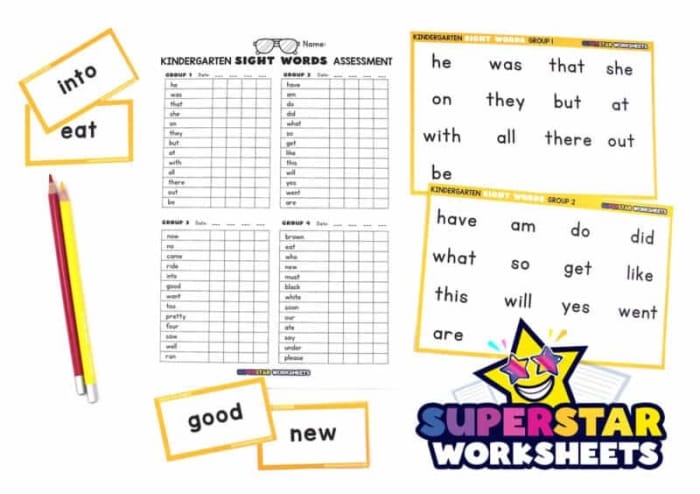
A focused assessment tool gives you that clarity quickly. Rather than spending weeks observing informally, a structured approach lets you see patterns across your entire class in one sitting. You can identify which students need more exposure to basic sight words and which ones are ready to tackle longer word lists. This data becomes your roadmap for small group work and individual practice.
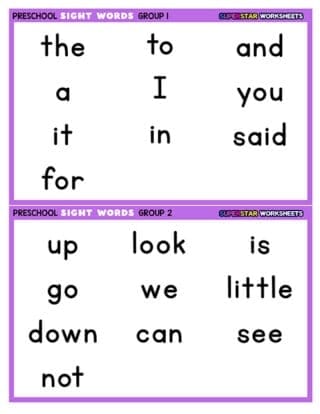
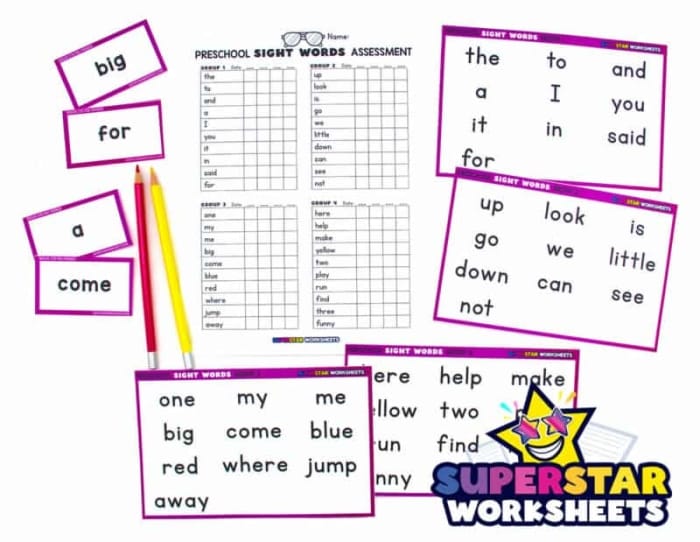
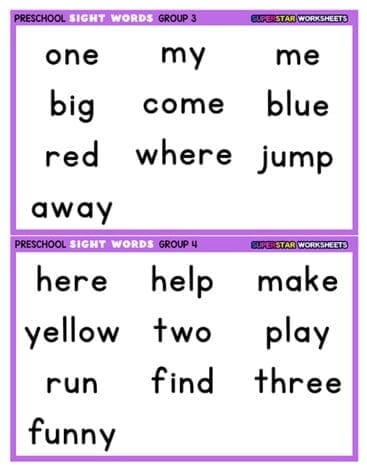
The best assessments feel low-pressure. When kindergarteners sense they’re being tested, anxiety can mask what they actually know. A casual presentation, where you simply show words and ask students to read them aloud, works better than formal testing conditions. You might use vocabulary cards to keep things interactive and engaging.
Once you’ve completed your sight word assessment, you’ll know exactly which words to emphasize in your daily lessons. You can group students strategically and choose materials that match their level. The result is more efficient instruction and faster progress for your whole class.
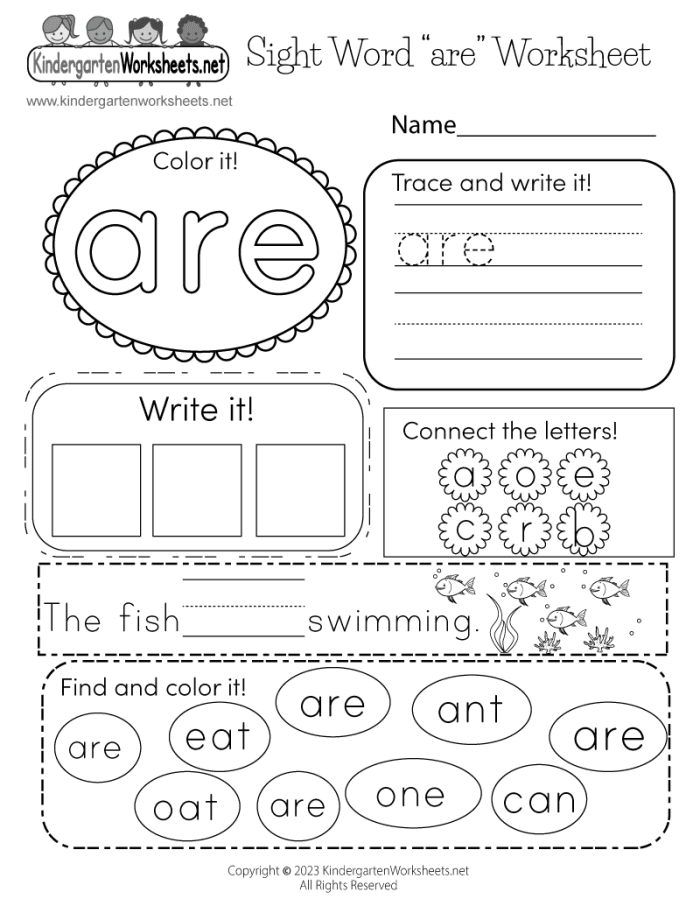
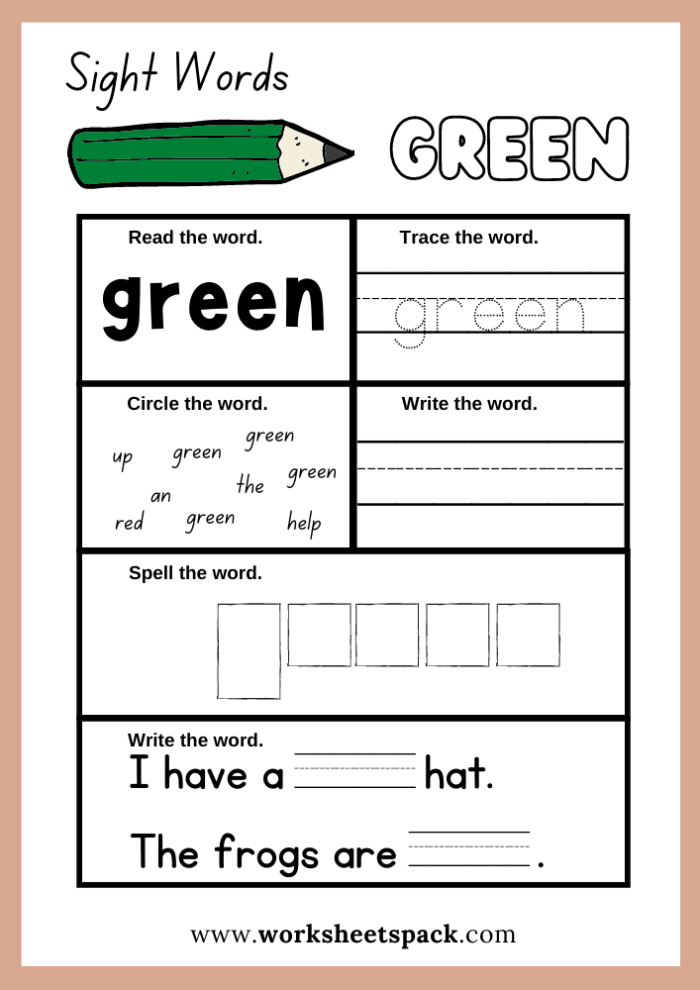
Use These Worksheets Today