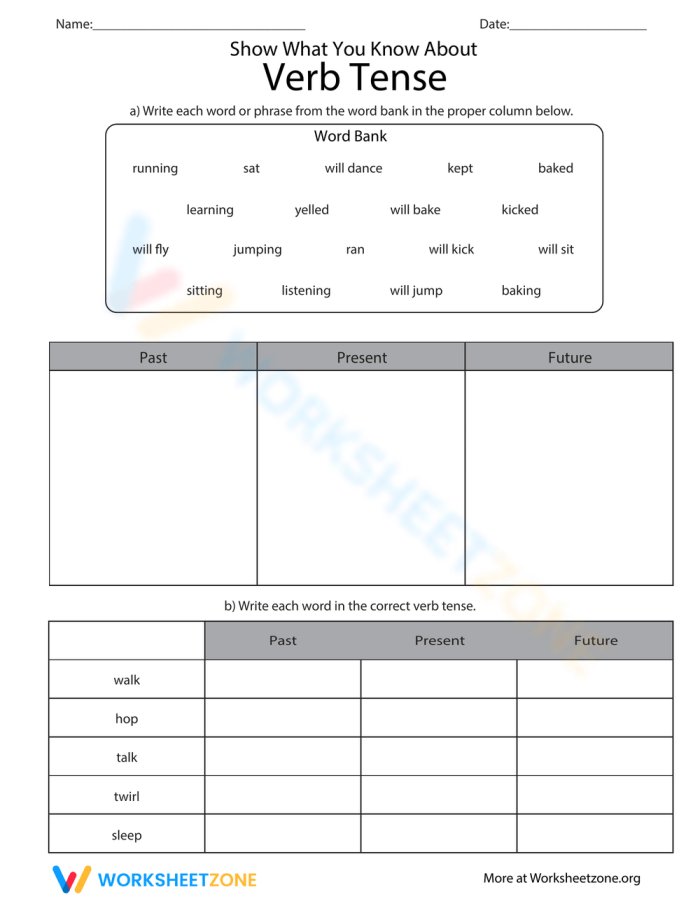
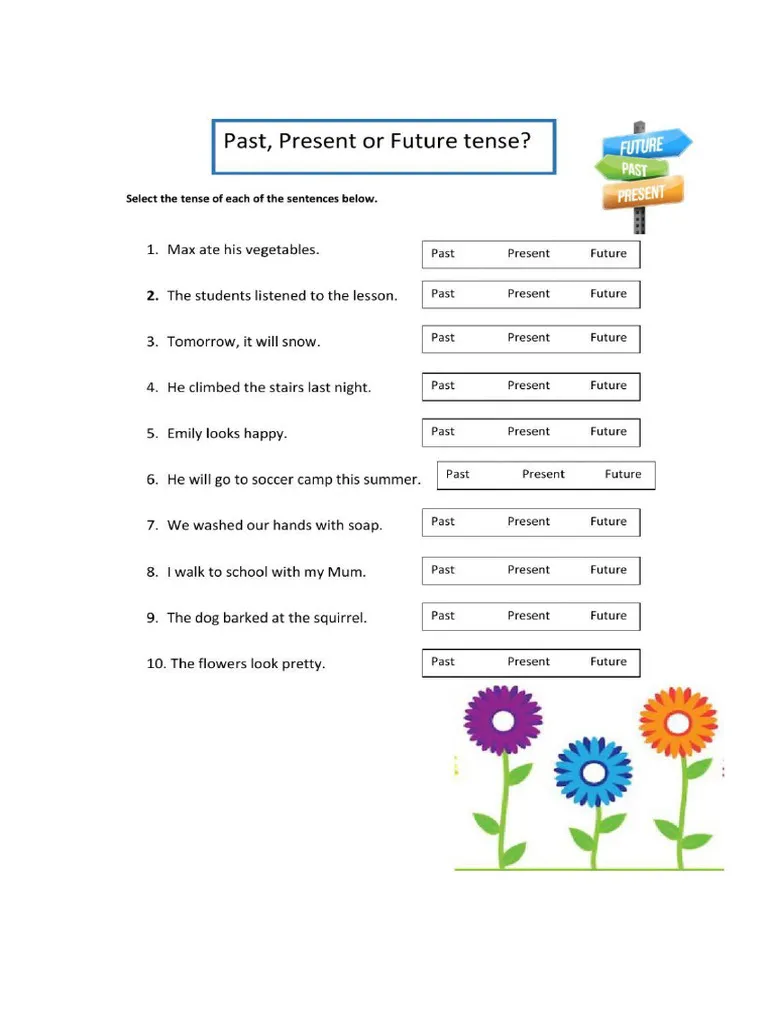
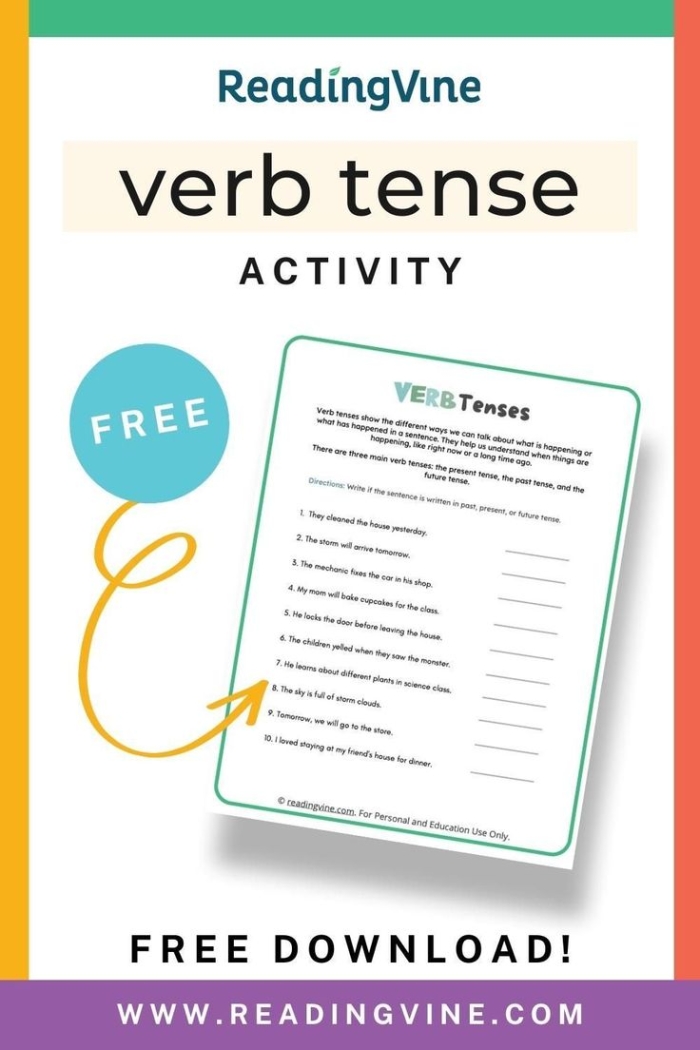
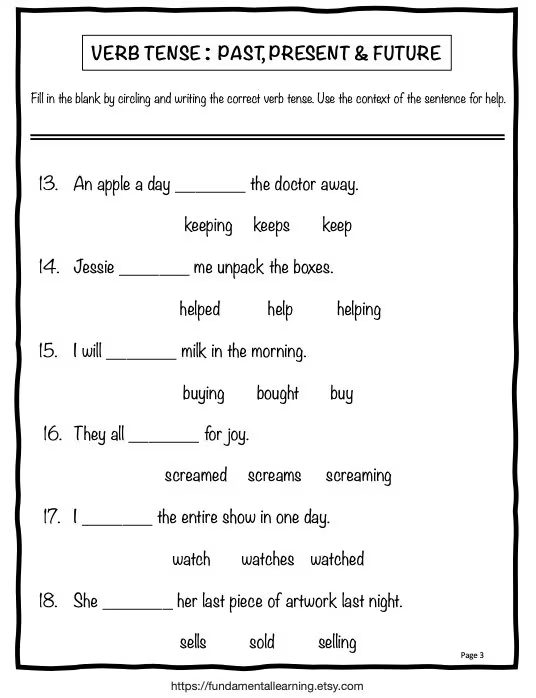
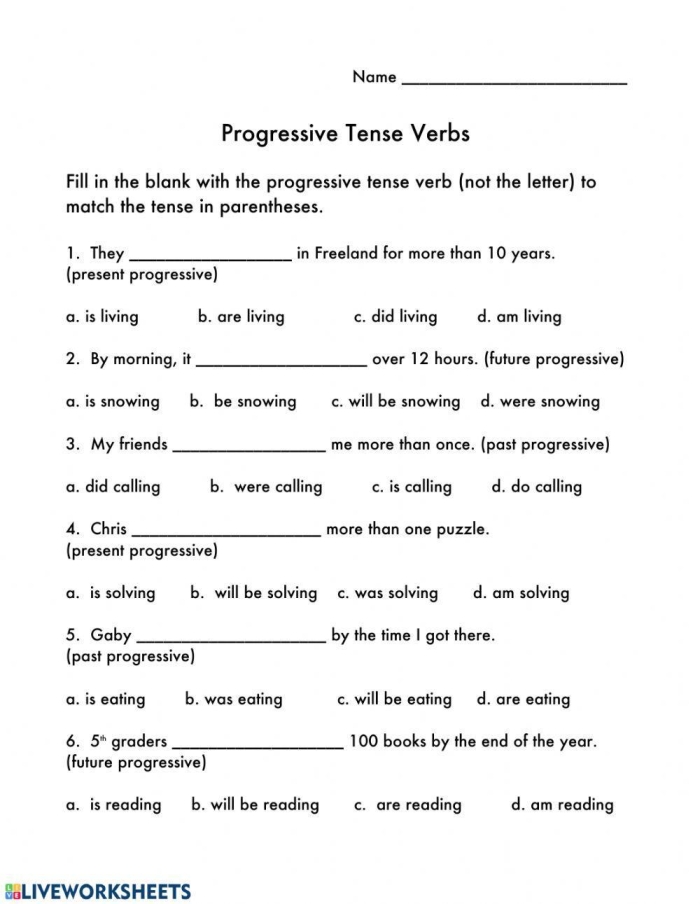
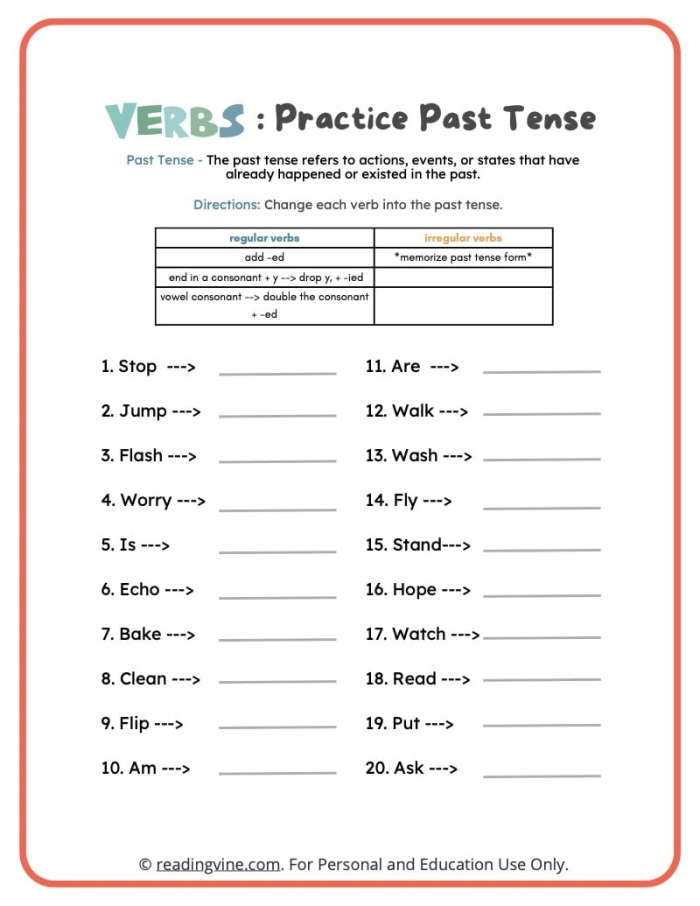
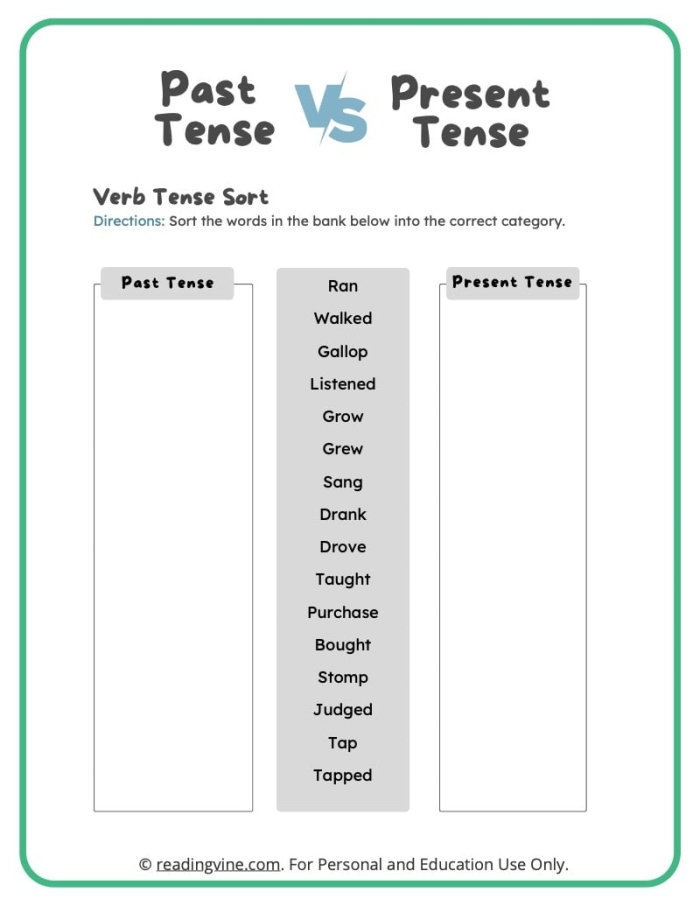
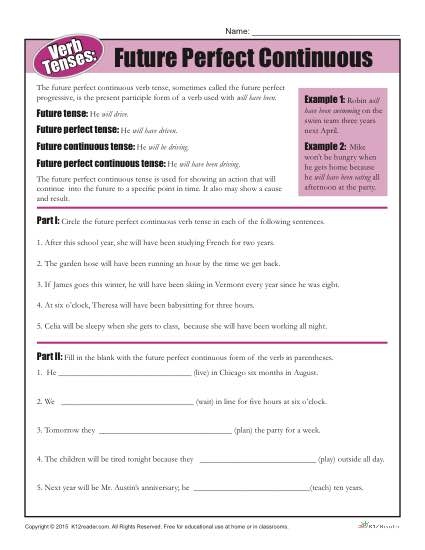
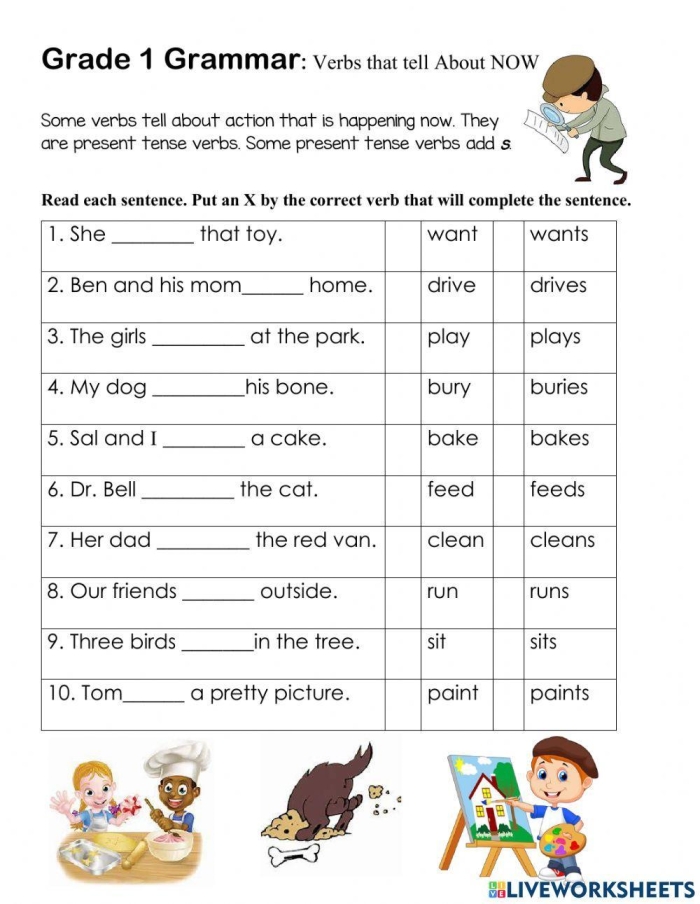
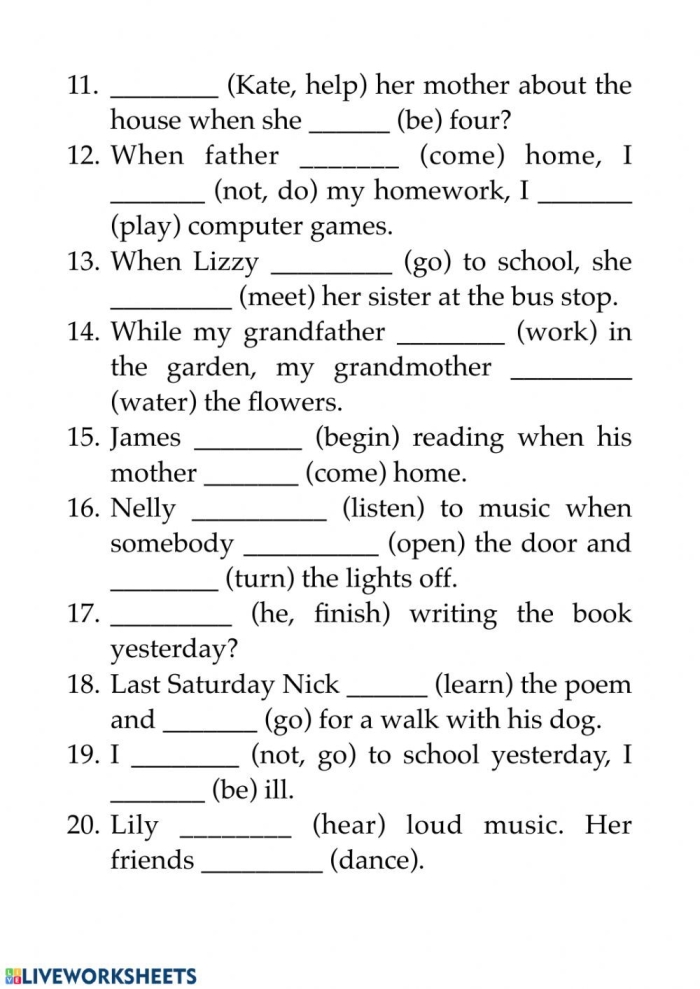
Verb tense can trip up fifth graders faster than almost any other grammar concept. Kids understand that “run” and “ran” are different, but ask them to identify past, present, and future tense consistently across a worksheet, and confusion sets in quickly. A focused assessment sheet cuts through that confusion by giving you a clear picture of where each student actually stands.
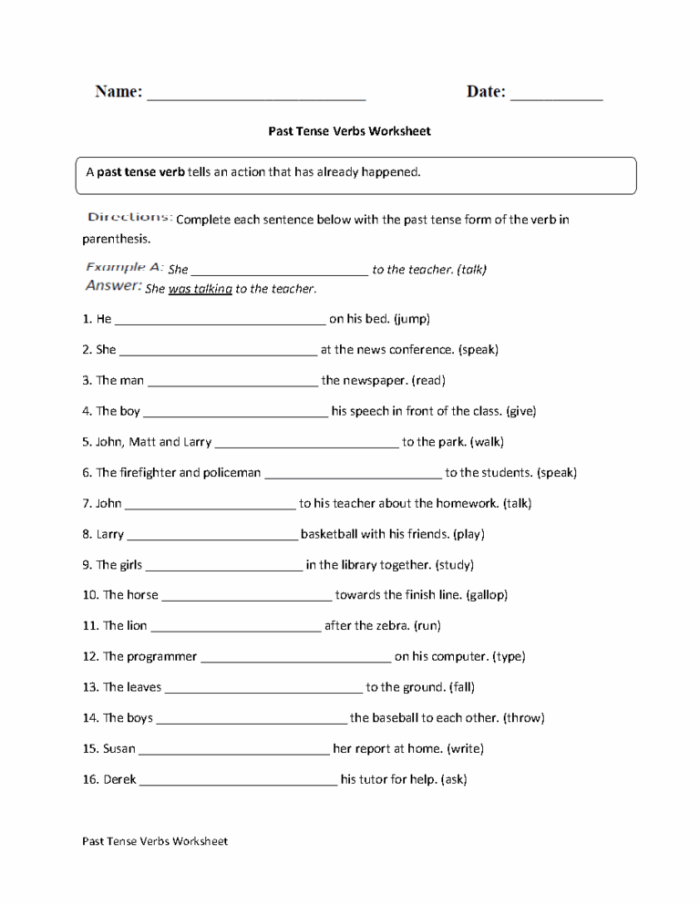
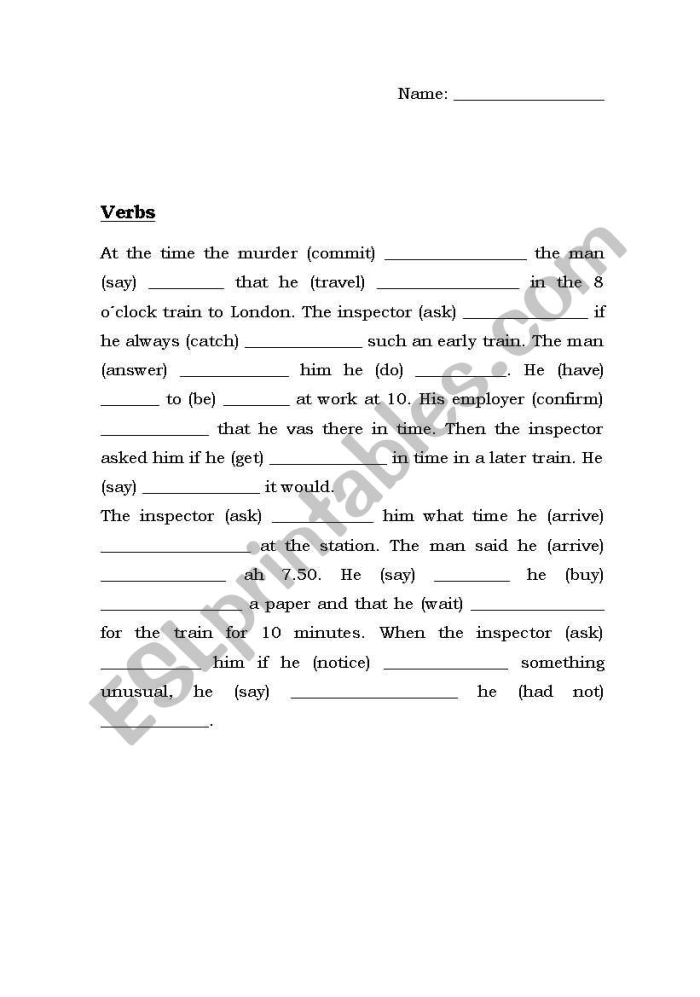
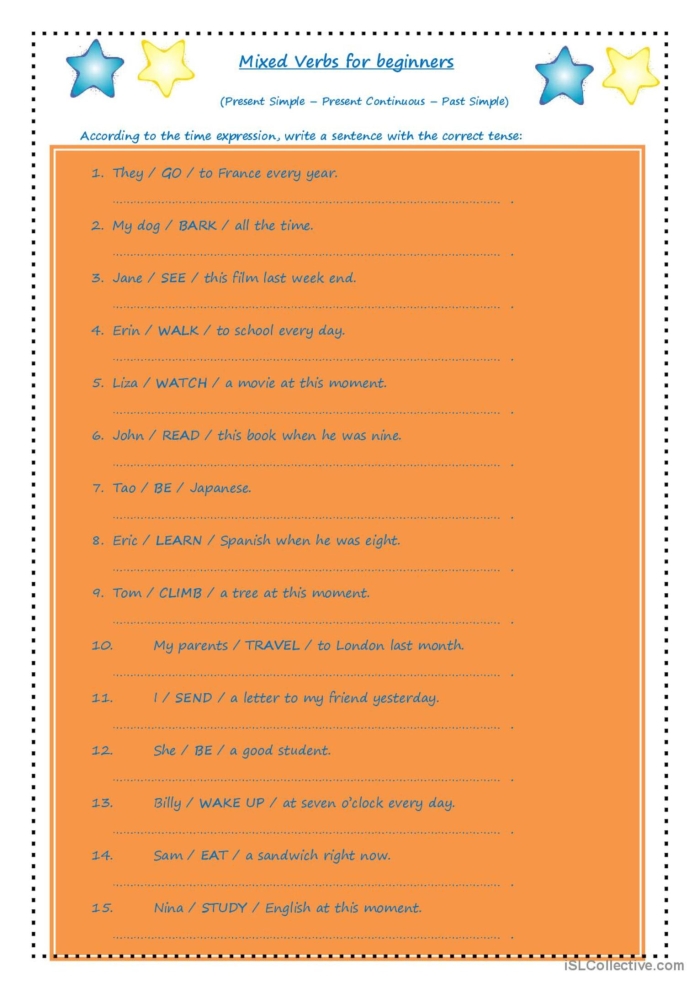
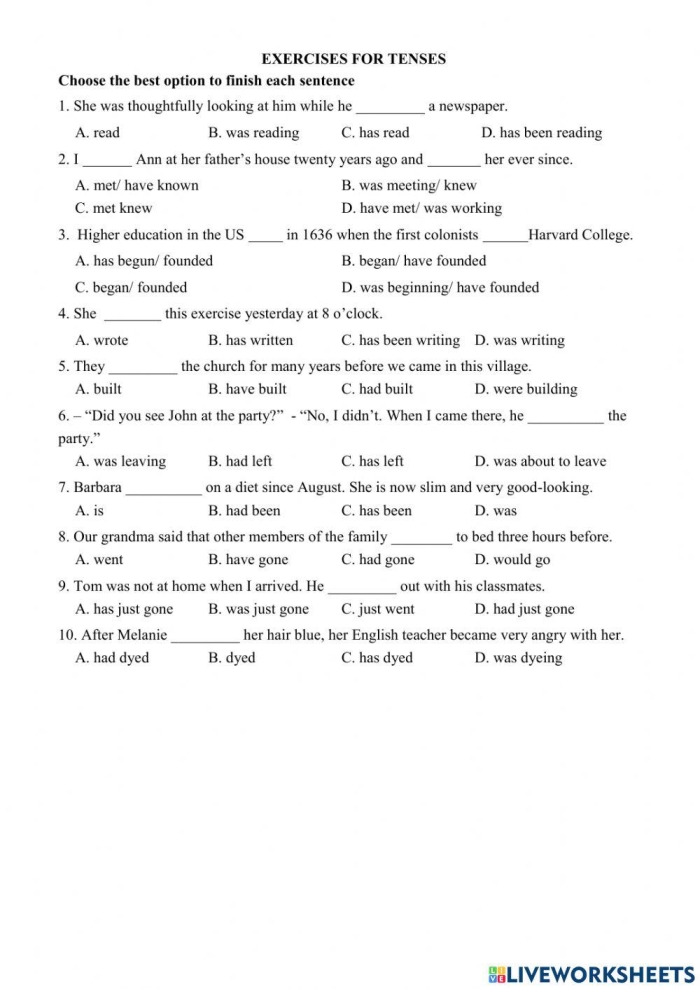
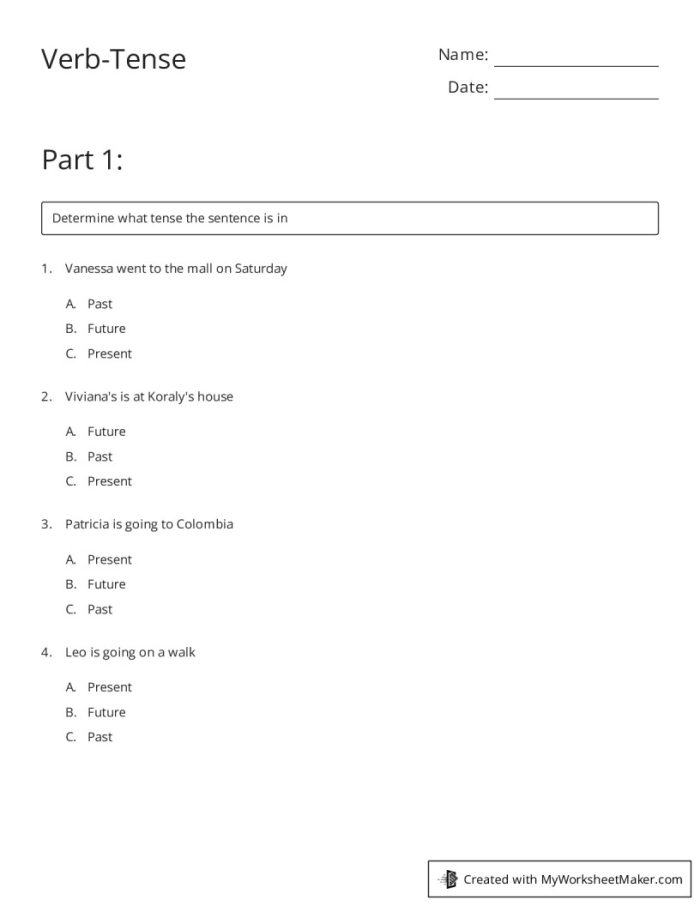
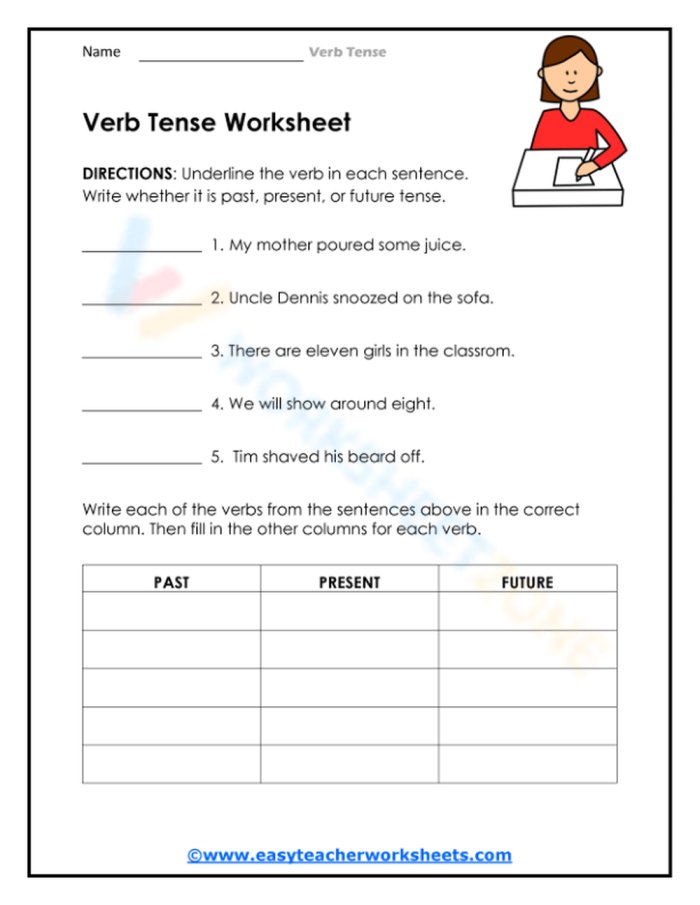
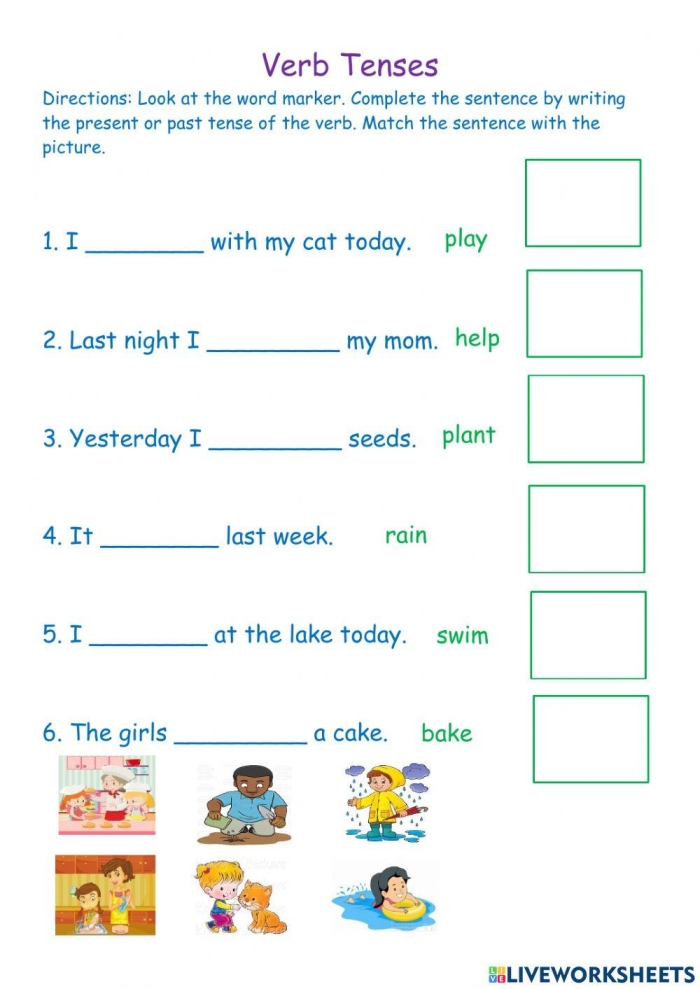
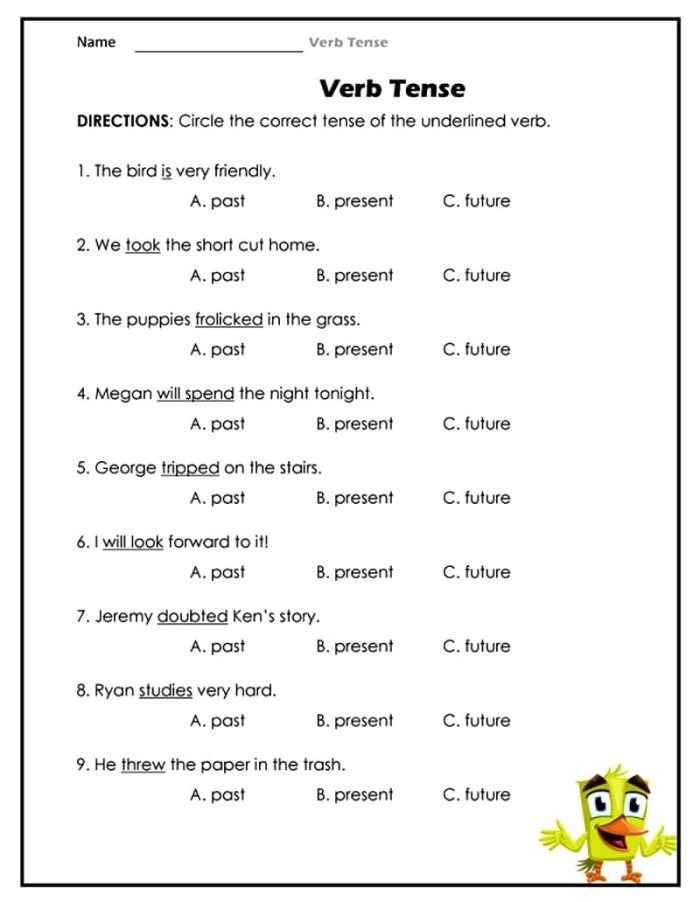
The best verb tense worksheets work because they move beyond simple definitions. Instead of just asking kids to label tenses, they present real sentences where students must recognize whether an action happened, is happening, or will happen. This practical approach mirrors how grammar actually functions in reading and writing. When a fifth grader encounters “She walked to school yesterday,” they’re not just memorizing a rule. They’re connecting the word “walked” to a completed action in the past.
What makes assessment sheets particularly valuable is that they reveal specific gaps. Some students master simple past and present but struggle with future tense or continuous forms like “is running.” Others mix up irregular verbs entirely. Once you identify these patterns, you can target instruction more effectively rather than reteaching concepts everyone already knows.
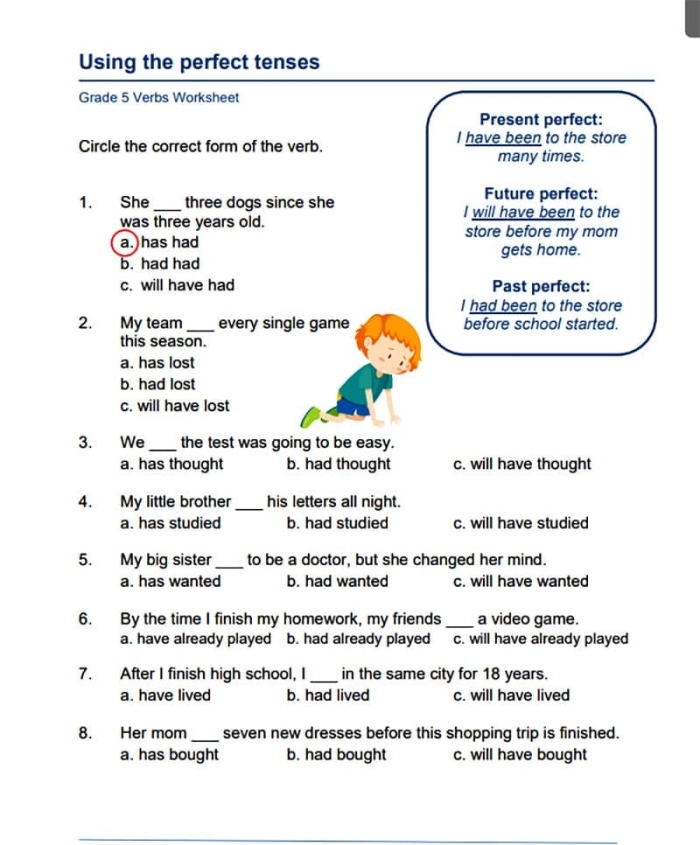
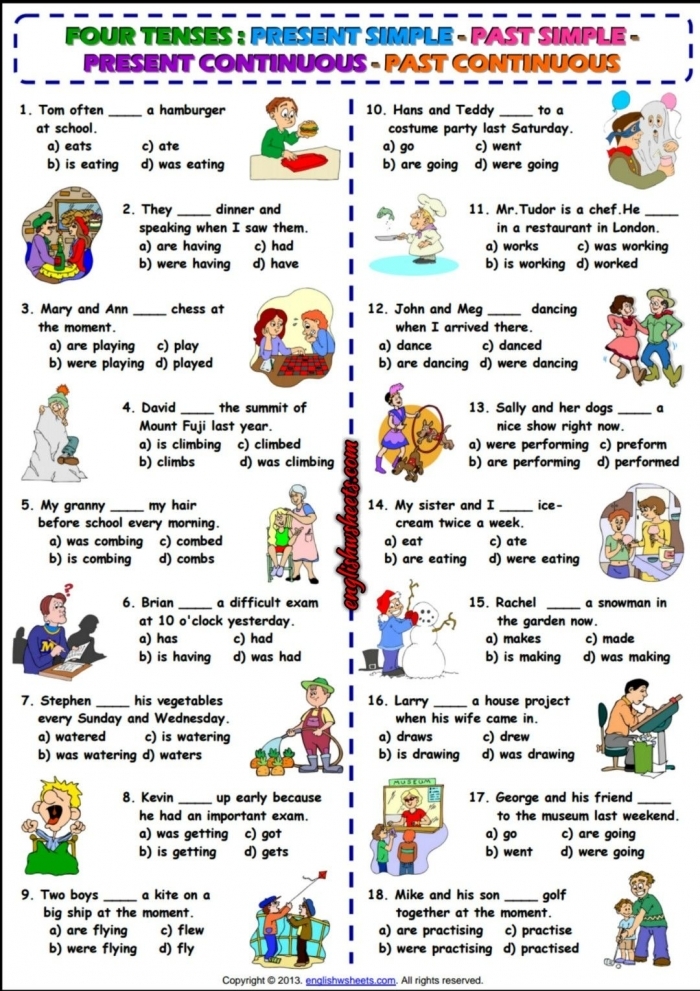
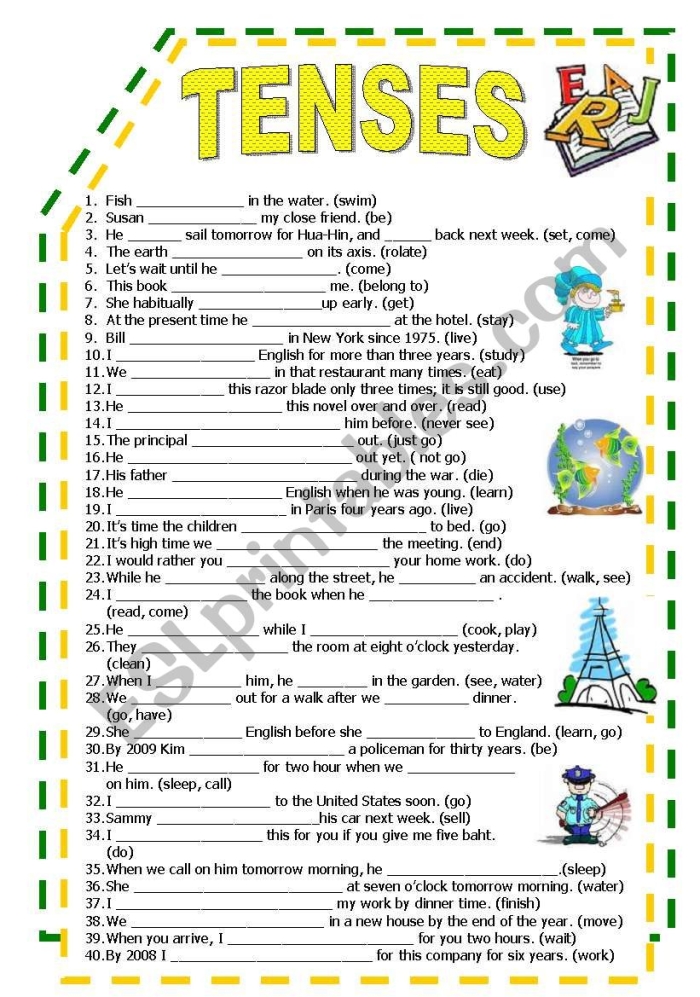
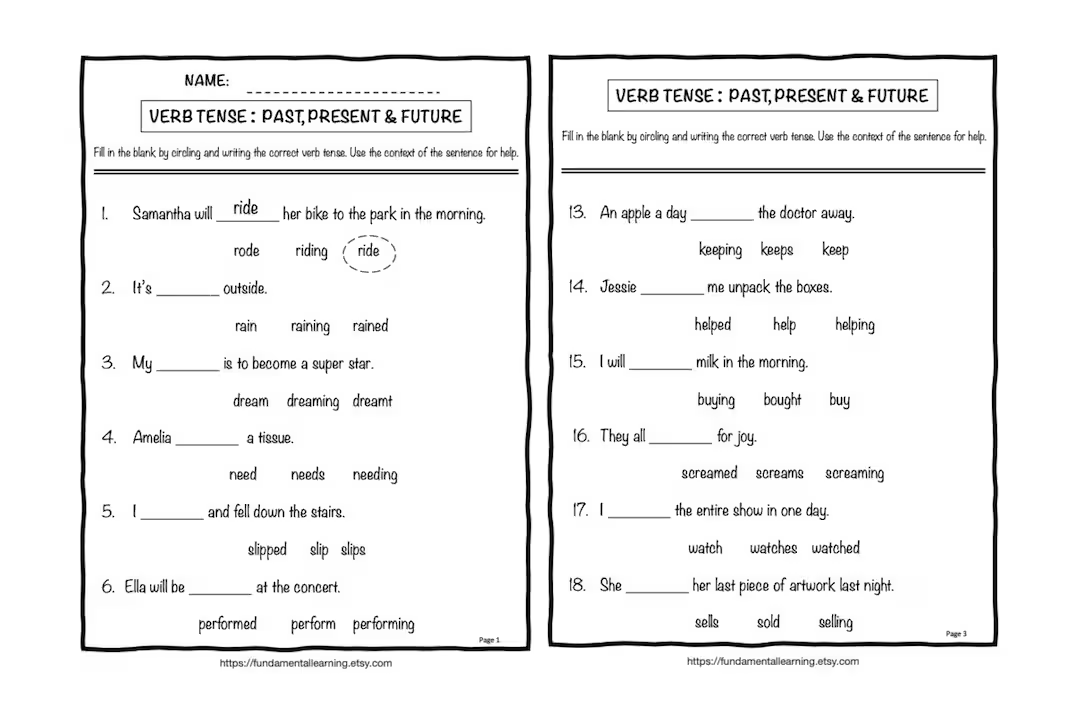
A solid assessment also includes mixed verb forms and tenses within the same exercise. This prevents kids from relying on context clues alone. They need to actually understand the mechanics. Including sentences where students correct verb tense errors pushes them one step further, requiring them to actively apply their knowledge rather than passively recognize it.
When structuring practice around numbers and counting, you might also explore how verb tense works in word problems or mathematical explanations. Students benefit from seeing grammar concepts applied across different subject areas. This reinforces that verb tense matters everywhere, not just during English lessons.
The assessment sheet becomes even more useful when you pair it with targeted follow-up activities. If most of your class struggles with the same concept, group instruction makes sense. If gaps are scattered, individual practice with specific feedback works better. Either way, you’re working from actual data rather than assumptions.
Worksheet Practice Section