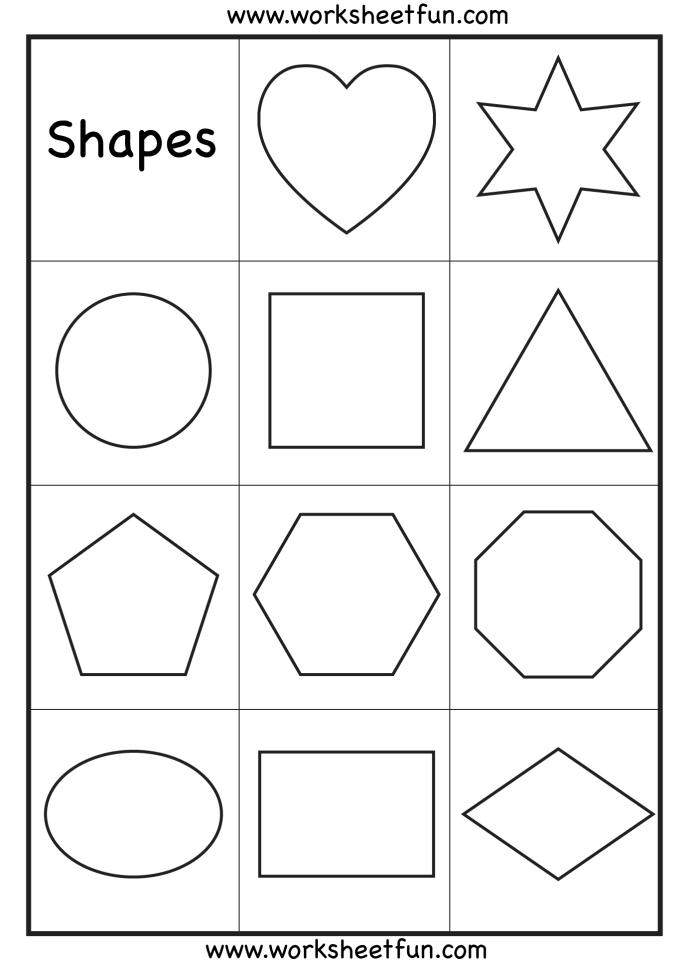
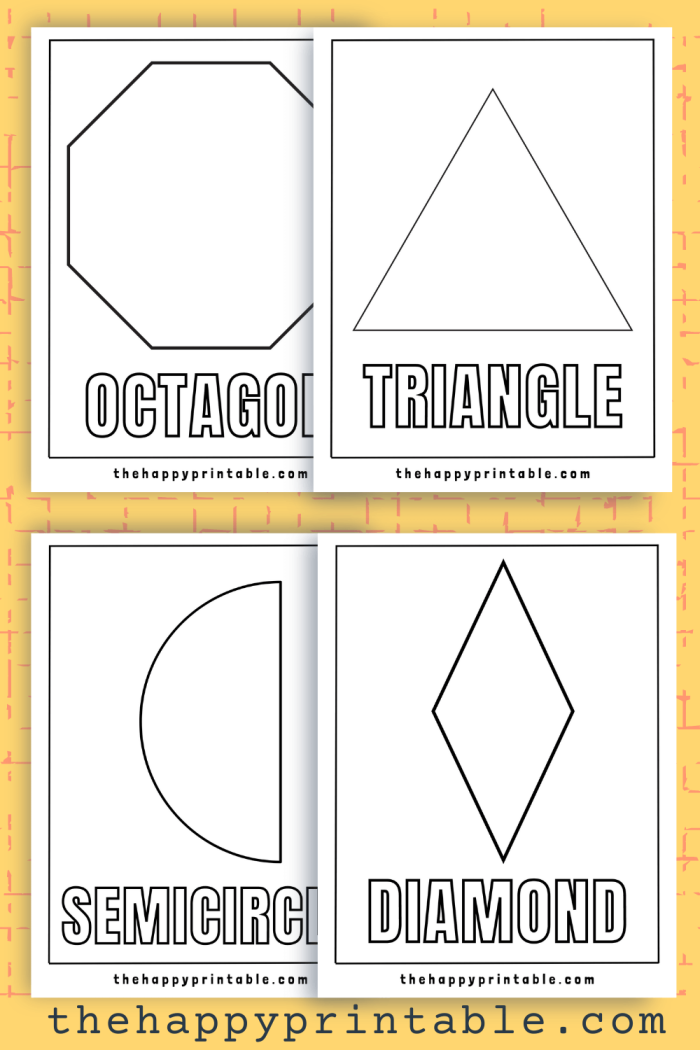
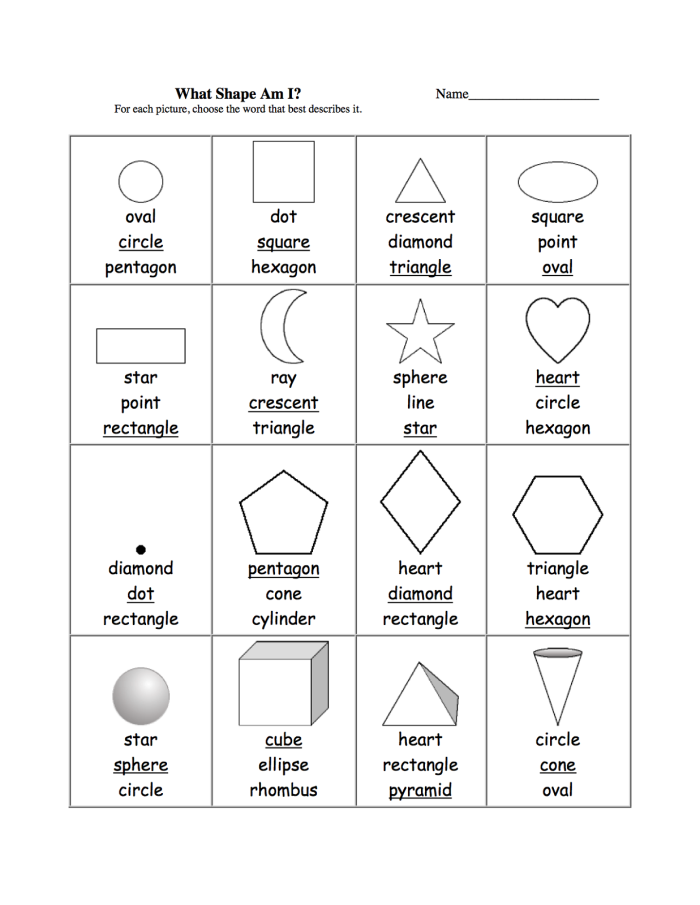
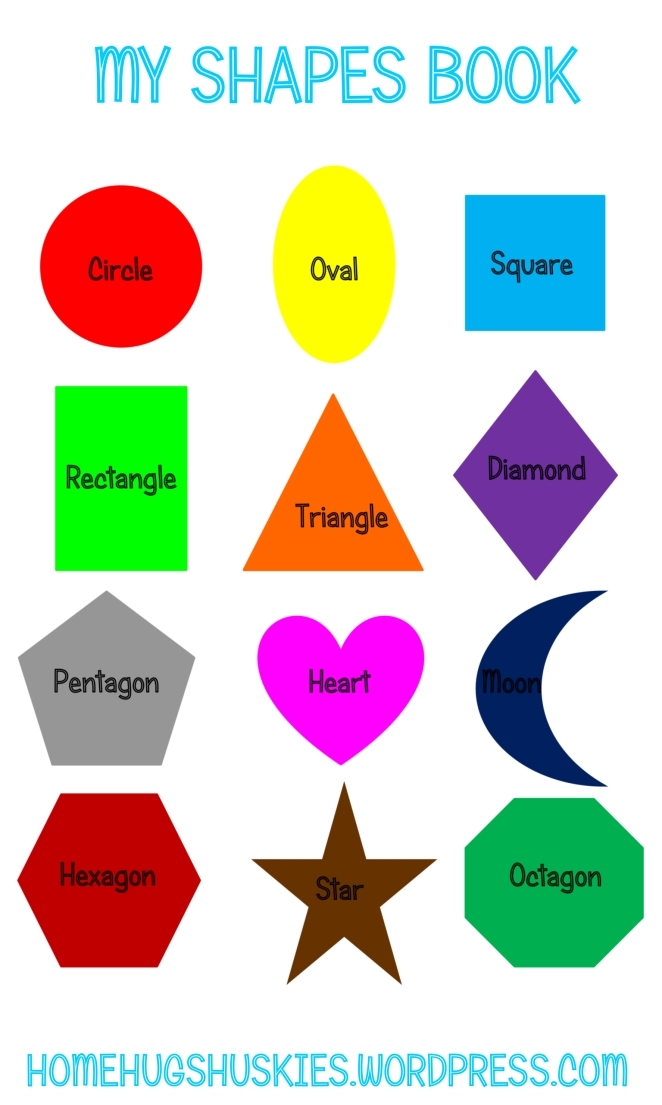
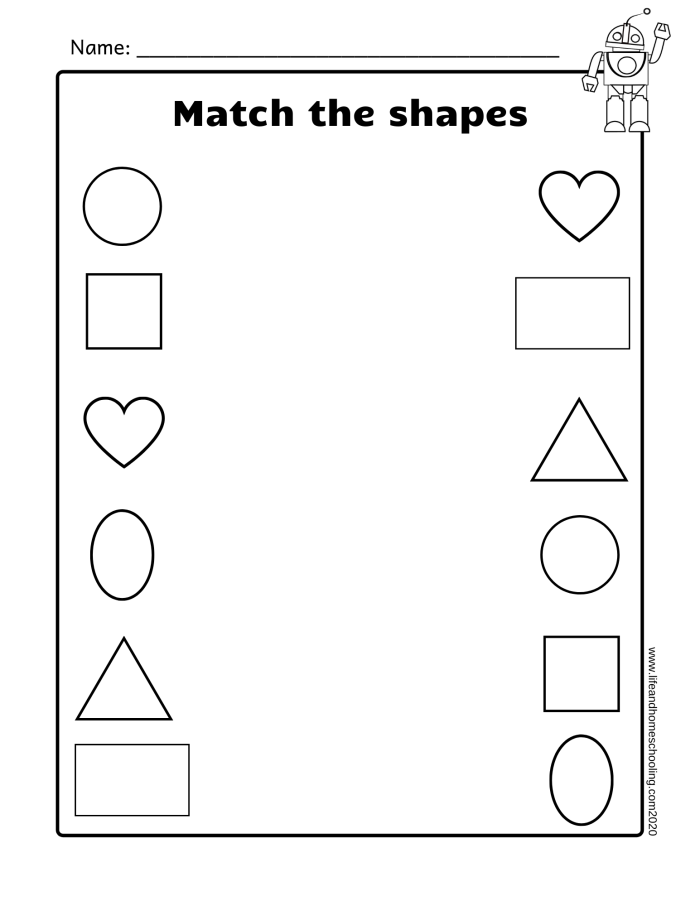
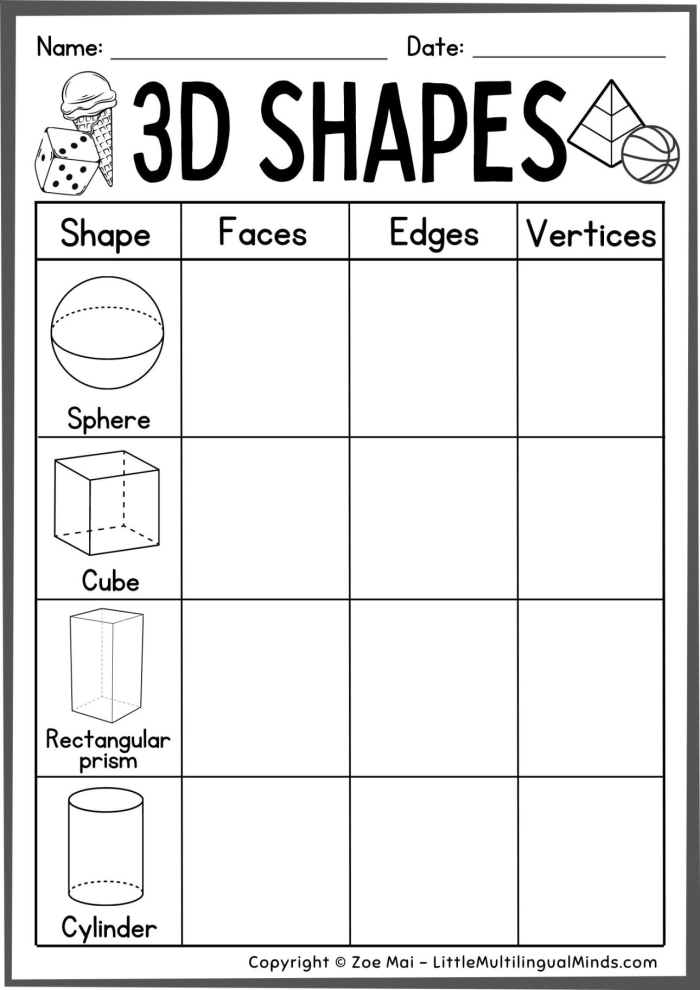
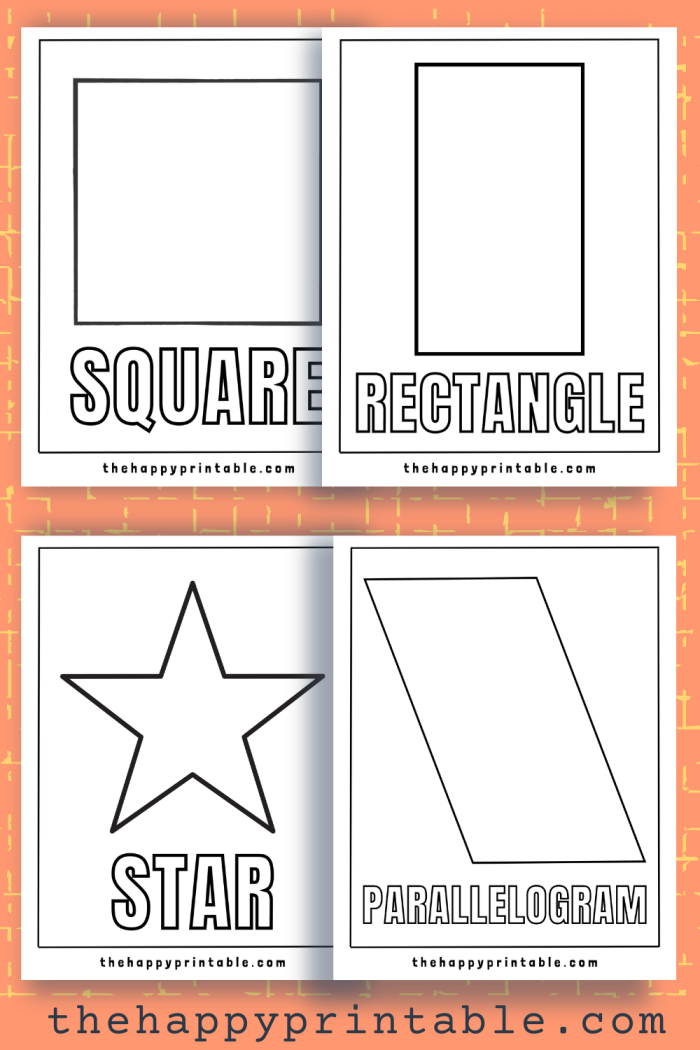
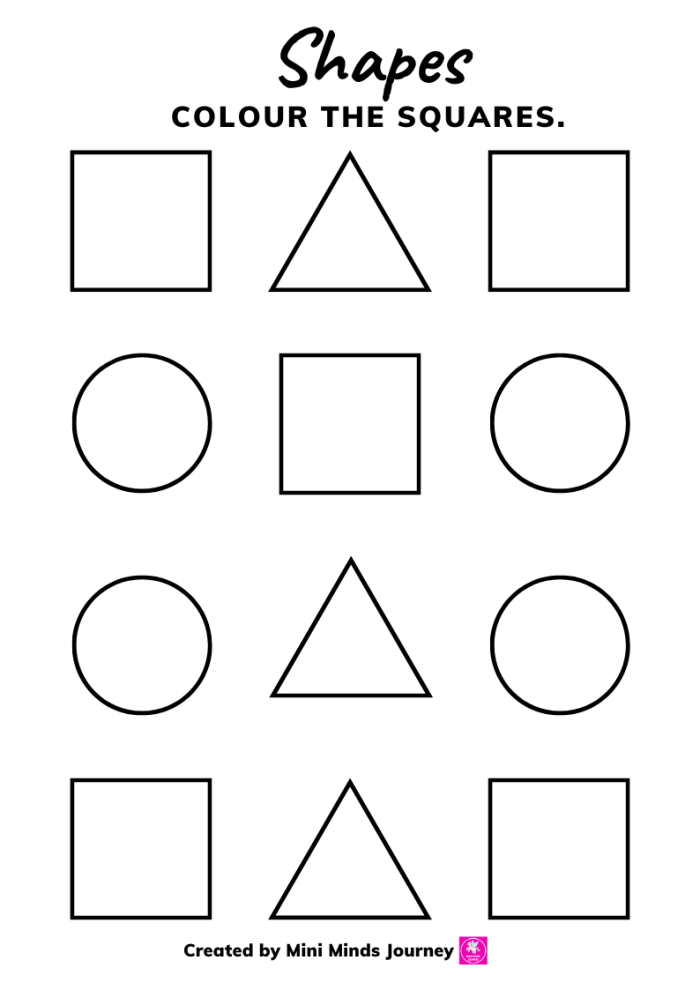
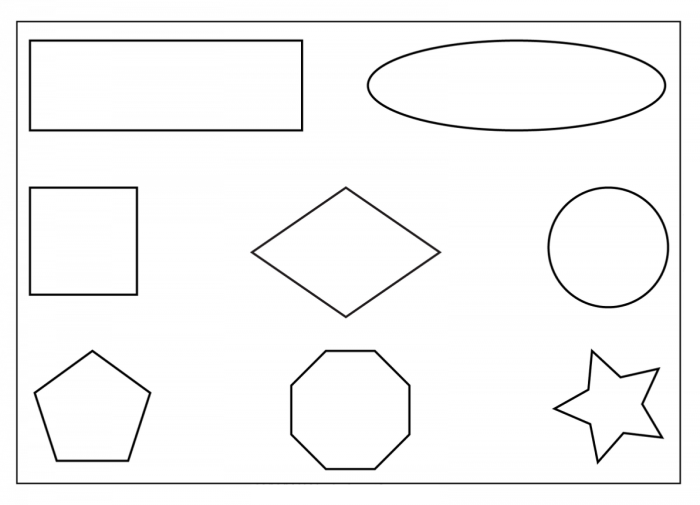
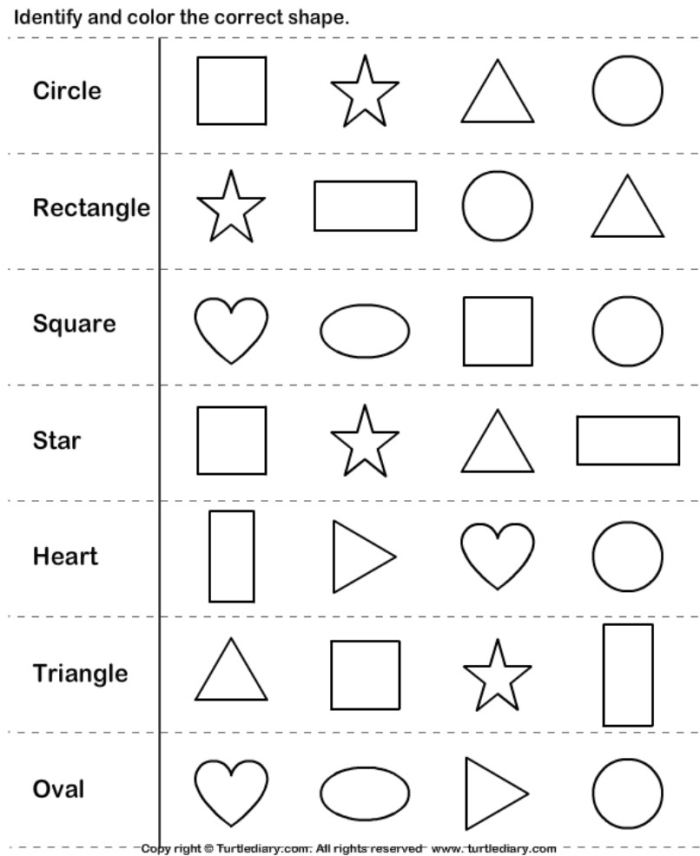
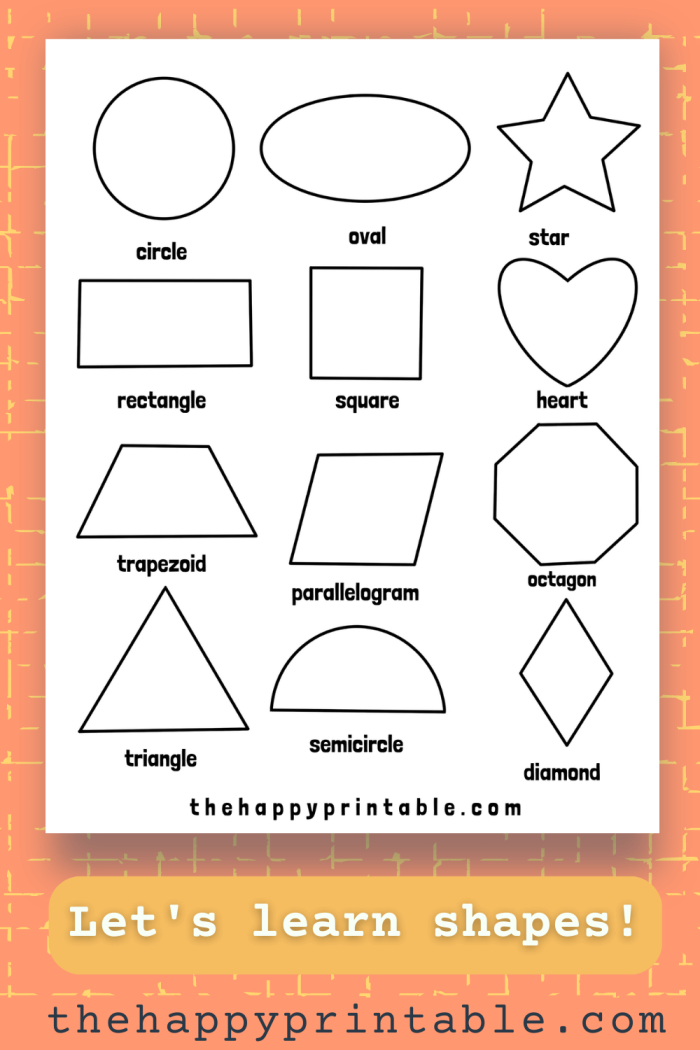
Shapes are everywhere, and kindergarten students discover this truth the moment they start looking around their classroom, playground, or home. A circle appears in a clock face. A rectangle shows up in a window. A triangle sits on top of a house. Once children begin noticing these patterns, the world transforms into a geometry lesson that extends far beyond worksheets.
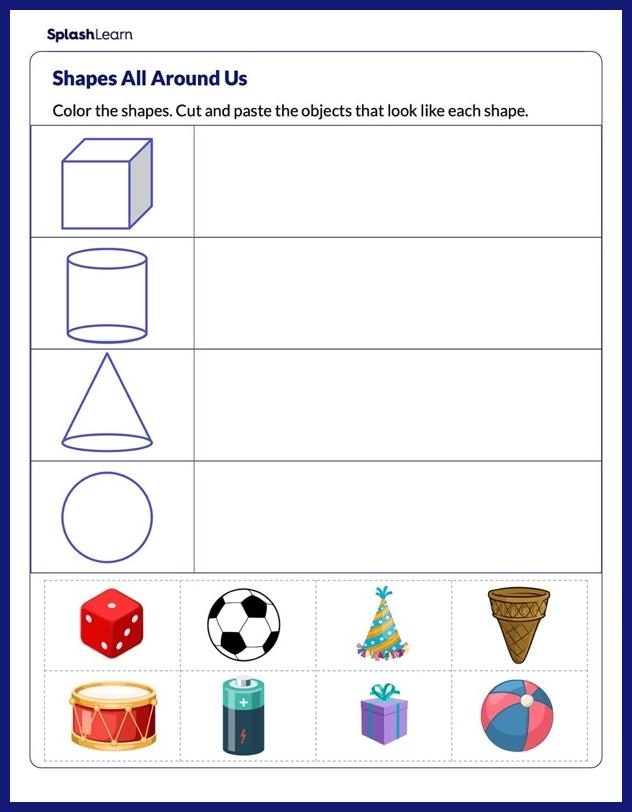
The real power of shape recognition comes when students connect abstract concepts to their actual surroundings. Rather than memorizing definitions, kindergarten learners benefit from activities that ask them to spot circles in wheels, squares in tiles, and rectangles in doors. This approach helps cement understanding because the shapes become tangible and relevant.
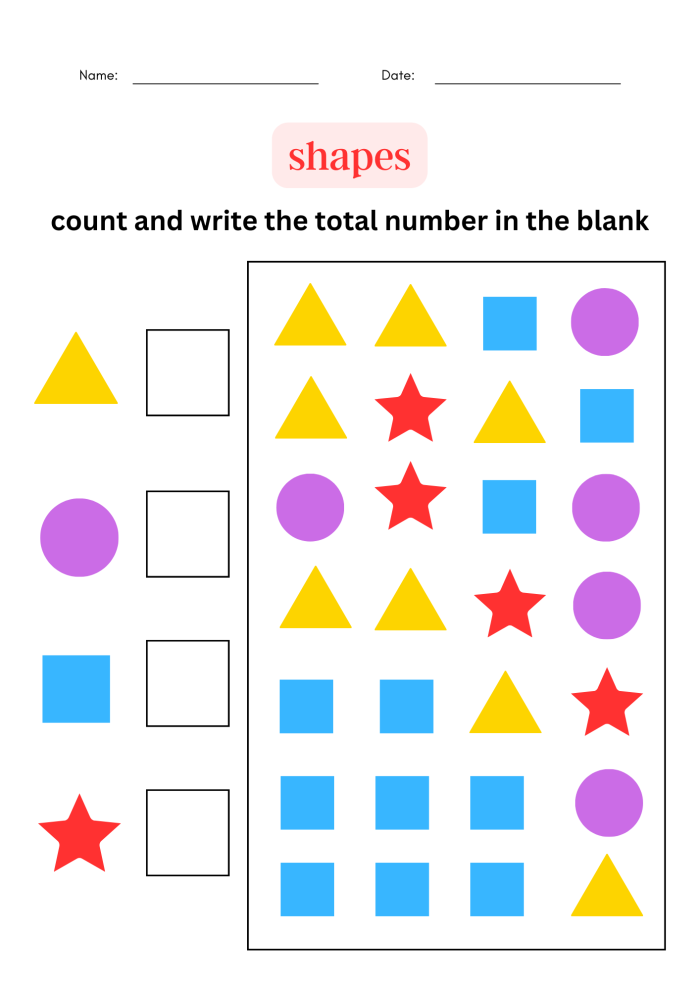
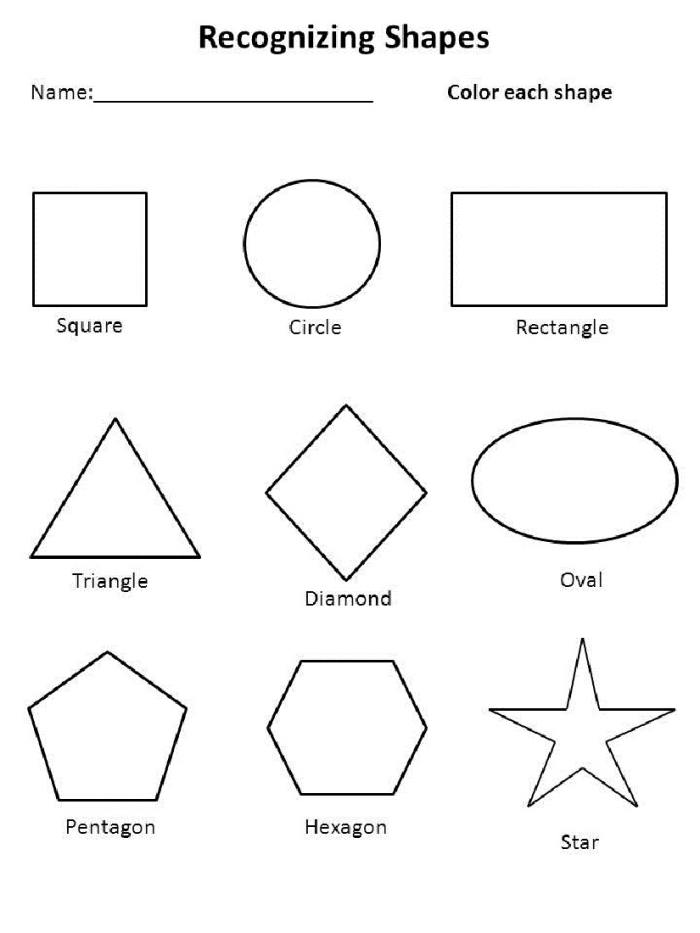
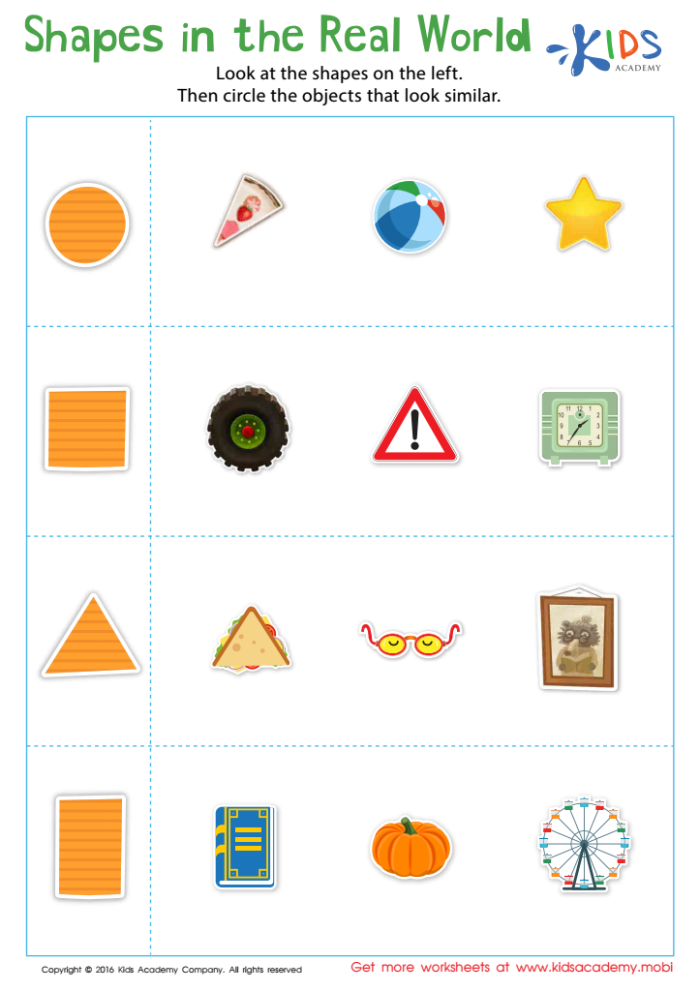
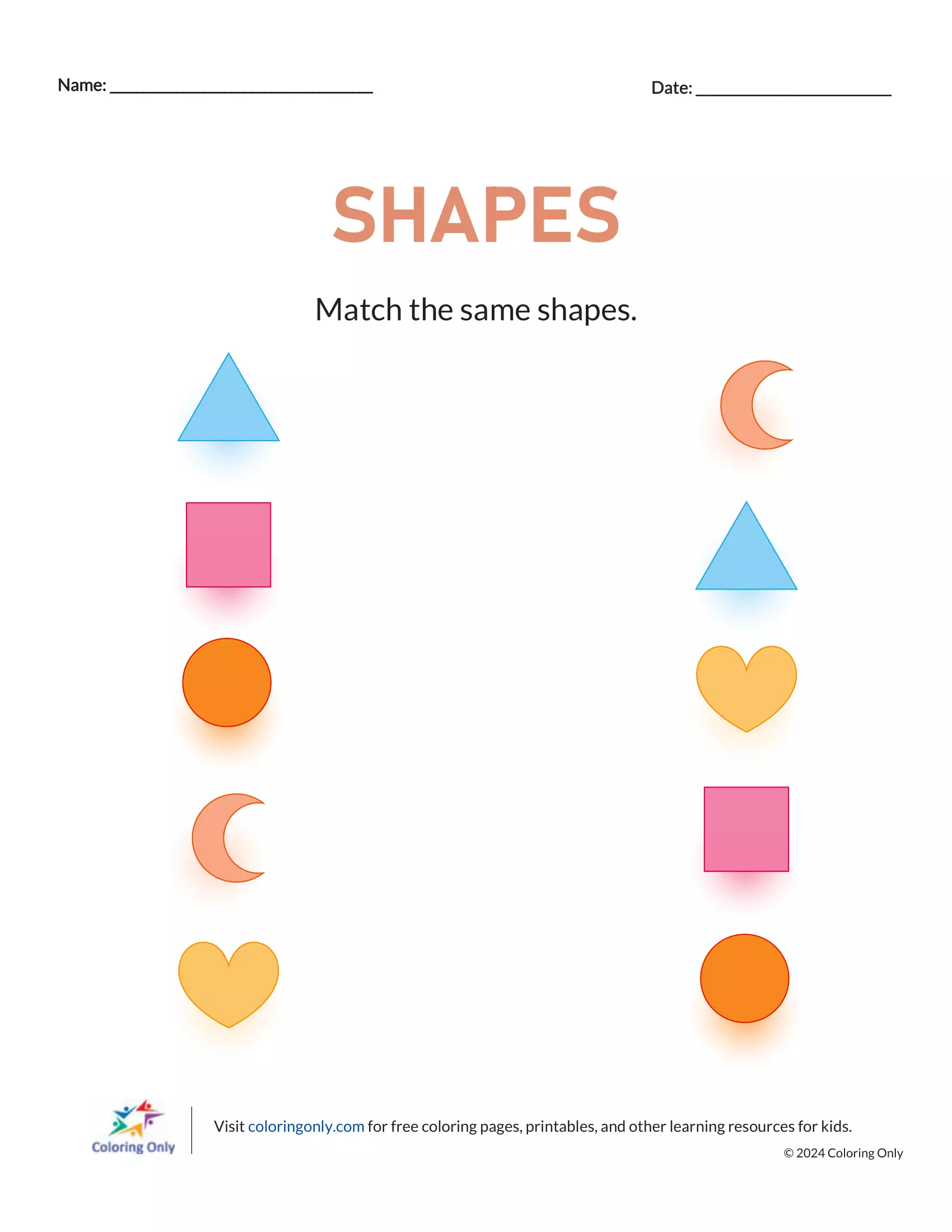
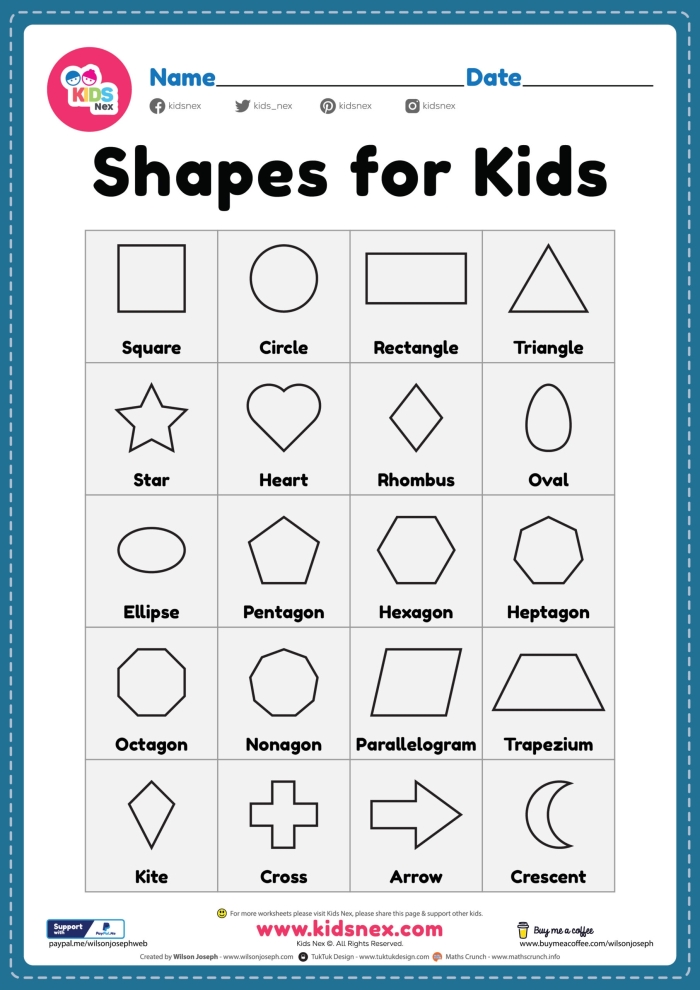
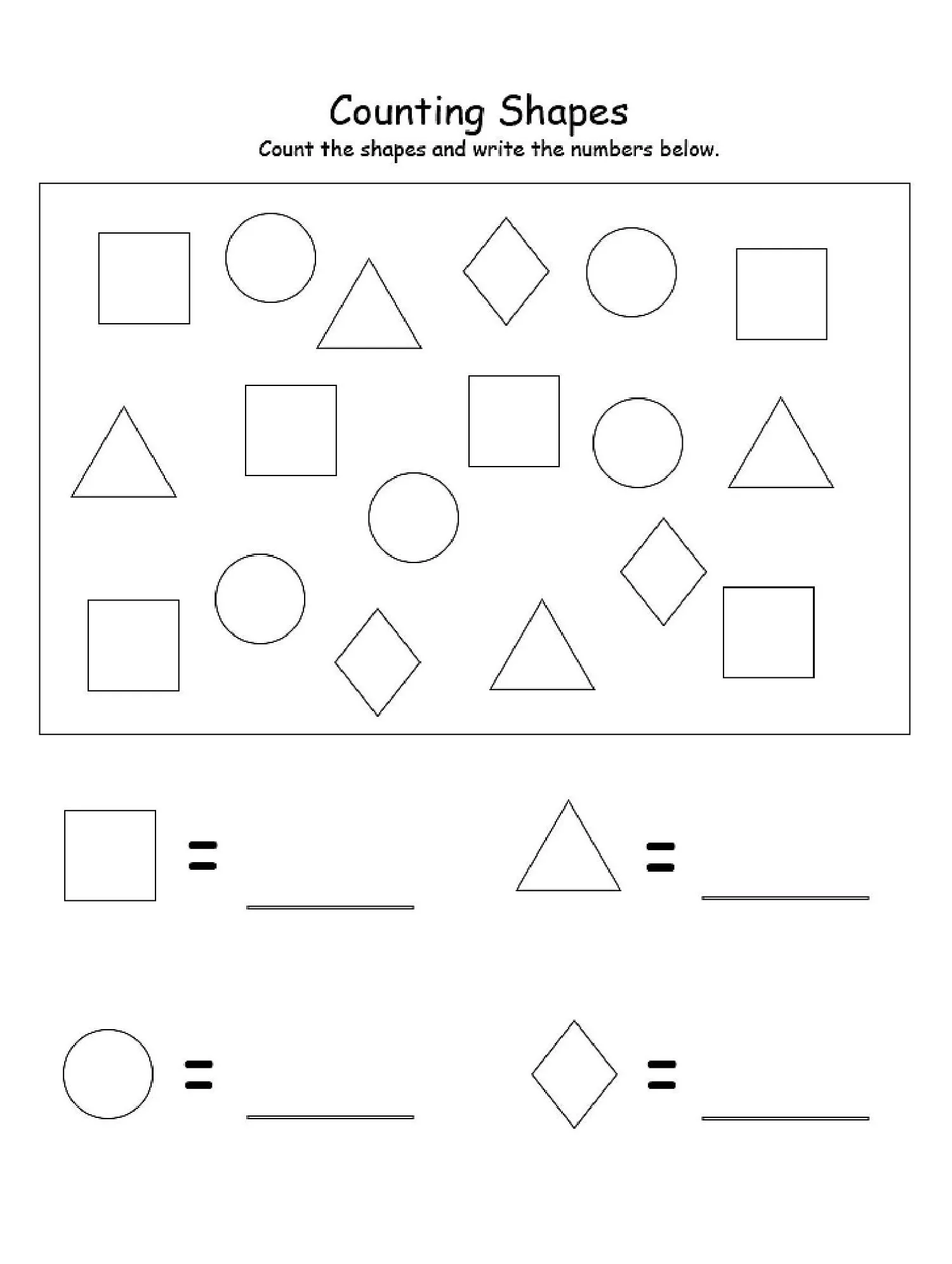
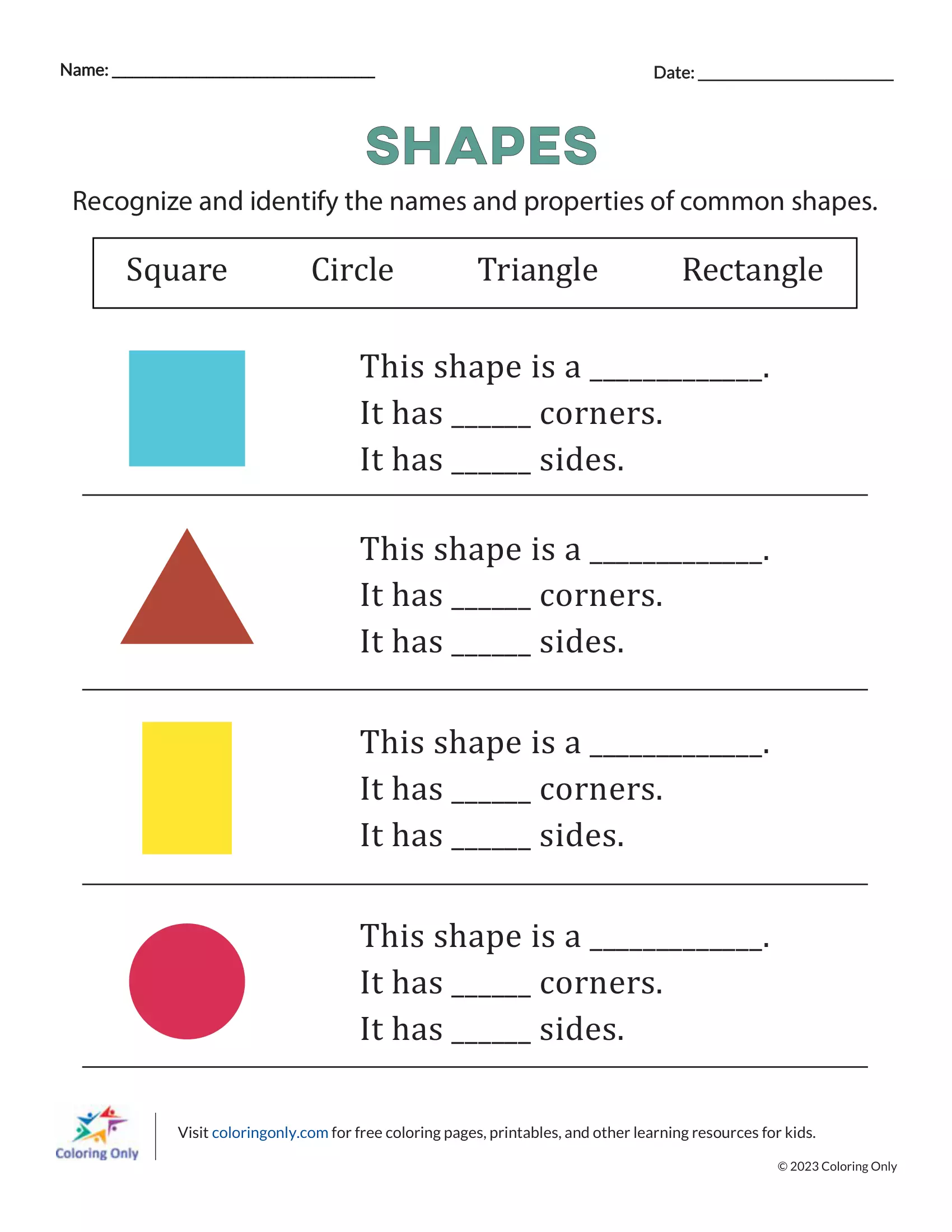
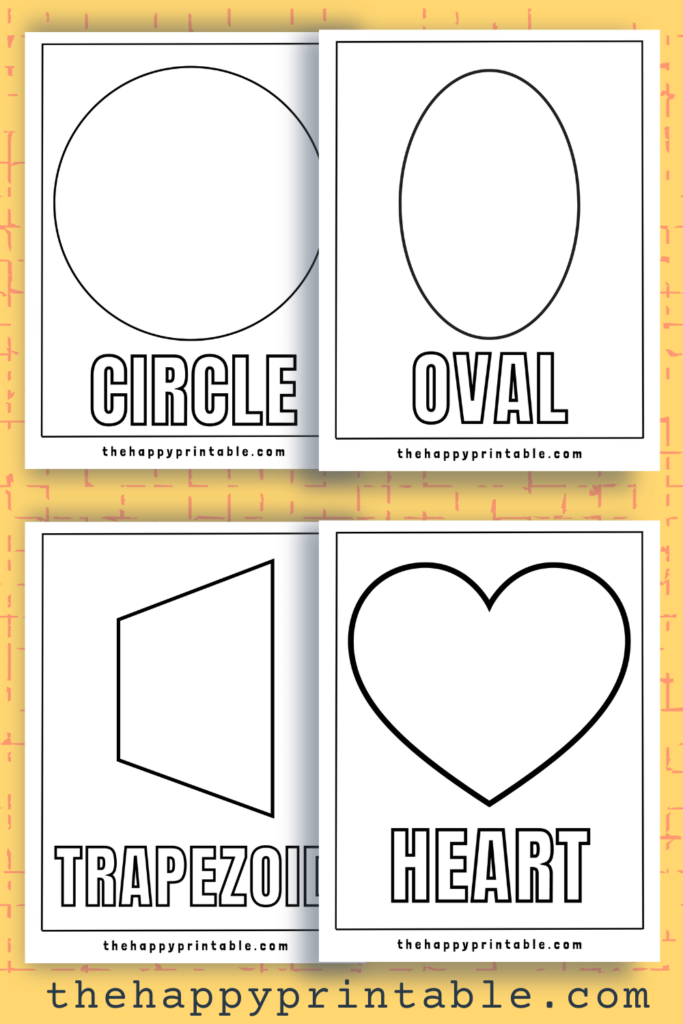
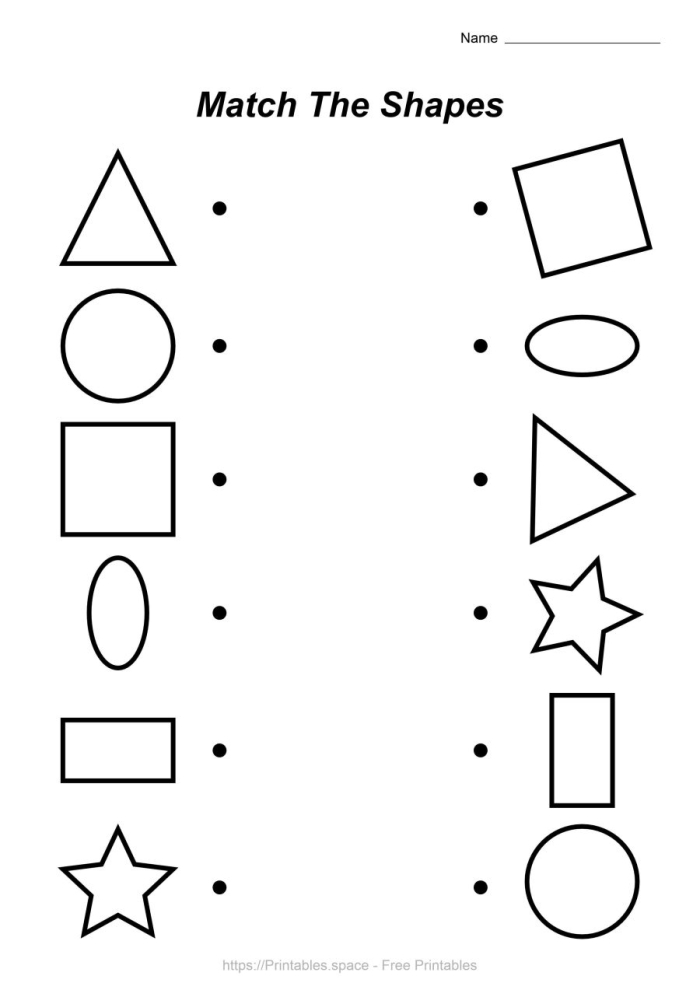
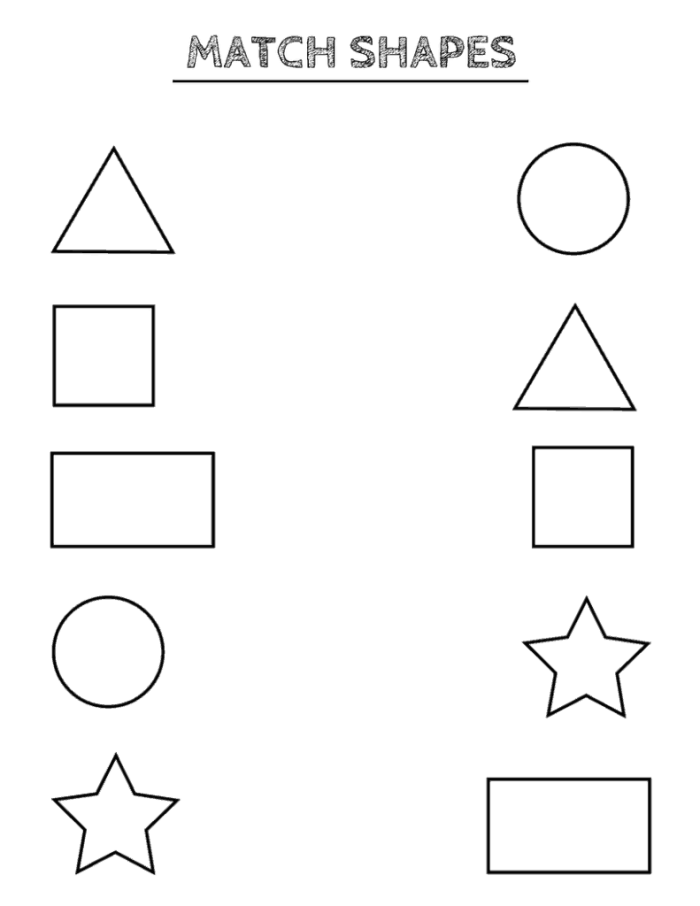
A well-designed printable shapes in the world worksheet bridges classroom learning and real-world observation. These activities typically ask children to identify 2D shapes found in everyday scenes, then compare them by counting sides, measuring length, or grouping by similarity. The visual nature of these tasks works particularly well for early learners who are still developing their ability to work with abstract mathematical concepts alongside mixed operations practice.
When selecting worksheets for your kindergarten classroom, look for ones that feature familiar contexts. A worksheet showing a kitchen, playground, or bedroom naturally invites children to spot shapes they recognize. Some students might identify a circle in a plate, while others notice the rectangle formed by a refrigerator door. This variation in observation actually strengthens their overall shape recognition skills.
Pairing shape identification activities with other mixed operations kindergarten worksheets creates a more comprehensive learning experience. You might combine shape practice with activities like color by letters exercises or simple word searches to keep young learners engaged across multiple skills in one session.
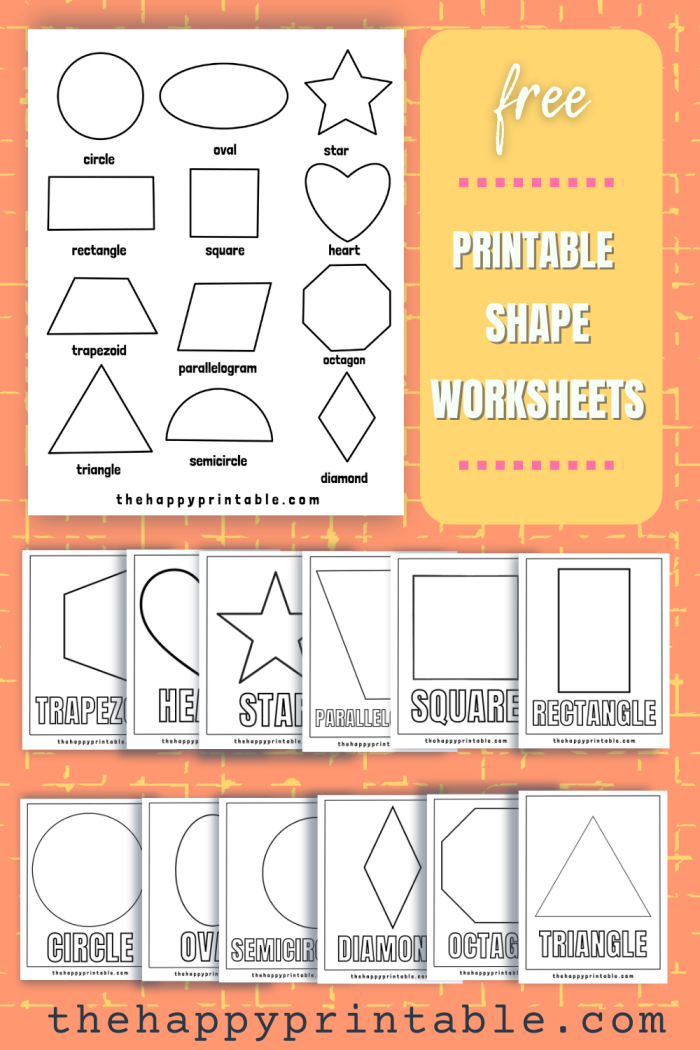
Try These Printable Worksheets