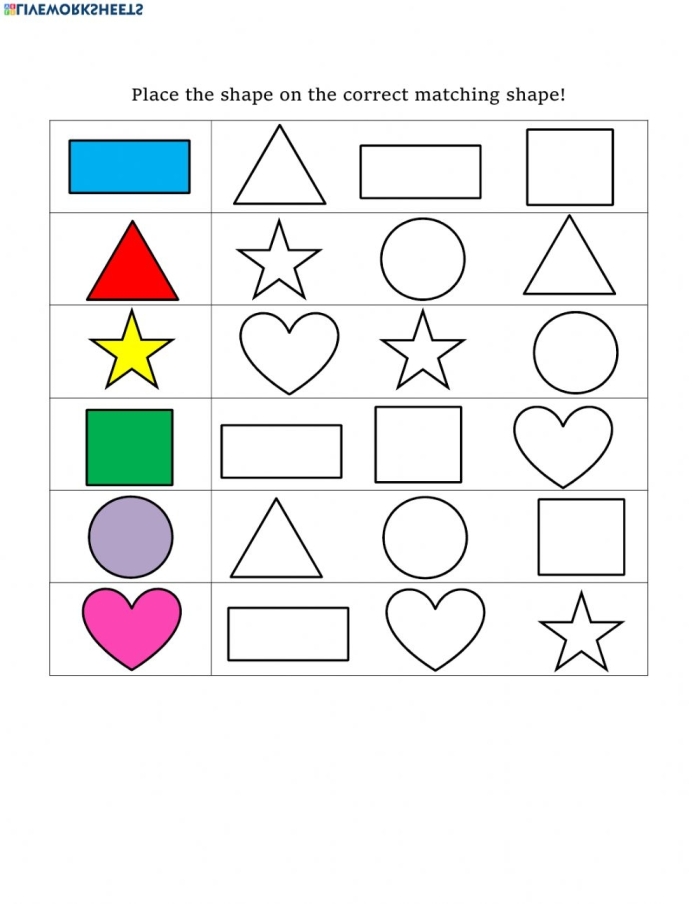
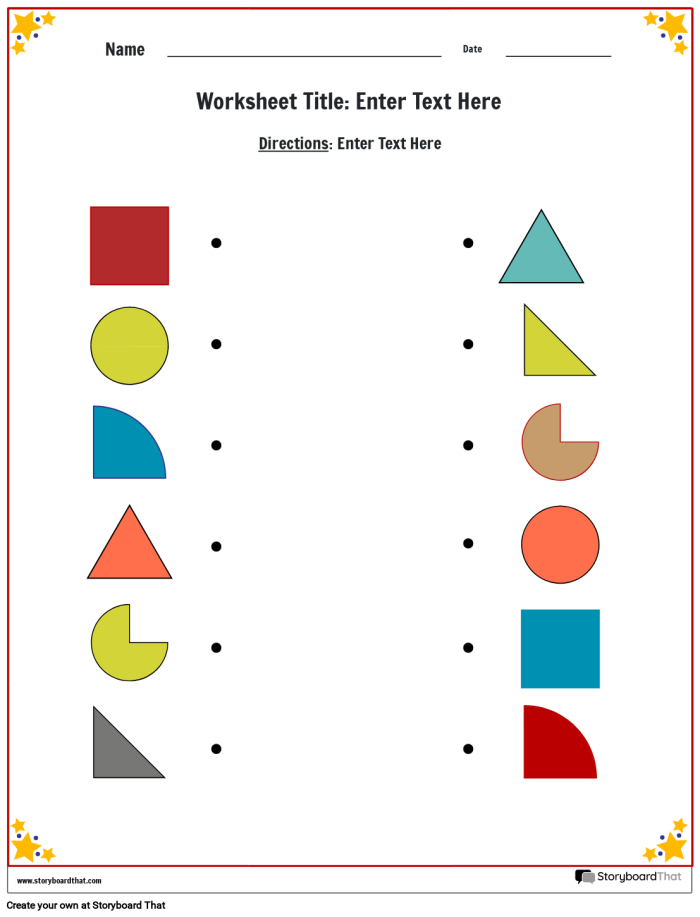
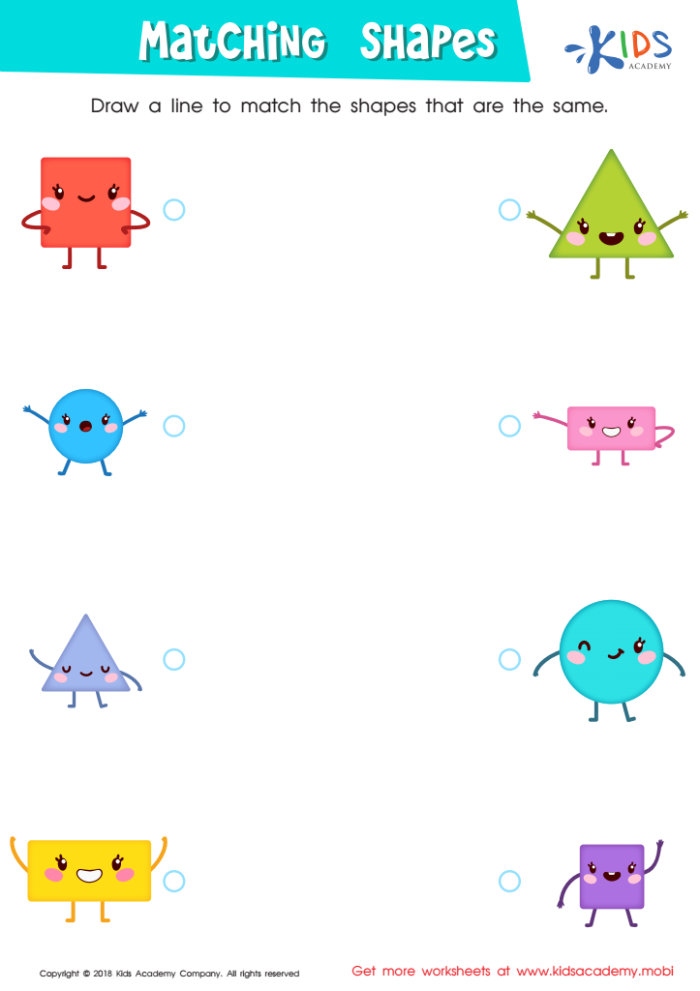
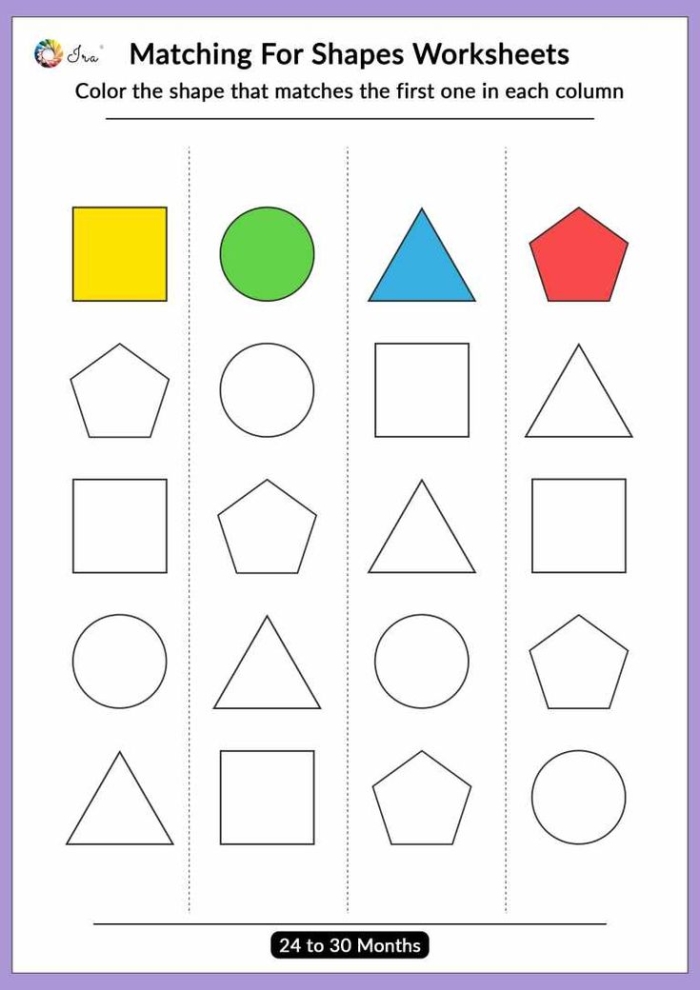
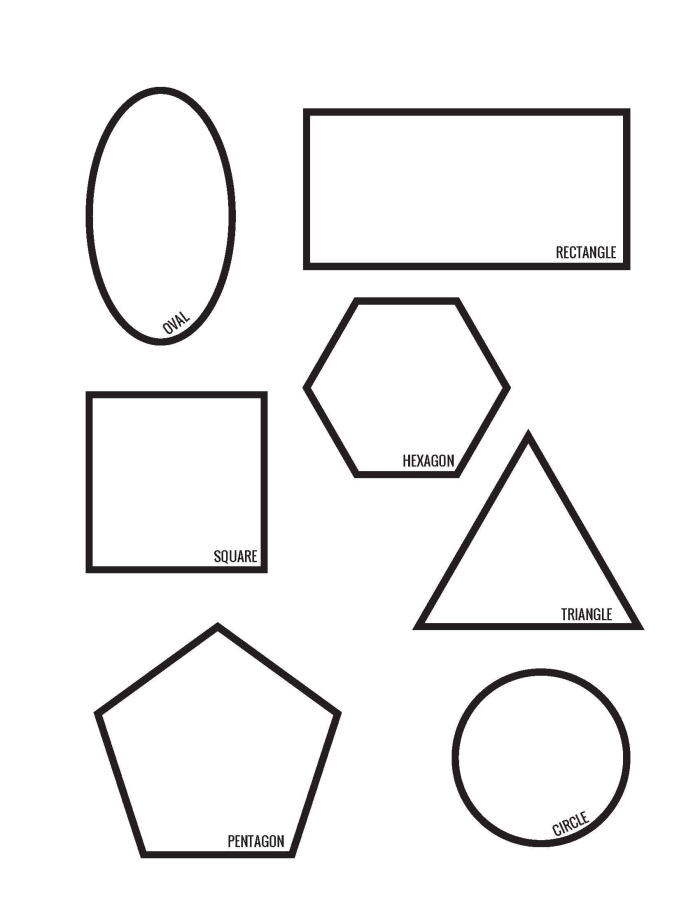
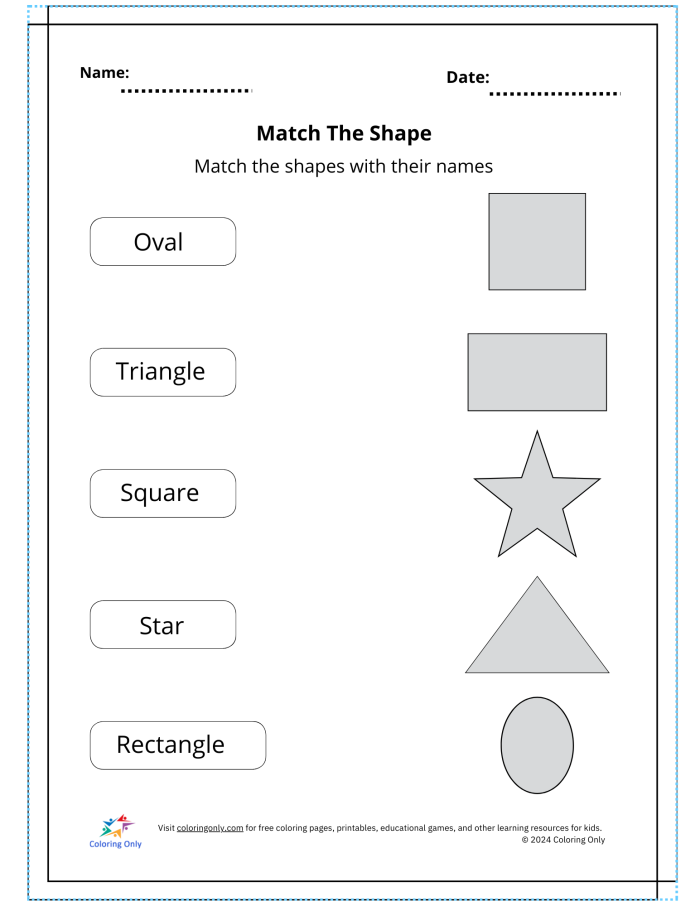
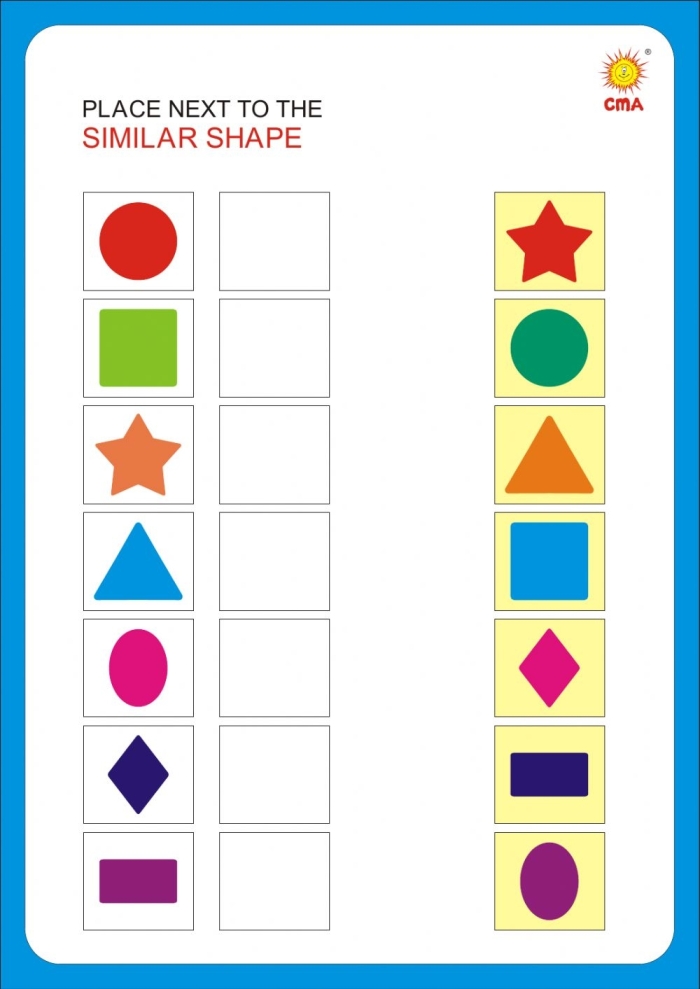
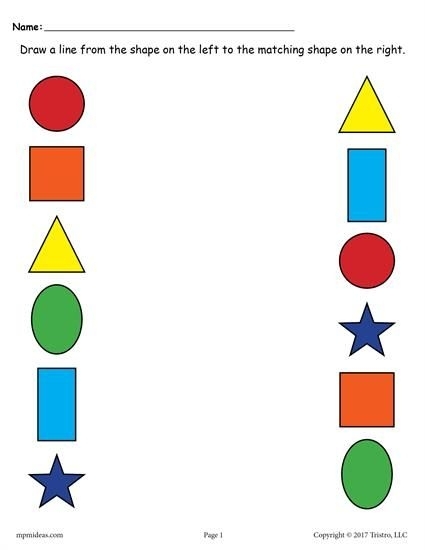
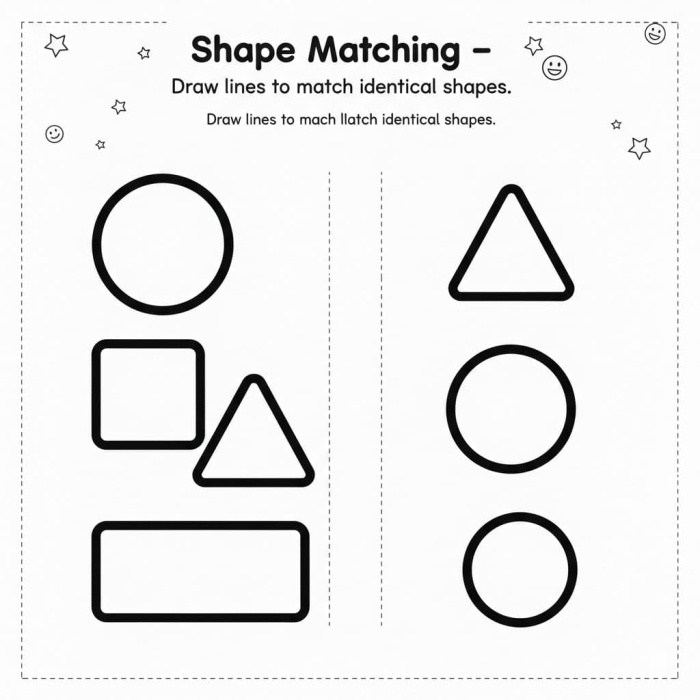
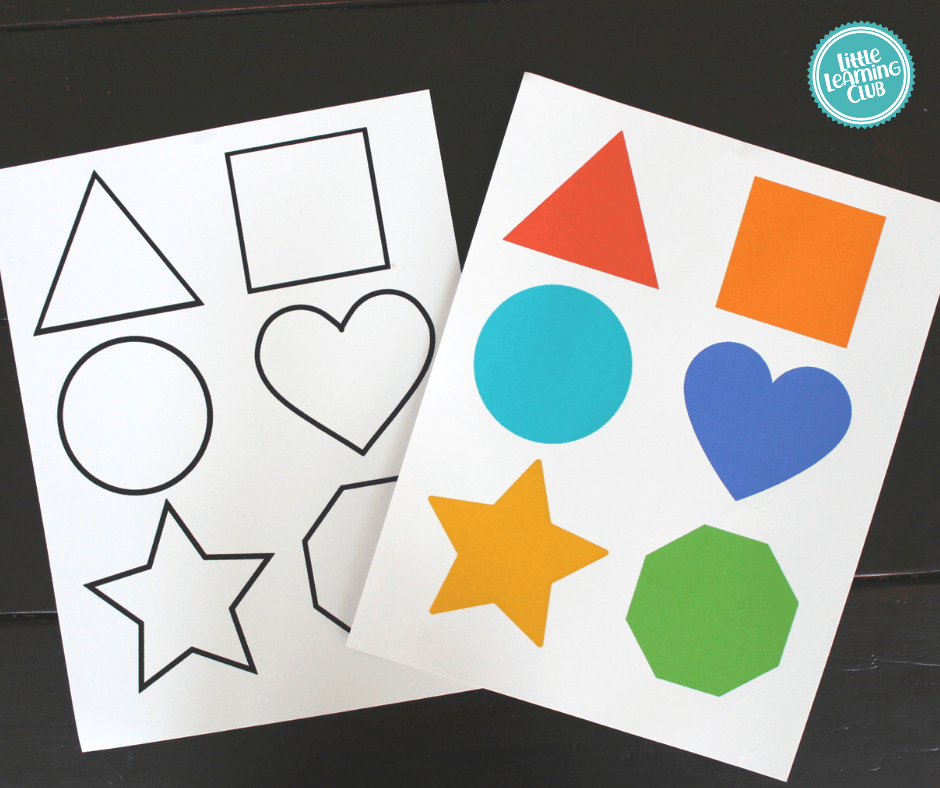
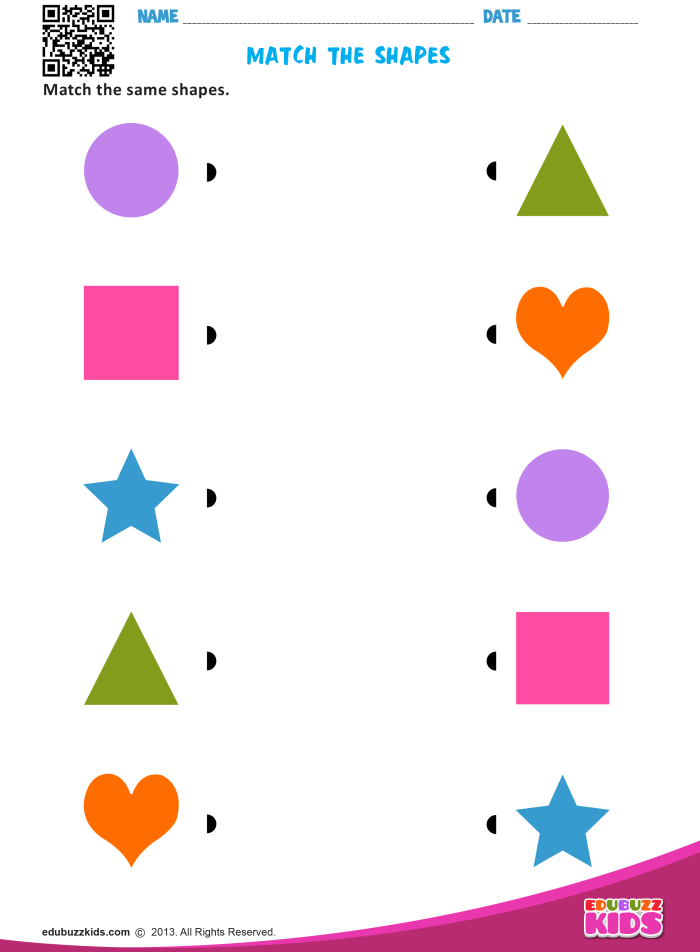
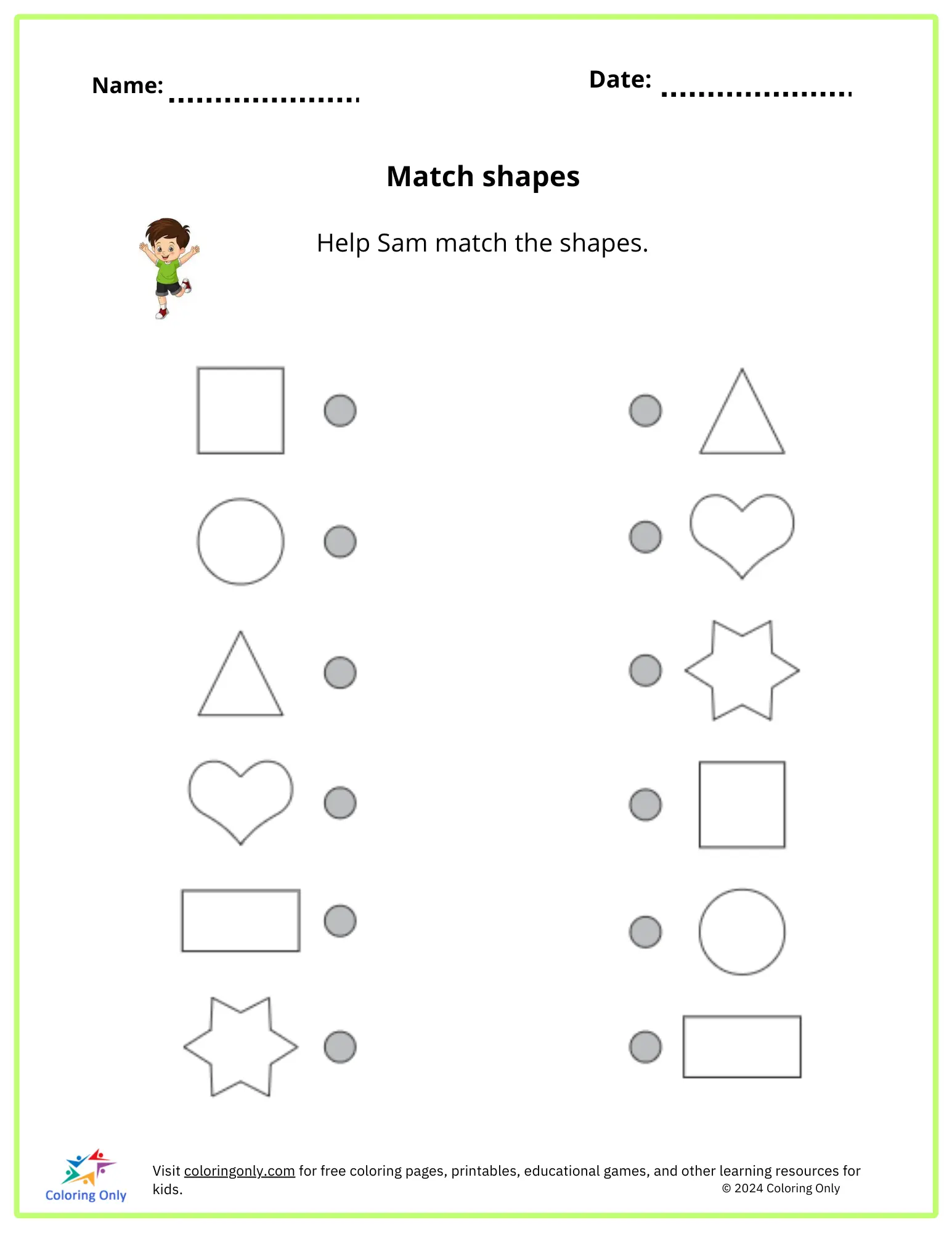
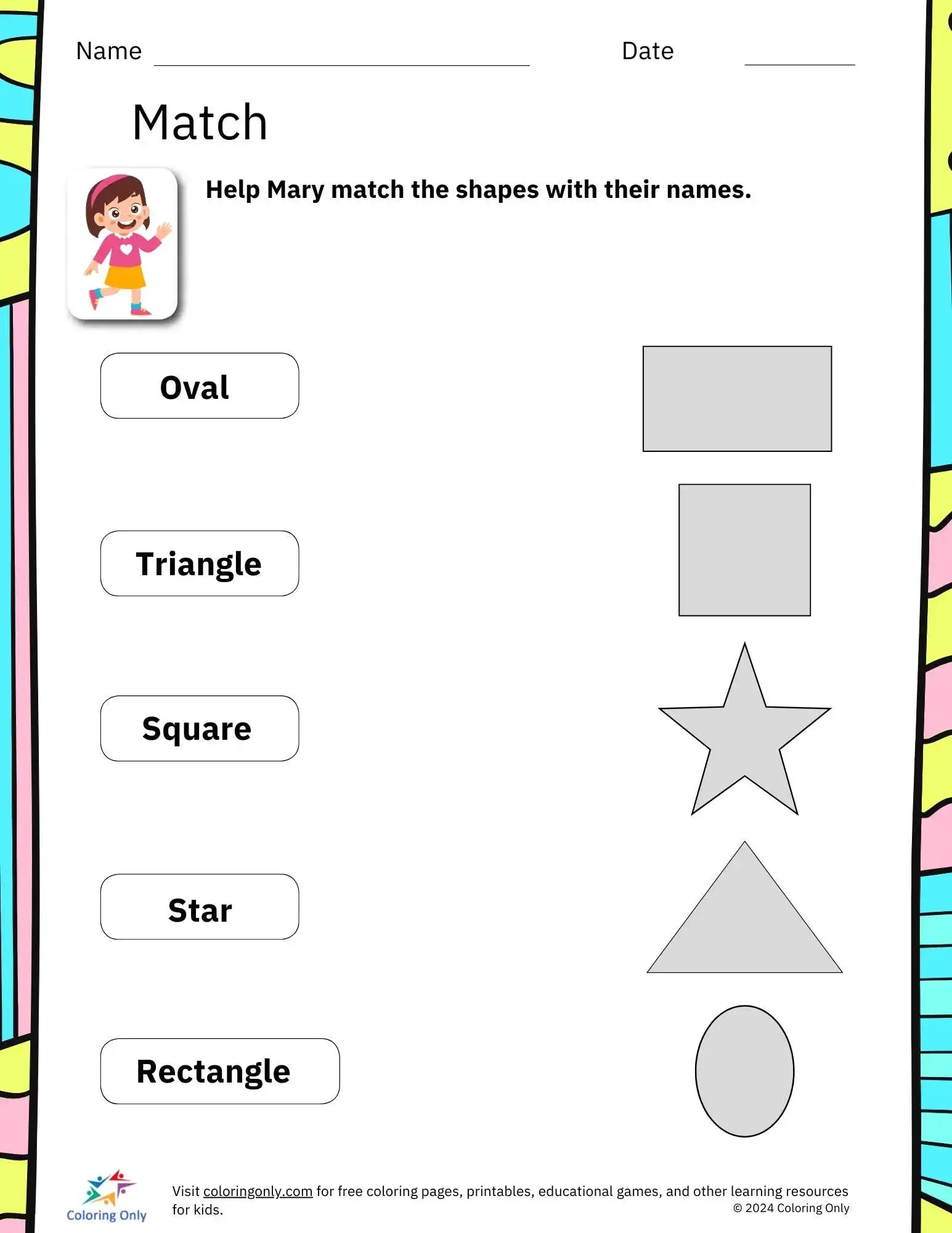
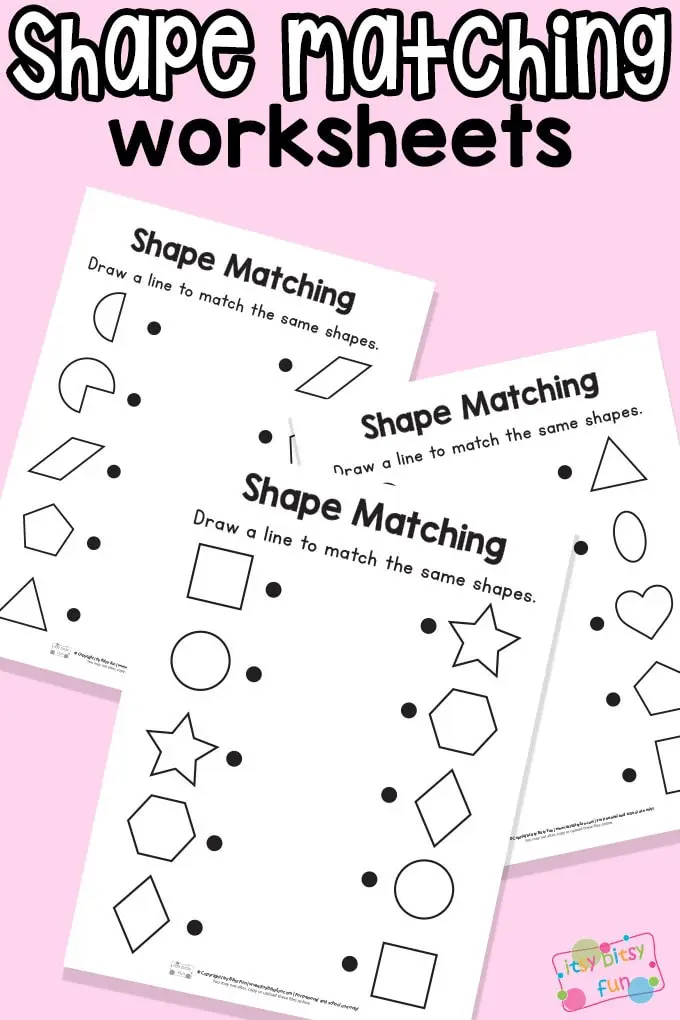
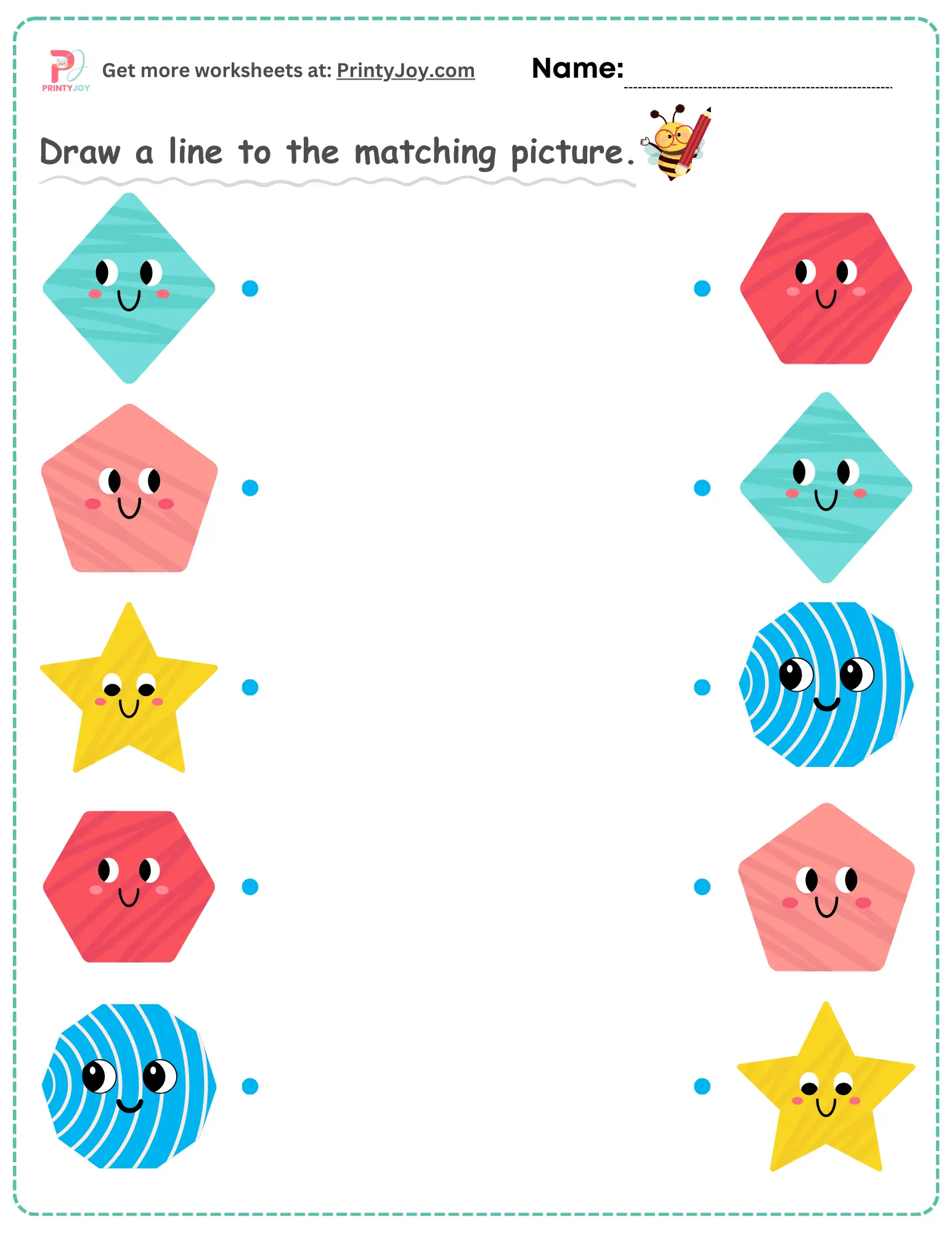
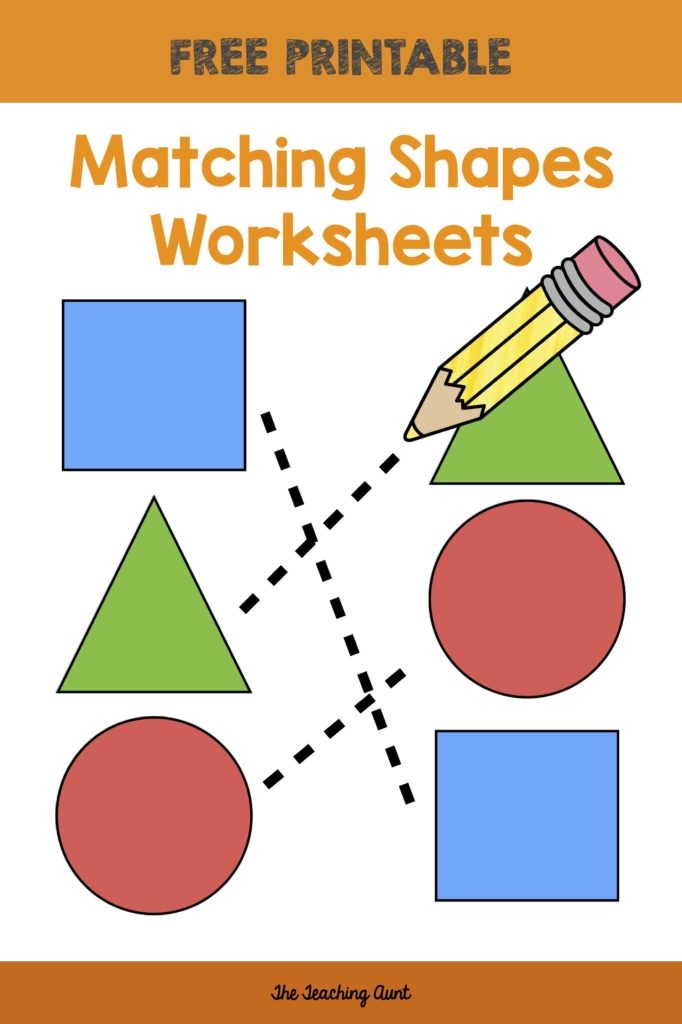
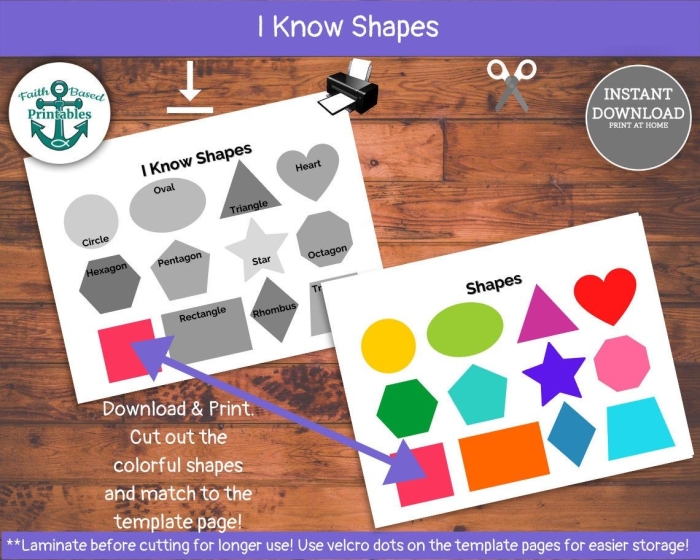
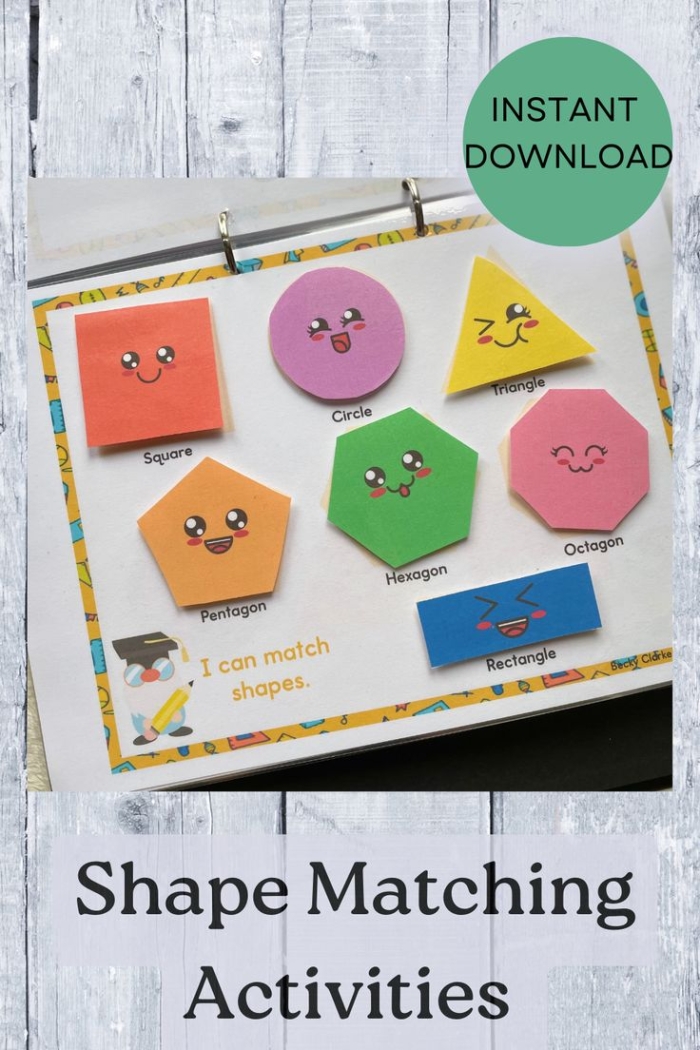
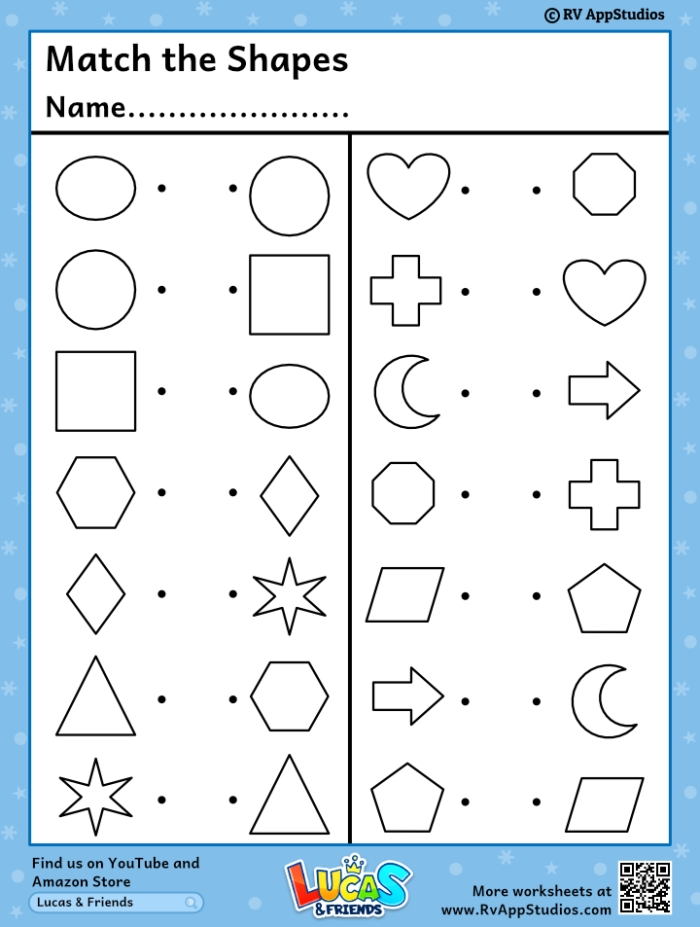
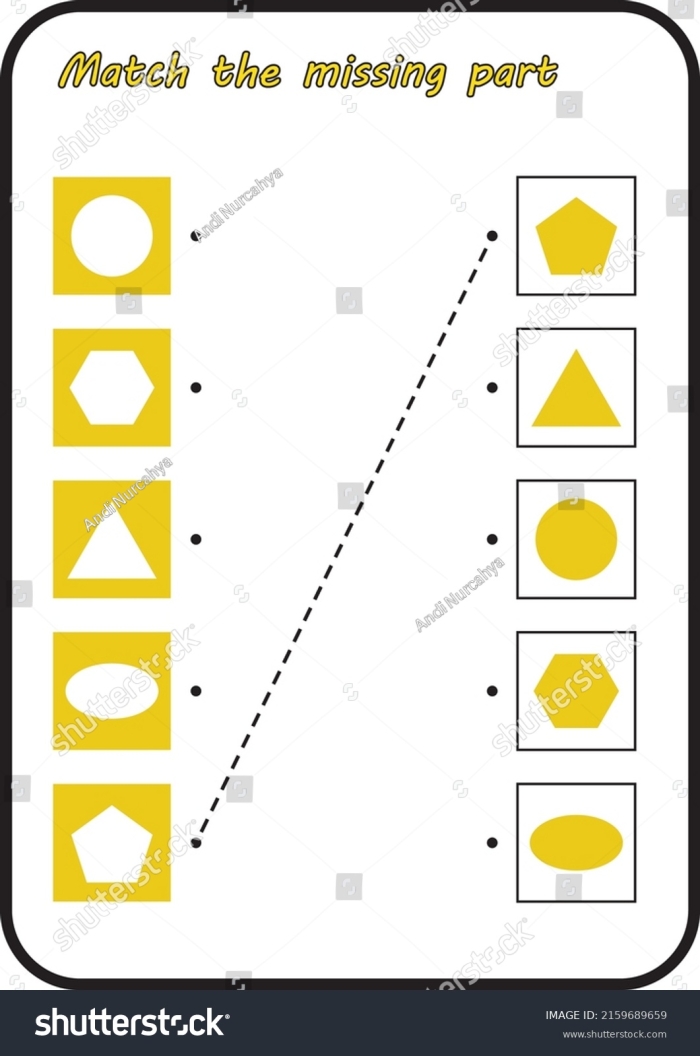
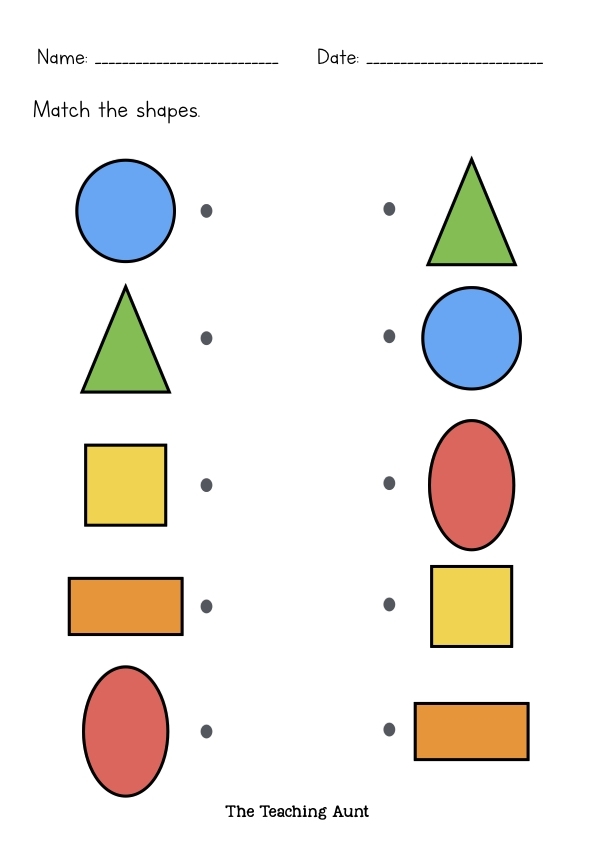
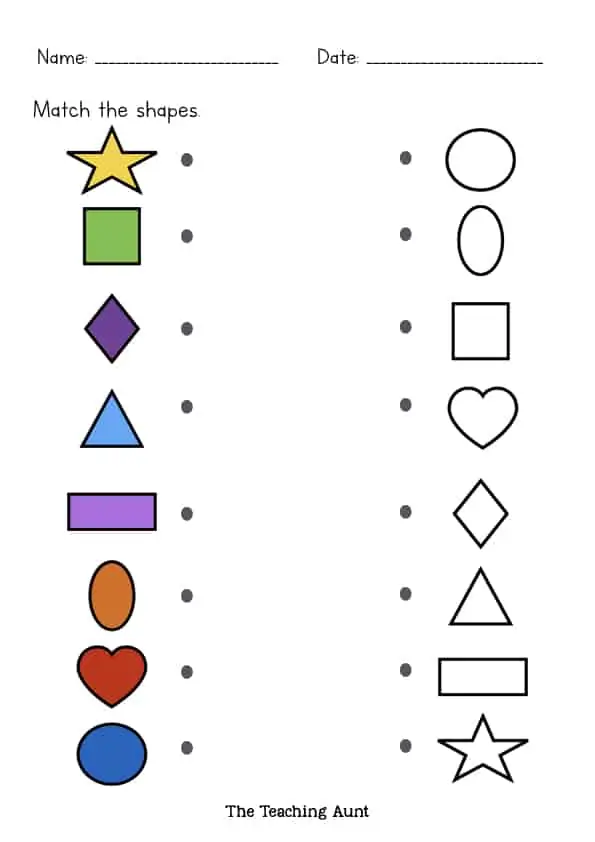
Introducing 3-D shapes to kindergarteners can be both fun and educational when you use a hands-on approach like shape matching. This geometry worksheet invites young learners to identify common three-dimensional figures such as rectangular prisms, cubes, spheres, and cones. By matching each shape to its proper place, children not only recognize these forms visually but also start to understand their distinct properties—like how a cube has equal square faces or how a cone tapers to a point.
One helpful aspect of this activity is that it ties into early multiplication concepts without explicitly focusing on numbers. For example, recognizing that a cube has six equal faces can lead to simple multiplication discussions, such as 6 times 1 face. While the worksheet itself doesn’t directly teach multiplication, it sets a foundation by highlighting the repetition of shapes and surfaces, which is an important step before introducing multiplication formally.
After matching the shapes, students get to color them in, which reinforces their learning through creativity. Coloring helps with fine motor skills and allows children to spend more time observing the shapes’ unique features. This kind of engagement supports memory retention, making it easier for them to recall these shapes later in more complex math tasks. If you’re interested in expanding on this, pairing these activities with other resources like worksheets that explore 3-D shapes in real-world settings can deepen their understanding. For instance, combining shape matching with lessons about community helpers or body parts adds context that makes abstract shapes more relatable.
Printable shape matching fun worksheets are especially valuable in kindergarten, where tactile and visual learning is key. They offer a gentle challenge that fits well within the broader category of multiplication readiness, giving children a chance to connect geometric concepts with early math skills. For more practice that blends numbers and shapes, exploring materials that incorporate counting or simple addition alongside geometry can provide a well-rounded math experience for young learners.
Practice with These Worksheets