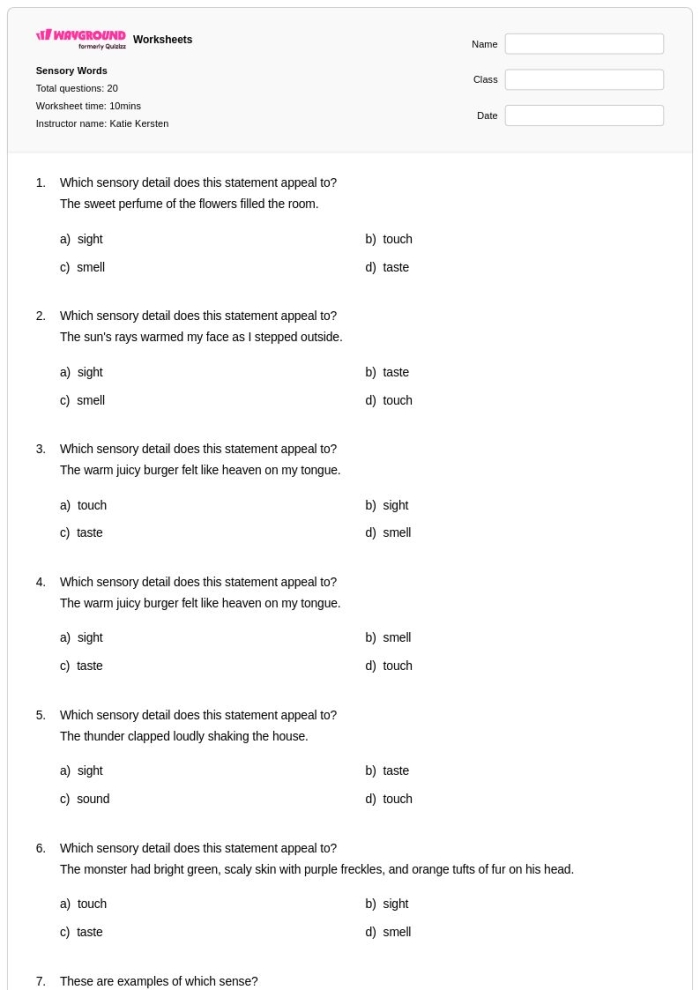
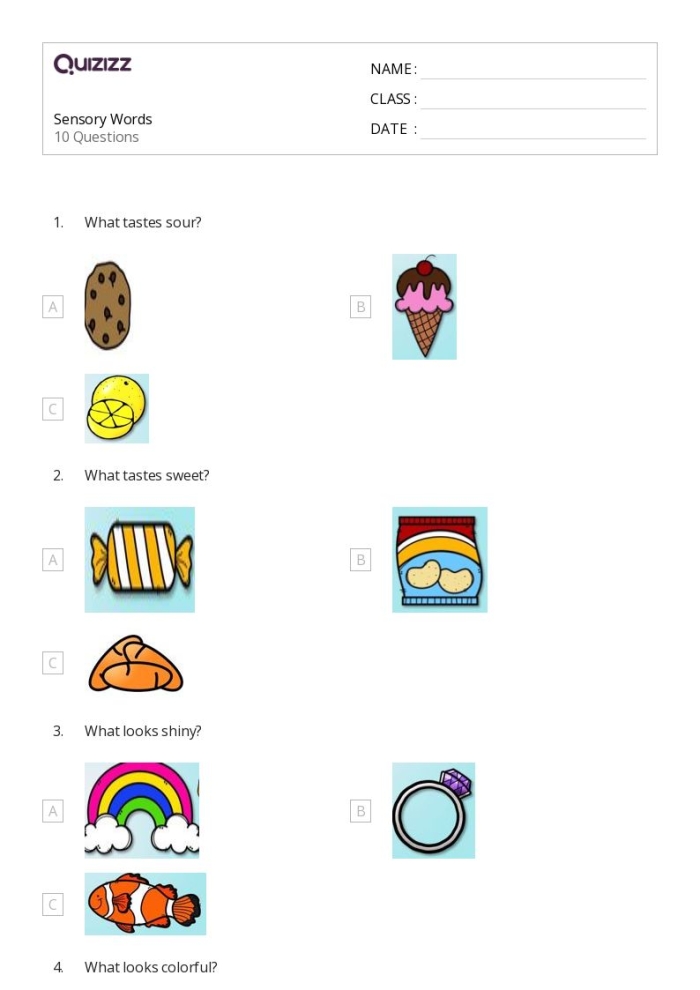
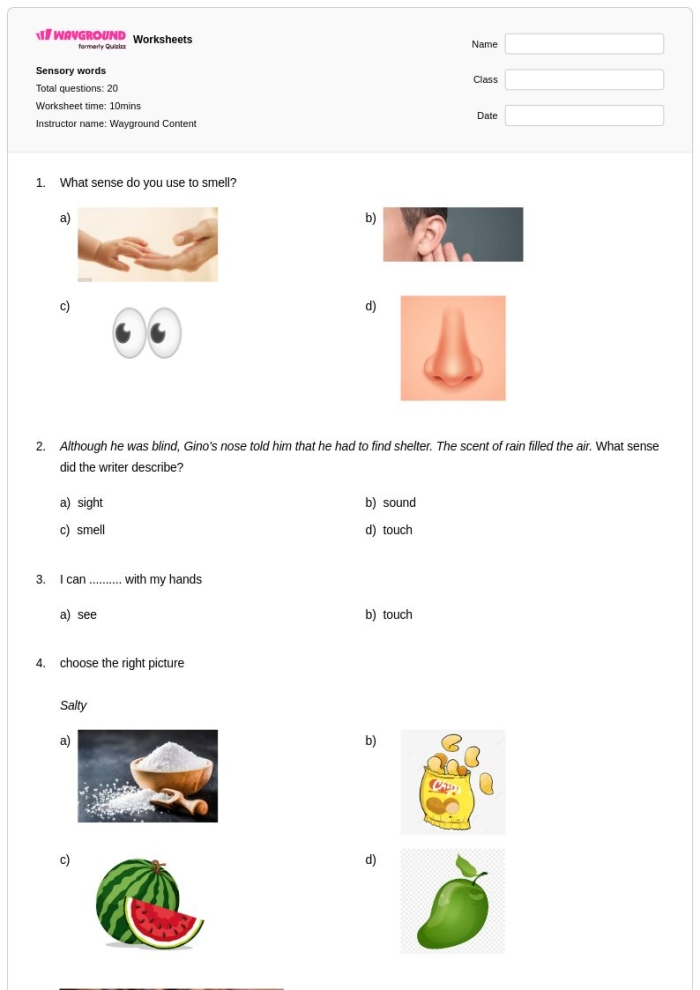
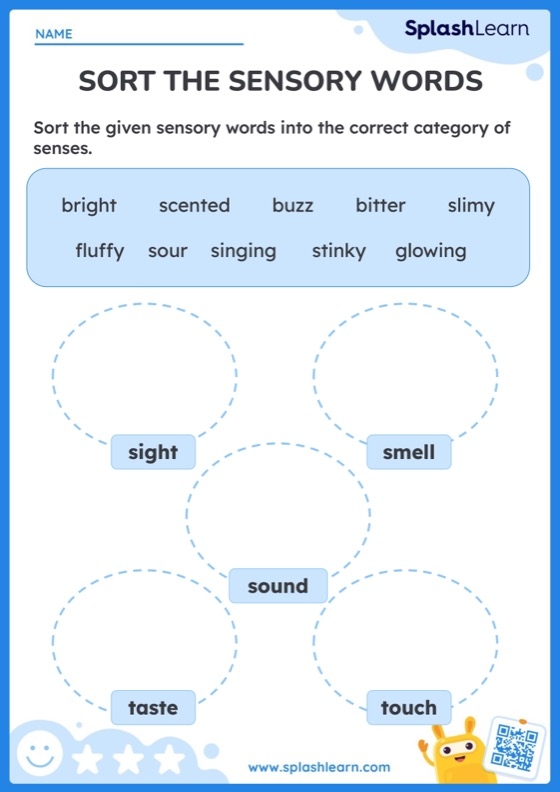
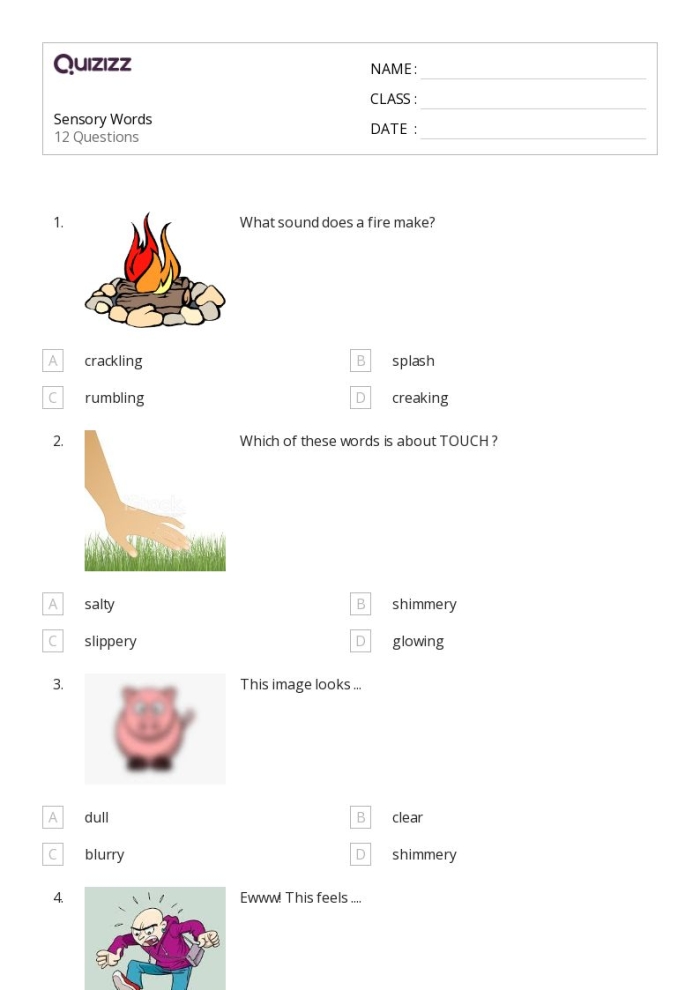
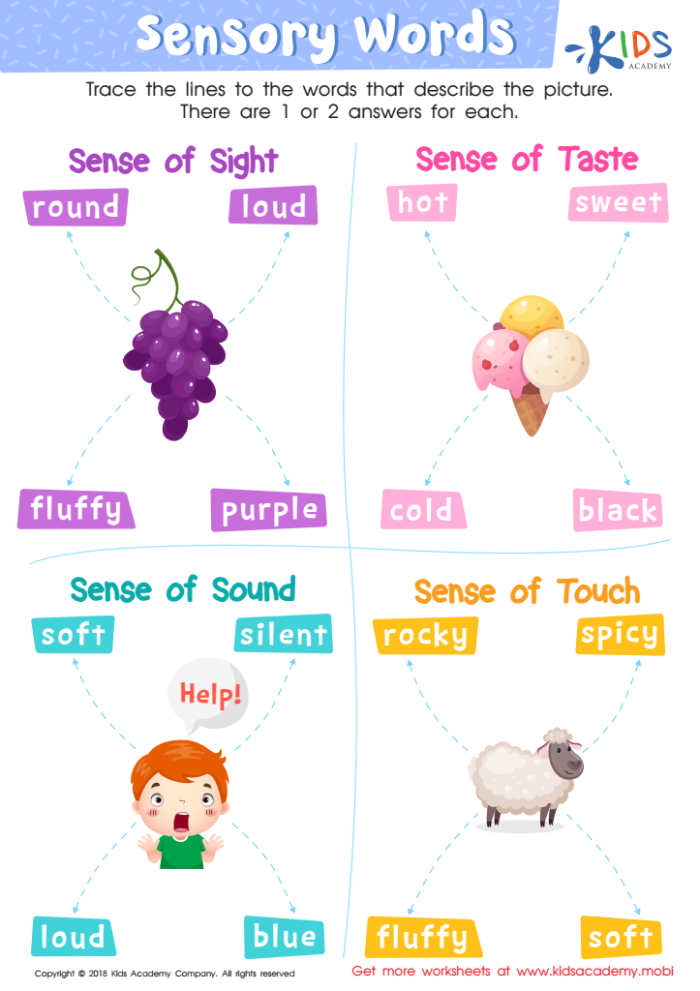
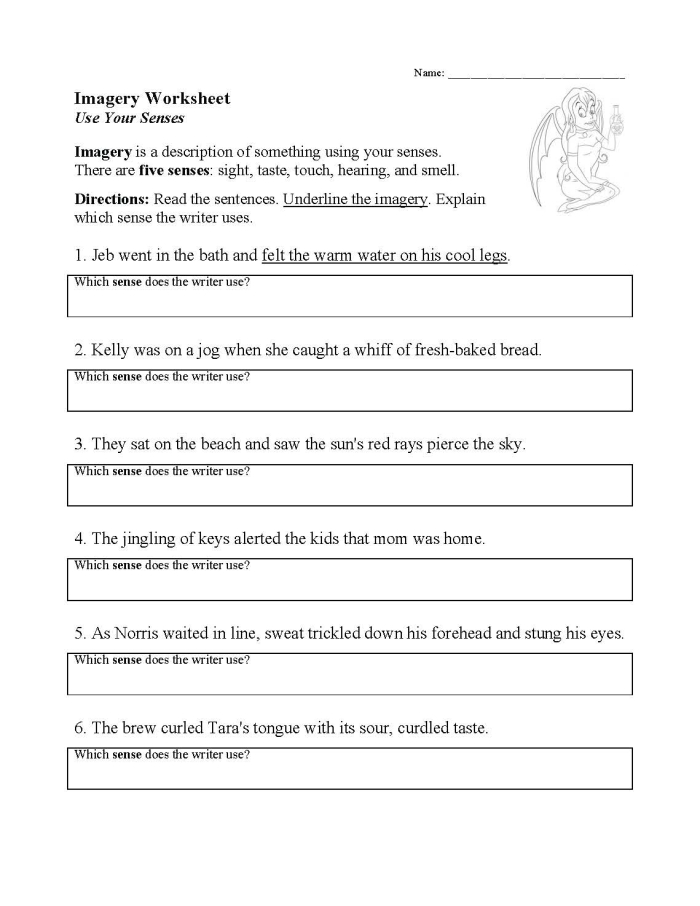
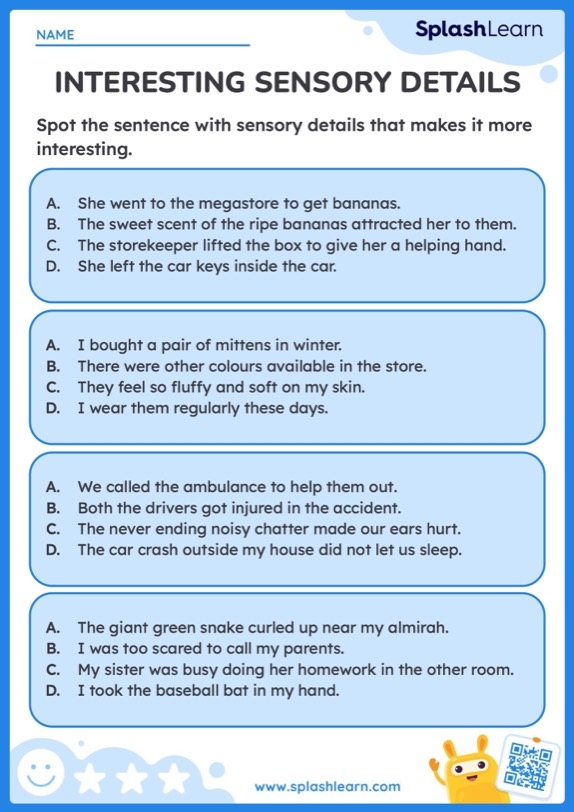
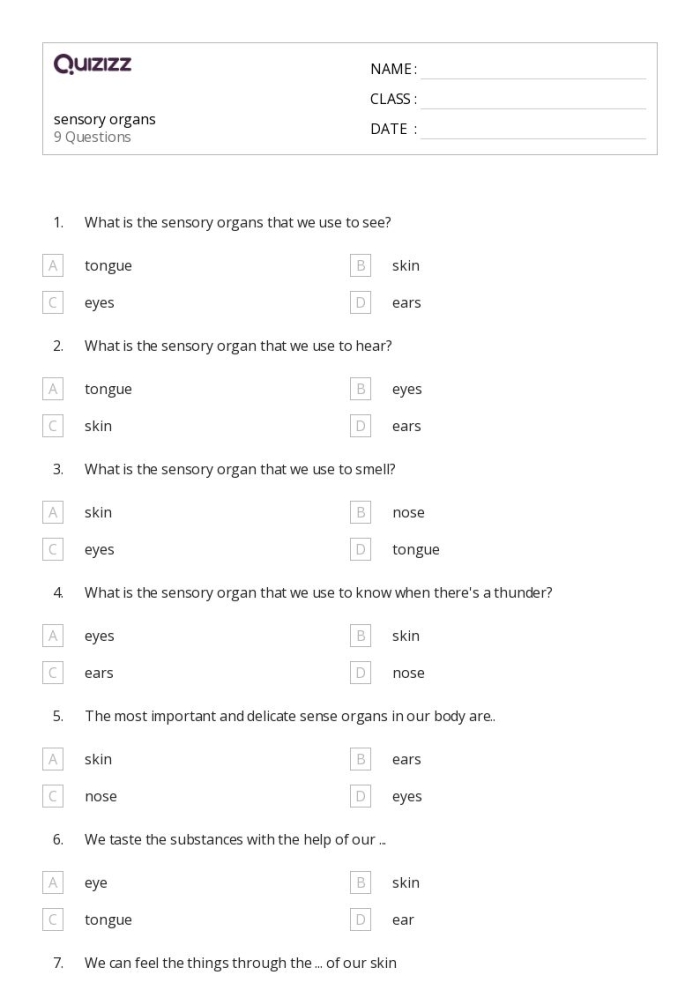
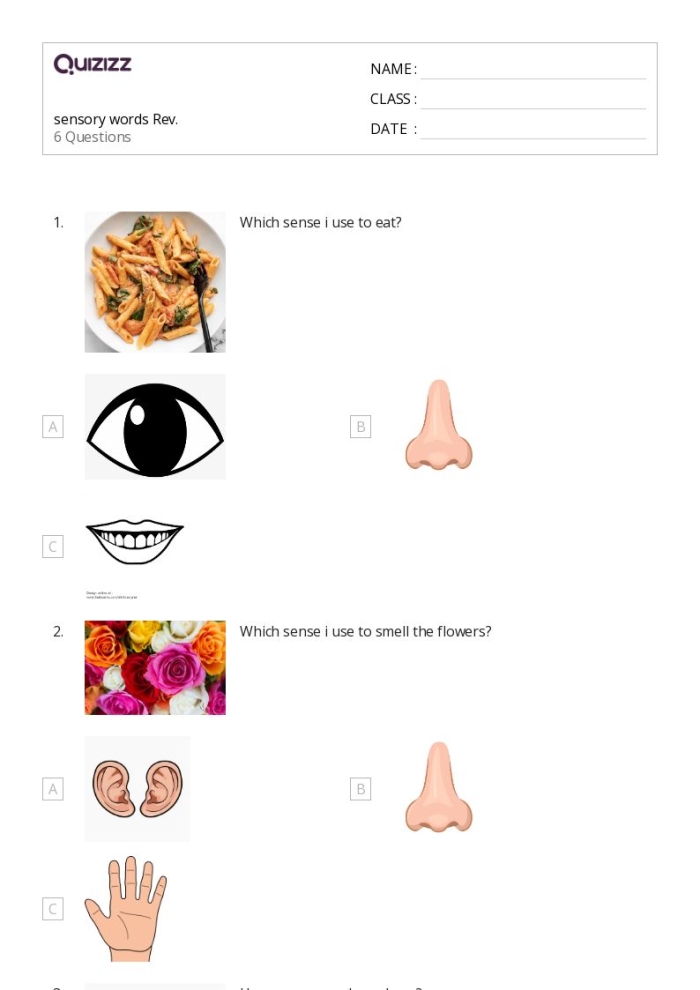
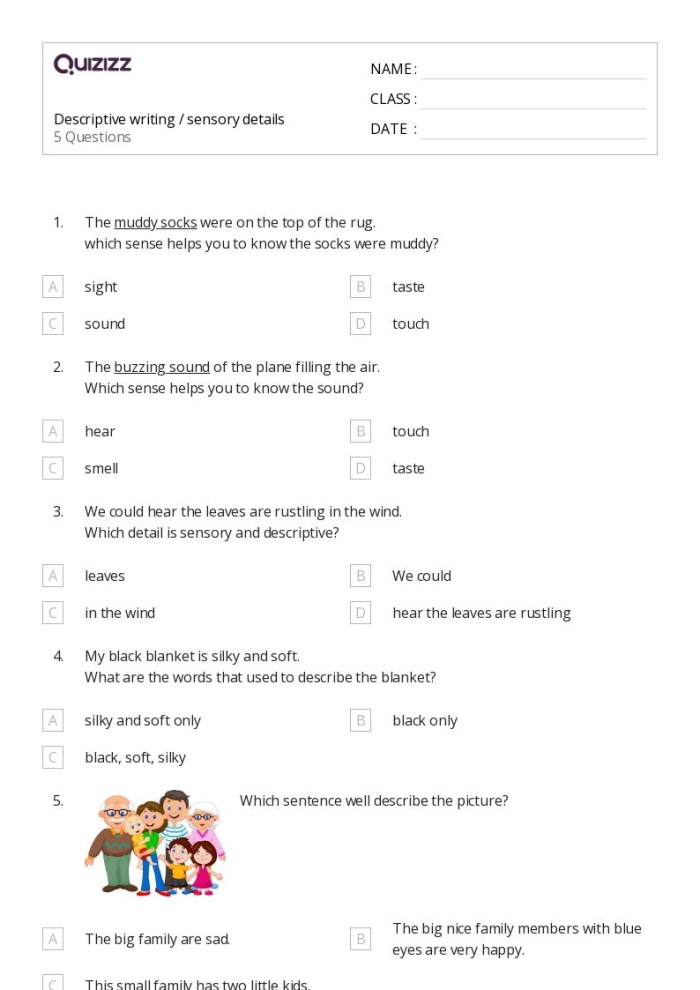
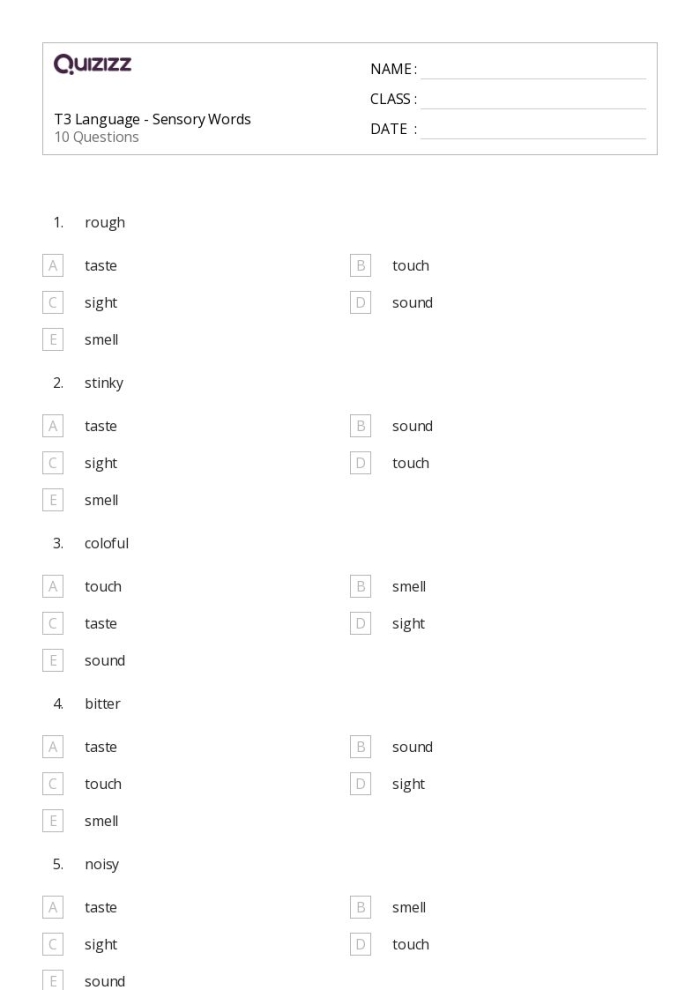
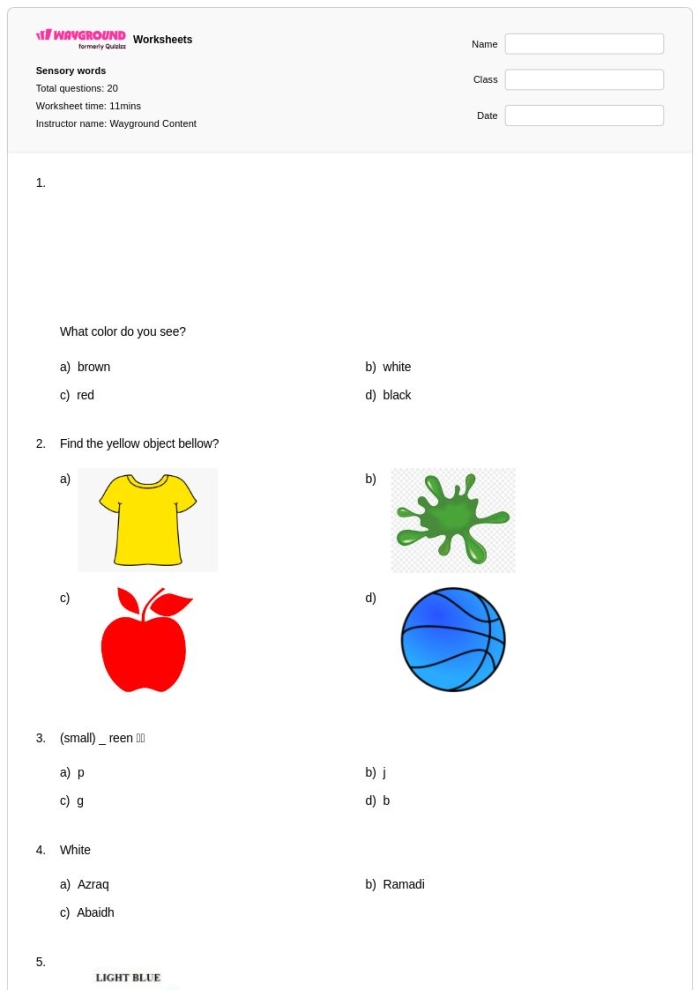
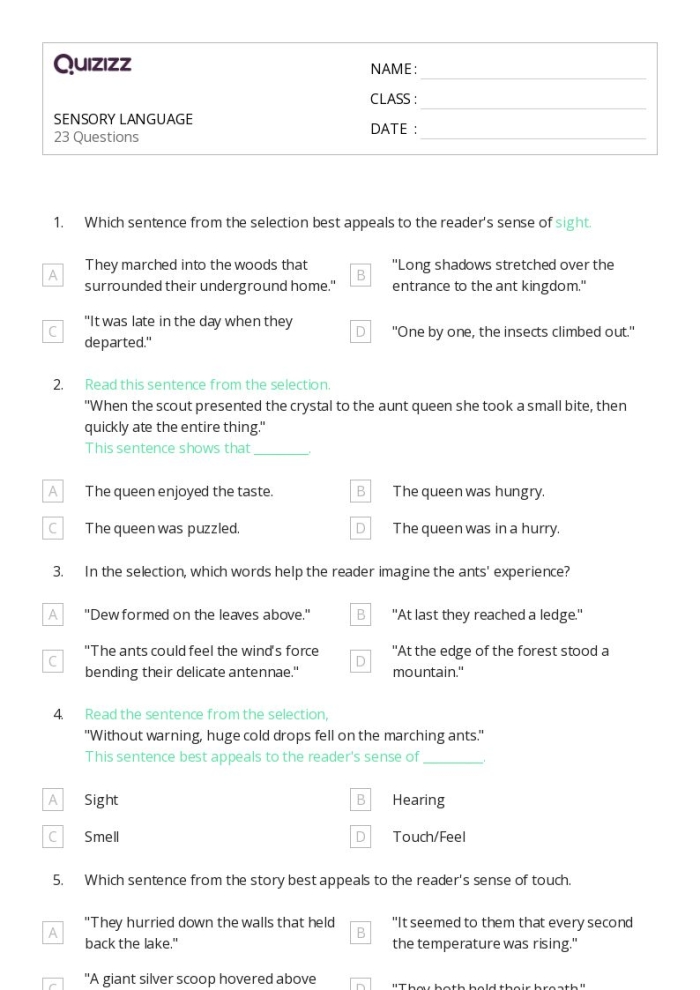
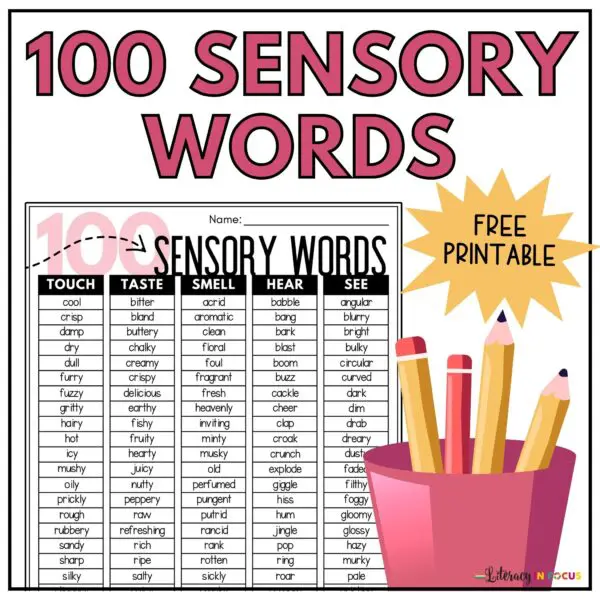
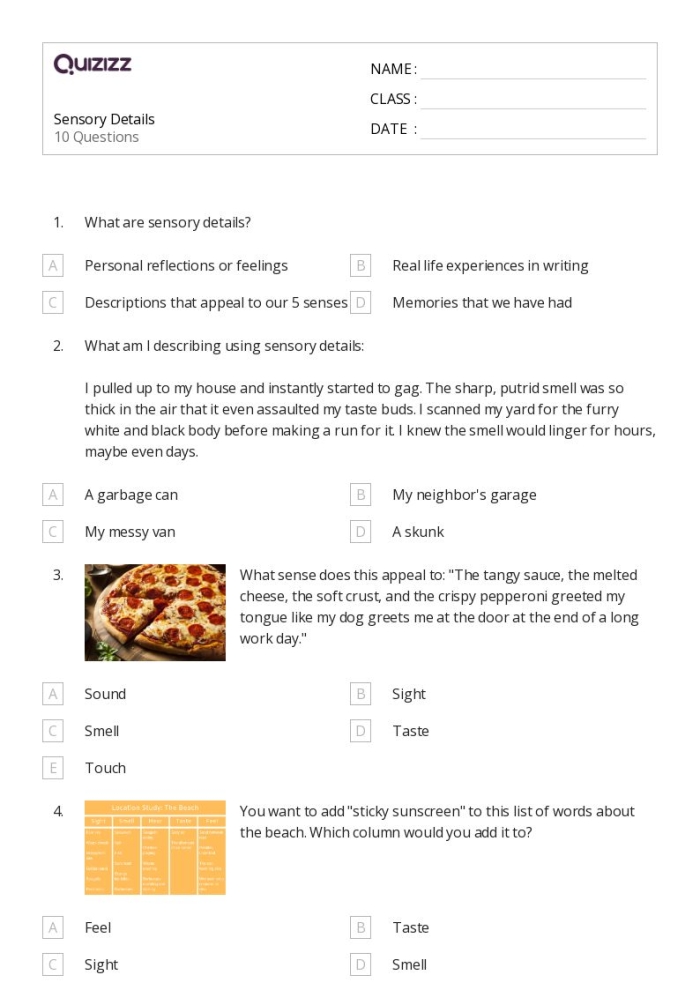
Helping young writers enrich their vocabulary can be an exciting journey. One effective way to introduce sensory words to your third-grade writer is through engaging worksheets that focus on sorting adjectives by the senses. Sensory words are descriptive terms that relate to the five senses: sight, sound, taste, touch, and smell. By learning to categorize these words, students can enhance their writing, making it more vivid and engaging.
Imagine a student describing a scene in a story. Instead of simply saying, “The flower is pretty,” they could use sensory language to create a stronger image: “The vibrant, red flower blooms under the bright sun, releasing a sweet, floral scent.” This transformation comes from understanding how to utilize sensory words effectively. Worksheets designed to sort adjectives can provide practice in identifying which words belong to which senses. This not only boosts their vocabulary but also encourages creativity in their writing.
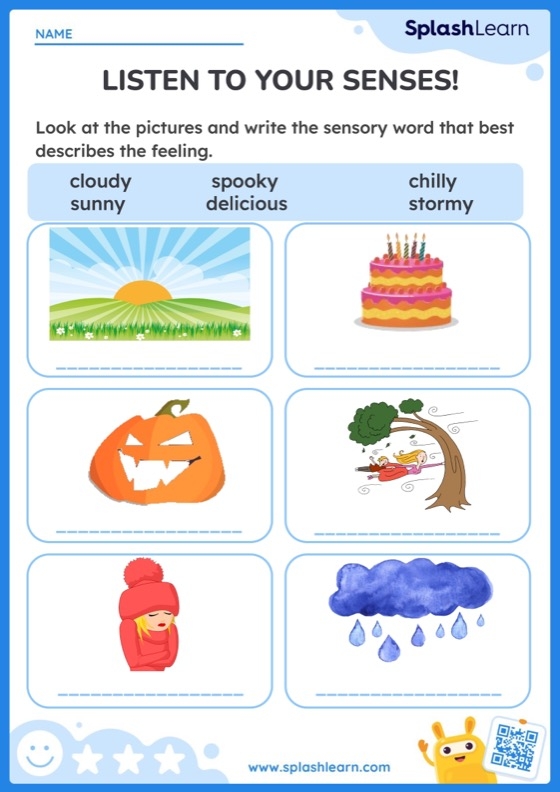
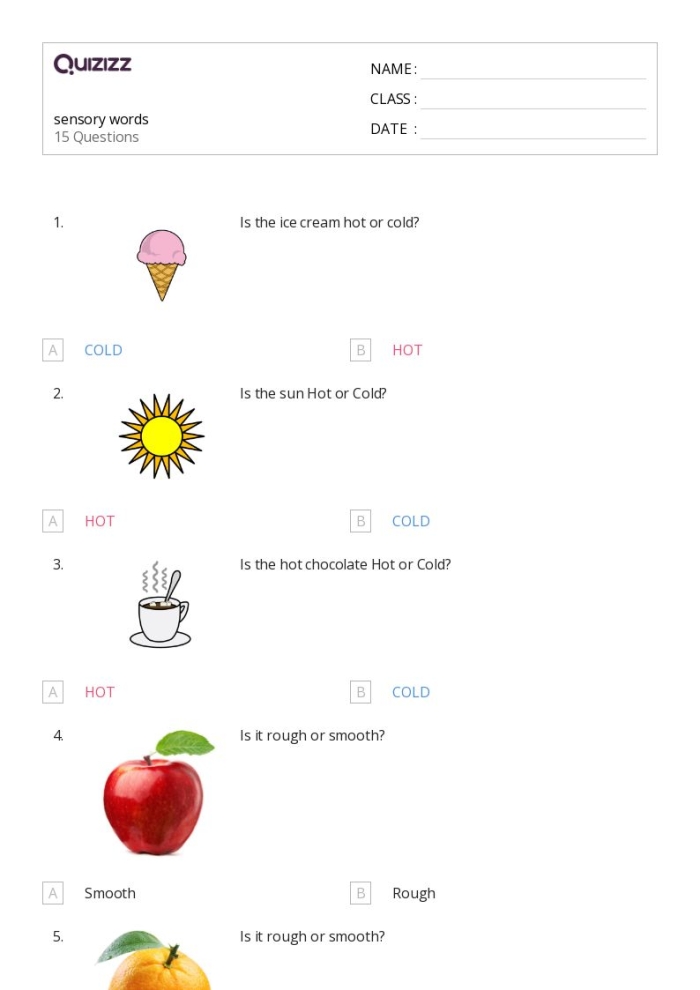
In the classroom, you might present a worksheet where adjectives are listed, and students must place each word under the appropriate sense. For example, words like “loud,” “whisper,” and “echo” would go under sound, while “bitter,” “sweet,” and “savory” would fit under taste. This hands-on sorting activity makes learning interactive and fun, as students engage with the material in a meaningful way.
In addition to enhancing writing skills, using sensory words can also improve comprehension. When students read stories rich in sensory details, they can better visualize the scenes and connect with the characters. This practice is especially beneficial for second-grade learners who are just beginning to explore more complex texts.
To further aid your teaching, consider integrating resources like the persuasive paragraph worksheets or the solar system coloring pages. These materials can complement your lessons on sensory words and provide additional opportunities for students to practice their writing and comprehension skills.
Start Practicing with These Worksheets