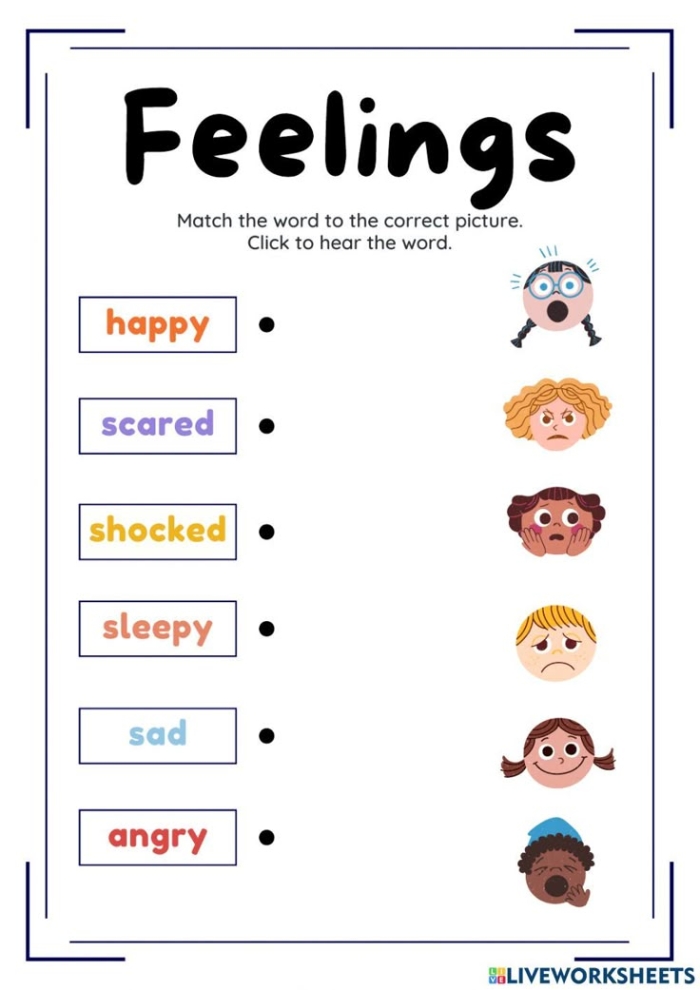
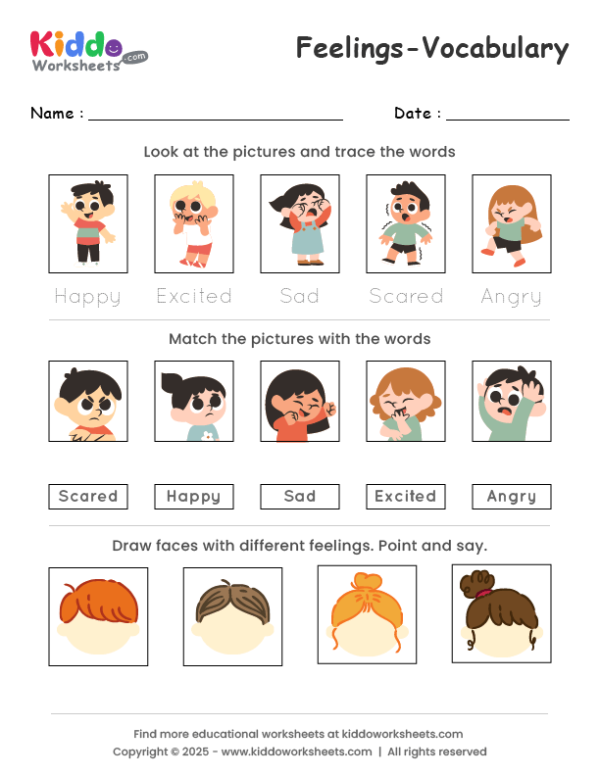
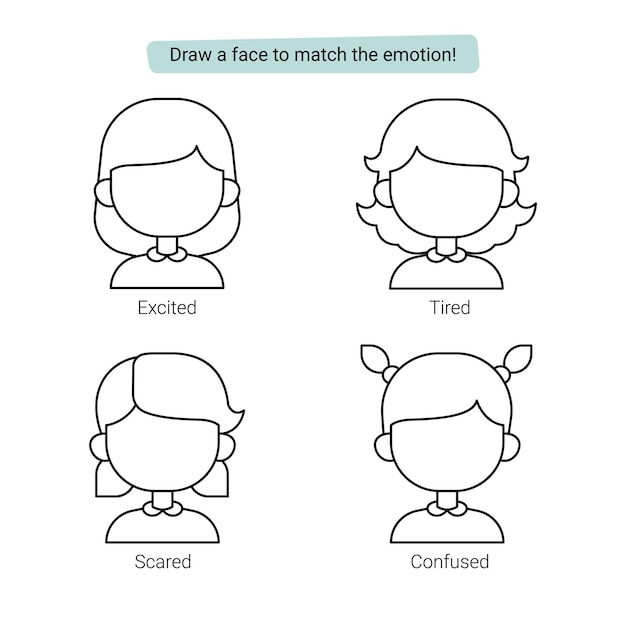
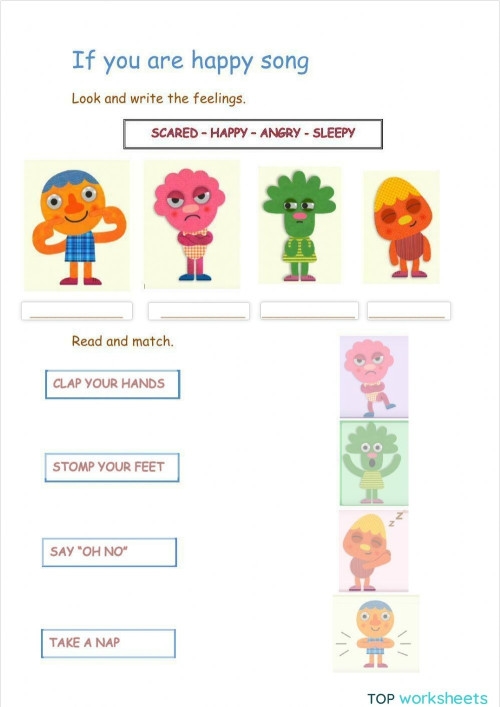
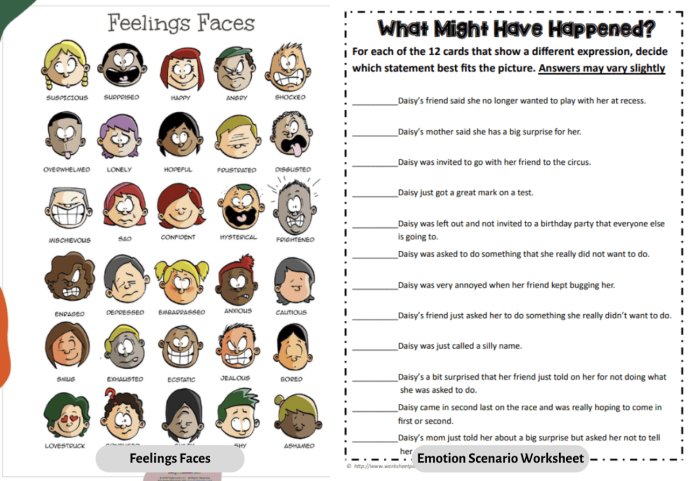
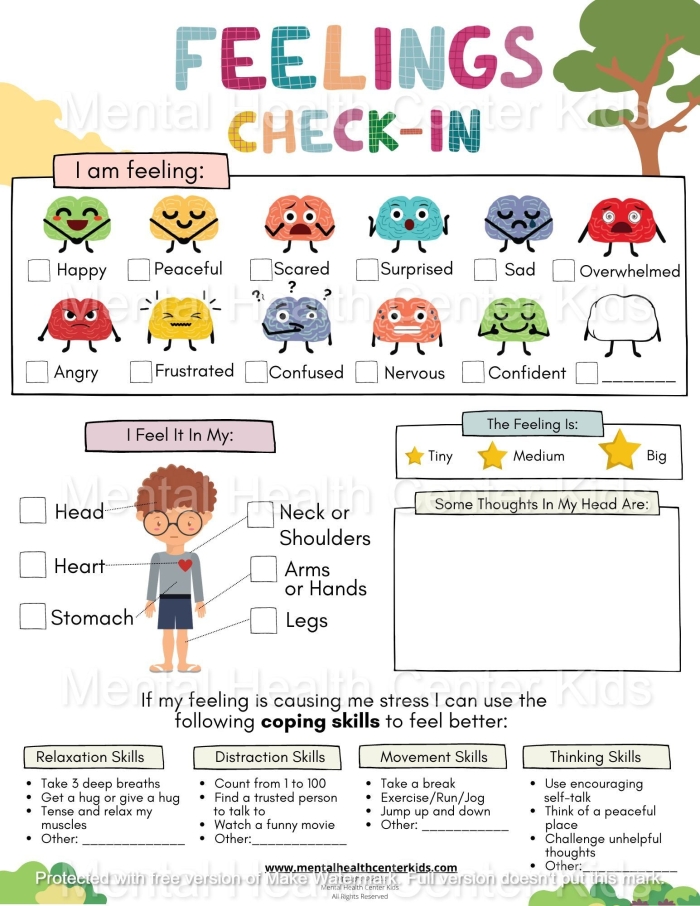
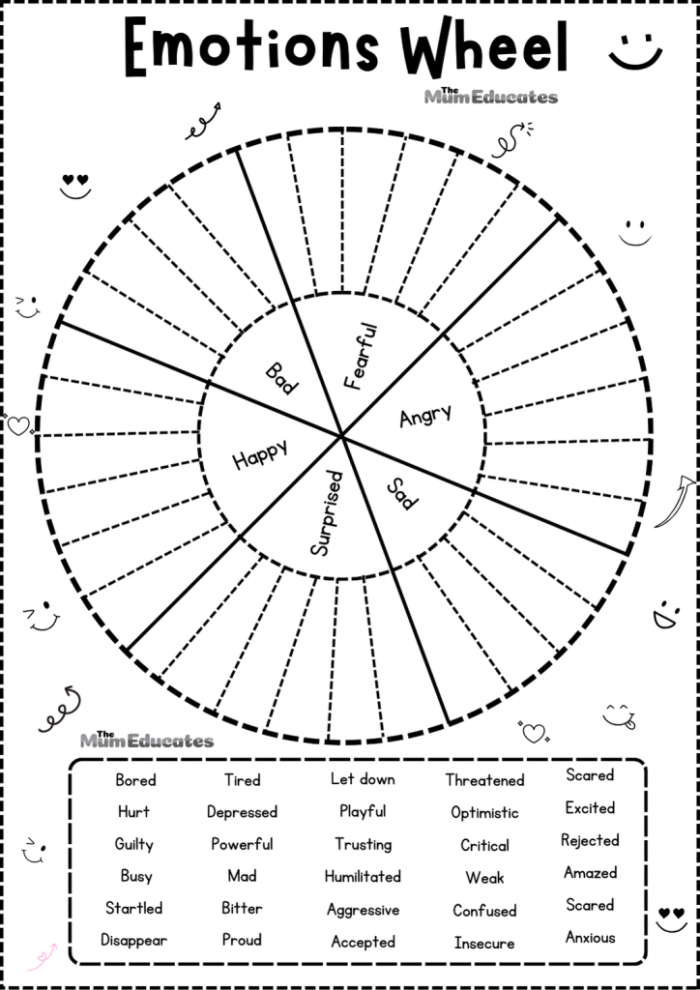
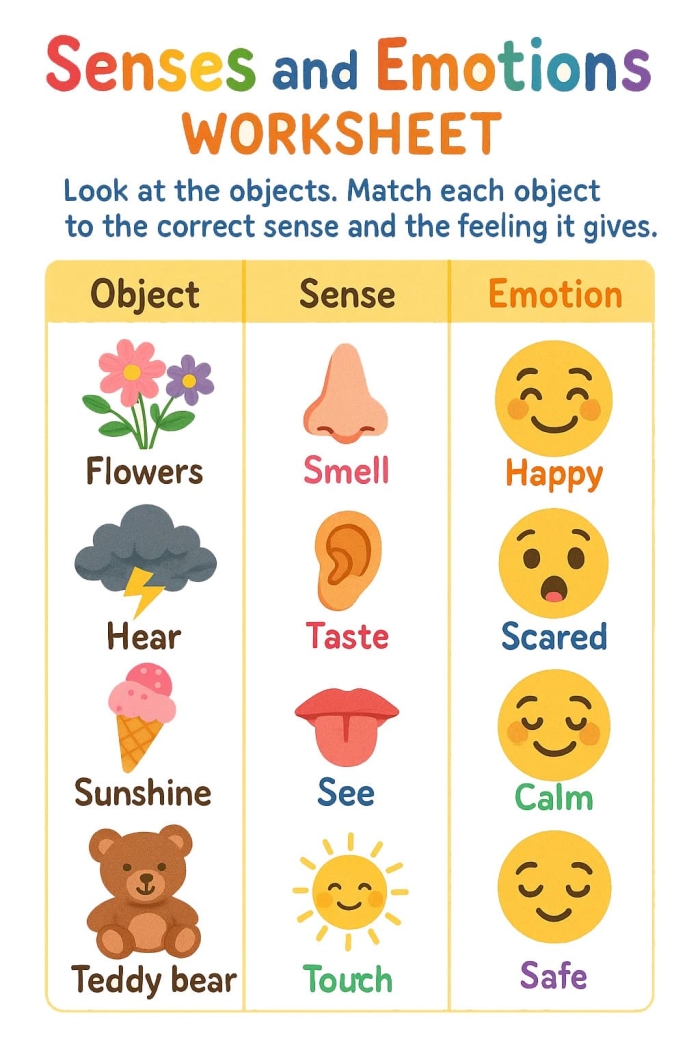
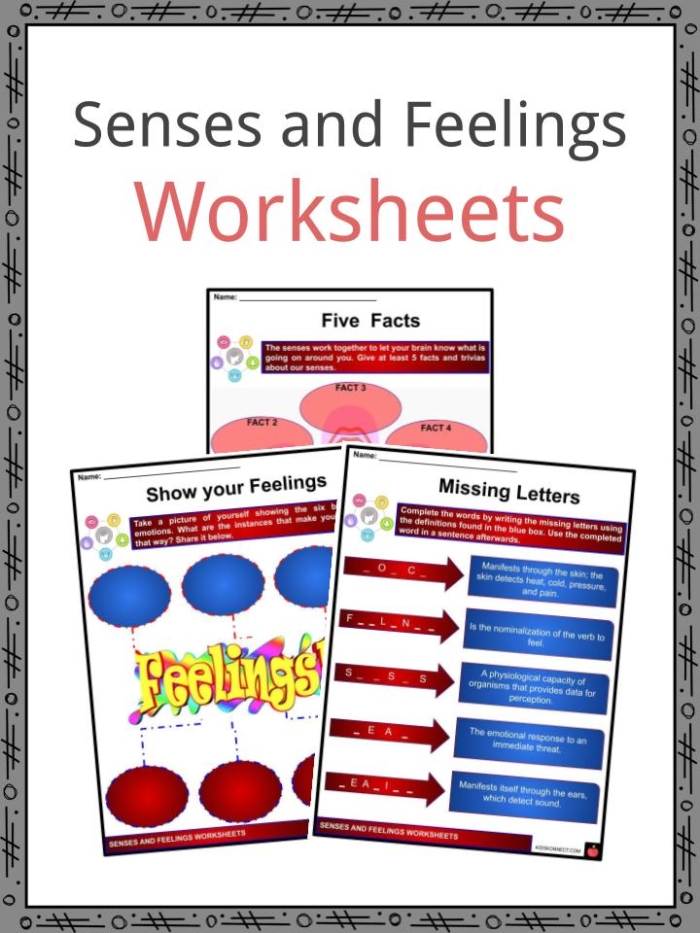
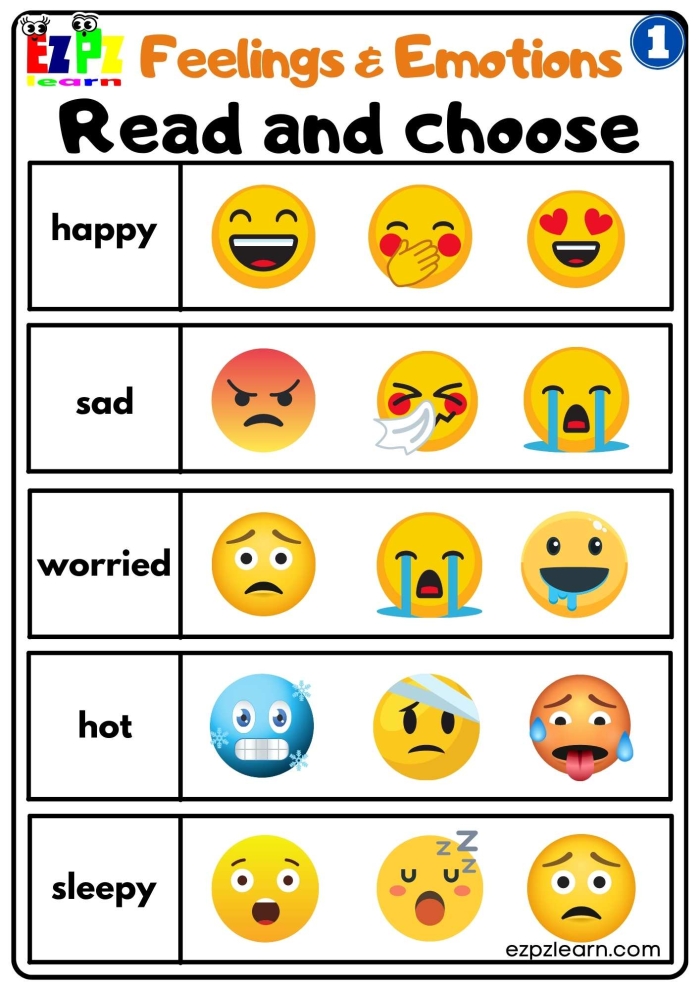
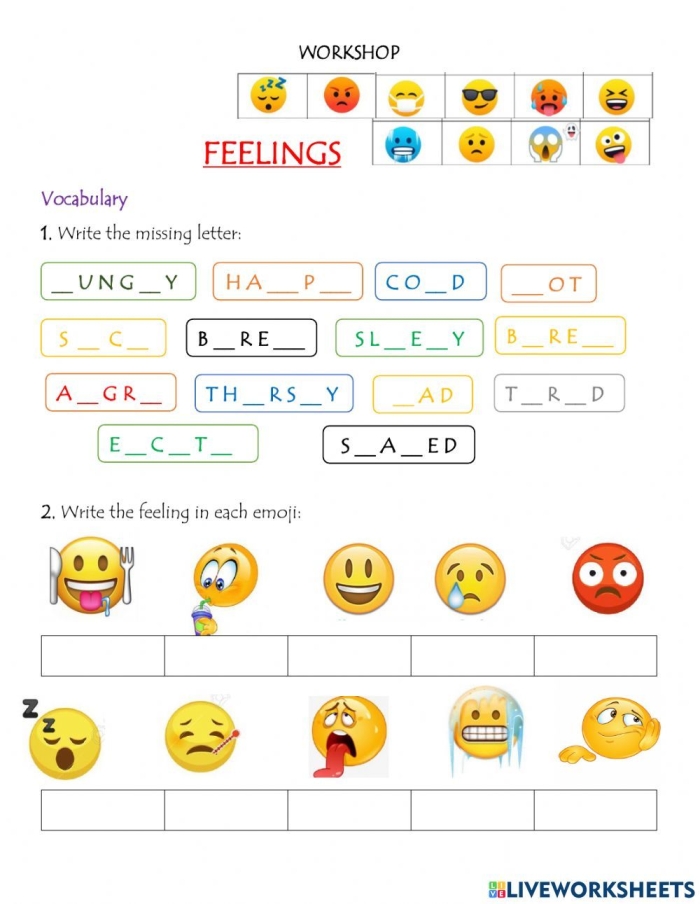
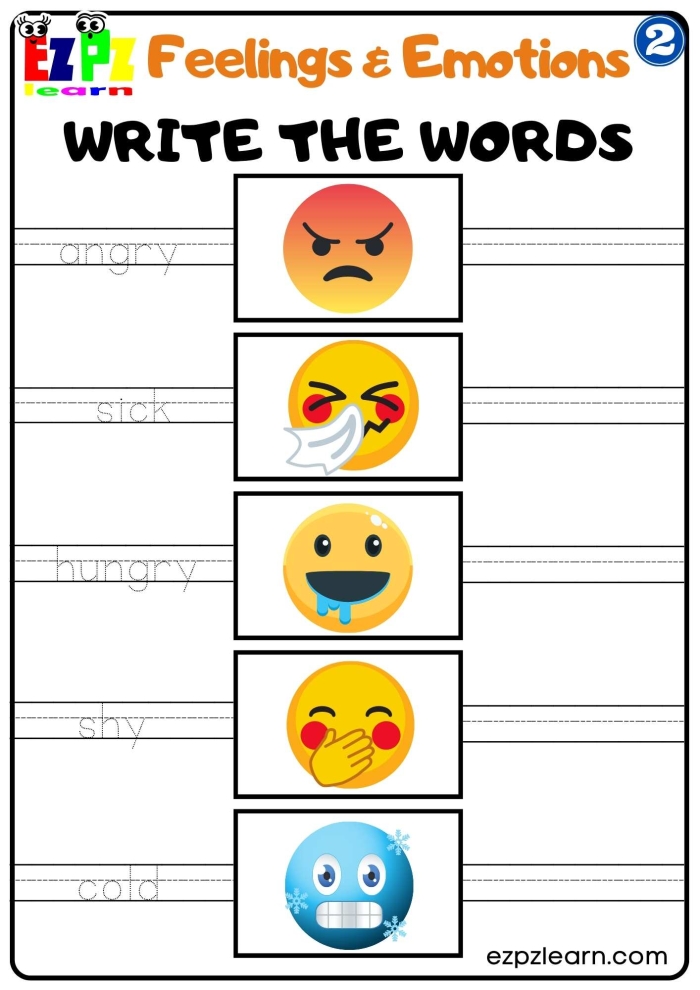
Picture-based quizzes work surprisingly well for kindergarteners because they tap into how young children naturally learn. Rather than asking them to read or write, you show them images and let them respond verbally or by pointing. This approach keeps their attention while building vocabulary around emotions and sensory experiences.
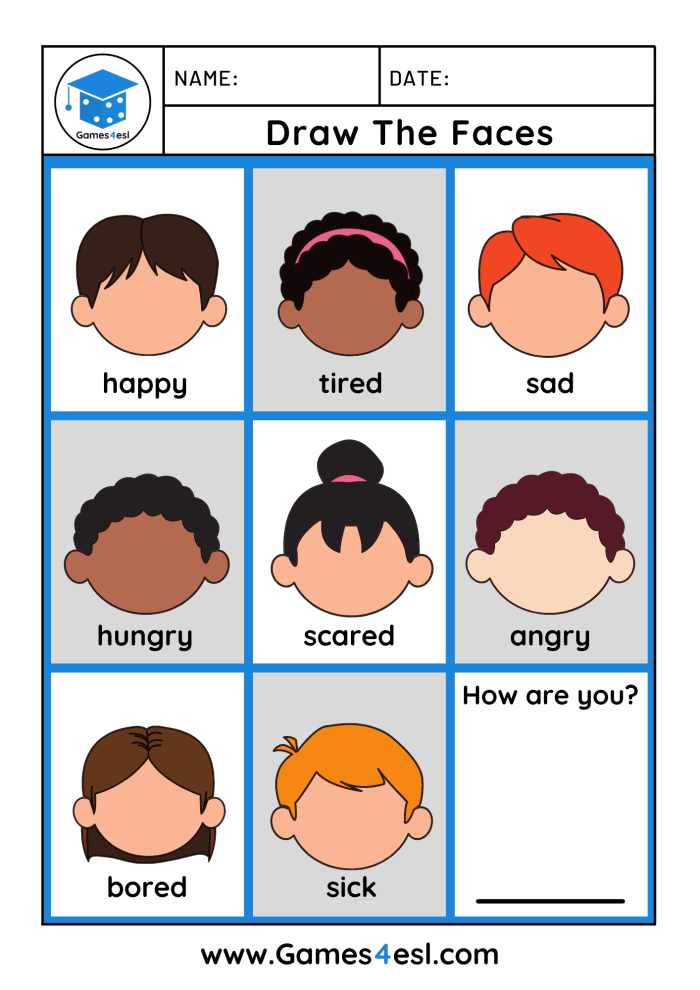
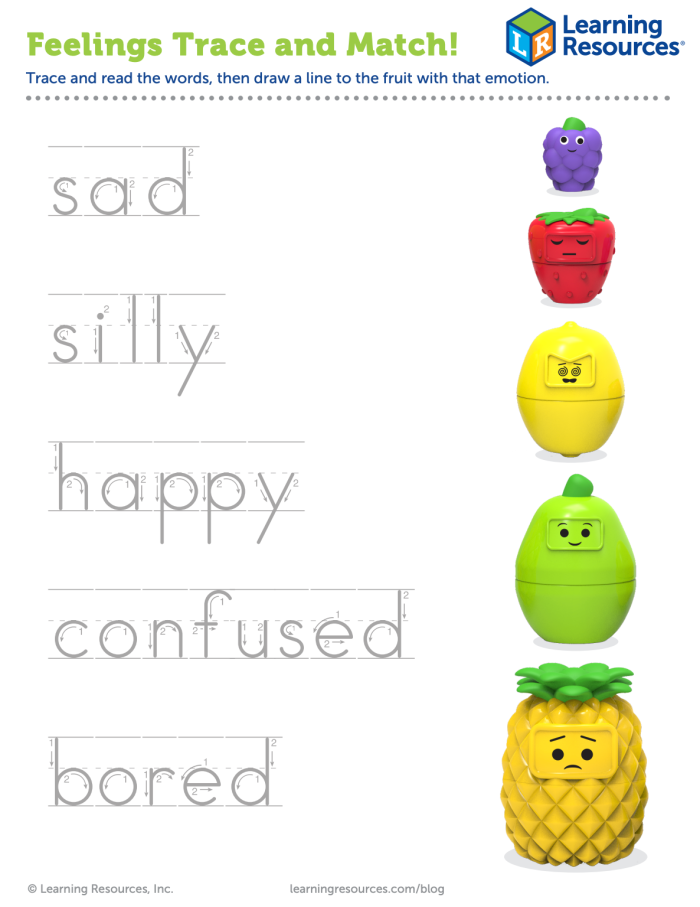
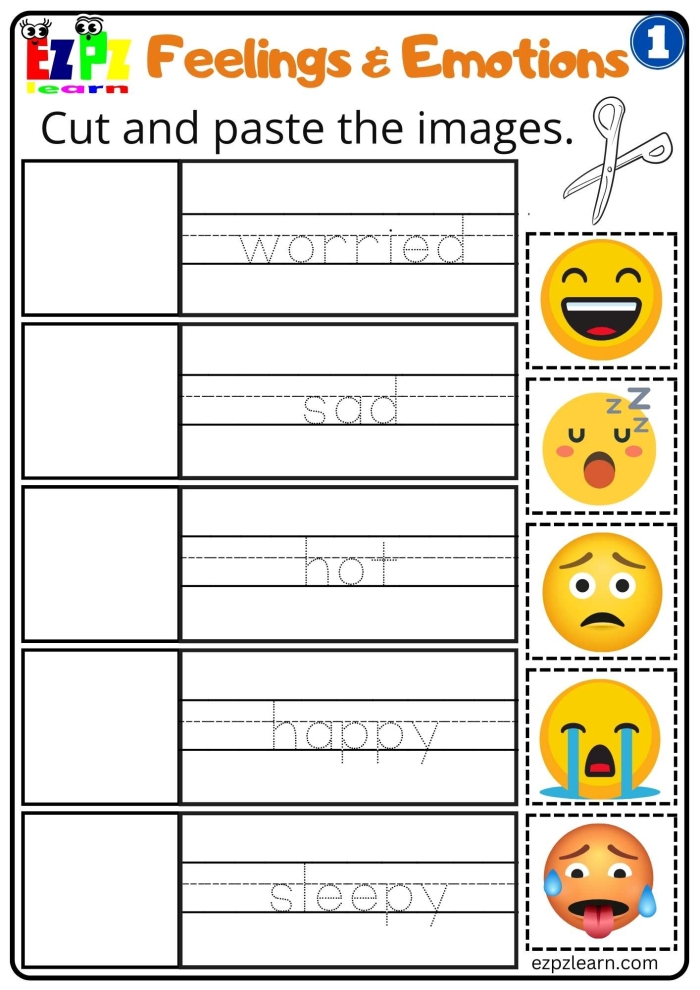
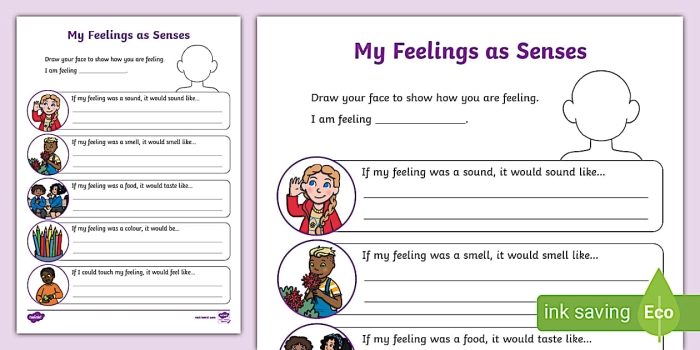
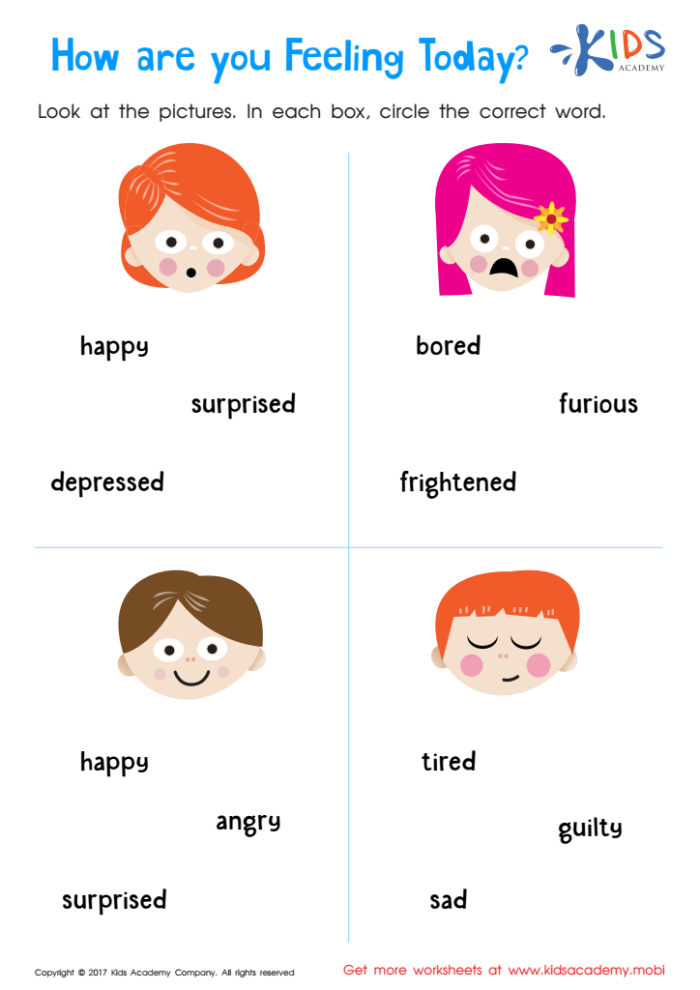
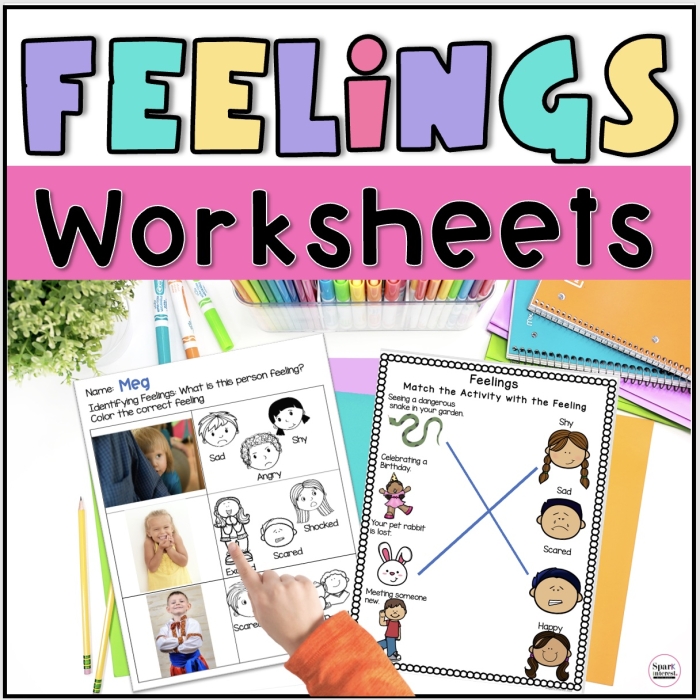
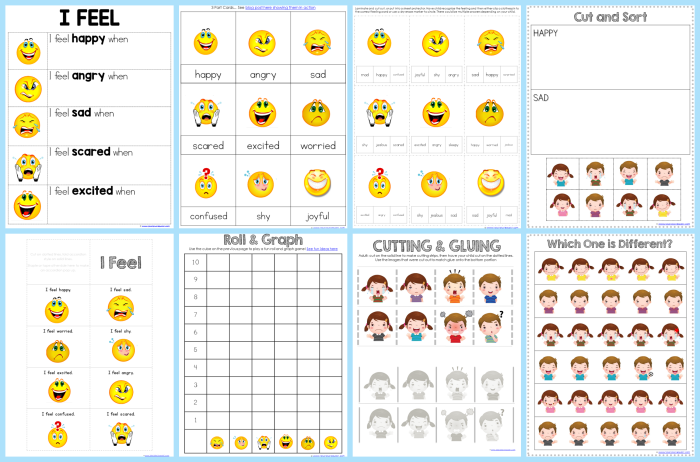
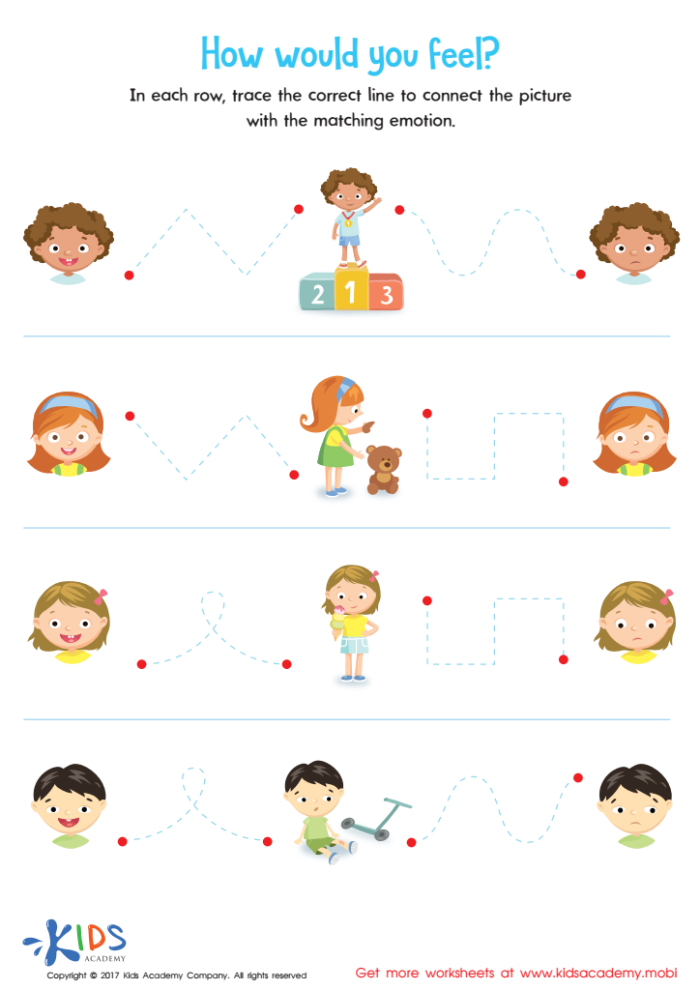
A feelings and five senses picture test typically presents scenarios or objects that prompt children to identify what they’re seeing and feeling. For example, you might show an image of a child tasting a lemon and ask “What sense is this person using?” or “How do you think this tastes?” These questions encourage kids to connect visual information with their own experiences.
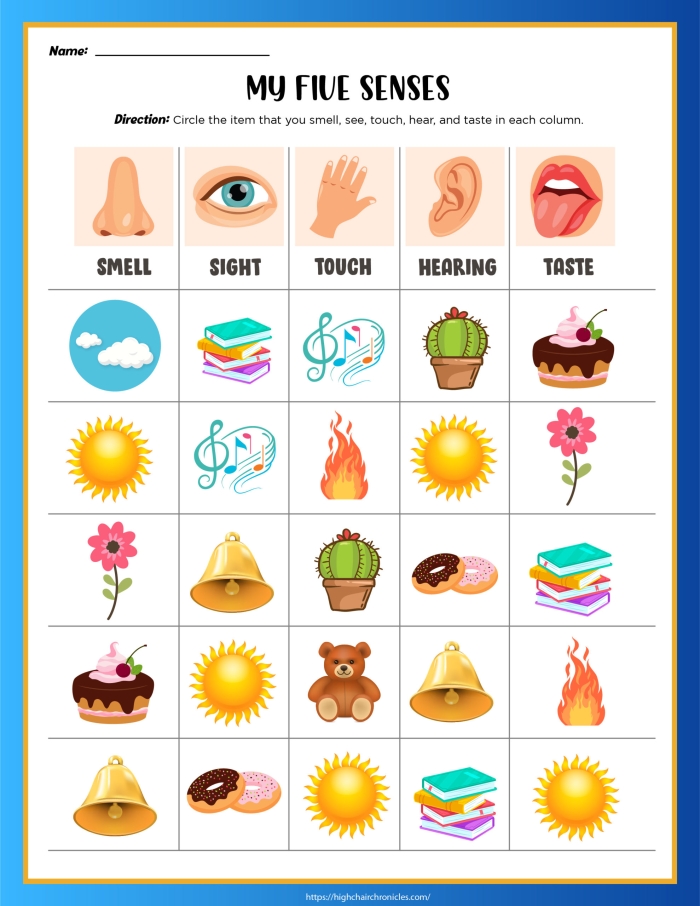
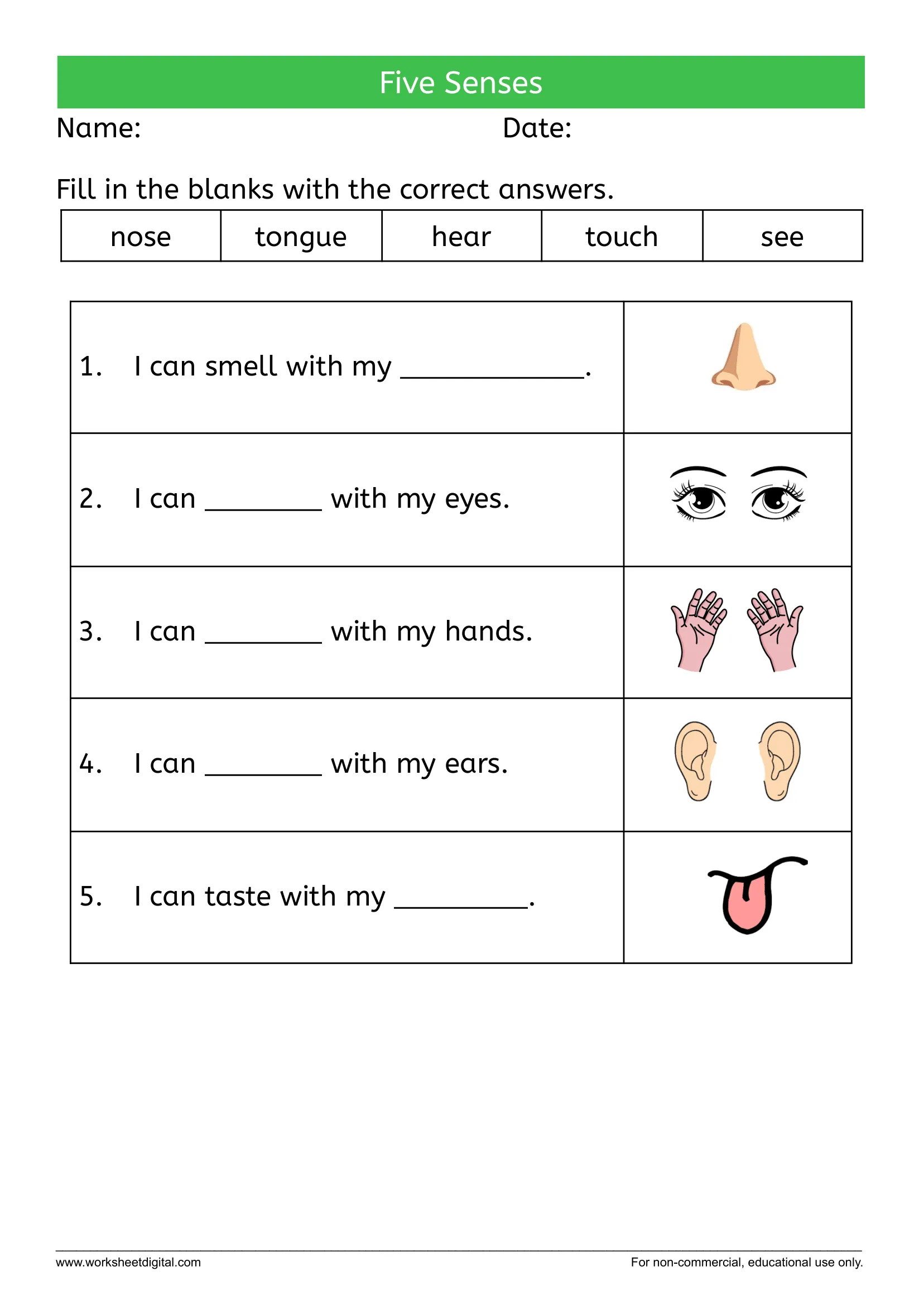
The five senses framework works naturally for Pre-K learners because it’s concrete and relatable. Touch, taste, smell, sight, and hearing are things children experience every single day. When you combine this with emotions, you’re helping them understand that sensory experiences trigger feelings. A sweet smell might make them happy, while a loud noise might feel scary.
What makes these picture tests effective is that they don’t require advanced reading skills. Your kindergartener can participate fully through observation and conversation. You’re essentially having a guided discussion about the images, which builds language skills while reinforcing emotional awareness. This reading-adjacent activity supports early literacy development without the pressure of formal instruction.
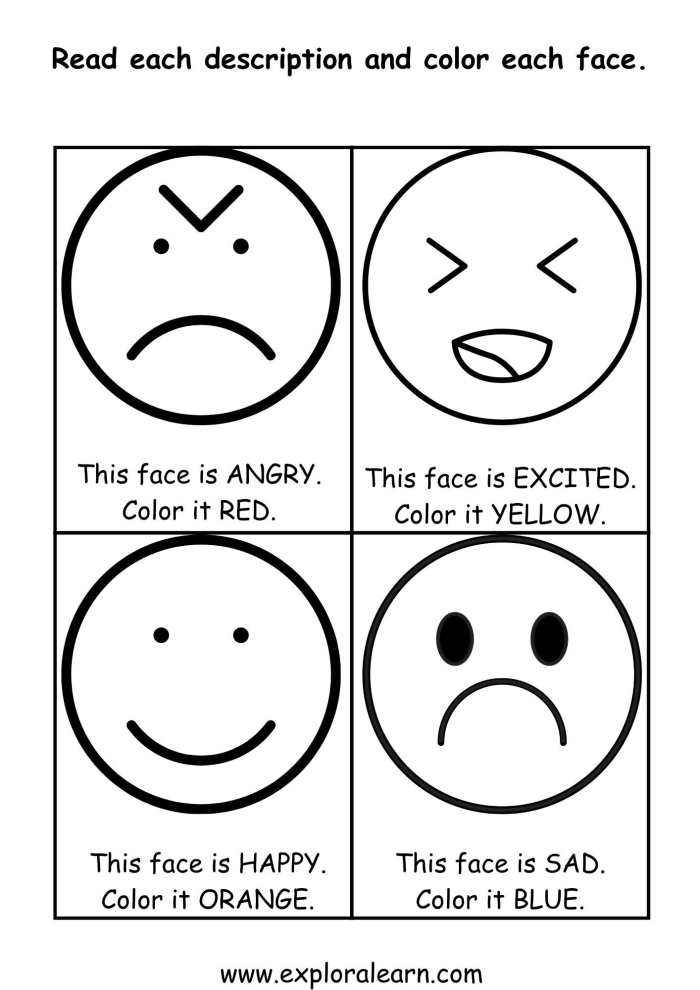
Creating these quizzes at home is straightforward. You can draw simple pictures, cut images from magazines, or print clipart showing different emotions and sensory moments. If you’re looking for structured options, worksheets covering grammar concepts like past tense recognition can also introduce visual learning patterns that work well with younger siblings.
The real benefit shows up when children start noticing and naming their own feelings and sensory experiences throughout the day. They’ll point out textures, smells, and sounds with new awareness, turning everyday moments into learning opportunities.
Practice with These Worksheets