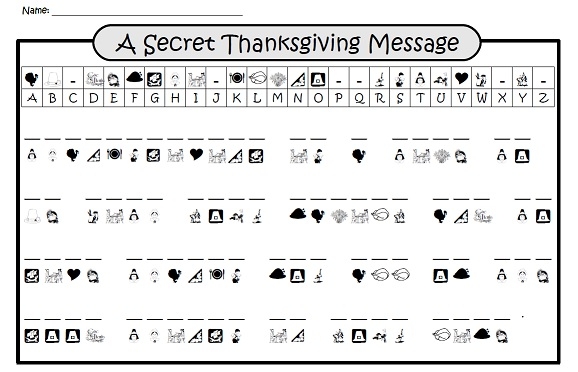
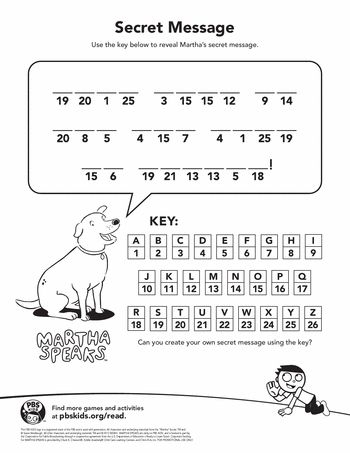
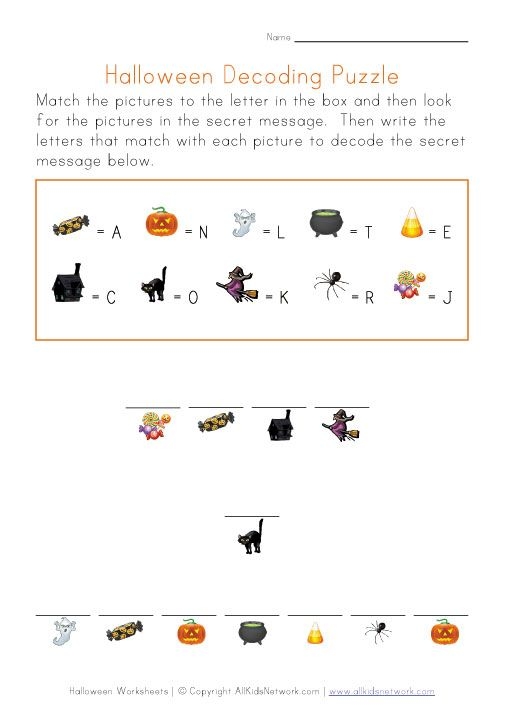
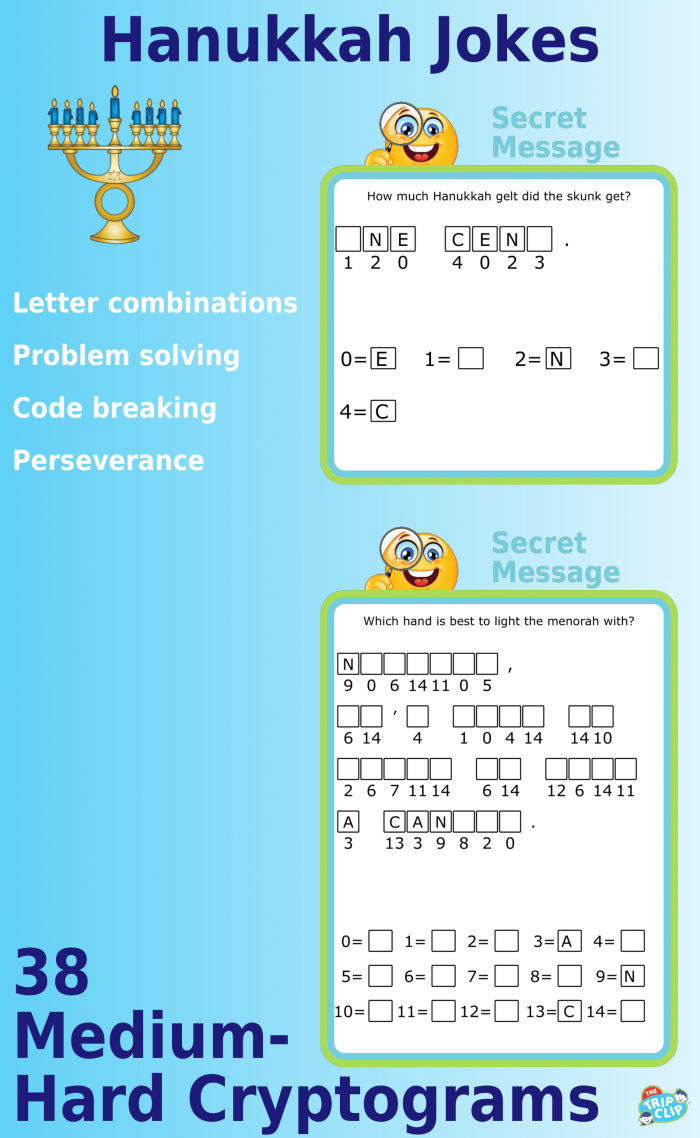
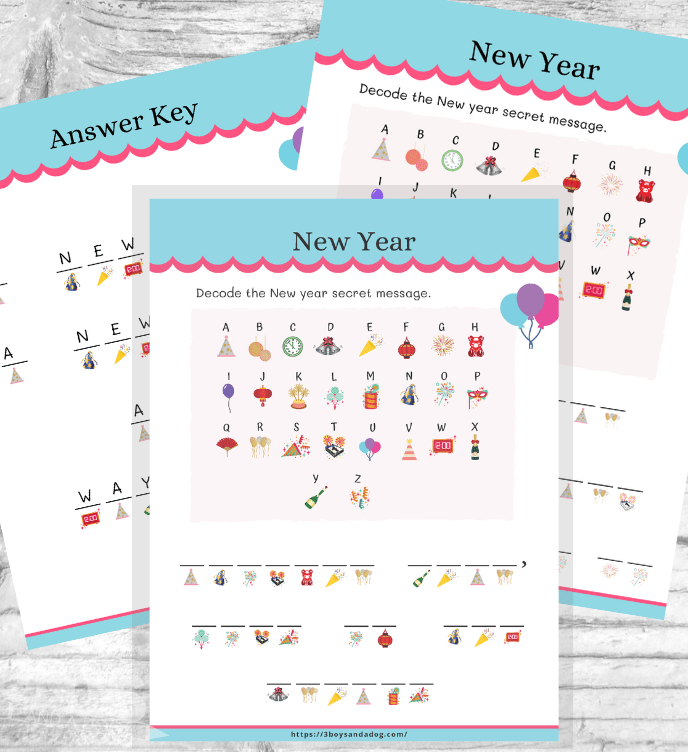
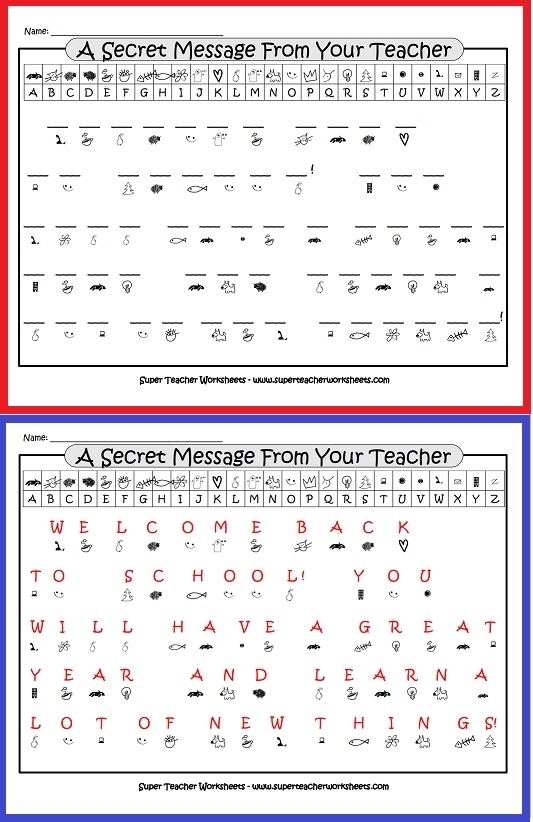
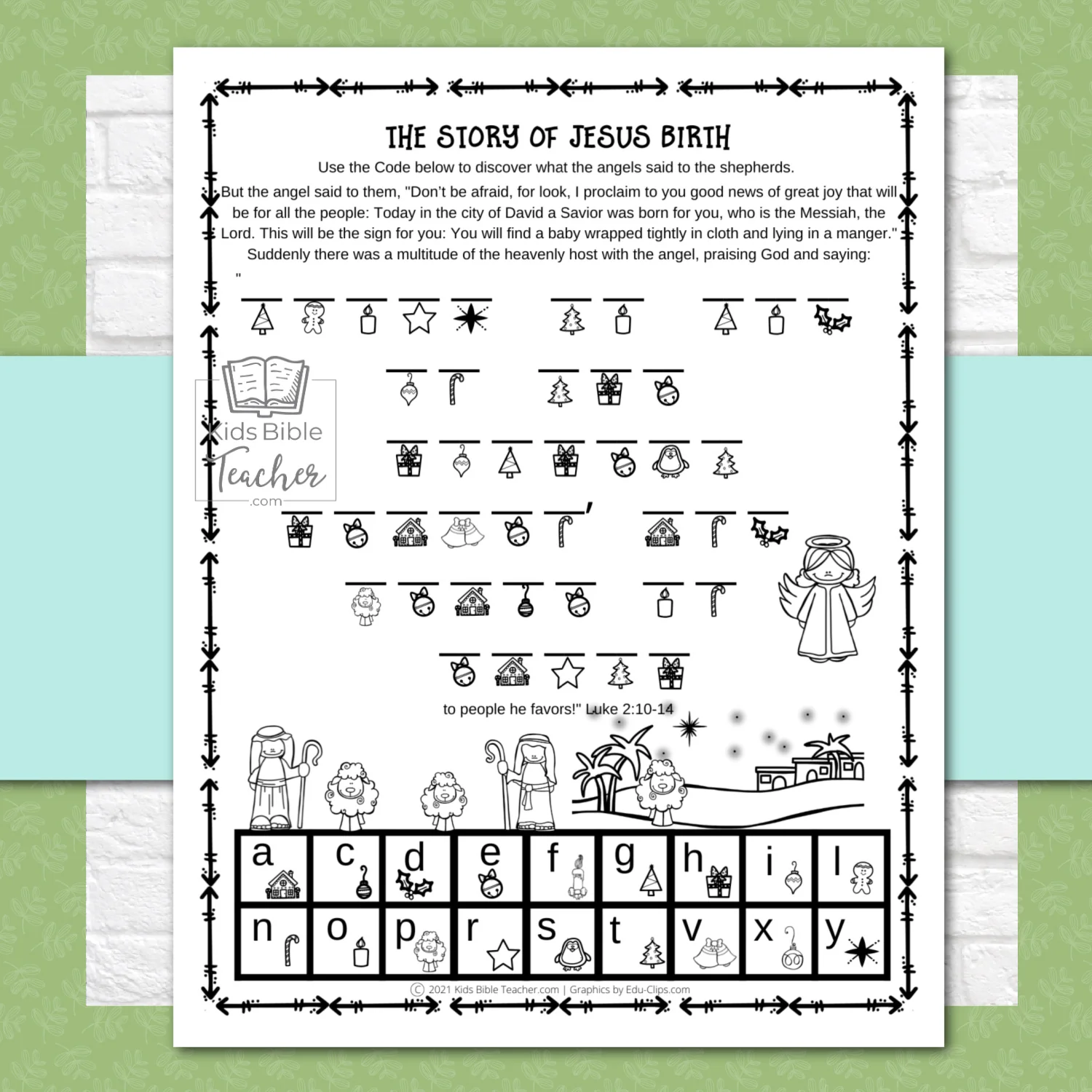
You know that feeling when you’re hunting for something specific and stumble onto something completely different that turns out to be exactly what you needed? That’s the magic behind secret message activities, and it’s a teaching approach that works surprisingly well in kindergarten classrooms.
The concept is simple but clever. Instead of asking children to find what they’re looking for, you ask them to find what they’re not looking for. This reversal of thinking engages young learners in a way that straightforward worksheets sometimes miss. When kids are searching for the missing piece, the wrong answer, or the item that doesn’t belong, they’re actually practicing critical thinking and observation skills without realizing it.
In multiplication activities for kindergarten, this approach becomes even more valuable. Rather than just solving 2 + 2, children might be asked to identify which group of objects doesn’t match the others, or which equation doesn’t belong in a set. Activities like the hide-and-seek multiplication worksheet use this principle effectively, asking students to spot items hidden among distractors while reinforcing counting and grouping concepts.
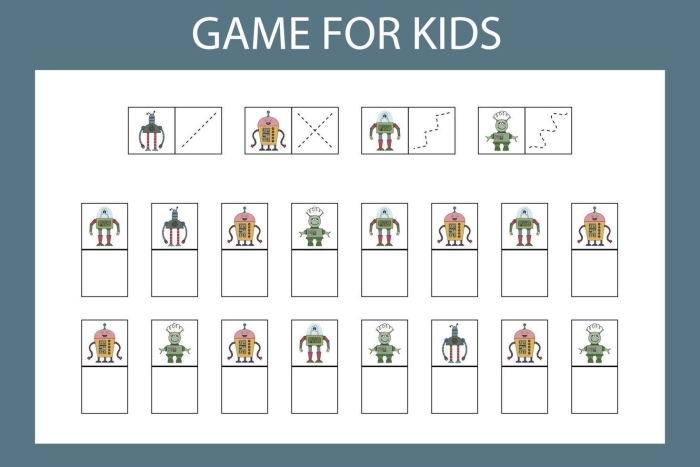
The beauty of this method is that it keeps young learners engaged. A Venn diagram activity comparing past or present items naturally incorporates this “what doesn’t belong” thinking. Similarly, transportation matching exercises and word family tracing activities all benefit from this inverted search strategy.
When you ask children to fix incorrect sentences in a worksheet, they’re doing more than correcting grammar. They’re learning to identify what’s wrong, which develops stronger pattern recognition than simply identifying what’s right. This shift in perspective helps kindergarten students develop problem-solving skills that extend far beyond the worksheet itself.
Grab These Worksheets Now