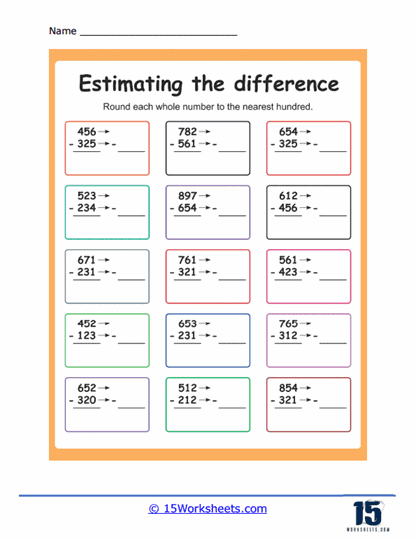
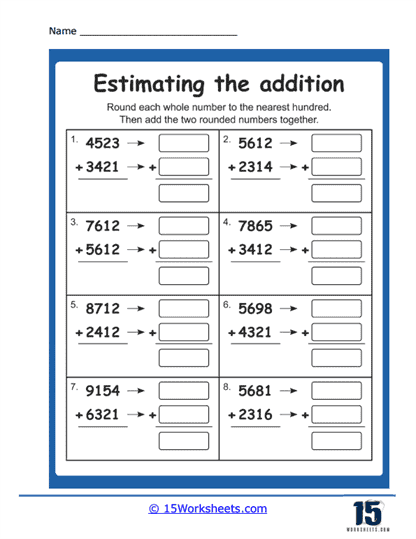
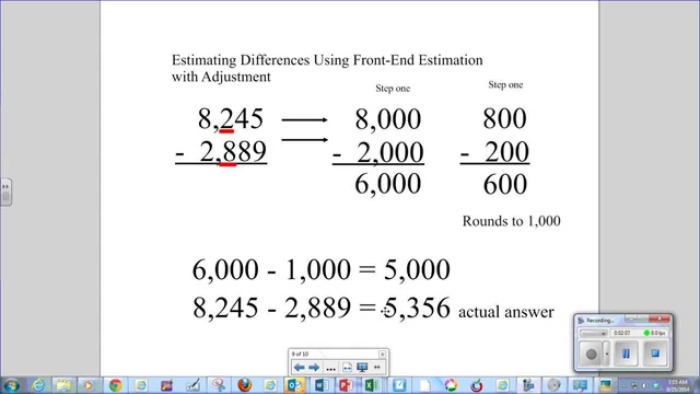
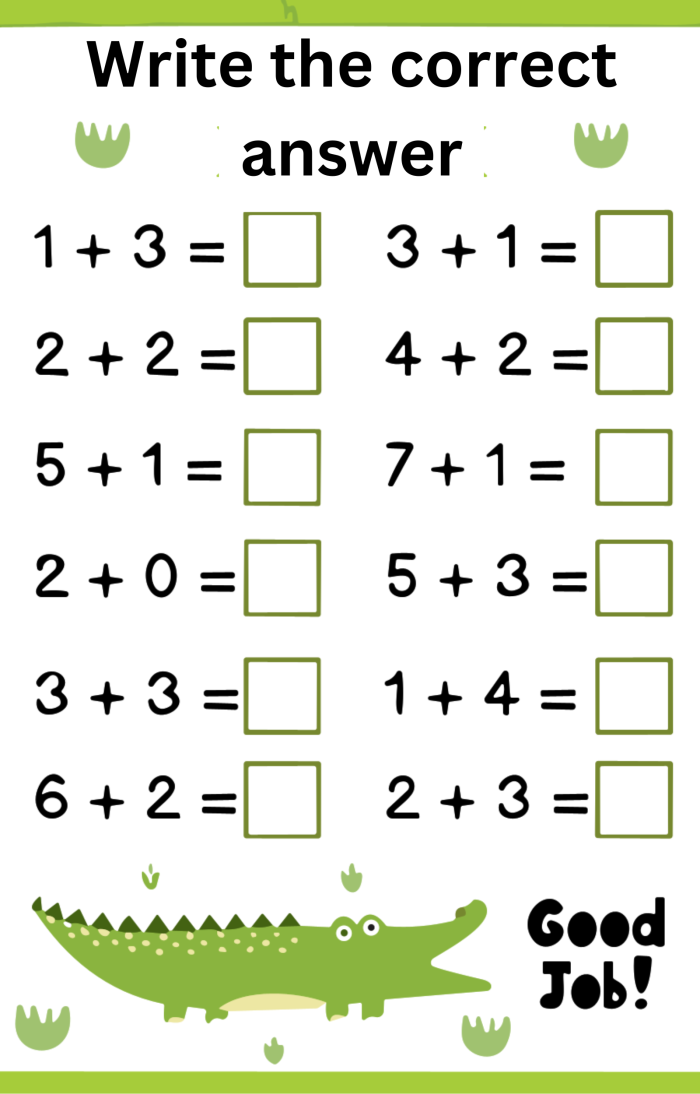
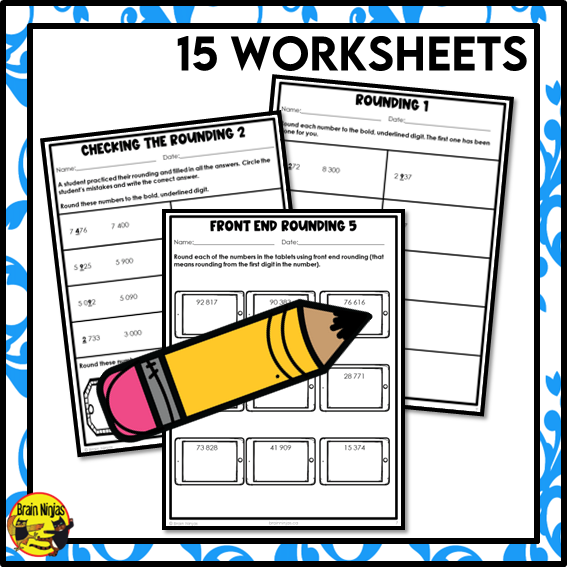
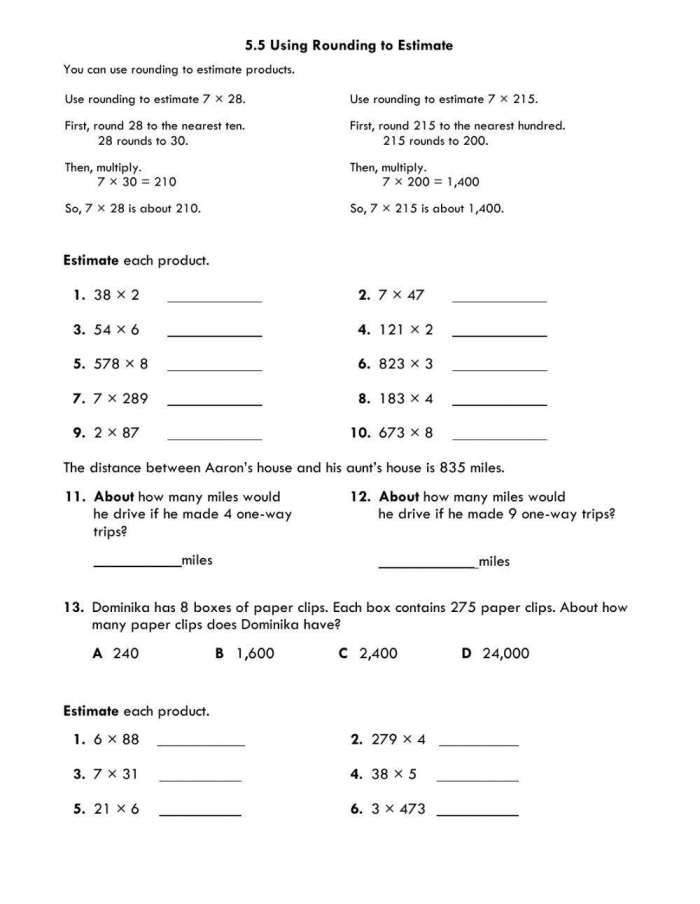
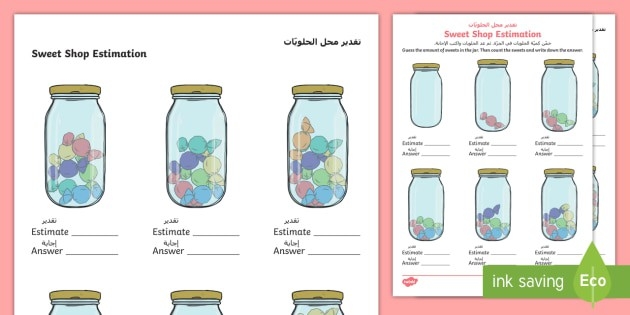
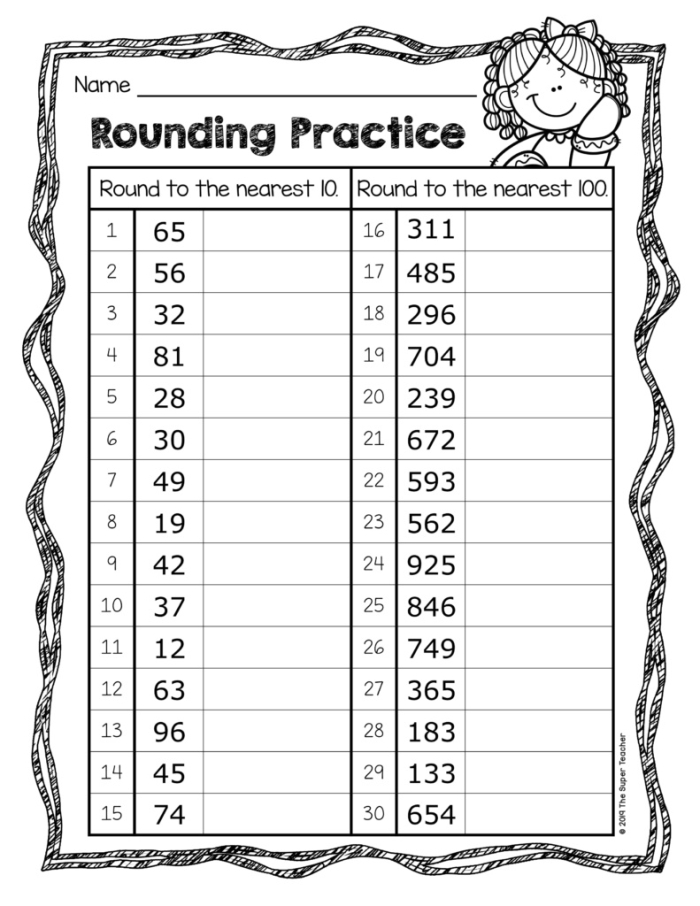
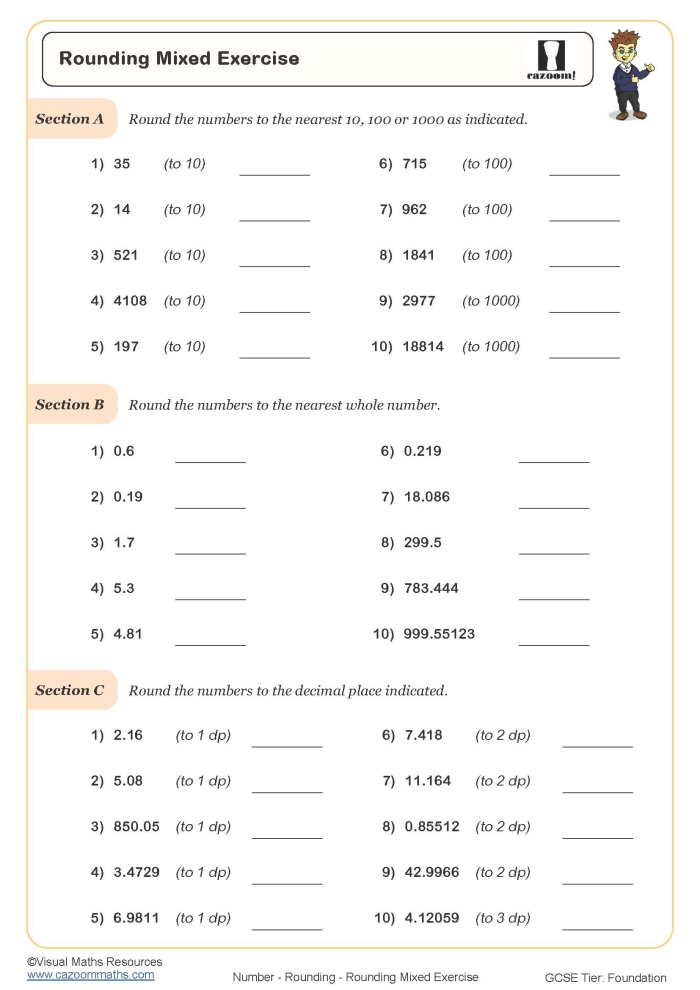
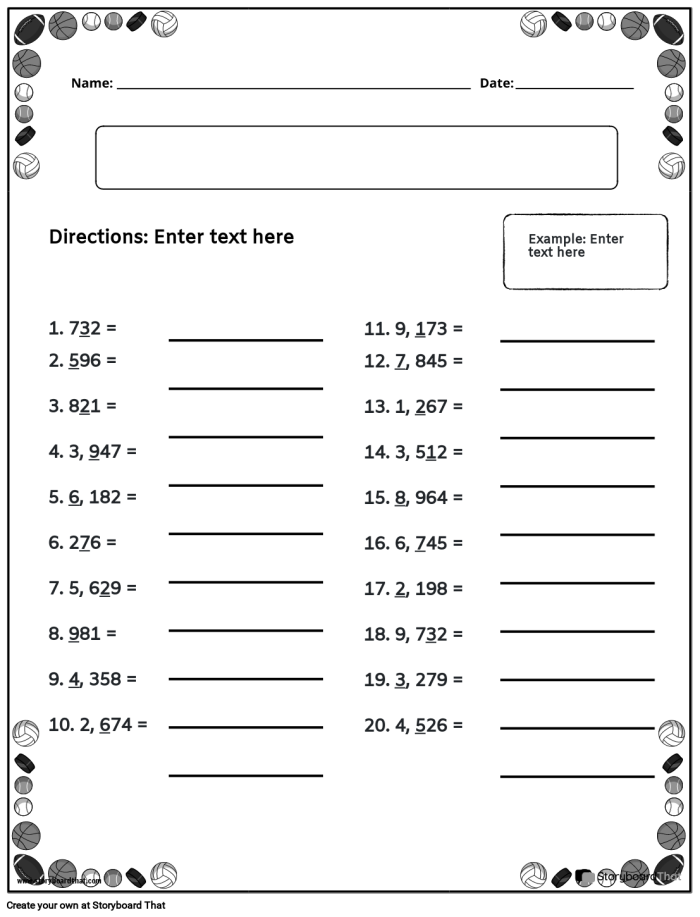
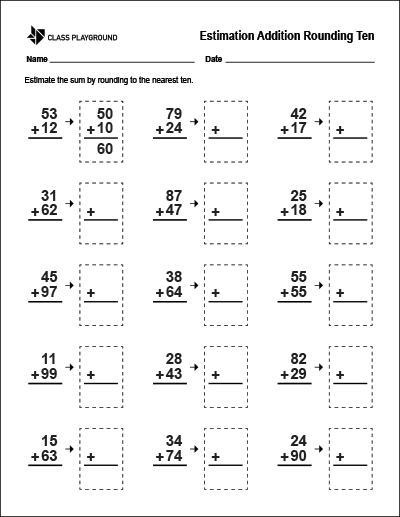
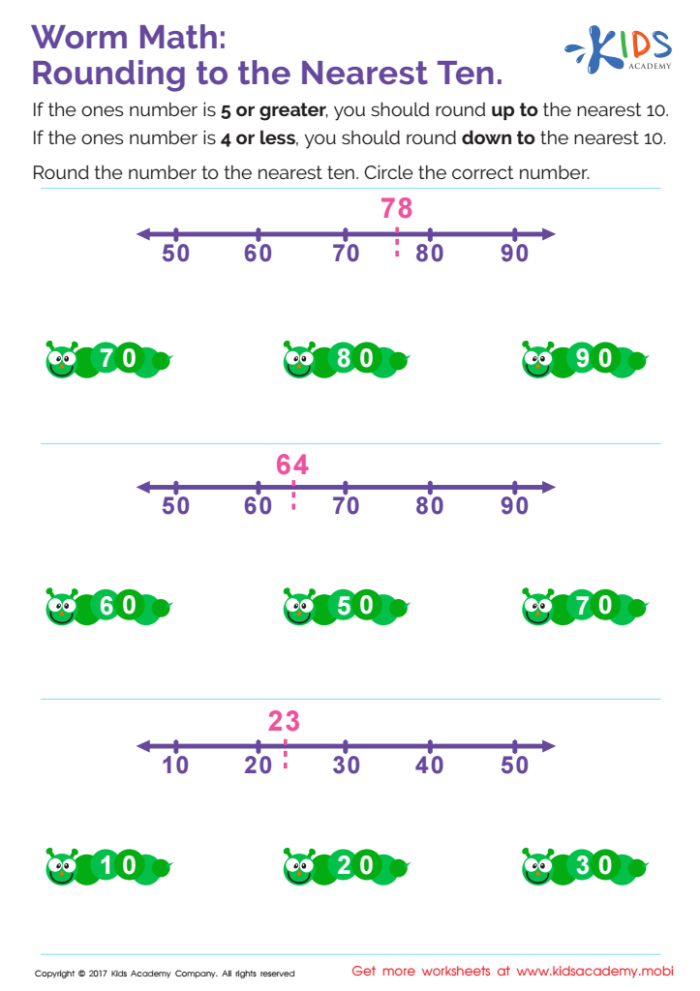
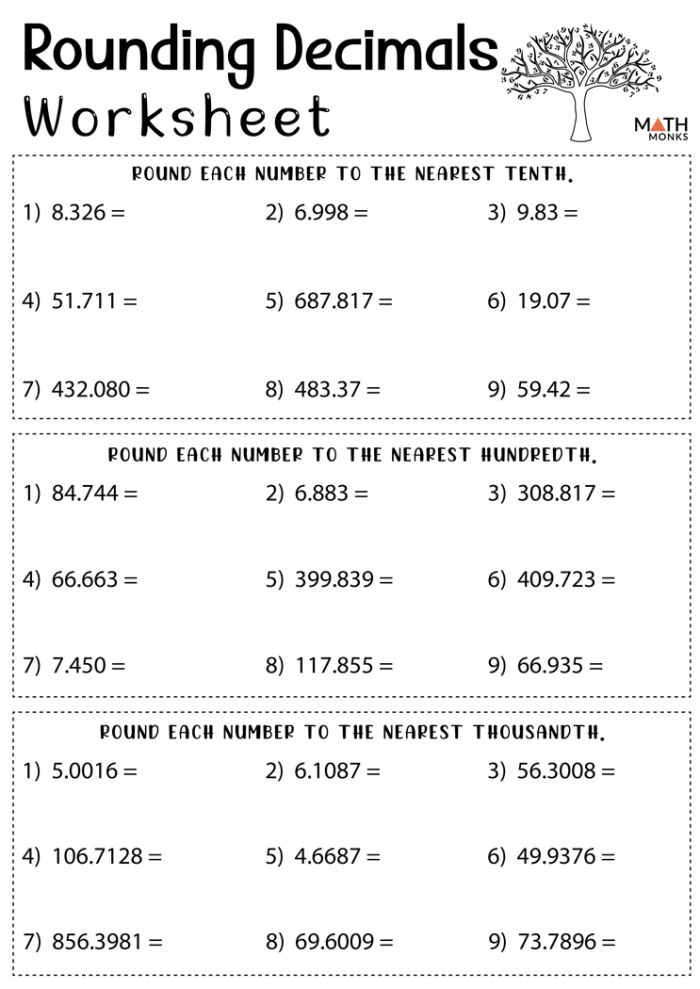
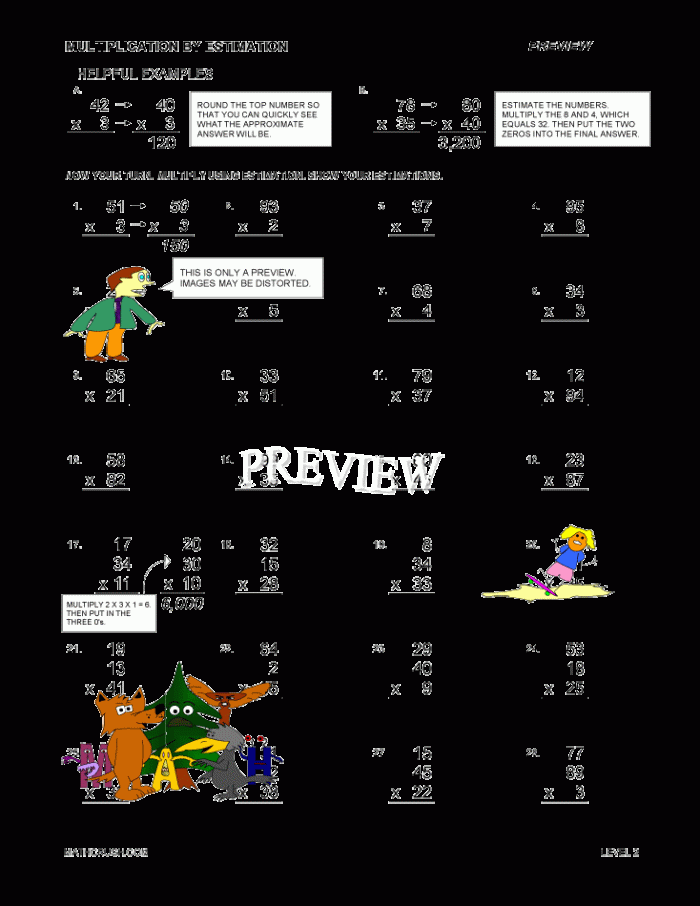
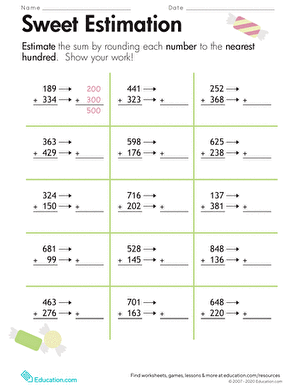
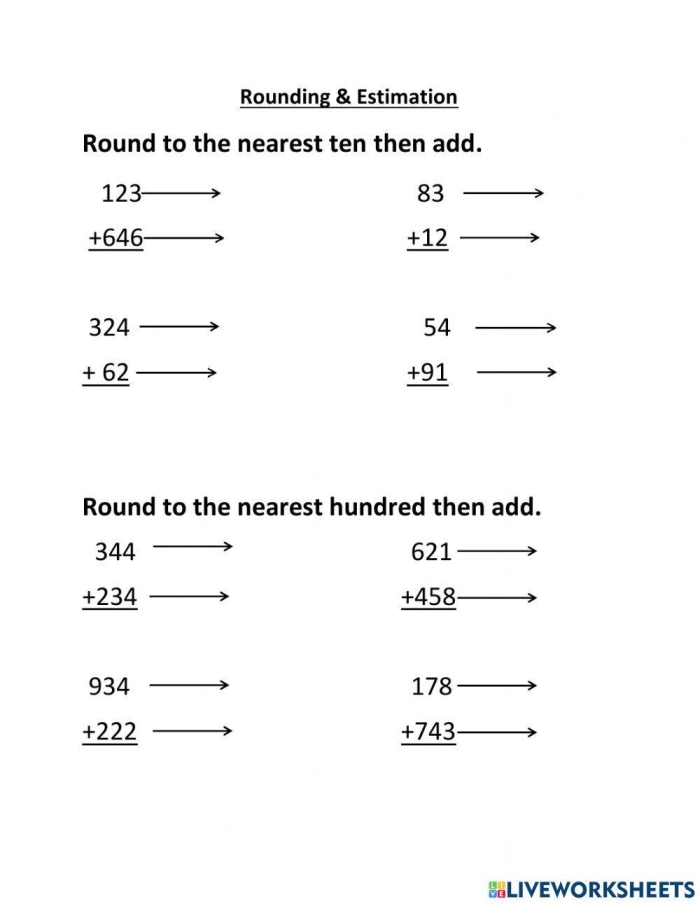
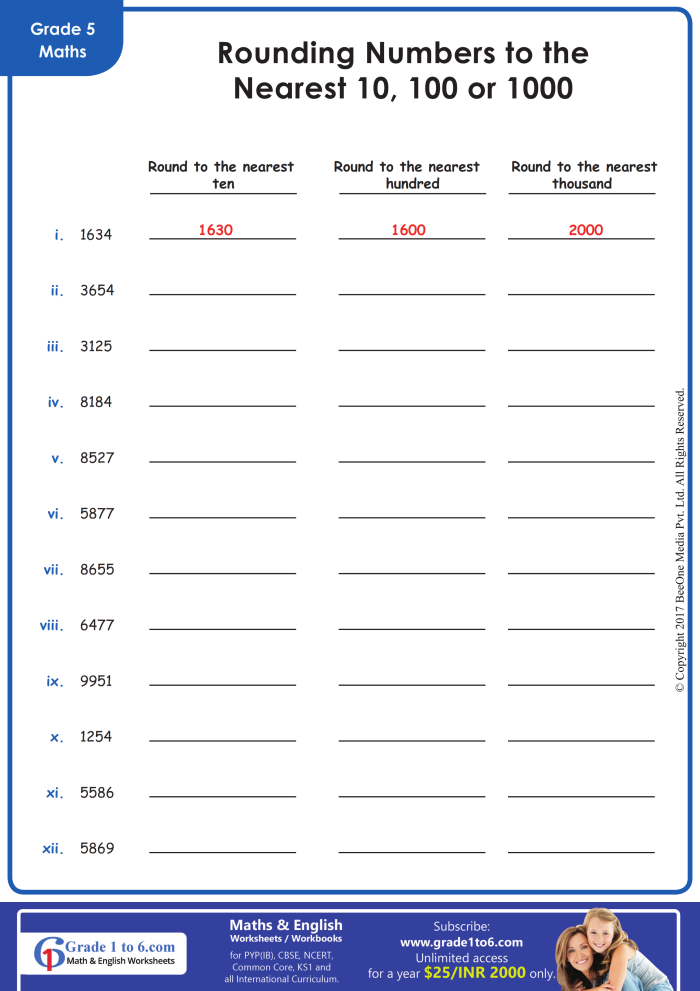
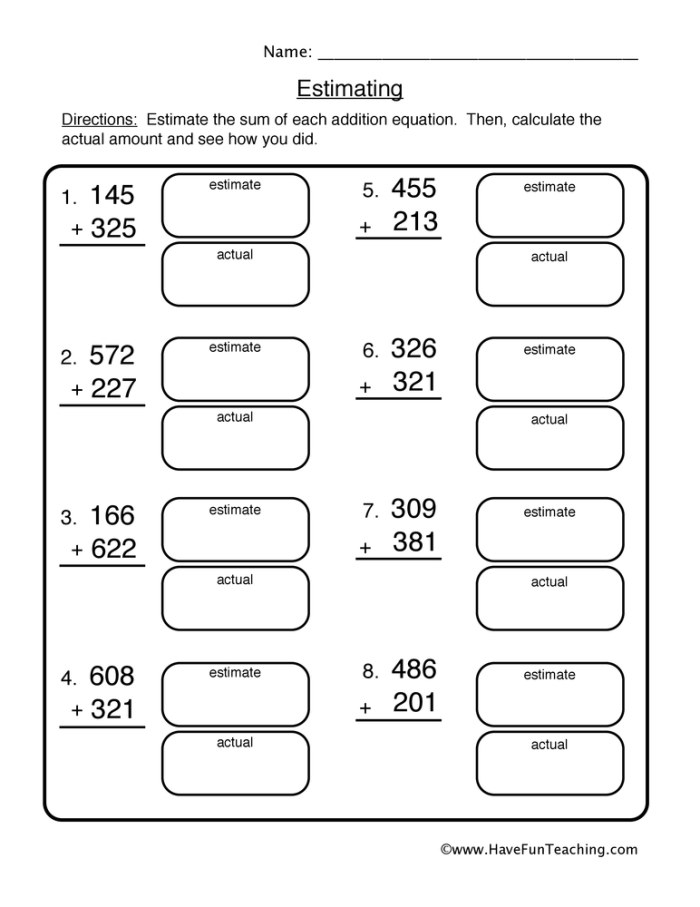
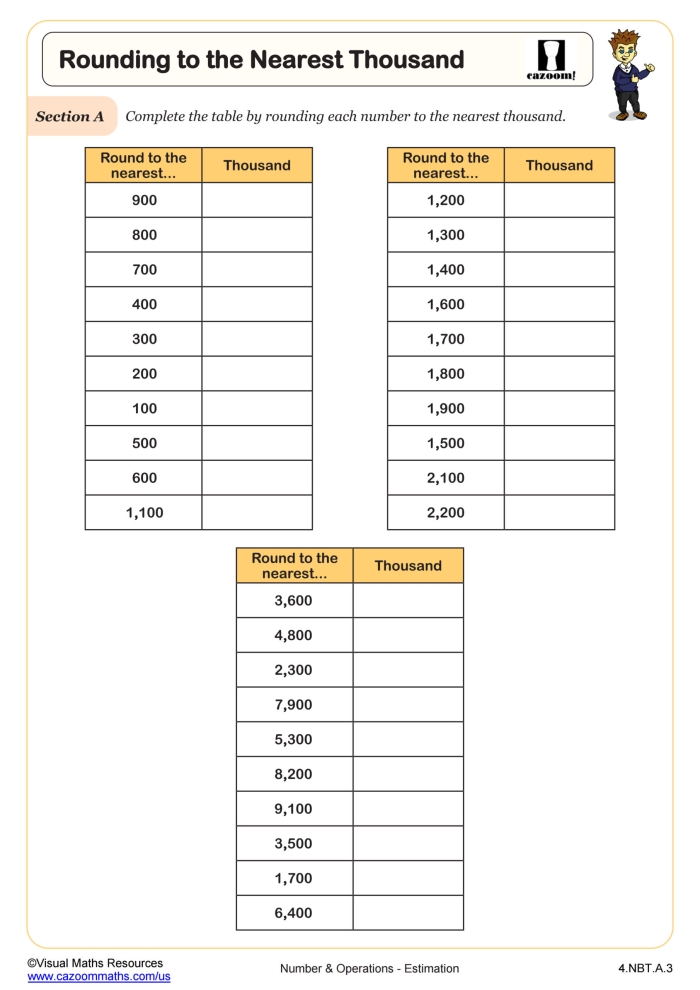
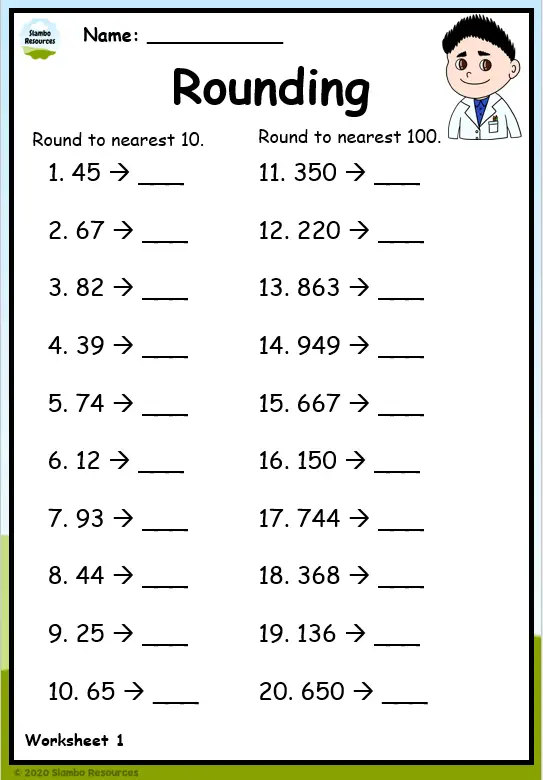
Estimating sums using rounding is an essential skill for third graders, particularly in the context of Earth and Space Science. Imagine a classroom buzzing with energy as students tackle a math worksheet designed to enhance their rounding skills. On this particular worksheet, kids practice rounding numbers to estimate the sum of two figures, making it easier to verify their calculations.
Why is rounding so important? For young learners, understanding how to round numbers helps simplify complex math problems. For instance, if a student needs to add 47 and 36, rounding these numbers to 50 and 40 can make mental math much more manageable. This technique not only speeds up calculations but also helps students develop a deeper number sense, which is critical in scientific disciplines like Earth and Space Science.
When children learn to round, they gain a powerful tool for checking their work. If they estimate that 47 plus 36 is about 90, they can quickly verify that their calculated answer of 83 is reasonable. This kind of estimation strategy is especially useful when measuring distances in space, where numbers can become quite large and unwieldy. Understanding how to round and estimate allows students to approach real-world problems more effectively.
Incorporating these rounding exercises into third-grade math education not only supports numerical skills but also aligns with Earth and Space Science themes. For example, while studying the distance between planets, students can practice rounding with large numbers, thus reinforcing their learning in both subjects. Worksheets like the Winter Word Search or the Cursive B can complement math skills while keeping the learning engaging.
Rounding is more than just a math skill; it is a bridge to understanding various concepts in Earth and Space Science. By mastering this technique, third graders not only enhance their math abilities but also prepare themselves for future scientific explorations.
Use These Worksheets Today