Understanding rhythm in poetry is essential for young learners, especially in third grade, where they begin to explore the mechanics of language in more depth. A great way to introduce this concept is through the lively poem “Casey at the Bat” by Ernest Lawrence Thayer. This classic work not only tells a compelling story but also showcases the importance of rhythm, making it an ideal choice for practice.
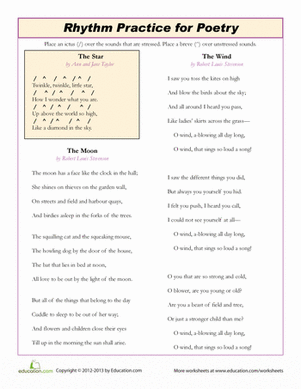
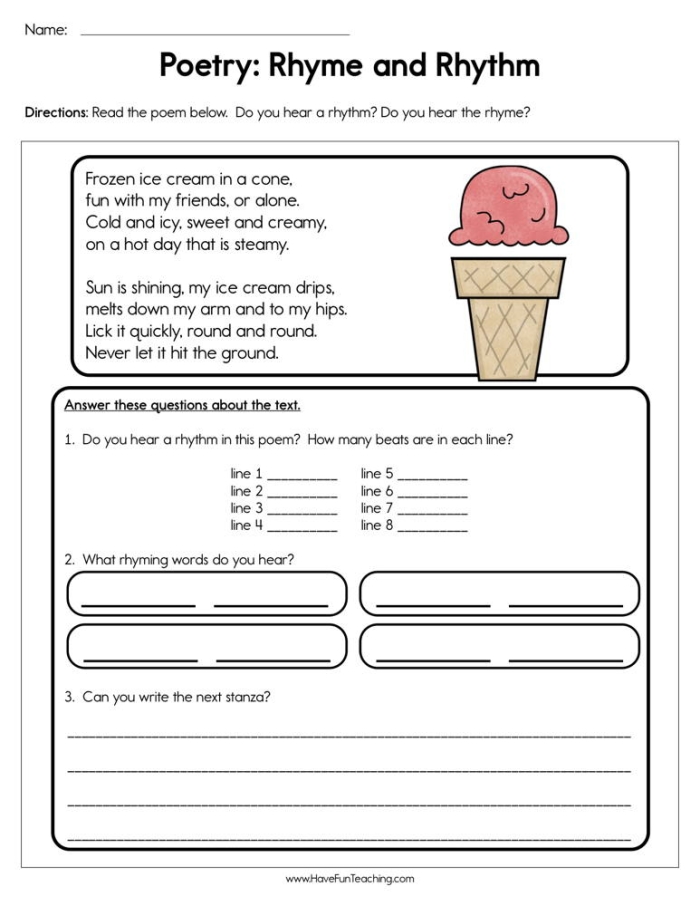
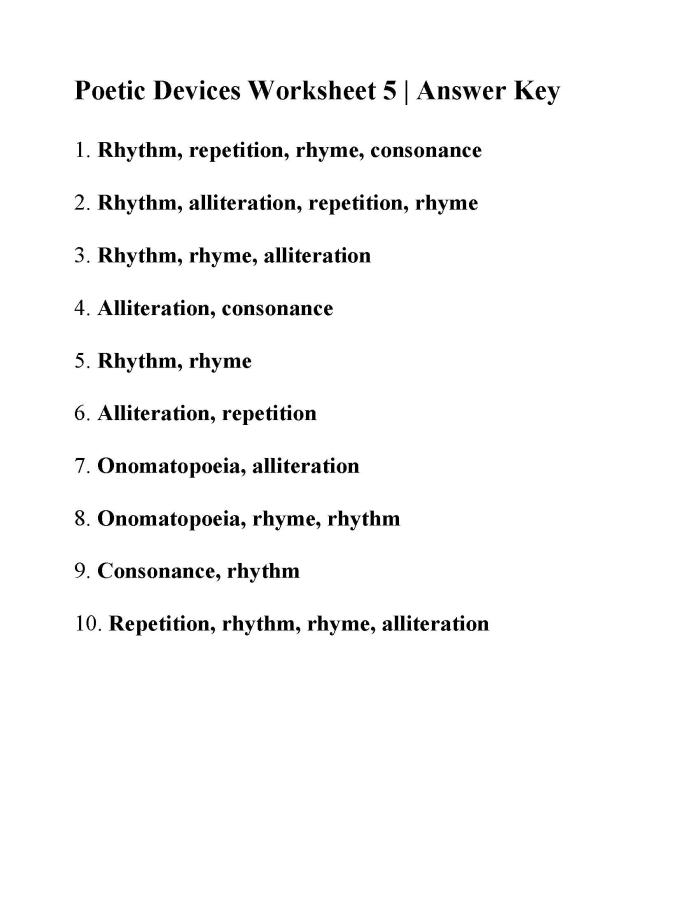
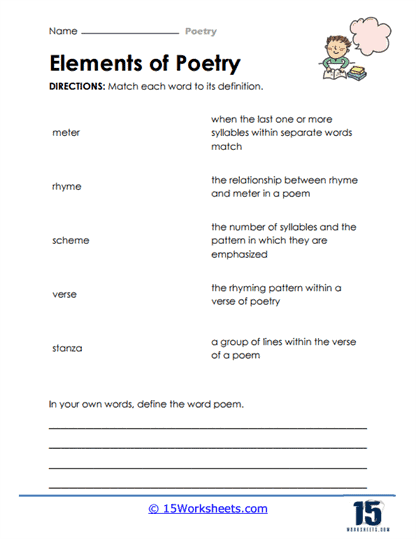
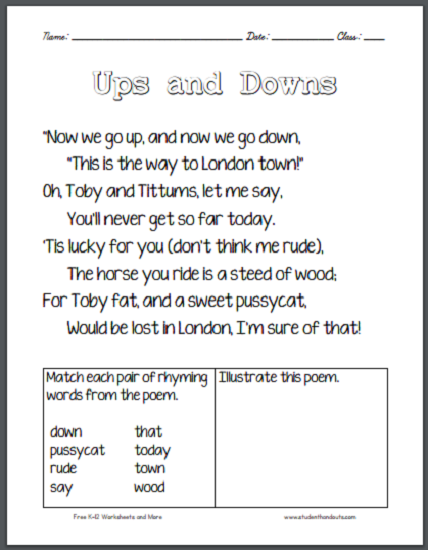
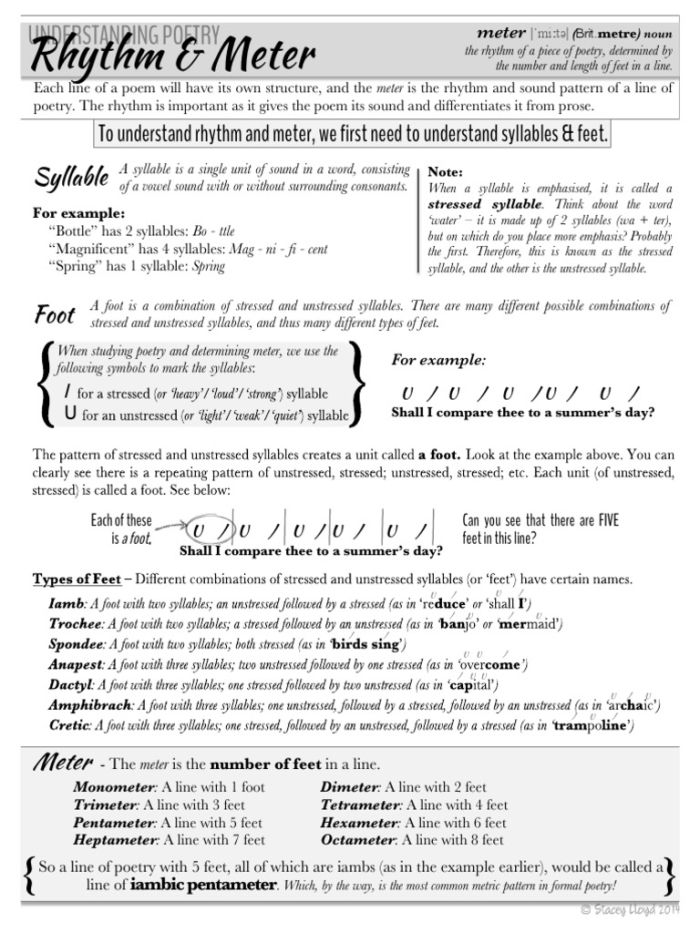
Rhythm in poetry refers to the pattern of sounds and beats in a line. It influences how a poem feels when read aloud and can evoke different emotions. For instance, the steady rhythm of “Casey at the Bat” enhances its narrative, pulling readers into the drama of the baseball game. By focusing on this poem, students can learn to identify various rhythmic patterns, such as iambic pentameter or anapestic meter, through engaging worksheets that encourage them to mark the beats.
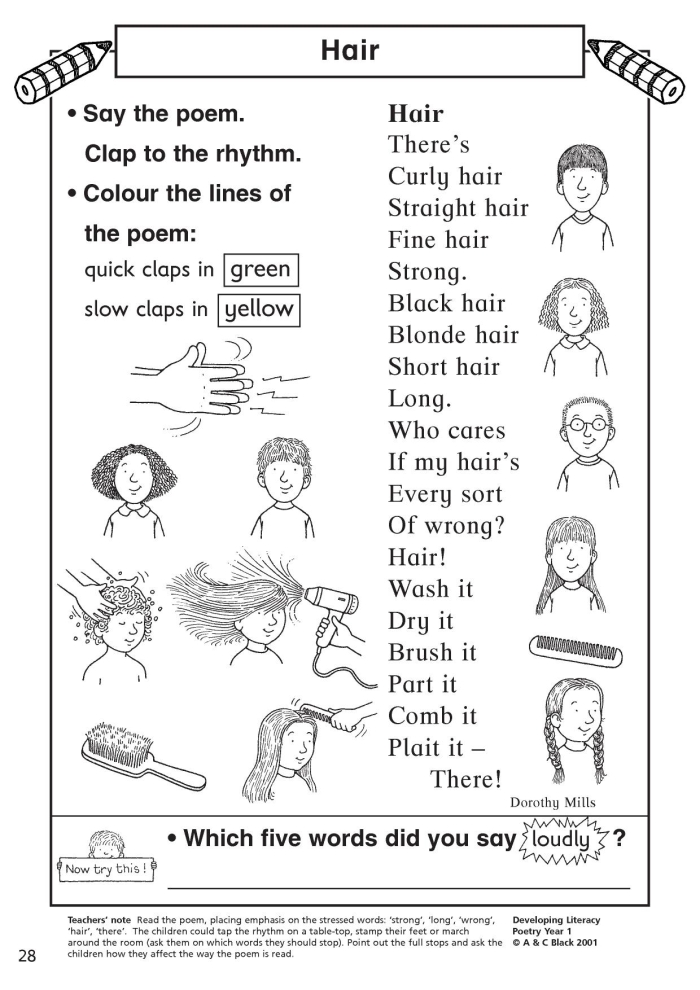
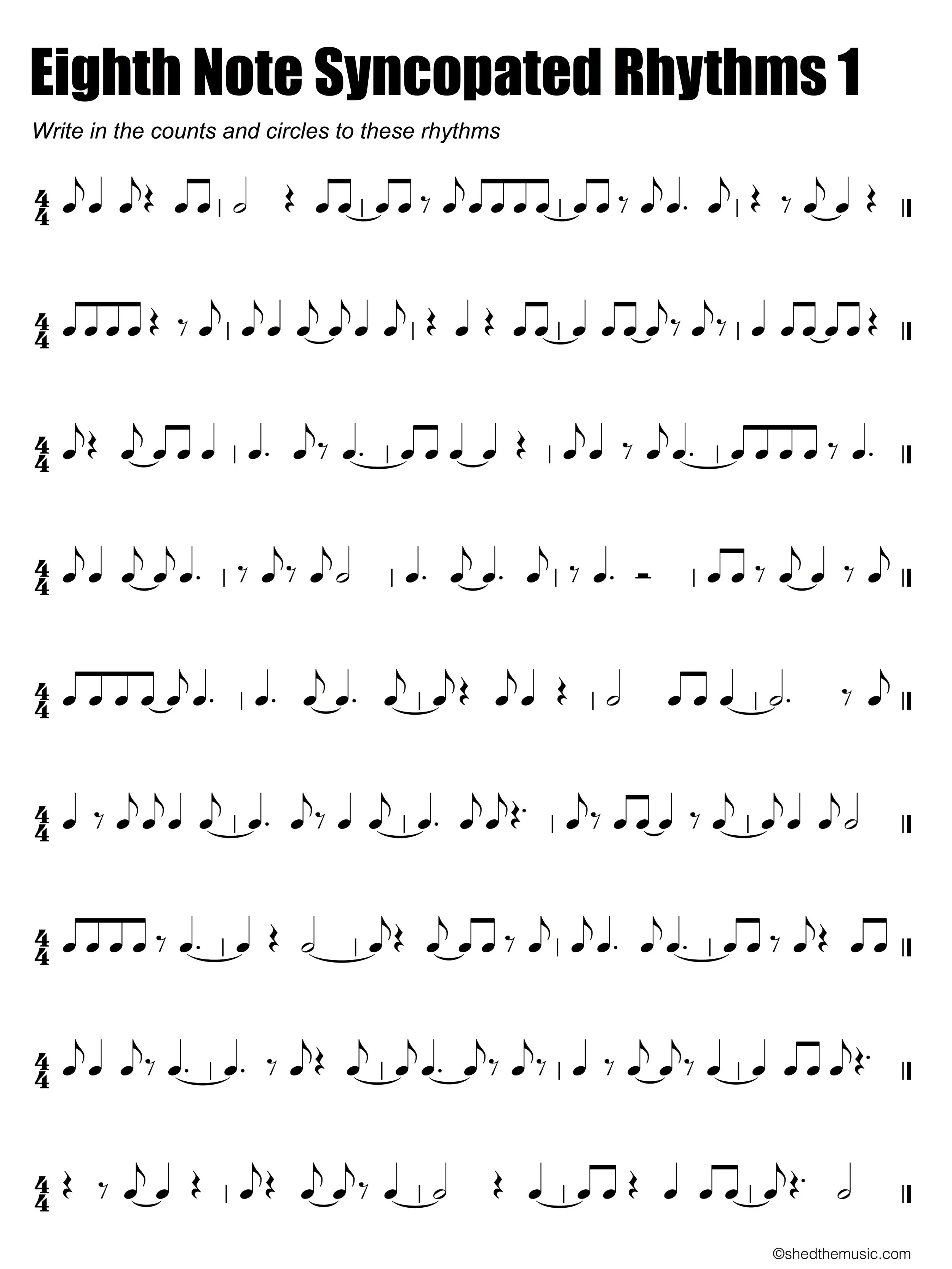
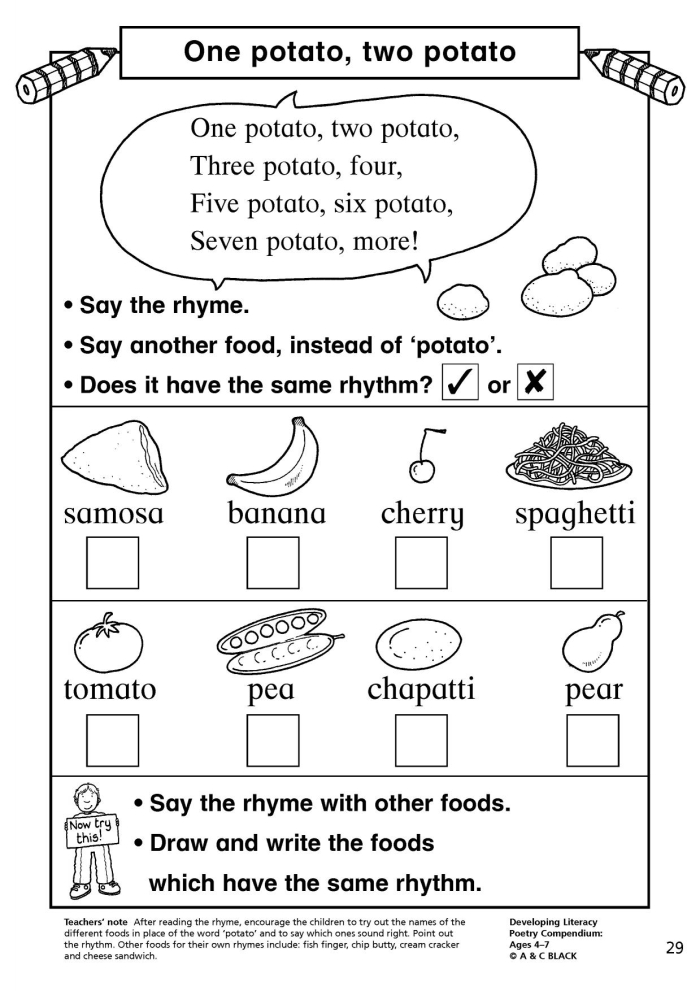
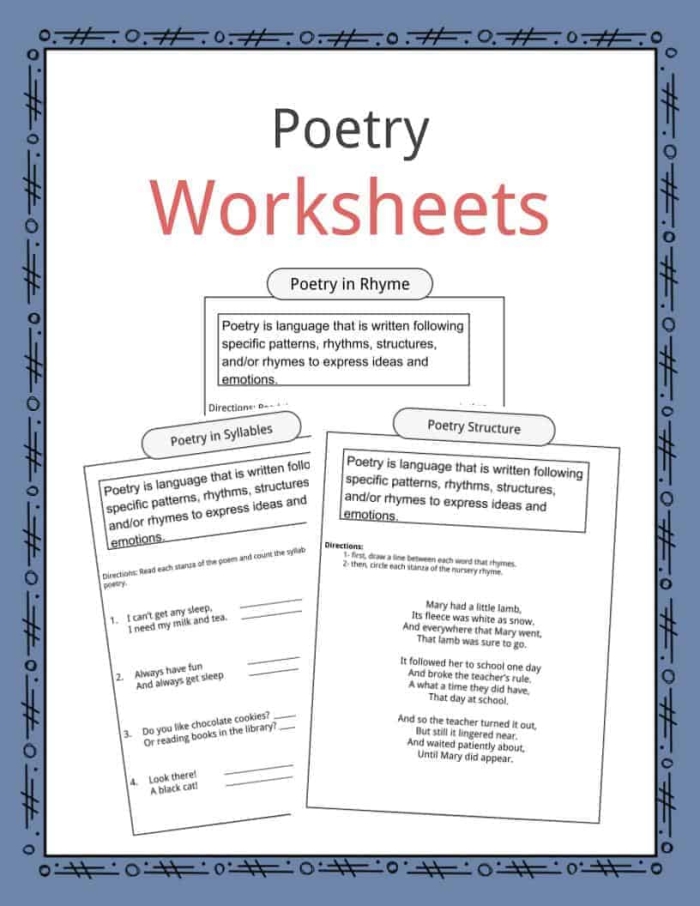
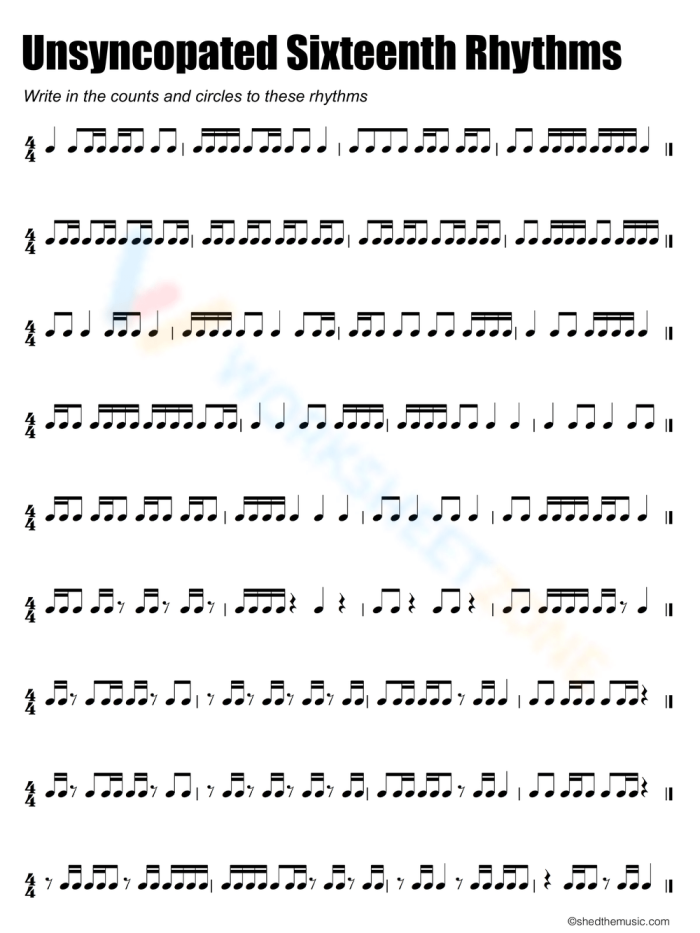
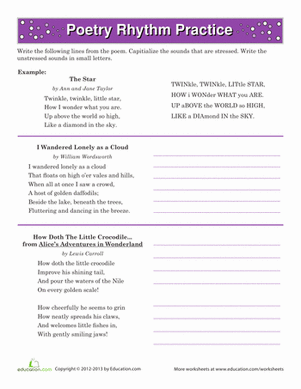
Using worksheets designed around “Casey at the Bat” allows students to practice identifying rhythm in a fun and interactive way. They can analyze specific lines, clapping out the beats as they read. This hands-on approach helps solidify their understanding of rhythm, making it easier to apply these concepts to their writing. Additionally, discussing the poem’s structure can lead to valuable lessons on how rhythm affects meaning and mood.
For educators looking to enhance their lessons on grammar and mechanics, integrating rhythm exercises into the curriculum can be particularly beneficial. By connecting poetry with other language arts subjects, such as expanding vocabulary or crafting sentences, students gain a well-rounded appreciation for the art of writing. You can find more resources, including printable worksheets that explore related topics like fractions and compound sentences, to further enrich your teaching toolkit.
Ultimately, engaging with rhythm through poetry like “Casey at the Bat” not only enhances students’ understanding of language but also fosters a love for reading and writing. This connection to rhythm will serve them well as they continue their journey in grammar and mechanics.
Worksheet Practice Section