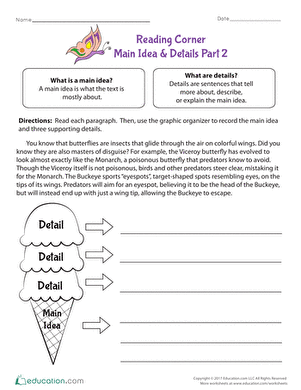
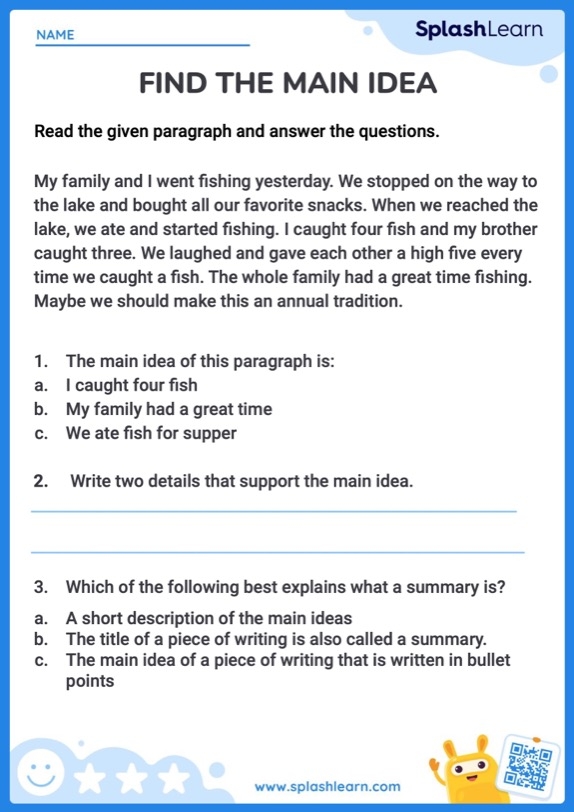
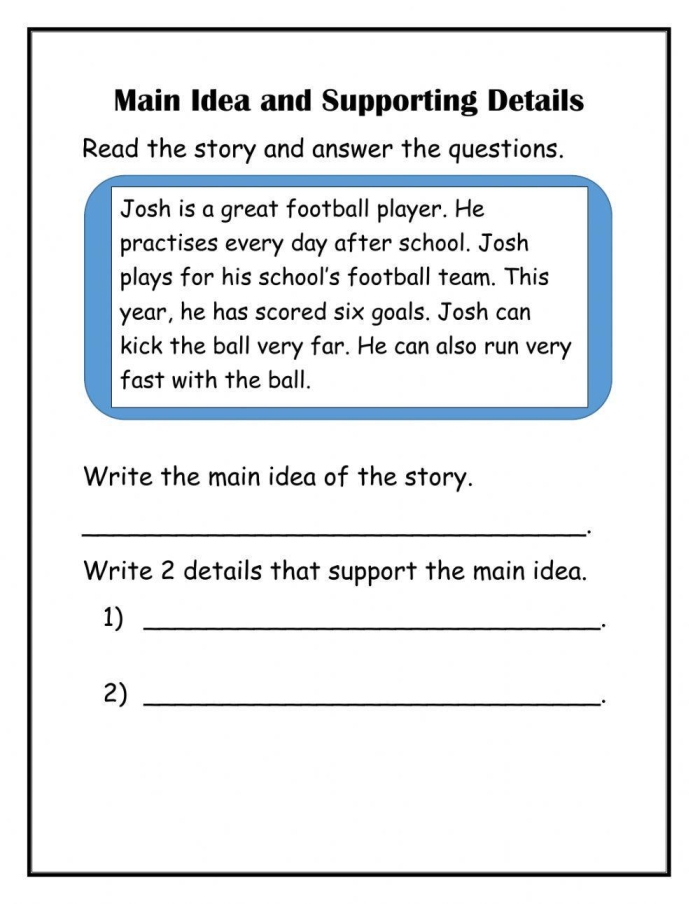
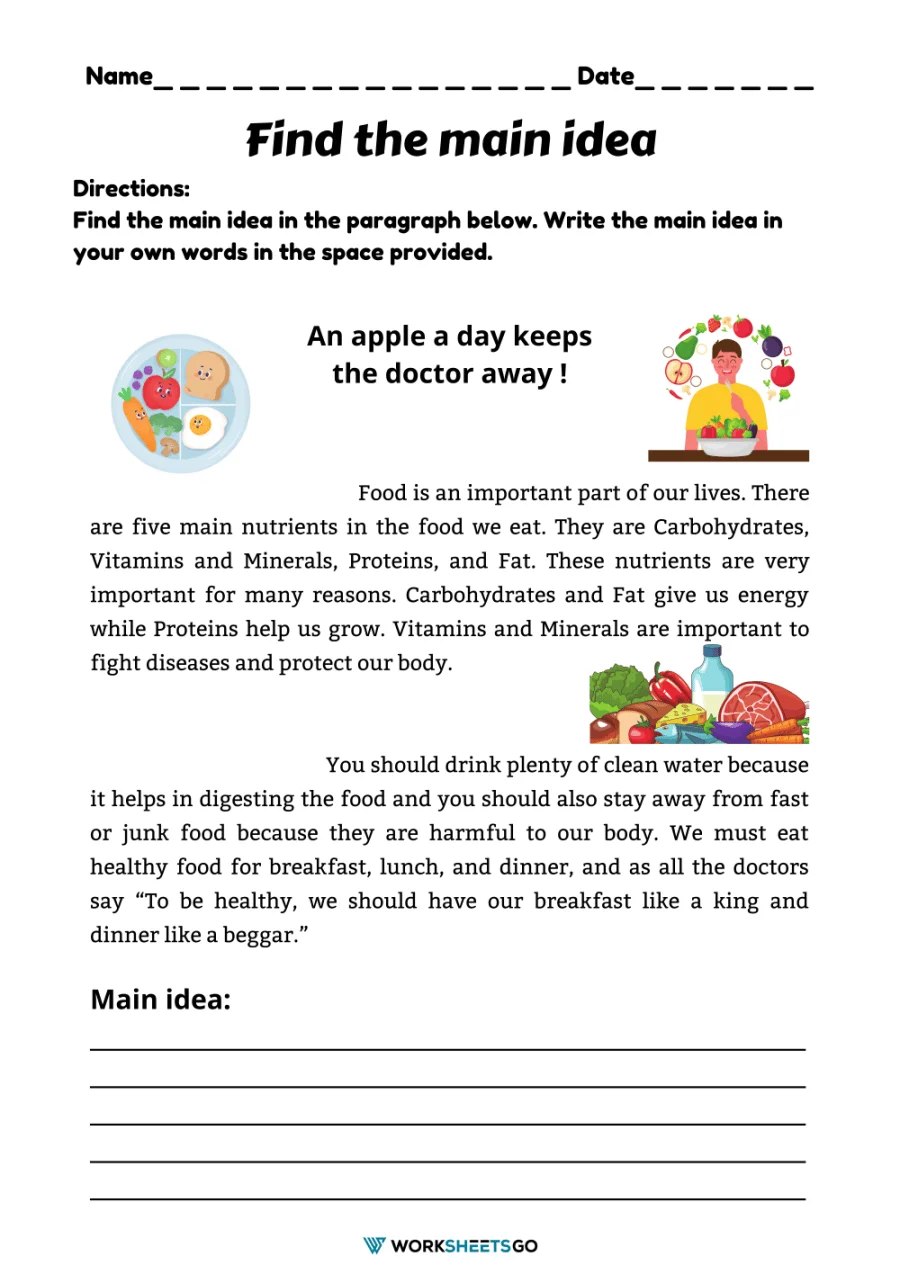
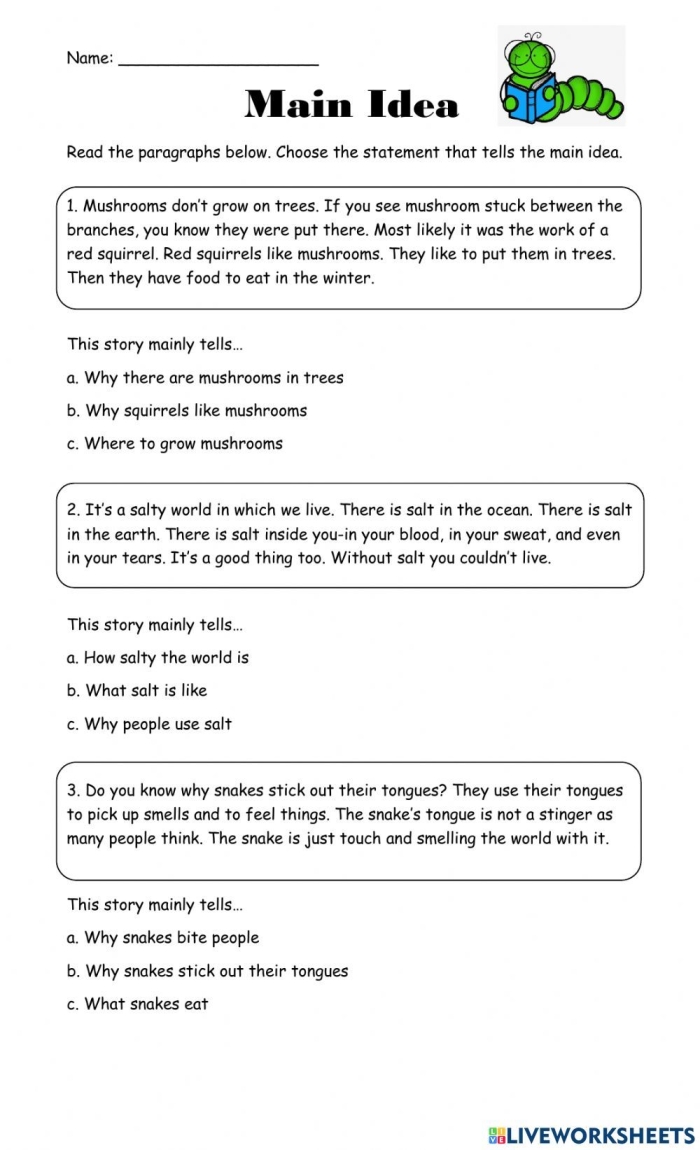
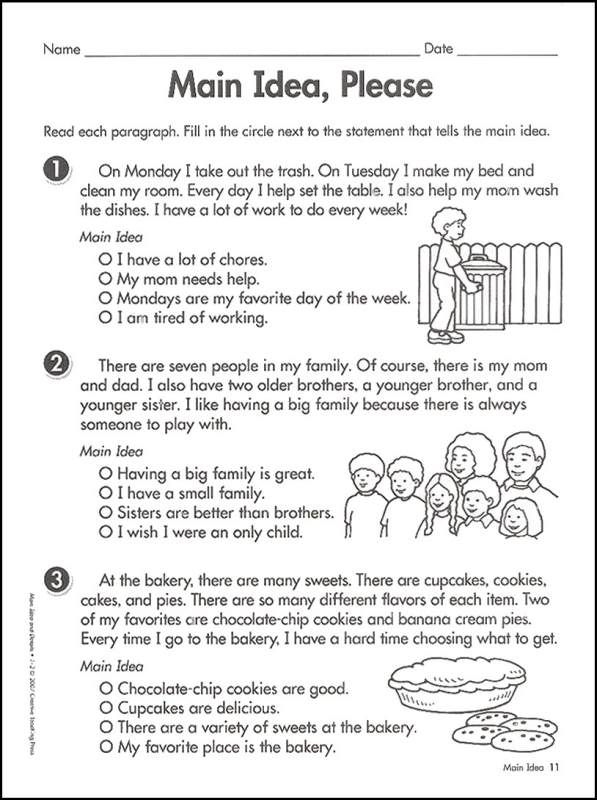
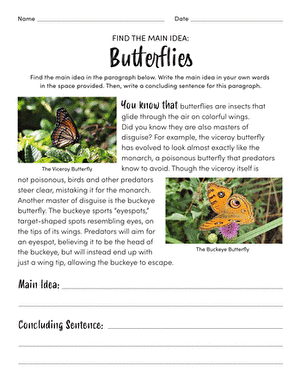
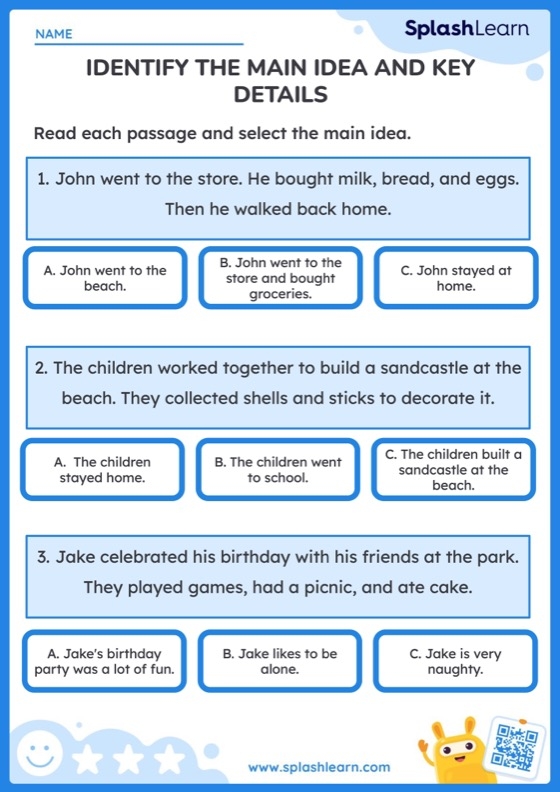
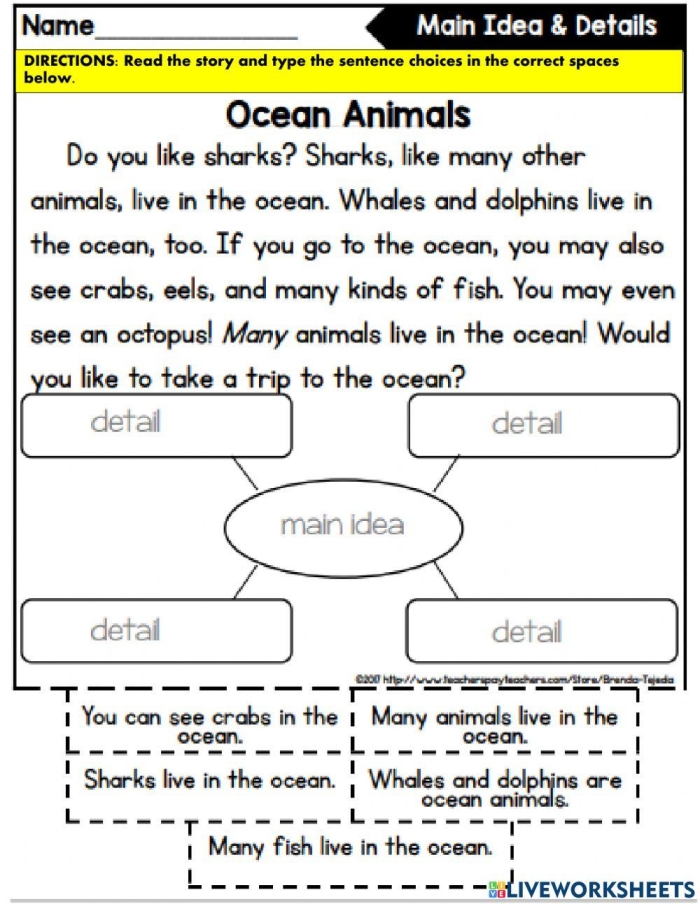
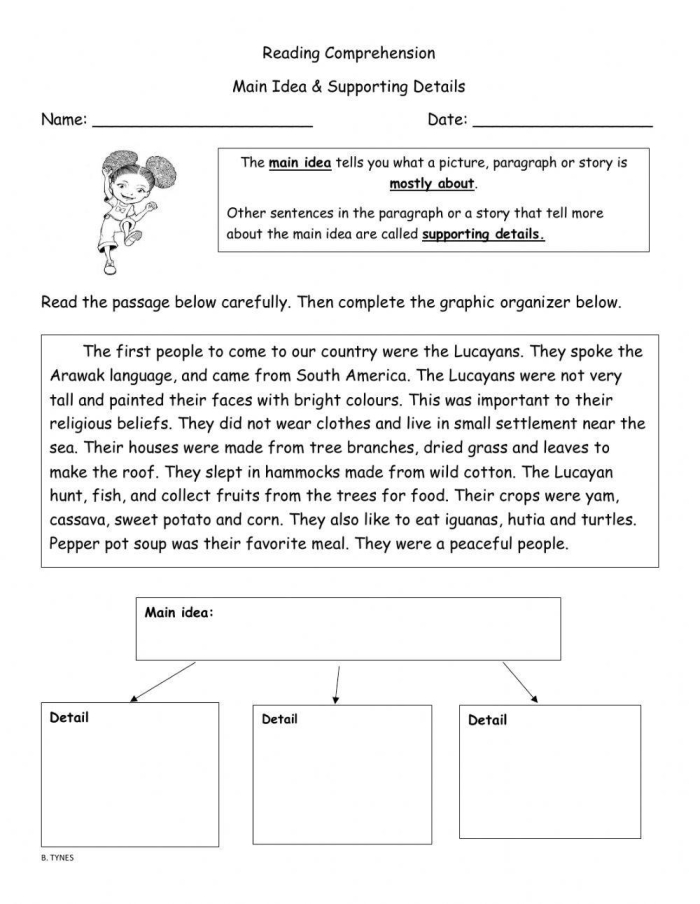
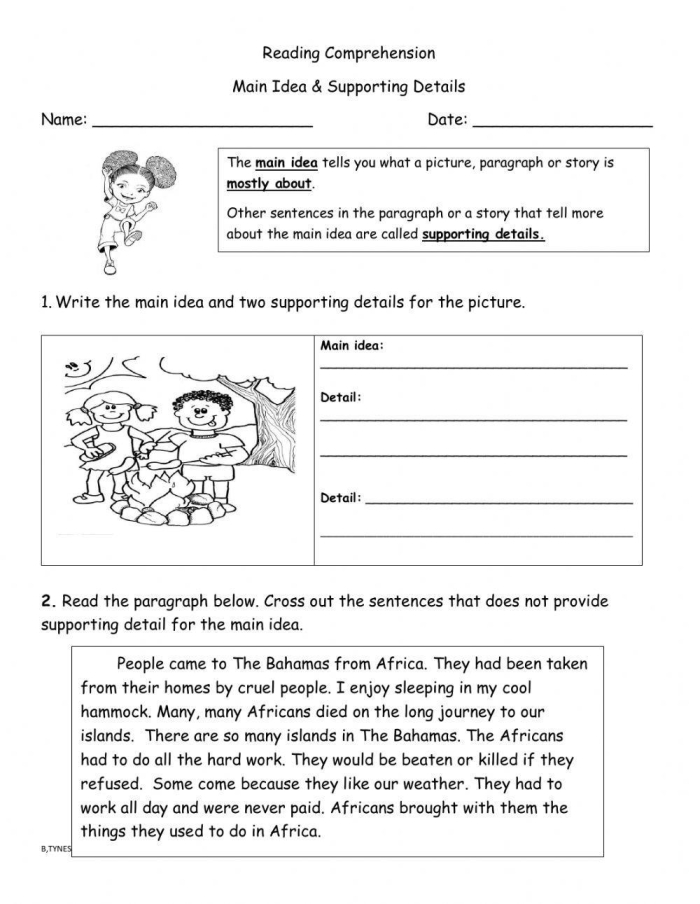
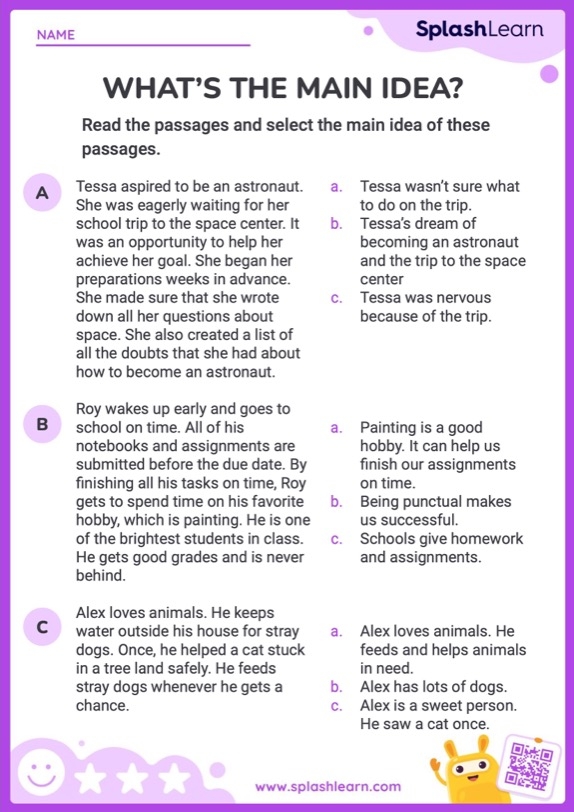
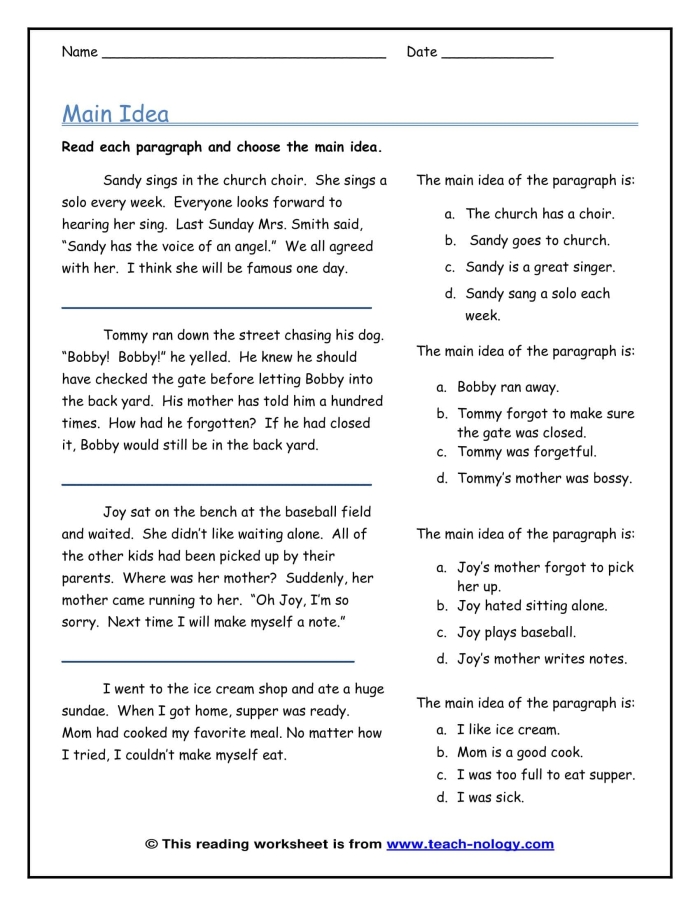
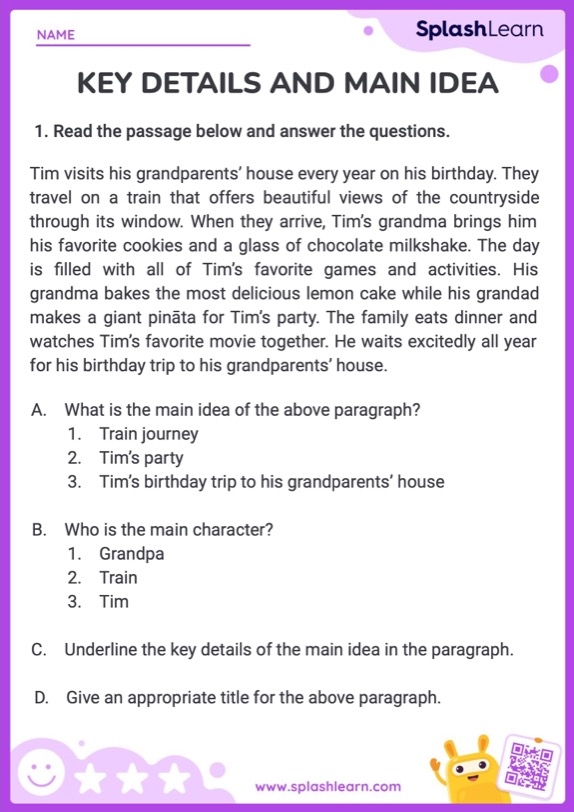
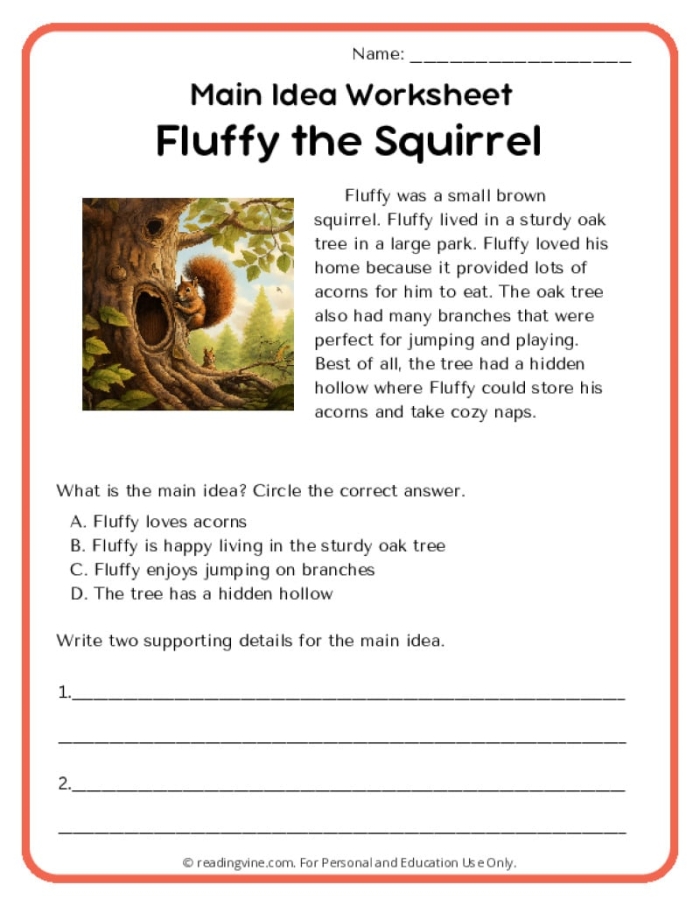
Short passages work like training wheels for reading comprehension. When fourth grade students tackle a brief text, they can actually hold the entire piece in their mind at once, making it easier to spot what the author is really trying to say and which details back up that main point.
The power of this approach lies in its simplicity. A passage that runs two to four paragraphs gives kids enough material to practice real reading skills without overwhelming them. They can reread it quickly if they miss something, circle important words, and map out how ideas connect. This builds confidence in a way that longer chapters simply cannot.
When you give a fourth grader a short passage, you’re essentially asking them to become a detective. What is the author’s central message? Is it stated directly in the first sentence, or do readers have to piece it together from clues scattered throughout? Which sentences add proof or examples that strengthen that main idea? These questions push thinking beyond surface-level reading.
The structure of short passages also makes them perfect for teaching specific skills. Whether you’re working on graphing ordered pairs alongside reading, exploring syllables and coordinate grids, or connecting math concepts like subtracting with decimals, brief texts let you isolate one reading concept without distraction.
Short passages also respect the reality of how kids learn. Attention spans vary, and some students need to build stamina gradually. Starting with manageable chunks of text sets them up for success rather than frustration. Once they master identifying main ideas in shorter pieces, longer texts become far less intimidating.
The key is choosing passages that matter. Stories about real experiences, informational texts about topics kids care about, and passages with clear supporting details all work well for this purpose.
Use These Worksheets Today