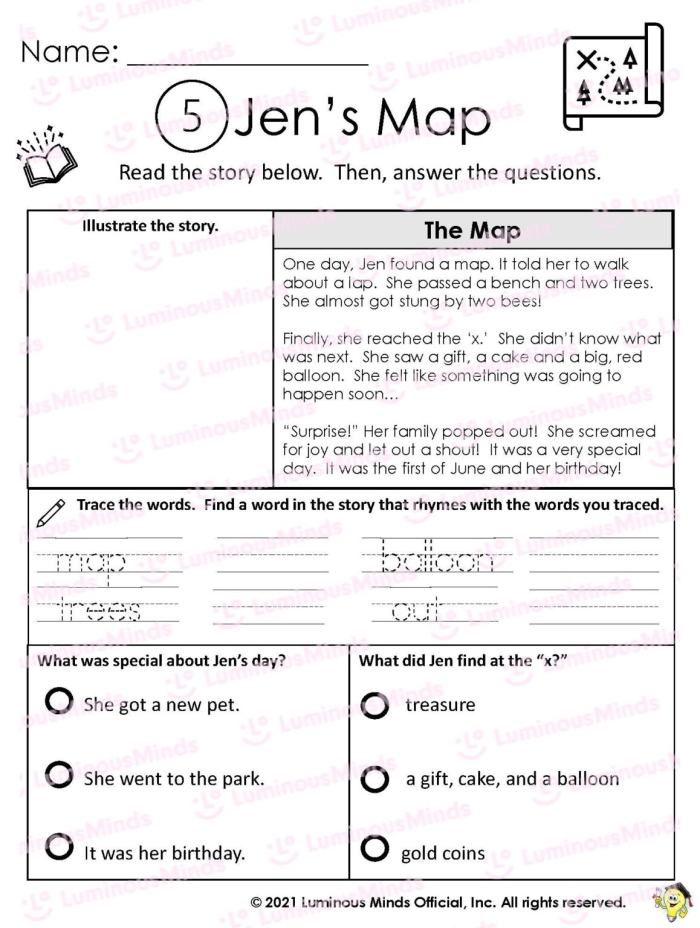
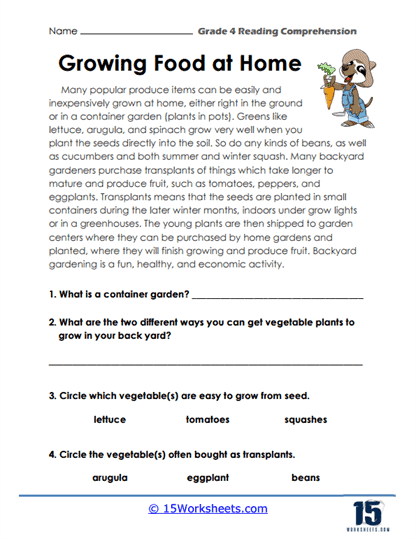
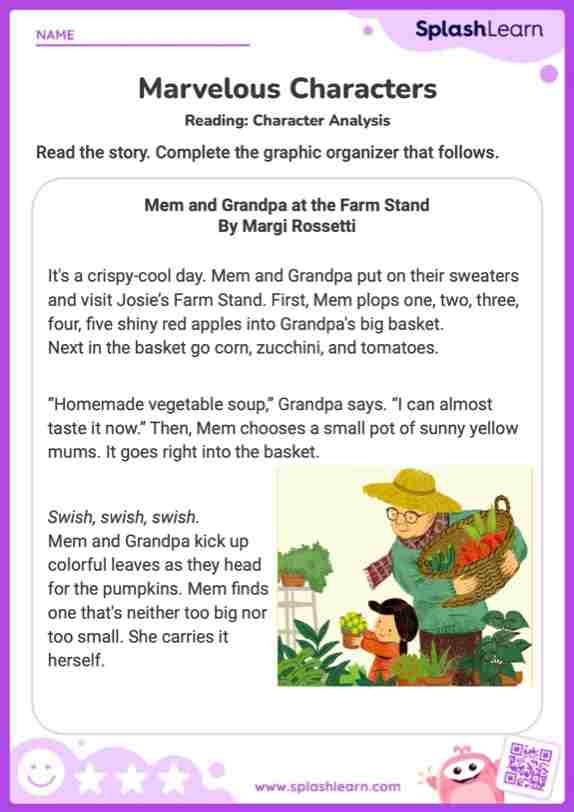
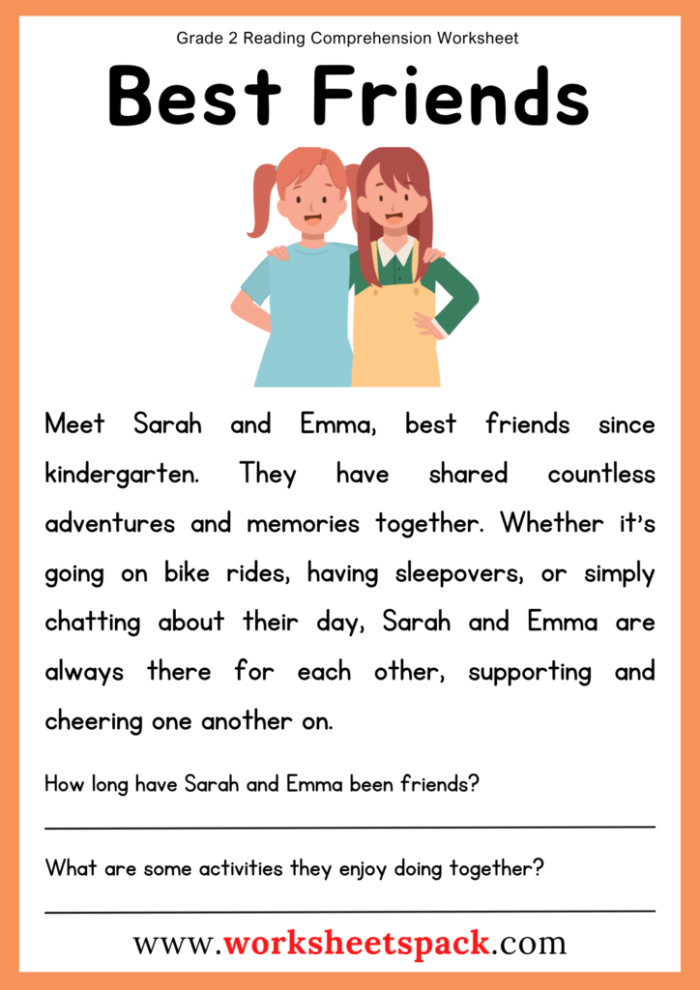
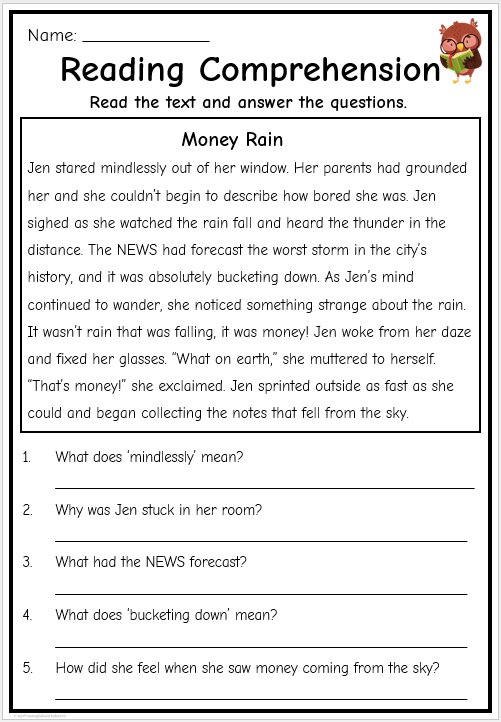
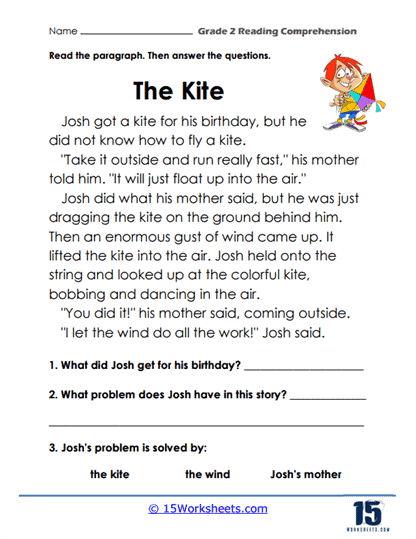
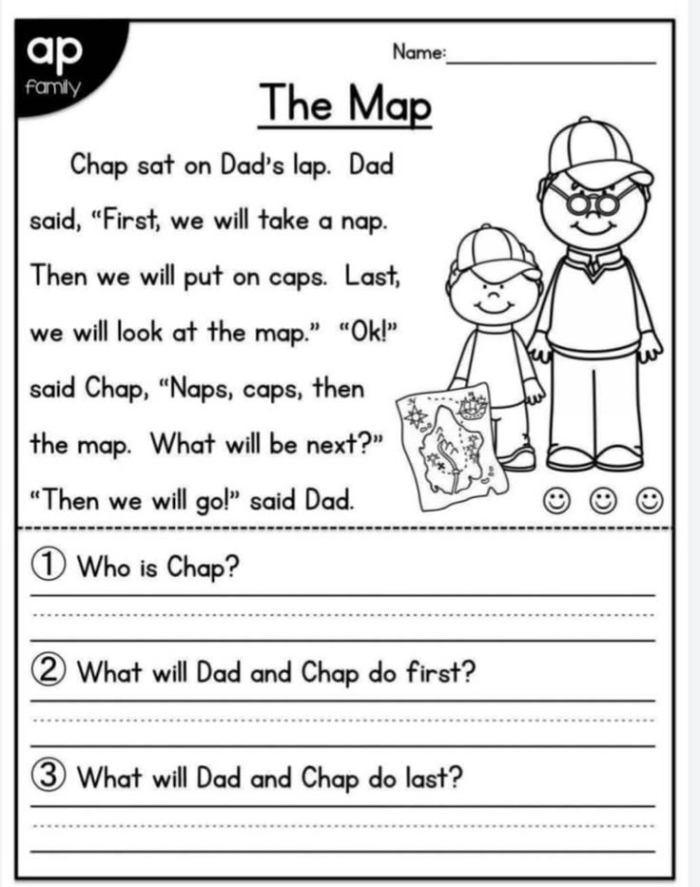
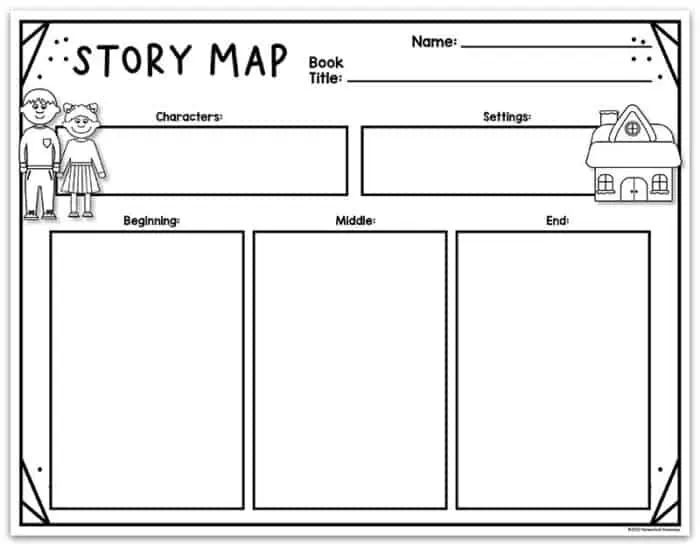
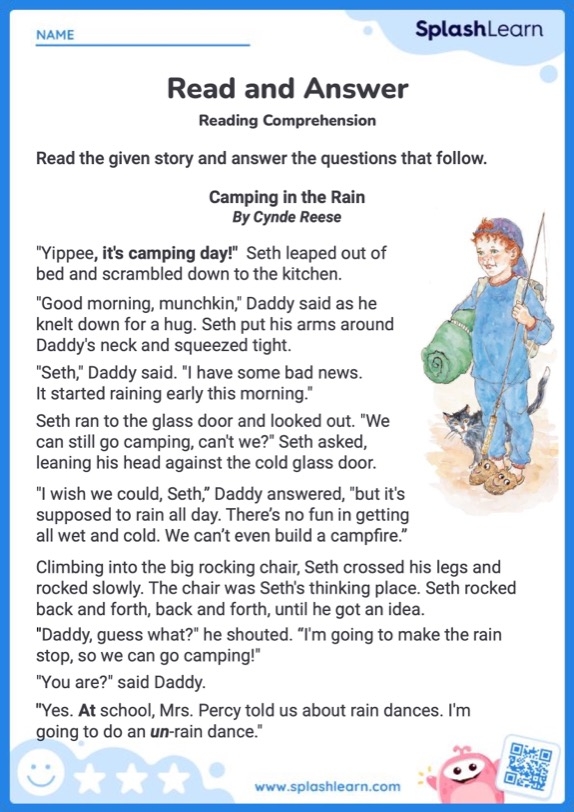
Creating a story map is an effective way to help first graders enhance their reading comprehension skills. This visual tool allows students to organize their thoughts and details about a book they have read, making it easier for them to understand and remember key elements of the story.
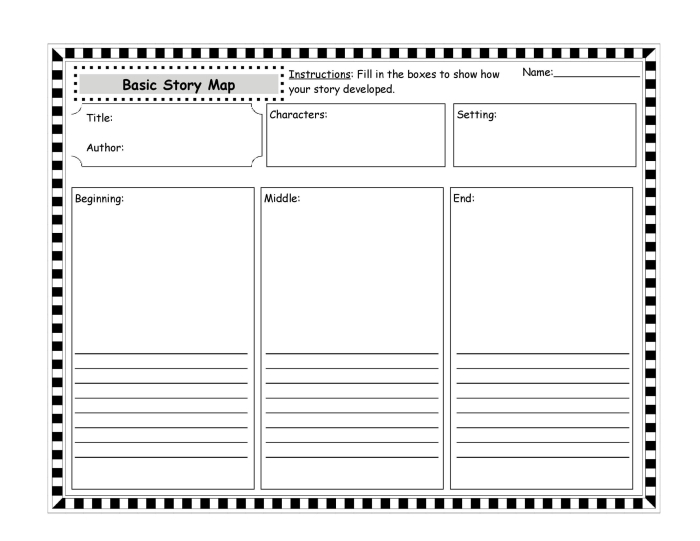
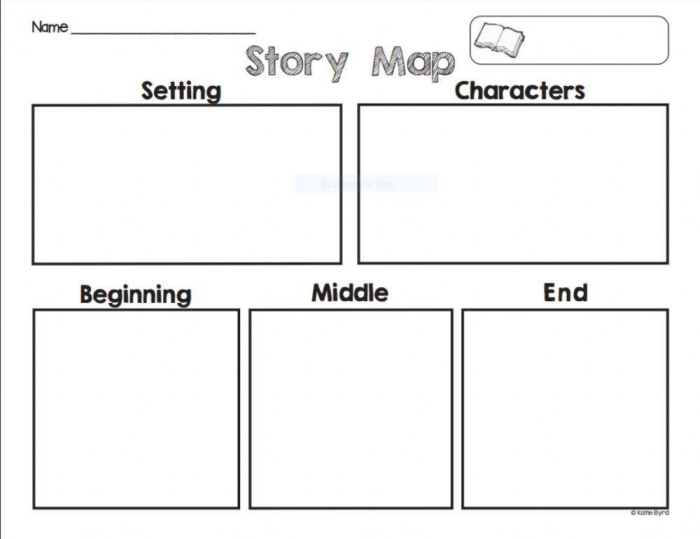
When students construct a story map, they engage in several important activities. First, they practice retelling the story in their own words. This not only helps them solidify their understanding but also boosts their confidence in expressing ideas verbally. By summarizing the plot, students learn to identify the main events and sequence them logically. For example, they might outline the beginning, middle, and end of the narrative, providing a clear structure to their retelling.
Another vital aspect of a story map is character identification. Students should think about who the main characters are, their traits, and how they contribute to the storyline. This exercise encourages them to make connections between the characters’ actions and the events of the story. For instance, if a character faces a challenge, students can discuss how that character’s qualities influenced their decisions. Such discussions deepen their understanding of character development and motivation.
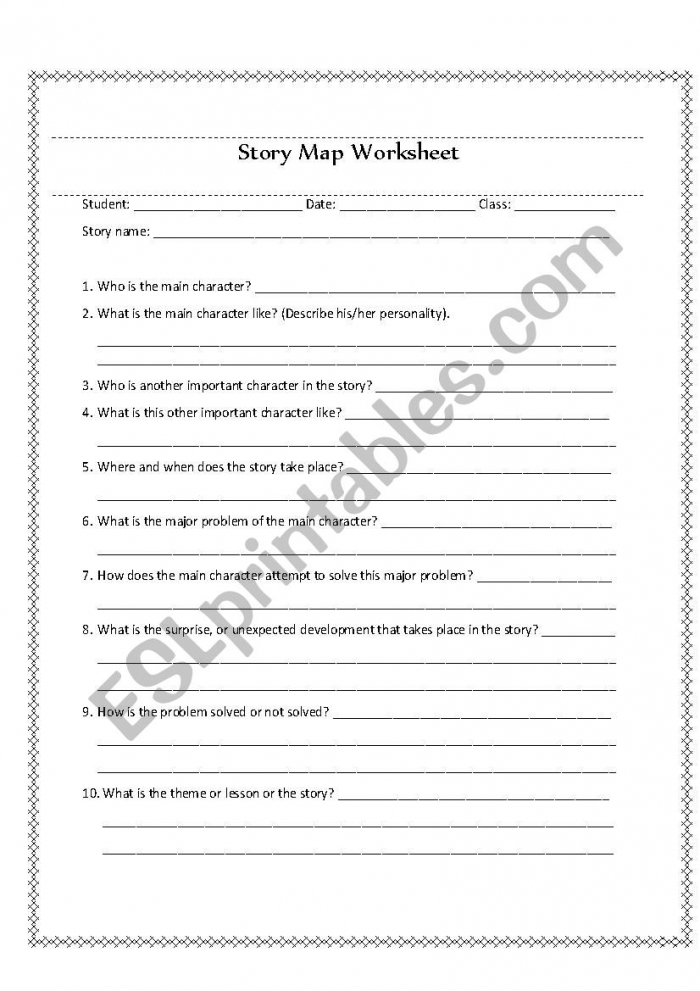
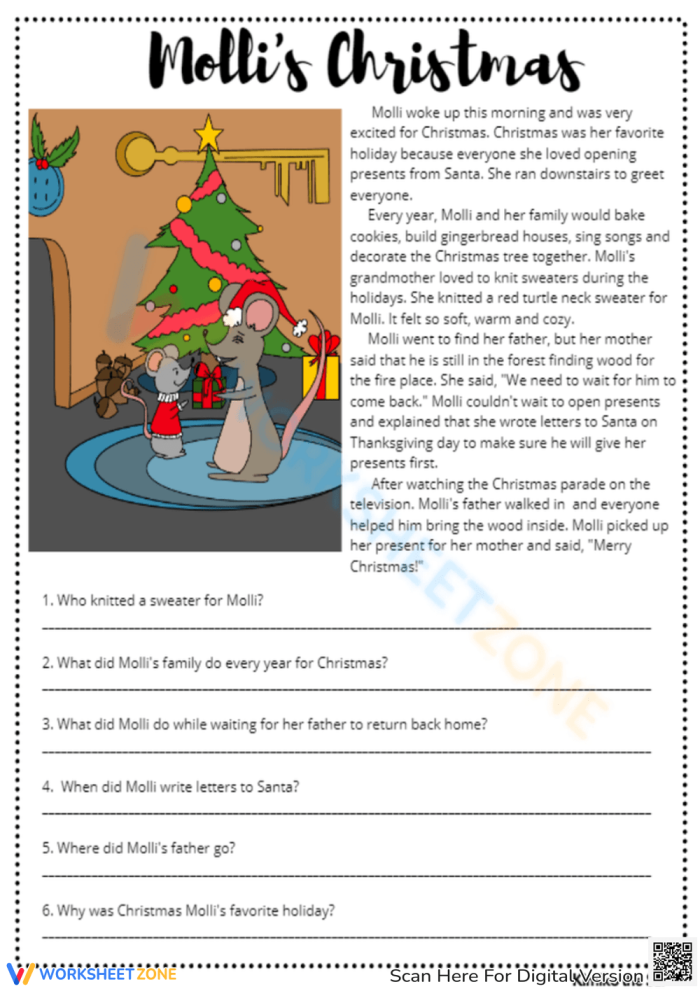
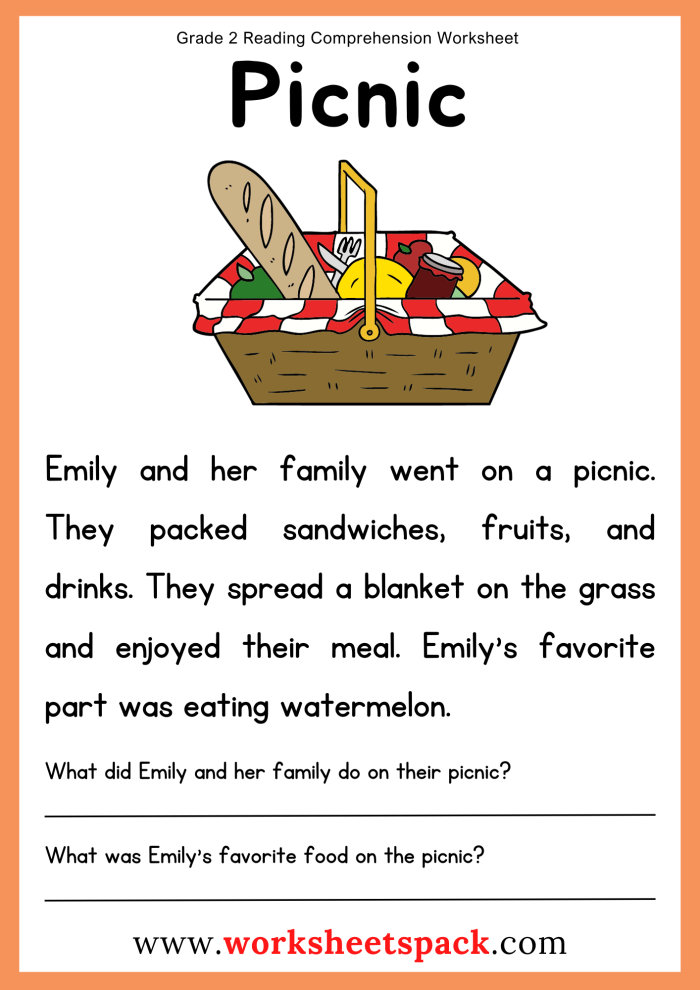
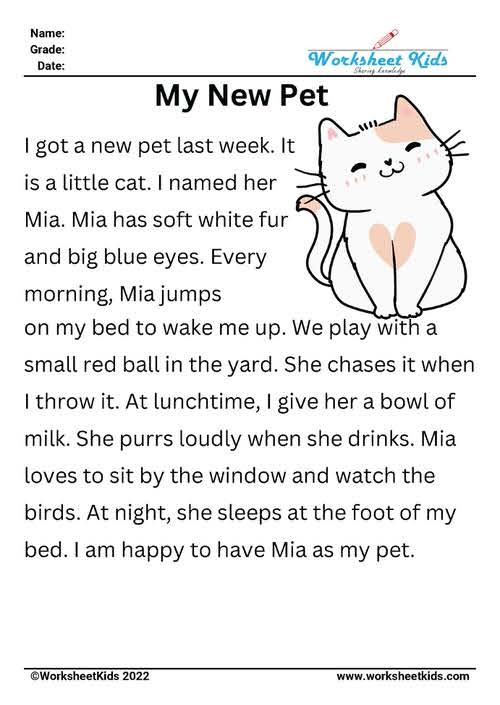
Additionally, story maps prompt students to make connections between the text and their own experiences. By relating the story to their lives or other books they have read, they create a more personal connection to the material. This not only enhances comprehension but also fosters a love for reading. Teachers can leverage resources like Printable Reading Comprehension: Map That Story! Worksheets to support this activity.
Incorporating story maps into reading lessons not only builds comprehension skills but also makes learning enjoyable. When students can visualize the elements of a story, they become more engaged readers, eager to explore new narratives and ideas.
Grab These Worksheets Now