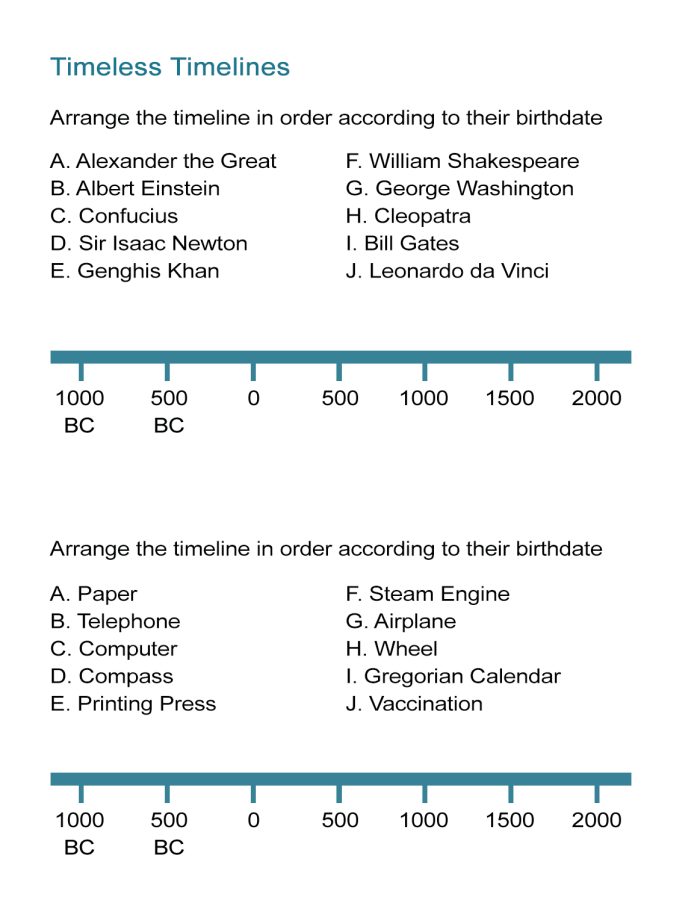
Understanding BCE (Before Common Era) and CE (Common Era) timelines is essential for sixth graders studying history and measurement. These timelines help students grasp the chronological order of significant events, allowing them to contextualize historical developments. Learning how to read these timelines can enhance students’ analytical skills, making history more engaging and relatable.
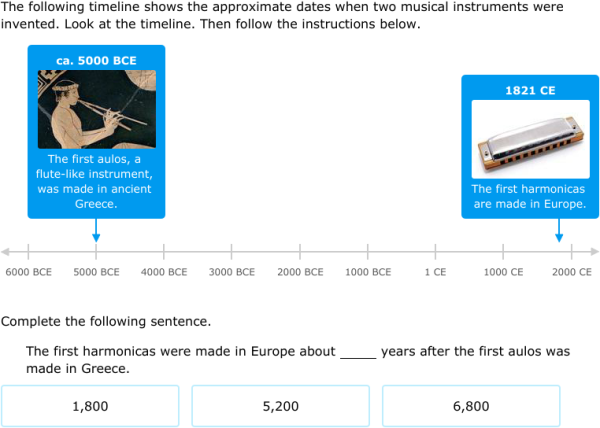
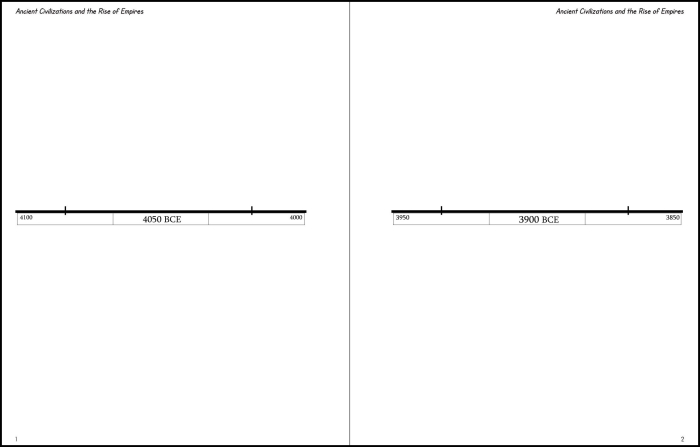
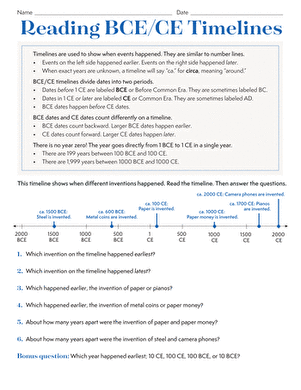
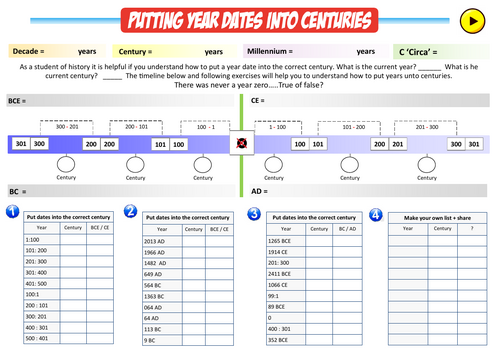
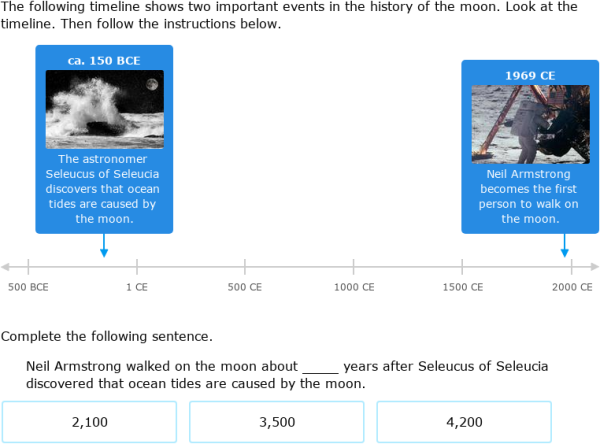
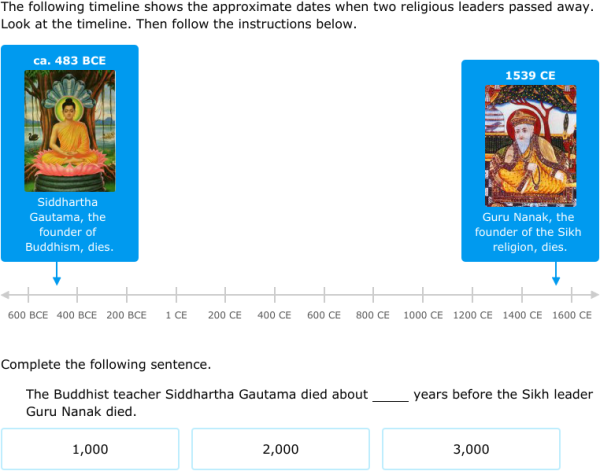
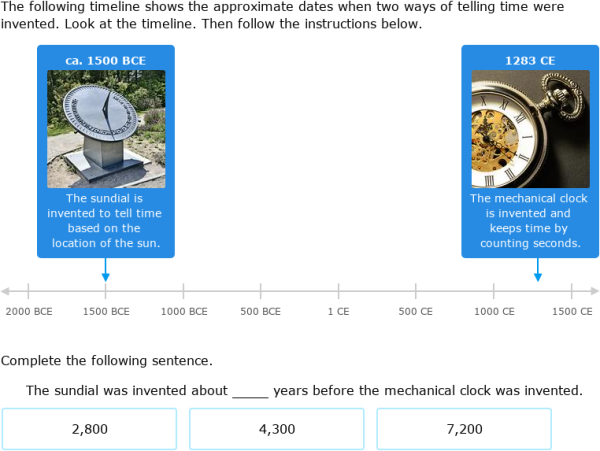
When interpreting a BCE/CE timeline, it’s important to recognize that BCE dates count backward from the year 1 CE. For example, 500 BCE is earlier than 100 BCE, which can be confusing at first. In contrast, CE dates follow a straightforward progression; 100 CE comes after 1 CE. This distinction is crucial for students as they navigate historical events.
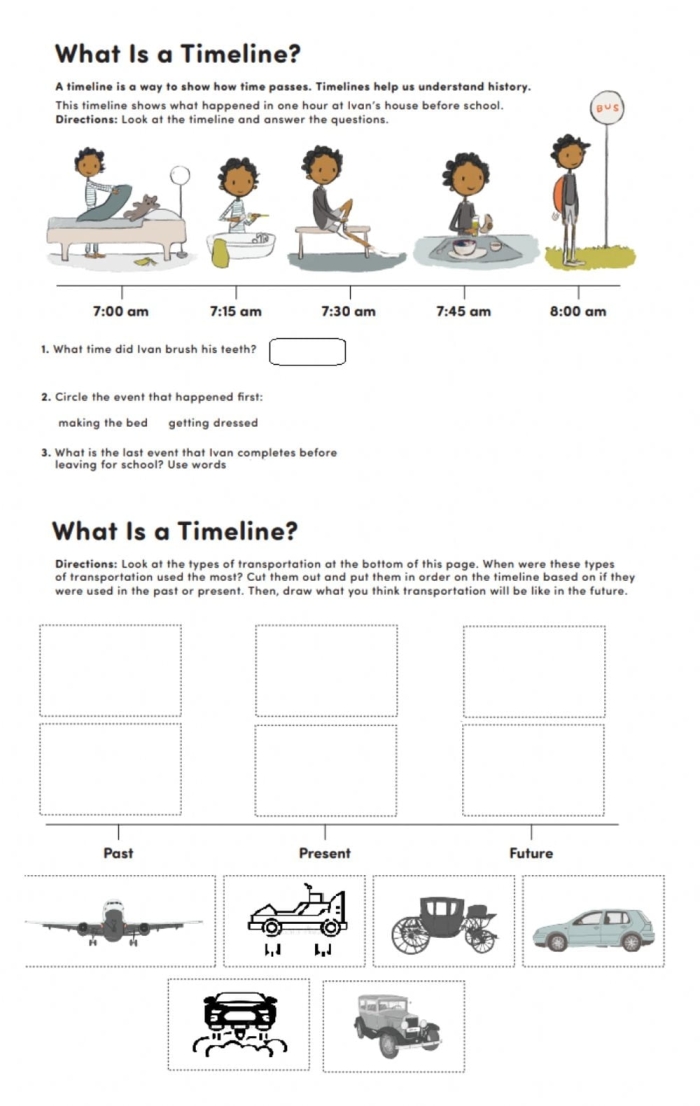
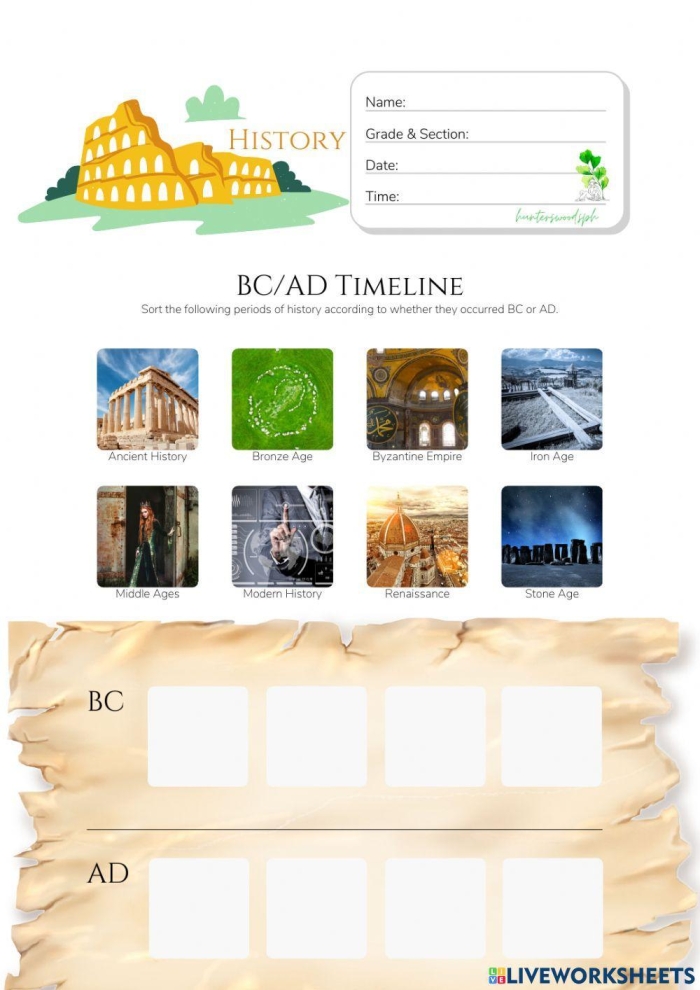
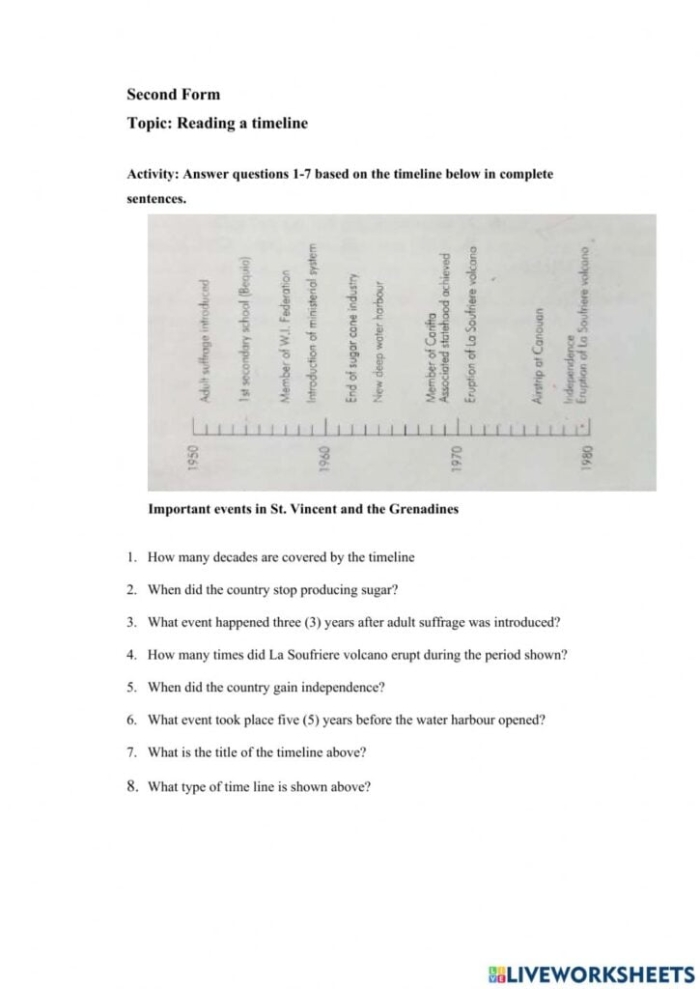
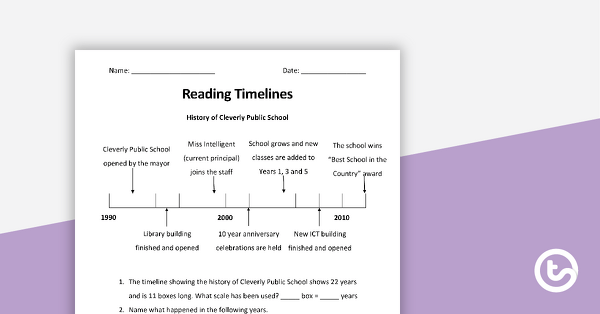
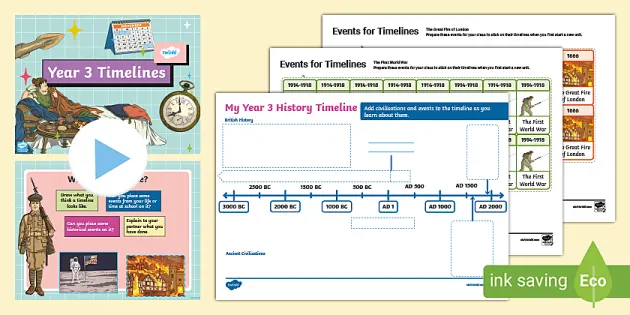
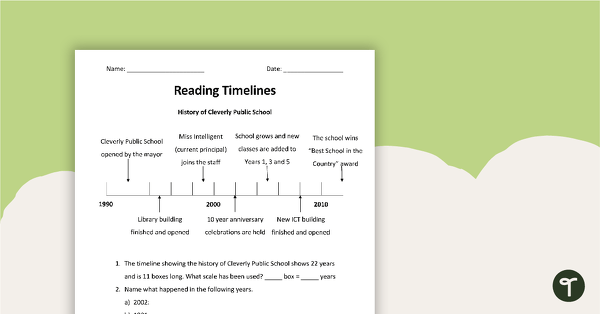
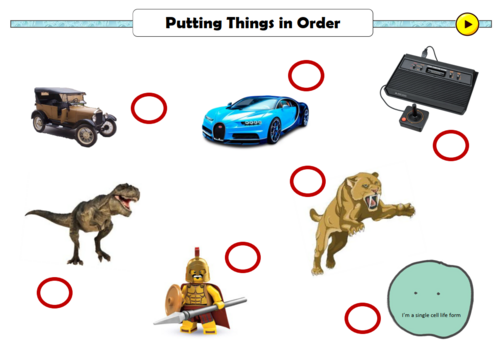
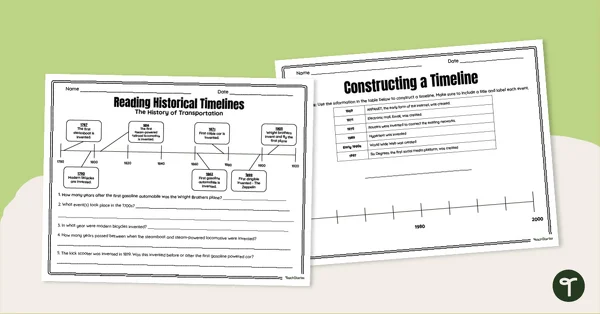
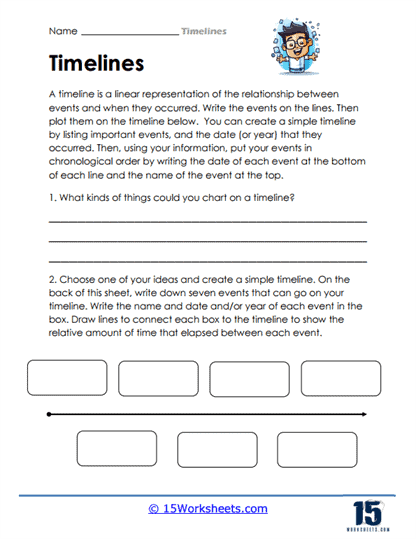
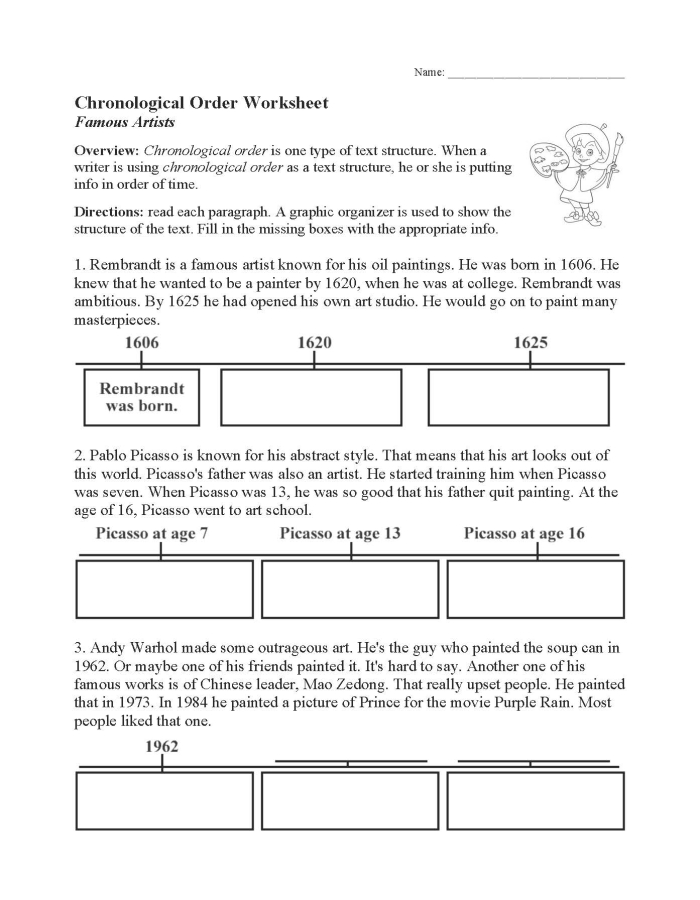
A practical approach to learning about BCE/CE timelines is through worksheets designed specifically for this purpose. These printable reading BCE/CE timelines worksheets provide structured activities that help reinforce these concepts. Students can engage in exercises that require them to place events in chronological order, analyze the significance of key dates, and even create their own timelines.
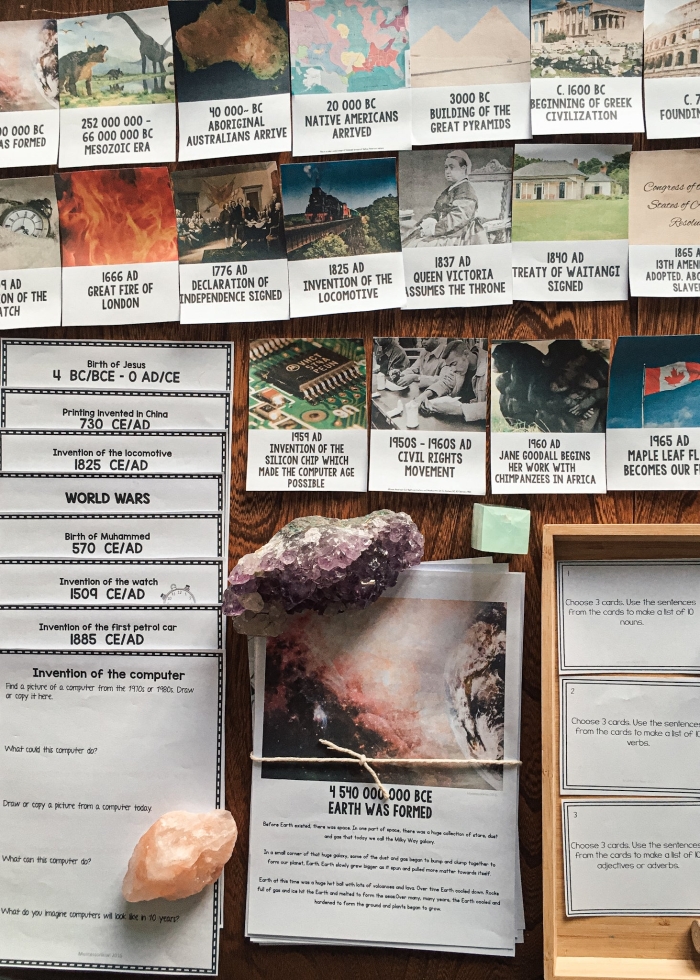
For instance, a worksheet may present several major events, such as the founding of Rome in 753 BCE or the signing of the Magna Carta in 1215 CE. Students can practice placing these events on a timeline, which not only helps them remember the dates but also connects them to the larger narrative of world history.
Ultimately, mastering the reading of BCE/CE timelines equips sixth graders with valuable skills that extend beyond social studies. It fosters critical thinking and improves their ability to interpret data in various contexts. For additional practice, educators may also utilize resources like measurement worksheets that integrate these historical concepts into broader learning objectives.
Grab These Worksheets Now