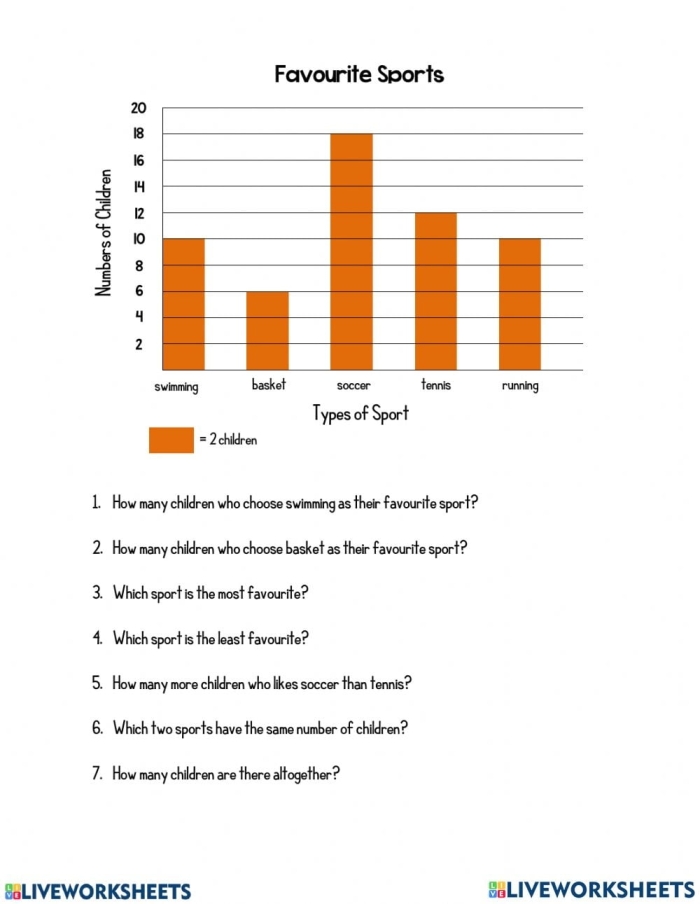
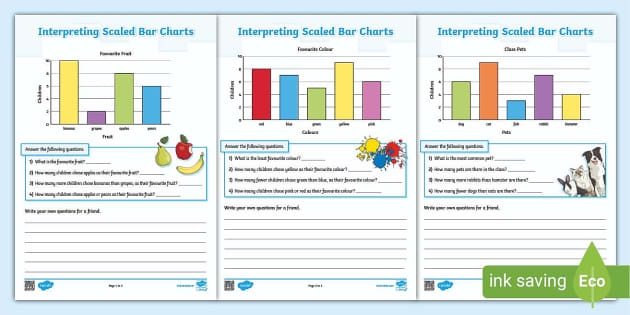
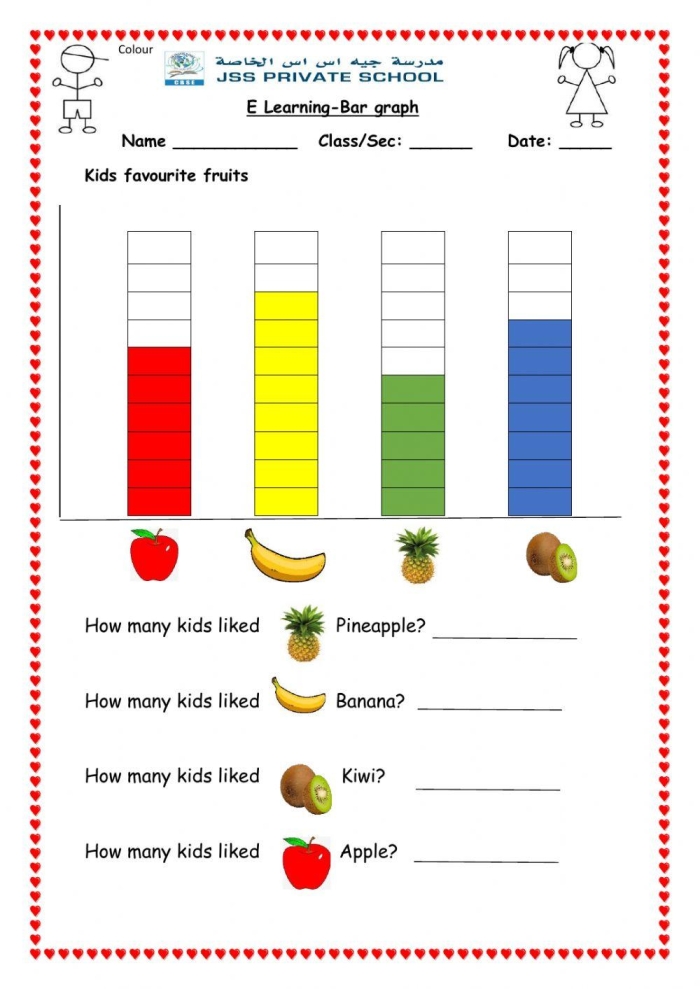
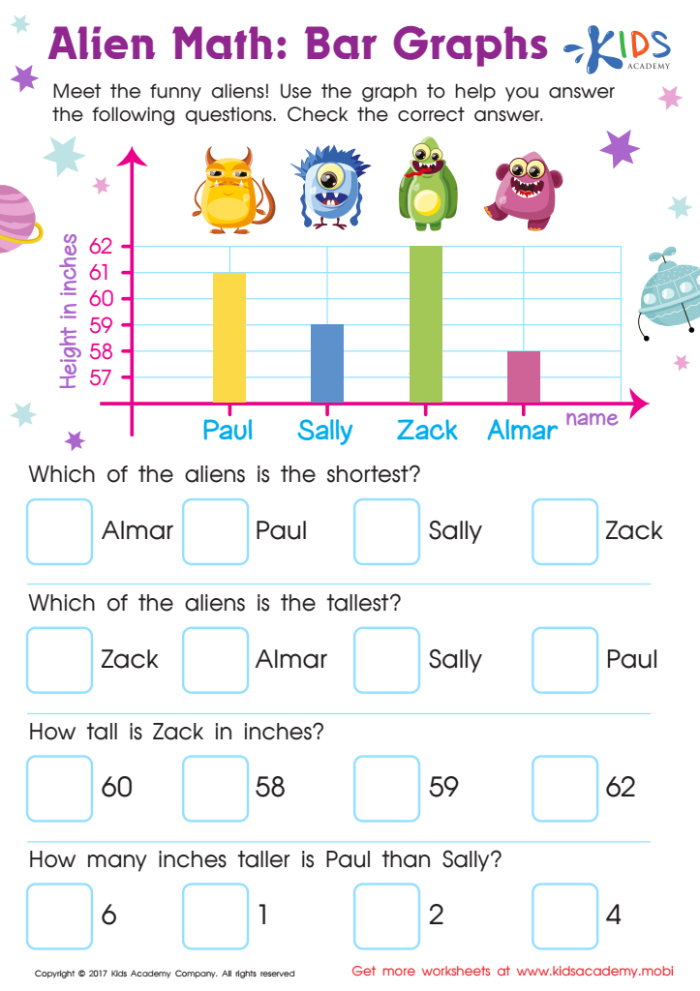
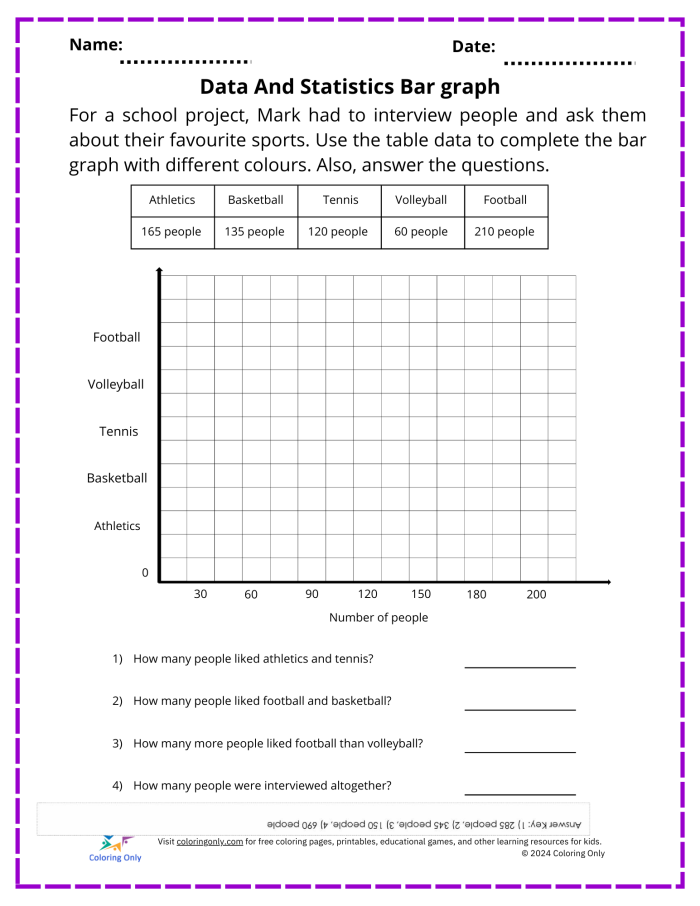
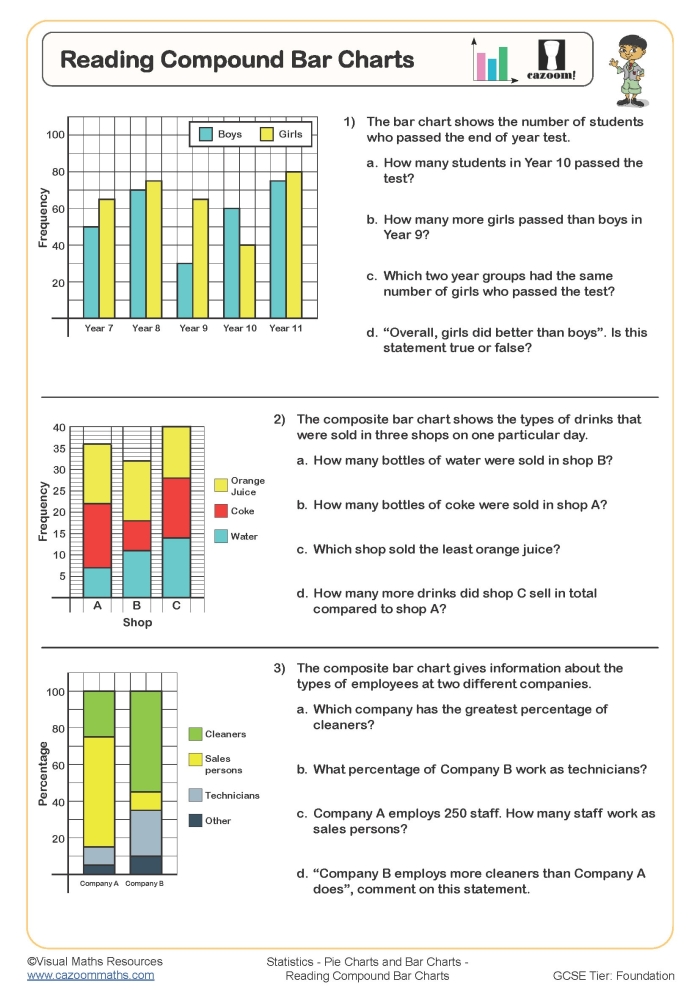
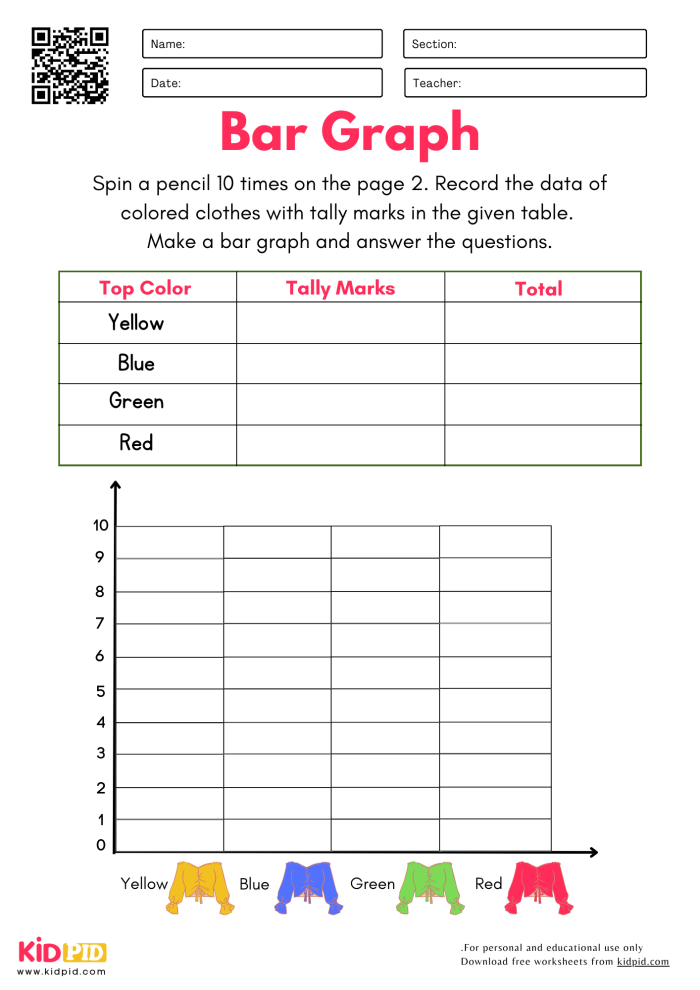
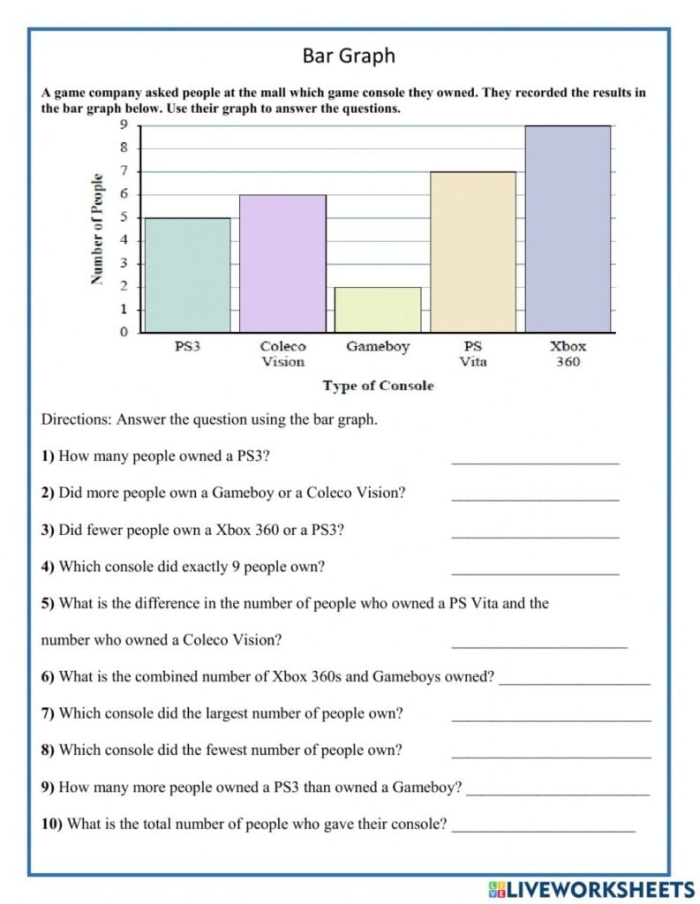
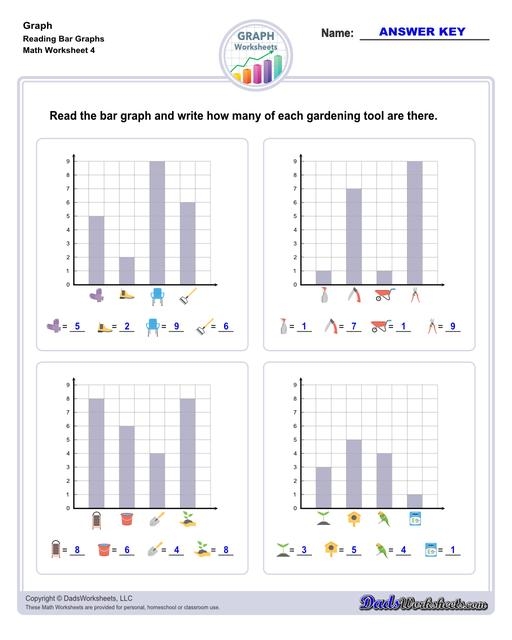
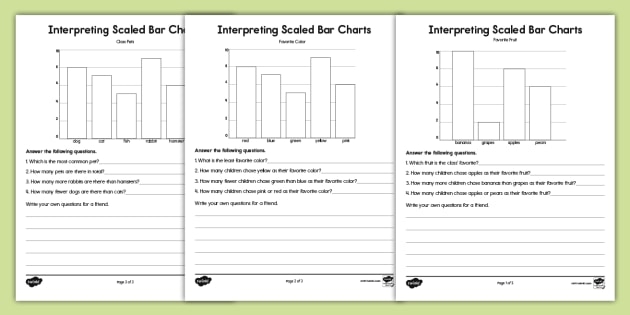
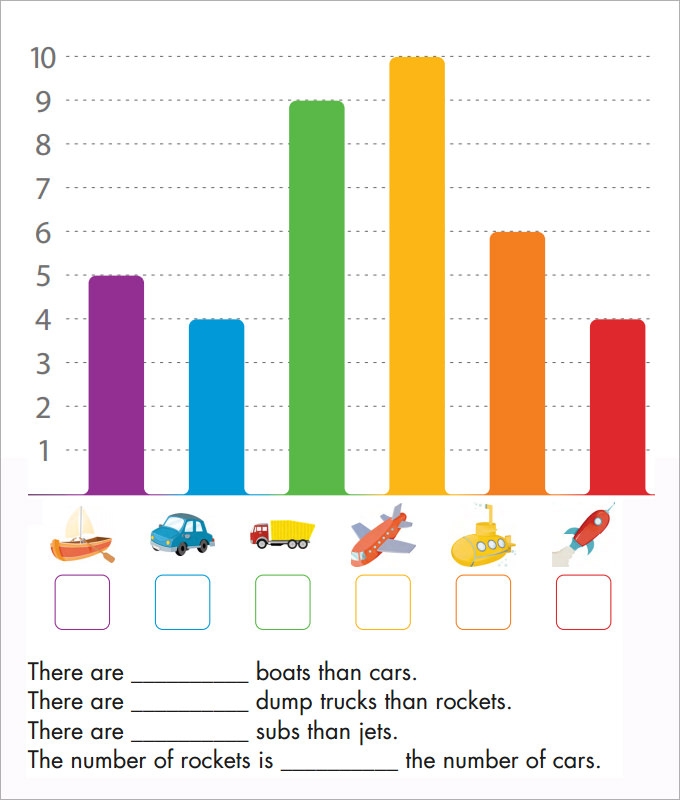
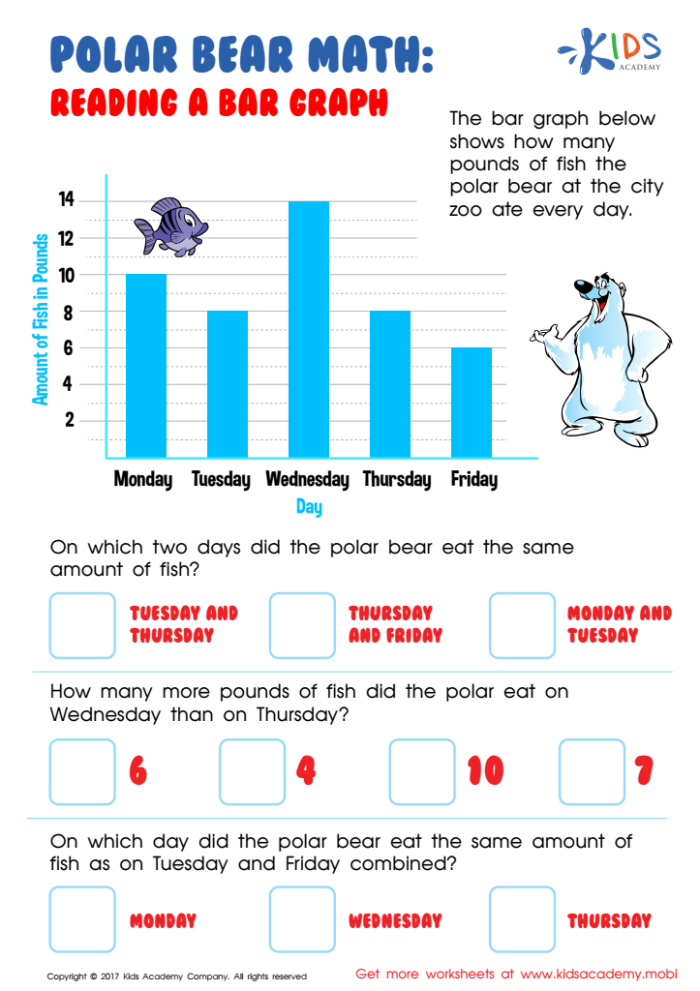
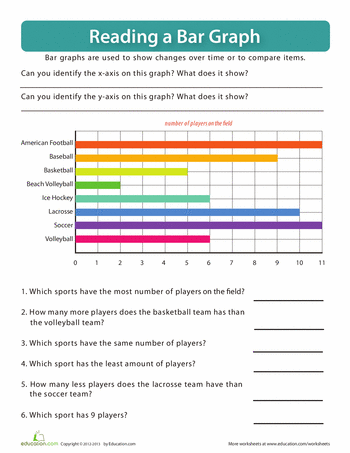
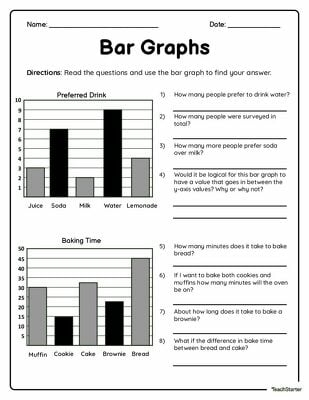
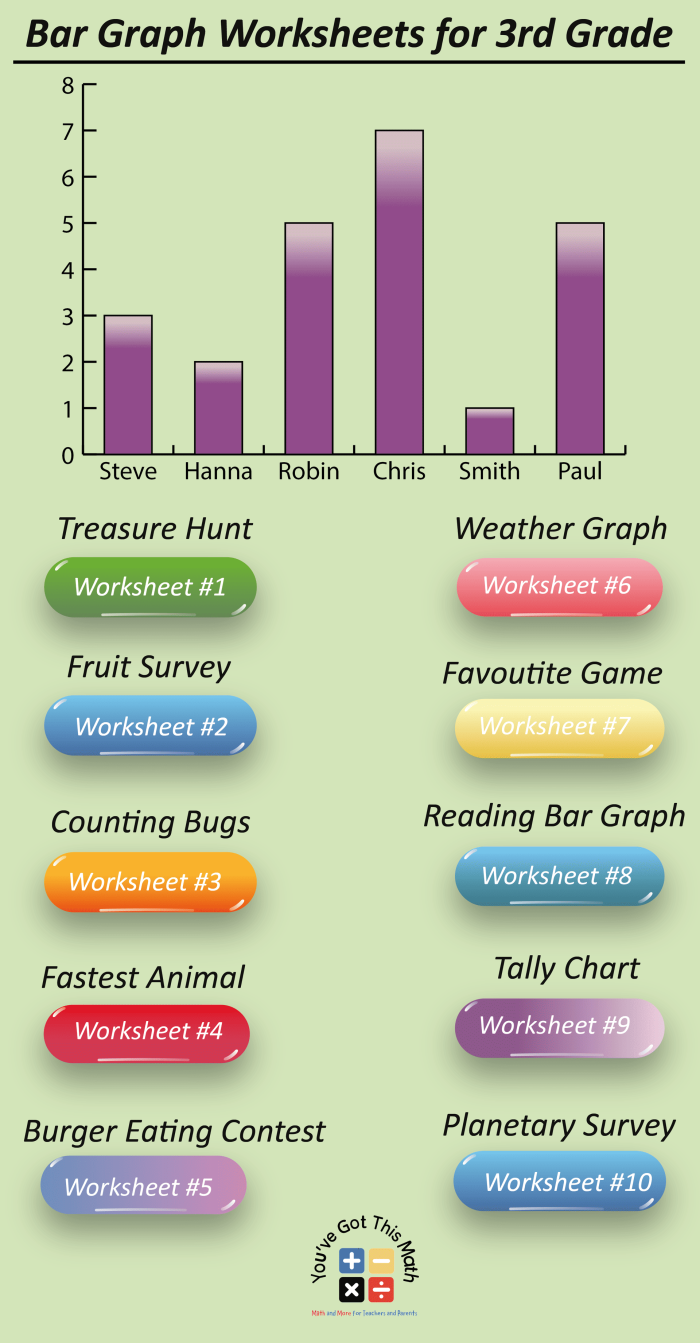
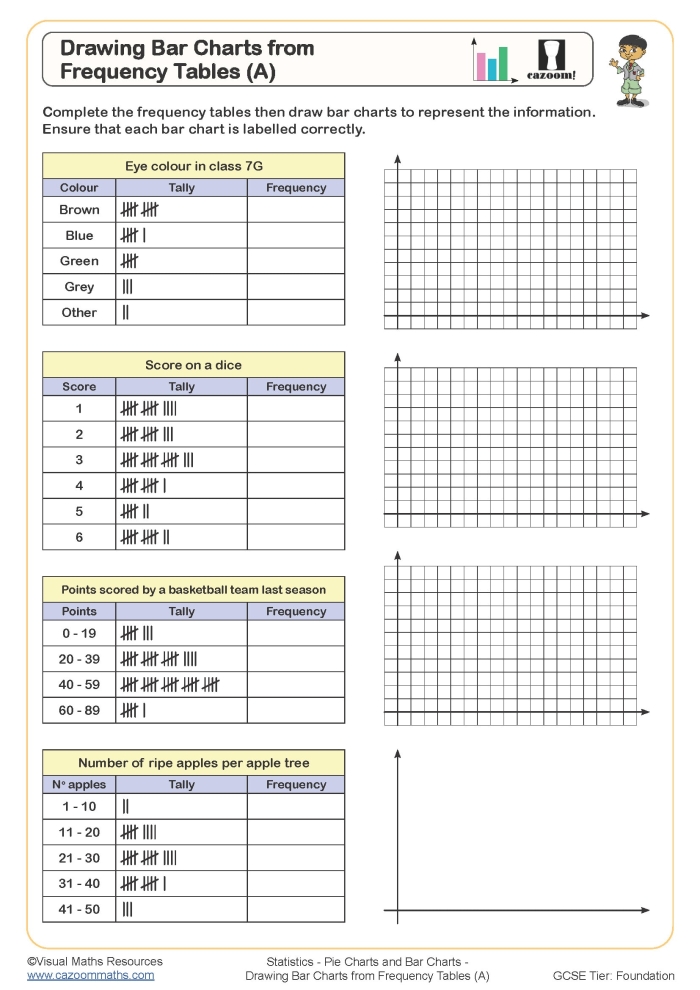
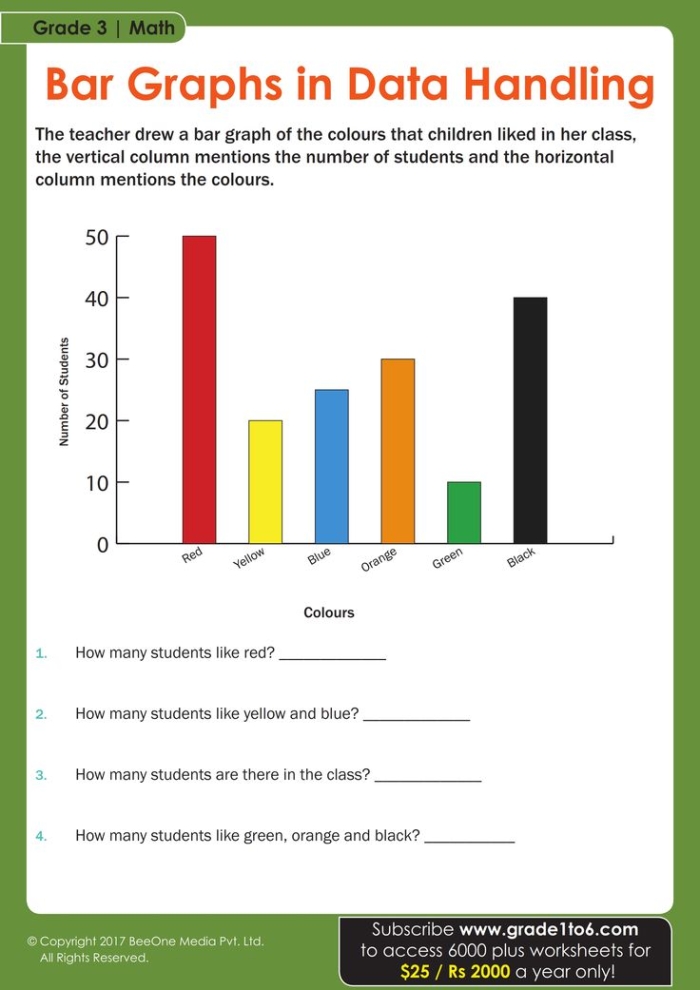
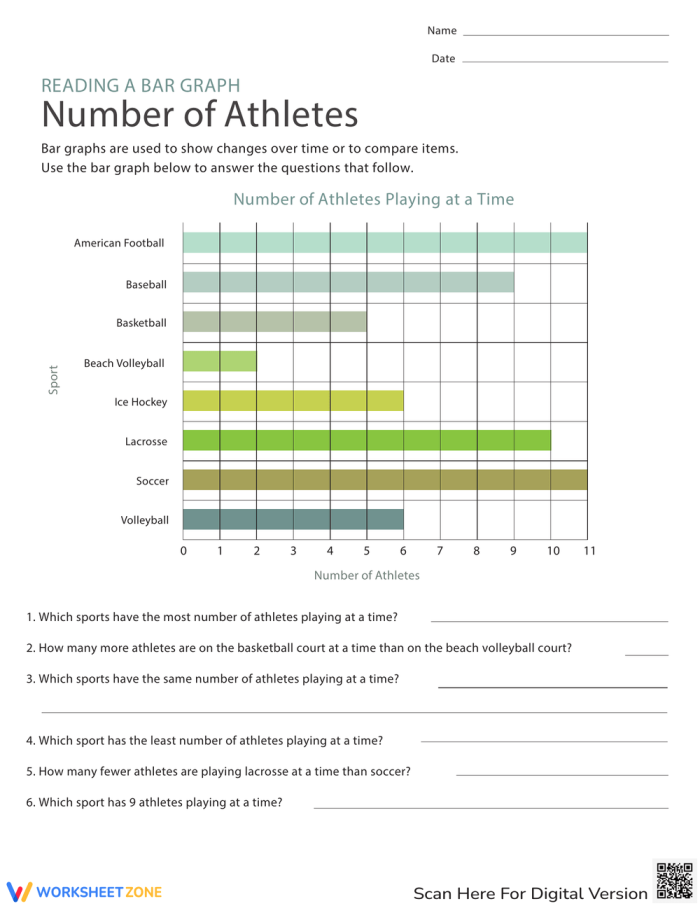
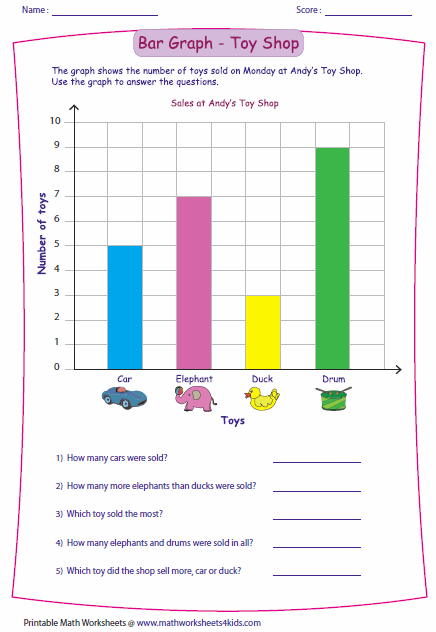
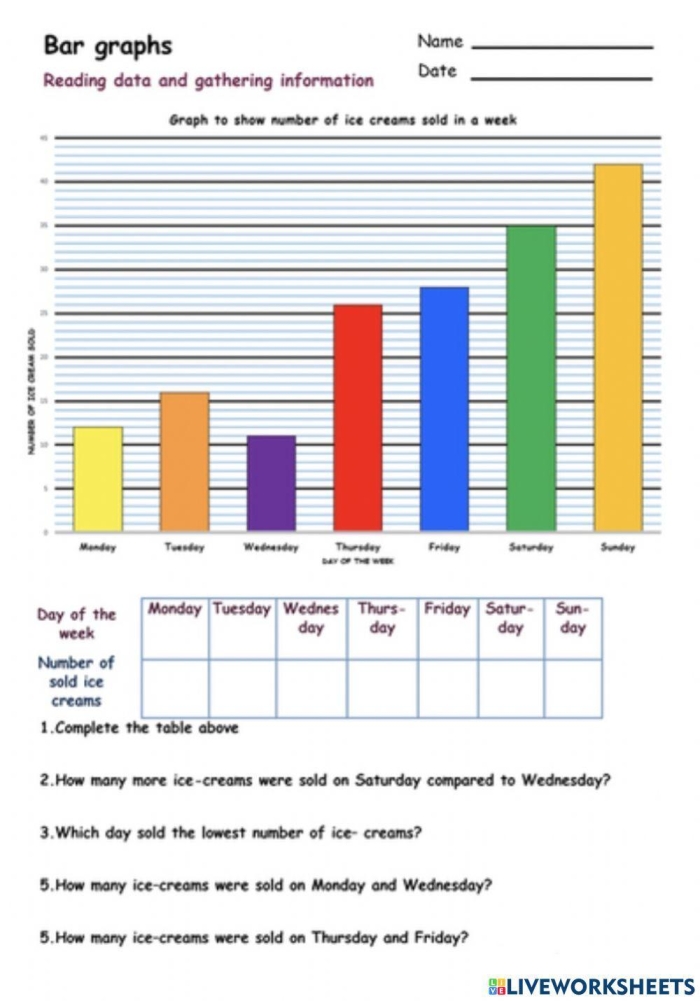
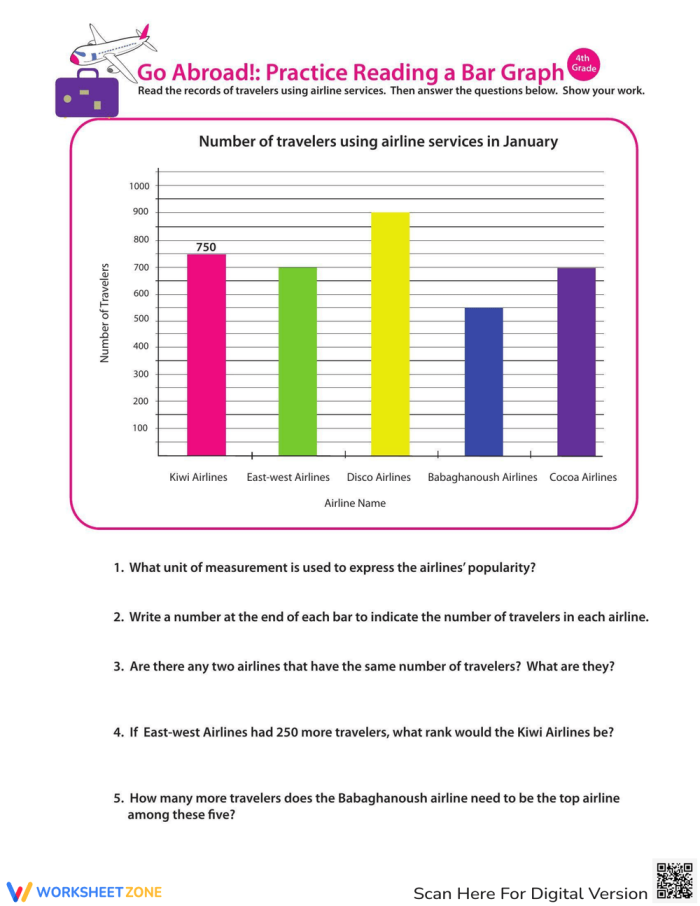
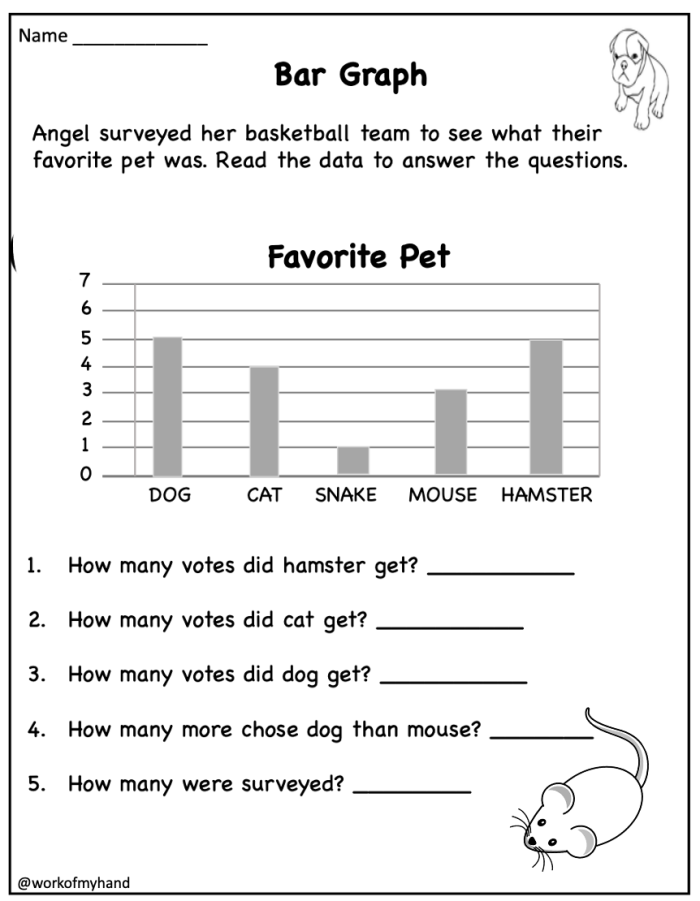
Understanding data representation is an essential skill for third graders, and what better way to engage young learners than through sports? In this sports-themed worksheet, children are introduced to reading a bar graph that illustrates the number of athletes participating in various sporting events. This hands-on approach not only makes learning enjoyable but also reinforces critical math and analytical skills.
Using the bar graph, students will answer six specific questions focusing on different sports, such as soccer, basketball, and swimming. This exercise encourages them to compare numbers, recognize patterns, and draw conclusions based on the data presented. For example, if the bar graph shows that more athletes are participating in soccer than in baseball, students can analyze why that might be the case. Is soccer more popular in their area, or are there more teams available?
Working with data like this has practical benefits. It helps children improve their mathematical reasoning while applying it to real-world contexts. Moreover, learning to interpret graphs is a foundational skill that they will use in higher grades and various subjects, including life sciences. For instance, understanding graphs can aid in studying population growth in biology or analyzing weather patterns in environmental science.
These printable worksheets are designed to align with third-grade learning objectives, providing a seamless integration of math and life science. After completing this exercise, students will have a better grasp of how to read a bar graph, making it easier to tackle more complex data sets in the future. If you’re looking for additional resources, consider exploring worksheets that focus on reading comprehension or practicing word problems to further enhance your child’s learning experience.
Engaging with data in a fun, relatable way not only reinforces academic concepts but also fosters a love for learning that can last a lifetime.
Download These Worksheets for Practice